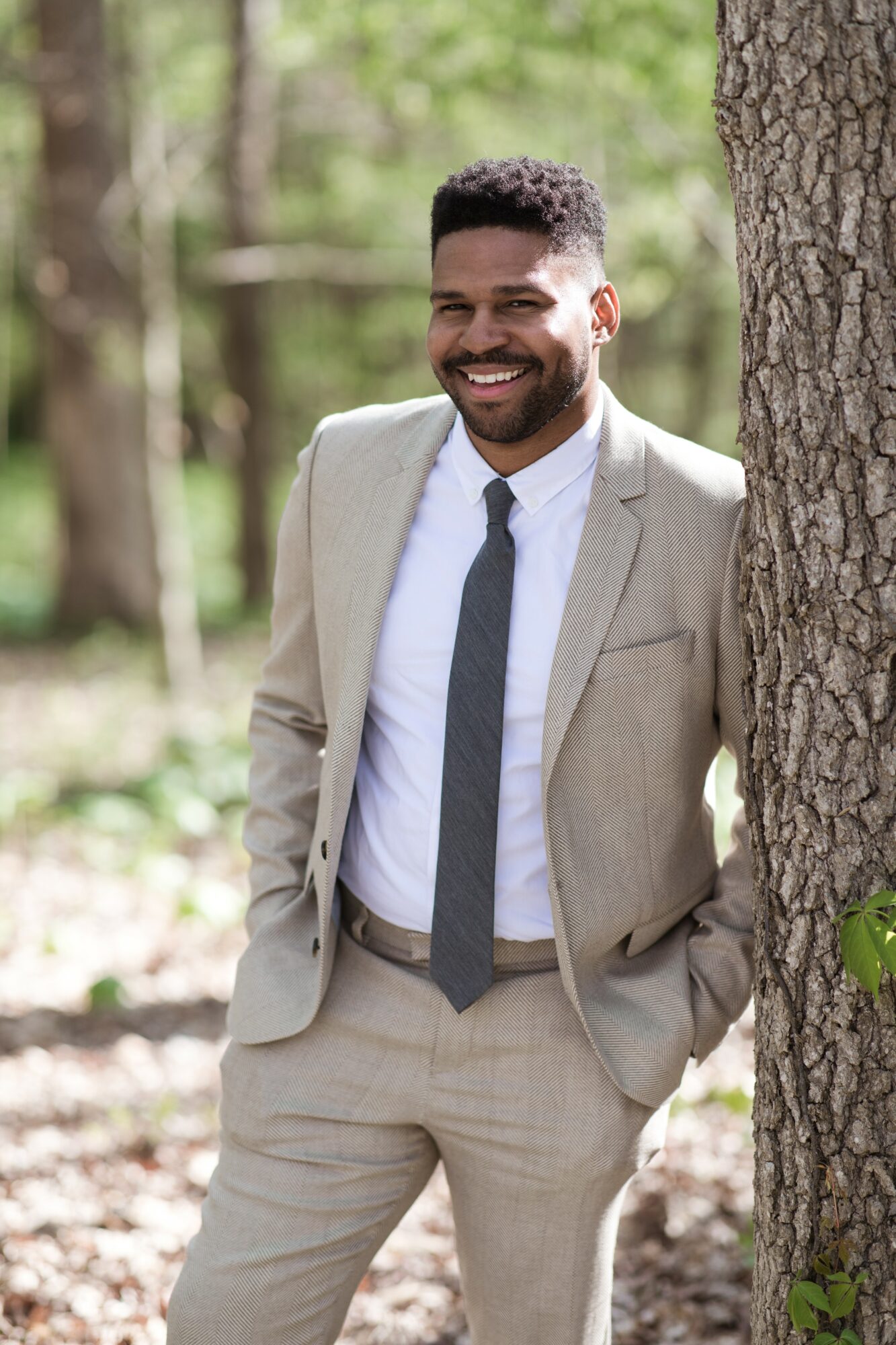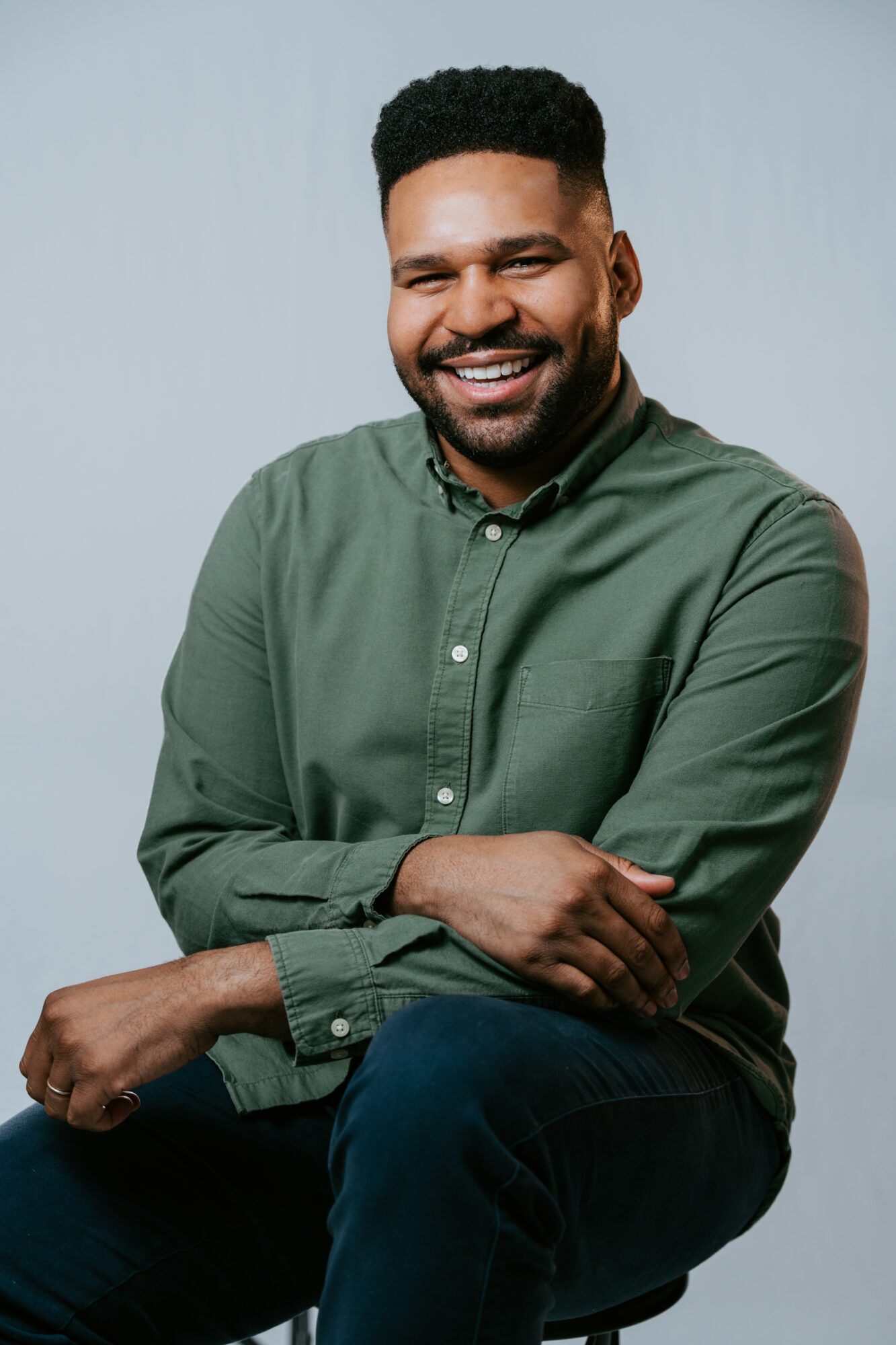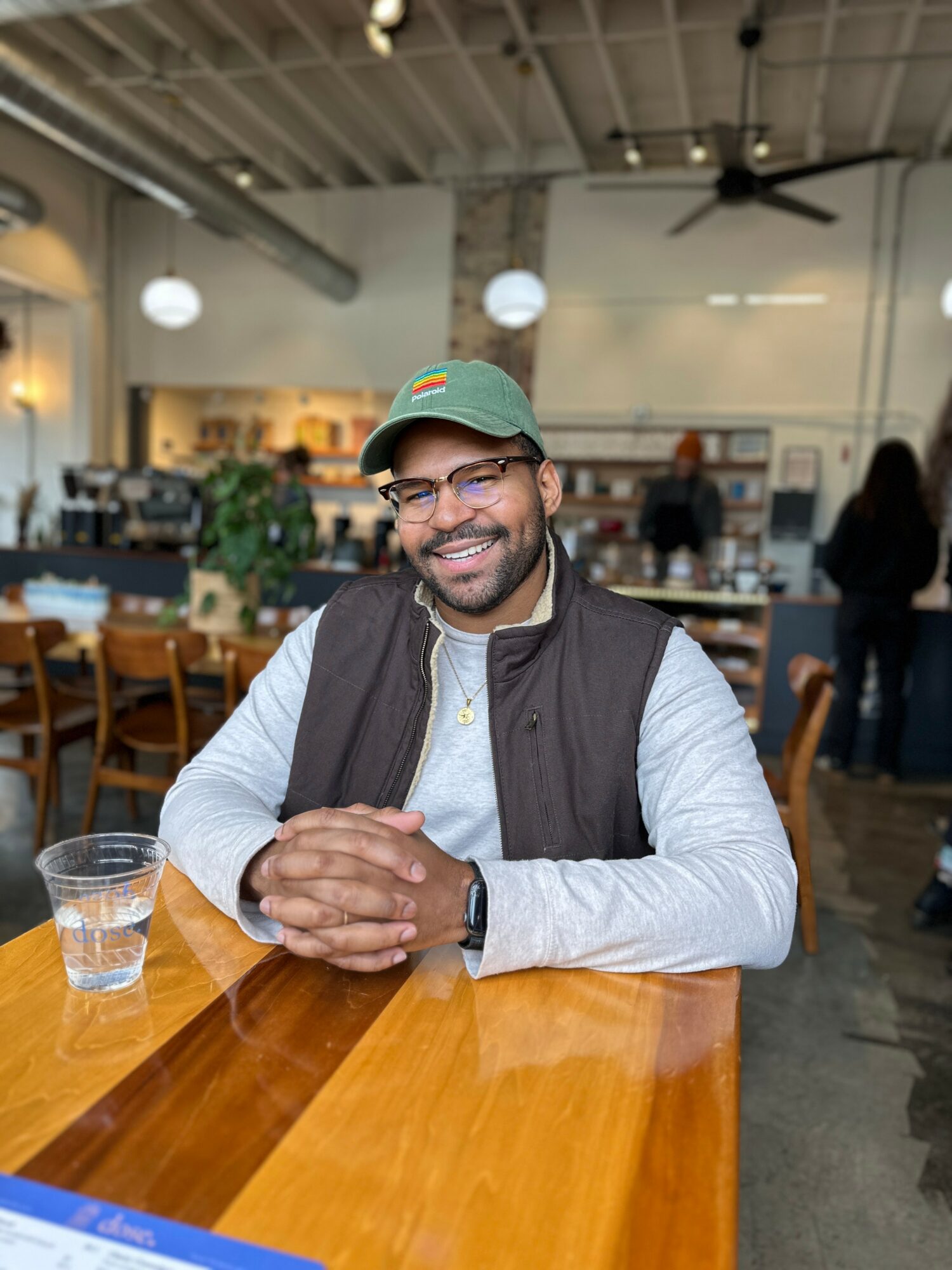





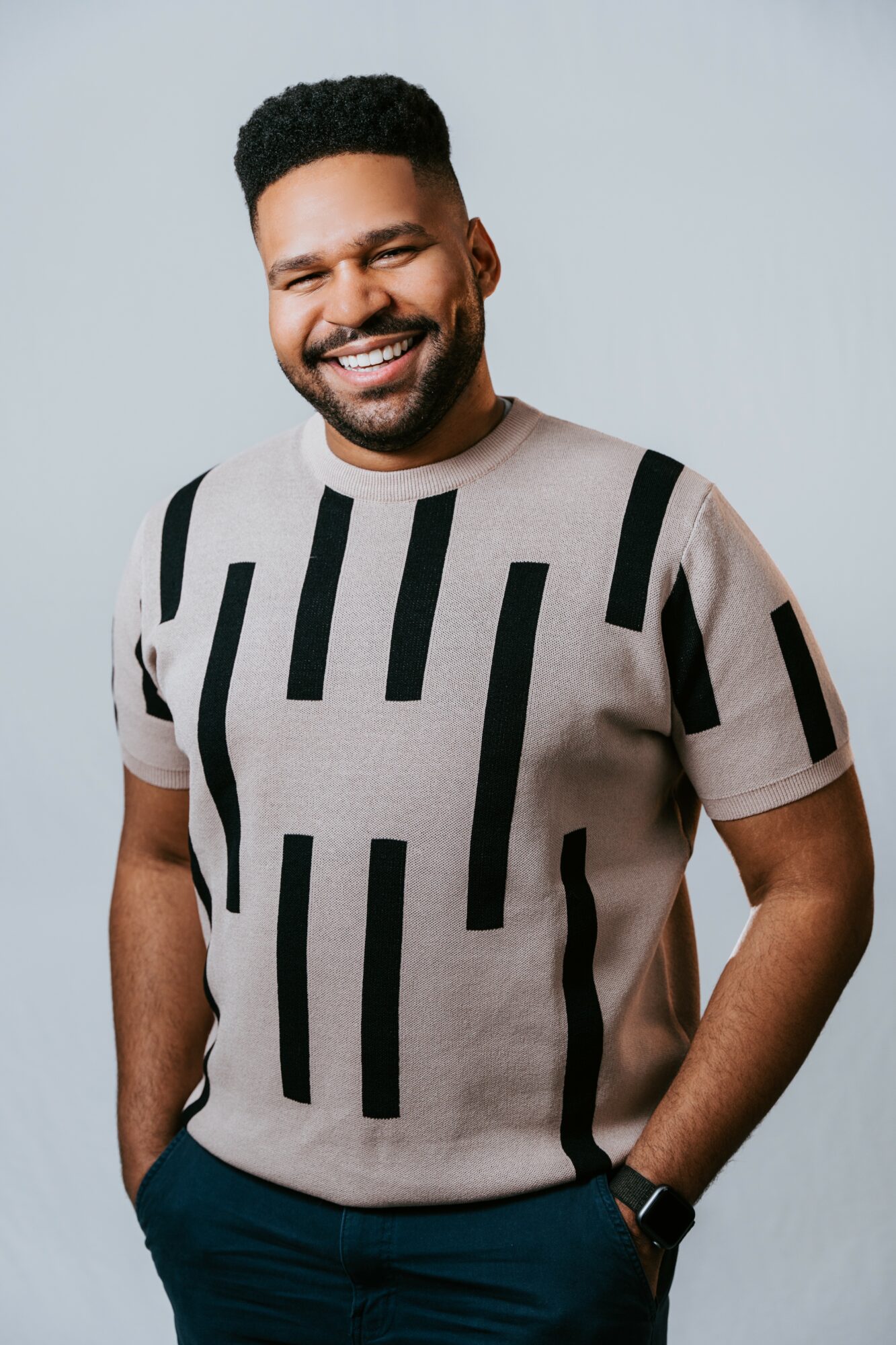
Today we’d like to introduce you to Tozia Ware
Hi Tozia, so excited to have you with us today. What can you tell us about your story?
I often describe myself as a chameleon, not because I blend into the background but because I have a unique ability to relate to people from all walks of life. Growing up as a Black man in a predominantly white town, I learned early on how to navigate cultural differences, a skill that has become a cornerstone of my personal and professional life.
My journey into the mental health field began with a deep curiosity about the human brain, sparked by a family member’s diagnosis. I wanted to understand their condition and, more broadly, how our minds work. But my path wasn’t without challenges. As a young student, I was told being a therapist wasn’t an option for me because of a perceived learning disability, a misconception rooted in standardized testing rather than my abilities. Talk about crushing someone’s dreams! I wasn’t expected to finish high school, let alone pursue higher education.
Despite those early doubts, my curiosity and determination pushed me forward. I worked tirelessly to overcome systemic barriers, juggling work and school while navigating the financial and emotional challenges of being a first-generation college student. Though I stumbled along the way, dropping out after my first semester as an undergraduate, I refused to give up. I saved money, returned to school, and eventually earned my Bachelor of Science in Psychology with a minor in Neuroscience.
These experiences not only shaped my resilience but also reinforced my commitment to becoming a mental health professional. I’m passionate about breaking the stigma surrounding mental health in marginalized communities, especially within the Black community. Today, as a therapist and advocate, I empower others to seek the help they deserve while using my lived experiences to connect authentically with clients and colleagues alike.
What began as a personal quest to understand a family member’s mental health has evolved into a professional mission to support and uplift others. Whether I’m working with clients, training therapists on delegation, or teaching cultural humility, I bring the same determination, empathy, and drive that got me here in the first place.
I’m sure it wasn’t obstacle-free, but would you say the journey has been fairly smooth so far?
Smooth road? Not even close! My journey has been full of twists, potholes, and moments where I wasn’t sure if I’d make it to the next mile marker. But those struggles are what shaped me.
One of the earliest challenges was breaking out of the box other people put me in. I was told outright that I couldn’t become a therapist because I had a “learning disability.” That wasn’t true. It was easier for the system to label me than to support me. And for a while, I believed it. I wasn’t expected to graduate high school, let alone college. People encouraged me to drop out and settle for less, but I couldn’t shake the feeling that I was meant for more.
When I finally made it to college, I realized I had no idea how to navigate that world. I didn’t have the support or resources to succeed, and eventually, I joined the 30% of first-year students who drop out. It felt like a confirmation of all the doubts people had about me. But honestly, that setback ended up being a turning point. I worked long hours, saved every dollar I could, and went back to school. That time, I was ready. I earned my degree, something that once felt impossible.
Even as a therapist, the road hasn’t been easy. Starting my practice meant figuring out how to juggle client care, admin tasks, and running a business, a skill they don’t exactly teach in grad school. I hit burnout trying to do it all myself before realizing I didn’t have to. Learning how to delegate and embrace help was a game-changer, but it was also a challenge to let go of that control.
And, of course, there’s the weight of being a Black man in a predominantly white profession. I’ve felt isolated at times, navigating microaggressions and being one of the few voices advocating for cultural humility in spaces where it’s often overlooked. It’s exhausting, but it’s also fueled my passion to make this field more inclusive and equitable.
So no, it hasn’t been a smooth road. But every challenge has taught me something about myself, about my strength, my resilience, and my purpose. Those lessons are what drive me to keep going, even when the road gets rough.
Thanks – so what else should our readers know about your work and what you’re currently focused on?
My work is all about healing in spaces where it’s often most needed but least accessible. I specialize in treating complex trauma, with a focus on racial trauma, something I understand deeply as a Black man who’s navigated the unique challenges of being othered in predominantly white spaces. I also specialize in psychedelic-assisted therapy, which has been a transformative tool in helping clients process trauma in profound and lasting ways.
What sets my work apart is the way I approach it: with cultural humility, a deep understanding of systemic oppression, and a trauma-informed lens. For me, therapy isn’t just about helping clients survive; it’s about empowering them to reclaim their stories, their power, and their sense of self. I bring my lived experiences to the work, which allows me to hold space for others in ways that feel safe, authentic, and grounded.
One of the things I’m most proud of is helping clients, especially those from marginalized communities, find healing in a world that often invalidates or minimizes their pain. I’ve seen how racial trauma impacts mental health on every level, and it’s incredibly meaningful to be a part of someone’s journey toward wholeness. Whether I’m guiding someone through a difficult memory, helping them explore their identity, or using psychedelic-assisted therapy to unlock deeper layers of healing, I’m constantly reminded of the resilience and strength of the human spirit.
What also sets me apart is my commitment to breaking the stigma around mental health in the Black community. I know firsthand how hard it can be to ask for help when vulnerability feels unsafe, or when seeking therapy feels like admitting defeat. That’s why I approach my work with compassion and a deep respect for the courage it takes to show up and do this work.
At the heart of it all, my mission is simple: to create spaces where people feel seen, heard, and valued for exactly who they are. Whether I’m working with individuals, and couples, training other therapists, or advocating for cultural humility in the mental health profession, I bring my whole self into everything I do. That authenticity, along with my unique lens as a Black man in a field that desperately needs more representation, is what makes my work feel not just impactful, but necessary.
Before we let you go, we’ve got to ask if you have any advice for those who are just starting out?
For anyone just starting out, especially in the mental health field, my biggest advice is this: don’t try to do it all alone. Whether you’re building your practice, supporting your clients, or figuring out your next steps, it’s okay to ask for help. In fact, it’s necessary. I wish I’d known that earlier in my journey, how liberating and empowering it is to lean on others for support.
When I was starting out, I thought being a therapist meant I had to have it all together. But the truth is, the most healing thing you can do for yourself, and your clients, is to embrace your humanity. You don’t have to have all the answers, and you don’t have to be perfect. Some of the most powerful moments in therapy happen when you show up as your authentic self, flaws and all.
Another piece of advice: learn how to set boundaries and prioritize your own well-being. This work is meaningful, but it’s also heavy. If you don’t take care of yourself, it’s easy to burn out. I’ve learned that delegating tasks and building a solid support system, whether it’s a virtual assistant, a peer network, or a mentor, can make all the difference in keeping your passion alive without losing yourself in the process.
I also wish someone had told me how important it is to stay curious and open to growth. The mental health field is always evolving, and so should you. Whether it’s exploring new modalities like psychedelic-assisted therapy or deepening your understanding of cultural humility, keep learning. Growth doesn’t just make you a better therapist, it makes you a better person.
And finally, remember why you started. There will be days when the work feels overwhelming, when the systems feel broken, and when you wonder if you’re making a difference. On those days, go back to your “why.” For me, it’s about creating spaces for healing, especially for people who’ve been told they don’t deserve it. Whatever your “why” is, let it ground you, guide you, and remind you that this work matters. And so do you.
Pricing:
- $160/Hour – Individual
- $175/Hour – Couples
Contact Info:
- Website: https://www.modernhealingco.com
- Instagram: https://www.instagram.com/modernblacktherapist/
- Facebook: https://www.facebook.com/profile.php?id=61567768755047