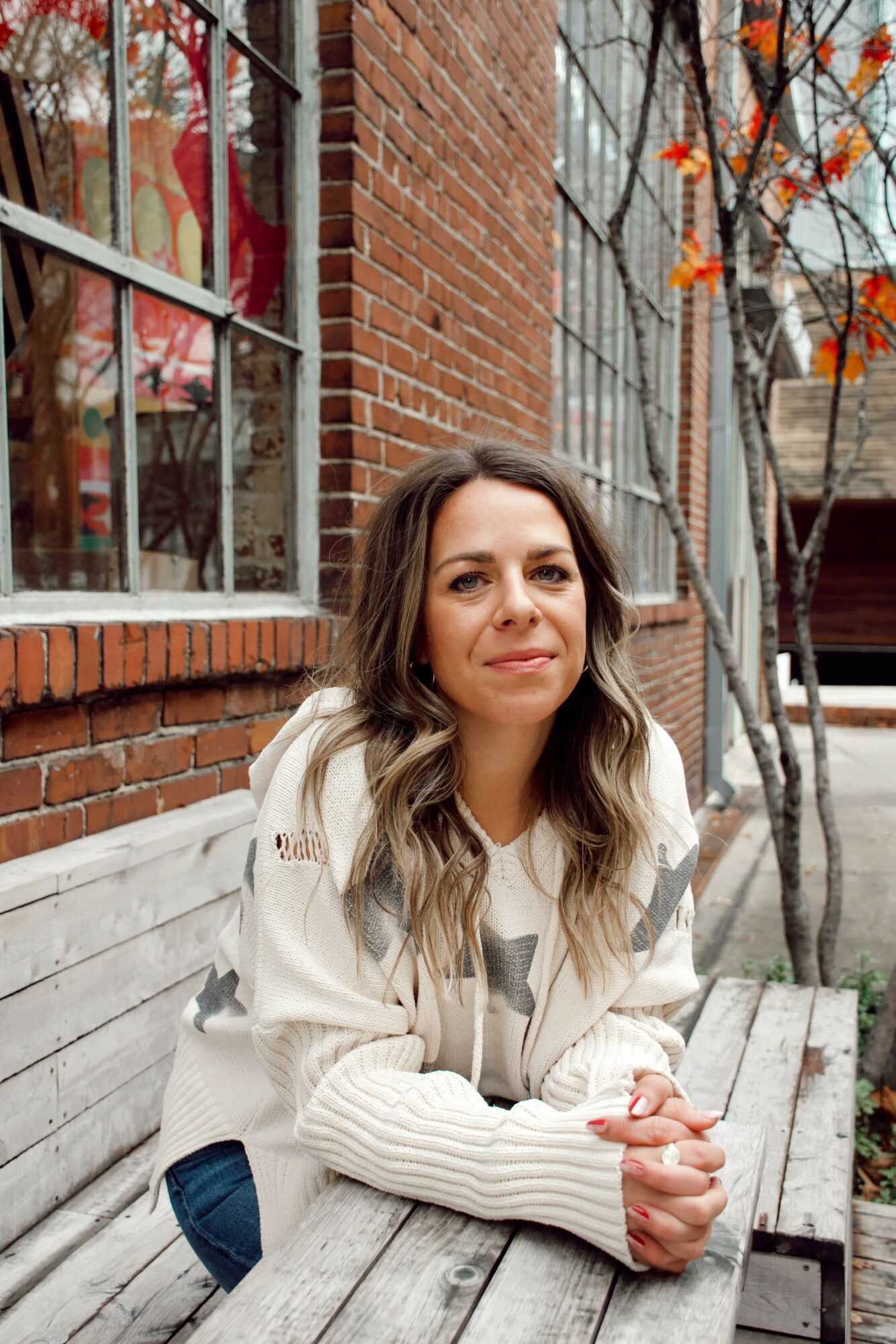






Today we’d like to introduce you to Kathryn Van Buren (Defatta)
Hi Kathryn, thanks for sharing your story with us. To start, maybe you can tell our readers some of your backstory.
Oh, this is tough to summarize! I went to the University of Southern Mississippi without much of a clue about what I wanted to do with my life (which, honestly, should be normal for an 18-year-old!). My advisor encouraged me to take a class on Marriage and Family Therapy, and I fell in love with it. Growing up, therapy and mental health weren’t openly discussed in my family. I was sent to a therapist in middle school, whom I nicknamed “The Lady,” and I refused to talk to her (lol). Back then, I thought therapists were all-knowing and a little scary.
Flash forward to grad school: I earned my M.Ed. in Human Development Counseling at Vanderbilt University and landed my then dream job right after graduation at The Ranch, where I had been interning for nearly two years. I worked as a primary therapist in their residential eating disorder and trauma treatment program and even spent time as an “Adventure Therapist” (yes, the title is just as fun as it sounds). This role taught me how to use the power of metaphor and experiential therapy to help clients heal.
In 2017, I made the leap and left my job at The Ranch to start my own practice—not fully understanding what I was getting into. At the time, I was also teaching indoor cycling classes to help support myself as I transitioned from a steady salary to building something from scratch. Teaching cycling was a way to create a space where movement could feel joyful and inclusive, bridging the gap for people who may have felt like they didn’t “belong” in workout spaces.
Looking back, it’s funny—I didn’t fully realize I was starting my own business. I jumped in headfirst, without weighing all the risks, and as reckless as that might sound, I think that leap of faith played a big role in my success. I moved from renting tiny office spaces to finally landing my current office on Music Row in 2020—a cozy white brick house full of charm and warmth.
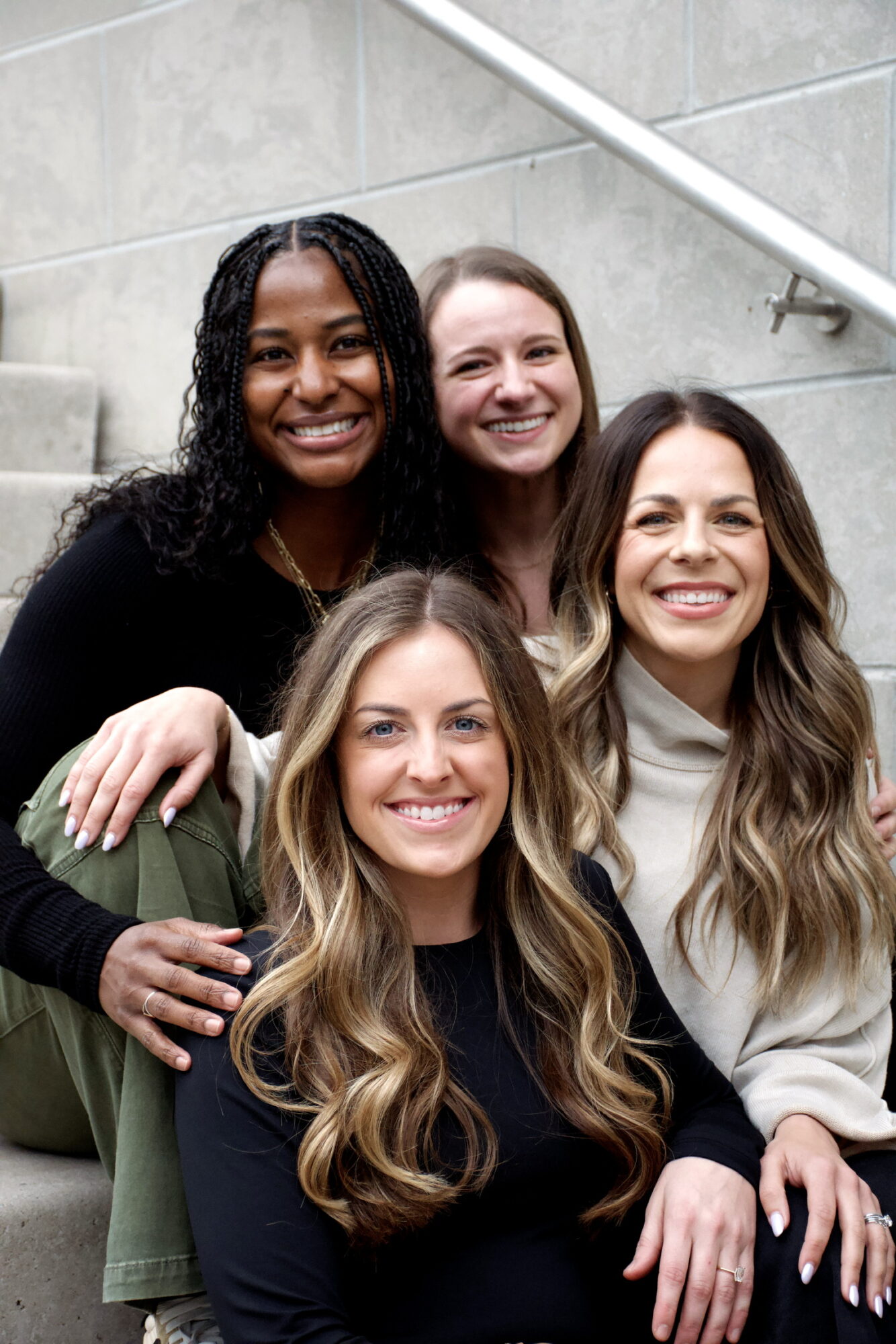
2020 was a challenging year for many, but my practice saw a significant influx of people seeking support. It was then that I brought on my first team member, and what started as just me has now grown into a team of five. I founded Three Cords Therapy to create a space that feels safe, warm, and welcoming for everyone. I wanted it to be a place where people feel comfortable enough to really be themselves. Therapy has long carried a stigma, but I believe it’s where the strongest people come to grow, heal, and thrive.
In 2019, I launched my podcast, You Need Therapy, as a fun and accessible way to bring education and resources to everyone—not just those who can afford therapy. And while I’m excited to announce the launch of a new iHeartRadio podcast this March (depending on when this is published, that might still be a secret!), my heart remains focused on creating spaces—both physical and digital—where people feel empowered to embrace their humanity and pursue healing.
We all face challenges, but looking back would you describe it as a relatively smooth road?
I wouldn’t call it smooth. Owning your own business comes with its own unique challenges—like the loneliness of being your own boss and the constant pressure to keep everything running. But for me, the biggest struggle has been holding myself accountable to balance the responsibilities of running a business with the sacredness of the work we do as therapists. It’s a delicate paradox that I think many in helping professions wrestle with. I regularly check in with myself and those I trust to ensure that the business I’m building aligns with the values of the work itself. That also means I’m not always “business-minded” or “money-motivated,” which can feel countercultural in today’s world.
One struggle I definitely wasn’t prepared for was realizing that being a therapist doesn’t excuse you from being human. I laugh now, but younger Kathryn thought she was going to have all the answers. I walked out of school with a full-on savior complex, which quickly met reality—and a few humbling moments helped me check it. I’ve learned that owning the fact that I don’t have all the answers actually makes me a better therapist. It helps me stay curious and connected with my clients in a way that fosters real growth.
Our job is incredibly rewarding, but it can also be sobering. We can’t help everyone. Even when we give it everything we have—our best work, our full hearts—clients may not always improve in the ways we hope. That’s a hard truth to carry, but it’s also a reminder of the limits of our role.
2020 brought an entirely new layer to this work. It was the first time I experienced the challenge of navigating trauma in real-time alongside my clients. That shared vulnerability and uncertainty was a new kind of weight, and it required me to find new ways to hold space for myself as well as for others.
Another challenge has been the rise of social media. While I love using it as a platform to educate, it’s also flooded with misinformation, which makes our job harder in so many ways. Clients often come in with ideas they’ve seen online, and part of my role is helping them discern what’s helpful and what’s not. I’ve also had to keep a close eye on my own use of social media—both as a therapist and as a business owner. It’s a powerful tool, but it requires intentionality.
As you know, we’re big fans of Three Cords Therapy. For our readers who might not be as familiar what can you tell them about the brand?
Three Cords Therapy is a mental health practice based in Nashville, TN, where we focus on helping people connect—with themselves, with others, and with their purpose. The name “Three Cords” reflects the idea that we are stronger when we’re tied to meaningful connections. Our mission is to provide a safe space where clients can explore life’s challenges and learn how to thrive.Three Cords Therapy exists to meet clients where they are and walk with them towards where they want to be. Our approach to therapy is based in the belief that you are the expert of your life. I love that at our practice, while the therapists are highly trained, never assume to be the expert in someone else’s life or claim to be able to know someone better than they can know themselves.. We help others discover what their needs are versus telling them what they are and who they should be. We focus deeply on connection. Therapy isn’t just about the techniques we use—it’s about creating a relationship where clients feel safe to open up and explore their stories. I think what sets us apart is our ability to combine evidence-based practices with a truly personalized approach. We tailor everything to fit the unique needs and goals of each client.
We have clinicians that specialize in eating disorders, body image, addiction, religious trauma, OCD, maternal mental health, anxiety, depression, relationships, and life transitions. We offer both EMDR and Brainspotting services. Two of most evidence based approaches to treating trauma.
I view connection as fundamental to our well-being and am committed to helping clients move beyond merely surviving to truly thriving. My therapeutic approach, rooted in attachment-focused trauma work, is designed to foster secure relationships within the therapy process. This foundation supports clients in building healthy, fulfilling connections in their own lives. In addition to my work as a therapist, I’m also passionate about spreading the message of healing and growth beyond the therapy room. I was the host of the You Need Therapy podcast for many years, where I focused on making mental health topics relatable and accessible. Now, I co-host Feeling Things (formerly 4 Things with Amy Brown), where we continue those conversations in a way that’s both meaningful and fun.
Through my podcasting work, I’ve been able to expand my mission to a broader audience. I get to explore mental health, personal growth, and connection in an honest and relatable way. Podcasting has been such a gift because it allows me to reach people who may not yet be ready for therapy (or may not have access to it) but are seeking tools and insights to better themselves. I’ve developed an ability to talk about mental health in a way that’s relatable and approachable, making the process of healing feel less intimidating.
Networking and finding a mentor can have such a positive impact on one’s life and career. Any advice?
When I got started, I signed up for EVERYTHING and accepted every invitation that came my way. The therapy community in Nashville is HUGE, and stepping into it can feel overwhelming at first. But I made a conscious decision to dive in headfirst, knowing I’d eventually find my own place within it.
It’s important to remember that you won’t connect with everyone, and that’s okay. Over time, you’ll naturally gravitate toward a group of people who align with your values and approach—those you can genuinely collaborate with and learn from.
For me, networking has been about staying curious and open. There’s no single “right way” to do this work, so learning from other people’s journeys has been invaluable. Hearing their stories and experiences has not only broadened my perspective but also helped me refine my own approach.
If I could offer one piece of advice, it would be to embrace the process of trial and error. Say yes to opportunities, even if they’re outside your comfort zone. Attend workshops, join groups, and don’t be afraid to introduce yourself. You might be surprised at how one conversation or connection can shape your path.
Pricing:
- 140-170 per session
Contact Info:
- Website: https://threecordstherapy.com
- Instagram: @katvanburen @threecordstherapy and @feelingthingspodcast
- Facebook: https://www.facebook.com/kat.defatta