




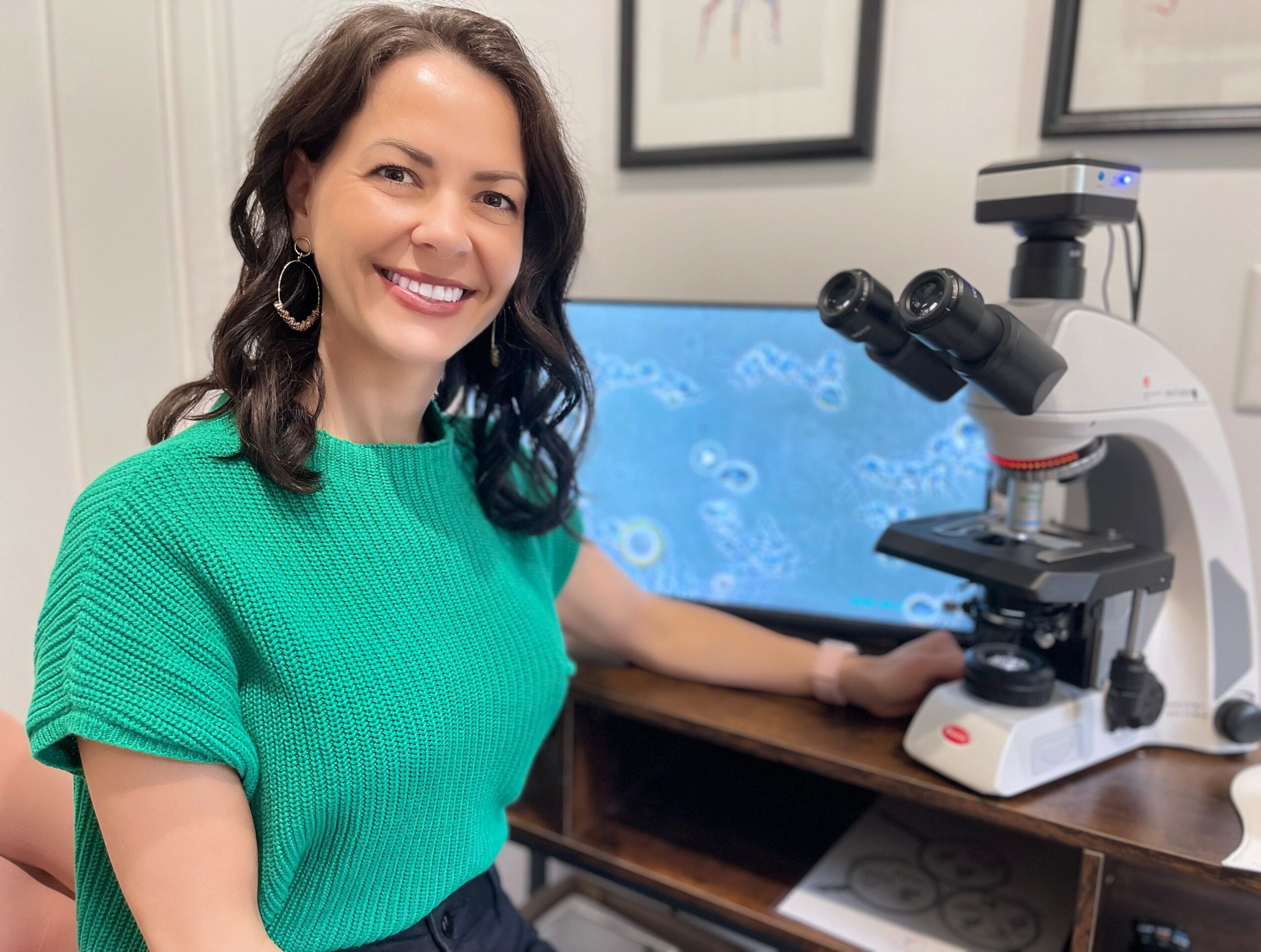
Today we’d like to introduce you to Tosha Kozloski
Hi Tosha, so excited to have you with us today. What can you tell us about your story?
It all started with a question I couldn’t ignore: Why were so many patients struggling with bleeding gums despite having great home care?
I was a dental hygienist, and day after day I saw patients brushing, flossing, and doing everything “right,” yet their gums still bled. Meanwhile, others who barely picked up a toothbrush had seemingly healthy mouths. Something wasn’t adding up.
The deeper I dug, the more I realized how disjointed our understanding of oral health was, both in dentistry and the medical field. We have decades of research proving that the bacteria in our mouths can fuel inflammation, contribute to heart disease, and even impact brain health. And yet, most healthcare providers and the public still treat the mouth and body as separate.
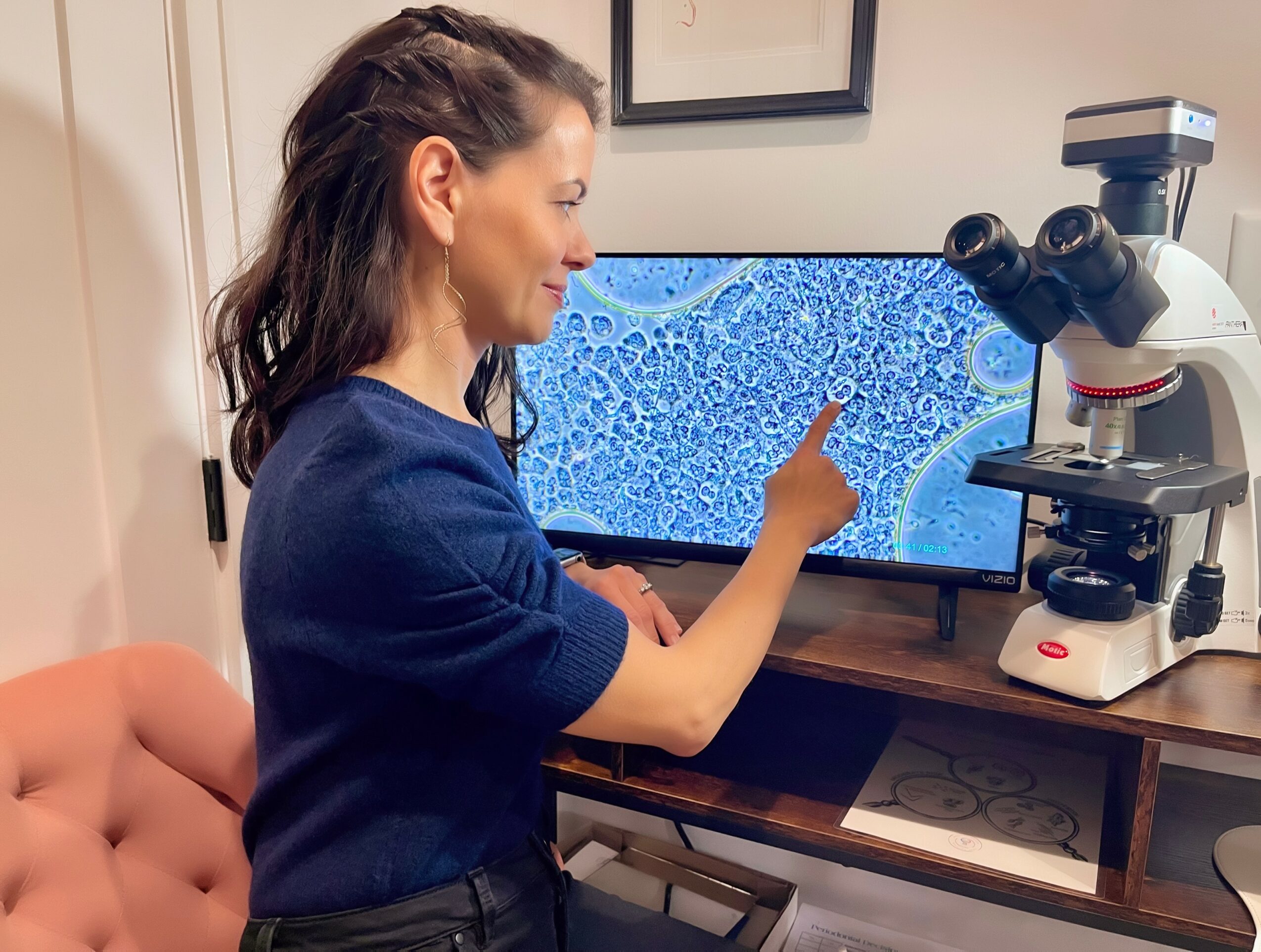
I knew we had to bridge that gap. That’s what led me to study the oral-systemic connection and make phase contrast microscopy my niche. Im not to reinvent dentistry, but to simply elevate providers’ understanding so we can take better care of our patients. When we can see the bacterial imbalances fueling disease it changes everything. It makes treatment more precise, patient conversations more effective, and most importantly, it helps us protect whole-body health.
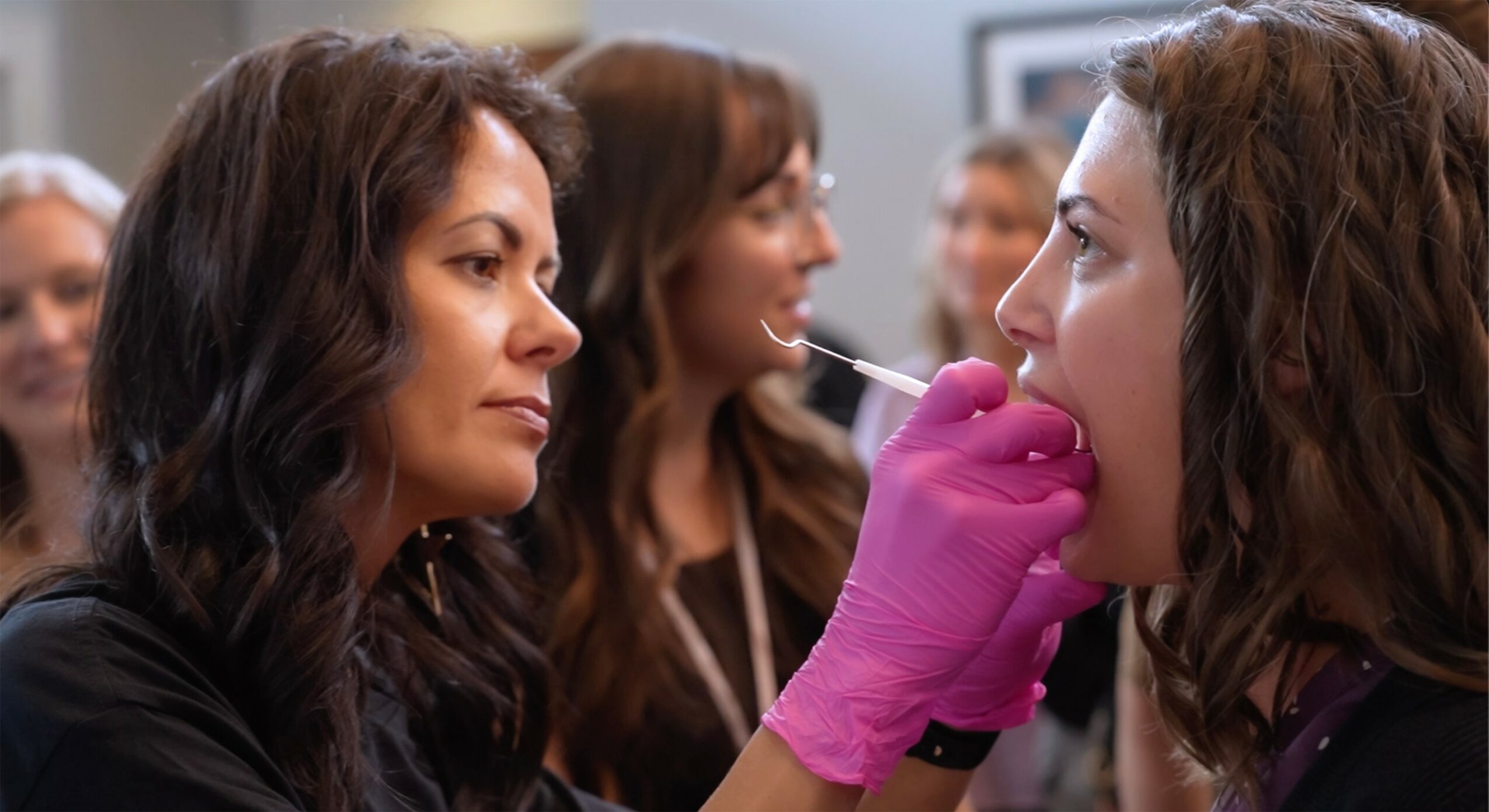
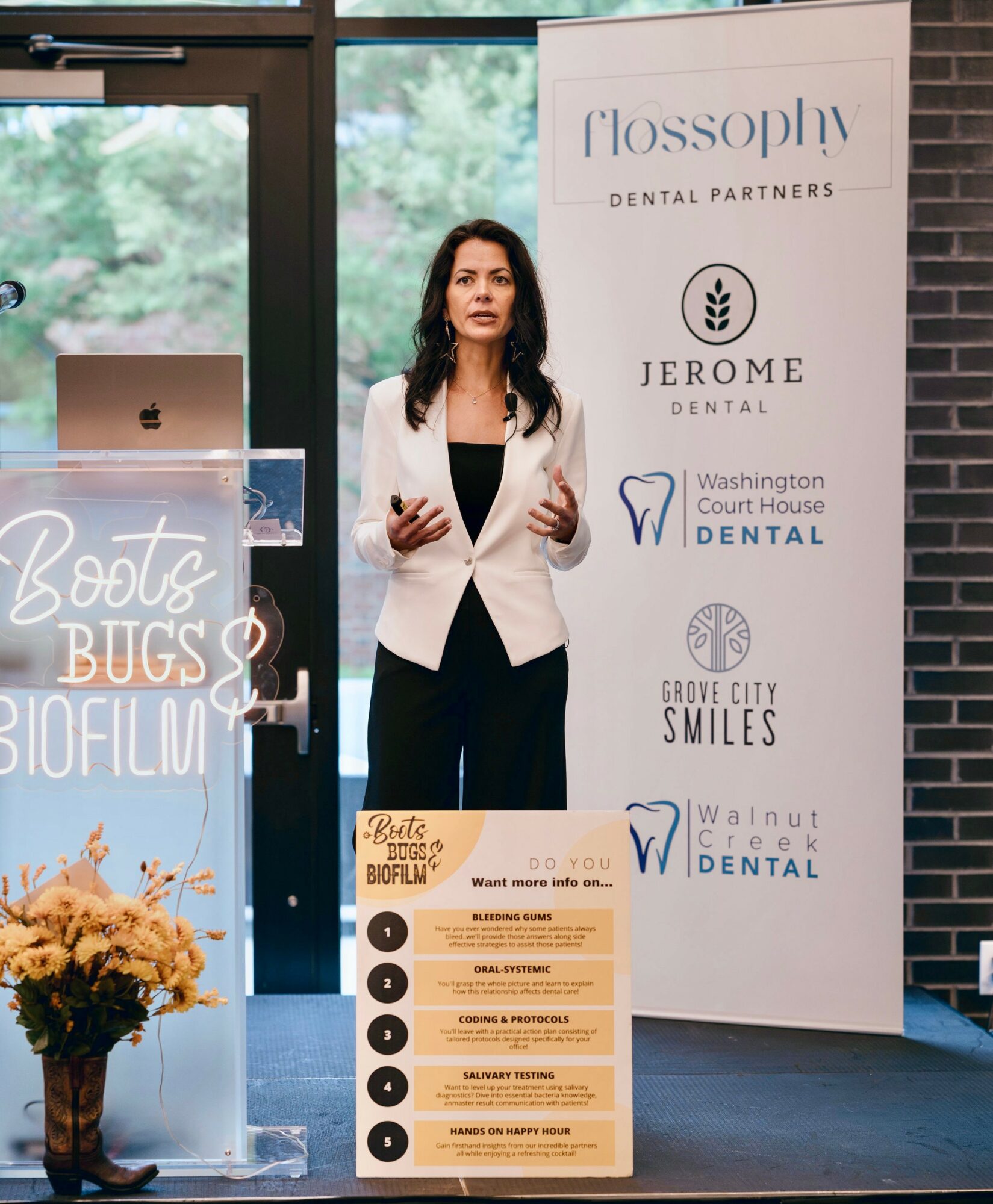
That’s what I do now. I train dental teams to move beyond “cleanings” and start practicing precision periodontal therapy. Because when we treat infection at its source, we’re not just saving teeth, we’re protecting lives.
Would you say it’s been a smooth road, and if not what are some of the biggest challenges you’ve faced along the way?
It hasn’t always been a smooth road. The biggest challenge has been shifting mindsets, both in dentistry and with patients.
For so long dentistry has been reactive because we wait until there’s a cavity, receding gums, or bone loss before we recommend prevention or intervention.
Patients have been trained to expect a cleaning when they see their hygienist rather than an assessment to ensure the foundation supporting their teeth is healthy. In Dentistry we have a bad habit of using technical terms that leave patients feeling confused about our evaluation and what they need to get healthy. Helping providers bridge that gap and communicate in a way that truly resonates with patients has been a key part of my work.
Thanks – so what else should our readers know about Teaching Oral-Systemic Health or TOSH for short?
What sets TOSH apart is the whole-office approach. I help dental teams align their oral healthcare systems with today’s science so they can truly improve oral health along with the overall health of their patients.
I’m most proud to be part of moving dental healthcare forward. It’s a privilege to hear from past teams who share success stories—patients lowering their A1C within months of getting their gums healthy, couples finally conceiving after struggling with infertility because they discovered they both had specific bacteria that needed to be treated, and countless other moments that make my heart sing. Oral health is deeply connected to overall health, and we now know it’s not just about having a clean mouth.
At its core, TOSH is about empowering providers to be the healthcare professionals we truly are, giving them the tools and techniques to ensure optimal oral and overall health for their patients.
Can you talk to us a bit about the role of luck?
I joke that I was born to do this since my company, TOSH, is named after me, Tosha. I fell in love with oral health in college and went straight into periodontics after graduation because I wanted to specialize in gum health. Unfortunately, I didn’t find much health there, what I found was late-stage infection. This experience fueled my passion to find a better way to treat gum disease.
That drive led me to a like-minded dentist who was just as passionate about oral health. At that practice, I learned about saliva testing and got exposed to the microscope. Those tools changed everything for me. They gave me a clearer picture of what was really happening in the mouth, helped me make better clinical decisions with more confidence and most importantly led to real health outcomes for my patients.
So was it luck? Maybe a little. But more than anything, it was staying curious, asking questions, and never being okay with “just good enough.”
Contact Info:
- Website: https://www.tosh.care
- Instagram: https://www.instagram.com/tosh.care/
- Facebook: https://www.facebook.com/teachingoralsystemichealth
- LinkedIn: https://www.linkedin.com/in/tosha-kozloski-4669831b8/
- Youtube: https://www.youtube.com/@toshardh