




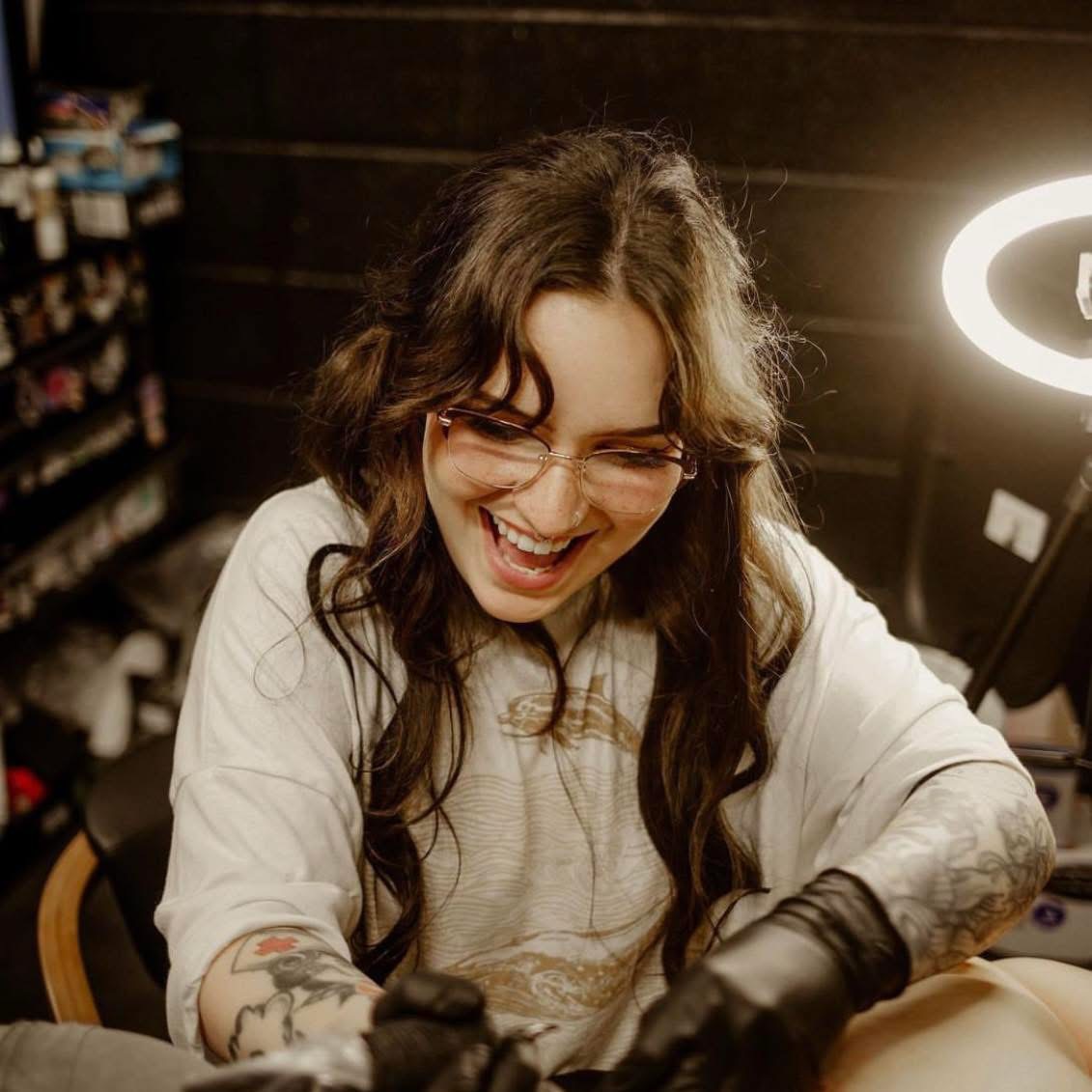
Today we’d like to introduce you to Rayne Morehead.
Hi Rayne, so excited to have you with us today. What can you tell us about your story?
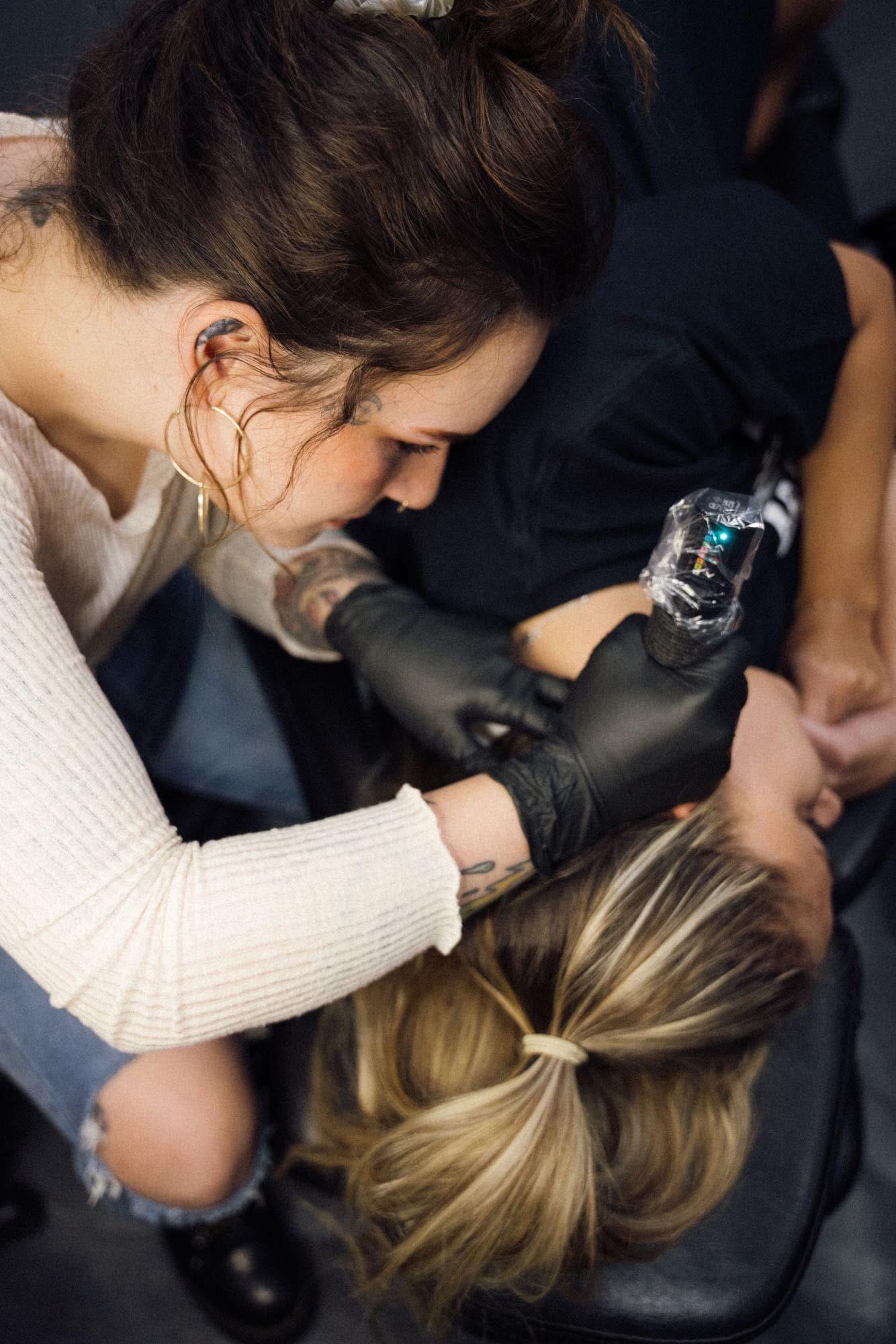
I grew up in tattoo shops—my mom was a piercer, and her boyfriend was a tattoo artist—so from a really young age, I was immersed in that world. I spent hours tracing flash, drawing in the corner, and watching people get tattooed. It felt magical, and I knew early on that it was the path for me.
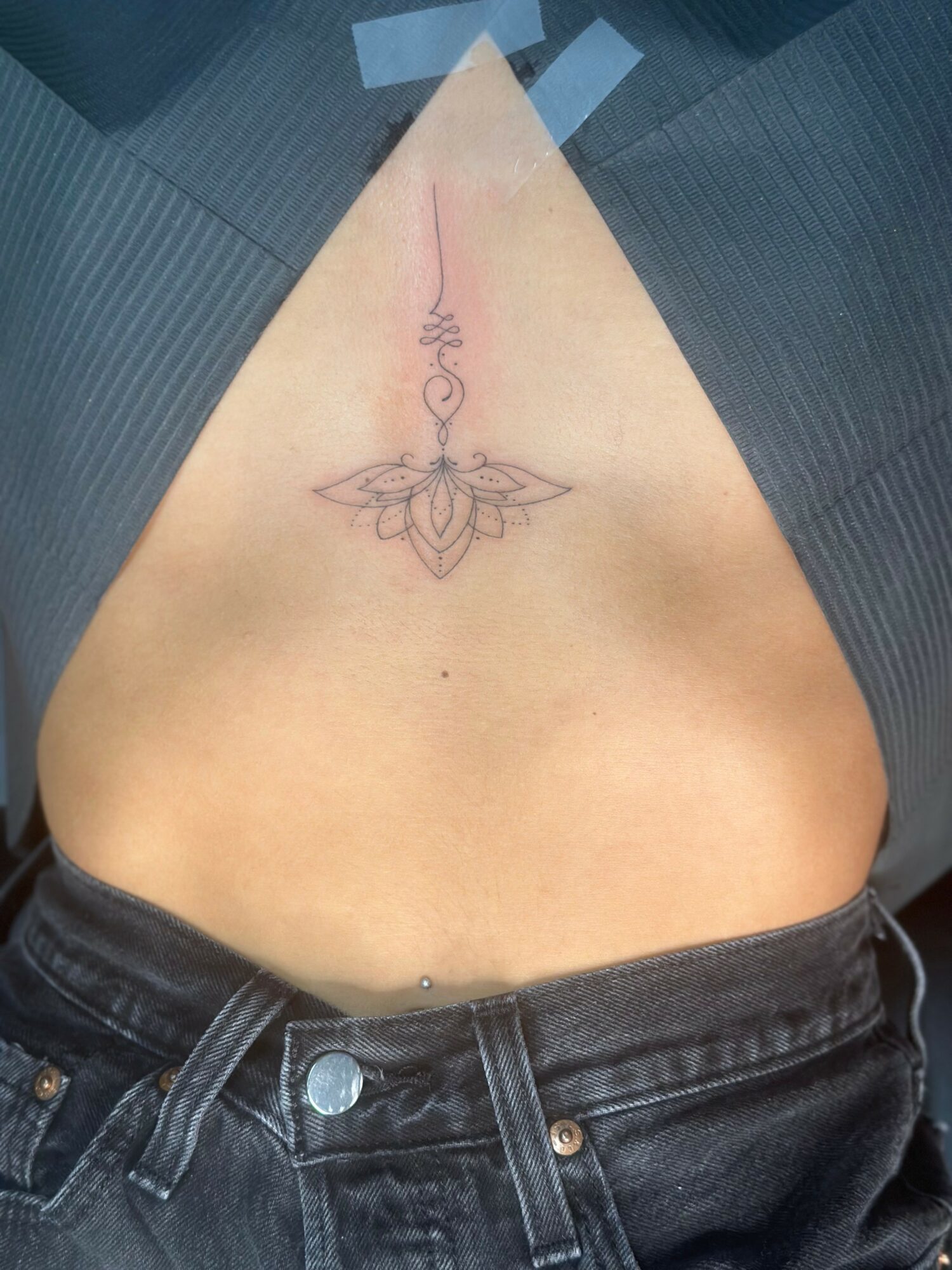
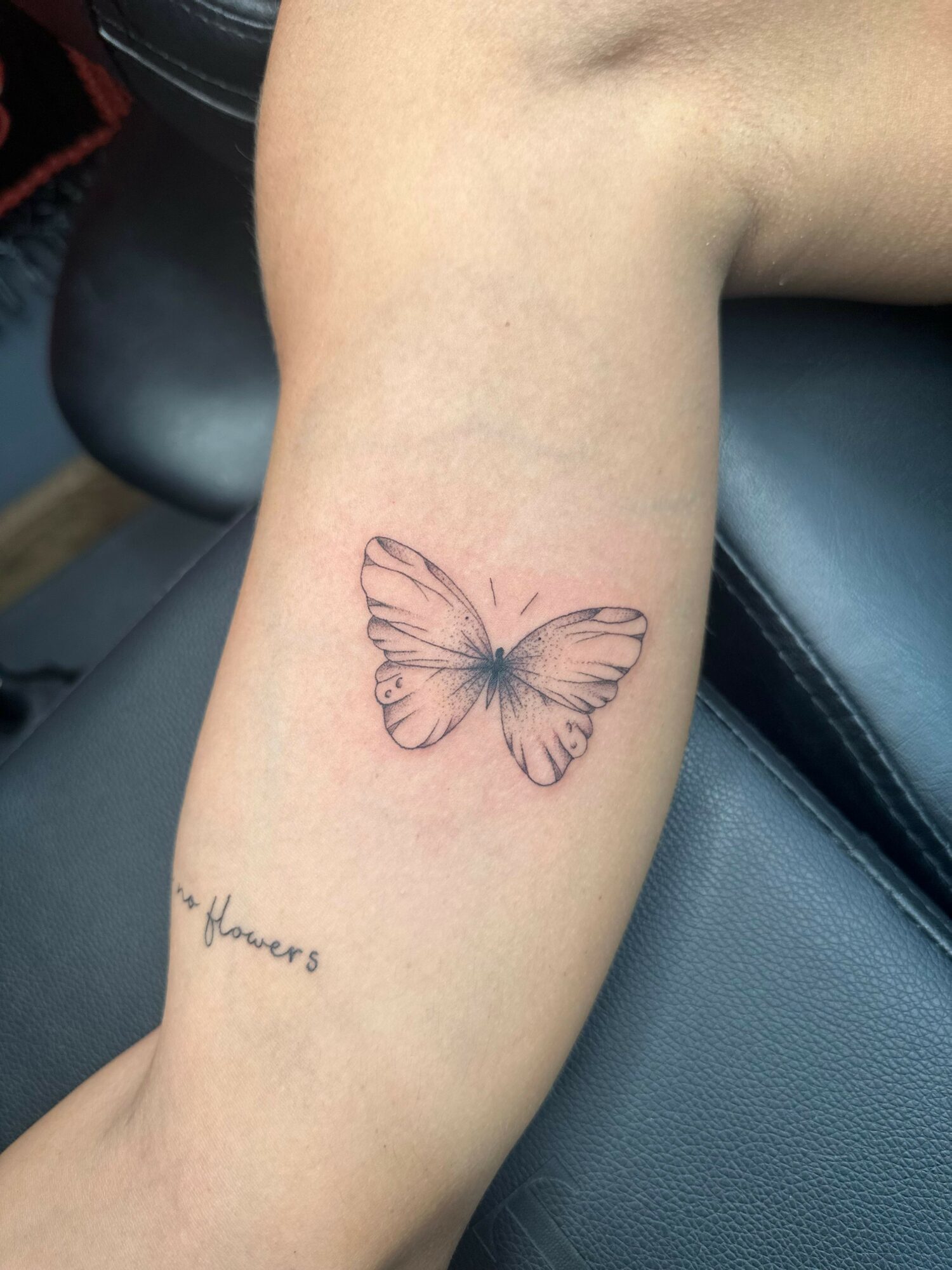
I started my apprenticeship at 19 in Paducah, Kentucky, originally drawn to bold, colorful American traditional tattoos. I didn’t think black and grey was for me—until I started learning how to stipple shade. I found it really fun and oddly satisfying. As I kept experimenting, I got more comfortable with black and grey work, and the needles I was using got smaller and smaller. One of my mentors once told me, ‘You don’t choose your specialty—your clients do,’ and that always stuck with me. Eventually, I realized the majority of my bookings had shifted. I had become ‘the fine line girl.’
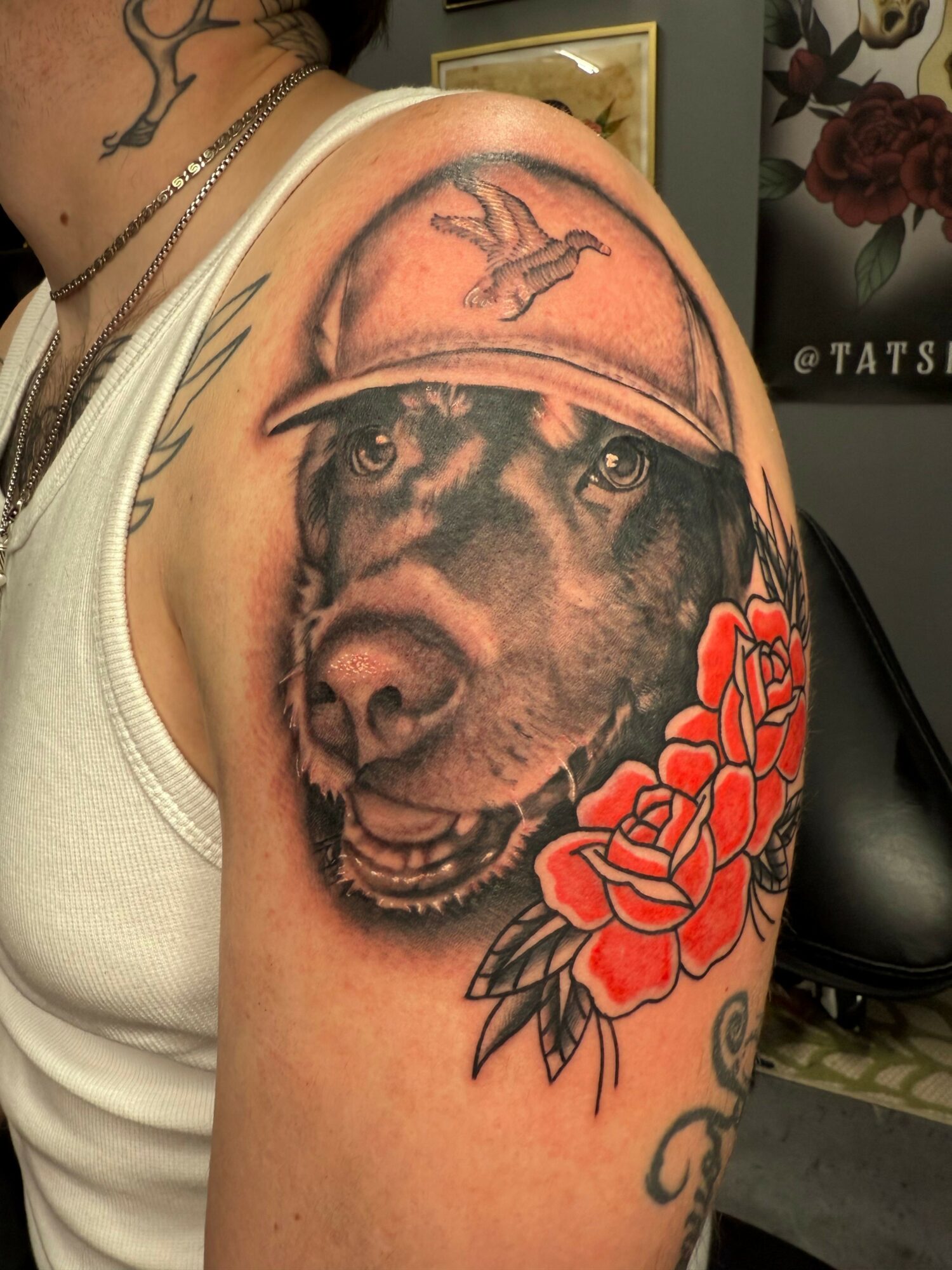
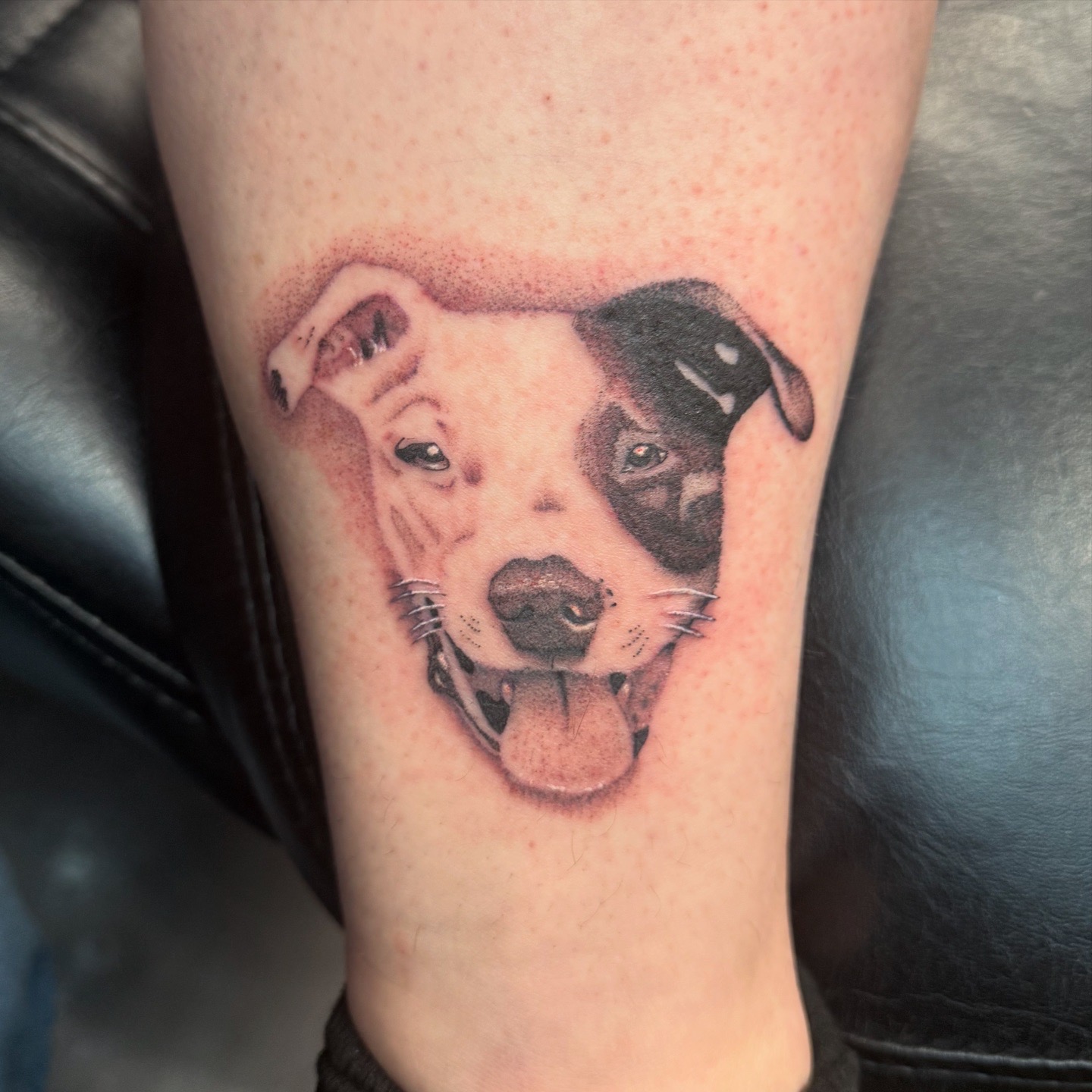
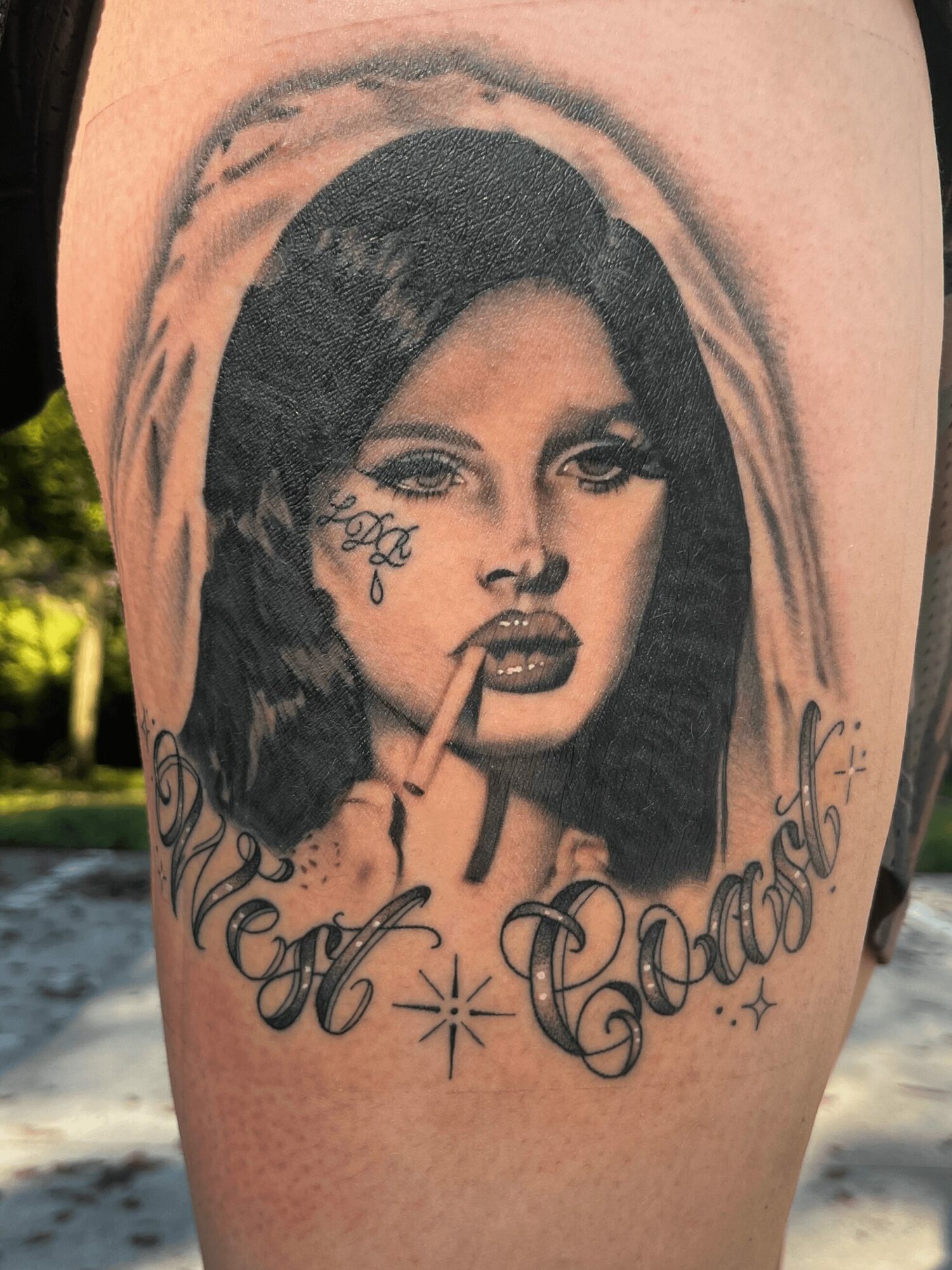
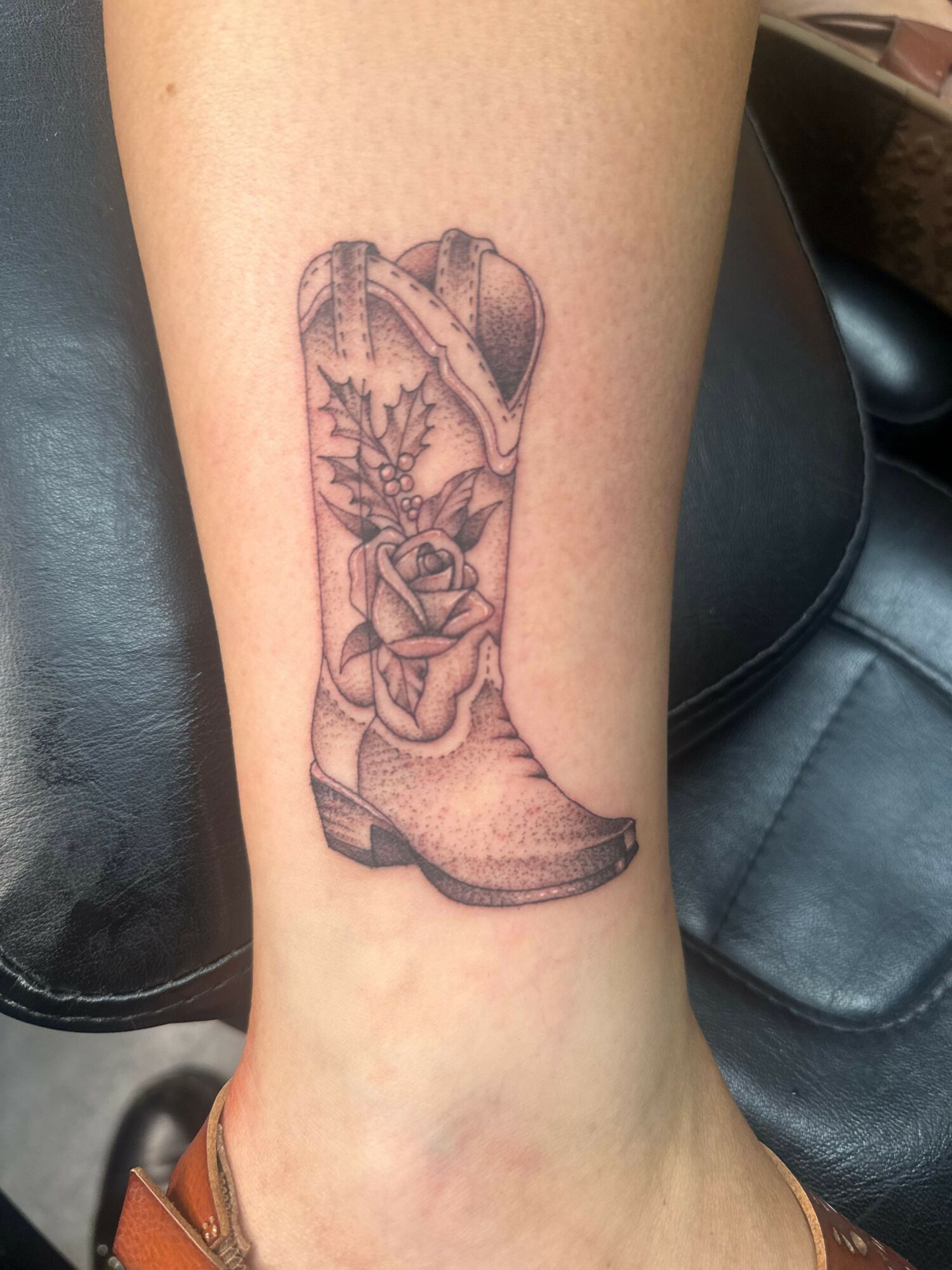
From there, I began exploring black and grey realism, and it felt like unlocking a new part of myself. One of my coworkers Brian Hubis played a large part in teaching me what he knows and giving me the confidence to push myself in realism. The technique is totally different than other styles—it’s more meditative, and it forces me to really slow down and find the shadows and shapes in a reference instead of just seeing the full picture. It’s challenging in the best way, and it’s the area of my craft I most want to grow in.
Almost four years ago, I was ready for a big change—even though I didn’t fully believe in myself yet. I knew I wanted more, even when people around me told me I’d never make it in a city and that my work wasn’t good enough. I decided to take a leap and sent an email to Peter Gibson, the owner of Pride and Glory in Nashville. From the very beginning, Peter believed in me—something I’ll always be grateful for. We’re close friends now, and he played a big role in helping me gain the confidence to pursue the next level of my career.
After guest spotting a few times, I made the big move to Nashville. It felt like everything I’d worked for finally paid off. Now, I get to tattoo at a shop I love, surrounded by some of the most talented and inspiring artists I’ve ever met. They’ve become my chosen family. Every day, I wake up feeling lucky that I get to live the dream that I had as a little kid in that first tattoo shop.
We all face challenges, but looking back would you describe it as a relatively smooth road?
It definitely hasn’t always been a smooth road. Like most artists, especially in the beginning, I dealt with a lot of self-doubt. Tattooing is a career that requires an incredible amount of patience and discipline, and there were times I felt overwhelmed by the pressure to be perfect.
During my apprenticeship, I was navigating the intensity of learning such a demanding craft while also trying to prove that I belonged in the industry. As I grew, there were people who doubted me—some even told me I wouldn’t succeed if I ever left my hometown. That kind of criticism can either break you or push you harder. For me, it lit a fire.
I also struggled for a long time with imposter syndrome, especially as my style started evolving. Switching from bold traditional work to fine line black and grey felt like starting over in some ways, and I had to rebuild my confidence through trial and error.
Moving to a new city alone was another challenge. I didn’t have a safety net, but I had a vision for the kind of artist—and person—I wanted to become. And honestly, every obstacle I faced helped shape me into someone stronger and more sure of myself. Looking back, the road wasn’t smooth—but it was worth it.
Alright, so let’s switch gears a bit and talk business. What should we know about your work?
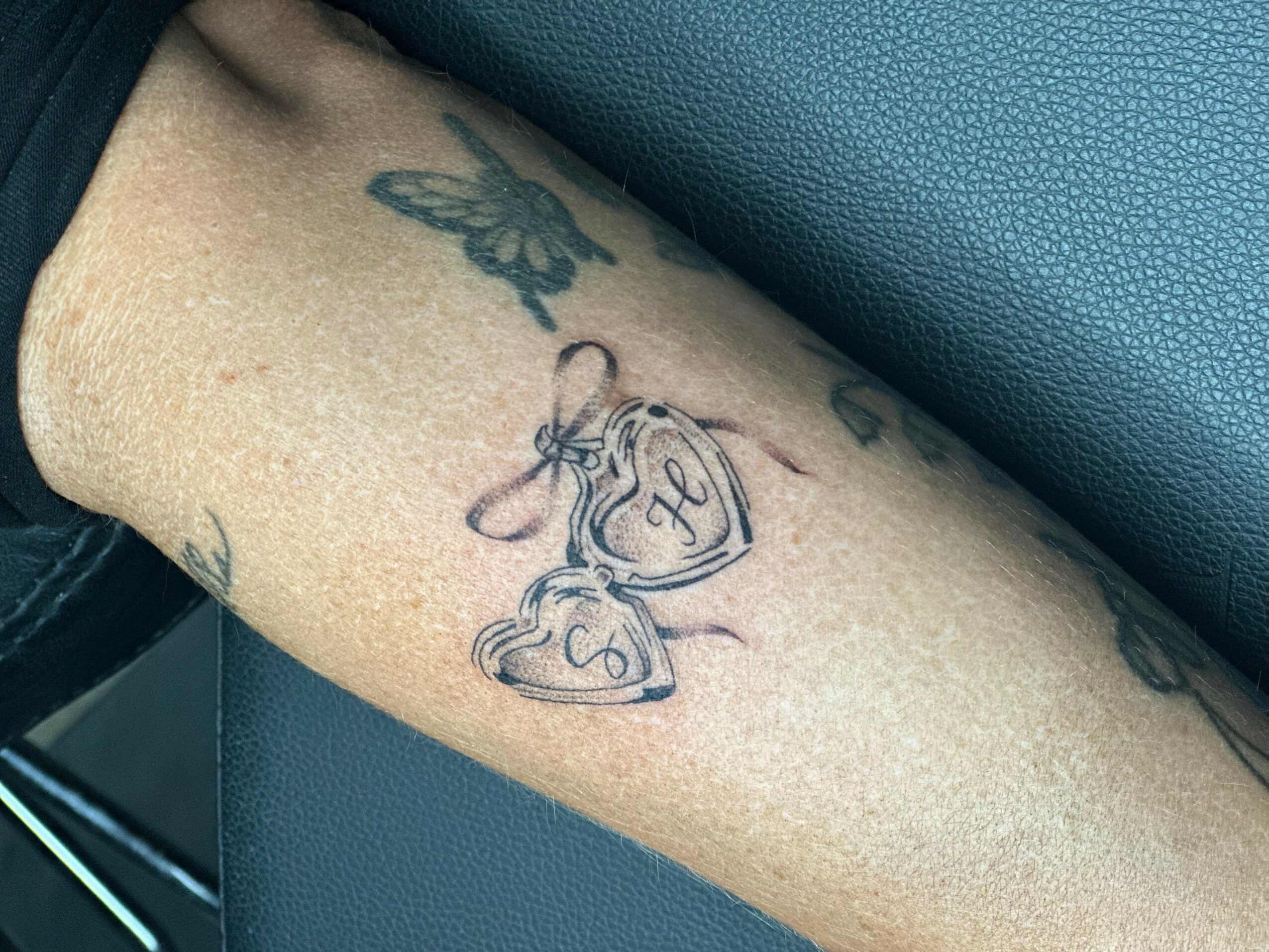
I’m a tattoo artist specializing in fine line and black and grey work, with a growing focus on black and grey realism. I’m known for my delicate, detailed designs—often floral, ornamental, or softly shaded pieces that feel both feminine and strong. I love creating tattoos that feel personal and intentional, whether it’s a tiny, subtle piece or a larger, more emotional project.
I think what sets my work apart is the softness and care I bring to each design. I’m very detail-oriented, and I treat every tattoo as a little piece of artwork, not just a transaction. My clients often tell me they feel comfortable with me, and that means a lot—I want people to feel safe and seen in my chair, especially those getting their first tattoo or something deeply meaningful.
What I’m most proud of is how far I’ve come both artistically and personally. I used to be scared to take up space or put myself out there, and now I’m tattooing in a city I love, surrounded by artists who constantly push me to grow. I’ve built a loyal client base, and I’m creating work I truly believe in. That’s something little-me in the corner of the tattoo shop, sketching flash sheets, would be really proud of.
Any advice for finding a mentor or networking in general?
Getting a tattoo apprenticeship is notoriously difficult, and I think the most important thing you can do is build real relationships with artists whose work you admire. This industry is deeply rooted in respect and tradition, so showing that you’ve done your homework matters. Build a strong physical portfolio that shows range—fine line, traditional, Japanese, lettering—and make sure it reflects your dedication and versatility.
Also, study tattoo history. Know who the game changers were, how the craft has evolved, and where your style fits in. It’s not just about being a good artist—it’s about understanding the culture you’re stepping into.
When it comes to networking, be humble, be open, and always be willing to learn. Tattooing is a career where you never stop growing. Leave your ego at the door, listen to feedback, and don’t be afraid to ask questions.
And honestly? Don’t take no for an answer. If you bring your portfolio into a shop 100 times and get turned down 99, ask for criticism, take it seriously, redraw your designs, and go back again. That persistence is what separates people who dream of being tattoo artists from people who become tattoo artists. If this is your passion—chase it relentlessly.
Contact Info:
- Instagram: @tatsbyrayne
- Other: TikTok: @horsegirltattoos