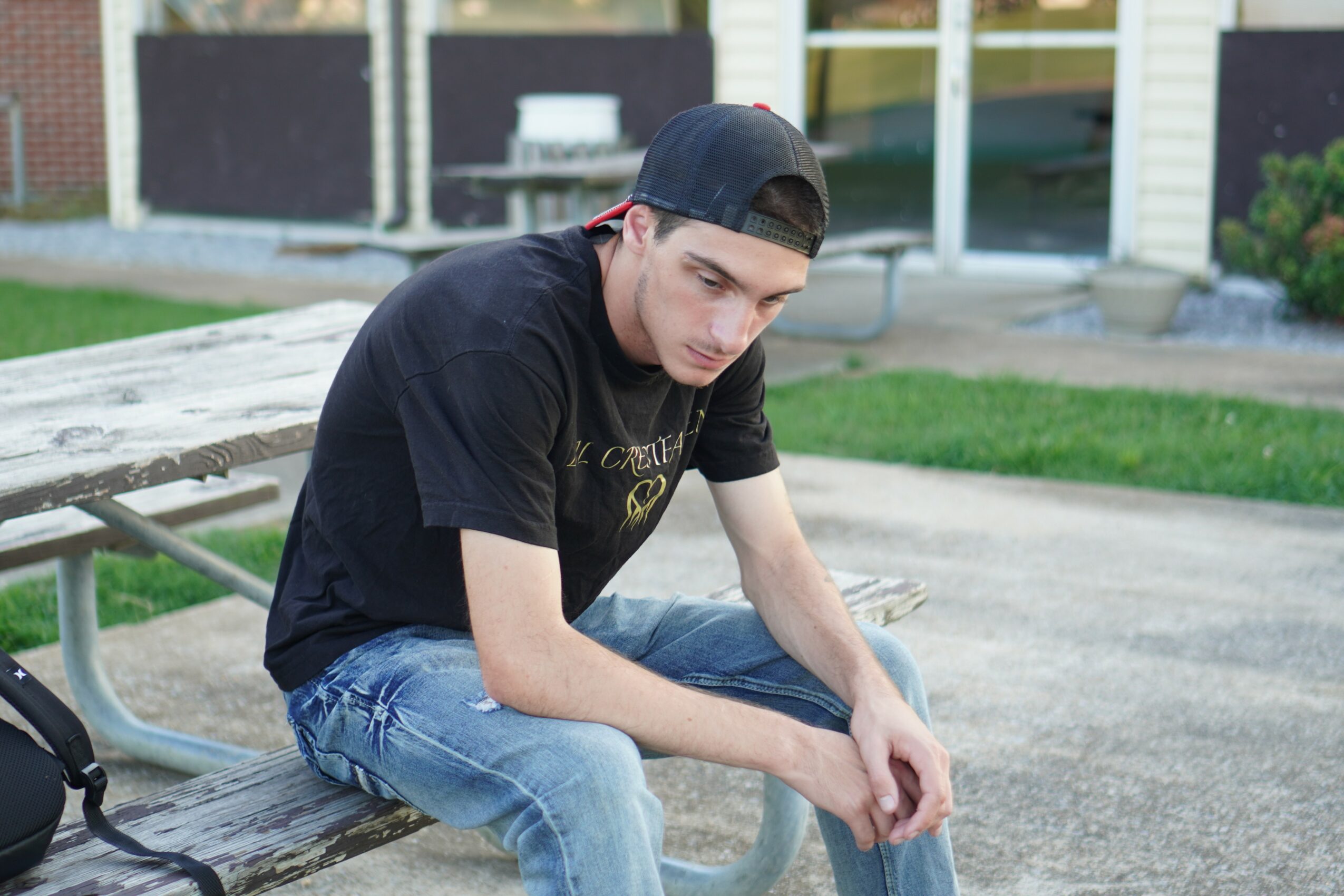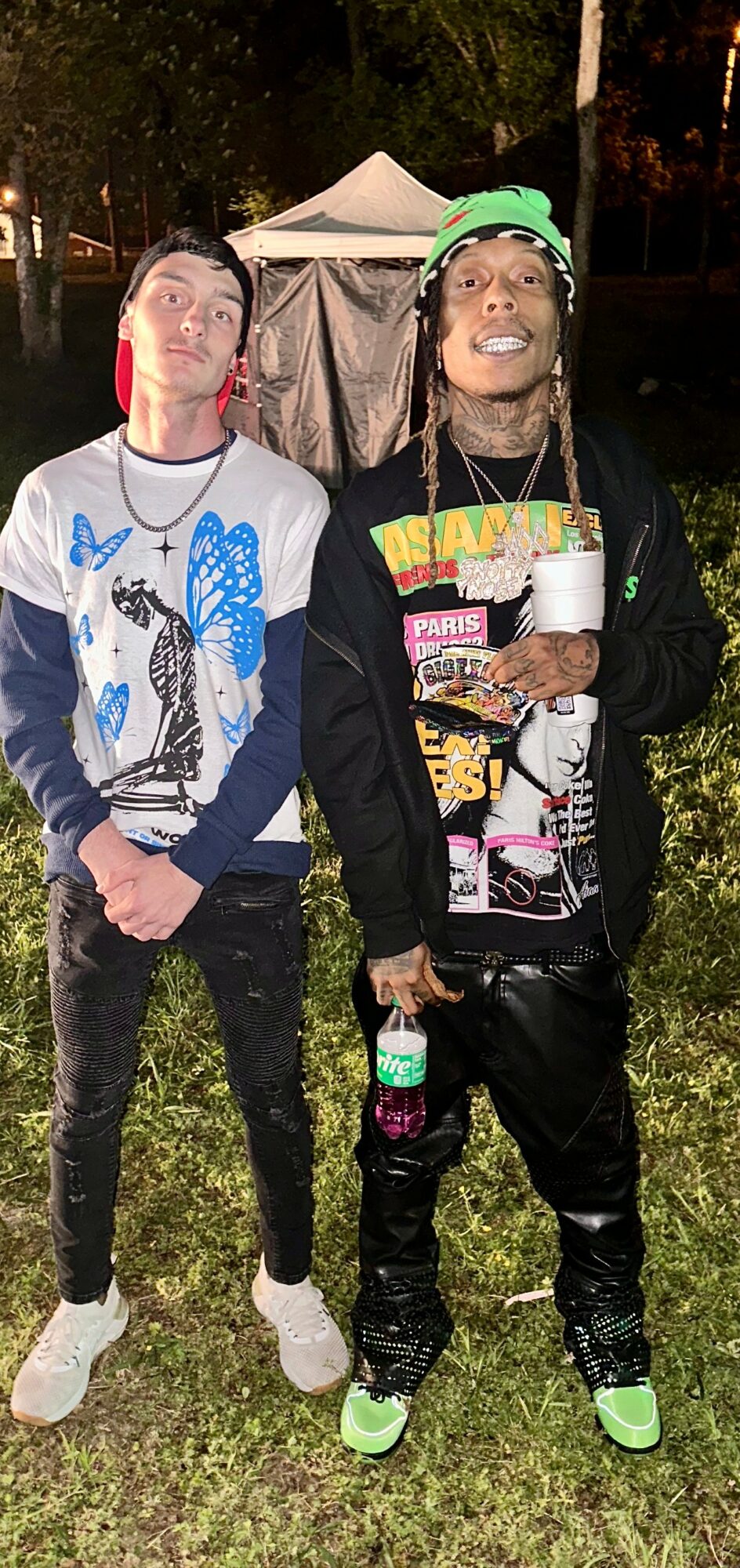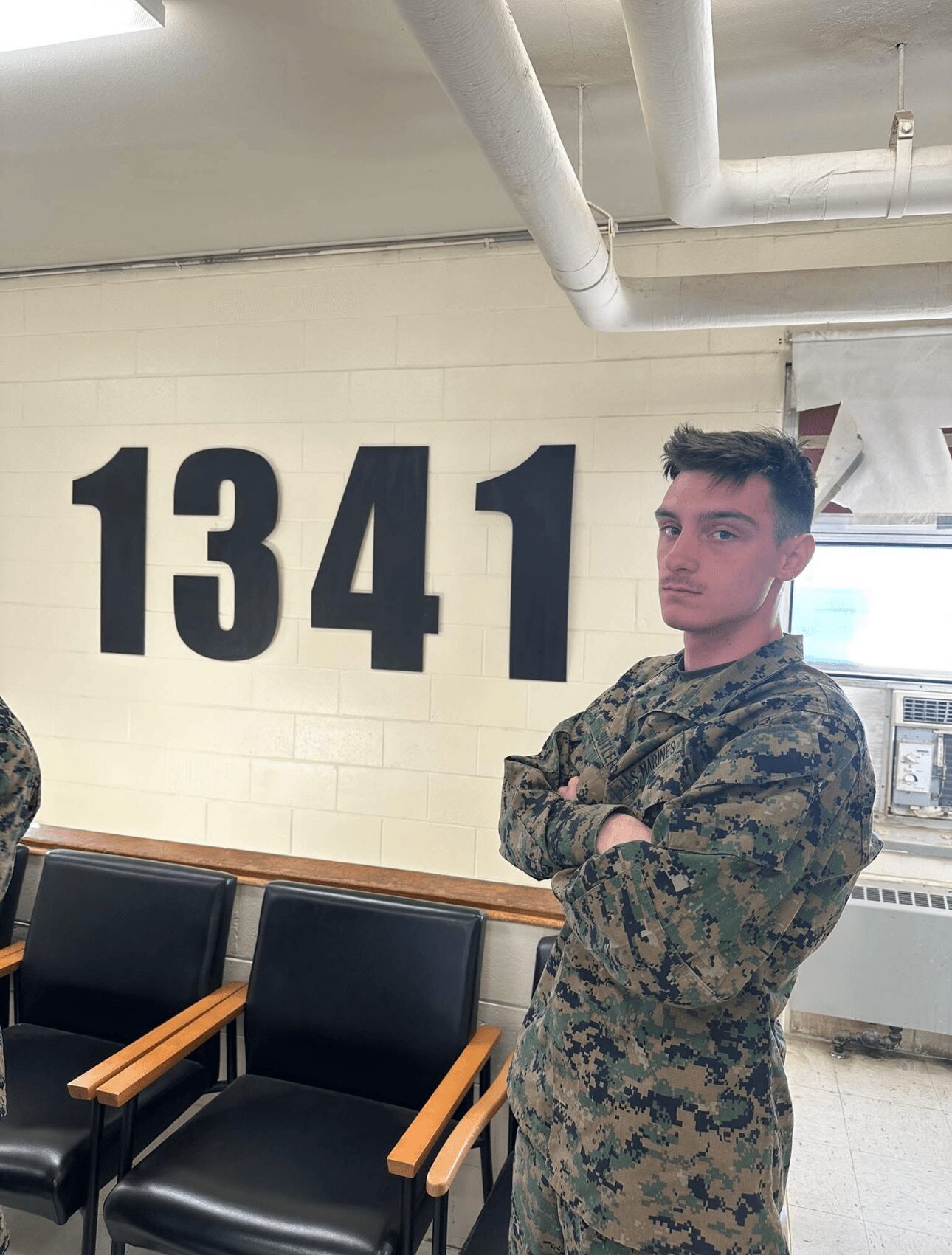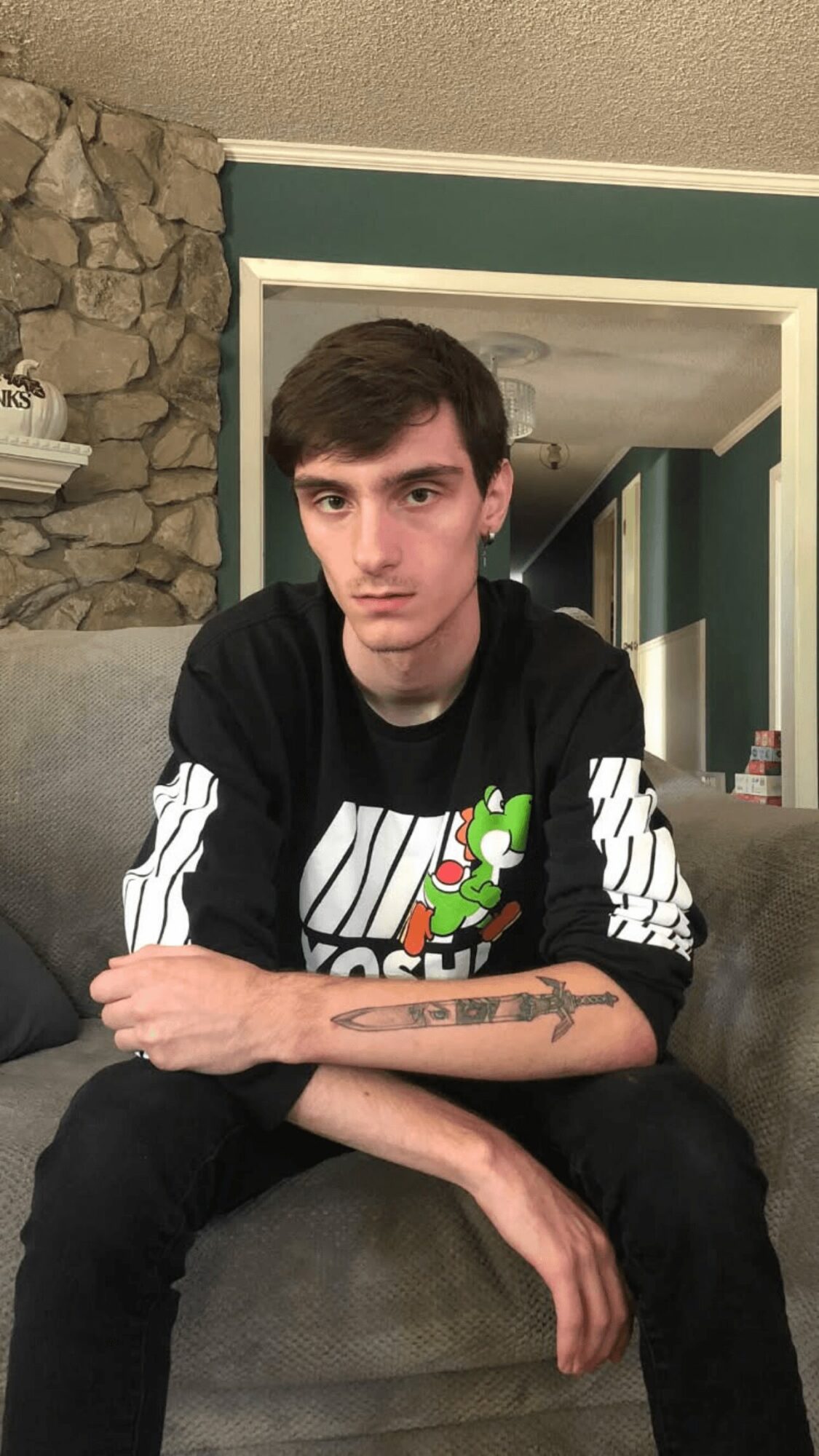




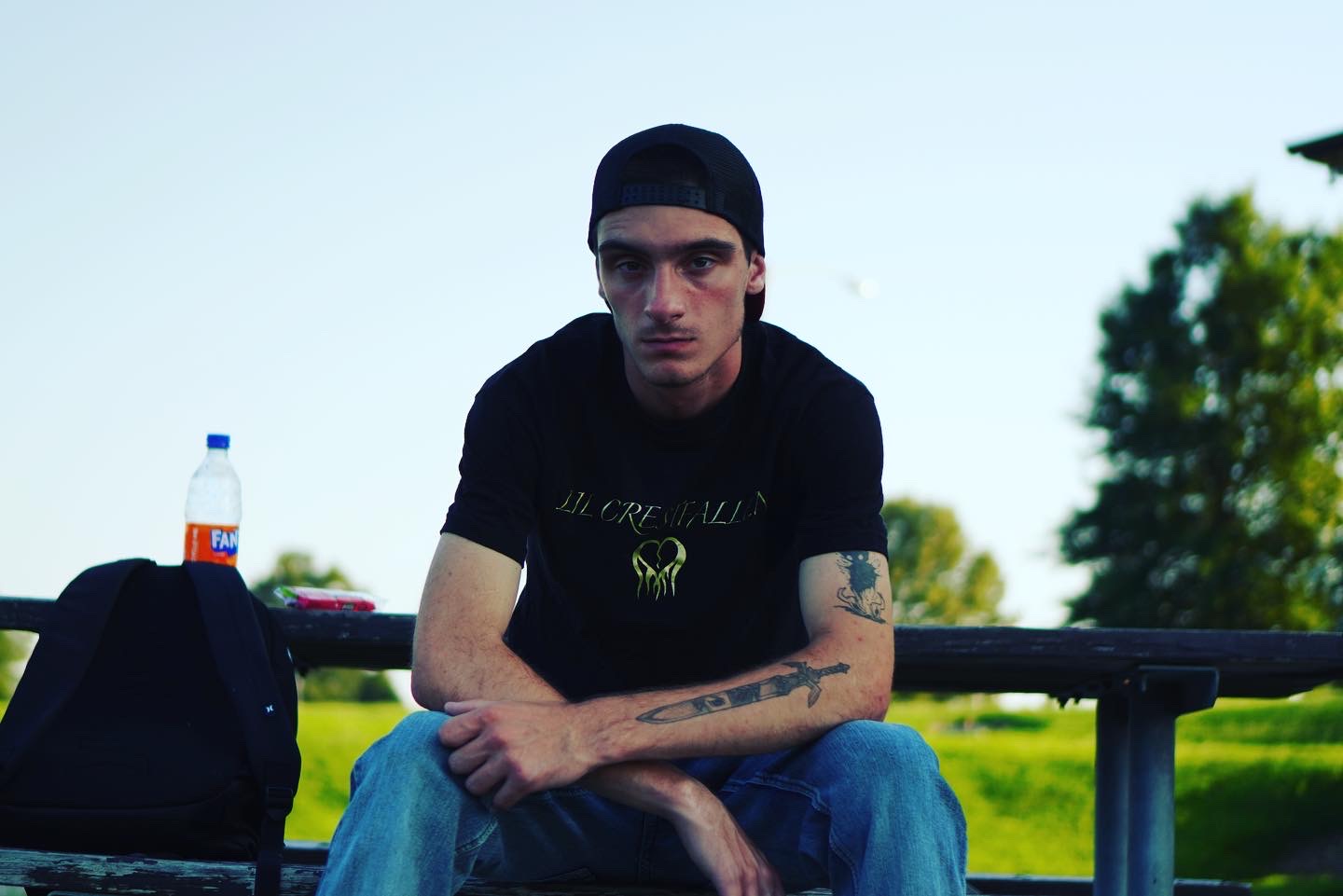
Today we’d like to introduce you to Braydon Butler.
Braydon, we appreciate you taking the time to share your story with us today. Where does your story begin?
I started making music back in 8th grade, long before I ever stepped into a real studio or thought about building a career. It wasn’t some big dream at first — it was survival. I had just lost one of my closest friends, and the world felt like it tilted off its axis. Everything got heavier, quieter, and way too real for someone my age. Music became the one place where all that weight made sense. At first, I hid behind the voices of the artists who kept me afloat — Convolk, Lil Peep, and all the people who knew how to turn hurt into something beautiful. I’d sit in my room making covers of their songs, not to show off, but because singing their words felt like breathing again. But after a while, repeating someone else’s story didn’t feel like enough. I had things I needed to say — feelings that didn’t fit inside anyone else’s lyrics. So I started experimenting, messing around with beats on my laptop, teaching myself production one late-night session at a time. Every beat was a step out of the dark, every melody a way of grabbing onto the world again. Eventually, the covers turned into beats, and the beats turned into songs. Real songs. My songs. And that’s when Lil Crestfallen was born — not as a stage name, but as the person I had grown into. Someone shaped by loss, rebuilt by music, and determined to turn pain into something worth hearing. Now I’ve built a decent following g from Nashville to Memphis and in between.
Would you say it’s been a smooth road, and if not what are some of the biggest challenges you’ve faced along the way?
It hasn’t been a smooth road. Everything changed back in 8th grade when I went through a loss that hit harder than anything I’d ever felt. It didn’t just hurt — it left a mark that followed me everywhere. I fell into a depression that stayed with me through high school, turning every day into something I had to survive instead of live.
I tried to act okay, tried to be who everyone expected, but inside I was carrying a weight way too heavy for a kid. And when I grew older, that pain didn’t magically disappear — it followed me into adulthood, shaping my choices, my struggles, and the way I saw the world. But living through all of that is what pushed me toward music. It gave me a way to speak when I didn’t have the words, and it shaped the artist I’ve become today.
Thanks – so what else should our readers know about your work and what you’re currently focused on?
My music definitely comes from a dark place. I don’t hide that. A lot of what I make is sad, heavy, or straight-up painful — because that’s the reality I had to learn to live with. But even though the emotions behind it are dark, I try to turn all of that into something good. When I write, I’m not trying to bring people down. I’m trying to be honest. I’ve felt things I didn’t know how to explain, things I didn’t think anyone else understood — so I put them into songs. And the crazy part is, the more open I am about the heavy stuff, the more people connect to it. My music gives people a place to feel what they’re too scared to say out loud. It’s like telling them, “You’re not the only one going through this.”The beats, the vocals, the lyrics — they’re all emotional, yeah. But there’s always a spark of something brighter buried inside. My songs are proof that even when life gets dark, you can still create something meaningful from it. That pain doesn’t have to stay pain — it can become art, connection, understanding. So even if my music sounds sad on the surface, what I’m really trying to do is build something good out of everything I went through. If someone hears my songs and feels even a little less alone, then all the darkness I came from becomes worth it. That’s what I’m most proud of, putting a little bit of hope and goodness back into a world that loves to take from and hurt us.
We’d love to hear about how you think about risk taking?
Being an underground indie artist means taking risks every single day — risks most people never see. There’s no safety net, no big label backing, no guaranteed audience waiting to listen. Every move I make is a leap of faith. I risk time, pouring hours into writing, recording, and promoting music that might only reach a handful of people at first.
I risk money, investing in equipment, mixing, beats, artwork, and releases without knowing if I’ll ever make it back. I risk emotion, putting the most vulnerable parts of myself into songs and releasing them to a world that could ignore them or tear them apart. I risk stability, choosing creativity over the “safe” path, chasing a dream everyone else thinks is unrealistic. I risk exposure, being honest about my life, my pain, and my flaws — knowing that once I put it out there, I can’t take it back. I even risk burnout, because being indie means doing everything yourself: the writing, the marketing, the networking, the promotion, the releases — all without letting the passion fade. And maybe the biggest risk of all is the fear that I’ll give everything I have and still stay unheard. But that’s what makes being an underground artist real. Nothing is guaranteed, so every small victory means something. Every new listener matters. Every message from someone who connected to a song feels like proof that the risk is worth it. Being indie means betting on myself — even when no one else is. And that’s a risk I’m willing to take every single day.
Contact Info:
- Instagram: https://www.instagram.com/yaboicrest?igsh=cW1zZ3UxNTEwM20y&utm_source=qr
- Facebook: https://www.facebook.com/share/1Frf1EzxzB/?mibextid=wwXIfr
- Youtube: https://youtube.com/@lilcrestfallen?si=8Vi3M5D_OBWIrCX9
- Other: https://open.spotify.com/artist/3GfGrNQSGu1zCfsXarmdHO?si=k5gudbXjRt6rKaIiYe1_jQ