




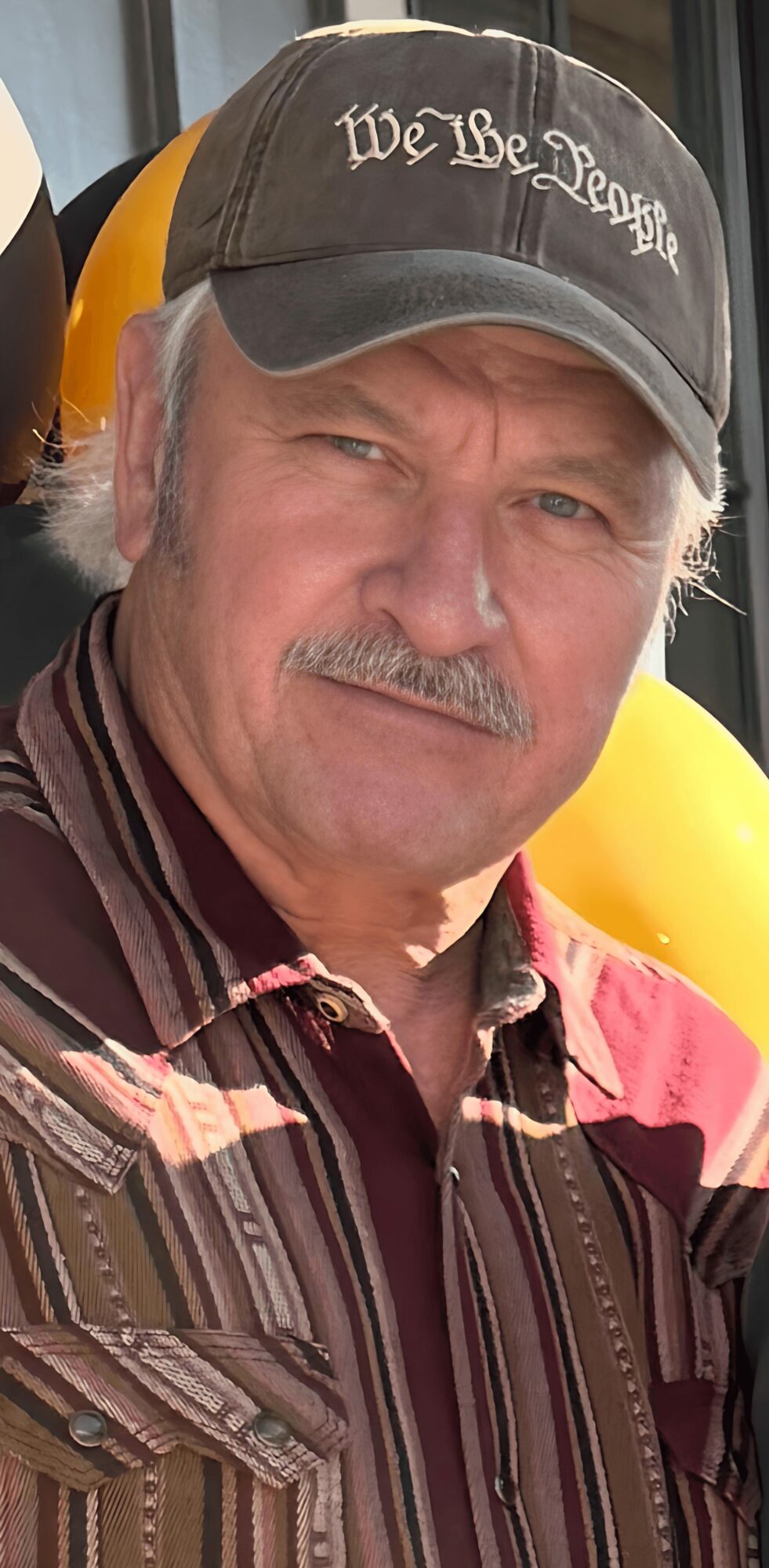
Today we’d like to introduce you to William Herrin.
Hi William, it’s an honor to have you on the platform. Thanks for taking the time to share your story with us – to start maybe you can share some of your backstory with our readers?
A Journey from Lick Log Hollow to Cottontown
Roots and Early Life
My mother was a farm girl from Lick Log Hollow, nestled on the border between West Virginia and Kentucky. My father, too, grew up on a farm in Fields, Louisiana, before serving in World War II. For much of my childhood, our family experienced financial hardship. We relied on government subsidies, which meant our meals often consisted of powdered eggs, a mysterious log of cheese, and the ever-present bologna roll. These experiences, though challenging, helped build character and taught me valuable life lessons. Living in diverse communities further shaped my values and outlook.
Growing Up in California
At eleven years old, my family relocated to California, settling in the small town of Brea in Orange County. Brea was a place of horse pastures, farms, and barns. The largest cow pasture stood directly across from my high school, filling the air with its distinct scent during hot summer football practices. My youth was spent hiking and exploring the countryside and hills of Northern Orange County.
Today, the landscape of Brea has transformed dramatically. The old farms have given way to vast shopping malls, and every available acre has been developed into apartments, tract homes, and commercial spaces. Where I once drove past open fields and pastures as a young deputy sheriff, there is now uninterrupted asphalt and concrete stretching from city to city. Orange County now spans 791 square miles and is home to 3.17 million residents, resulting in a population density exceeding 4,000 people per square mile.
Settling in Cottontown
Six years ago, my son moved to Gallatin, and my daughter settled on Franklin Road on the outskirts of Cottontown. With all my children and grandchildren nearby, Cindy and I chose to make Cottontown our home. This community has been a tremendous blessing; both its people and its land are treasures to someone who has been twice removed from his birthplace.
Learning from the Community
Through my travels and interactions with Cottontown residents, I developed a deep appreciation for their family bonds, values, and strength of character. I came to understand their concerns about the rapid growth in neighboring cities and their desire to preserve the unique qualities of their community. It was only through conversations with locals that I realized the potential for growth in Cottontown. My own experiences witnessing the transformation of my hometown in Orange County heightened my concern for Cottontown’s future. A county commissioner once described Cottontown as the “Jewel of Sumner County,” noting that among the 24 commissioners in Sumner, nine are actively working to preserve Cottontown as it is today.
Preserving Cottontown
My worries about local growth are influenced by my past experiences and my hope to leave my home and land to my son and daughter, for their children to enjoy. Recently, I was troubled to see a hundred-acre farm on Watt Nolen Road sold and replaced with twenty homes. This change inspired me to document Cottontown as it stands today—to capture its history, open lands, and vibrant spirit through photos and words.
Reflections and Hopes
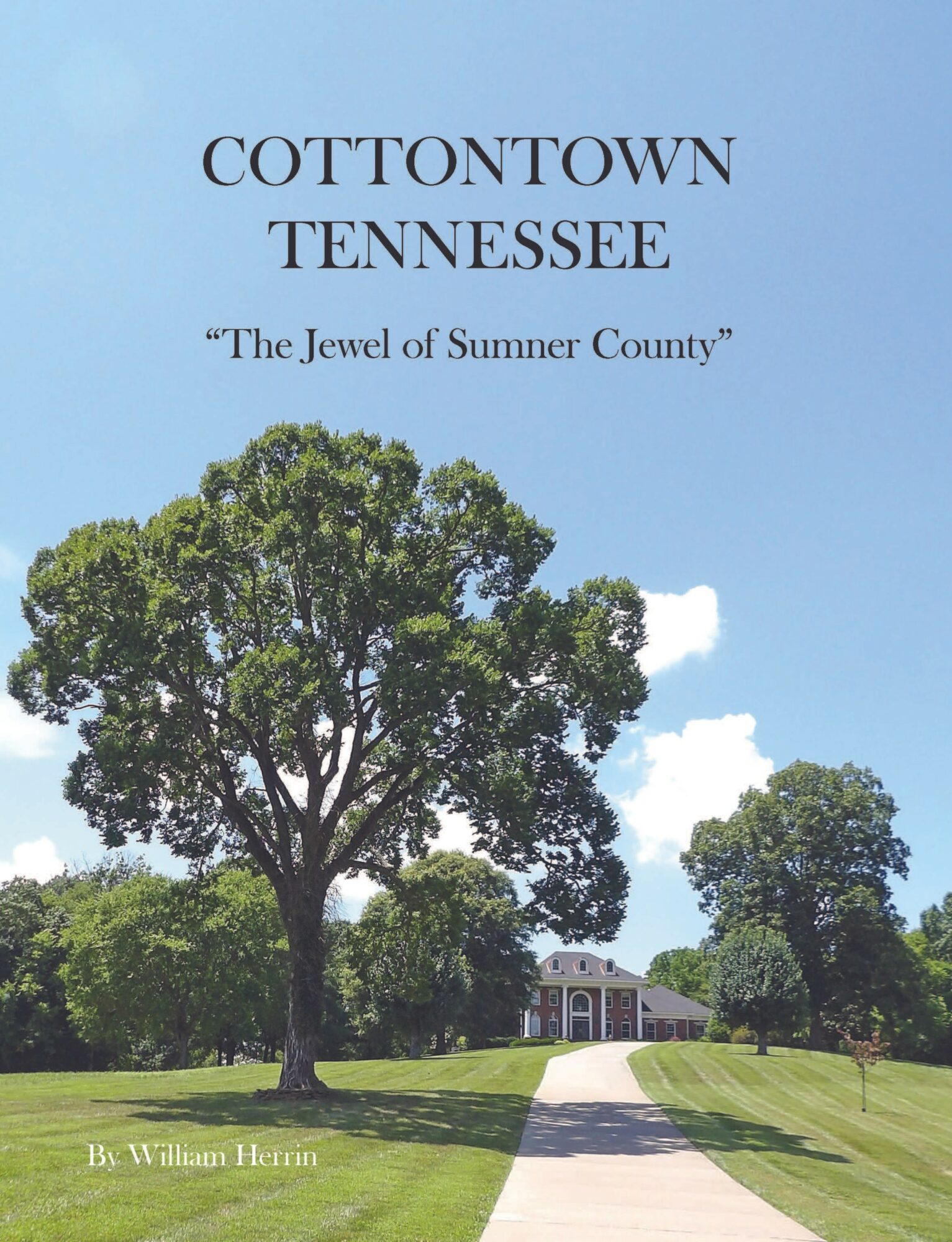
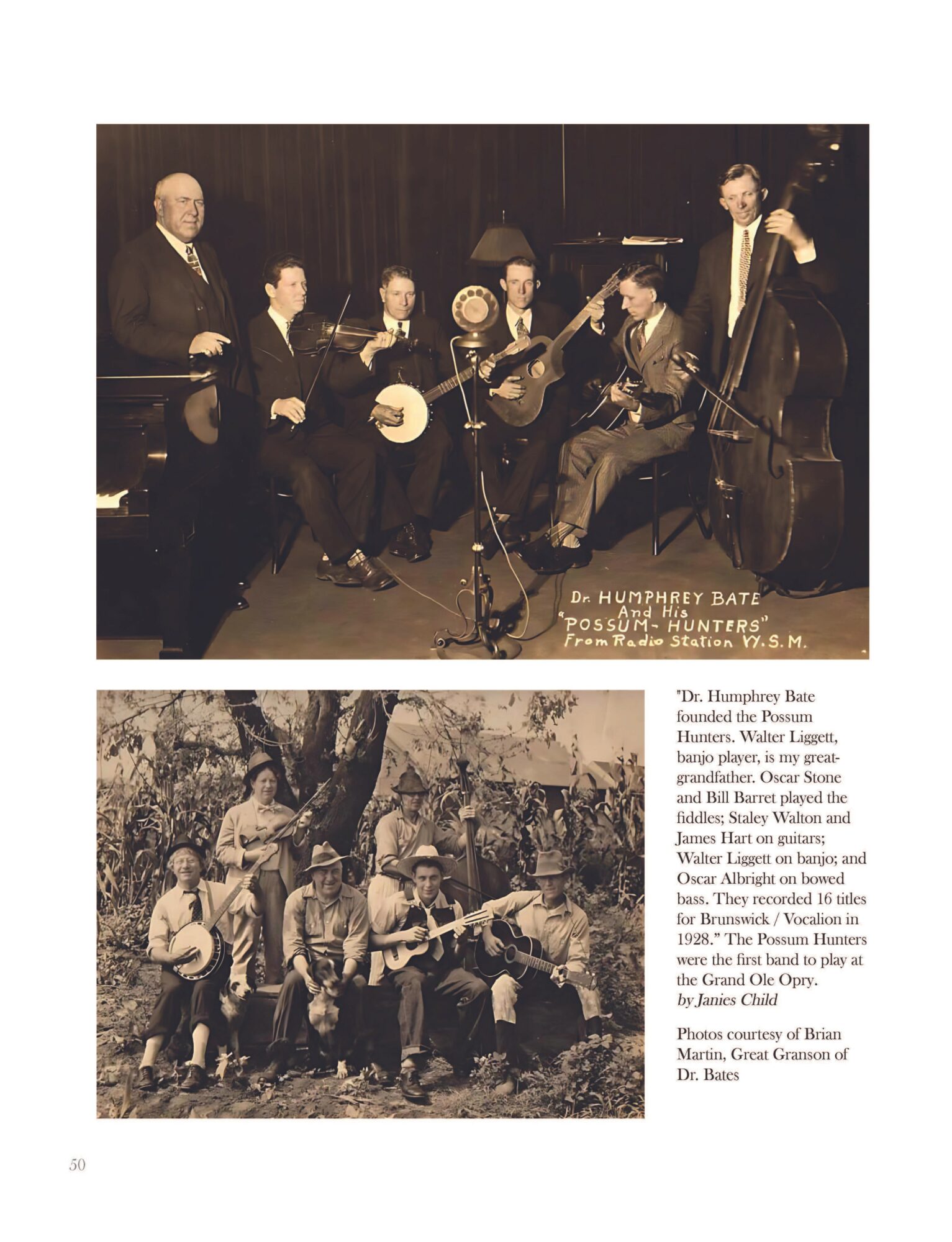
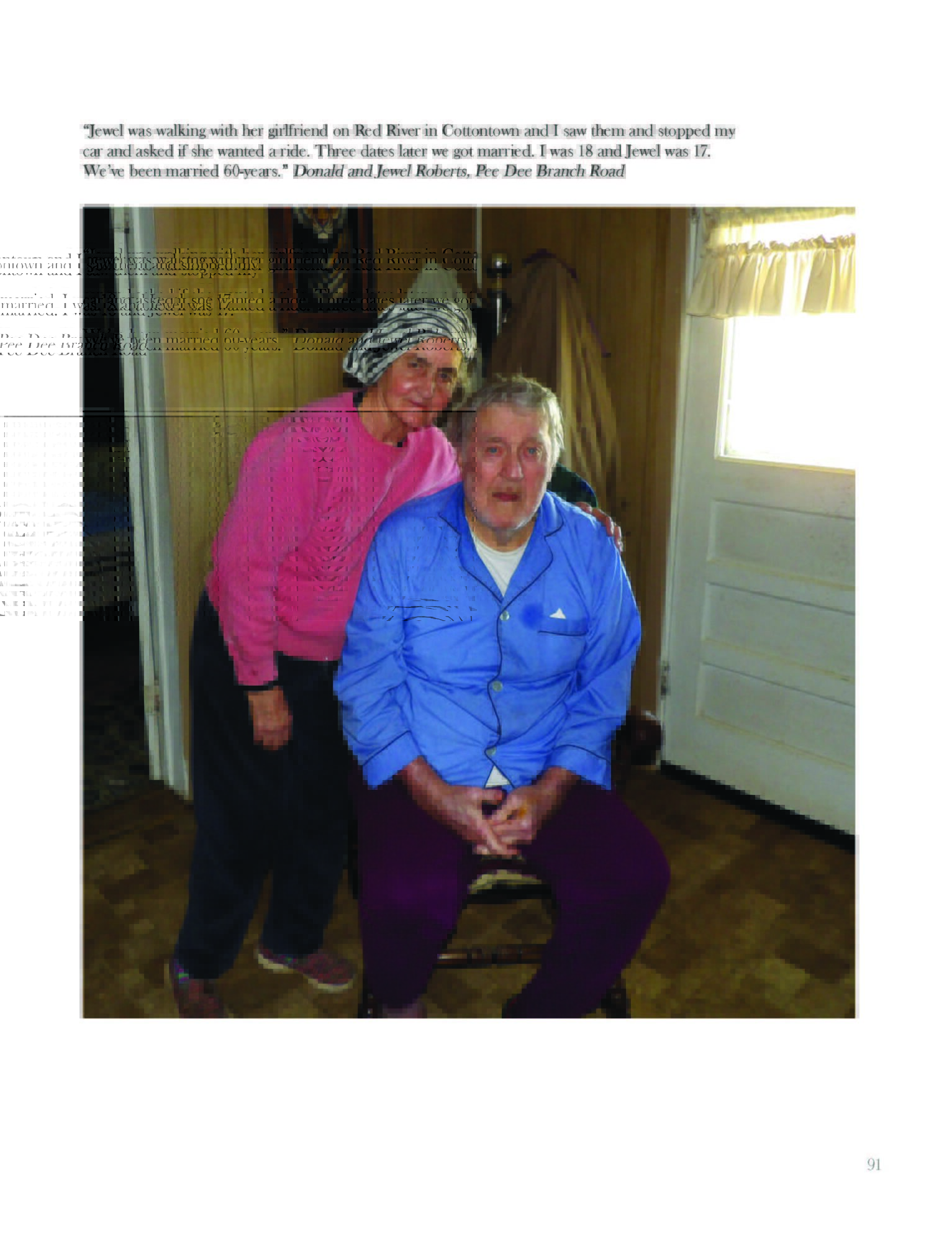
This journey has been remarkable. Whether sitting on porches, in living rooms, or walking through fields with Cottontown families, I have learned about their past, present, and their aspirations for the future. The book, ‘Cottontown Tennessee,’ is a humble effort toward preserving the history of Cottontown, Tennessee, today and yesterday, with photographs and in their own words. I hope it encourages other Cottontowners to honor their early settler ancestors by working hard to preserve the land they call home. Godspeed, Cottontown and may your fertile fields, forested hills, and wonderful people continue to make this land a place of wonder.
Would you say it’s been a smooth road, and if not what are some of the biggest challenges you’ve faced along the way?
Before I began my research, I felt a childlike excitement and curiosity, reminiscent of opening a history book for the first time before knocking on the door of a home built in 1877. My imagination ran wild with the possibilities of the stories I might hear from the residents, fueling my anticipation as I waited for someone to answer the door. This marked the beginning of my journey to create a photographic book about the community of Cottontown, Tennessee.
Over the next fourteen months, I traveled the roads of Cottontown, collecting countless photographs and stories from the people I met along the way. While some individuals were open and welcoming, others were reluctant to share their experiences. In one memorable instance, an elderly man threatened to call the police if I did not leave his property immediately, illustrating the varied reactions I encountered during my research. A year later, that man and I are friends, and I was able to record his family history.
One particularly remarkable visit involved driving over a mile down a private dirt road to reach a farm home that had stood for 150 years. There, the family graciously spent hours with me, recounting their history and sharing their memories. My exploration also led me through dense woods where, after the Civil War, freed slave families had been permitted to build cabins in the hollow by farmers who had previously owned them. Discovering the remnants of these homes, now hidden by overgrown forests, gave me insight into the hardships faced by pre-Civil War slaves, and how those challenges persisted even after emancipation.
As this was my first major photographic project, I dedicated myself to capturing each subject from various perspectives. I made numerous trips to retake the same shot under different lighting conditions, at various times of day, and during different seasons. My goal was to present each object in a way that would best convey its story and significance.
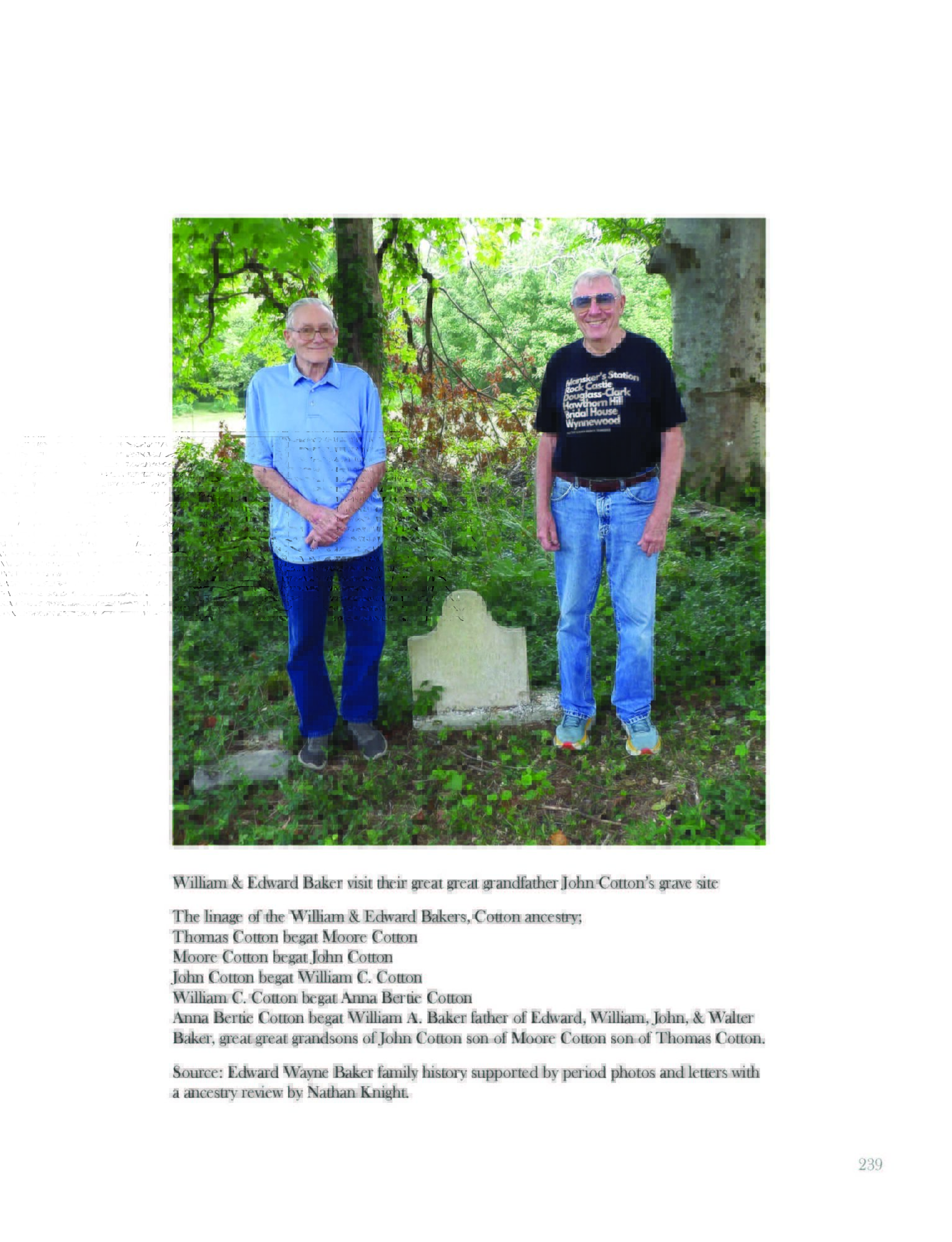
To ensure accuracy and provide context for my photographs, I invested hundreds of hours in online research, verifying details from family stories, and poring over documents in local archives. My work extended to county offices, where I traced family deeds dating all the way back to 1797, ensuring that every story was grounded in historical fact.
Though the work was demanding, the journey brought me many unexpected rewards. I gained friends, received warm smiles, and heard many heartfelt thank you from the people whose stories I was privileged to document.
Thanks – so what else should our readers know about your work and what you’re currently focused on?
Military and Law Enforcement Career
At nineteen, I began my public service career in the U.S. Army, serving as a military police officer and K-9 Narcotics Investigator. Upon leaving the Army, I immediately transitioned to the Orange County Sheriff’s Department. Over the course of thirty-three years, I worked in multiple capacities, including patrol, SWAT, public relations, and spent my final six years as Airport Watch Commander. After retiring, I continued to contribute as a level 1 reserve for four additional years with the Critical Infrastructure Unit at the Orange County Intelligence Assessment Center. My concerns regarding John Wayne Airport security led me to author the book “Airport Warnings: An Airport Policeman Speaks,” offering insights and recommendations for airport safety.
Academic and Investigative Service
Following my law enforcement career, I joined Chapman University in Orange, California, as an Investigative Lieutenant. For six years, I dedicated myself to solving and preventing both civil and criminal incidents on campus, ensuring the safety and well-being of the university community.
Authorship and Sharing Values
After retiring from Chapman University, I sought to impart life lessons to my granddaughters in an engaging manner. This inspired me to write and illustrate a children’s book, “The Peacock and the Bear,” which conveys the importance of sharing and explores God’s definition of true beauty through a fun and artistic narrative.
Preserving Local History
Relocating to Cottontown, Tennessee, I became captivated by the region’s rural charm and historical significance. Recognizing the risk of Cottontown’s unique stories fading with time, I spent over a year photographing the community and interviewing its residents. The result was the completion of the book “Cottontown, Tennessee,” which preserves and celebrates the area’s people, culture, and history, while also looking toward the future.
Community Service and Advocacy
Driven by a desire to help others, I established a non-profit organization that brought together police and firefighters for competitive sporting events. These efforts successfully raised tens of thousands of dollars for causes such as abused children’s homes, a center for blind children, and support for burn victims.
Preventing Violence and Promoting Awareness
The tragic shooting of a two-year-old boy by gangs near my office in Santa Ana, California, motivated me to take action. I organized a community march through the street where the child lost his life, sparking public discussion and media attention focused on preventing gang violence.
Youth Engagement and Education
To further support young people, I created and managed a student newspaper with contributors from more than twenty high schools in Orange County. The monthly publication featured stories written by students to their peers, addressing the dangers of drugs and gang involvement.
I also secured funding and coordinated efforts to produce sports cards featuring players from the California Angels, Los Angeles Rams, and Mighty Ducks. Each card included a statement from the athlete against drugs and gangs. These cards were distributed at schools and youth events, reinforcing positive messages and serving as tools for outreach and education.
Let’s talk about our city – what do you love? What do you not love?
My community is a tapestry of diversity, blending families who have called this area home for generations with those who have recently relocated from various states. This mix creates a unique and dynamic environment, where traditions and new perspectives meet.
The newcomers are eager to embrace the spirit of southern hospitality that has long been a hallmark of the original Tennesseans. Their efforts to uphold and participate in this warm and welcoming culture contribute greatly to the community’s sense of unity and belonging.
The region’s rich history adds depth and character, while its natural beauty makes it a truly wonderful place to live. One of the area’s distinct advantages is the ability to enjoy the tranquility of a five-acre country home, yet be just a 30-minute drive from the vibrant heart of Music City. This balance between peaceful rural living and easy access to urban excitement is truly hard to match.
Contact Info:
- Website: https://cottontowntn.com