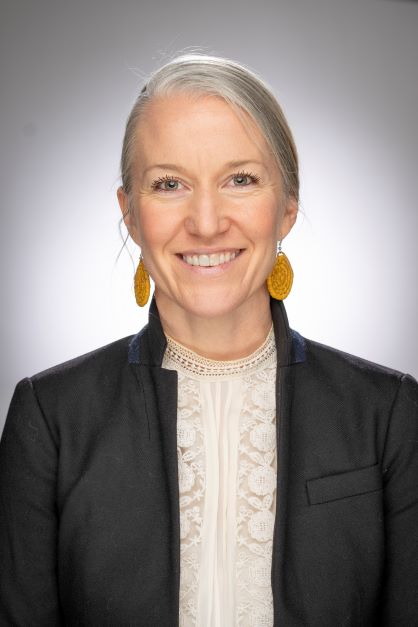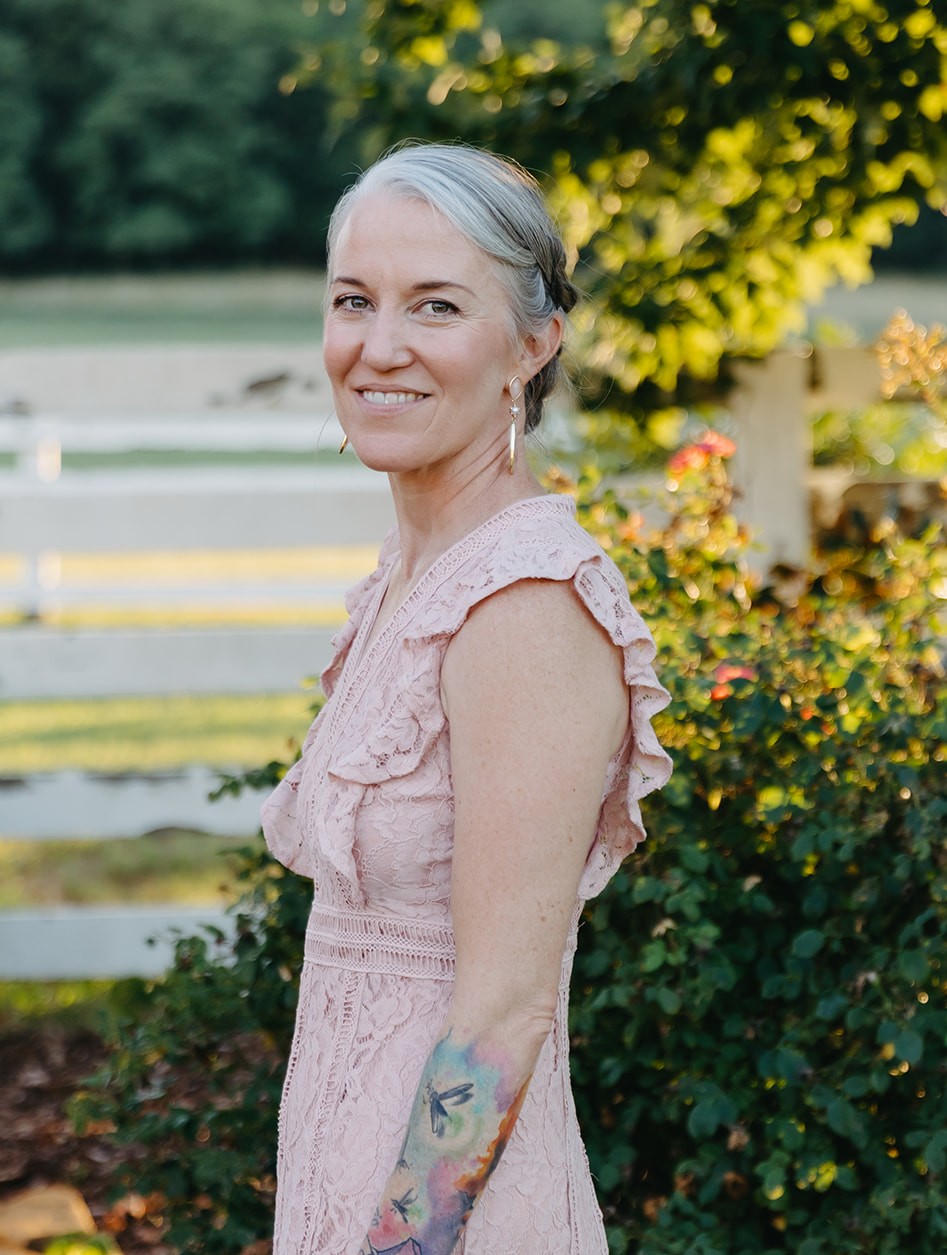






Today we’d like to introduce you to Mary Carter-Orbke.
Hi Mary, thanks for sharing your story with us. To start, maybe you can tell our readers some of your backstory.
When I was in undergrad, I discovered that the sweet, gentle girl in the dorm room across the hall from me was self-harming by cutting when no one was around. I was stunned! I felt so moved, and so sad for her. I had never personally encountered this in my somewhat sheltered upbringing, and as she began to receive professional help and shared more of her story with me, I took a hard left turn from my lifelong goal to become a veterinarian and instead decided to pursue a career in mental health as a Psychiatric/Mental Health Nurse Practitioner (PMHNP). This and other close encounters with people suffering and hurting, not from visible physical wounds but from internal pain and trauma, moved me with compassion. I felt that if I could make a difference in even one person’s life by helping them heal from this inner pain, I must do it. I felt called, in a way.
Now, I recognize that the ability to be moved by another person’s pain, and the choice to extend help however you can, is what connects us as humans. I feel so grateful that I’ve been able to make it my career. The patients I’ve been privileged to treat include folks gripped by addiction who are willing to face their fears of what it’s like to live a sober life, folks who dared to leave the life of prostitution in which they found themselves through no choice of their own or through having no other choice, folks who were at war with their own bodies trapped in eating disorder cycles but brave enough to question whether they had to live that way forever. Honestly, it’s true that what you give to patients in this field you receive back tenfold in the form of hope that positive change is possible. Now, I continue to care for patients in my private practice while teaching the next generation of amazing future PMHNPs, passing on to them the knowledge I’ve gained.
Can you talk to us a bit about the challenges and lessons you’ve learned along the way. Looking back would you say it’s been easy or smooth in retrospect?
I’m incredibly privileged to come from a family that values education and career-building, so even though I knew my training in this field would be challenging and rigorous, my mind was set on becoming the best PMHNP that I could be. I never doubted that I was on the right path – until I started my first PMHNP job after graduation. It was in a busy, fast-paced community mental health clinic serving underinsured/uninsured folks facing numerous socioeconomic barriers and inequities, oftentimes with no social support. I suddenly felt that the help I had to offer was wildly inadequate, and far too small. I thought, all I can do is offer treatment for depression, or anxiety, or trauma, or insomnia. How will that help someone working so many jobs who still cannot afford childcare? How will that help someone who cannot afford their water bill? How will that help someone who has outlived most of their friends and family and has no one to talk to? I really started to despair in my sense of powerlessness. What I learned through the help of much more experienced colleagues, and from the resilience of my patients themselves, is that one person can’t solve every problem or meet every need – and that is why human connection and community is foundational to our survival. I can treat someone’s mental health AND connect them with income-based childcare services, social workers with resources for utilities assistance, virtual support groups for people with limited transportation and mobility. I cannot provide all of these services myself, as one person – but I can find and connect with all the other people moved to help one another in all kinds of different ways such that we each play a part in making the world a better place for everyone. It’s a lesson I’ve hung onto now into 20 years of practice as a PMHNP.
Great, so let’s talk business. Can you tell our readers more about what you do and what you think sets you apart from others?
Now that I teach full-time in a local PMHNP graduate school, I maintain a small private practice in East Nashville where I see patients for psychiatric diagnostic evaluations and outpatient psychiatric medication management, continuing to provide the mental health care that I love. Because of my years of experience working in residential substance use treatment and eating disorder treatment, I am frequently referred folks in different stages of sobriety as well as different phases of eating disorder recovery in my outpatient practice. I also have many years of experience treating trauma-related disorders, anxiety disorders, and obsessive-compulsive disorders, all of which I love to treat. What I’m most proud of in my practice is that it is a safe place for people who might otherwise feel the need to censor parts of themselves, such as their sexuality or gender, out of uncertainty and self-protection. I love learning people’s stories and understanding the whole of who they are. Feeling wholly seen and accepted is what facilitates inner healing, mental health stability, and quality of life, and I am committed to ensuring my patients feel wholly seen and accepted in my practice.
Risk taking is a topic that people have widely differing views on – we’d love to hear your thoughts.
As any perfectionist reading this can attest, risk-taking can feel terrifying to perfectionists such as myself! I’ve long recognized that I’m wired to want to feel like I’m excellent at what I’m doing before I embark on the doing of it. But as in so many areas of life, the doing of something is what makes you excellent at it! Mental health care is no exception. Most of my career was spent working for different well-established agencies, so when I began thinking about opening a practice on my own, it felt like a monumentally daunting task. When we are trained as nurse practitioners, we do not receive training in opening and operating a business, and I found myself wishing that someone out there had created a step-by-step guide to opening a private practice! It felt like a huge risk, which my nature is drawn to avoid. But what helps me move forward into risk is thinking about what I don’t want to regret at the end of my life. As much as I feel averse to risk, I feel much more averse to the idea of ending my life with regrets, and that is what pushes me forward into risks that I know hold outcomes I don’t want to regret missing. Through the help of experienced colleagues from different disciplines, as well as lots of research, I was able to start my own private practice out of the desire to be able to continue caring for patients despite working full-time in academia.
Contact Info:
- Website: https://maryecarterpsychiatry.com