



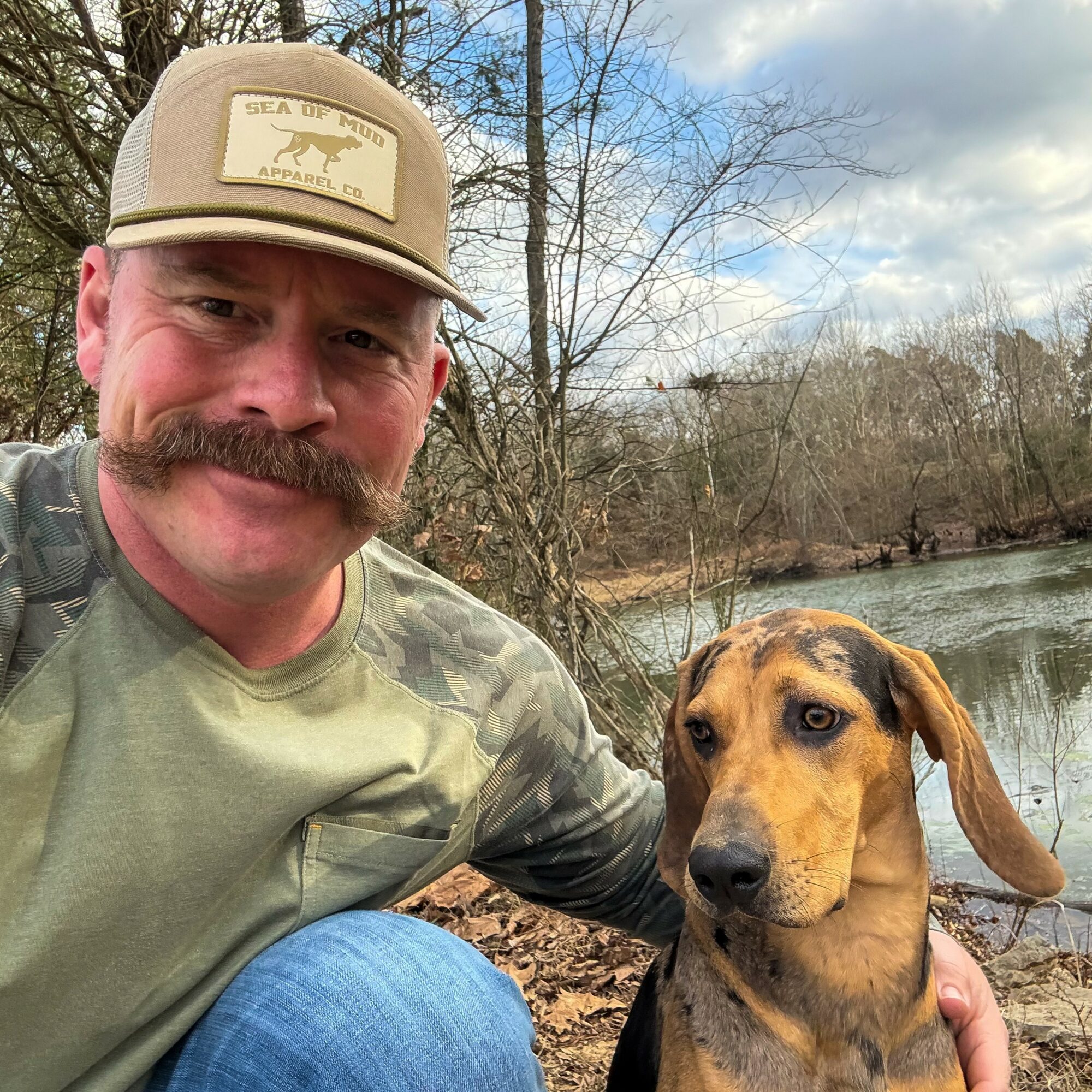
Today we’d like to introduce you to Kyle Conforti.
Hi Kyle, thanks for sharing your story with us. To start, maybe you can tell our readers some of your backstory.
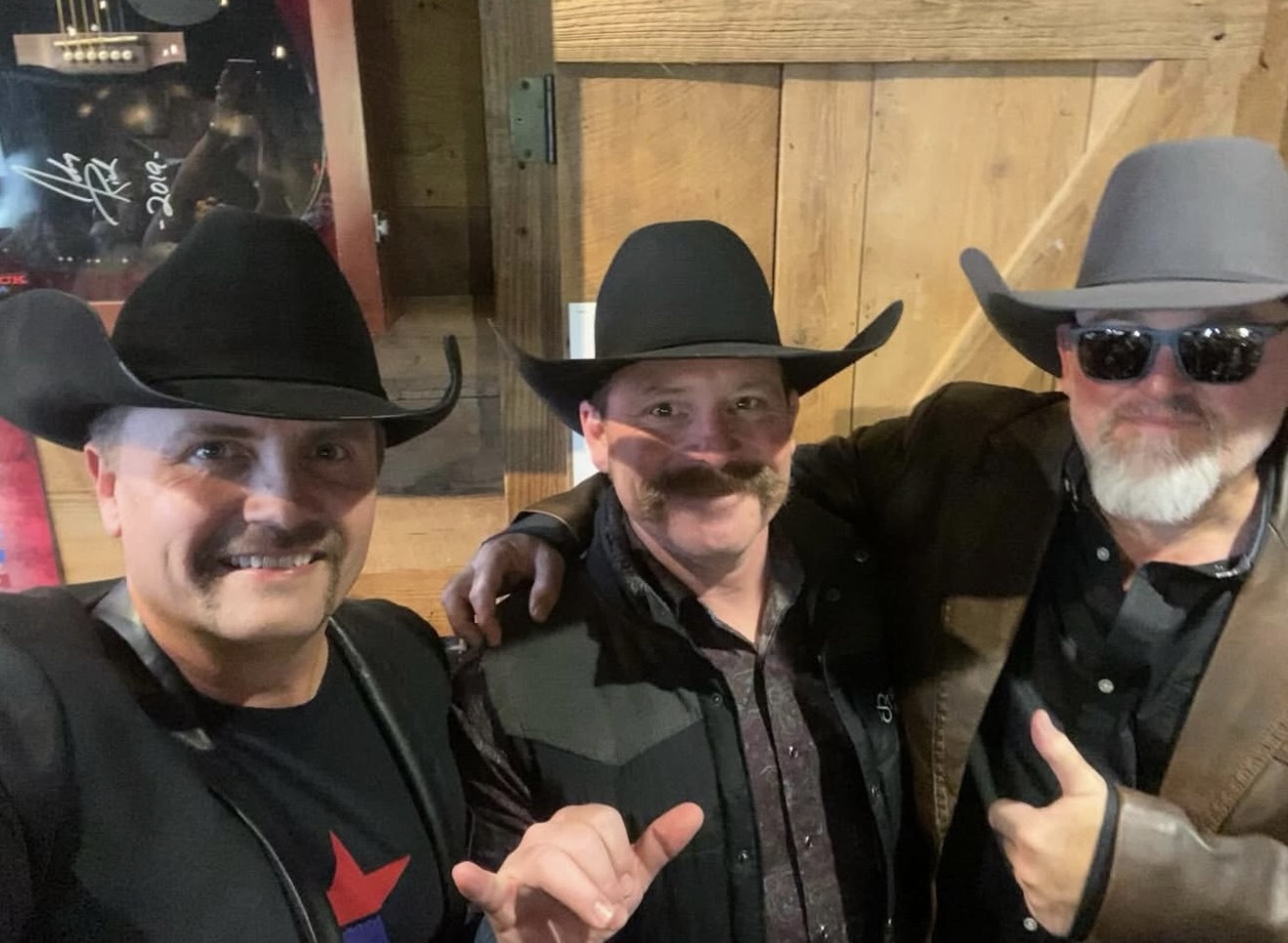
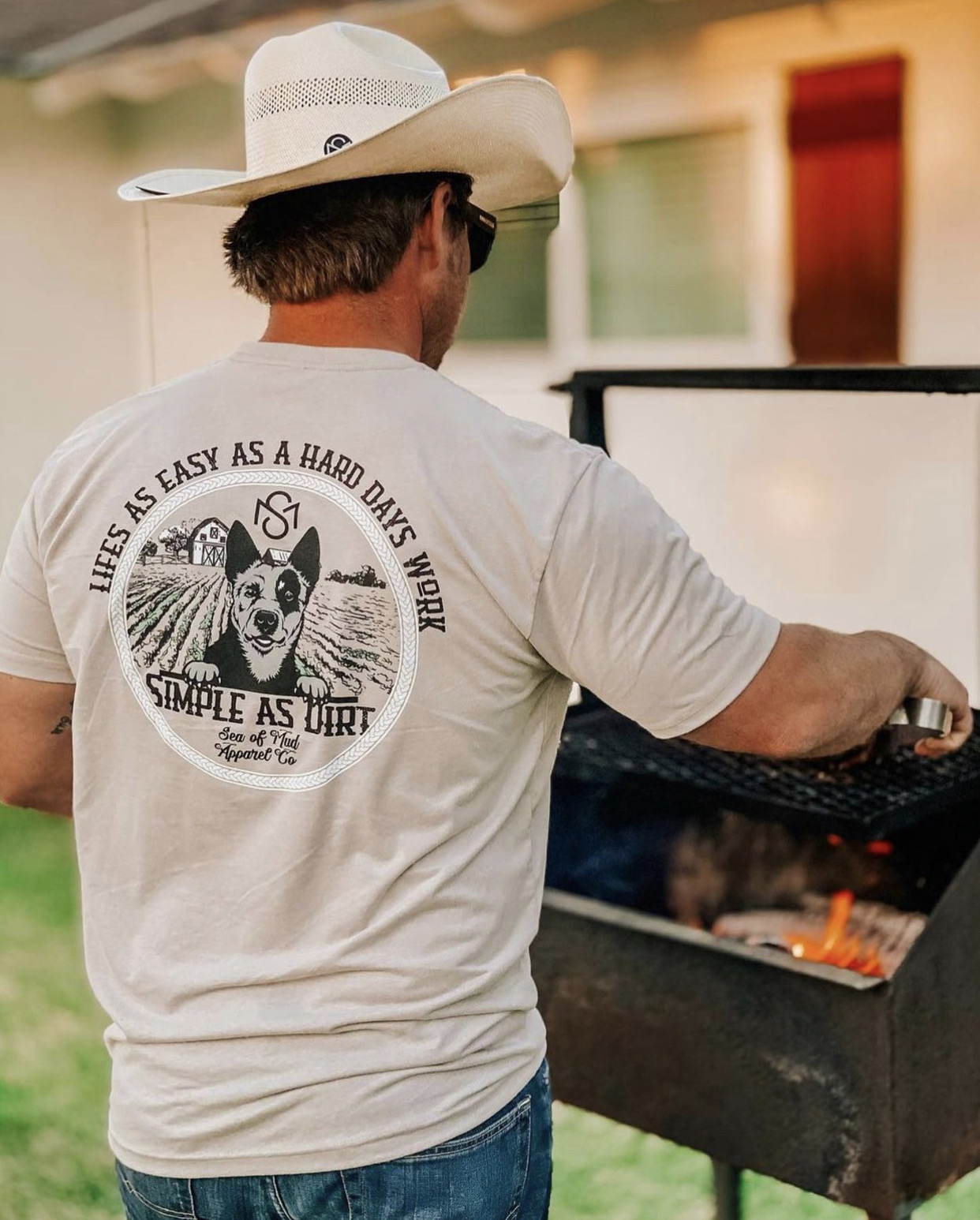
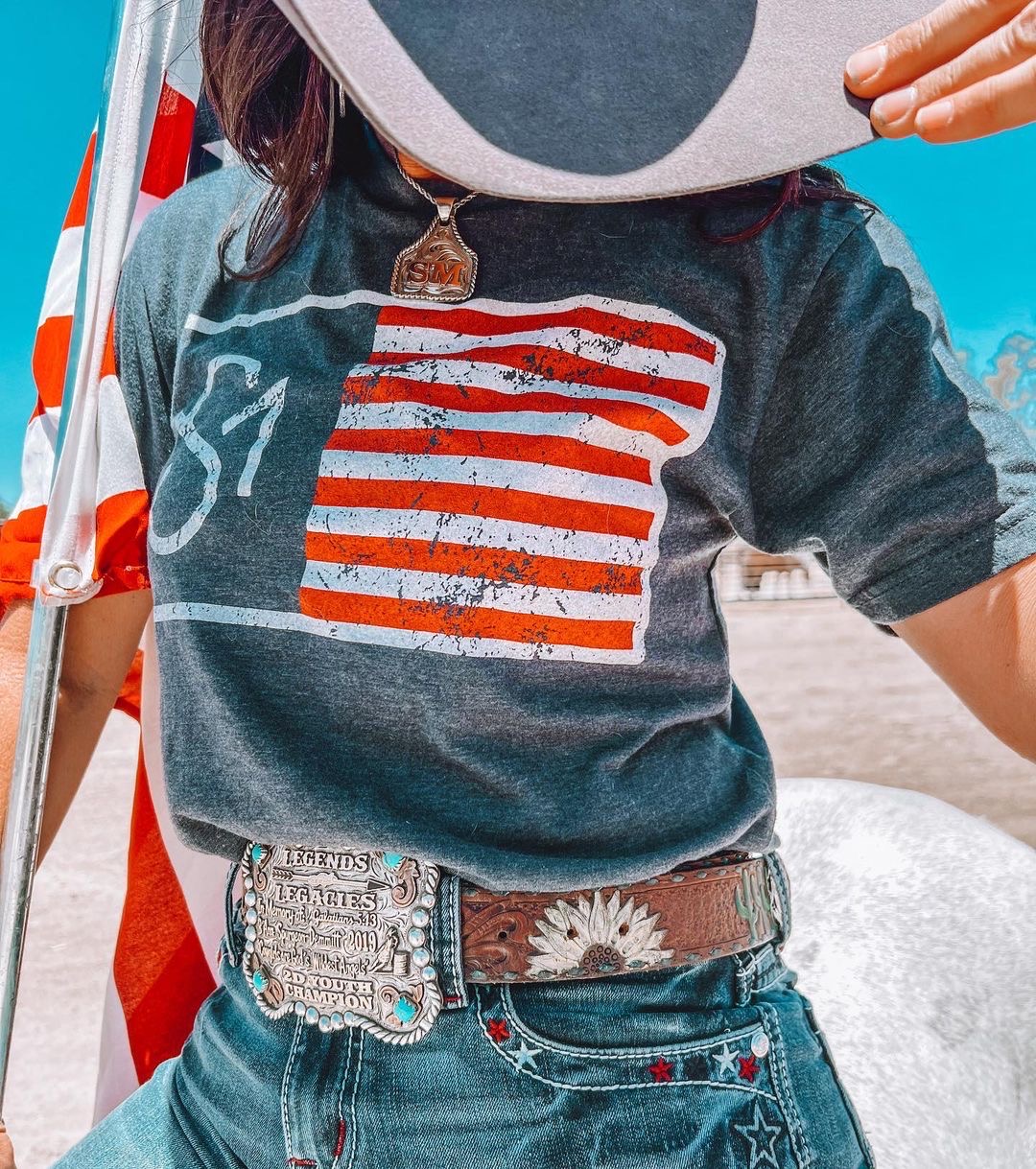
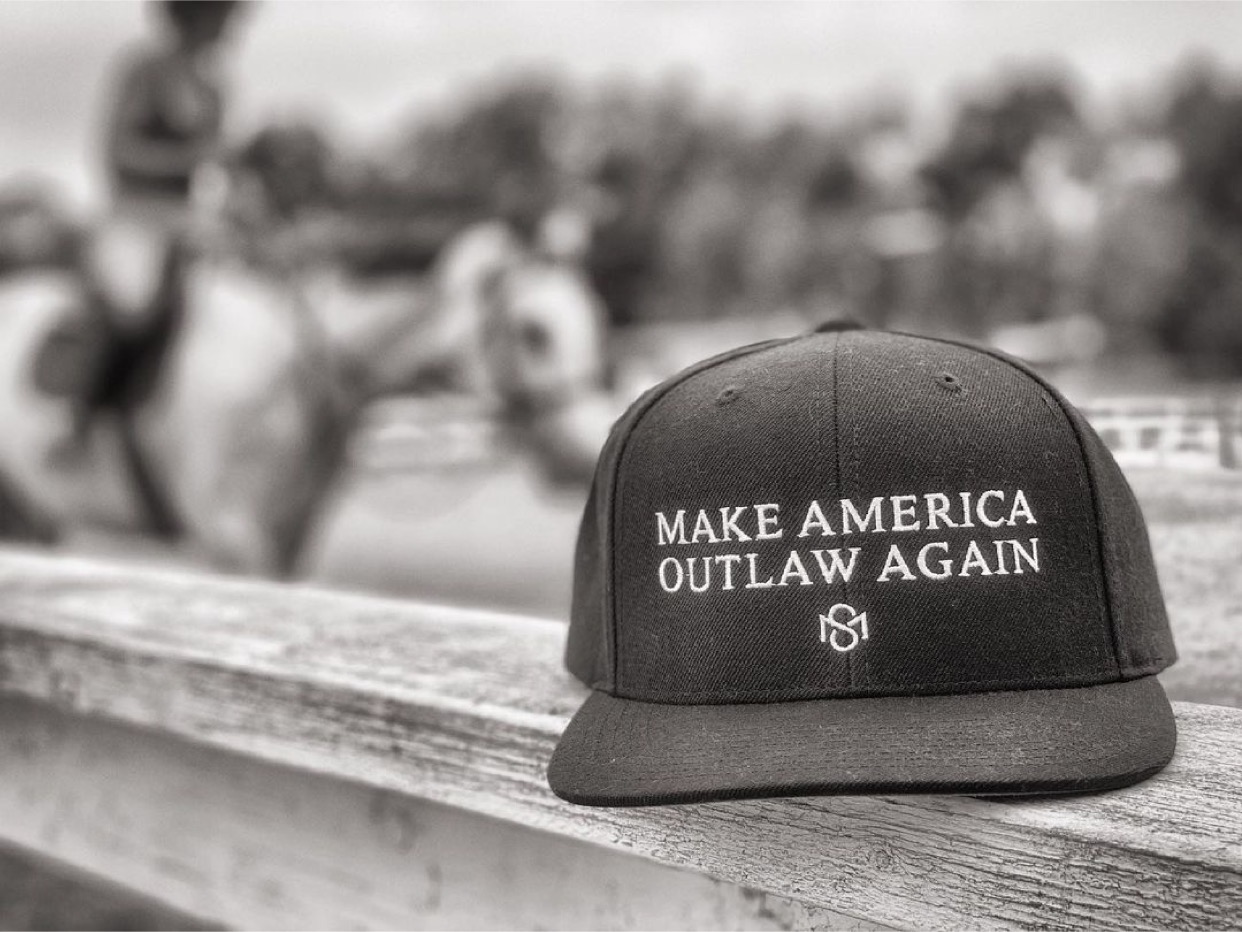
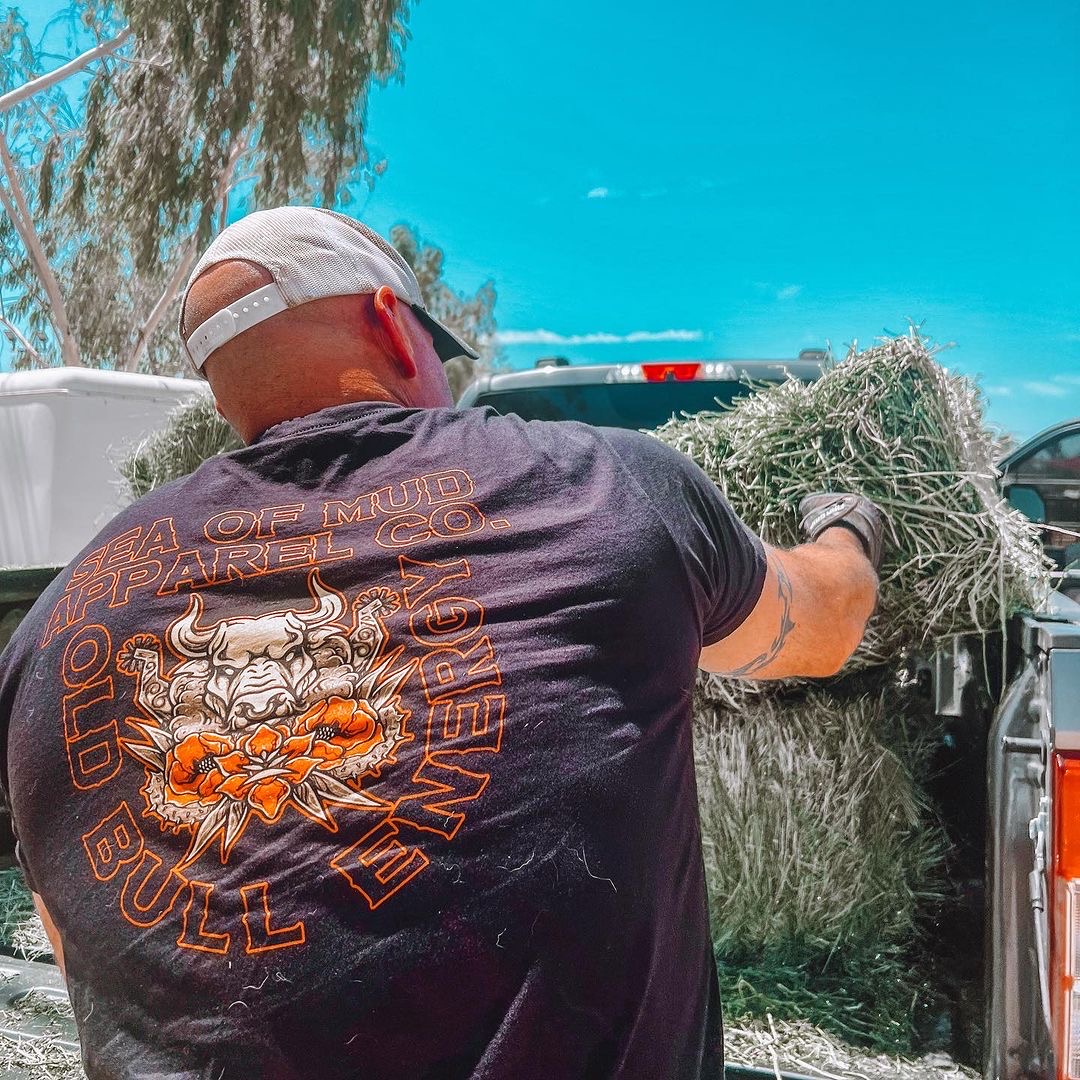
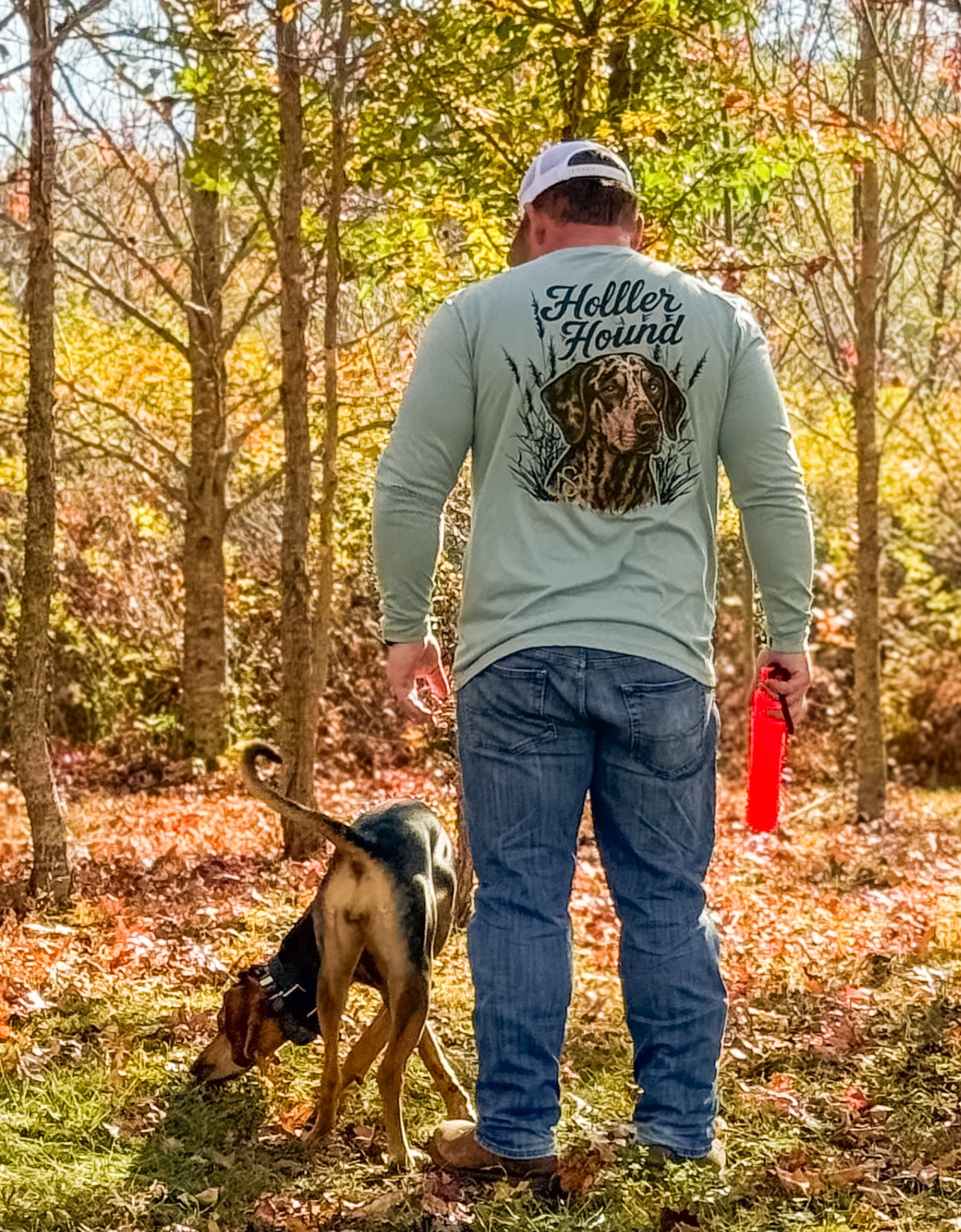
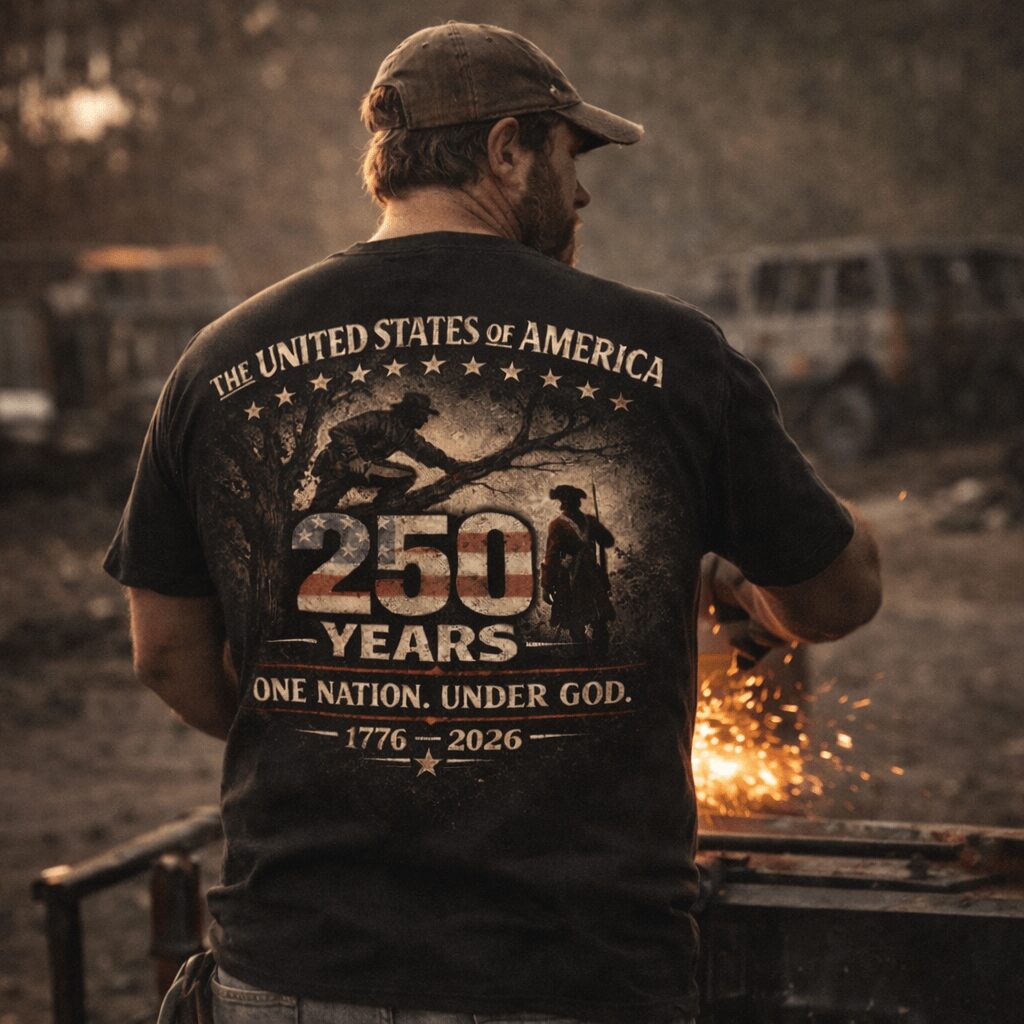
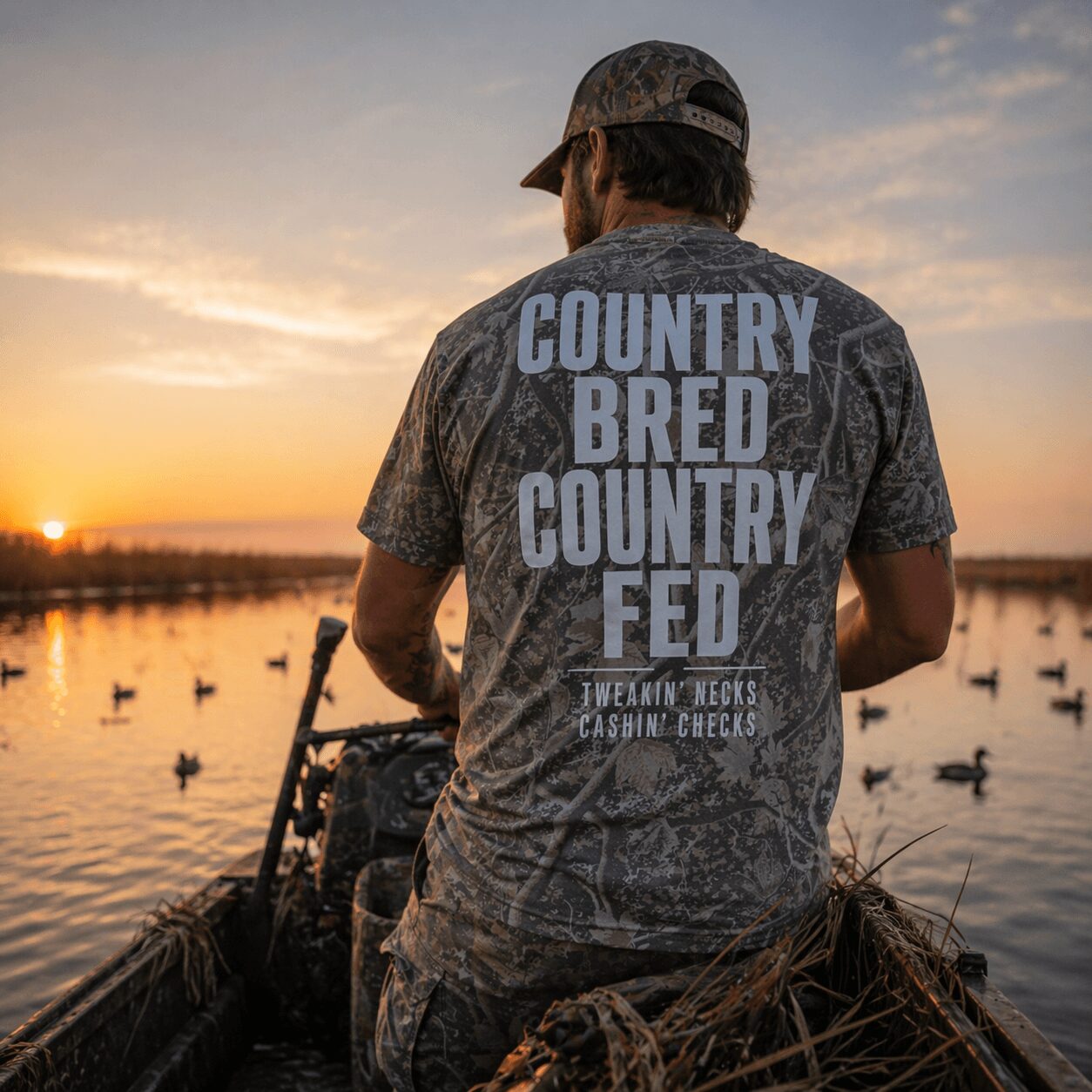
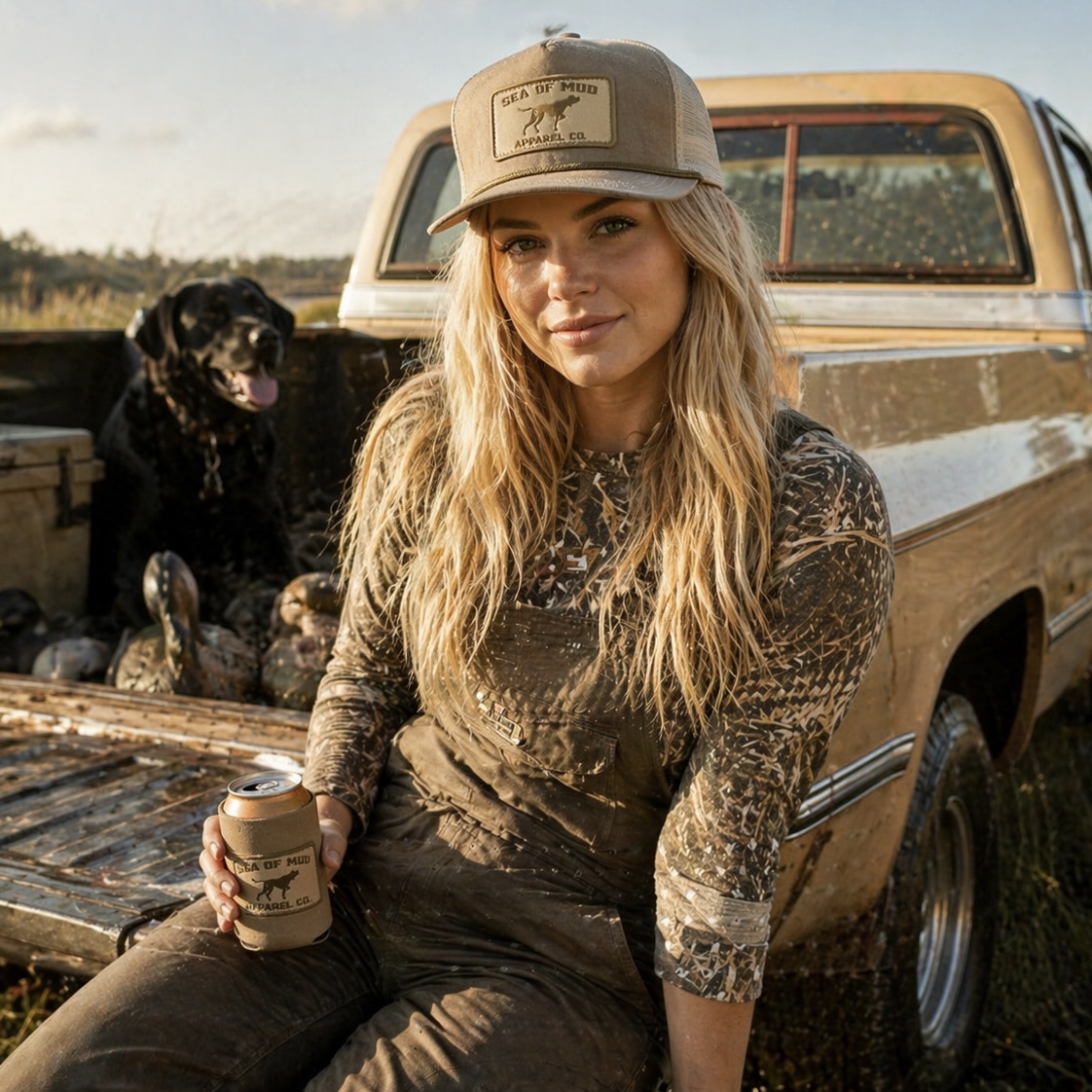
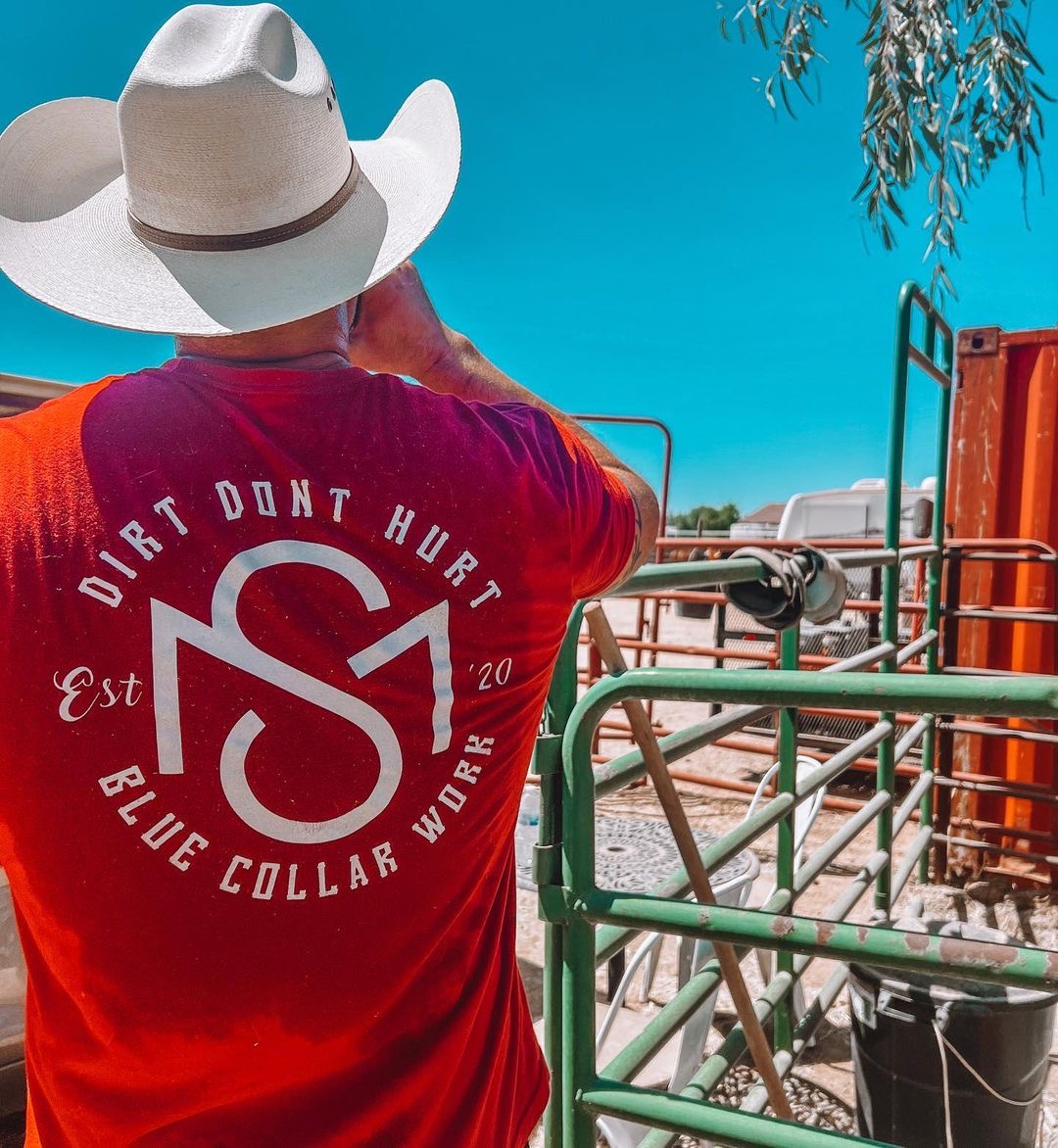
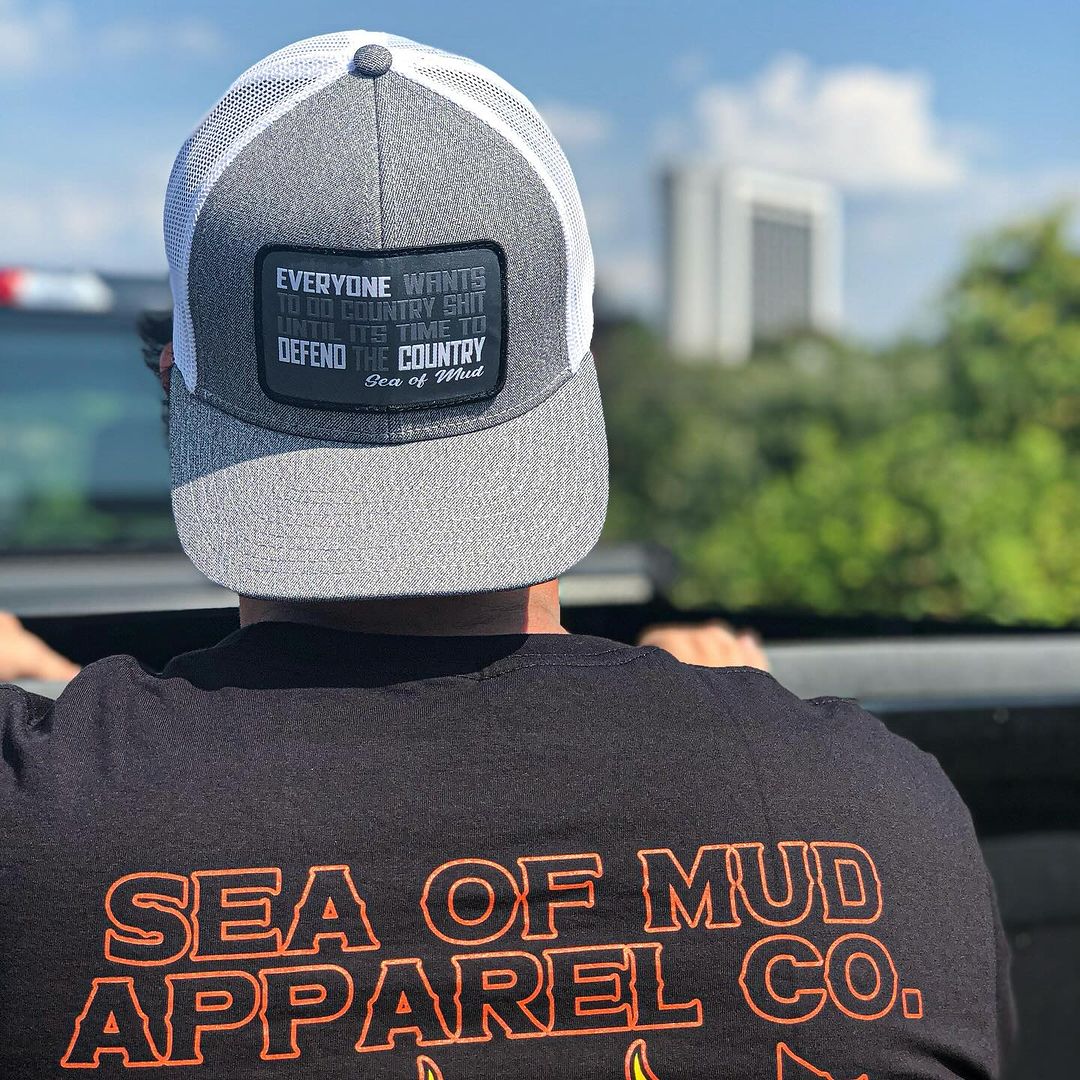
Sea of Mud started in our garage with a pretty simple idea: we felt like a lot of the rural, western, and pro-America apparel on the market had become watered down. It looked the part, but it didn’t really have any grit behind it. We wanted to build something with more punch — something that actually reflected the people and culture we grew up around.
In the beginning, balancing the brand with real life was tough. At the time, I was working 96-hour shifts at the fire department while also raising a two-year-old and a one-year-old at home. During my days off, I’d spend the day doing “daddy daycare,” and once the kids went to bed around 7 PM, I’d head out to the garage and start packing orders. Most nights I was working until 3 or 4 in the morning, sleeping a few hours, and then repeating the cycle before heading back for another 96-hour shift.
There were definitely moments where it felt unsustainable, but we believed in what we were building and believed there were a lot of people out there looking for a brand that actually represented rural America in a more authentic way.
Things really started gaining momentum when we began working with Firefighters4Freedom and various independent news and media networks. That helped expose the brand to a much larger audience of hardworking Americans who connected with the message and what we stood for.
Today, Sea of Mud has grown far beyond what started in our garage. We were very excited to make the move to Nashville because it feels like the right home for the brand and the culture we’re trying to build around it. Our goal has never been just to sell clothing — we want Sea of Mud to represent a lifestyle rooted in hard work, freedom, patriotism, family, and rural American culture. We want to build a brand that feels real to the people wearing it because it was built by people living that same life.
We all face challenges, but looking back would you describe it as a relatively smooth road?
It definitely has not been a smooth road. I think one of the biggest struggles has been balancing everything. In the early years, I was working 96-hour shifts at the fire department while trying to build Sea of Mud during every spare hour I had. At the same time, we had two very young kids at home, so there really wasn’t such a thing as “off time.”
A lot of people see the finished product — the shirts, the website, the social media — but they don’t always see the behind-the-scenes side of running a business. Honestly, that’s probably been one of the hardest learning curves for me. I’m a fireman, not a computer guy. Learning SEO, digital marketing, websites, online advertising, analytics, and all the technical aspects of e-commerce was completely outside my comfort zone. There were plenty of late nights spent trying to figure out things that people with business or tech backgrounds probably take for granted.
There’s also the challenge of still actively working at the fire department while managing and growing the business at the same time. Sea of Mud didn’t come from investors or a big team — it was built while juggling real life, real responsibilities, and a demanding career. That balancing act is still ongoing today.
At the same time, I think those struggles are part of what shaped the brand. Sea of Mud was built by working-class people living the same kind of life as our customers, and I think people connect with the authenticity of that.
Alright, so let’s switch gears a bit and talk business. What should we know about your work?
By trade, I’m a municipal firefighter paramedic working in a heavily populated urban city. The job puts you face to face with every type of person and every type of struggle imaginable. On any given shift, you’re responding to calls involving blue-collar working families, affluent families, immigrants trying to build a better life, people battling addiction, and the homeless population. You see people at their absolute worst moments, and it gives you a very raw perspective on the country and the people living in it.
That experience has honestly made me even more passionate about Sea of Mud and what we’re trying to build with the brand. Working in the city showed me that there’s a huge portion of America — both in urban communities and rural towns — that feels forgotten, overlooked, or misrepresented. A lot of hardworking people feel like nobody speaks for them anymore. They’re raising families, working long hours, trying to stay afloat, and carrying a tremendous amount of pressure without much recognition.
I think what sets us apart is that Sea of Mud wasn’t created in a boardroom or by people chasing trends. It was built from lived experience. The brand comes directly from the perspective of people who still work demanding jobs, understand sacrifice, and interact daily with real Americans from every walk of life.
What I’m most proud of is that the brand has stayed authentic through its growth. We’ve never tried to manufacture an image or pretend to be something we’re not. Sea of Mud is rooted in real-world experience, blue-collar values, patriotism, resilience, and pride in the people who still keep this country moving.
Do you have any memories from childhood that you can share with us?
Honestly, if you would’ve asked me that question before I had kids, I probably wouldn’t have had much of an answer. Having children completely changed the way I look at life and even the way I remember my own childhood. Now I find myself valuing a lot of the things I used to hate as a kid.
I remember my dad waking me up at 4:30 in the morning when I was seven years old to go do construction work with him. At the time, I hated getting dragged out of bed that early. I remember feeding animals, cleaning stalls and chicken coops before I was allowed to go play with my friends. Back then it just felt like chores, but now I look back and realize those moments taught me work ethic, responsibility, and discipline long before I understood what those things really meant.
Of course there are the classic memories too — first puppy, first car, all of that — but one memory that really stands out happened on a family vacation in Mexico. We went horseback riding on the beach when I was probably seven or eight years old. The horses were all trained to stay together and just slowly walk in a line behind the guide. But I didn’t want to walk — I wanted to fly.
So I started holding my horse back while the rest of the group kept moving farther ahead. The guide kept yelling at me to catch up, but I kept holding back until the group was barely visible. Then I finally let that horse loose, and that roan took off running full speed down the beach to catch up with the others.
I still remember the speed, the wind, the sound of the surf, and the feeling of freedom. For a kid, it felt unreal. Definitely one of those memories where the juice was worth the squeeze.
Contact Info:
- Website: https://seaofmud.com
- Instagram: https://www.instagram.com/seaofmudapparelco/
- Facebook: http://facebook.com/SeaOfMudApparel