




Today we’d like to introduce you to Keith Hill.
Hi Keith, please kick things off for us with an introduction to yourself and your story.
Because I couldn’t learn music fast enough, my harpsichord teacher, Anneke Uittenbosch, at the Amsterdam Conservatory suggested that I should become a harpsichord maker after she heard two instruments that I had made and brought with me to the Netherlands. So I immediately stopped my studies in harpsichord performance and traveled around Europe to all the museums that had large collections of fine antique harpsichords. I studied how the ancient makers made their instruments to sound so much better than modern made harpsichords. From that experience I determined to focus my entire being in a quest for understanding exactly how the ancient instrument makers created such wonderful sounding instruments
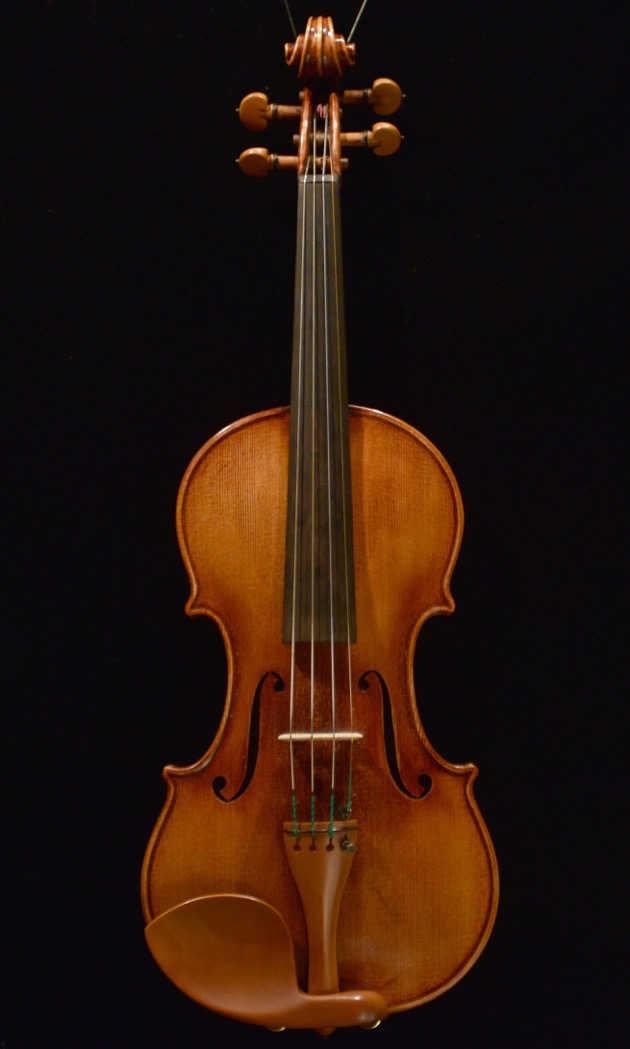
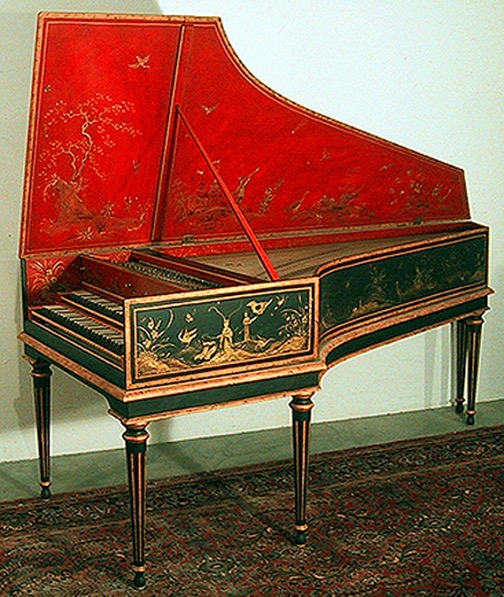
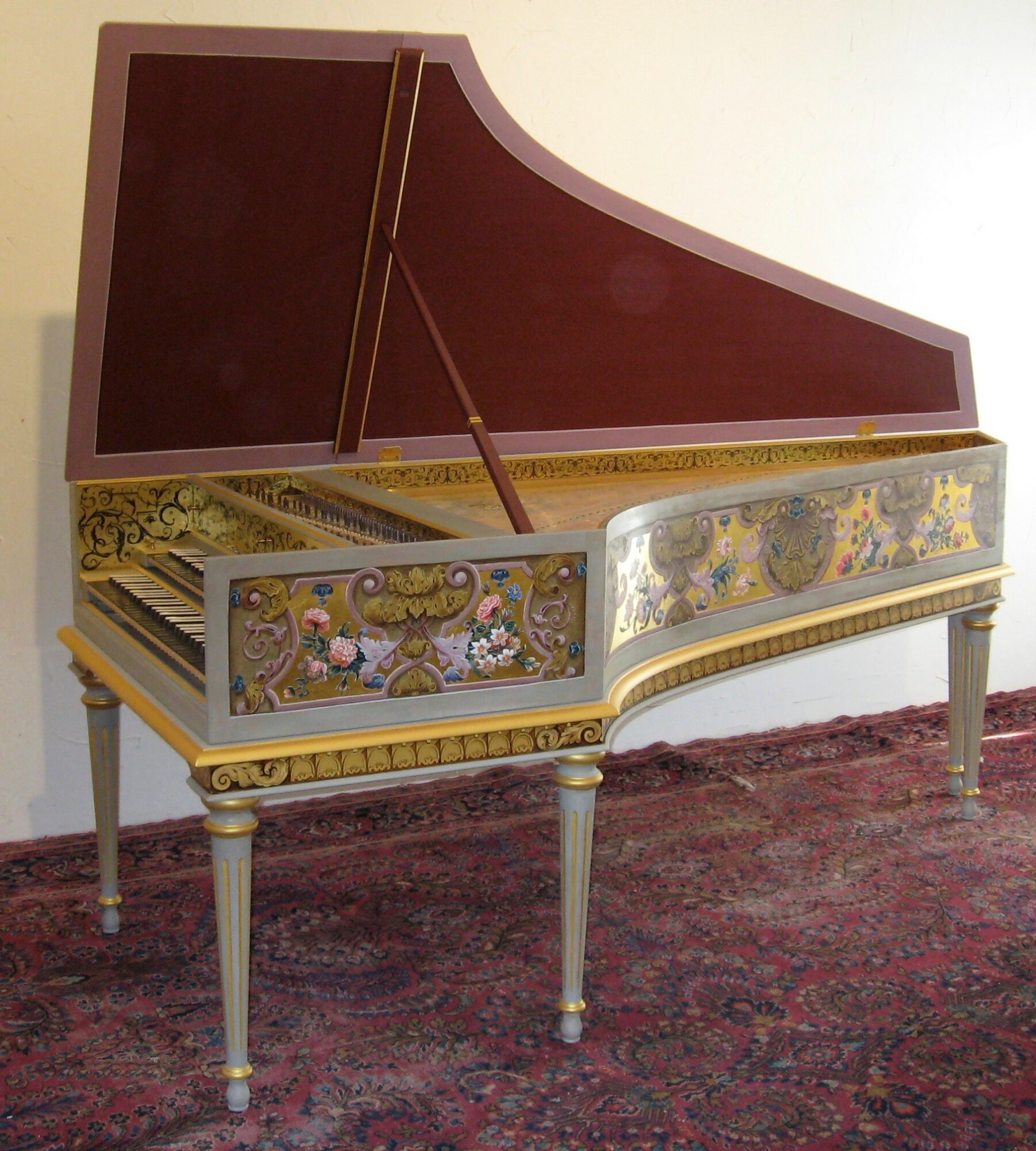
When I returned to the US, I set up my workshop in Grand Rapids, Michigan and began building harpsichords, clavichords, fortepianos, and violins in the manner of makers such as Ruckers, Taskin, Stradivarius, Guarnerius, Graf. What I learned while making these instruments was that when I worked faster than I could think, the instrument I was making always turned out better sounding than instruments I had made previously. So I turned my attention to developing a method that would always produce better sounding instruments. My method eventually became a science as I kept careful notes of every change in my work, my process, and my results. Eventually, all my attention became focused on the scientific aspects of the work. This fast forwarded a radical improvement in the sounds of my instruments. Then, after 25 years of experimenting, I as able to make instruments that equalled the best sounding antique Harpsichords, Clavichords, Fortepianos, and Violins.
At that point, I decided to write about my method and all that I had learned about how to enhance the sounds of my instruments in the form of a Treatise. That book, A Treatise on the True Art of Making Musical Instruments–A Practical Introduction to the Forgotten Craft of Enhancing Sound, was eventually published in 2017. A year later, I wrote another book on the Science of how to activate the Soul so it can do all your work for you titled: Play from the Soul–An Artist’s Science of Creativity. After having made 555 harpsichords, clavichords, fortepianos, and violins, I finally retired so I could concentrate on teaching musicians the Craft of Musical Communication.
Because I began my studies to become a performing harpsichordist, I found that the more I understood about the principles behind making a really high quality sound, the more I realized that the way musicians were playing the music for these instruments was antithetical to the spirit behind the music and the sounds of the best instruments made in the past. That is when my wife and I spent 10 years figuring out how to play the music from the 16th, 17th, and 18th centuries.
The way today’s musicians play Early or pre-20th century music sounds mechanical, rigid, soulless, boring and tiresome to hear…a kind of “Standard Model” of playing Classical music. The performance model prior to the Standard Model was the Cantabile Style of playing. That was the way of playing music that Bach held in the highest esteem. My wife, Marianne Ploger, and I figured out that the greatest musicians of the time before around 1940 were using a set of performance techniques that were commonly used for playing music during the Baroque, Classical, and Romantic periods in music. These techniques form the basis of the Cantabile Style. We also figured out how to apply these techniques and began teaching workshops all over Europe: Germany, France, Netherlands, Italy, Austria, Denmark, Sweden, and Norway.
It was clear to me that the great sounding instruments were built specifically to be played using these Cantabile performance techniques. When music is performed using these techniques the music speaks more directly to the souls of listeners. Teaching musicians to use these techniques literally transforms their playing to the level of Master Musicians.
I’m sure it wasn’t obstacle-free, but would you say the journey has been fairly smooth so far?
The main criticism of my work was that I insisted on building instruments exactly the same way the greatest masters of musical instrument making worked. Compared to polished, smooth, glass-like appearance of most musical instruments made today, the antique instruments were roughly made, expertly engineered, and all the attention was concentrated on making sound that is intense, sweet, powerful, focused, lively, blooming, and always really interesting to hear. Most of my instrument making colleagues built their instruments slowly and painfully attentive to appearance. I built my instrument quickly and focused entirely on making the sound as wonderful to hear as possible.
Because I could play my instruments while most musical instrument makers could not, I was always making my instruments more fun to play.
I was no stranger to being bad mouthed. Most of it came from other instrument makers and was motivated by jealousy. The best musicians wanted the best sounding instruments not the prettiest looking ones. So I never really paid much attention to what others were saying and never paid any attention to what they were building.
Alright, so let’s switch gears a bit and talk business. What should we know about your work?
I am known primarily for the high quality of sound that my instruments make. To succeed at this, I needed to divorce myself from the modern physics of acoustics. None of the greatest musical instrument makers from the past were privy to that information. So I learned to trust my ears. I purposely avoided learning anything about Physics of Acoustics, stuff that was discovered after 1800. This is why I was called a “charlatan”; because I restricted myself to the science of the 17th century, which was Pythagorean. Pythagorean Science has as its basis the mathematical ratios: 1:1, 1:2, 2:3, 3:4, 4:5, 5:6, 5:8, 5:9, etc. It was this science that formed the foundation of all the instrument making from 1400 to 1800. The shift in science began with Newton, that is, to a science based on measurements as observable by the eyes. Pre-Newtonian science was based entirely on the ears. Simply put, I discovered that when I tuned the wood in my instruments to sound these musical ratios, the sound became more intense, clear, resonant, brilliant, louder, more beautiful, had better carrying power, and moved the listeners by their power and beauty. And players found my instruments inspiring to play.
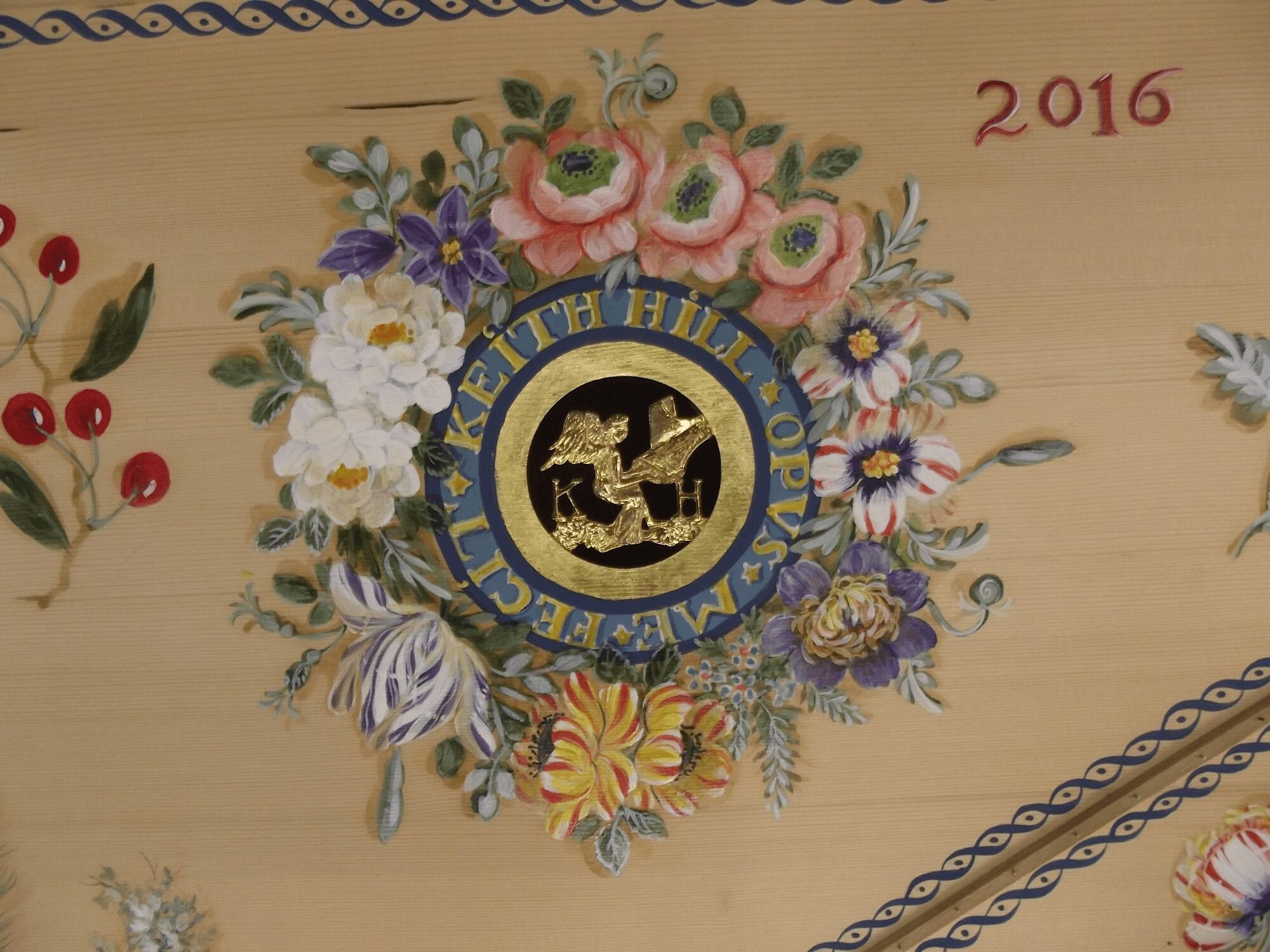
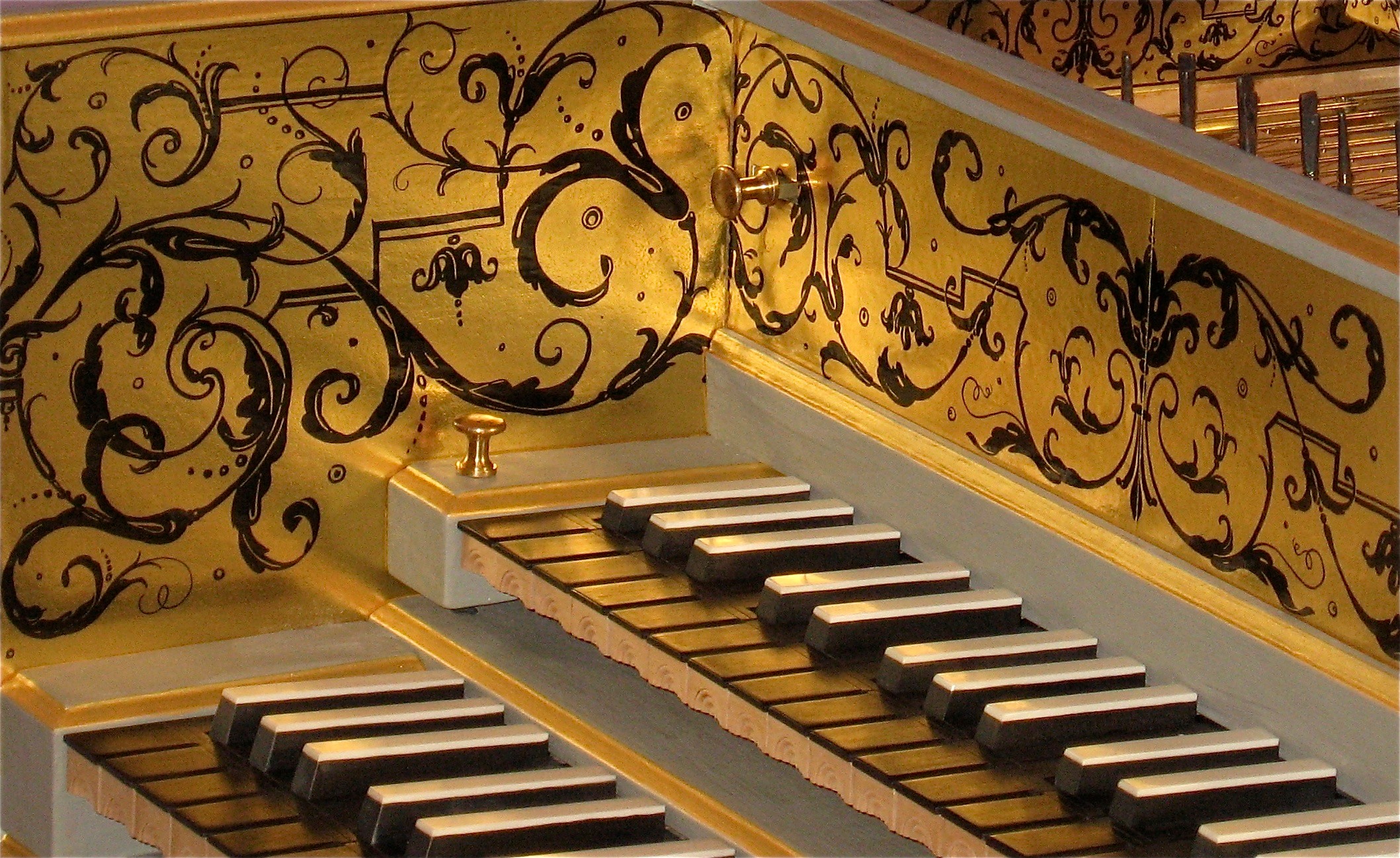
Yet, of all that I have done, it is the Science of Aesthetics that I developed and wrote about in my book, Play from the Soul, of which I am most proud. To be able to write about my ideas, I had to learn how to write with some competency. The fact that I am dyslexic has meant that I have had to work much more diligently than others might have to work in order to write these books. Because I did all of my own decoration on my instruments, that craft also fed into my ideas about aesthetic science. But it is the ideas and the means of applying them that makes both books unique in the history of literature.
We’d love to hear about any fond memories you have from when you were growing up?
I remember at age 7 standing in the school yard at recess observing how some kids liked some kids and not others. I noticed that there seemed to be nothing I could do to make others like me. While other kids liked me no matter what I did. I resolved that from that moment on, I would never do anything intended to make others like or love me. And if that meant I would have no friends, that was acceptable as far as I was concerned.
From that moment on, I was free to think my own thoughts without regard as to how others may think.
Pricing:
- Harpsichords: $56,000
- Clavichords: $32,000
- Violins: $20,000
- Treatise: $189
- Play from the Soul. $25
Contact Info:
- Website: https://keithhillharpsichords.com