




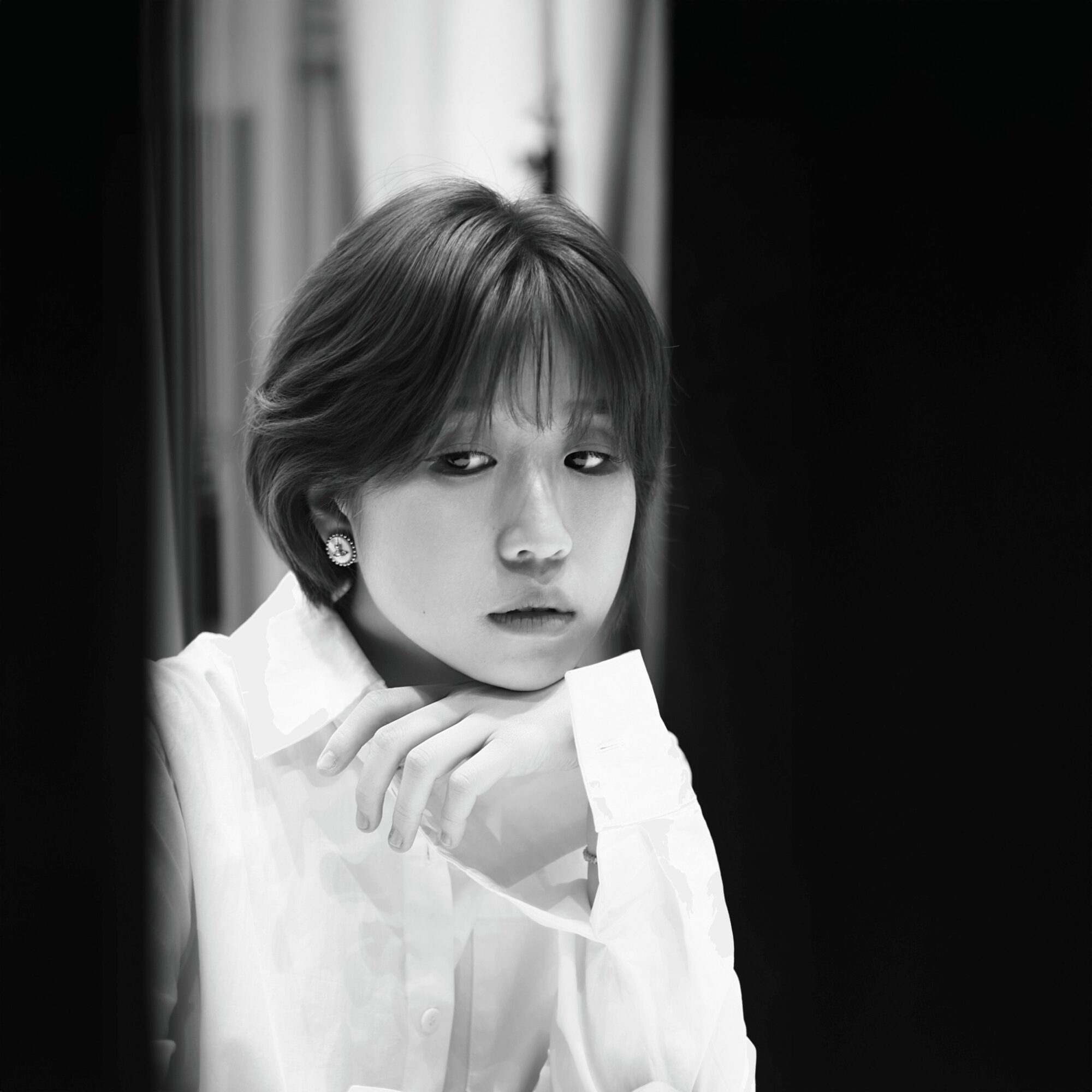
Today we’d like to introduce you to Jesseter Wang.
Hi Jesseter, it’s an honor to have you on the platform. Thanks for taking the time to share your story with us – to start maybe you can share some of your backstory with our readers?
My path into motion design was actually a bit unexpected. I originally studied architecture, but somewhere along the way I realized I was spending more time teaching myself 3D and animation than focusing on architecture itself.
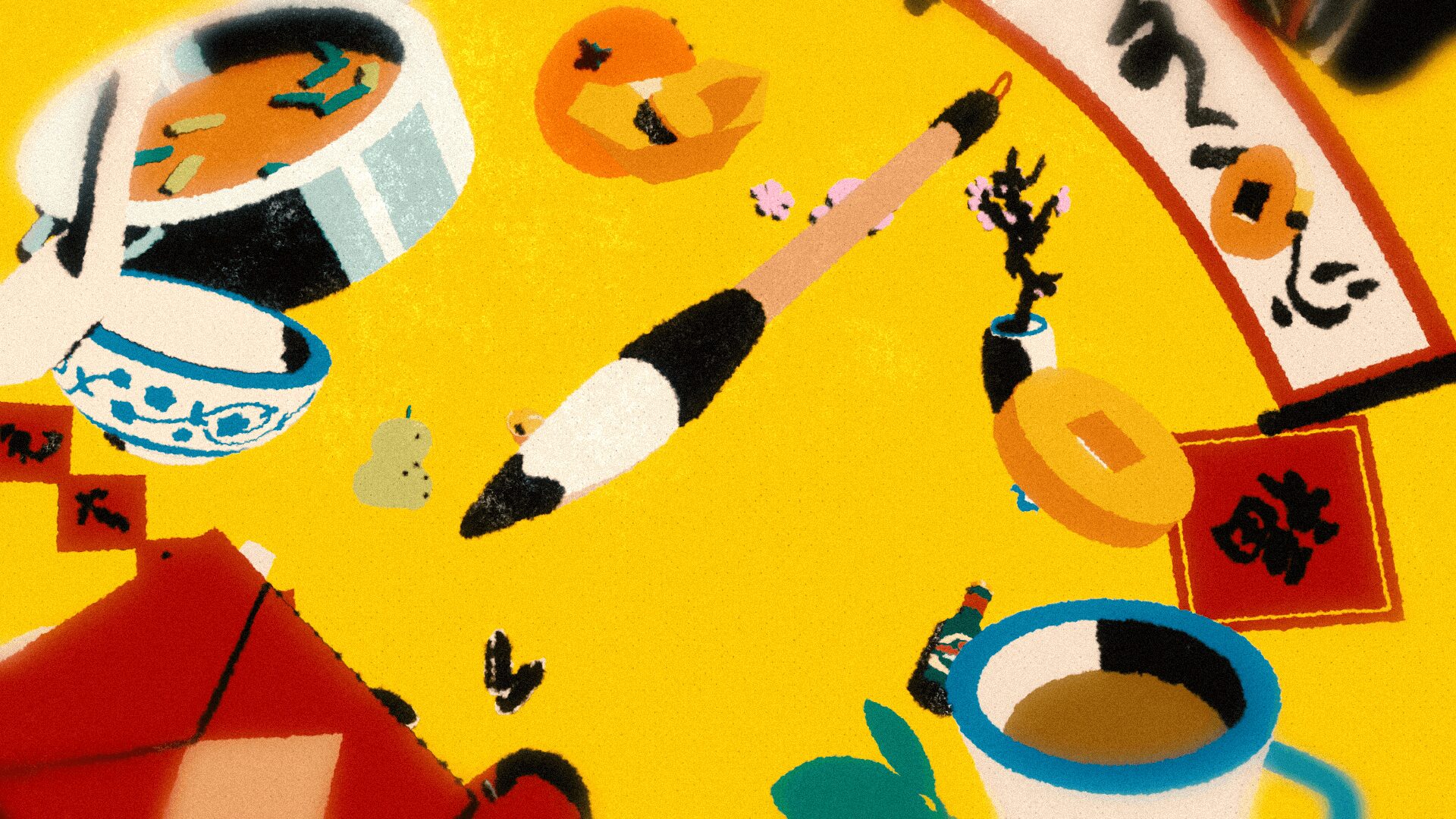
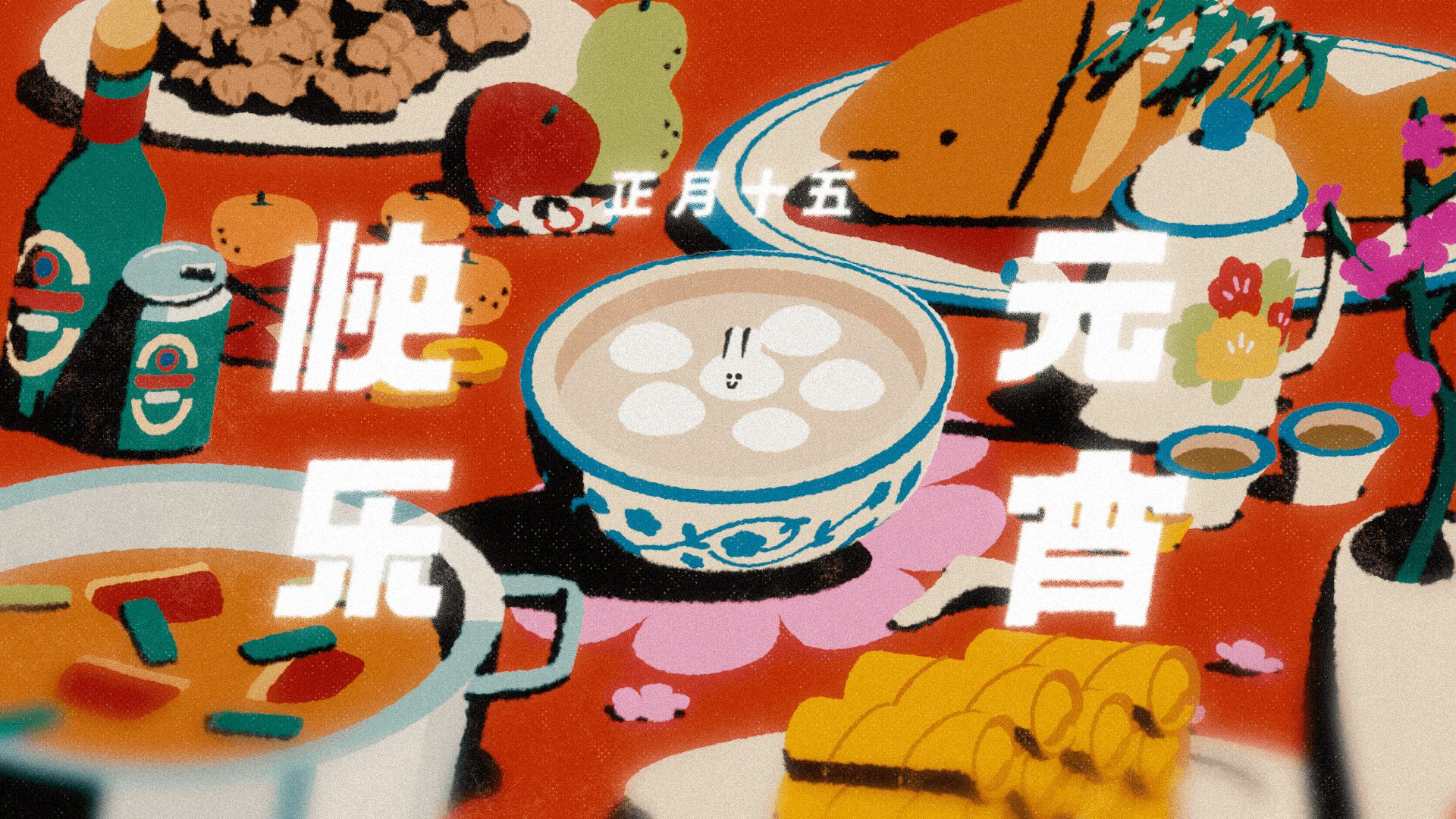
What started as curiosity gradually turned into something I wanted to pursue professionally. I was fascinated by how motion could shape the way people experience an idea and communicate things that might be difficult to express with static images alone. Since that moment, I’ve been fortunate to work on a wide range of commercial and personal projects, from technology and brand work to more culturally driven pieces like Year of the Rabbit. Along the way, my work has been recognized by organizations such as Communication Arts, Telly Award, A’ Design, Applied Arts, MUSE, NYX, and Indigo, which has been incredibly encouraging.
I don’t think there was one defining moment where everything clicked. It’s been a gradual journey of following my curiosity, keep learning and finding ways to combine storytelling, design, and motion into a practice that feels meaningful to me.
Can you talk to us a bit about the challenges and lessons you’ve learned along the way. Looking back would you say it’s been easy or smooth in retrospect?
Not so much, I think one of the biggest challenges was deciding to move away from a path that felt much more predictable. I originally studied architecture, and transitioning into motion design meant starting over in many ways and learning a completely new set of skills.
There was also a lot of uncertainty. The creative industry is incredibly competitive, and it takes time to develop both technical skills and a creative voice. For a long time, I was focused on learning the craft and figuring out what kind of work I actually wanted to make. I think the biggest lesson was learning to trust the process and stay curious. Most opportunities, collaborations, and recognition came gradually rather than all at once.
Thanks for sharing that. So, maybe next you can tell us a bit more about your work?
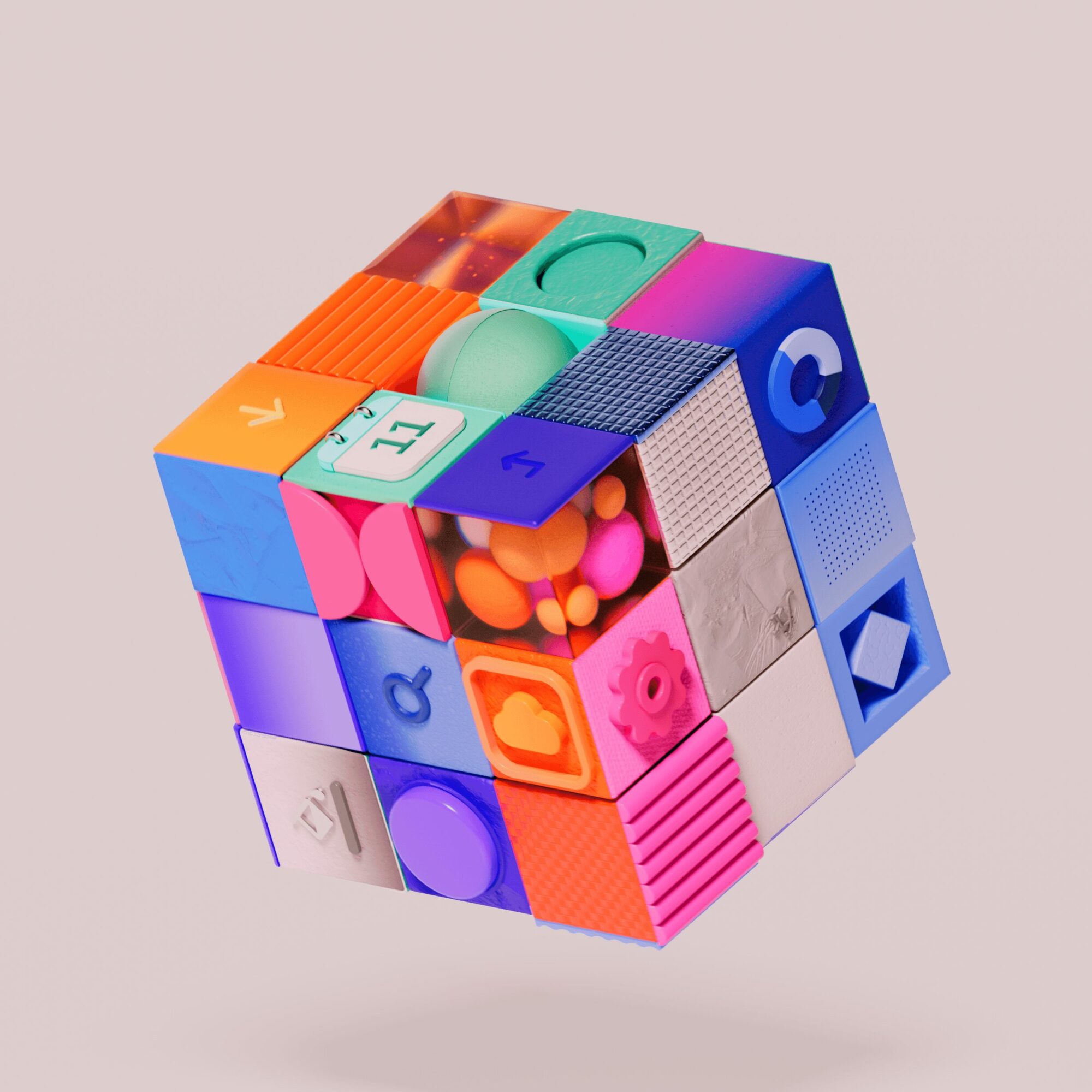
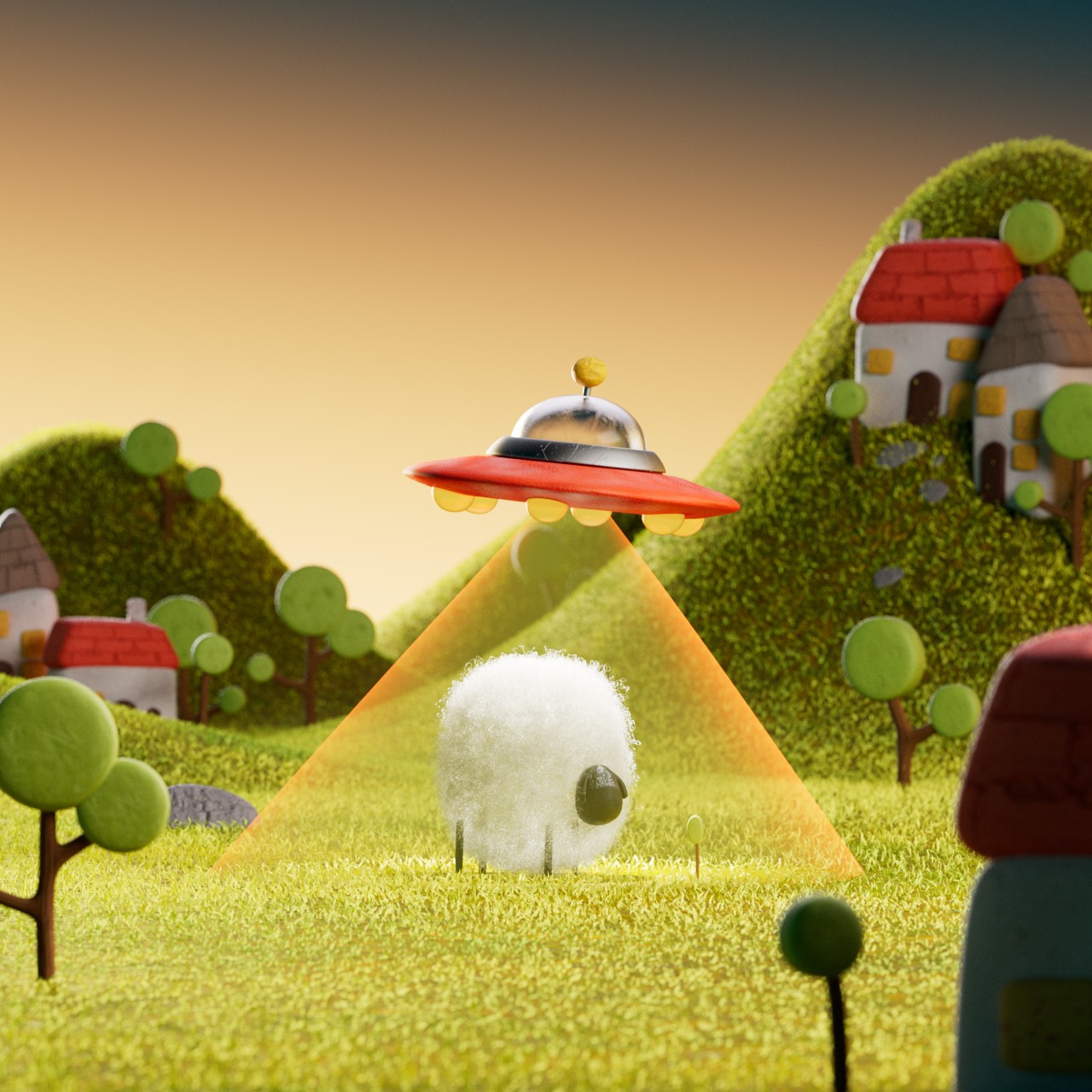
I’m a visual designer and motion designer working across 3D, animation, and visual storytelling. A lot of my work focuses on turning complex ideas into experiences that feel intuitive and engaging. I’ve had the chance to work on projects for brands like Apple, Google, IBM, Microsoft, Stripe, and FIFA, and also creating personal projects that explore culture and emotion through motion.
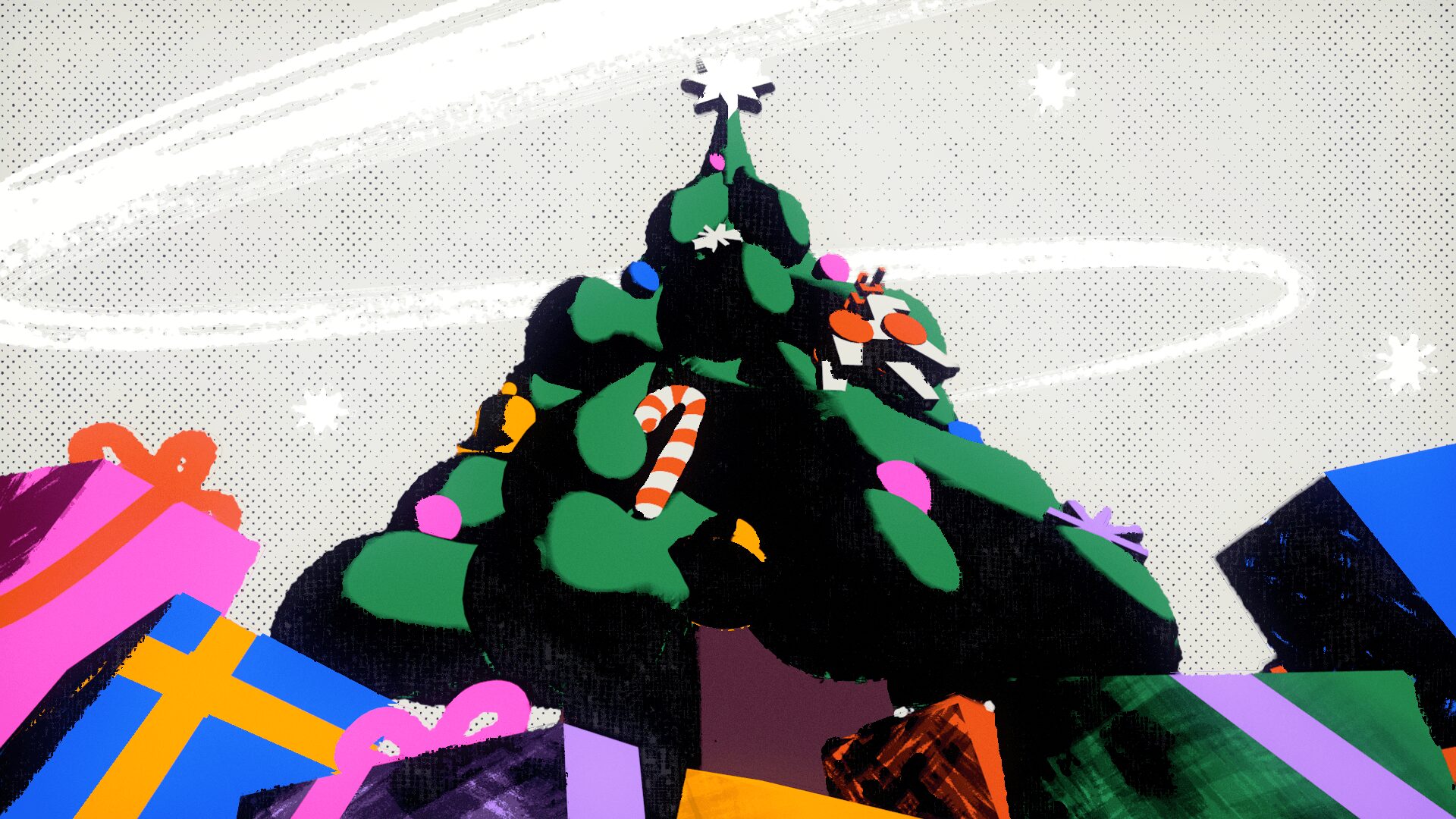
What I’m most proud of is being able to move between those two worlds. Commercial work has taught me how to communicate clearly and collaborate with large teams, and personal work allows me to explore ideas that are more personal and culturally driven.
What sort of changes are you expecting over the next 5-10 years?
I think AI and emerging creative tools are going to change a lot about how work gets made, especially when it comes to production and execution. Many technical barriers will likely become much lower over time, and because of that, I think qualities like perspective, taste, and emotional understanding will become even more important. The ability to tell meaningful stories and create genuine human connection is much harder to automate.
Personally, I hope to see more work that combines technology with cultural and emotional storytelling. As the tools evolve, I think what will stand out isn’t just what we can make, but why we’re making it and what it means to people.
Contact Info:
- Website: https://jesseterw.com/
- Instagram: https://www.instagram.com/jesseterw/
- LinkedIn: https://www.linkedin.com/in/jesseterwang/