





Today we’d like to introduce you to Desnéige Bourret.
Hi Desnéige, so excited to have you with us today. What can you tell us about your story?
My journey to founding Grace Place began in 2013 while I was working full-time and overseeing a church benevolence ministry in Sumner County. Every day, I encountered individuals and families facing crisis situations, but I became particularly aware of a significant gap in services for single mothers experiencing homelessness.
What I saw troubled me deeply. Many of these mothers were hardworking, determined women who simply lacked the resources, support systems, or opportunities needed to overcome difficult circumstances. While emergency assistance existed, there were no long-term solutions in our community specifically designed to help single mothers experiencing homelessness achieve lasting stability and independence.
At the same time, I had returned to school to complete my degree in Ministry. During that season, God was continually revealing both the depth of the need and a vision for what could be possible if families were given comprehensive support rather than temporary assistance. What began as an awareness of a problem gradually became a calling to create a solution.
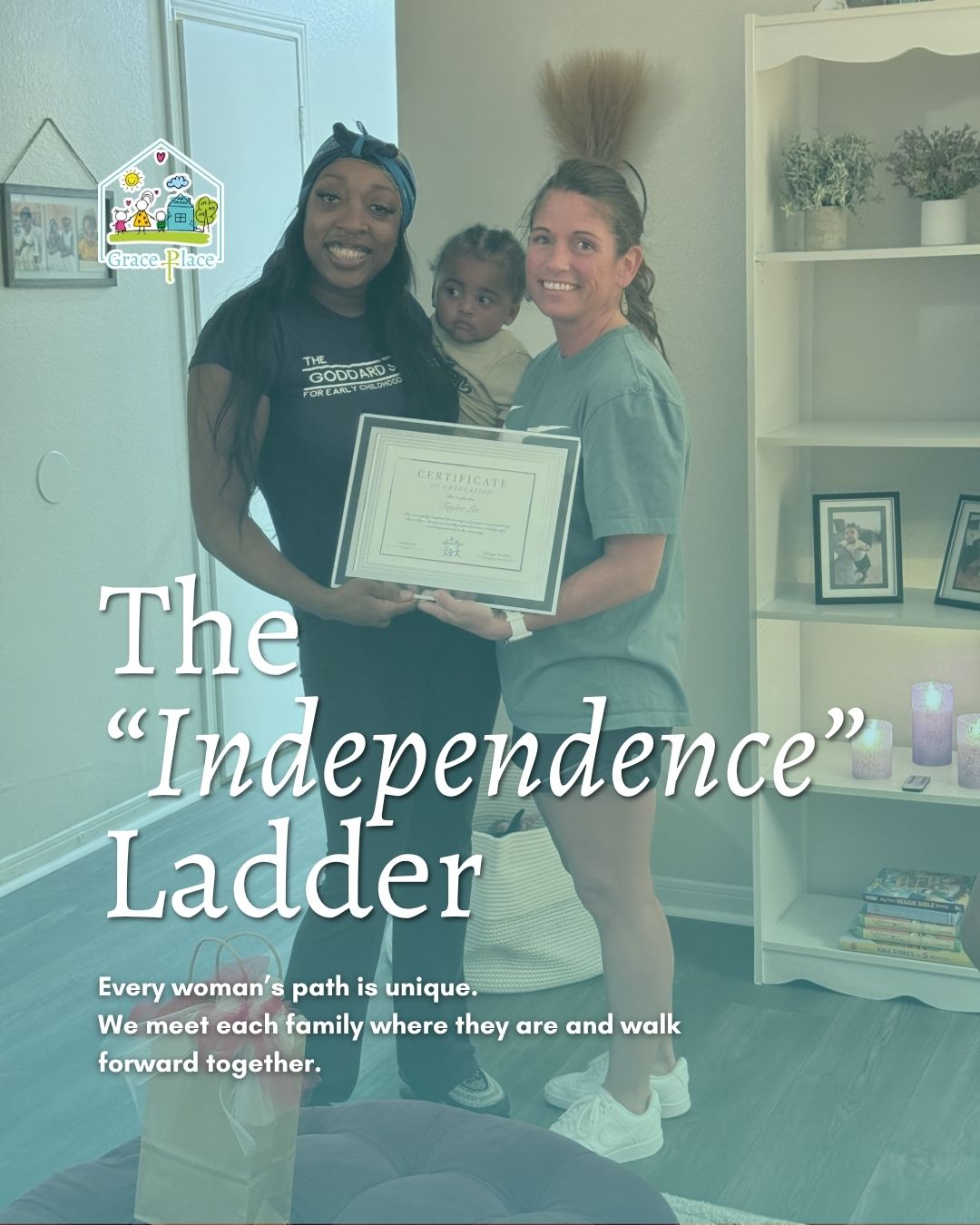
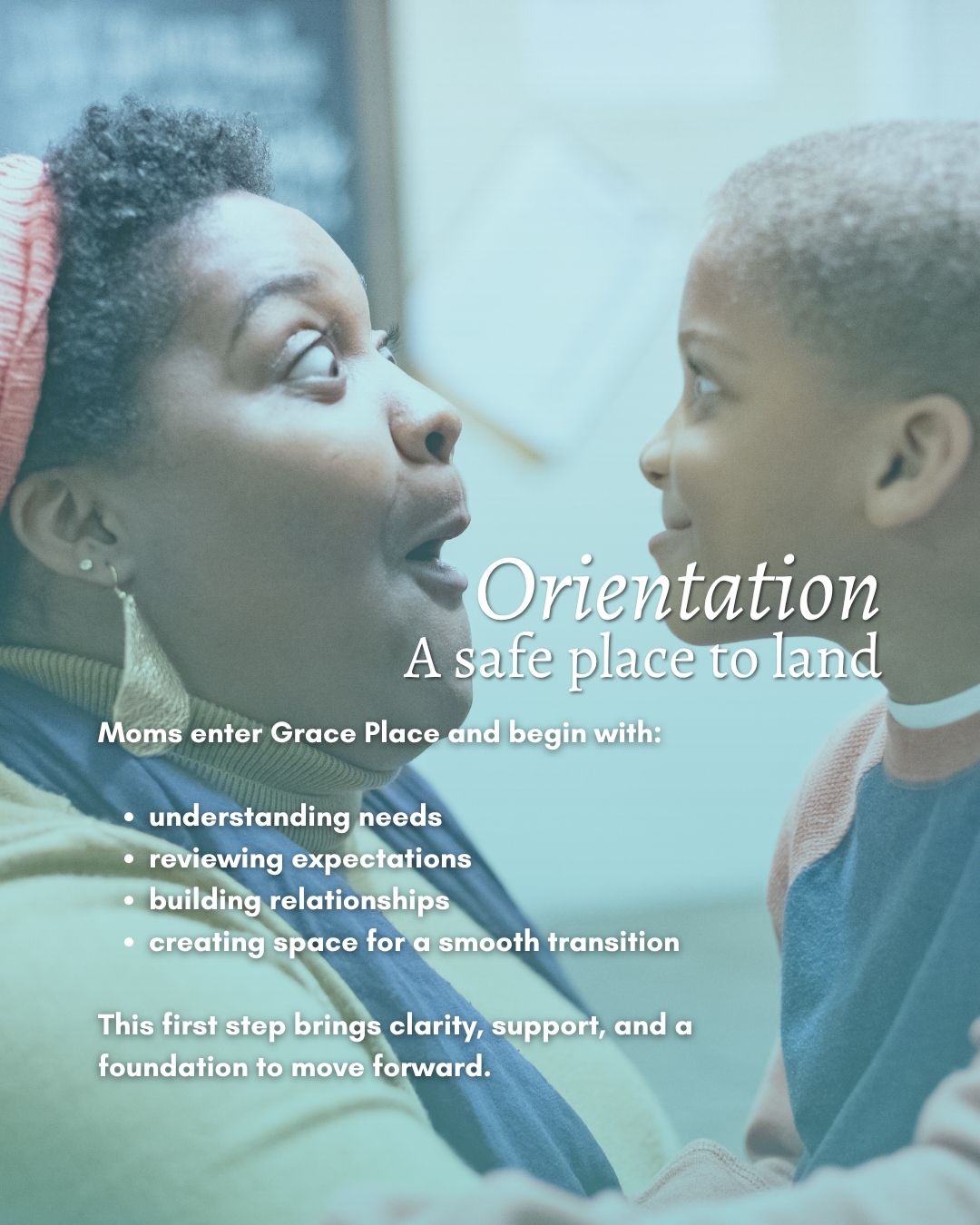
In 2015, that vision became Grace Place. From the beginning, the goal was never simply to provide housing. The goal was to empower single mothers in need and their children toward developing healthy, safe, and independent lives in the local community by addressing every barrier that stood between them and long-term success.
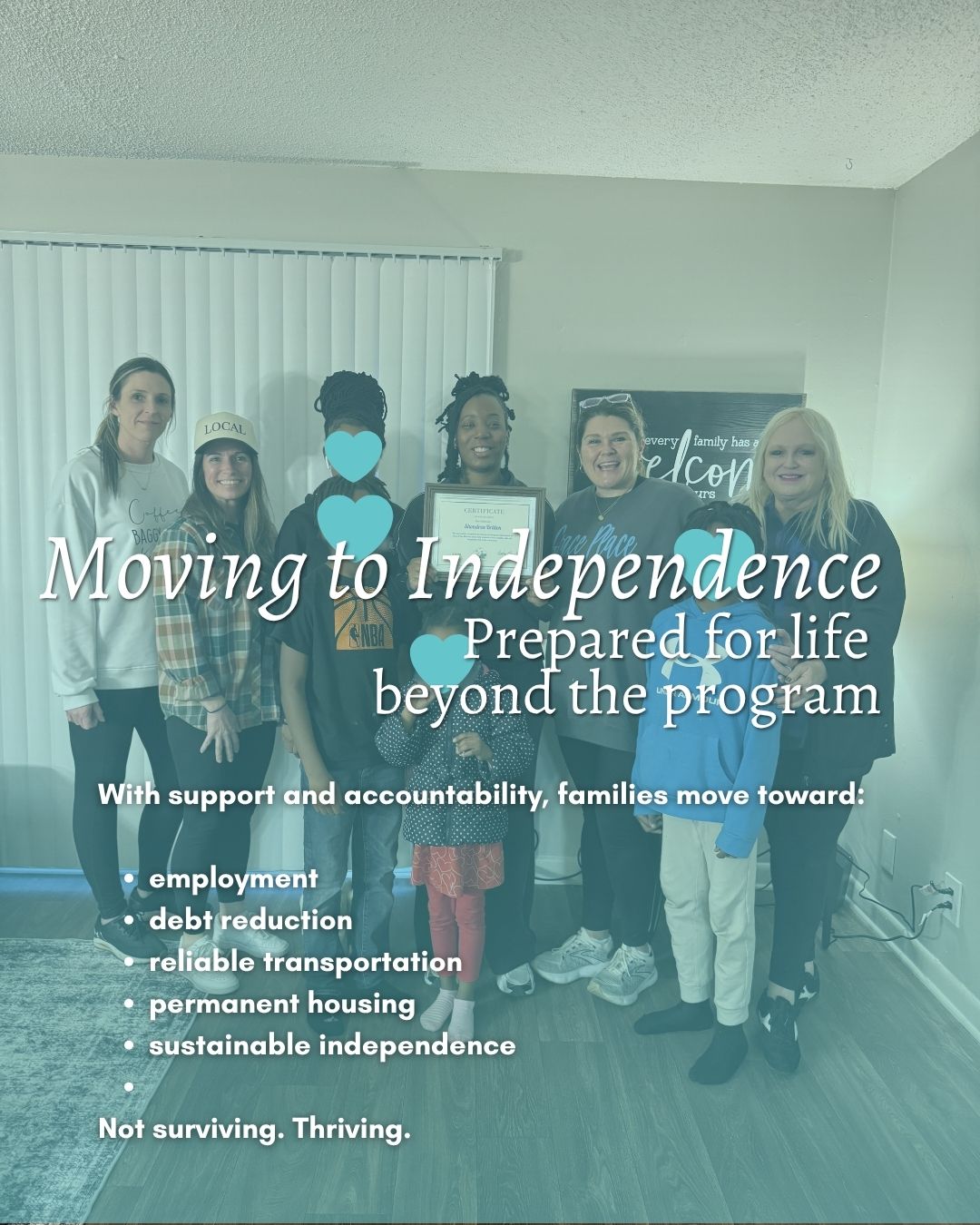
Over the past decade, Grace Place has grown from a vision into a comprehensive empowerment program that has served hundreds of mothers and children. Today, 90% of our graduates remain independent and have not experienced homelessness again, proving that when families are given the right support, transformation is possible.
We are now building Grace Place Amplified, a first-of-its-kind community that will ultimately include 43 homes and an Education Center. In addition, we are purchasing a childcare center to remove one of the greatest barriers working mothers face while also creating new educational opportunities for children and employment opportunities for mothers.
Looking back, what started as a burden for a need I couldn’t ignore has become the work of my life. It has been incredible to watch a community come together around a shared belief: that every family deserves the opportunity not just to survive, but to thrive. What began as a vision revealed through a church benevolence ministry has grown into a movement of people committed to helping families rewrite their futures for generations to come.
I’m sure it wasn’t obstacle-free, but would you say the journey has been fairly smooth so far?
It has definitely not been a smooth road, but I wouldn’t change the journey.
One of the biggest challenges in the beginning was simply helping people understand that family homelessness existed in our community. Many people picture homelessness as a single individual living on the streets, not a mother and her children sleeping on couches, in motels, in vehicles, or moving from place to place trying to survive. Before we could build solutions, we first had to build awareness.
Another challenge was introducing a model that was very different from what people were accustomed to seeing. Most services focused on immediate needs, which are important, but we believed families needed something more comprehensive. We believed that if you addressed every barrier standing between a family and independence, lasting change was possible. Convincing others to invest in a long-term solution rather than a temporary fix required patience, persistence, and a tremendous amount of faith.
Like many nonprofit founders, I also faced the realities of limited resources, wearing multiple hats, and carrying a vision that was often much larger than the budget, staff, or infrastructure available at the time. There were plenty of moments when the obstacles seemed overwhelming.
More recently, the challenges have shifted. As Grace Place has grown, we’ve navigated everything from a global pandemic to rising housing costs, workforce shortages, childcare accessibility issues, and increasing demand for services. The need continues to grow faster than the available resources.
But every challenge has reinforced what we’ve always believed: the families we serve face obstacles far greater than anything we’ve encountered as an organization. If they can persevere through homelessness, trauma, and uncertainty to build a better future, then we can persevere in building the support systems they need to succeed.
Looking back, the struggles have actually strengthened Grace Place. They forced us to innovate, refine our model, and remain focused on our mission. Today, seeing families achieve independence and knowing that 90% of our graduates remain independent reminds us that every challenge along the way has been worth it.
Thanks – so what else should our readers know about your work and what you’re currently focused on?
As the Founder and CEO of Grace Place Ministry, my work centers on developing innovative solutions that help single mothers and their children overcome homelessness and achieve long-term independence.
Over the past decade, I have led Grace Place from an idea and a calling into a highly successful organization that has helped hundreds of mothers and children achieve lasting independence. Through that work, I developed the Grace Place program model, drawing from years of frontline experience working directly with families in crisis, my education in ministry, extensive research, and my own lived experiences overcoming adversity.
I am known for challenging traditional approaches to homelessness and asking bigger questions. Instead of asking, “How do we help a family survive this crisis?” I ask, “What would it take to ensure this family never experiences homelessness again?” That question has shaped every aspect of our work.
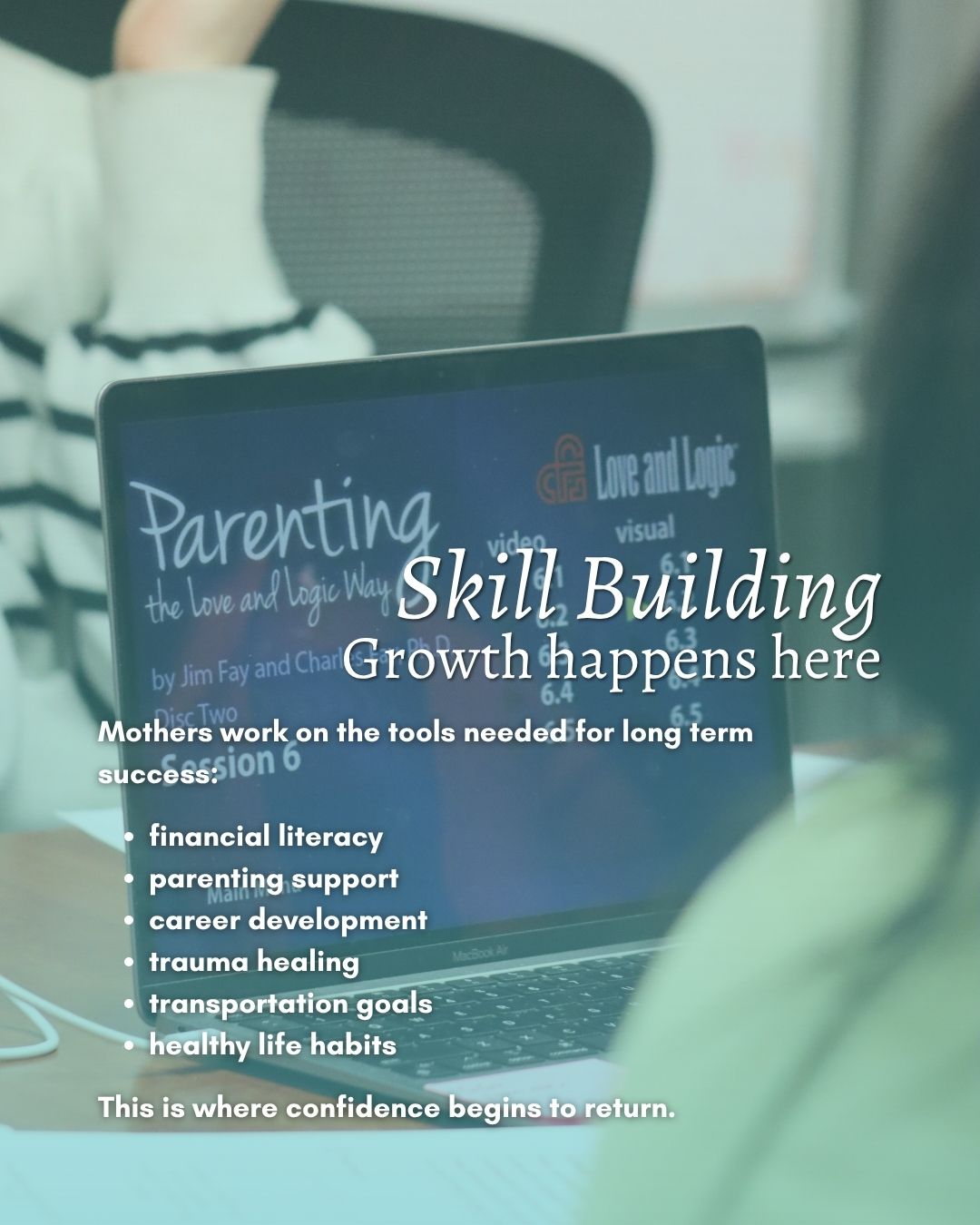
Throughout my career, I have become passionate about understanding the barriers that keep families trapped in cycles of poverty and instability. Whether the challenge is housing, childcare, transportation, education, employment, trauma, or financial literacy, I believe lasting change happens when we address the whole person and the whole family.
What I am most proud of is not what I have built, but what families have accomplished through their own hard work and determination. Watching a mother move from homelessness to independence, seeing her children thrive, and knowing that future generations will benefit from that transformation is incredibly rewarding. I am also proud that the model we created has produced a 90% success rate, demonstrating that long-term solutions are possible when families receive the right combination of support, opportunity, and accountability.
What sets me apart is my ability to sit comfortably in places that many people find uncomfortable. Because of my own life experiences, I am not intimidated by people’s pain, trauma, mistakes, or brokenness. I understand that healing is rarely a straight line. People who are working to overcome difficult circumstances often make mistakes, revisit old habits, experience setbacks, and struggle before they succeed.
As a result, I have built Grace Place around the belief that accountability and grace must coexist. We hold high expectations, but we also understand that transformation is a process. I have worked hard to build a team that sees potential where others might see problems, and possibility where others might see failure.
At the end of the day, I hope what I’m known for is believing in people long before they believe in themselves. Every mother who walks through our doors has value, potential, and a future worth fighting for. My role is to help create an environment where she has the opportunity to discover that for herself and then to fight alongside her every step of the way.
Whether that means advocating for better policies, removing barriers that stand in her way, challenging systems that keep families stuck, or simply refusing to give up when the road gets difficult, I believe our families deserve someone who will stand with them. I have never been afraid of a fight when it comes to creating opportunities for the mothers and children we serve, and I hope that willingness to advocate, persevere, and believe in what is possible is part of the legacy I leave behind.
Before we let you go, we’ve got to ask if you have any advice for those who are just starting out?
One of the most important lessons I learned early on is that if you want to solve a problem, you have to listen to the people living it.
When I started Grace Place, I could have spent all my time studying homelessness from reports, statistics, and best practices. While those things are valuable, I quickly realized that the real experts were the mothers themselves. They understood their barriers, frustrations, fears, and needs better than anyone else.
So I listened.
I listened to what was helping them and what wasn’t. I listened to the gaps in services. I listened to the obstacles that kept appearing over and over again. I listened to what made it difficult to find employment, secure childcare, obtain transportation, overcome trauma, and build stability.
Much of what makes Grace Place successful today came directly from those conversations. The families we serve helped shape the program because they helped us understand what true independence actually requires.
I would encourage anyone starting a business, nonprofit, or organization to spend less time assuming they know the answers and more time listening to the people they hope to serve. The people closest to the problem are often closest to the solution.
I also wish I had known how important perseverance would become. Building something meaningful takes far longer than most people expect. There will be setbacks, criticism, disappointments, and moments when the vision feels much bigger than your resources. That’s normal.
What matters is staying committed to learning, growing, and adapting. Some of the best decisions I’ve made as a leader came from realizing I didn’t have all the answers and being willing to learn from others.
Looking back, I think the greatest strength of Grace Place is that it was never built around what I thought families needed. It was built alongside families who were courageous enough to tell us what they needed. That willingness to listen has shaped our culture, our programs, and ultimately the outcomes we achieve today.
My advice to anyone starting out is simple: listen well, stay humble, and don’t quit. The people you’re trying to serve will teach you more than any book, conference, or consultant ever could.
Contact Info:
- Website: https://www.graceplacetn.org
- Instagram: https://www.instagram.com/graceplacetn
- Facebook: https://www.facebook.com/graceplacetn
- LinkedIn: https://linkedin.com/company/grace-place-tn/