

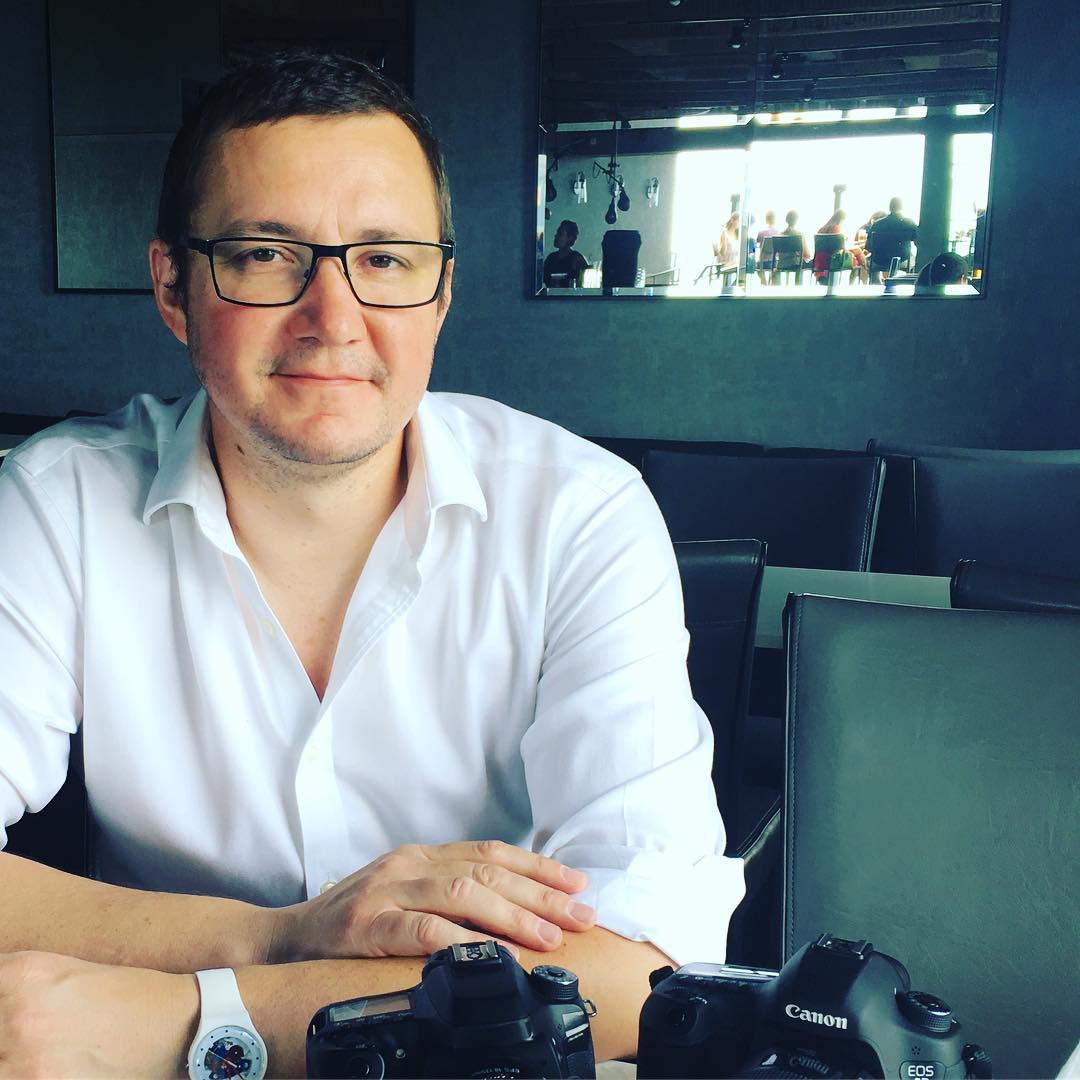
Today we’d like to introduce you to Remo Wakeford.
Hi Remo, so excited to have you on the platform. So before we get into questions about your work-life, maybe you can bring our readers up to speed on your story and how you got to where you are today?
Originally from South Africa, I moved to the U.S. about nine years ago, but the journey here wasn’t exactly direct. Before coming to the States, I lived in Ireland for about seven years, where I worked in the funeral industry helping develop cremation technology for a company called EcoLegacy.
While I was there, I started getting more involved in media and experimenting with different camera technologies. That was really the first time I used video in a commercial setting, interviewing funeral directors and industry professionals, creating social media shorts, and learning how to tell stories for a specific audience.
But my interest in photography and video started much earlier. My mom, Moira du Toit, is a professional photographer, and she gave me my first camera. So even though my path into video production wasn’t traditional, cameras and visual storytelling were always around me.
When I arrived in the U.S., I had to start from the ground up. My first jobs here were at TruGreen and Applebee’s while I worked on finding a path that fit my skills. In October of 2017, I was hired by a policy think tank as a video production specialist, which gave me the chance to go much deeper into editing, videography, messaging, and cause-driven storytelling.
I spent the next several years working in the policy and cause space, creating videos for organizations trying to explain complex ideas in a clear and compelling way. Eventually, my team and I were let go, but that moment became the beginning of something new. We decided to build a company together, and that became Three Piece Films, where I am now a partner and owner.
Alright, so let’s dig a little deeper into the story – has it been an easy path overall and if not, what were the challenges you’ve had to overcome?
It definitely hasn’t been a smooth road. Most of my journey has involved some kind of struggle, both professionally and personally. I think one of the biggest challenges has been adapting to different cultures every time I moved. I’ve lived in South Africa, Ireland, and now the U.S., and each move came with a full restart. New friends, new partners, new cities, new systems, and a new sense of home.
From the outside, moving countries can sound exciting or even glamorous, but the harder part is what you leave behind. The thing I’ve missed the most is the depth of the relationships I built growing up in South Africa. When you start over in a new country, you realize how much time it takes to build real community again.
There were also some very practical struggles. While I was living in Ireland, I went through a period of unemployment and did whatever I could to get by. I built a prototype male bra for drag queens, took online surveys for €10 Tesco vouchers, and stretched those vouchers as far as I could just to buy food. It wasn’t glamorous, but it taught me how to keep moving and how to make a plan even when things felt uncertain.
Being in the U.S. has given me a different appreciation for work and opportunity. It’s not easy, and nothing is guaranteed, but I do feel like there’s room here to build something if you’re willing to work hard, stay focused, and keep pushing toward the goal.
Alright, so let’s switch gears a bit and talk business. What should we know about your work?
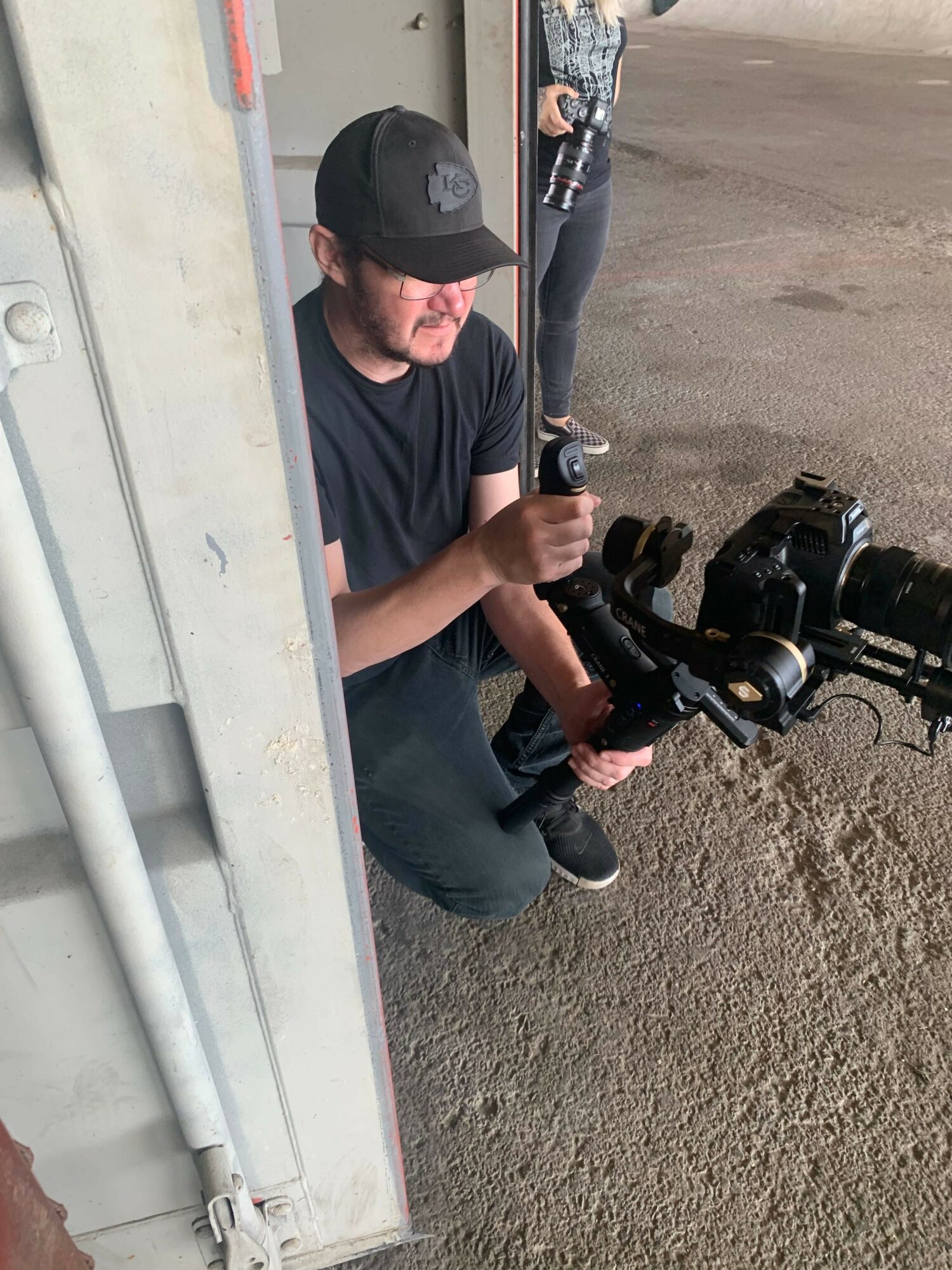
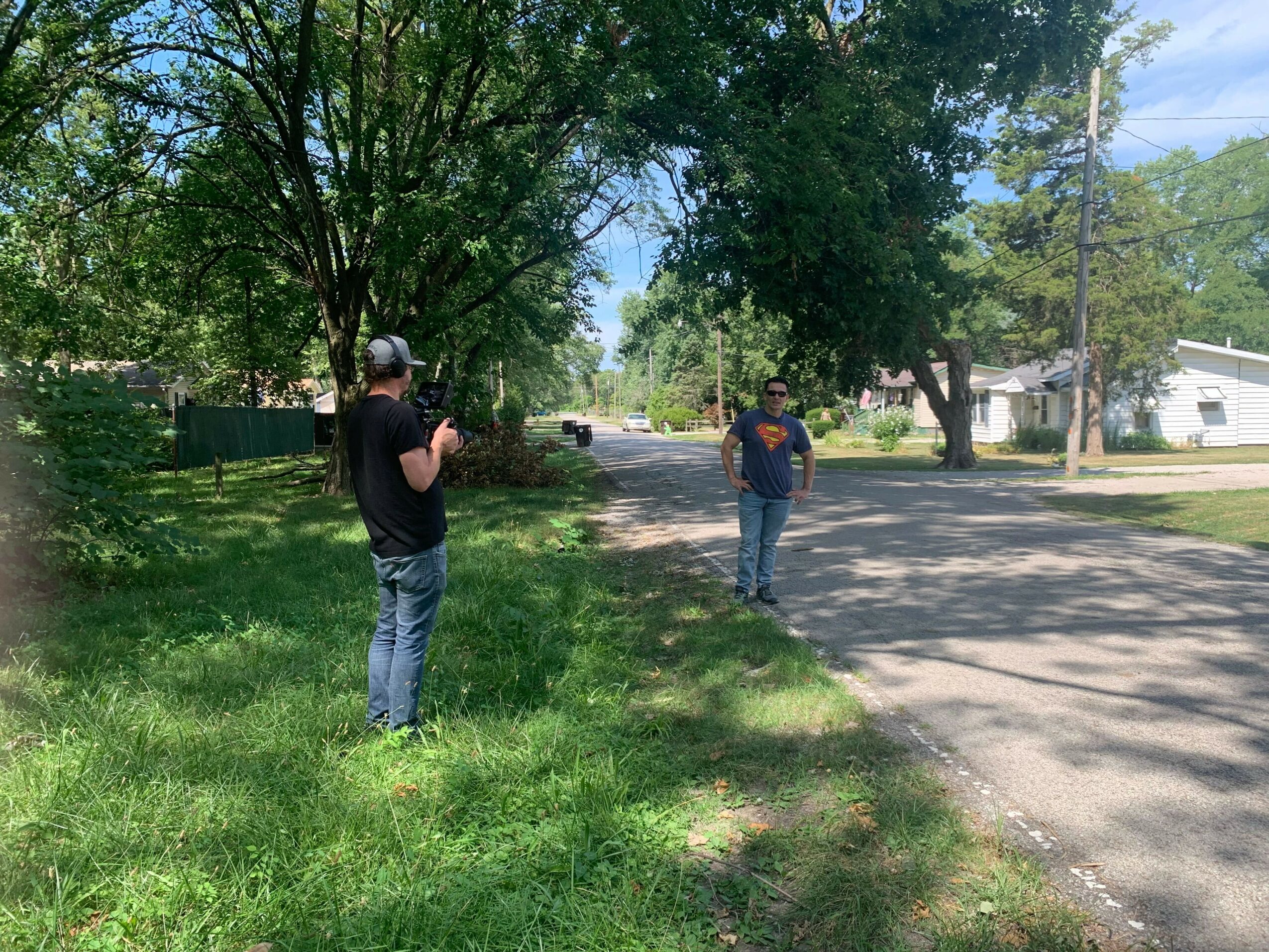
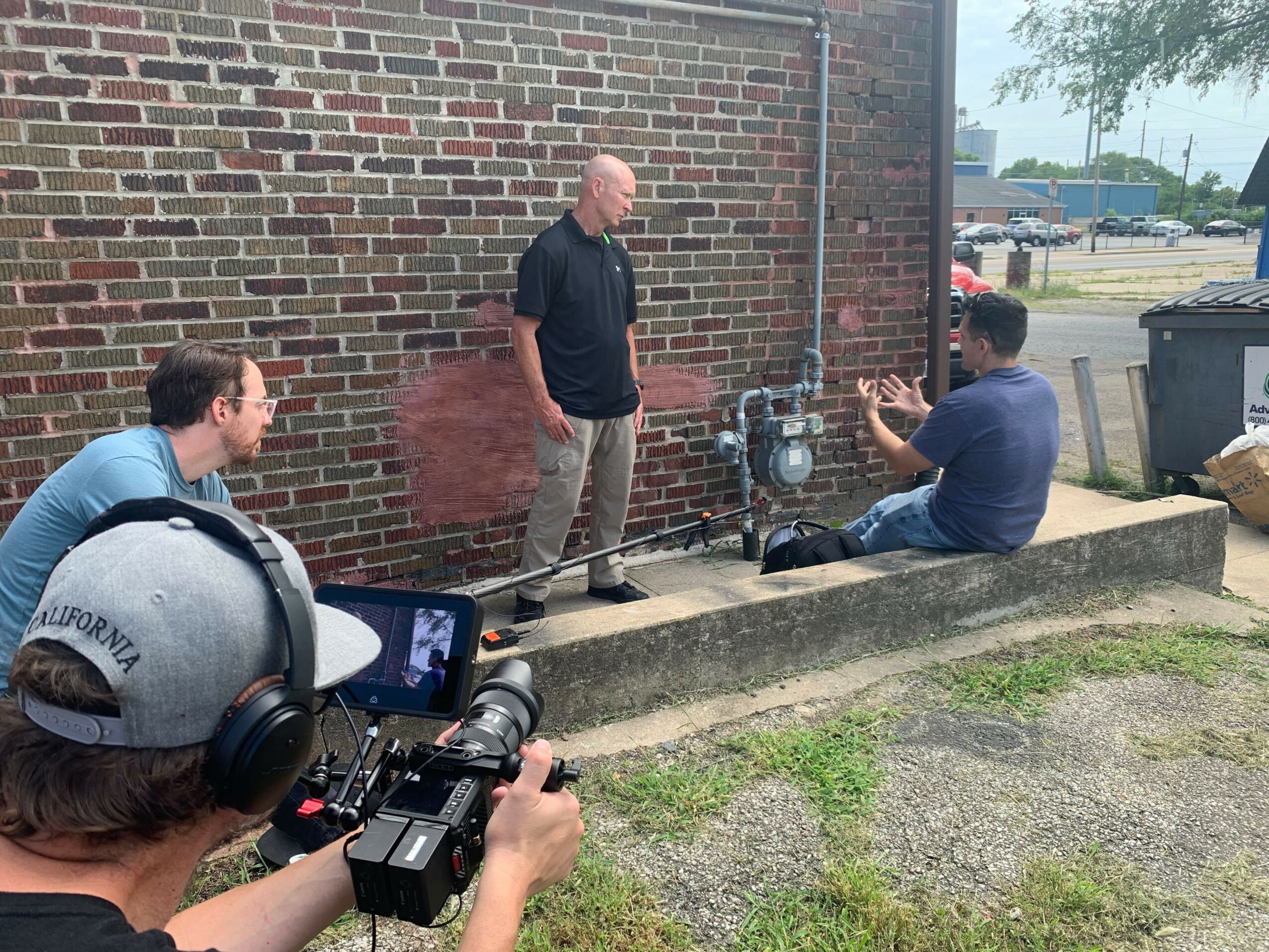
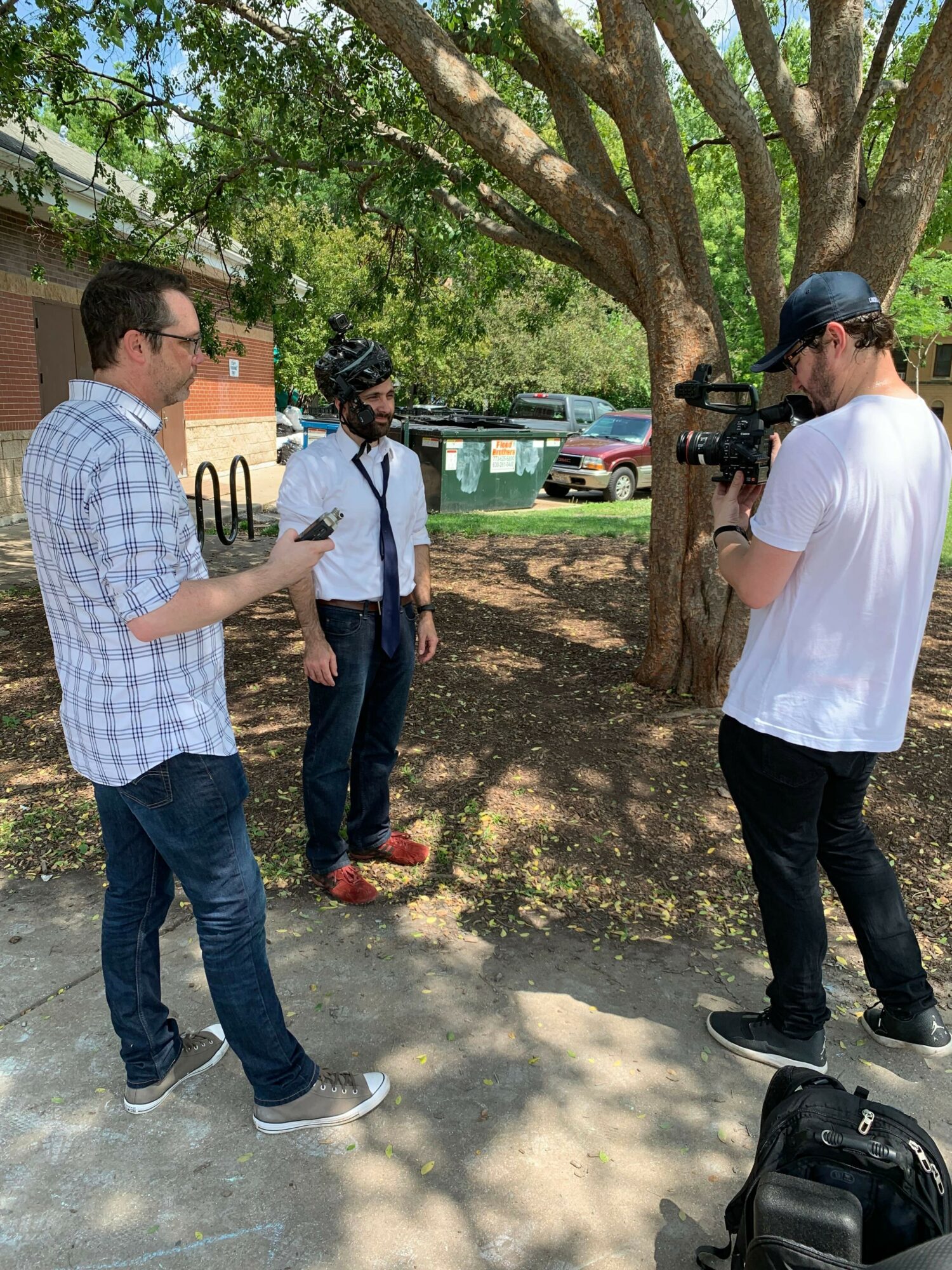
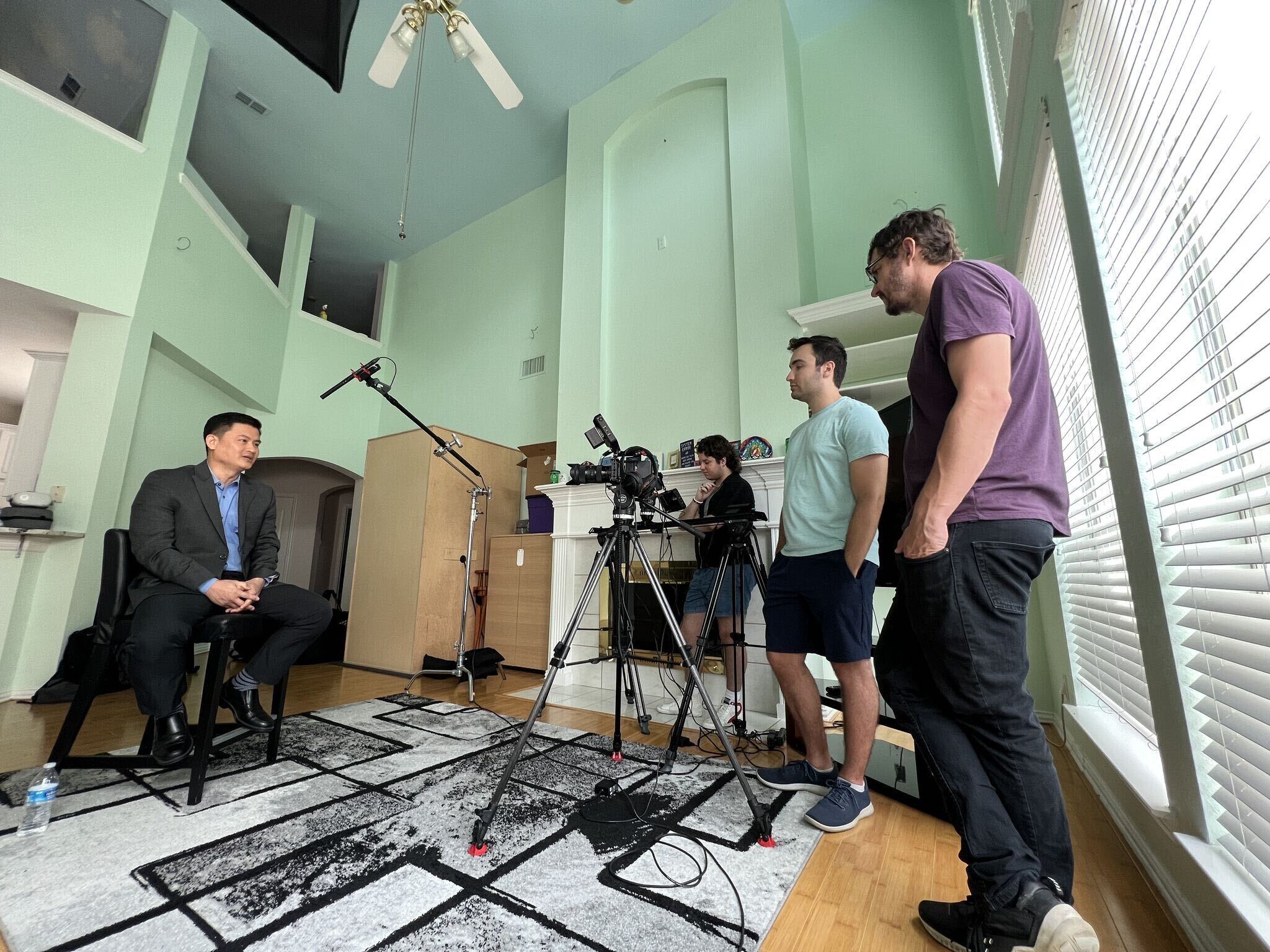
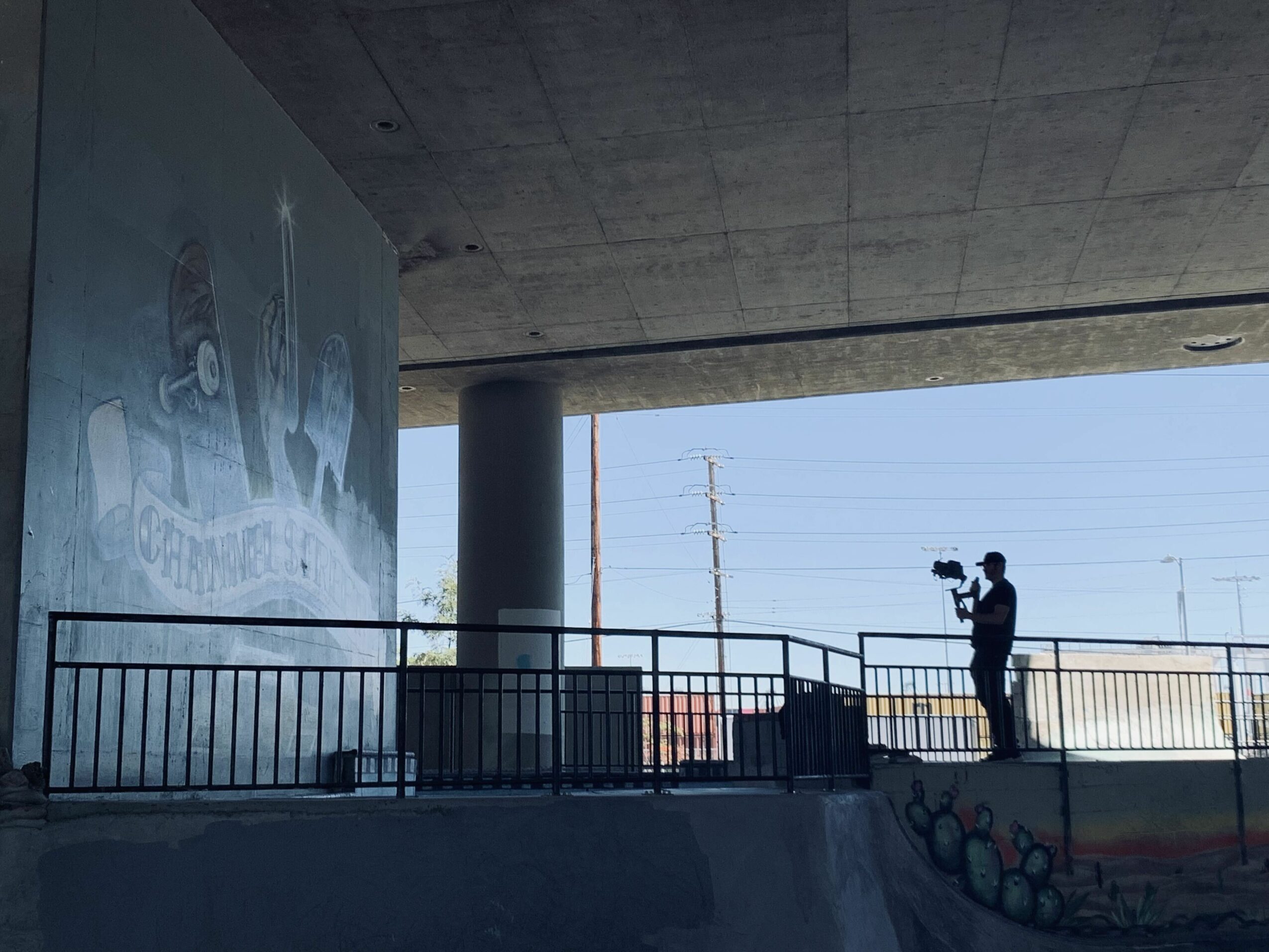
My work is centered around video production, storytelling, and helping people communicate complex ideas clearly. I’m a partner and owner at Three Piece Films, where I work across producing, cinematography, editing, creative direction, and client strategy. Because we’re a smaller studio, I’ve had to become comfortable wearing a lot of hats, but I think that has made me a stronger creative overall.
I specialize in story-first video work. That can mean a documentary-style brand films, commercials, a social campaign, or an animated explainer, but the part I care about most is finding the human thread inside the message. I like taking something that might feel complicated, dry, or hard to explain and shaping it into something people can actually connect with. I also enjoy expressing complex and divisive issues in a way that helps everyone understand the stories no matter their stance. Ultimately every story is human and when people see that without politics or influence it helps connect and open up people’s minds.
A lot of my professional background has been in the policy, nonprofit, and cause-based space, which taught me how important clarity is. It’s not enough for something to look good. It has to make sense, hold attention, and leave people with the right feeling or understanding. That experience really shaped how I approach creative work now.
I’m probably most proud of building a career without following a traditional path. I didn’t come into this through film school or a perfectly planned route. I learned through work, pressure, curiosity, and a lot of trial and error. Over time, that gave me a practical understanding of both the creative and business sides of production.
What sets me apart is that I care deeply about the thinking behind the work. I love cameras, editing, sound, and visuals, but I’m not interested in making things that just look polished and say nothing. I want the work to feel honest, intentional, and useful. Whether I’m filming an interview, shaping a script, or building an edit, I’m always trying to get to the clearest and most human version of the story.
Where do you see things going in the next 5-10 years?
It would be irresponsible not to consider the impact AI is going to have on the video industry over the next five to ten years. The tools are already improving quickly, and I think production houses will have to become more adaptable because of it.
My view is that AI will change the way a lot of everyday content gets made. Some smaller commercials, social edits, concept work, and internal videos may become faster and more accessible. At the same time, I think larger budgets will continue to be reserved for productions that require real-world execution, strong creative direction, interviews, human emotion, trust, and a level of craft that can’t be automated easily.
For me, the opportunity is in learning the tools without letting the tools replace the thinking. I’ve already written an animation AI manual that doesn’t try to cover every button or platform, but instead focuses on the concepts people should understand when approaching video production with AI. That’s where I think the real value is, not just knowing what tools exist, but knowing how to use them with taste, structure, and intention.
I can see the video industry becoming more specialized and more boutique. Human involvement may become less necessary for certain types of content, but more valuable for the work that needs to feel considered, honest, and custom. I think clients will still need people who can help them understand what they’re trying to say, shape the idea, guide the process, and execute it well.
For me, the future is less about competing with automation and more about combining sharp creative thinking with the best tools available. If I keep my mind sharp, keep learning, and stay focused on story and execution, I think there’s a lot of opportunity ahead.
Pricing:
- Brand Story / Mini Documentary Films — starting at $3,500 A polished story-driven video for businesses, founders, nonprofits, or organizations that need to explain who they are and why they matter.
- Social Content Packages — starting at $1,500 Short-form video packages built from interviews, b-roll, or existing footage for Instagram, LinkedIn, YouTube Shorts, and paid social.
- Commercial / Campaign Videos — starting at $5,000 Concept-to-delivery video production for brands, causes, products, events, and campaigns that need a more strategic creative approach.
- Animated Explainers & Motion Graphics — starting at $2,500 Clear, polished animation for organizations that need to explain a service, process, product, or idea without relying only on live-action footage.
- Monthly Content Partnerships — starting at $3,000/month Ongoing video support for businesses or organizations that need consistent content, campaign assets, interviews, edits, and social cutdowns.
Contact Info:
- Website: https://www.threepiecefilms.com
- Instagram: https://www.instagram.com/threepiecefilms/
- LinkedIn: https://www.linkedin.com/company/three-piece-films/
- Youtube: https://www.youtube.com/@ThreePieceFilms