




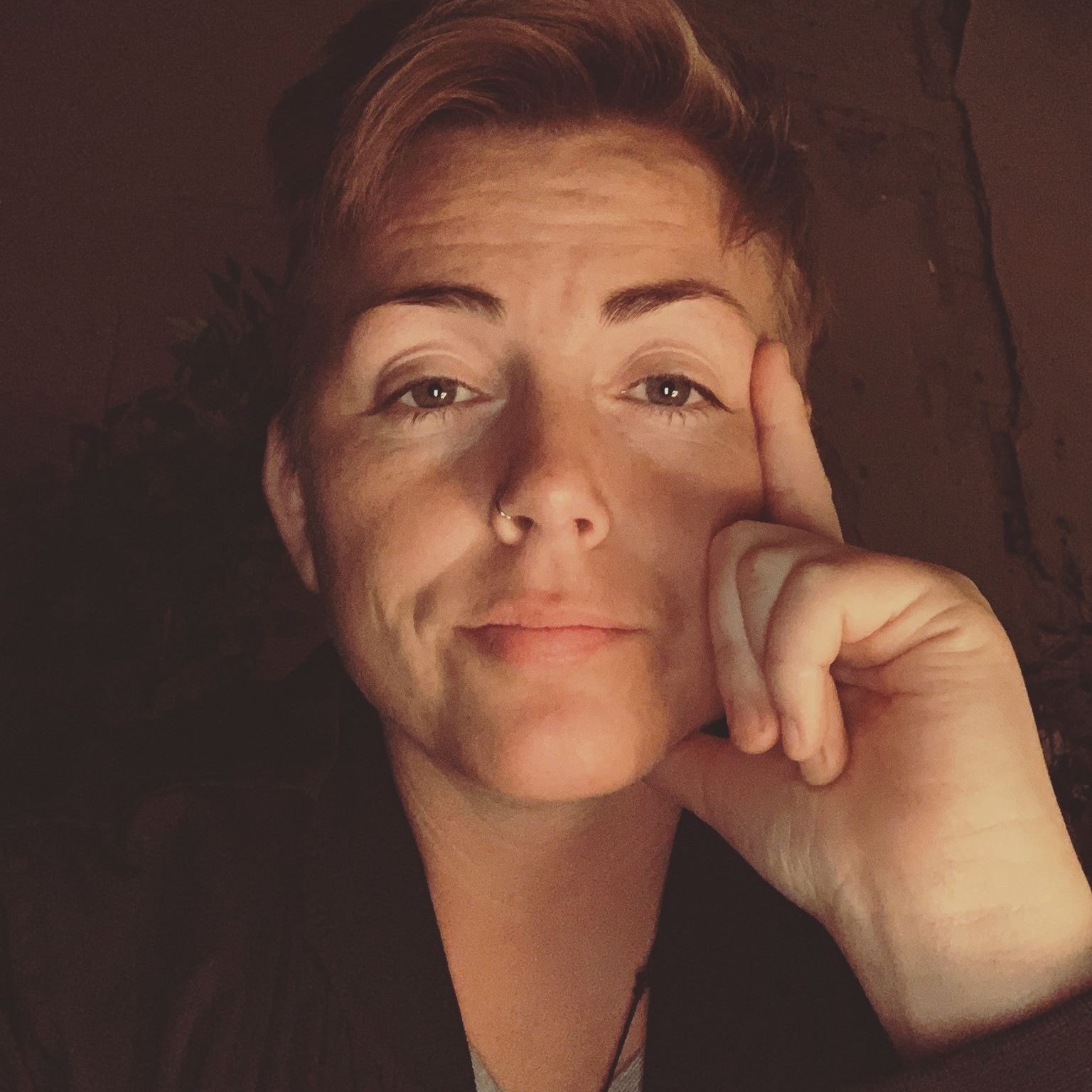
Today we’d like to introduce you to Robin Frederick.
Hi Robin, please kick things off for us with an introduction to yourself and your story.
I grew up in Northeastern Kentucky and have always been drawn to questions about community, place, sustainability, and how people connect through shared spaces, land, and experiences. Over time, that interest evolved into a career path that blends higher education, sustainability work, research, teaching, and community organizing in ways I never fully expected when I first started.
I’m currently a PhD candidate in Urban and Public Affairs at the University of Louisville (UofL), my field areas are sustainability and public administration. My research focuses on sustainability, governance, and the uneven development tied to emerging technologies like hyperscale data centers and AI infrastructure. My work examines how these facilities reshape cities, energy systems, land use, and public participation, particularly in places like Louisville, KY, and Memphis, TN. Alongside my doctoral work, I conduct greenhouse gas reporting and other sustainability assessments for UofL, and I work with the Association for the Advancement of Sustainability in Higher Education (AASHE) on sustainability reporting and assessment through the Sustainability Tracking, Assessment & Rating System (STARS), helping colleges and universities measure and improve their sustainability performance nationally and internationally.
Teaching has also become a major part of my identity. I currently teach Introduction to Sustainability at the university and integrate service-learning into my course to help my students connect sustainability concepts to real-world issues, local communities, governance, labor, culture, and infrastructure. I care a lot about making sustainability feel grounded and accessible rather than abstract or performative. Much of my work, whether academic or community-based, centers around participation, collaboration, and helping people see themselves as part of larger systems and solutions.
The Festival World
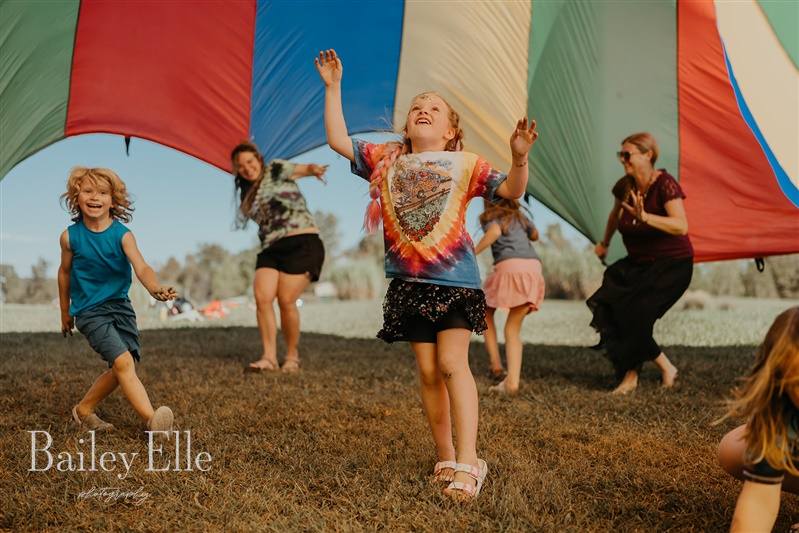
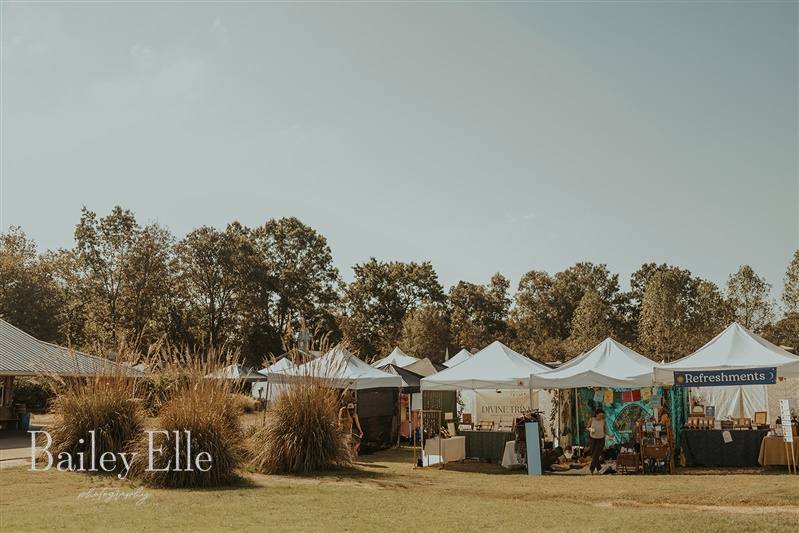
Outside of academia, a huge part of my journey has been through festival and community organizing. About five years ago, I started volunteering with the Kentucky Yoga Festival and immediately knew I wanted to work more deeply with the organization. PlayThink Festival was also on my radar because of its connection to KYF and its emphasis on creativity, education, community-building, and family-orientation. By the end of that first festival experience, I had the opportunity to talk with the organizers about joining the team, and eventually, I became the vendor, theme camp, and interactive zone coordinator for both festivals.
A few years later, Paige Zen and the team founded the Kentucky Mushroom Festival and brought me on in a similar role. Working with that team has honestly been one of the most rewarding experiences of my life because it brought together so many of the things I care about. This year, I was incredibly fortunate to inherit ownership of the Kentucky Mushroom Festival myself and have been rebuilding it into something that reflects my values even more intentionally.
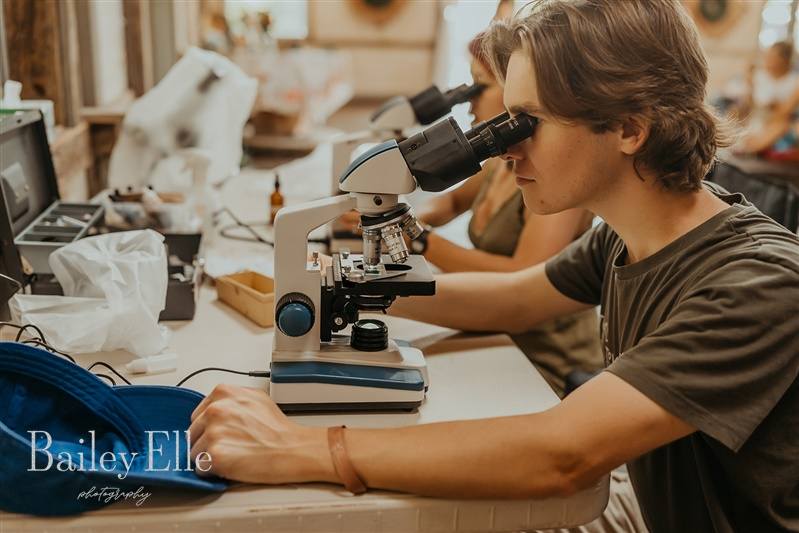
Today, KMF is evolving into more than just a mushroom festival. We are integrating many of the same values that shape my academic and sustainability work, including ecological education, accessibility, local knowledge-sharing, environmental responsibility, community participation, and hands-on learning. We’re building programming around foraging, land stewardship, traditional crafts, woodworking, invasive species education, herbalism, sustainability practices, and Appalachian-rooted cultural traditions. In many ways, the festival has become an extension of the same questions I explore in my research and teaching: how communities relate to land, infrastructure, knowledge, and each other.
I’m sure it wasn’t obstacle-free, but would you say the journey has been fairly smooth so far?
My path hasn’t been linear, and there have been a lot of moments of rebuilding, uncertainty, burnout, and growth along the way. Looking back, though, I can see that each part of the journey, whether through academia, sustainability reporting, teaching, or festival organizing, has been connected by a common thread: creating spaces where people can learn, participate, and feel more connected to the communities and environments around them.
As for the Kentucky Mushroom Festival, stepping into ownership has been both exciting and challenging, but it hasn’t felt entirely unfamiliar. After spending years working with the Kentucky Yoga Festival and PlayThink teams, and later helping organize the mushroom festival itself, I was fortunate to step into something I already understood deeply rather than starting completely from scratch. I came into this with experience in festival operations, community building, and programming, but now I’m navigating an entirely new level of responsibility.
A lot of the current challenges revolve around sustainability in the practical sense: securing funding, finding sponsorships, and making executive decisions that align with the long-term vision of the festival, even when that means allowing it to evolve beyond what it originally was. One of the biggest hurdles thus far was finding a new venue. I knew I wanted to move the festival into Appalachia because it’s a region I connect with deeply, having grown up there, and because the vision I have for the festival feels rooted in the hills, forests, and culture of that landscape. I knew it belonged there.
Finding a venue that was willing to work with me on a very small budget was challenging, but it also ended up being one of the most rewarding parts of the process. I was able to travel, tour different properties, build relationships, and ultimately find a place that truly aligns with the spirit of the festival.
A lot of people assume that hosting a festival means you’re financially well off, but in reality, most independent festivals operate on passion, trust, and an enormous amount of risk. You do it because you believe in creating something meaningful, a space and experience that many people do not have access to in their everyday lives. Funding is almost always the hardest part. You have to be resourceful, adaptable, and genuinely committed to the vision. A lot of the time, you’re simply holding onto the hope that if you build something with care and intention, the right people will find it and help it grow.
Great, so let’s talk business. Can you tell our readers more about what you do and what you think sets you apart from others?
The Kentucky Mushroom Festival is an intentionally designed Appalachian-rooted educational and cultural gathering centered around fungi, ecological awareness, land-based skills, and community connection. While mushrooms remain the foundation of the festival, the broader mission is to create meaningful opportunities for people to reconnect with the natural world, traditional knowledge systems, and one another in ways that often feel absent from everyday life.
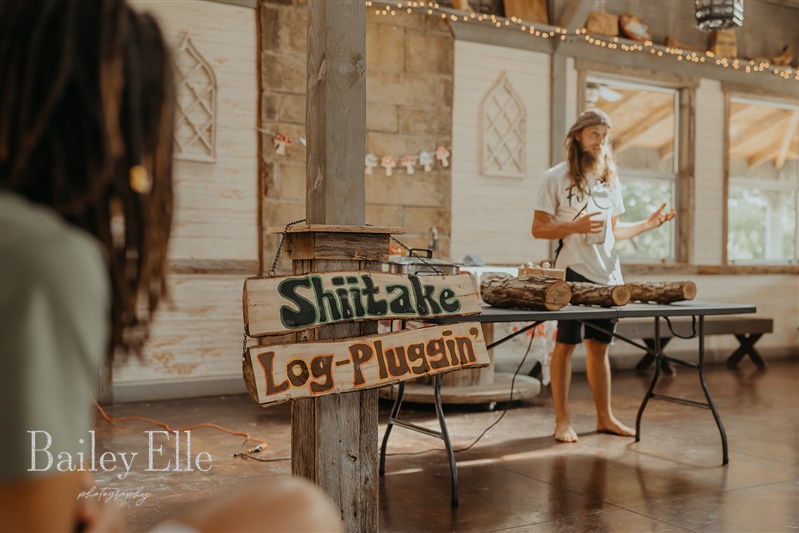
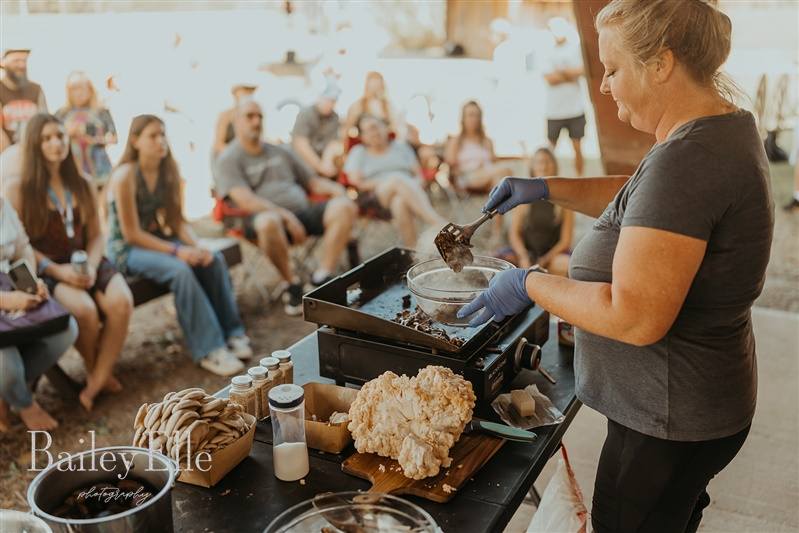
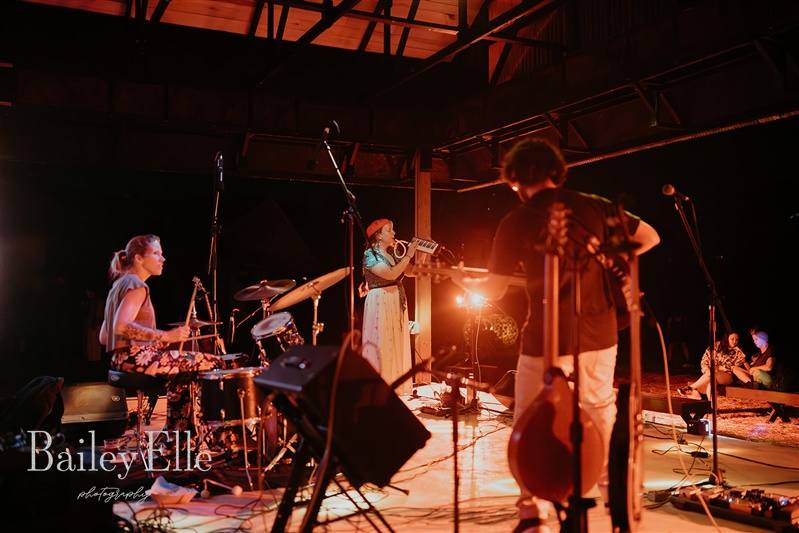
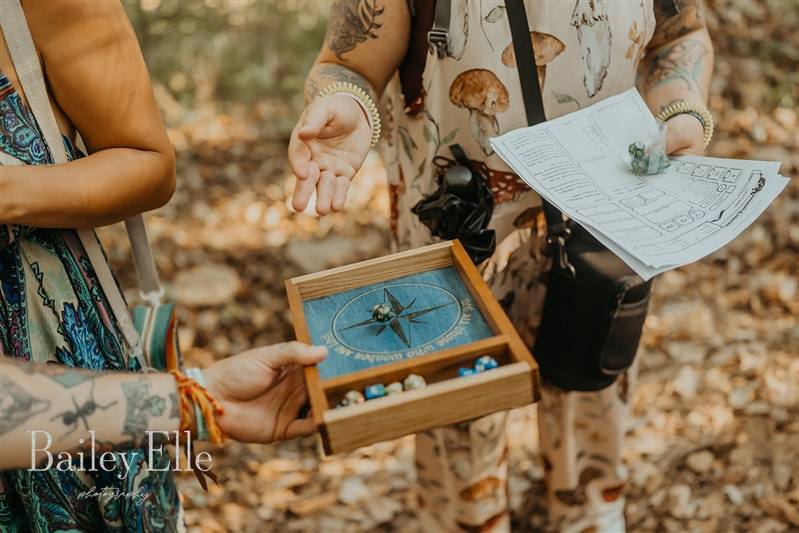
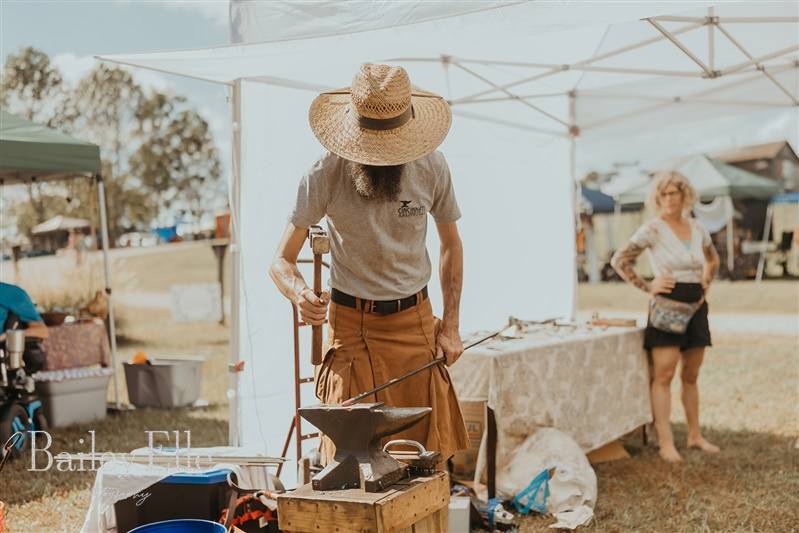
Everything about the festival is approached with intention, from the programming and music to the venue and overall atmosphere. We are not interested in building a hyper-commercialized event. Instead, we focus on creating an experience that feels practical, participatory, educational, and community-oriented. The festival brings together educators, artists, herbalists, farmers, researchers, foragers, craftspeople, musicians, and land stewards to share knowledge through workshops, demonstrations, conversations, and hands-on learning experiences.
Our programming reflects that intentionality. We focus on topics like mushroom cultivation and identification, foraging, herbalism, sustainability, homesteading, Appalachian craft traditions, ecology, woodworking, basket making, environmental education, and regional knowledge systems that are often undervalued despite being deeply important.
What sets KMF apart is its relationship to place and purpose. The decision to relocate the festival into Appalachia was deeply personal and mission-driven. I wanted the festival to exist in a landscape that reflects the values it promotes: connection to land, ecological awareness, resilience, creativity, and community care. The hills, forests, waterways, and cultural history of Appalachia are part of the experience itself.
I think what I am most proud of is that the festival is being built around values rather than trends. We prioritize sustainability, accessibility, education, creativity, and authentic human connection over spectacle. We want people to leave not only entertained, but transformed in some way, whether that means learning a new skill, feeling more connected to the environment around them, meeting people who inspire them, or simply remembering what it feels like to slow down and participate in community.
At its core, the Kentucky Mushroom Festival is an offering: a space for curiosity, learning, creativity, and reconnection rooted in Appalachia and shaped by the belief that community and ecological relationships still matter deeply.
How can people work with you, collaborate with you or support you?
People can support and collaborate with the Kentucky Mushroom Festival in many different ways because we intentionally approach the festival as a community-driven space rather than something created by only a small group of organizers. We work with educators, artists, musicians, herbalists, researchers, farmers, environmental organizations, small businesses, craftspeople, volunteers, and local community members who all contribute to shaping the experience.
One of the most important ways people can support us is by attending the festival, sharing our work, and helping us grow through word of mouth. Independent festivals rely heavily on grassroots support and people who genuinely believe in the vision behind the event.
We are always open to collaboration through workshops, demonstrations, performances, educational programming, art installations, vending, sponsorships, and volunteer involvement. In addition, support from local businesses and organizations also plays an important role in helping us keep the festival accessible while continuing to expand programming and opportunities for attendees.
More than anything, we want people to view KMF as something they can participate in and help shape. The festival continues to grow through shared knowledge, collaboration, and people bringing their own experiences, skills, and perspectives into the space.
Contact Info:
- Website: https://www.kentuckymushroomfest.com/
- Instagram: https://www.instagram.com/kentuckymushroomfest/
- Facebook: https://www.facebook.com/kymushroomfest/