




Today we’d like to introduce you to Reuben Bhattacharya.
Alright, so thank you so much for sharing your story and insight with our readers. To kick things off, can you tell us a bit about how you got started?
Hey thanks. Well to be honest I was like any kid in the 90’s, growing up in a post-colonial storybook mountain town. The whole vibe was very Twin Peaks. Just lonely winding roads, pine forests, some small Cafes, Chinese restaurants and Diners, football fields and sawmills and old churches, picnics by the creek, gospel and country music on the radio. Trying to keep myself entertainment with movies, adventure novels, fantasy magazines, all kinds of comics, collecting records & cassettes. I used to draw a lot, just scribble and doodle everywhere any chance i could get. As a boy growing up in the woods, my mom would set me up with a bunch of color pencils, felt pens and drawing books, to keep me out of trouble.
Education was very important to my family. My parents sent me to a very strict Irish Brothers Roman Catholic school. Sundays would be spent with crayons and drawing materials strewn about the dining table, like a family draw-off with Ma, dad and my elder brother joining in. Those are the habits that shaped me I guess. I remember back then i felt like i could draw anything, no matter how badly or well. I gave me the confidence to just jump straight into the act of making art. Then in my teens, i would like to draw mixtape covers and try to copy and recreate the covers of my favorite albums, which worked well in the tape-trading days. Back then in the 90’s, one of us pals would find / borrow or buy a rare tape and the others would copy the same onto blank tapes, mostly i was tasked with drawing the cover and sometimes i even got paid to cover pocket money. You could say those were some of my first album cover jobs. It was a lot of fun.
All of that kind of led to a point in my life where many many years later i found myself playing bass in a metal band and working with underground bands after getting out of design college. I was also working these day jobs in print and design. I went on to edit and design for a renowned Rock rag , I worked for a while in designing Streetwear and Surf clothing, even designed technical military uniforms, then as an Art Director in Advertising. I learned a lot “on the job” along the way. I reckoned that I couldn’t sit behind a desk for a corporation or a company and yearned for the creative independence. I guess i sort of found a part of that, working on art for some of my favorite bands and artists over the last decade as a freelance artist.
Can you talk to us a bit about the challenges and lessons you’ve learned along the way. Looking back would you say it’s been easy or smooth in retrospect?
No roads are smooth to be honest. Especially in the creative arts. Some of my biggest challenges overcome, have only been lessons to reinforce my belief in my art. When nothing seemed to be happening, while not always having a supportive system around me, and where there seemed like there was no way to keep going.
The music and entertainment industry is one of the hardest places to survive in as an artist, but it is also the most rewarding. Not being based out of one of the industry hubs, such as LA or NYC or London meant I had to work twice as hard to get my work out there in front of the right eyes. When I started out, we had to start from the ground up, from scratch y’know. There wasn’t much social media, I had to slowly work the gigs, and build a network and rely on word of mouth. So the work ethic and quality of work was hard earned. It wasn’t about instant results and immediate gratification, trust had to won by showing up in the real world with consistently good work. It built a solid foundation.
As artists we are always up against challenges; algorithms, deadlines, budgets, equipment, logistics, geographical and cultural differences, inner conflict, and external circumstances beyond our control, And now with the threat of Generative AI taking over the creative industry. I made peace with the fact that there have been many such obstacles along the way and there may be more, the secret is to keep moving forward, and not be disheartened by delays or setbacks. There will be peaks and valleys, always focus on the long game, stay true to the voice inside and keep the craft above everything else.
Thanks for sharing that. So, maybe next you can tell us a bit more about your work?
I mainly specialize in giving a visual form to sonic ideas. Its what I’ve always loved to do and it comes from that childhood ability of just spending hours lost in imagination, while listening to music or reading a storybook. In the late 80s and early 90s, I would spend hours poring over the album covers, inlay sleeves and music magazines, I’d pause and rewind movie scenes i found interesting on VHS. This developed my visual vocabulary early on and sharpened my ability to come up with images to go along with the concepts I was reading about or listening to.
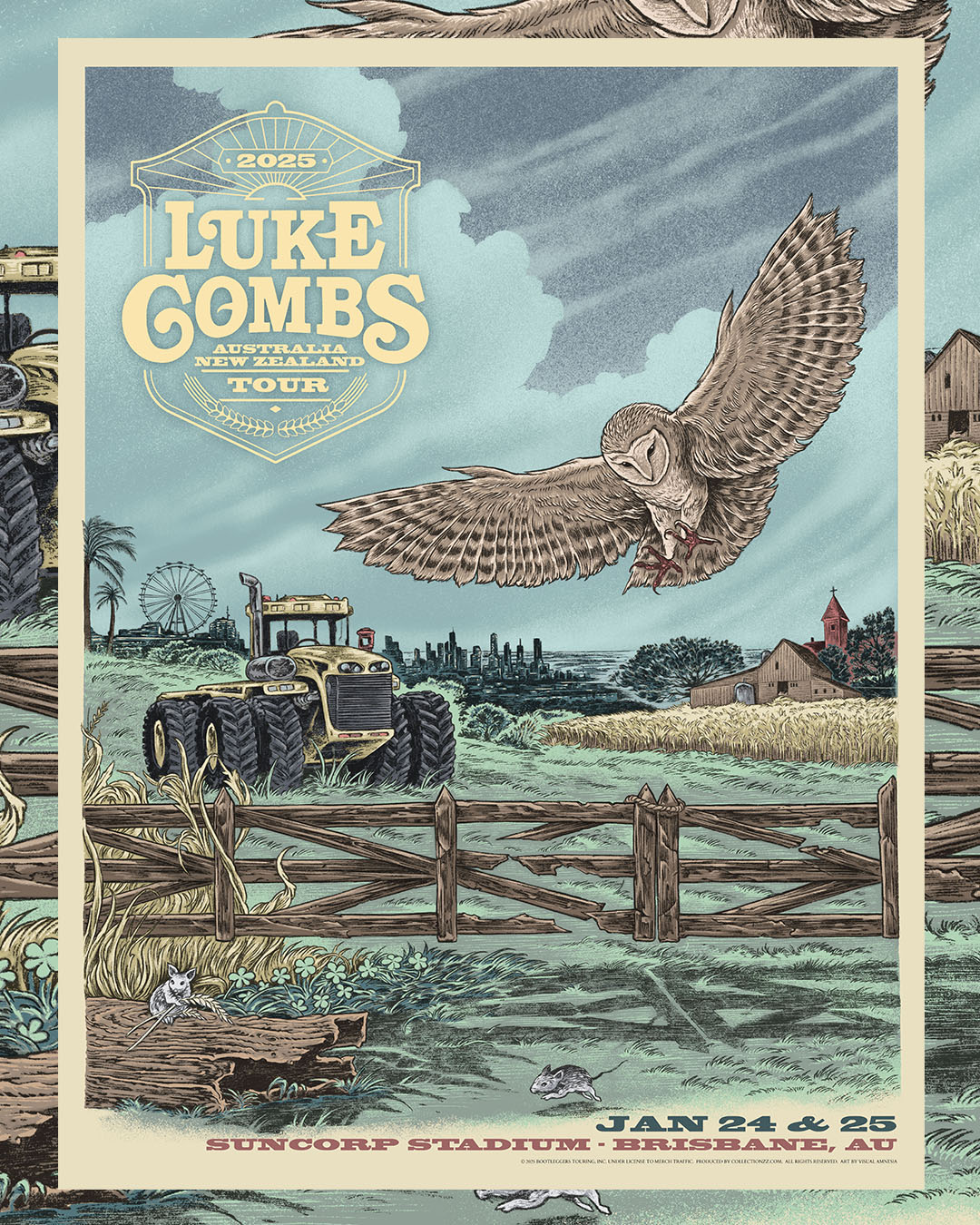
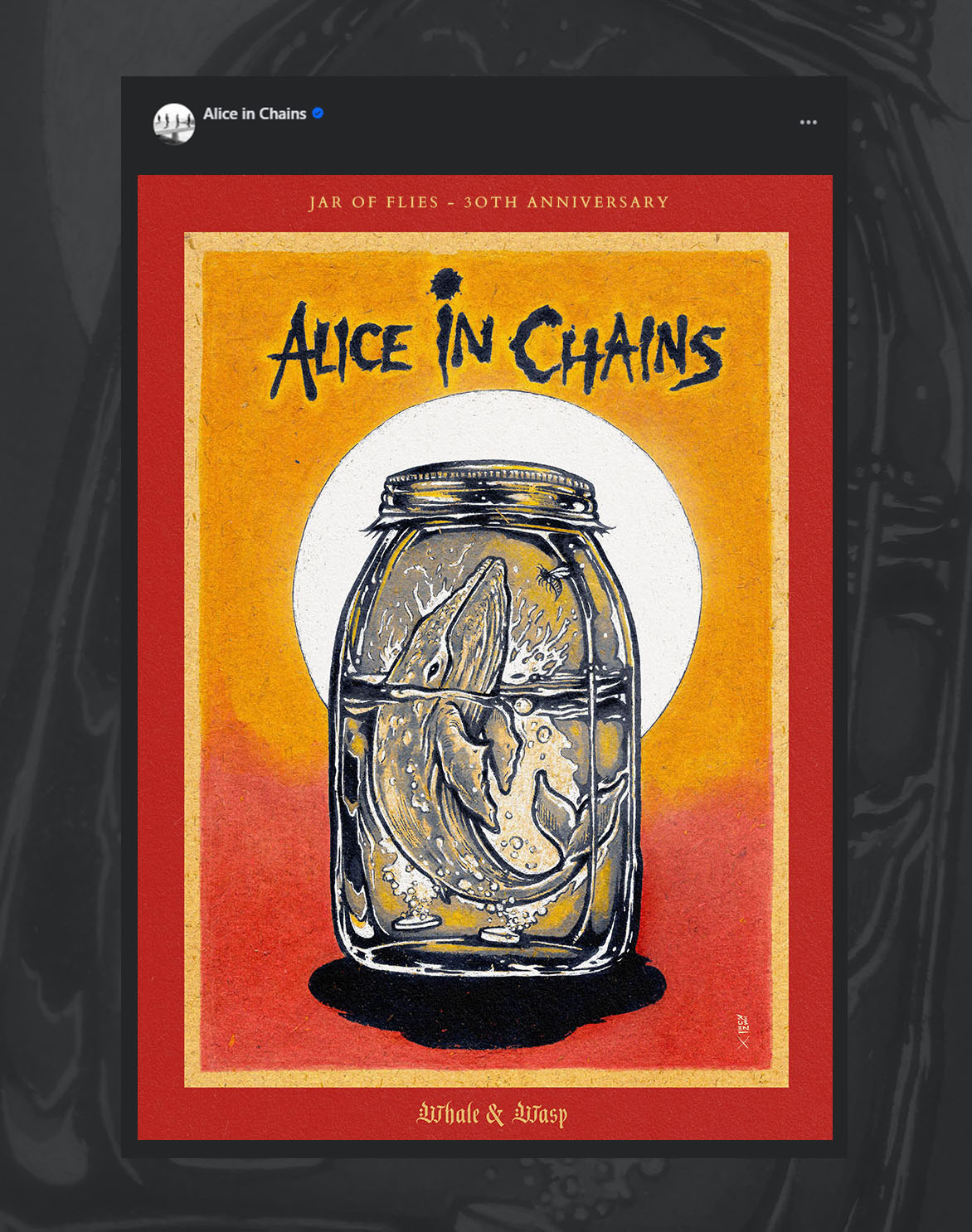
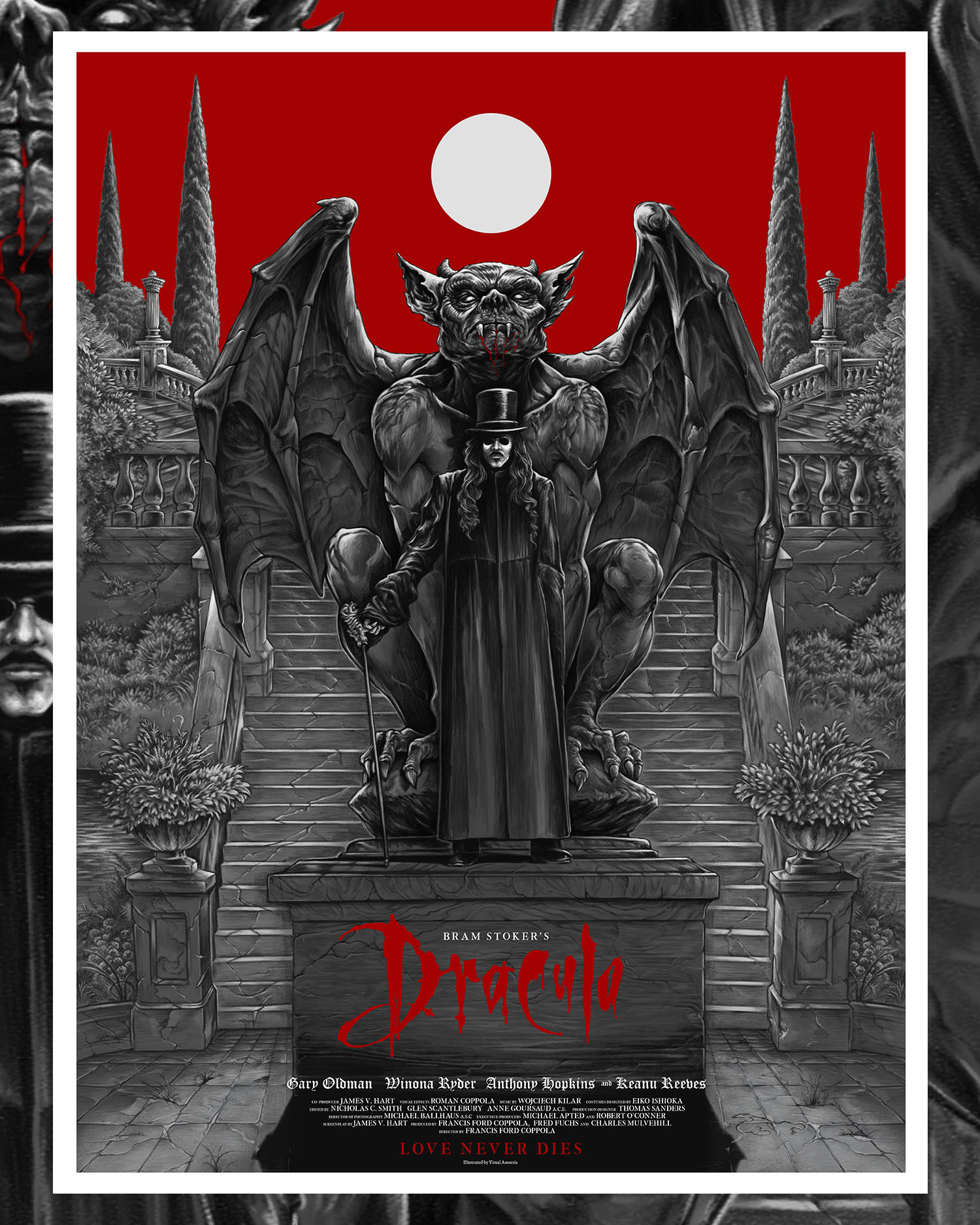
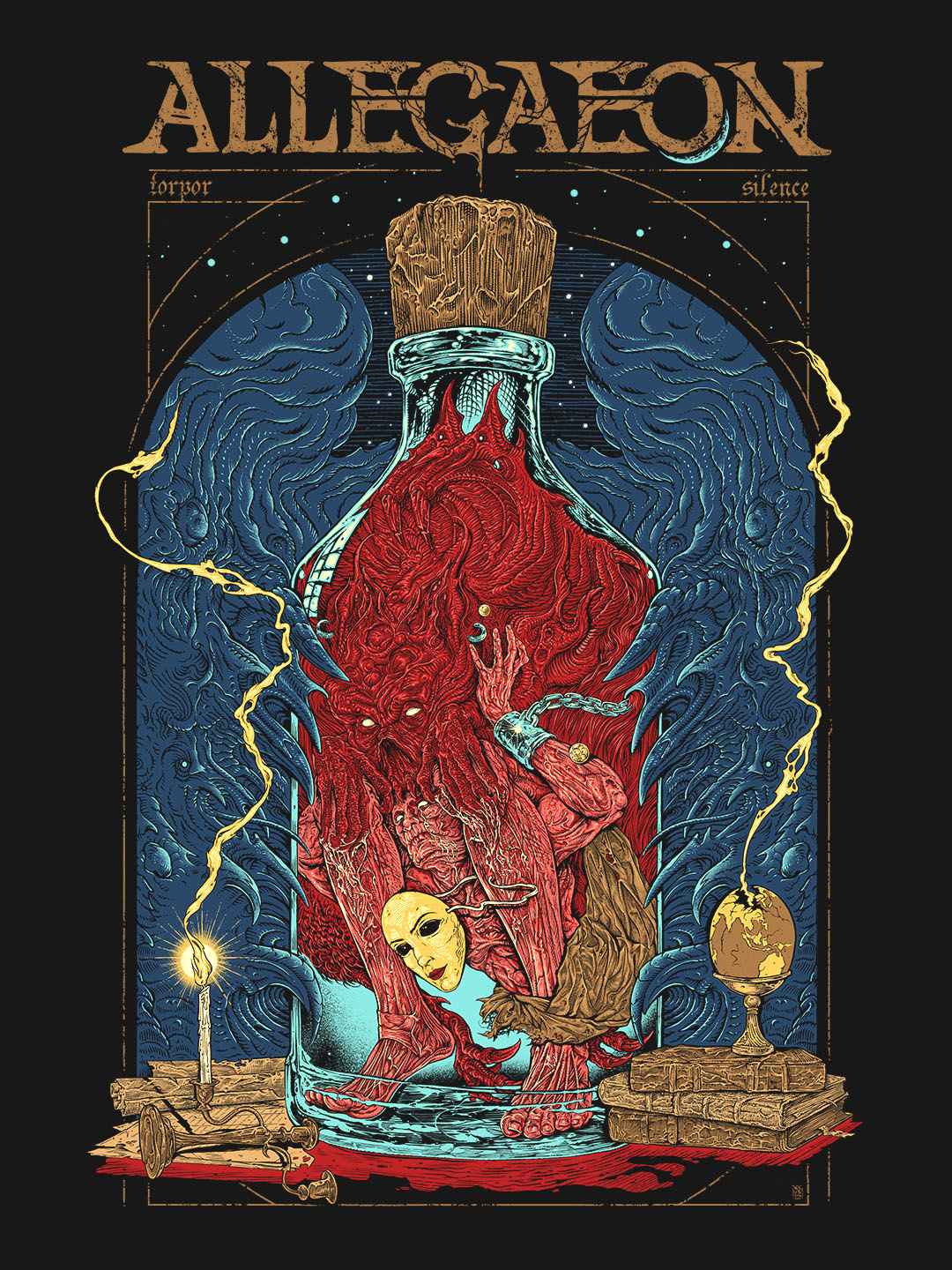
I’m now a contemporary artist, illustrator, art director and designer working in my style of imaginative realism, surrealism, heavy metal sci-fi & dark fantasy. I have created art & designed for gigs, events and tours, merch collections, album art, and unique limited edition fan experience products. Some of my work over the last decade-plus, includes names such as Black Sabbath, Alice In Chains, Luke Combs, Slipknot, Nevermore, Jinjer, The Black Dahlia Murder, Soilwork, Allegaeon, Monuments, 3TEETH, Twelve Foot Ninja, Cult Of Lilith, Parazit, Sleep Terror, Metal Blade Records, Nuclear Blast, Century Media, Transcending Obscurity, NIGHTSHIFT Merch, Hot Topic, Impericon, We Need Merch, Rock City Merch, Rebellion Republic, Breaking Bad, Game Of Thrones, Rick & Morty, The Crow, Dracula, Nosferatu and many others.
What sets me apart the most I guess, is how I bring my eastern heritage into my work in the western world. It’s not as obvious as using mythology or some base level cultural appropriation, it’s a more cerebral thing, like using the conceptual density and narrative technique of eastern arts & lore and finding ways to fit it into western ideas and apply that to interpret the imagery. There is a lot of spiritual nuance and balance of contrasting themes. In the western traditions, darkness and light are two separate things most of the time, but if you notice carefully out east they are more layered concepts, and there is a lot of grey area, where both opposites are accepted as parts of the whole.
Is there something surprising that you feel even people who know you might not know about?
Most people are surprised by that fact that I am of Indian descent. The general stereotype is one of some software engineer or a doctor, which rightfully so is the first assumption. But it is amusing nonetheless to see the reactions of people. I mean if you can have Gertrude from Hamburg become Gita a Yoga master in the Himalayas and wear sarees and blend into a completely new way of life, why cant you have an Indian kid grow up to be a western artist who makes art for Heavy Metal and Country music. I always say the best of the west is often found far out in the east. And vice versa of course. We are defined by our skills, our passions and things we love and identify with, We are made by our real “AI” our very human “Artistic Identity” and not by man made borders, politics or passport identities decided by other people and a rigged system. And I think that’s how it should be. Freedom to choose who we want to be and the freedom to achieve our dreams.
Pricing:
- All pricing is on request.
Contact Info: