



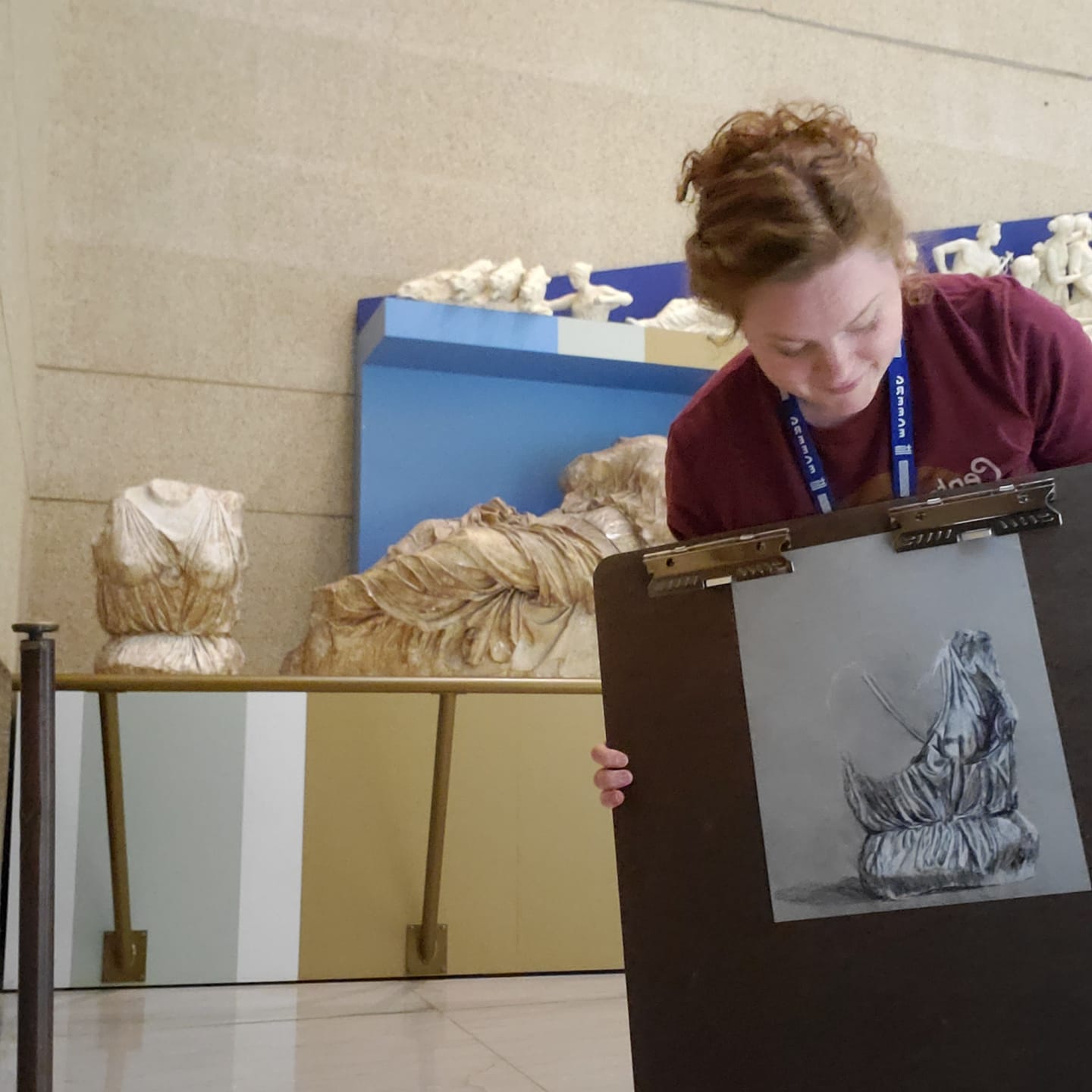
Today we’d like to introduce you to Jennifer Richardson.
Hi Jennifer, it’s an honor to have you on the platform. Thanks for taking the time to share your story with us – to start maybe you can share some of your backstory with our readers?
Seeing people’s eyes light up when they connect with art is an addictive experience and is at the heart of all I do. Early on, I worked with collectors as a Fine Art Specialist at an auction house but soon moved into art education to focus on students and the community. At Center for the Arts in Murfreesboro, I created art classes and programs designed for grandparents and their grandchildren. However, what really shaped me was teaching art history to college students for over a decade. Every day was a new challenge to help them see the relevance of art history and how it could influence their photographs, fashion, film, or animation projects. Many of them did not immediately see the connection to their major but then something would click – they would recognize something from an album cover or movie, or they would relate to the subject matter or the artist’s experience.
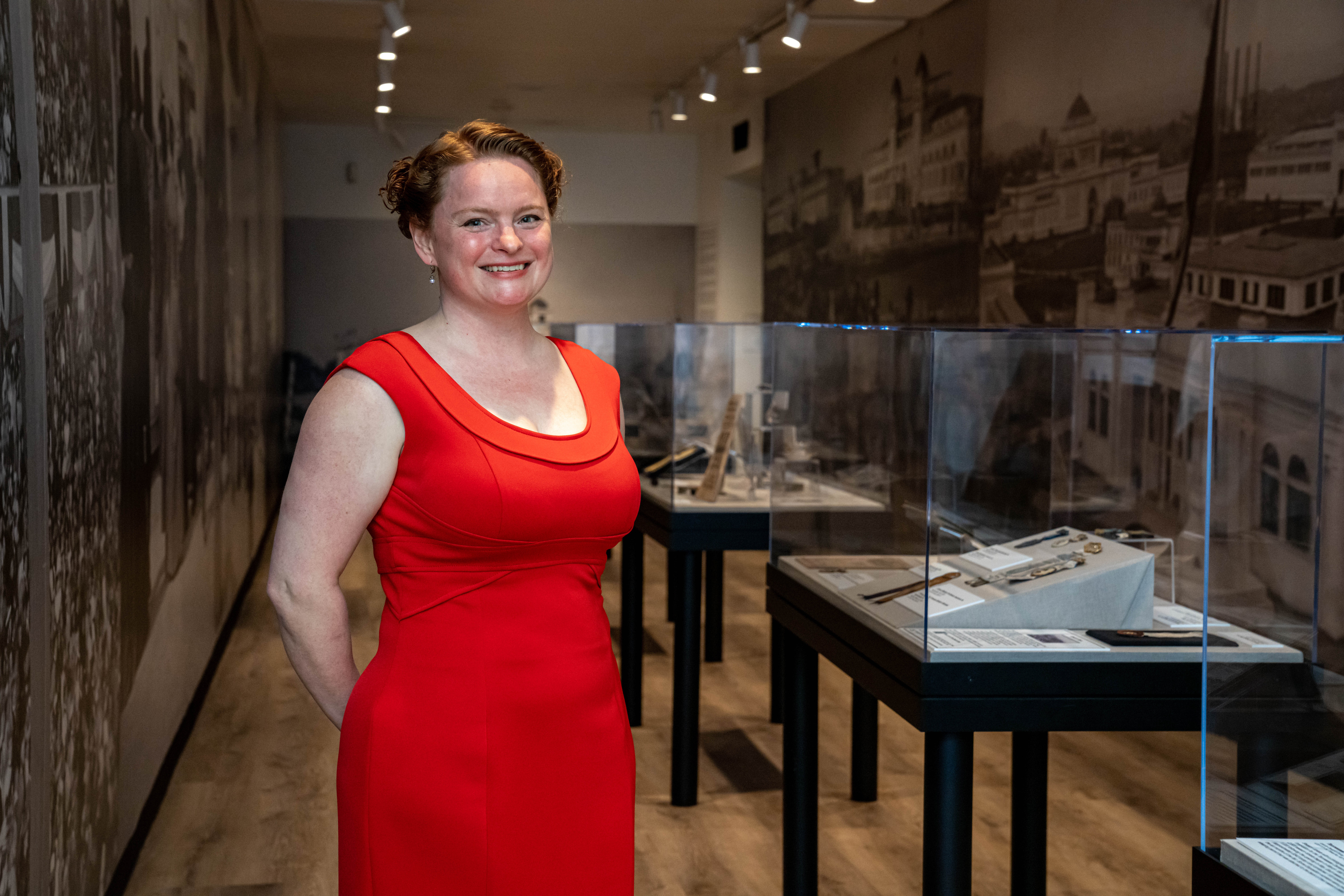
In 2020 I was hired by the Parthenon to be the Education and Curatorial Assistant, bridging two departments that, in most museums, are very separated. It was refreshing to focus on the Parthenon and its collection rather than the whole scope of art history. Oddly enough, the challenge facilitating people’s engagement with art is still present. Unlike most museums, many people come to the Parthenon for the architecture or statue of Athena and aren’t expecting to see art exhibits. Art museums can be very intimidating for some people, so we work hard to create an experience that sparks their curiosity and feels inviting. Two years later, I stepped in to the role of Curator and have been educating through exhibits ever since.
Would you say it’s been a smooth road, and if not what are some of the biggest challenges you’ve faced along the way?
I think most people know that studying art history doesn’t provide a stable career path. I’ve experienced funding cuts that eliminated positions and whole institutions. There are also lots of strong personalities in the arts that can be a challenge to work with. Luckily, the team at the Parthenon is truly wonderful. In small museums like this, you often do much more than your specific job title, but it has given me many more opportunities to grow than a larger museum. The Parthenon is part of Metro Parks which can be fun and challenging. This spring we were closed for several months during an HVAC installation and during that time, half of our work hours were spent working at golf courses, community centers, Sportsplex, and in my case – Hamilton Creek Marina. Our team is great at pitching in and getting the job done.
Appreciate you sharing that. What else should we know about what you do?
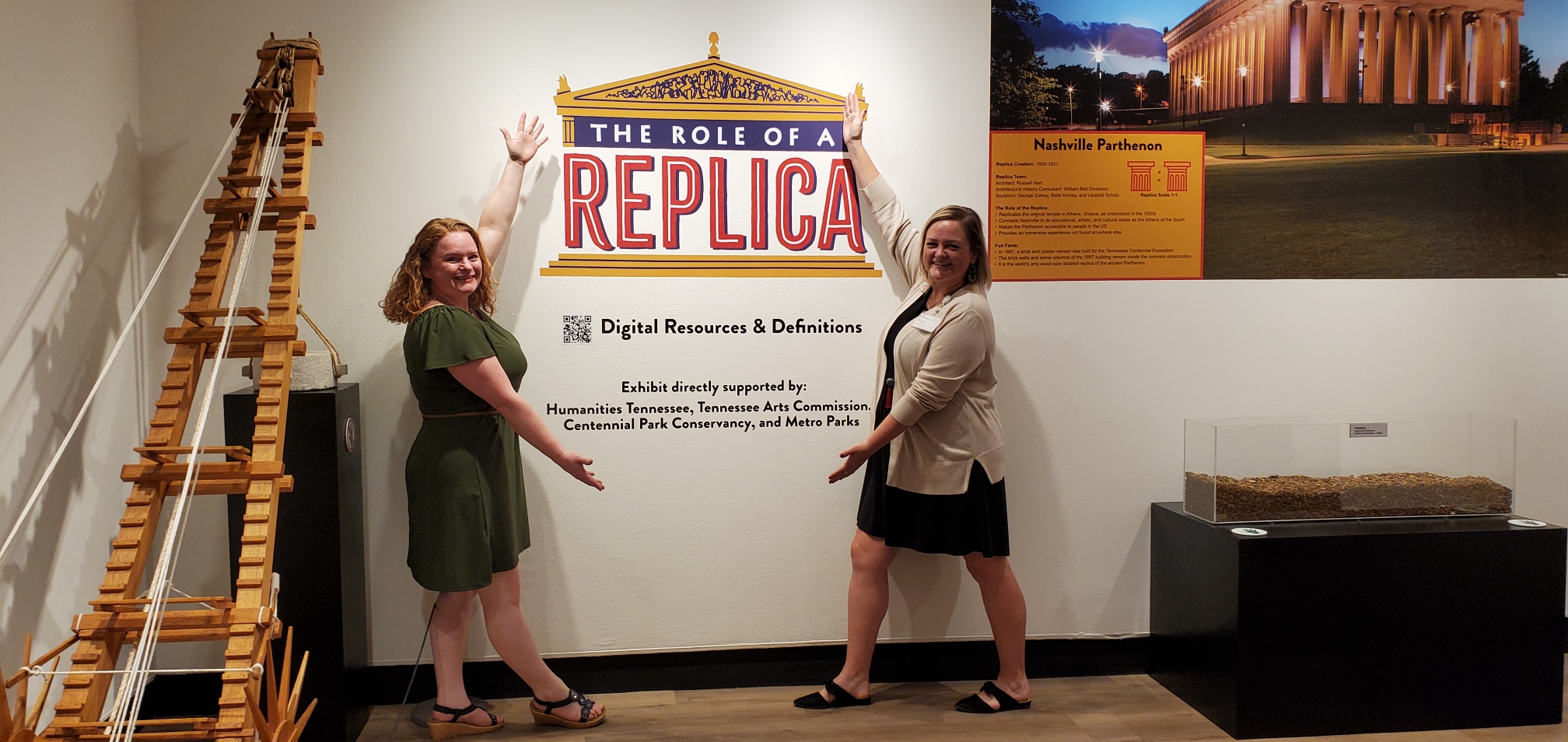
As the curator, I create exhibits. Sometimes that means working with artists to develop a theme and artwork. Other times, it involves lots of research and finding intriguing ways to bring history to life. For each exhibit, I write the text, create the layout for the artwork, and work with our education team. I usually end up painting the gallery walls and hanging the artwork with a few helpers from other departments. Once the new exhibit opens, work begins on the next one.
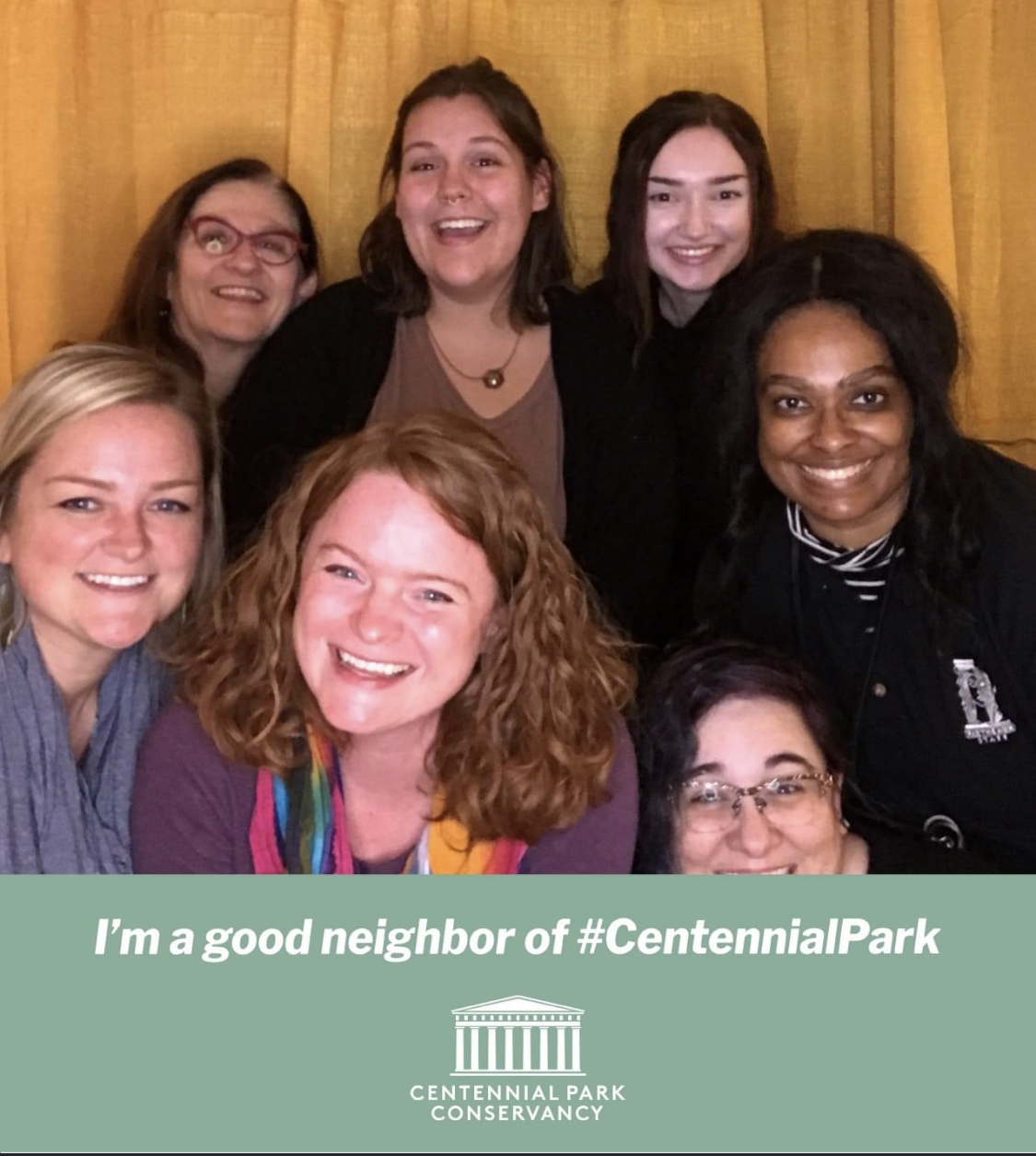
I’m very proud of the relationships we’ve been building with our neighbors. When choosing exhibits, I gather feedback from local artists, art advocates, scholars, teachers, and community partners. As the exhibits develop, I look for ways to connect with local organizations and work to keep those relationships growing.
I think what sets the Parthenon apart is our visitor centered approach. We care a lot about the experience our visitors have and keep them in mind with every choice we make. We want our museum and exhibits to be as accessible as possible. This means translating exhibit text and audio tours, using larger text that is easy to see, writing in a way that easy to understand, keeping labels at a height that works whether you are standing or in a wheelchair, and finding a variety of ways convey what we are sharing. I’m constantly trying to create experiences that work equally well for people unfamiliar with art as well as art lovers. The challenge of presenting something in an unexpected way that makes a lasting impression is thrilling.
Networking and finding a mentor can have such a positive impact on one’s life and career. Any advice?
People working in museums are here because we love what we do. We get excited when people looking for a mentor reach out. Volunteering at a museum is a great way to learn about the collection and connect with staff. Two of our current staff members are former Parthenon volunteers.
Generally, because there are so few museum jobs available, I suggest looking for a way to use your skills in relation to the arts. The skills needed by a museum are endless but a few include: photography, graphic design, fabrication, art handling, marketing, fundraising, non-profit management, customer service, engineering, audio, video, archival, and a wide variety of consultants.
Contact Info:
- Website: https://NashvilleParthenon.com
- Instagram: https://www.instagram.com/nashvilleparthenon/?hl=en
- Facebook: https://www.facebook.com/nashvilleparthenon/
- Youtube: https://www.youtube.com/channel/UCcmK3as7oZsdJ4W7h2dUKGQ