


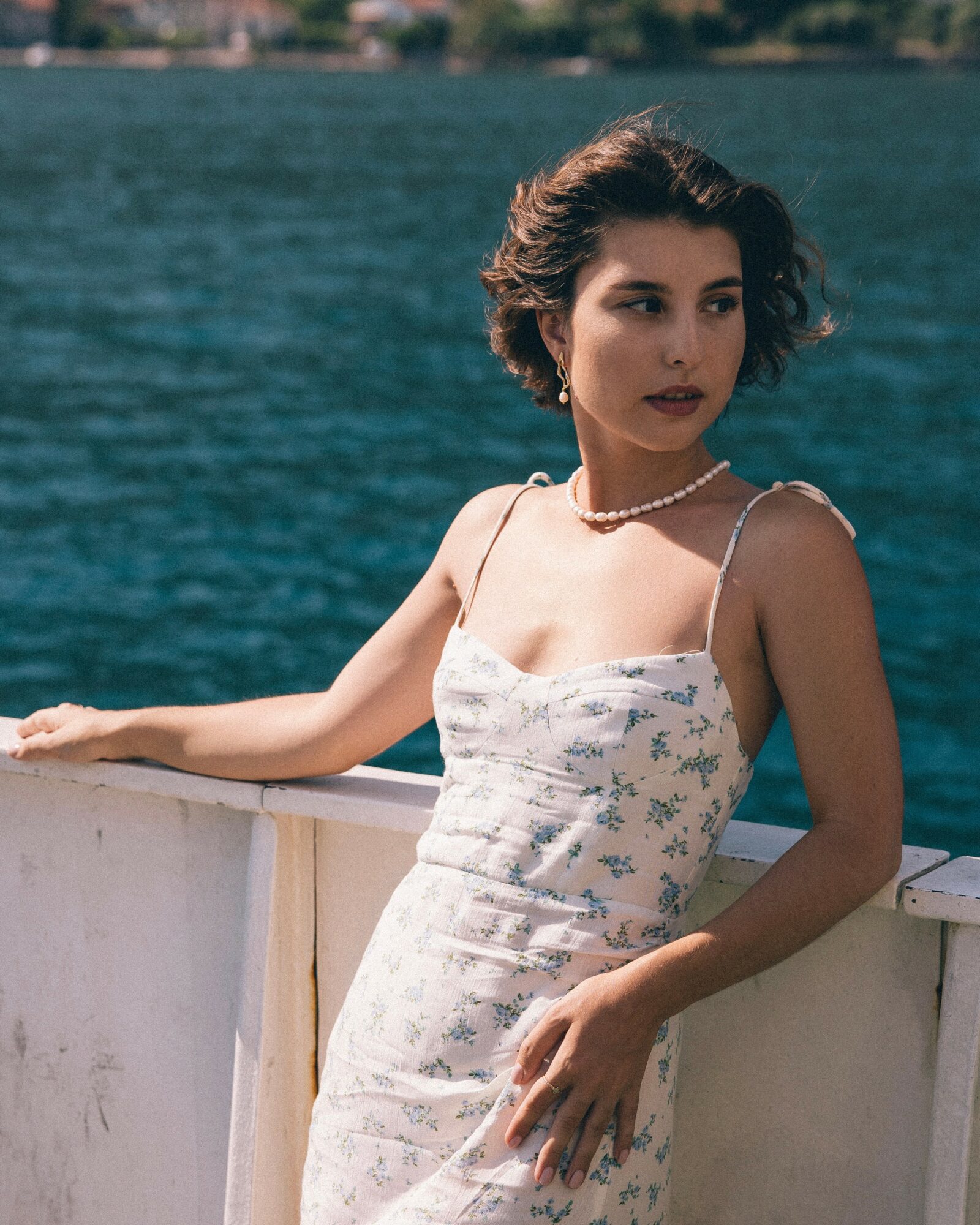
Today we’d like to introduce you to Diana Petrova.
Hi Diana, please kick things off for us with an introduction to yourself and your story.
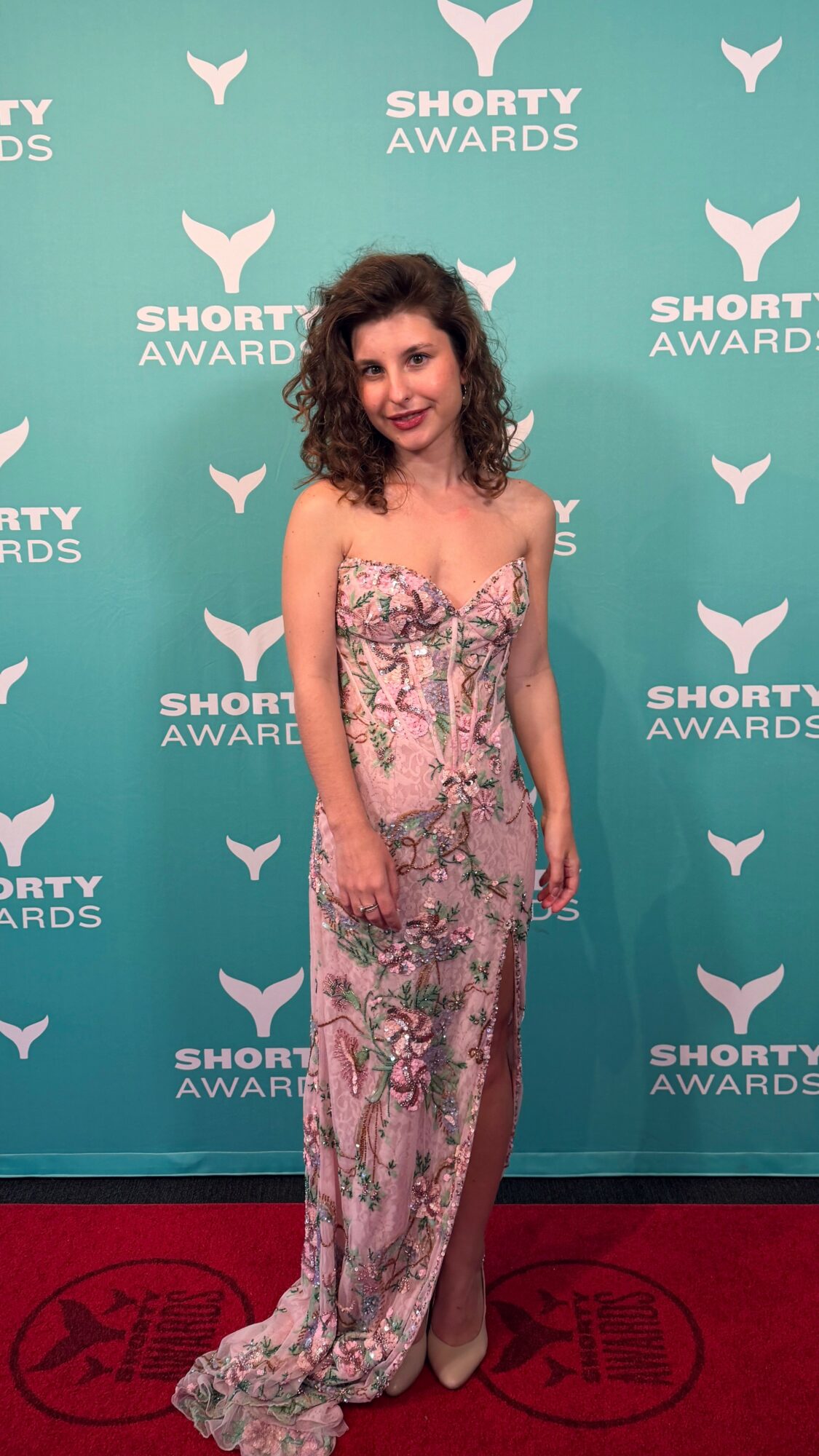
English isn’t my first language, but I’ve always wanted to create content for an English-speaking audience, especially in the U.S. market. It took me a while to find my niche, and things didn’t work out at first. I started as a lifestyle creator documenting my journey of quitting my 9-to-5 job, but the content didn’t really take off. Eventually, I found my voice in the book and movie community. My first book-related videos went viral across social media, helping me gain over 500k followers and establish myself in the BookTok community. That success also brought recognition within the creator economy, including a Bronze Shorty Award in the Viral Content category.
Can you talk to us a bit about the challenges and lessons you’ve learned along the way. Looking back would you say it’s been easy or smooth in retrospect?
For a content creator, one of the biggest challenges is finding the balance between creating content you’re passionate about, creating content that resonates with your audience, and creating something that’s sustainable and profitable in the long run. For me, it was a journey of trial and error. When I didn’t see the results of my hard work right away, I was ready to give up. I think that’s the hardest part – staying consistent when it feels like you’re not making any progress. I’ve learned that there’s often a delay between the effort you put in and the results you see. Many people quit during that stage without realizing they might be much closer to a breakthrough than they think.
Thanks – so what else should our readers know about your work and what you’re currently focused on?
I’m a content creator with over 1 million followers across my social media platforms. I first gained recognition through my viral “Book Is Too Good” series, where I immersed myself in the worlds of romance books. Overall, those videos have generated over 500 million views and won a Bronze Shorty Award in New York City.
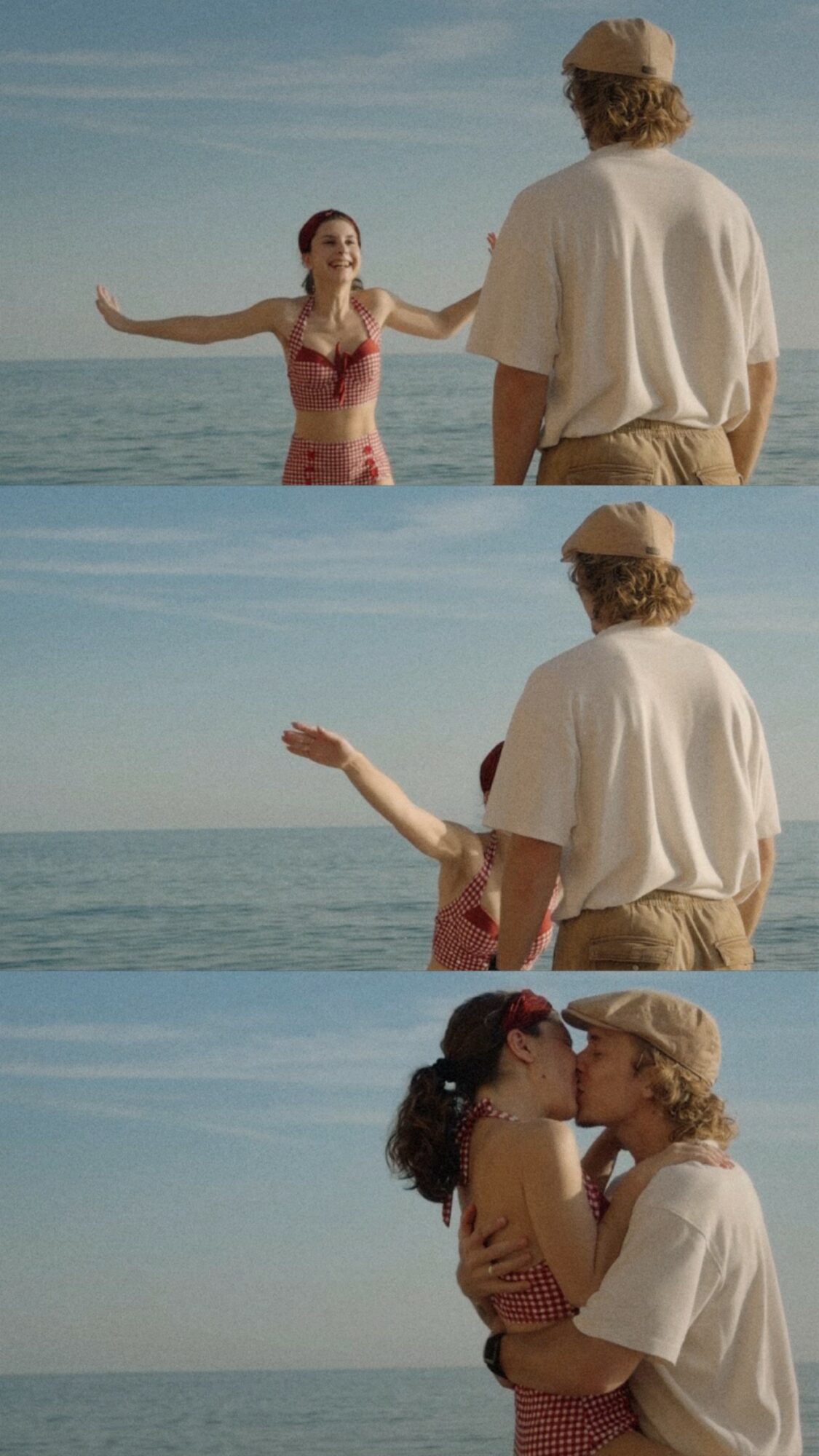
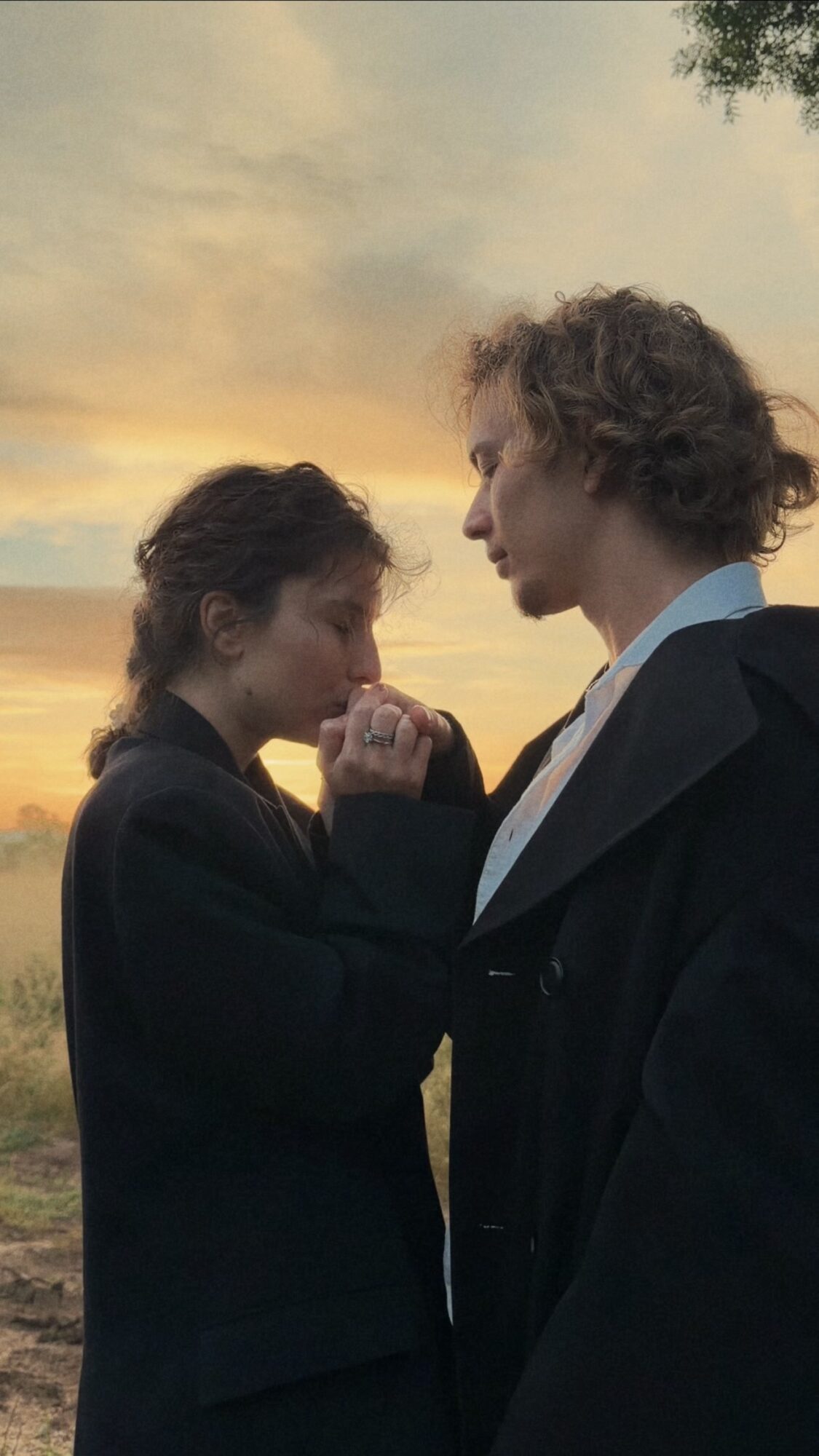
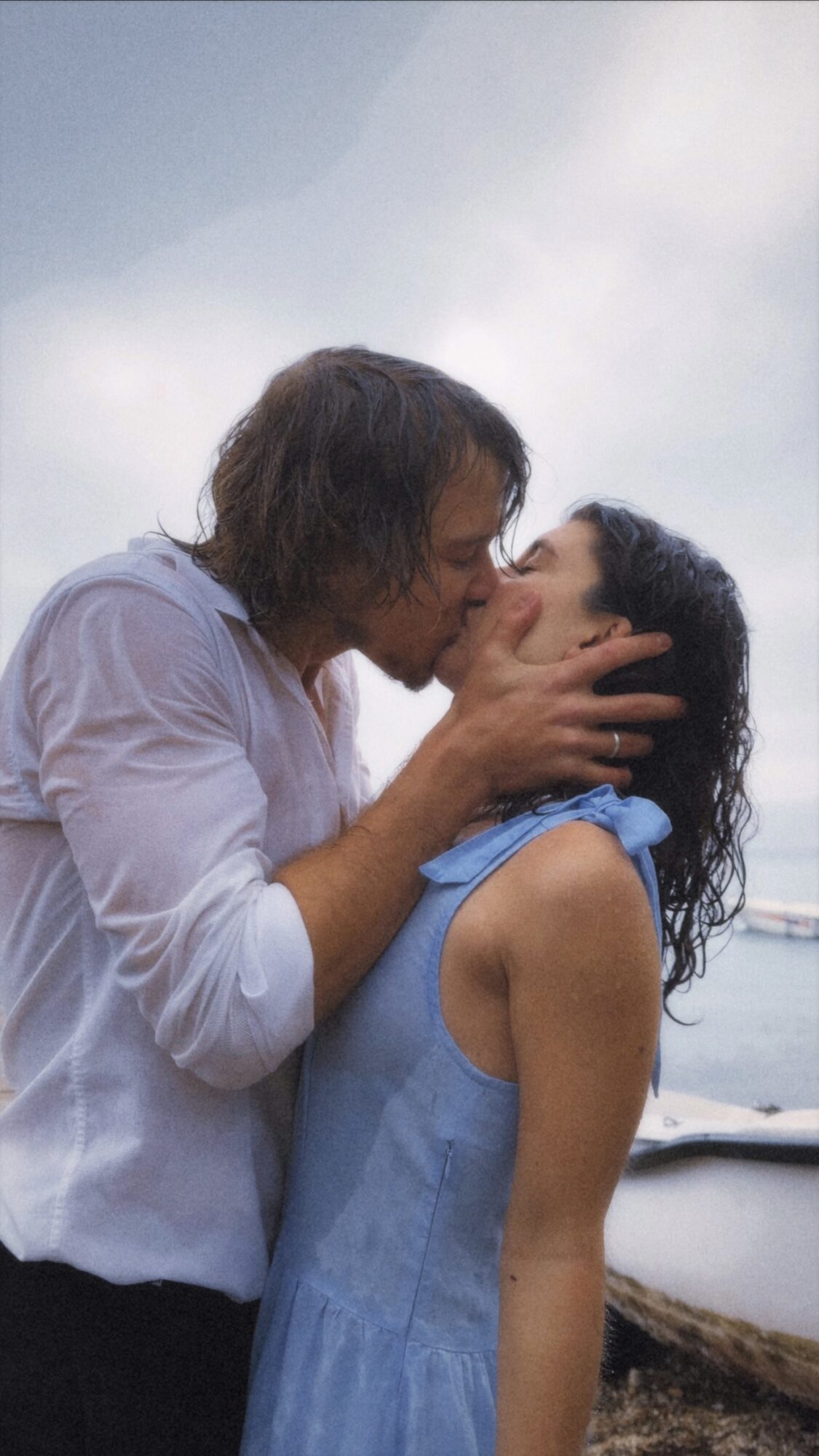
Later, the series evolved into movie-inspired content where I recreate iconic scenes from movies and TV shows like The Notebook, Pride and Prejudice, Bridgerton, The Vampire Diaries and Off Campus. Those videos consistently get millions of views.
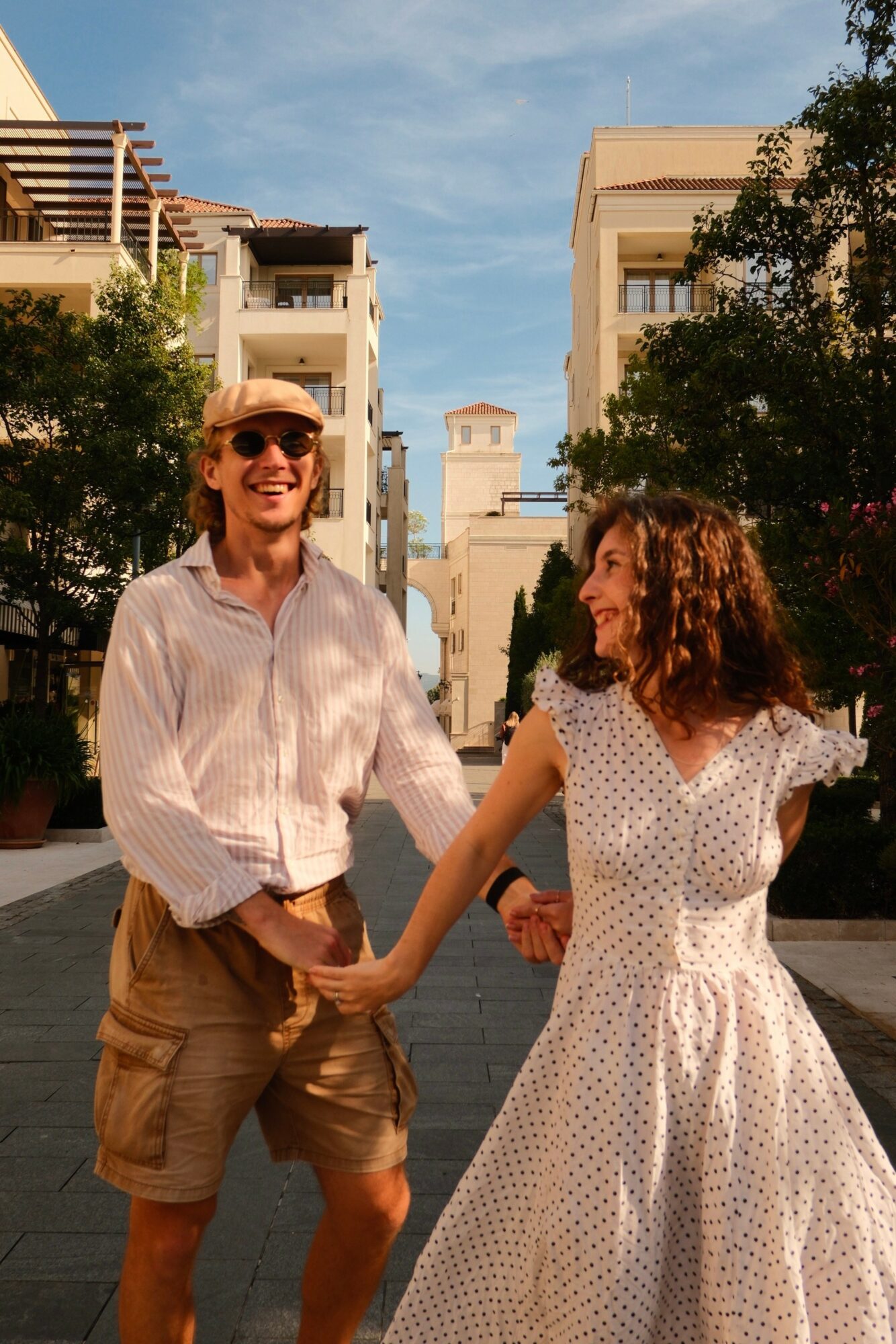
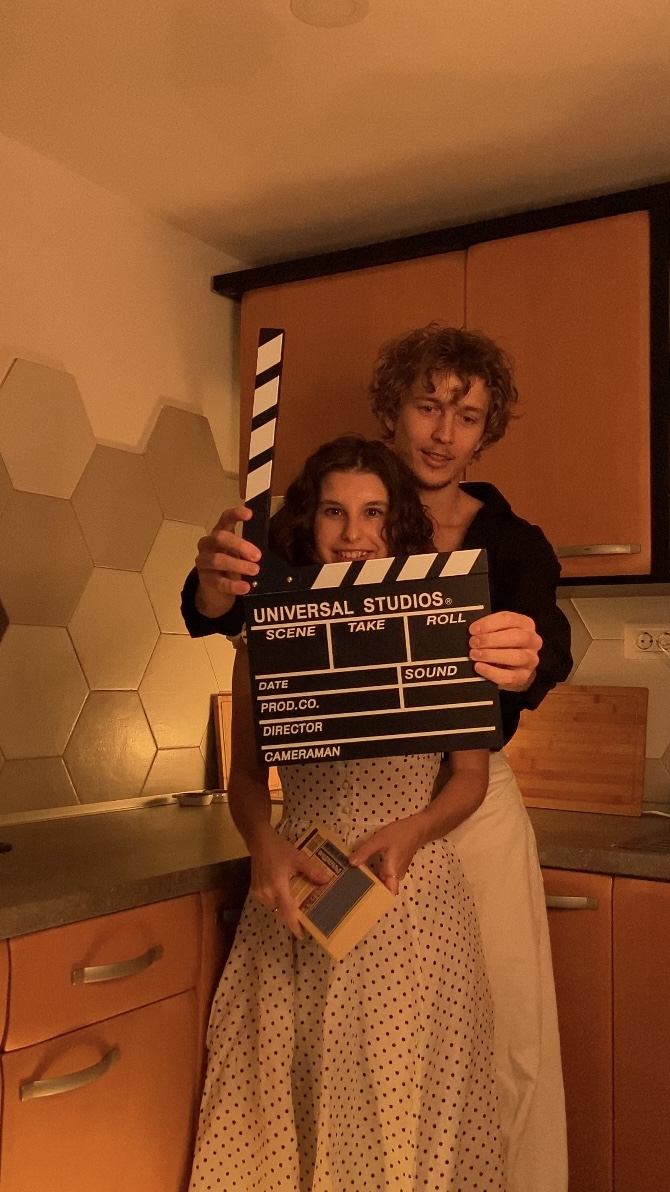
What I’m most proud of is that everything is made on a very low budget. There’s no team – it’s just me and my husband. We don’t use expensive gear; we film everything on an iPhone (in fact, our first viral book videos were shot on an iPhone 11 before we upgraded). We also don’t rely on AI. Instead, we find creative ways to transform local locations into places that feel like they’re straight out of the movies. I think that’s what sets me apart: proving that you don’t need a big budget or a large production team to create content that resonates with millions of people.
Risk taking is a topic that people have widely differing views on – we’d love to hear your thoughts.
The biggest risk I’ve taken was quitting my stable 9-to-5 job to become a full-time content creator and work for myself. I didn’t have any external financial support, just some savings, which, honestly, disappeared pretty quickly.
There were times when I genuinely wasn’t sure I’d have enough money to pay my rent. The only reason I managed one month was because a friend came to visit and stayed with me. She paid for our groceries, so I was able to put that money toward rent instead. It’s a little embarrassing to admit, but that’s the reality of pursuing something you truly believe in.
For me, balancing a full-time job and content creation simply didn’t work. When I had the security of a regular paycheck, I wasn’t giving social media everything I had. Once I committed to it completely and started treating it like my full-time business and like my life depends on it (quite literally), that’s when things started to take off.
That said, I don’t think taking the biggest possible risk is always the right answer. I was fortunate that my only major financial obligation at the time was rent. I didn’t have loans, children, or anyone depending on my income. I was willing to downgrade my lifestyle, live on a tight budget, and even move to a cheaper apartment if it meant I could keep building the career I wanted.
So I think risk is very personal. You have to evaluate your own situation honestly. It’s one thing to take a financial hit when you’re only responsible for yourself. If you have dependents or need a stable, predictable income, I’d probably think twice and come up with a more gradual and reliable plan.
Contact Info:
- Instagram: https://www.instagram.com/dilyopa/?hl=en
- LinkedIn: https://www.linkedin.com/in/dianapetrova96/