




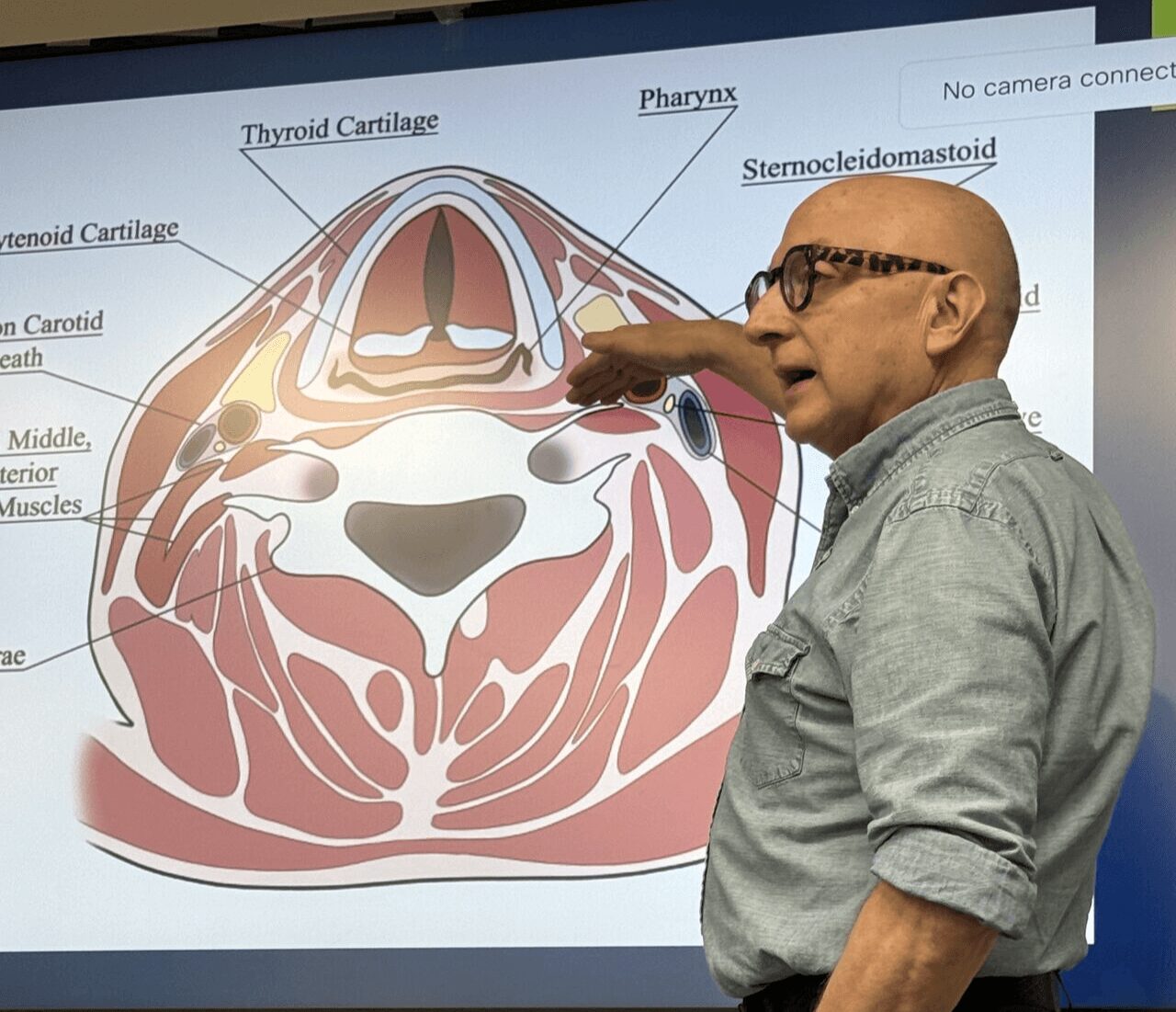
Today we’d like to introduce you to Walt Fritz, PT.
Hi Walt, we’re thrilled to have a chance to learn your story today. So, before we get into specifics, maybe you can briefly walk us through how you got to where you are today?
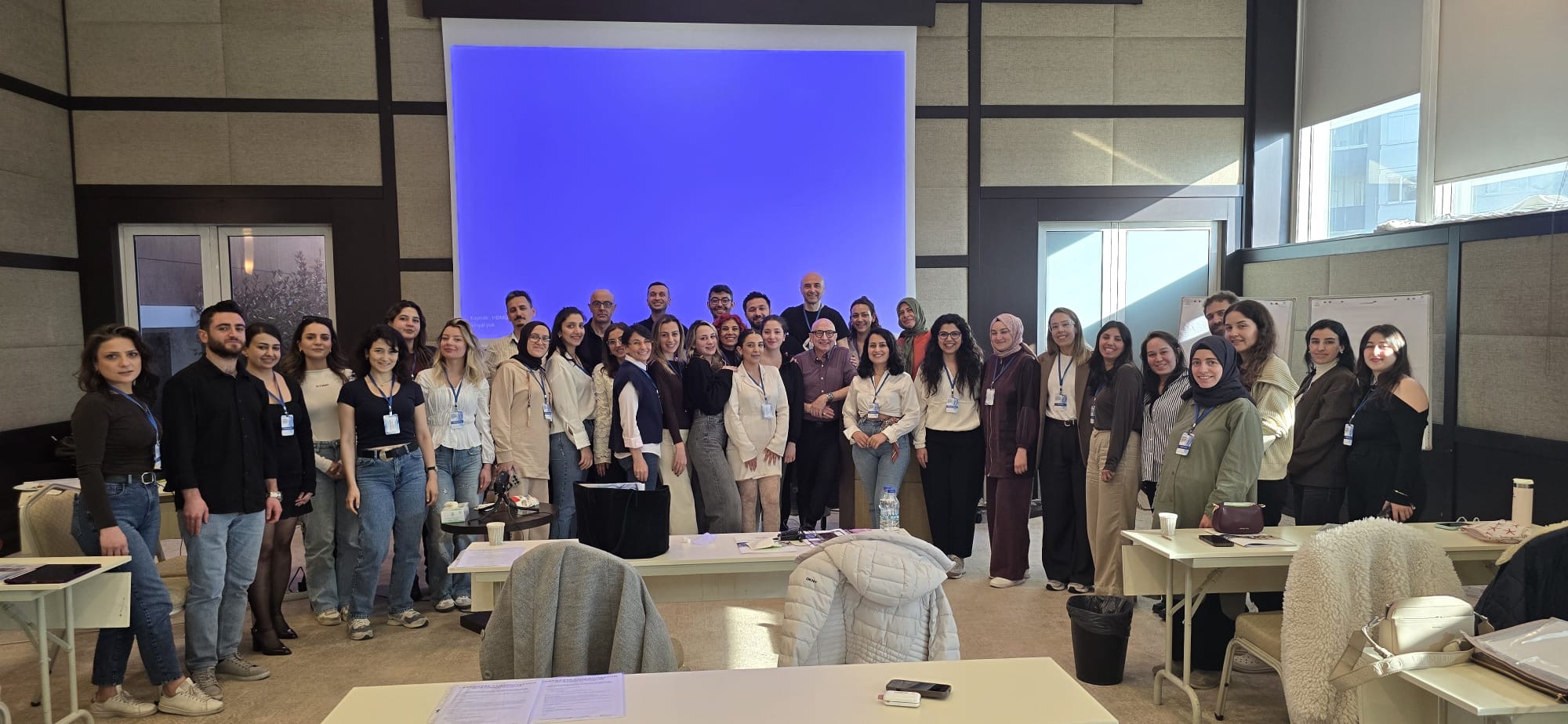
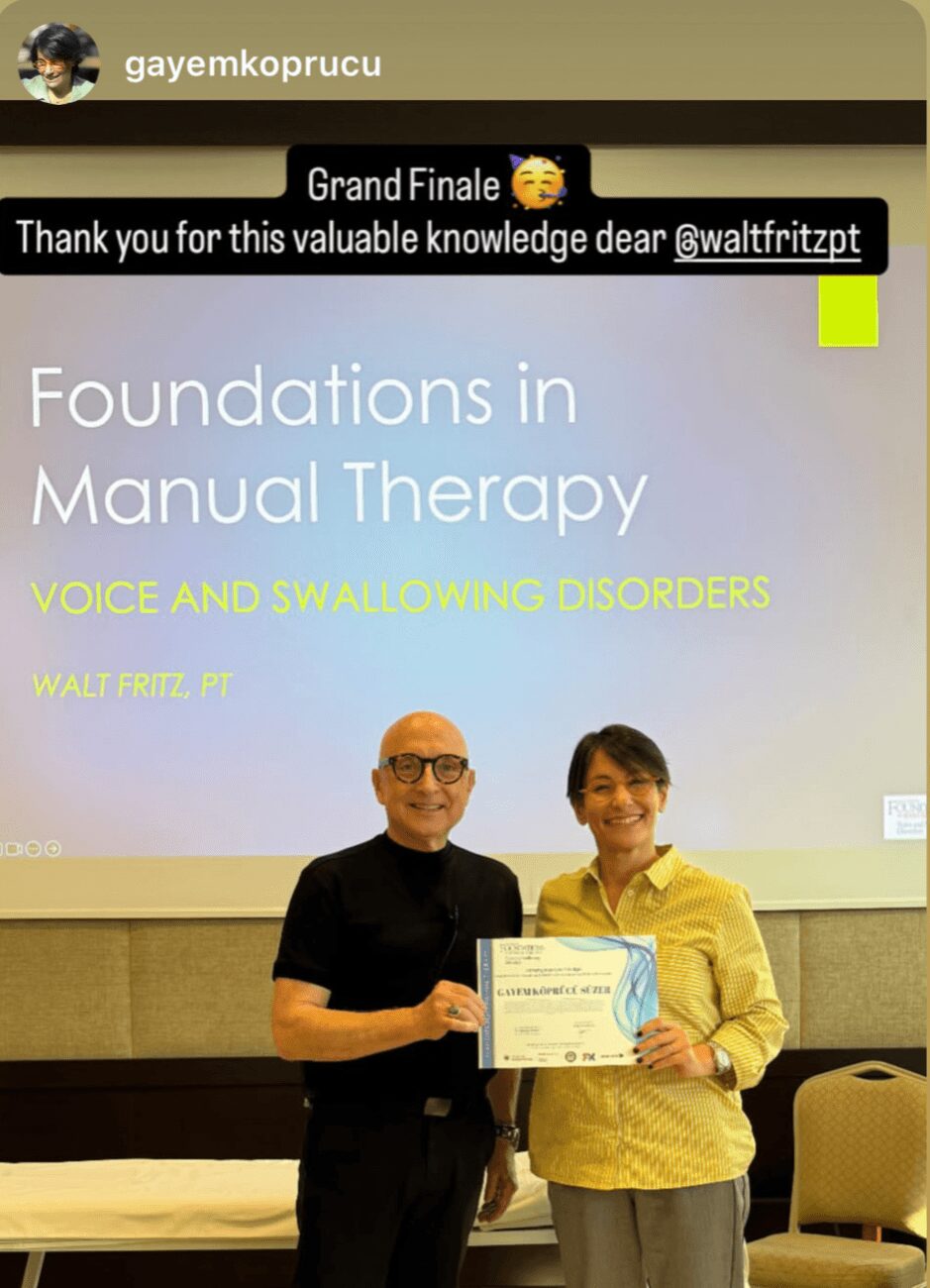
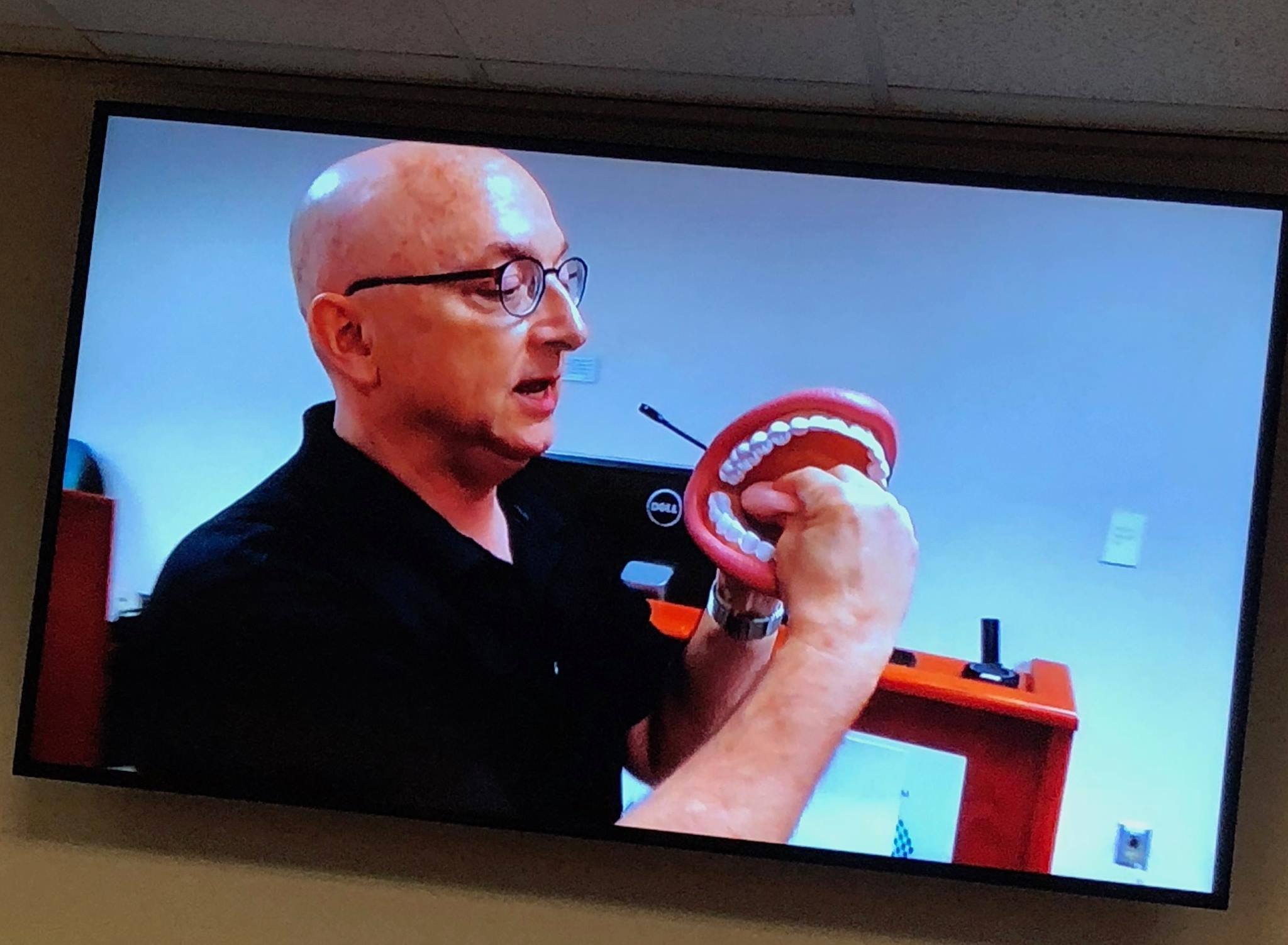
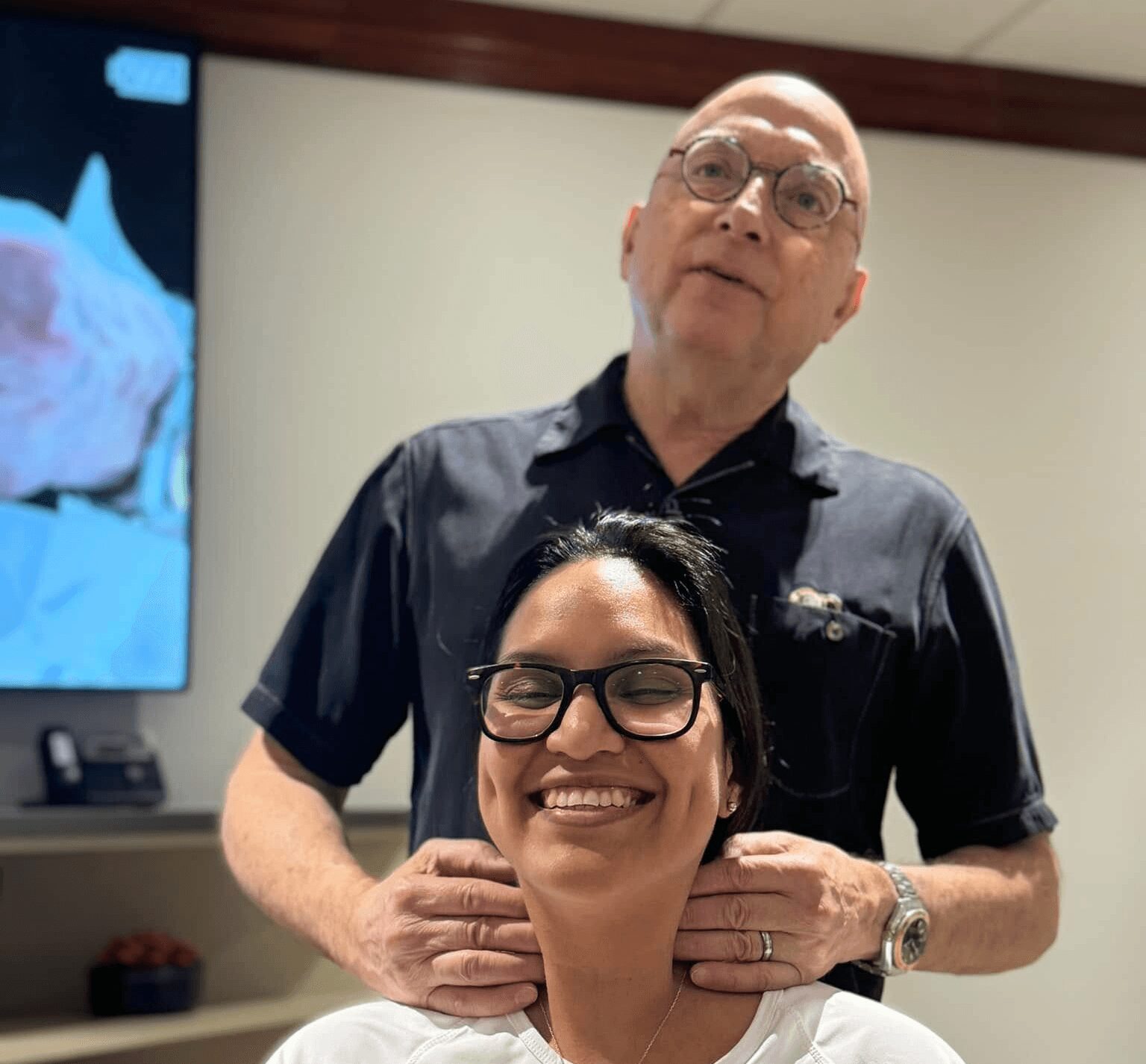
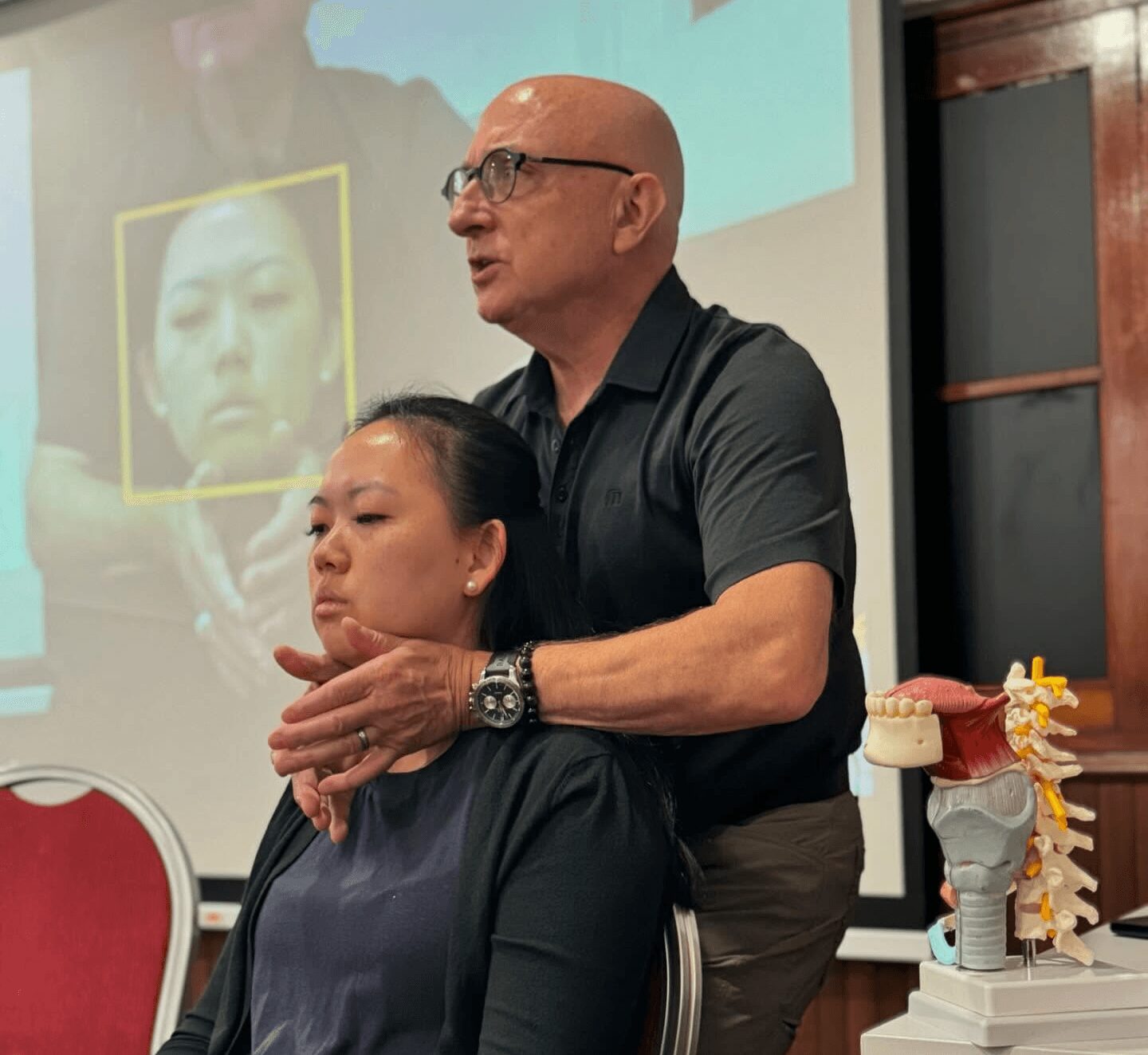
As a US-based physical therapist since 1985, I feel very fortunate to teach hands-on manual therapy and exercise strategies internationally to speech pathologists, voice coaches, and a wide range of other professionals. Though I had been teaching a more general style of manual therapy continuing education to physical, occupational, and massage therapists in the past, since 2013 my role has made a 180-degree shift.
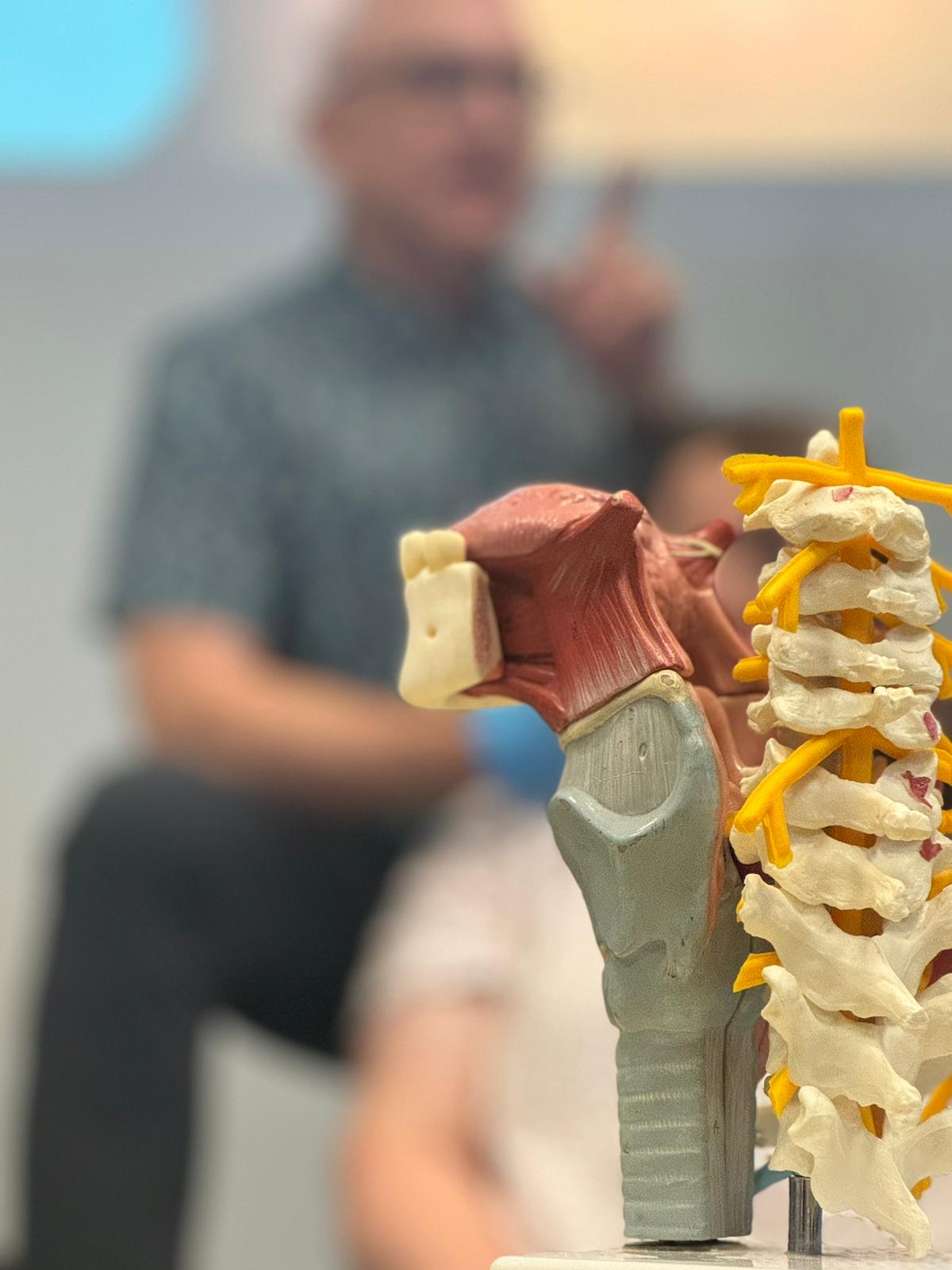
In 2013, I, along with an NYC-based ENT physician, was invited to teach a one-off class to speech-language pathologists in Chicago, Illinois. That early effort morphed into what has become my primary role as an educator. Through much learning, I was able to transform my knowledge and experience as a manual therapy-based PT and apply that knowledge to clinicians working with a wide range of disorders:
– Voice disorders and delays
– Vocal performance-based problems and concerns
– Swallowing disorders secondary to head/neck cancer surgery and radiation
– Feeding delays
– Articulation and oral motor delays and disabilities
– Jaw-related problems
– Globus (feelings of pressure in the throat)
– Chronic cough
– GERD/reflux
– Breathing limitations and concerns
Even though my professional audience for these workshops is varied, the focus of my classes was to build an accessible bridge that allows others to carry the information taught in my workshops into their clinical practice. One of the many gratifying comments I receive post-workshop is that it allows them permission to be uncertain in their work. Uncertainty need not represent a lack of knowing. Uncertainty takes the wide range of available evidence and accepts that there are many paths patients follow with their disorder, and an equal number of varied paths in achieving measurable gains. This approach is applicable when working with patients in the most difficult medical situations as it is when working with elite-level vocal performers.
Today, I am viewed as a content expert in the field, bolstered by a recent research publication titled “The mechanism of action for laryngeal manual therapies: the need for an update,” which lays out the basis for much of my teaching approach.
Would you say it’s been a smooth road, and if not what are some of the biggest challenges you’ve faced along the way?
Breaking new trails is never without hazards and ditches. Though there were a few others who taught parallel models across the globe, most were presented only occasionally. My foray into teaching this work slowly grew into a nearly full-time occupation. This took developing an approach deeply grounded in evidence-based practice, one that honored the individual values and expectations of each person we work with. It was a tall task, and one that took time to develop. And, in many ways, it continues to evolve. One of the more frequent struggles came from friction with groups whom I had originally trained and based my original teaching content. Breaking free from a tribal culture is always risky, and it was a difficult one for me. Changing perspective from popular models of therapeutic intervention is often seen as disrespectful of the source. I saw things differently, and pursued my goals with little regard for outside friction.
The Covid pandemic of 2020 affected all of us in different ways. Professionally, it seemed like a disaster, as every seminar I had booked was canceled and the patients in my private physical therapy practice stayed away. Fate intervened when I was offered two opportunities that drastically changed my teaching perspective and outlook.
As an older physical therapist, I graduated from university when the physical therapy degree topped out at the Bachelor’s level. Though my profession advanced to the now-mandatory Doctorate level of education, I had never felt the need to further my studies. But a colleague in the UK, who directed Master’s degree programs through the University of Wales Trinity Saint David, offered me the opportunity to pursue a hybrid, bespoke degree. I was able to use my degree program to focus on advancing all levels of my teaching curriculum to a more academically accepted curriculum. Beyond the personal satisfaction of earning an advanced degree, the program helped me see more clearly how educational material should be supported by high-quality evidence while never forgetting the individual needs of every patient or client. The result was a higher-quality curriculum that was better translated to the individual learner.
During this time period, I was also offered the opportunity to publish a book on my content. The iterative aspect of simultaneously working on the Master’s degree and including that content into a book format was deeply rewarding (and highly challenging!).
As an outsider from the specific professional worlds of my primary seminar learners, I continue to face obstacles that must be bested. I get pushback from some in the general speech pathology community who question why a physical therapist, with little university training in the specific demands of speech pathology, should be teaching that same audience. But these and many other such hazards can be overcome while not deviating from my core principles: No matter how much we know, we can never know what the patient is feeling, fearing, expecting, and hoping for until we include them in the process. Those simple core conditions frame everything I teach.
Thanks – so what else should our readers know about your work and what you’re currently focused on?
My early training after graduating from university in 1985 led me to explore a niche, hands-on manual therapy modality called myofascial release (MFR). Though continuing education requirements for most professionals mandate post-university training to maintain a knowledge and skill base, many are completed simply to fulfill licensure requirements. MFR turned out to be different from just getting enough continuing education hours to renew my PT license. Like many niche models, MFR strove to elevate itself from other available treatment options. Much of that elevation and separation came via extreme hubris, but I fell hard for it. Over a few years’ time in the early and mid-1990s, I took every class I could and began identifying myself by that model. Though I had not contemplated teaching this work on my own, I served as a teaching assistant for that national MFR group. The ten years spent assisting others in learning that work laid the foundation for my later independent courses.
But like many niche bodies of work, the business side of that model began to conflict with my personal and ethical choices. Questioning authority is often frowned upon in closed-group models, and my doing so created a schism with that community. In 2006, I chose to depart, which began a wonderful roller coaster of learning and frustrations. I had always questioned much of the “evidence” used to support MFR, but stayed silent, as dissonance was not allowed. Free from the oversight of that approach, I was able to continue learning, seeing problems of pain and movement disorders as much more than the narrowed view that MFR took.
It often takes a significant shift from accepted cultures and norms to find your place, and that shift was difficult. However, over time, my counter-culture beliefs and writings began to take hold in various therapeutic communities, allowing me a bit of room to breathe. Though claims to fame tend to be overly optimistic, I am now considered by many to be a respected thought leader in applying manual therapy from a shared decision-making perspective. I am bolstered by a large number of colleagues who are forging their own unique paths, with thoughts, beliefs, and teachings that align similarly with my curriculum. Feeling like my early efforts may have played a small part in advancing others’ perspectives is gratifying and at the core of why I do what I do.
We’d be interested to hear your thoughts on luck and what role, if any, you feel it’s played for you?
What role has luck (good luck or bad luck) played in your life and business?
I credit luck as a good part of what got me started working with speech pathologists, voice professionals, and related clinicians. As I began to spread my wings in the late 2000s, I began writing about my thoughts on a blog and across earlier social media platforms. I often spoke about how the medical and functional concerns of the speech pathologist appeared simultaneously with those of the physical therapist when working with certain patients. That crossover both confused and intrigued me. How could using manual therapy in the neck region of a patient with neck or arm pain simultaneously replicate a swallowing or voice concern? I was essentially processing these questions in writing and sharing them with others. Luck came in when a speech pathologist by the name of Kay Meyer, who had been following my blog post, shared my information with another speech pathologist from the Chicago Voice Care eCenter, Jan Potter Reed. Jan invited me to participate in the 2013 class, referenced above, which started the pebble rolling down the hill. I was also very fortunate to have formed connections with a few other speech pathologists, including Boston-based Barbara Wilson Arboleda, who actively mentored me in my early days.
Without leaning too much on the idea that these circumstances were entirely down to luck, I found a wealth of knowledge from others in the field I was attempting to teach, and I am forever grateful to those mentioned and to many others who saw the value of the work I was teaching.
Contact Info:
- Website: https://www.waltfritz.com/
- Instagram: https://www.instagram.com/waltfritzpt/
- LinkedIn: https://www.linkedin.com/in/walt-fritz-pt-92a51a1a/
- Twitter: https://x.com/WaltFritzPT
- Youtube: https://www.youtube.com/@WaltFritzPT
- Facebook: https://www.facebook.com/walt.fritz/