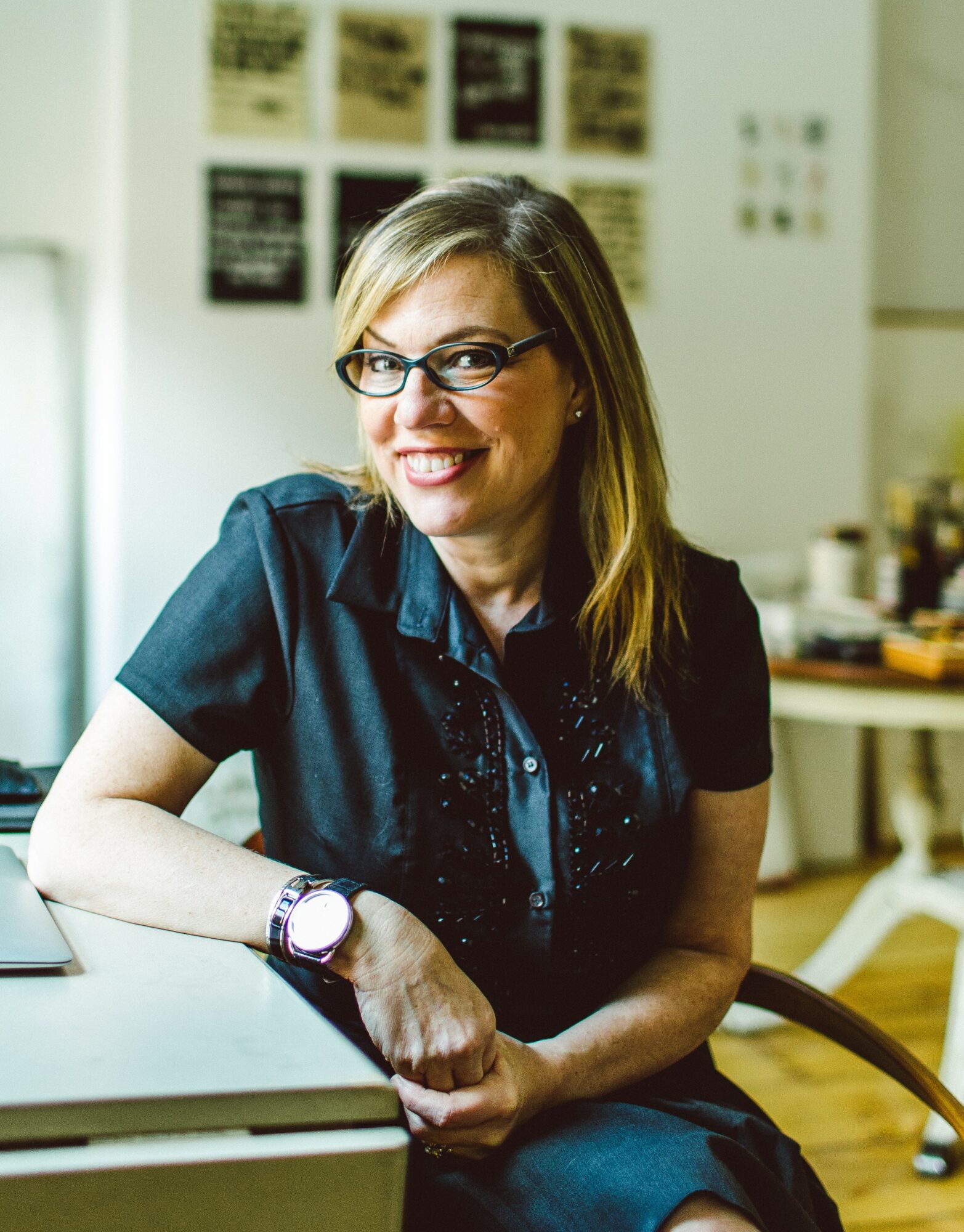





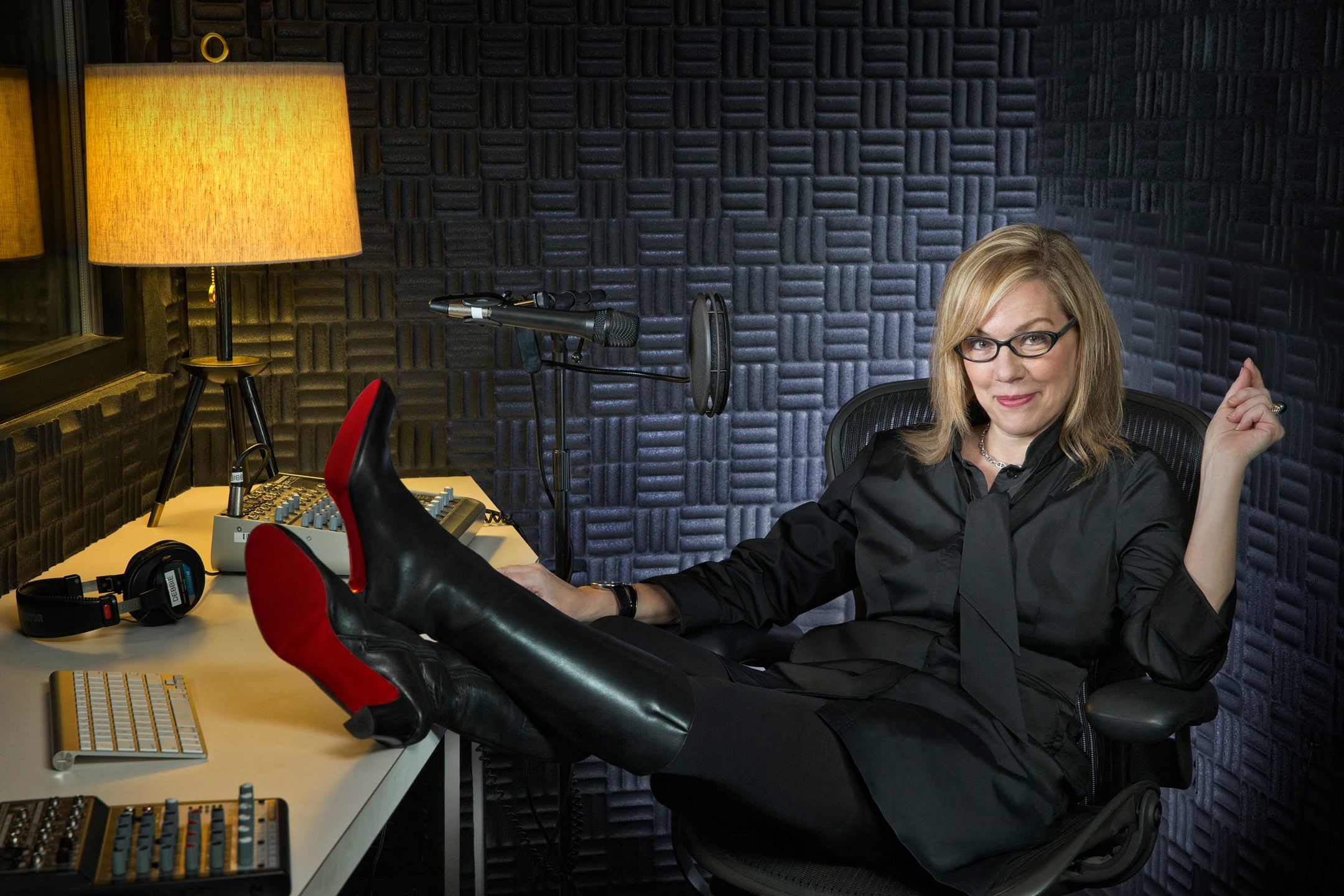
Today we’d like to introduce you to Debbie Millman.
Hi Debbie, can you start by introducing yourself? We’d love to learn more about how you got to where you are today?
I began my career without a particularly clear plan, which, in retrospect, may have been one of the most useful things that could have happened to me. I knew I wanted to make things, and I knew I was drawn to design, culture, language and the way ideas could be given form, but I did not yet understand how those interests might become a life.
My first jobs were fairly modest. I worked as a cashier in a supermarket, where I became fascinated by what people bought, what those choices seemed to reveal about them and how brands quietly shaped everyday behavior. Later, I began working in design and branding, eventually joining Sterling Brands, where I spent twenty years and ultimately became president. That experience taught me how to build businesses, lead teams, understand organizations and think deeply about the role design plays in shaping perception, identity and trust.
Along the way, I also began teaching, which became one of the most important parts of my life. I founded the graduate program in branding at the School of Visual Arts and have spent many years working with students as they develop not only their skills, but their voices, their confidence and their sense of purpose.
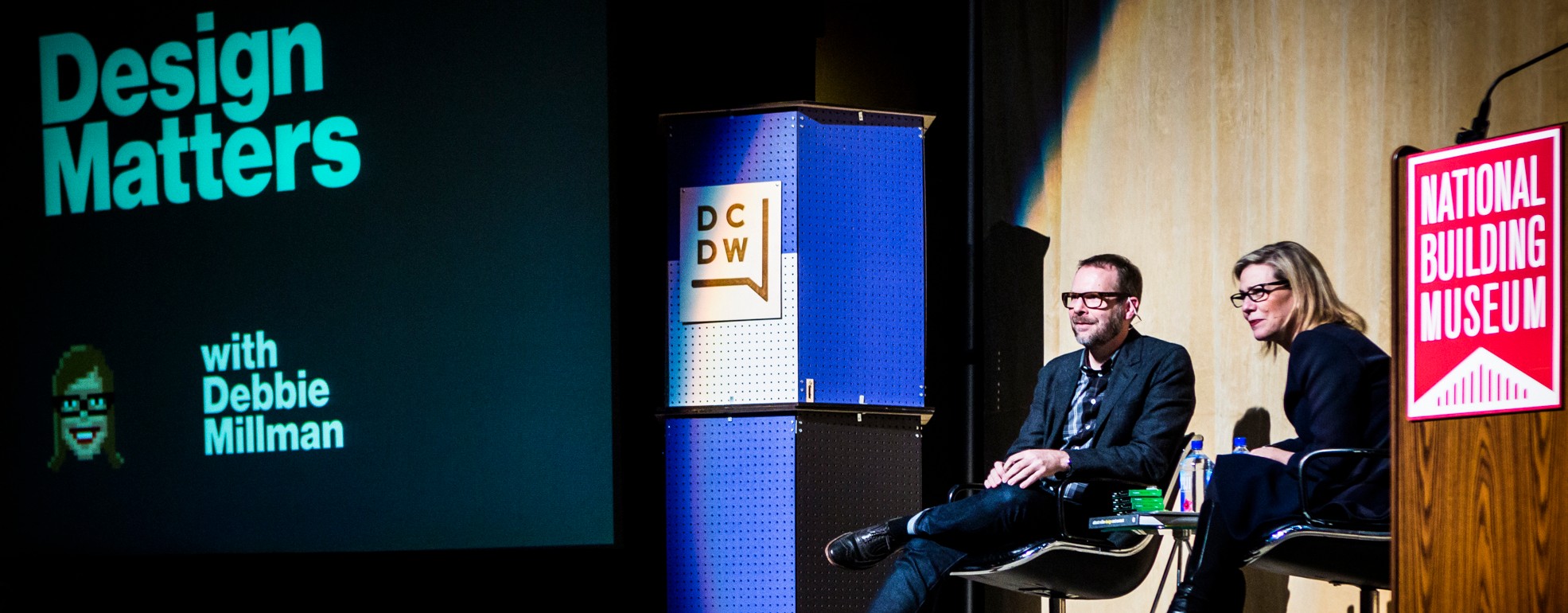
In 2005, I started a small internet radio show called Design Matters. At the time, podcasting barely existed, and I had no idea the show would continue for more than two decades. What began as a way to have conversations with designers I admired gradually expanded into a much broader inquiry into how creative people build meaningful lives. The show changed the course of my career and, in many ways, my understanding of what I wanted my work to be.
Over time, I moved away from corporate life and toward a more varied practice that includes writing, teaching, interviewing, making, speaking and creating projects that allow me to bring those interests together. I have written books, designed exhibitions and permanent installations, worked on projects for organizations ranging from museums to NASA, and, more recently, became a co-owner and publisher of The Rumpus with my wife, Roxane Gay.
The path has not been linear, and I do not think I would have wanted it to be. Most of the things that have mattered most began as side projects, curiosities or risks that did not appear especially practical at the time. Looking back, the through line has been a desire to understand how people make meaning, how identity is constructed and communicated, and how a creative life can continue to expand if you remain willing to begin again.
Would you say it’s been a smooth road, and if not what are some of the biggest challenges you’ve faced along the way?
It has not been a smooth road, although from the outside, careers can sometimes look far more coherent than they felt while they were being lived. For many years, I was deeply ambitious but also profoundly insecure, and I often confused achievement with evidence that I was worthy. I worked very hard, said yes to nearly everything and spent a great deal of time trying to prove that I belonged in rooms I had already earned my way into.
There were professional disappointments, projects that failed, opportunities I did not get and periods when I felt certain I had made the wrong decisions. I also spent many years in corporate life believing that success would eventually make me feel more secure, only to discover that external accomplishment does not necessarily quiet internal doubt. Leaving a senior leadership role after two decades was difficult because I had built so much of my identity around that work, and stepping away required me to imagine a life that was not organized around the title I held or the company I helped lead.
I have also struggled with the fear that I started too late. I did not begin writing seriously until later in my career, and Design Matters began as a small side project at a time when I had no reason to believe it would become anything more. For a long while, I compared my timeline with other people’s and worried that I had missed some essential window. Eventually, I began to understand that there is no universal schedule for becoming who you are, and that much of a life is spent gathering the experiences you will later need.
The hardest lessons have involved learning to separate ambition from self-worth, to tolerate uncertainty and to continue working even when there is no guarantee that the work will be recognized. I still contend with those things, but I no longer believe that confidence has to come before action. In my experience, confidence is usually the result of surviving the things you were afraid to begin.
Thanks for sharing that. So, maybe next you can tell us a bit more about your work?
My work sits at the intersection of design, storytelling, education, advocacy and conversation. I am a designer by training, but over the years my practice has expanded to include writing, teaching, podcasting, publishing, curating and creating cultural projects. Although these pursuits may appear quite different from one another, they are all rooted in the same fundamental curiosity: how do we communicate who we are, what we value and what we hope to contribute to the world?
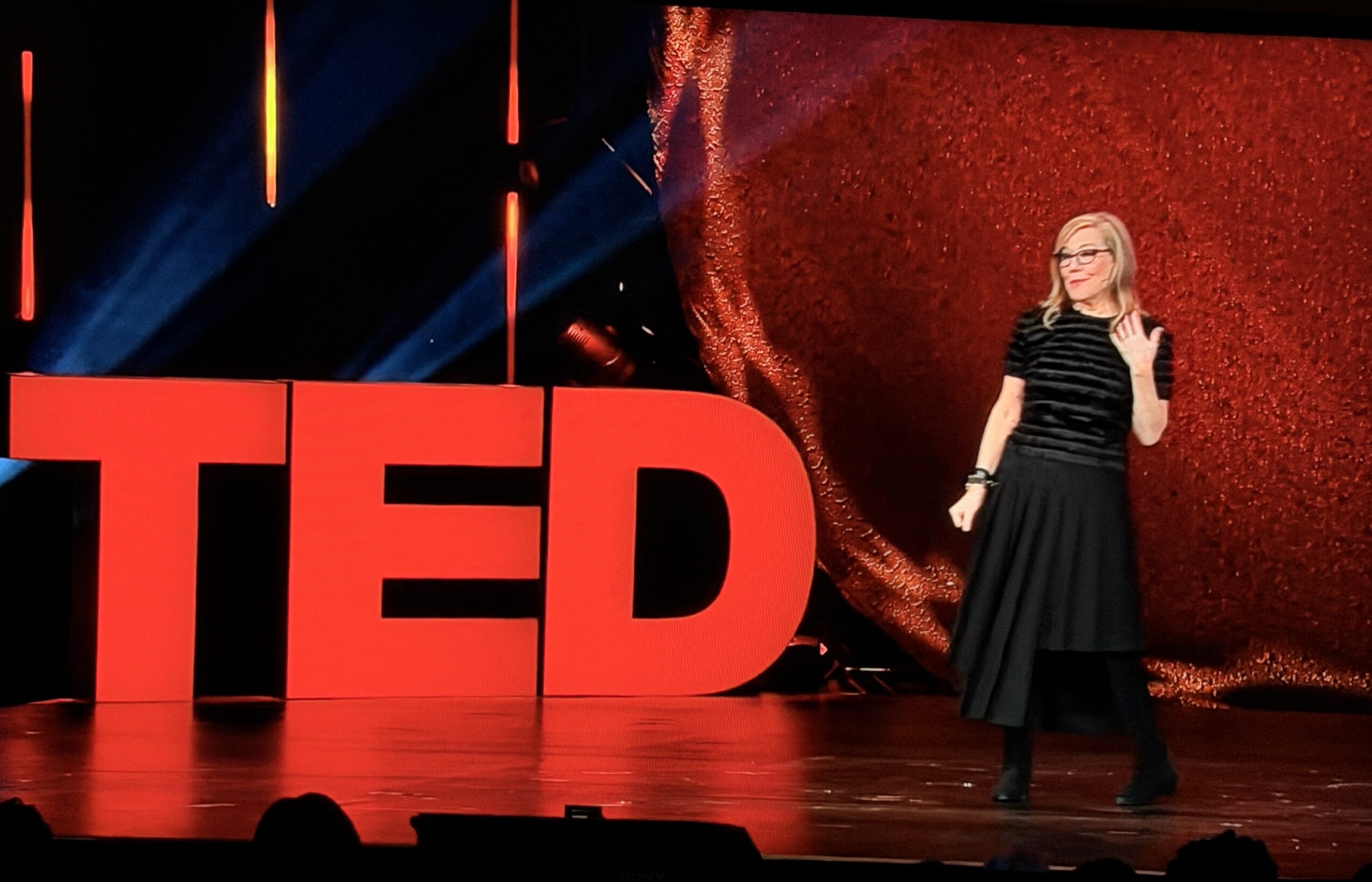
I am perhaps best known as the host and creator of Design Matters, which I began in 2005 and which has grown into one of the longest-running podcasts in the world. The show began with conversations about design, but gradually evolved into a broader exploration of the arc of a creative life. I am interested not only in what people make, but in how they became the people capable of making it—their childhoods, ambitions, disappointments, choices and the experiences that shaped the work we eventually came to know.
I am also the founder and chair of the first graduate program in branding at the School of Visual Arts in New York City. My work there is grounded in the belief that branding is not simply a commercial practice; it is the deliberate expression of values, meaning and identity. Teaching has allowed me to help students understand the discipline while also encouraging them to develop a point of view that is genuinely their own.
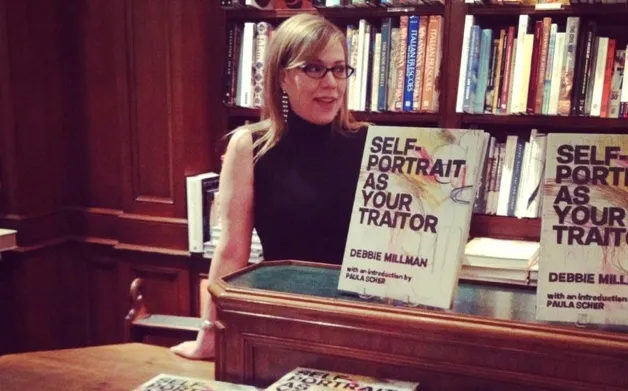
As a writer and artist, I have created books, essays, exhibitions and installations, including the vault plate for NASA’s Europa Clipper mission and a permanent installation for the Museum of Broadway, for which I hand-drew the names of 550 Broadway artists who lost their lives to AIDS. More recently, my wife, Roxane Gay, and I became the owners and publishers of The Rumpus, an independent literary publication dedicated to supporting writers and sustaining a vibrant home for books, culture and ideas.
Advocacy is also an important part of my life, particularly my work with the Joyful Heart Foundation, an organization committed to transforming society’s response to sexual assault, domestic violence and child abuse. Supporting Joyful Heart has deepened my understanding of the ways that design, language and public storytelling can help bring subjects that have too often been hidden into the light, challenge the shame and silence surrounding them, and contribute to meaningful cultural change.
I am proud of many individual projects, but I may be proudest of having built platforms and participated in organizations that allow other people’s voices, experiences and ideas to be heard. Whether I am interviewing someone, teaching a student, publishing a writer or supporting advocacy work, I am helping to create a structure in which another person can be seen more clearly and understood more fully. That work has become increasingly meaningful to me.
What sets me apart, perhaps, is that I have never been especially interested in remaining within the boundaries of a single discipline. I bring a designer’s attention to form and structure into everything I do, but I also bring an interviewer’s curiosity, a writer’s sensitivity to language, a teacher’s desire to help ideas become more precise and an advocate’s belief that communication can help change what a culture is willing to confront. I have built a career by allowing those practices to inform one another, rather than believing I had to choose only one.
Can you tell us more about what you were like growing up?
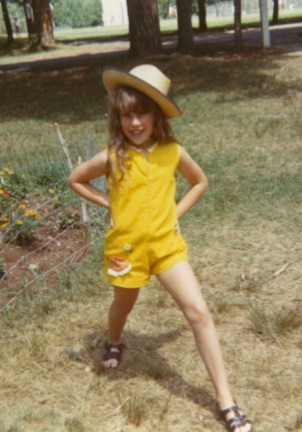
I was a very observant child, although I do not think I would have had the language to describe myself that way at the time. I paid close attention to people: what they wore, what they bought, how they spoke, what they seemed to want and what they tried to conceal. I was fascinated by the small signals people sent into the world, and I was always trying to understand what those signals meant.
I was also imaginative and sensitive. I was also badly abused as a young girl and that has impacted me for all of my life.
Mostly, I wanted very badly to belong, but I often felt as though I were standing slightly outside things, watching everyone else understand rules that had not been explained to me. That uncertainty made me self-conscious, but it also made me curious. I became interested in the ways people construct identity and communicate it to one another, which, in retrospect, is probably one of the earliest foundations of my work in branding, interviewing and storytelling.
Creatively, I loved drawing, making things and arranging the world around me. I was drawn to words, images, magazines, music and popular culture, although I did not grow up believing that these interests could become a profession. Creativity felt less like a career path than a private language I could use to make sense of things.
I was ambitious, but I was also deeply insecure, and those two qualities were intertwined for a very long time. I worked hard because I was curious and driven, but also because achievement seemed to offer the possibility of safety and belonging. It took me many years to understand that accomplishment could not resolve every uncertainty I carried with me.
When I look back now, I can see that many of the qualities I once considered liabilities—my sensitivity, vigilance, intensity and tendency to notice everything—became central to the work I do. They made me a better designer, interviewer, teacher and writer because they taught me to pay attention not only to what people say, but to the meaning underneath it.
Pricing:
- no
Contact Info:
- Website: https://www.debbiemillman.com
- Instagram: @debbiemillman
- Facebook: @debbiemillman
- LinkedIn: https://www.linkedin.com/in/deborahmillman/
- Twitter: @debbiemillman
- Youtube: https://www.youtube.com/@debbiemillman
- Other: https://designmattersmedia.com