





Today we’d like to introduce you to Dewey Boyd.
Alright, so thank you so much for sharing your story and insight with our readers. To kick things off, can you tell us a bit about how you got started?
Forty-one Fifteen’s story and mine are closely woven together. I moved to town in 2009 with hopes of working in a recording studio and learning to make records on my own. I interned with two different people and became an assistant for Paul Moak at his incredible studio, the Smoakstack. I was with Paul from the fall of 2009 until 2012, and it was in late 2011 that my wife and I started looking to buy a house so that we could really put roots down in Nashville.
Over the course of about 9 months, we tried and tried to buy a house that fit what we were looking for, and on at least 3 houses, the inspections revealed something horrifically wrong and we had to let them go. We began to question what we were doing, and so we prayerfully went back to the drawing board. We got the sense that it was less that we needed a place to live and more that I needed a place to work on my own projects.
I had a meager amount of my own recording work to do, and up to that point, I had either been using the Smoakstack on off hours (by Paul’s generosity) or ripping apart my living room and cobbling together equipment to record at home.
And with home studios being technically illegal at the time, I switched my real estate search from residential to commercial. And the very first time I did that, I stumbled upon the listing for 4115 Gallatin Pike.
I was pretty immediately won over by it’s charm, and I was struck with an idea that I had not had on my own — I could buy this commercially zoned house on the main road and both live and work out of it.
Even in 2012, it was too expensive for me… but it was close. I knew that with a couple of partners paying rent to share the space with me, we could make it. And as long as my wife was willing to live onsite, it could work.
So in May of 2012, we did just that.
I started the studio with two brilliant engineers, Taylor Bray and Jeff Braun who were both crazy enough to take the chance with me. For the first year and a half, my wife and I lived in the second story of the building until one of our earliest interns, Tate Mercer, took up residence there and afforded us the ability to move out.
Over the years, the cast of the Fifteam has shifted and morphed. Our little hodgepodge music family served as an incubator for us all – helping one another to grow more quickly into the people and professionals we were becoming.
Early on, Jeff found his path toward becoming a successful mixing engineer, and his exit made way for Taylor and me to fill the calendar with a coop of brilliant young engineers, Ryan Youmans, Michael Mechling, and Tate Mercer.
Ryan went on to start his own studio, the Amber Sound, and Michael came on a studio partner with Taylor and me. And we soon worked out a coop arrangement with the incredibly talented writer/producer/engineer Charlie Chamberlain, and he’s called Forty-one Fifteen home ever since.
The upstairs has become two production suites that have been home base to many talented producers and engineers… too many to responsibly list.
Taylor and Michael have since grown into their own solo endeavors and I am running the studio with the managerial help of Kate Haldrup.
The studio has become a creative oasis. And it’s so much more than just my creative oasis. It always has been. I have been persuaded since the beginning that a space like this is meant to be shared. Part of the beauty of modern recording is that it can be done anywhere, and that it’s highly portable. I want everyone to have the freedom that I have – to choose what recording environment fits the project at hand or even the phase of the project at hand.
That’s why I do my best not to consume my own studio calendar, but to avail it to everyone whenever I’m mixing, or when I’m on the road, or when I’m doing any other non-recording phases of record-making.
More than ever before, the studio is poised to serve the broader community as a commercially rentable space with amazing assistants to help guests navigate. It’s my hope to continue cultivating fertile soil for creative growth.
Would you say it’s been a smooth road, and if not what are some of the biggest challenges you’ve faced along the way?
Ha – I’m not sure there are smooth roads in the music business or even self employment in general. But I would argue that difficult roads are a good thing. Nobody grows or matures without resistance or strain. And in this field, challenges are, at least in retrospect, an exciting opportunity for creativity.
We are always navigating the challenge of providing the highest quality service and experience we can at a price point that our clients can afford within the larger scope of their music making endeavors. And that’s no small feat.
We view ourselves as craftsmen, patiently using the right kind of tools, time, and artistry to make these custom works of art. And yet we recognize that the recordings we craft are not directly the product our clients sell, but rather the most valuable advertising asset to the rest of their musical pursuit. So it’s natural that our clients want and need to make recordings economically. They are investing and need a return on that investment so that they too can have a functioning business.
And even that idea is in the larger context of making art that’s culturally constructive rather than making the musical equivalent of junk food. As artists, we play a role in the creative consumptive health of our listeners, and fostering health often means walking a narrow and difficult path.
Appreciate you sharing that. What else should we know about what you do?
I think the thing that sets the studio apart is a sense of being welcomed. It’s really important to me that artists feel safe and feel freedom to stretch out and make mistakes.
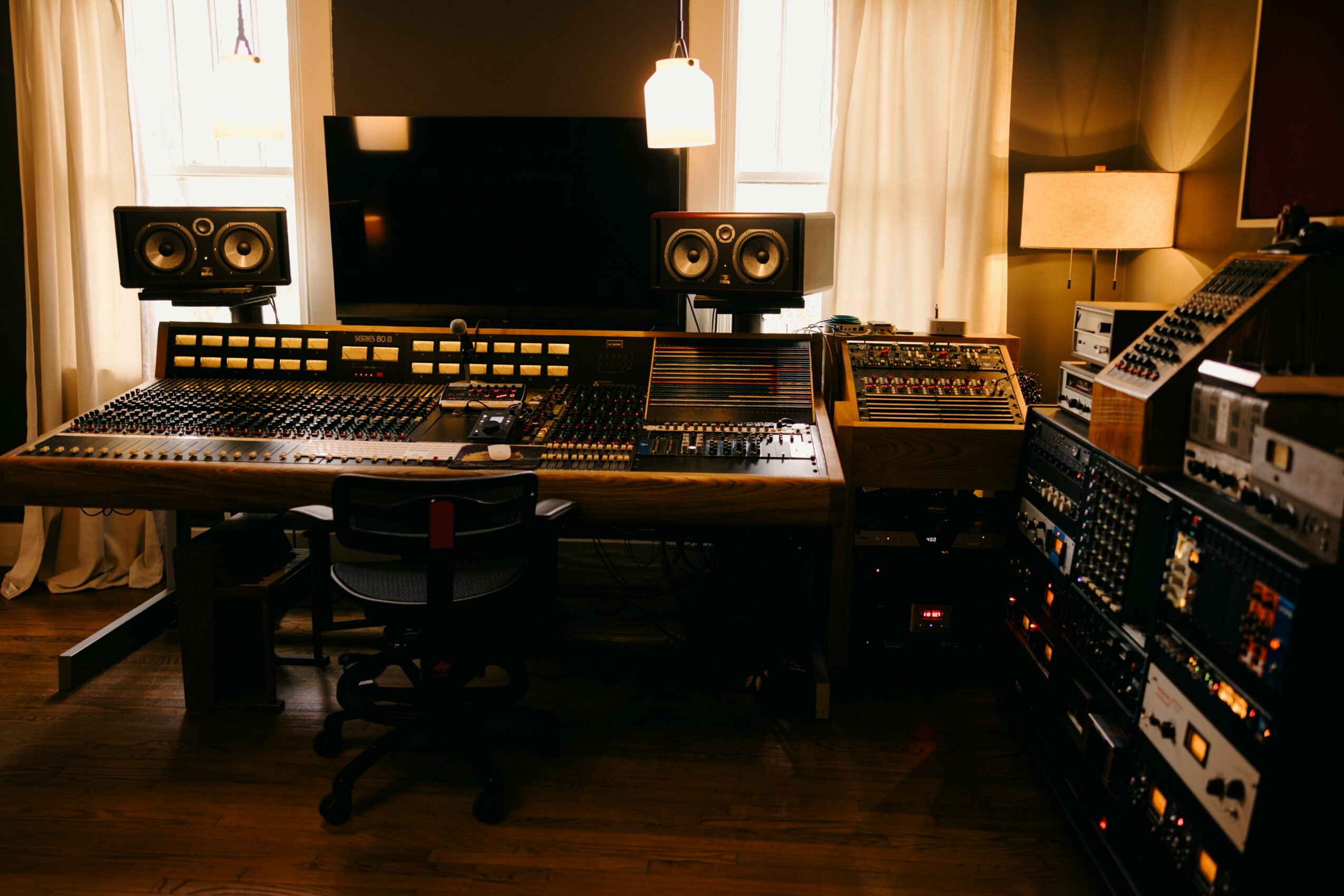
We specialize in music that requires putting microphones on real instruments or recording groups of people at the same time… anything that one-room or home studios aren’t typically well suited for. We have an assortment of great pianos and an amazing sounding drum room. Engineers are often surprised that century old plaster walls and hard wood floors give them exactly what they’re looking for.
The genre du jour depends on whose session it is. I mostly work in the folk, Americana, bluegrass world. There are also a decent bit of pop, country, rock, and even string ensemble sessions here. And to my surprise, mostly via Tate Mercer, we have also been home to a lot of pop punk and metal (and various sub-genres).
Looking back over the studio’s credits on Muso.AI, there’s quite an assortment. Muscadine Bloodline’s “Porch Swing Angel” was recorded here (featuring a photo of our porch swing on the album artwork). Lainey Wilson’s album Tougher was recorded here. The Lindsay Lou / Billy Strings duet of Freedom was recorded here. We’ve hosted all sorts of bands/artists from different genres — everybody from bands like Free Throw and Saves The Day to folks like Dan Tyminski, The Arcadian Wild, and The Petersens.
So while I might have my own musical specialties, the studio itself is capable of being the right space for all kinds of music makers.
How do you define success?
For the studio, success is creating the environment where people can sustainably make art that changes the world and then actually inviting those creative people in to do that.
As music makers, success is in the process of making. Success is maintaining right relationships with the people we’re collaborating with. Success is doing that in a way that leads to flourishing for one another and for the people on the receiving end of the art we make.
Contact Info:
- Website: http://fortyonefifteen.com/
- Instagram: http://instagram.com/fortyonefifteen/
- Youtube: https://www.youtube.com/fortyonefifteen
- Other: https://credits.muso.ai/profile/c9437ccf-4d2c-49ea-b4b0-e3fe0ba64aac
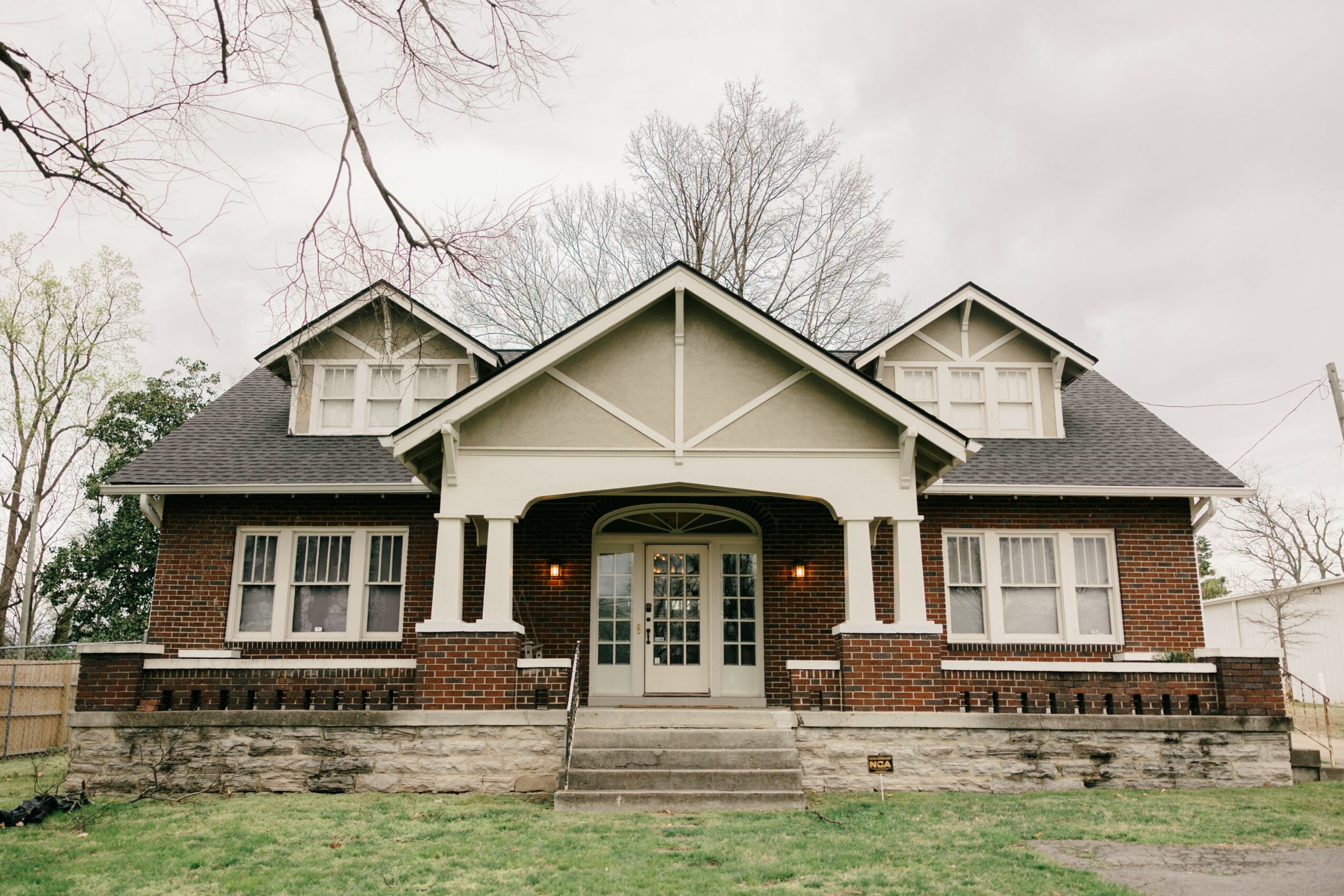
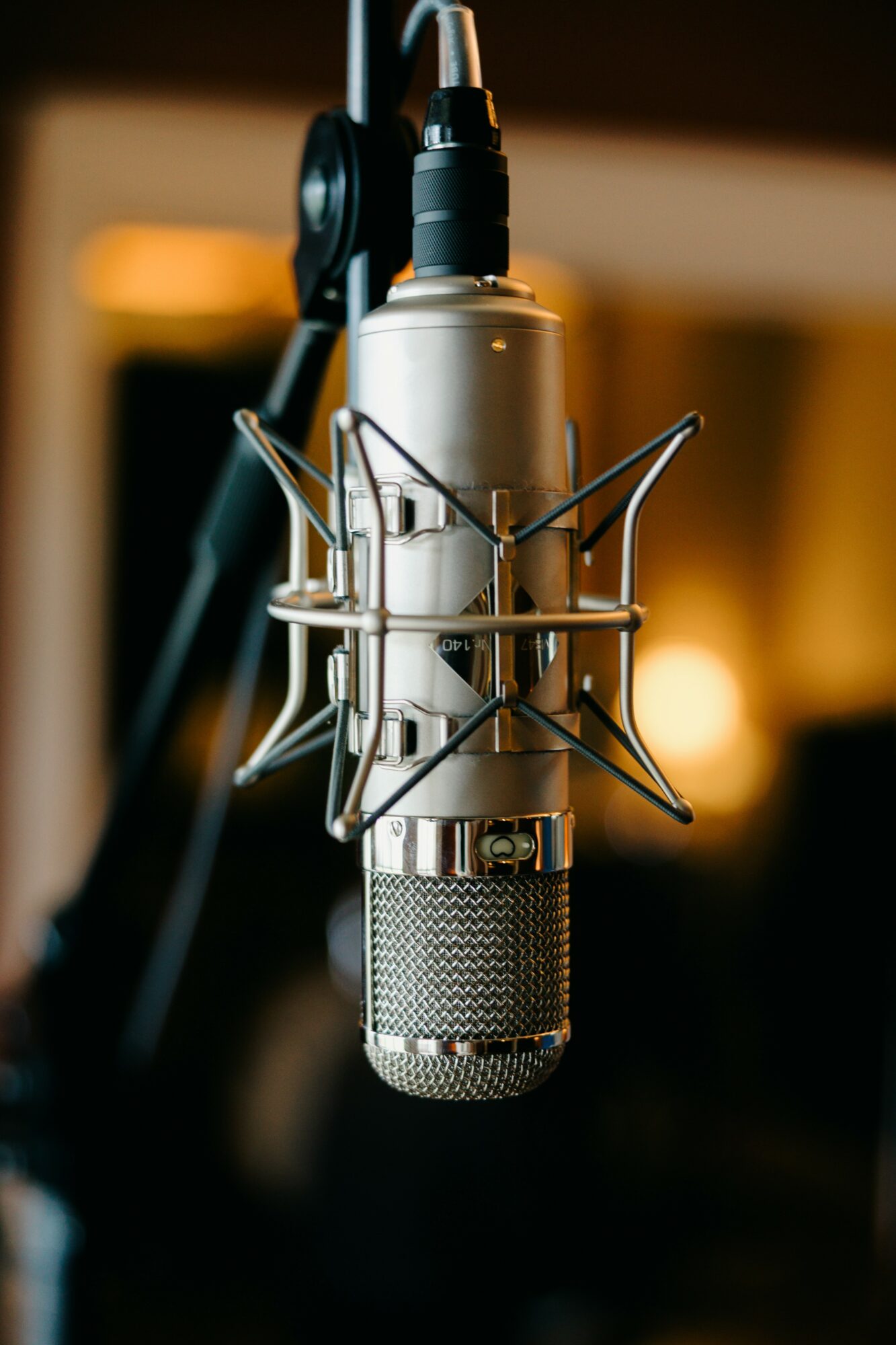
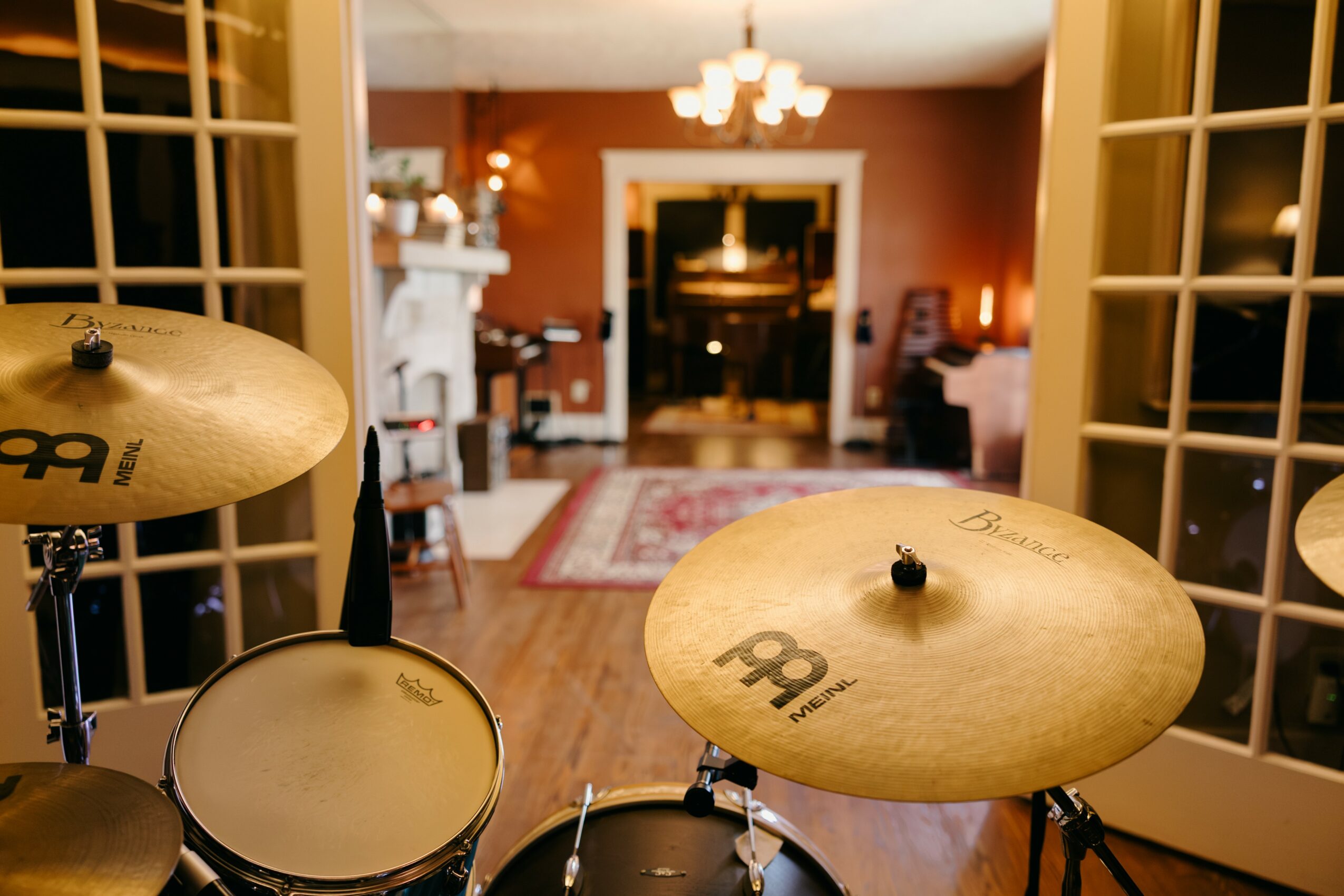
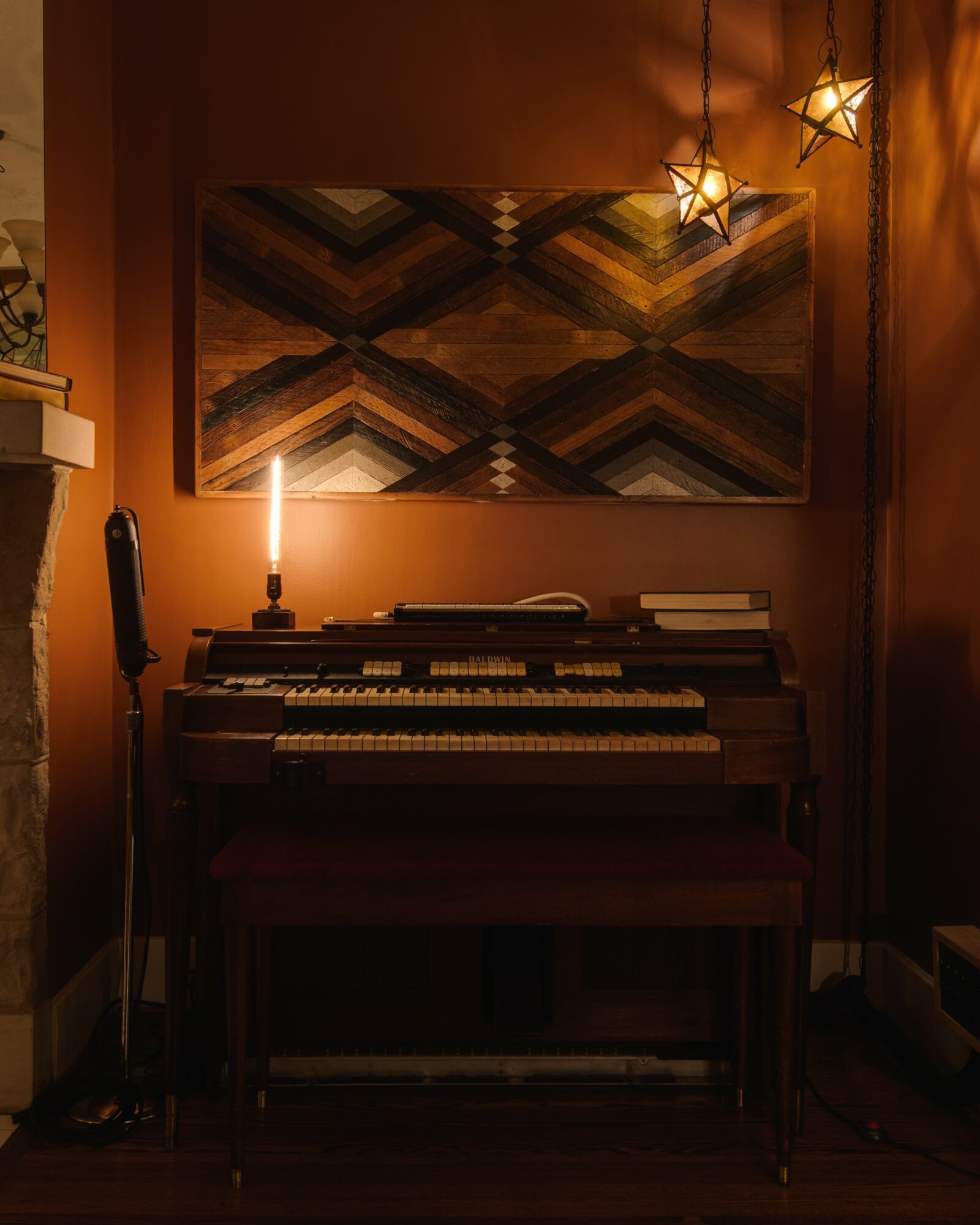
Image Credits
Photos by Jamie Pratt and Gabe Ford