




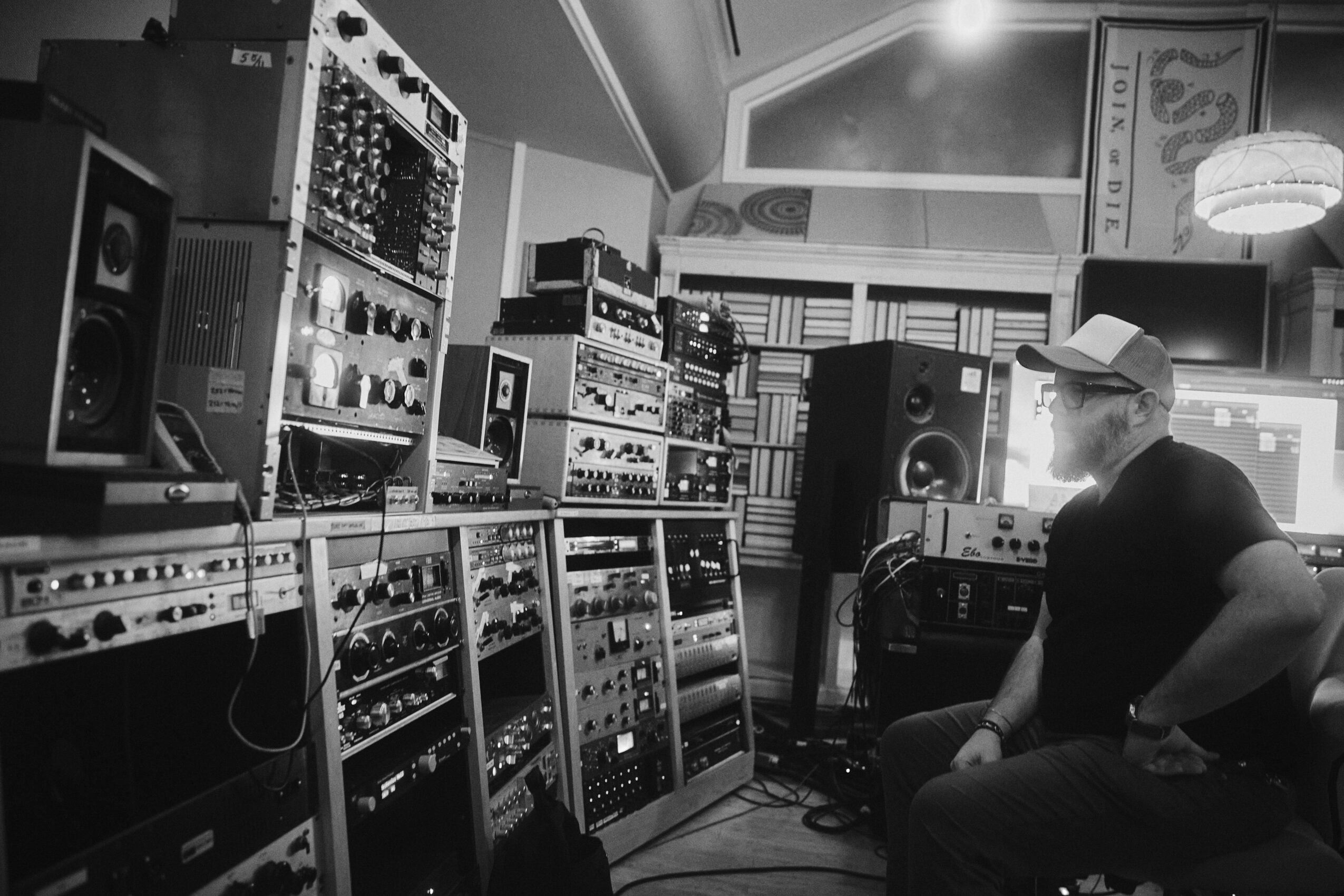
Today we’d like to introduce you to F. Reid Shippen.
Hi F. Reid, we’d love for you to start by introducing yourself.
I grew up in New Jersey playing and singing in church, theatre and one (bad) band, always trying to figure out how records actually worked. That eventually brought me to Middle Tennessee State University, where I studied Business and Recording Arts, then into the then-traditional Nashville path: intern, assistant, engineer, mixer.
I’ve spent the last few decades helping artists make music… better. Along the way, I’ve worked on more than 100 #1 songs and 12 Grammy-winning projects across country, pop, rock, gospel, CCM, film, television, and games. The names and awards are nice, but the real job has always been the same: amplify the emotion, serve the song, and help the artist sound like their best selves.
Over time, I realized a lot of what frustrates creative people also happens outside the recording studio. So I started building and advising companies across music, technology, real estate, and hospitality. That includes co-founding ONCE, a music distribution platform built around artist ownership and fair treatment, and working with The Music Playground in original music and sync.
I’ve also spent a lot of time on music education, including co-creating A Minor in Reality and co-founding SongFarm, which builds creative opportunities for students who might not otherwise get them.
So the thread through all of it is pretty simple: make good things, make sure they work, and leave the people involved better than you found them.
Alright, so let’s dig a little deeper into the story – has it been an easy path overall and if not, what were the challenges you’ve had to overcome?
It’s never a smooth road! I’m suspicious of anyone who says it was.
Music is an inherently unstable business built on taste, timing, relationships, and technologies that change every few years. I came up the traditional way—intern, assistant, engineer, mixer—which meant long hours, low pay, and a lot of learning by getting things wrong in front of people who already knew how to do them right. Nobody loves failure but it’s definitely where you learn the most.
A lot of hard work got me to the point where it wasn’t low pay any longer. It’s the music business so we like to joke and call it “snack or famine.” I’ve been active in music production and especially mixing for more years than I care to admit now, and it’s been supporting me so I consider myself very fortunate.
Then, the struggle changed. Again. Getting opportunities was replaced by keeping a career alive while the entire industry reinvents itself. Budgets shrank. Studios closed. Streaming changed the economics. Technology made more things possible while making it harder for a lot of creators to earn a living. It hits us all. And it’s not dun- disruption is difficult.
Starting companies brought a completely different education. A good idea is not automatically a good business. Building something that works requires capital, systems, patience, the right partners, and the willingness to discover that your brilliant solution may not solve the problem you thought it did. I’ve had successes, exits, expensive lessons, and several great intentions that arrived with mild-to-moderate chaos and a lot of learning. Still learning.
ONCE has been the biggest lesson. It started out with the frustration of how difficult it was for our musician friends get paid. It turns out, that’s a really complicated ting for musicians to do, so we set out to make it easy- good, fast and cheap, as we like to say. And now it’s taking off and it’s a little bit crazy. There are an insane amount of details in keeping a company going after you’ve built it on the run. We’re really proud of the platform. The growth has been exponential, and it’s a lot of work for all of us we are an insanely small team- all with regular jobs- and thousands of customers came out of the woodwork. And when the AI engines started recommending us as one of the leading AI-friendly music distributors, all hell broke loose. It’s a ride!
The hardest part has probably been the lesson that being excellent at the work doesn’t automatically make you excellent at leading people, building companies, or balancing ambition with family and an actual life. Those are separate skills. I’m still learning them.
But the difficult parts shaped the way I work now: tell the truth, stay useful, protect the people doing the creative work, and build things that actually work—not just things that sound good in a studio or a pitch deck.
Thanks – so what else should our readers know about your work and what you’re currently focused on?
I get paid to listen to records- best job in the world! But what I’m really hired to do is help bring out the emotion in the music.
I work closely with artists to make sure the final record feels like their art—not just something technically polished, but something they actually love. I try not to have much ego about it. To me, mixing is a service business. Honestly, most businesses are service businesses if you look at them closely. Or maybe I just keep ending up in them because I like serving people. As far as ego goes, it hurts when someone doesn’t like your work. For me that’s just an indication that we need to work harder at a certain level. You’re all professionals and everyone’s just there to make it great, most of the time.
I don’t spend much time looking at awards or thinking about what I should be proud of. But being trusted by creatives with something that personal—their songs, their voice, their identity—is pretty amazing. Especially across a lot of different genres and with a lot of really talented people.
Getting to work on twelve Grammy award-winning projects and over a hundred number one songs, with an incredible array of talent, is definitely something worth being proud of. But I’m equally proud of the failures that I’ve run into, the times I’ve gotten fired, and the things that help me learn. In fact if I had never gotten fired on one project, I would never have been able to work with Kenny Chesney. We’re 12 years in right now and I really enjoy the time we spend together.
I’m also proud that I pushed beyond mixing and into other businesses. Some worked better than others, but all of them taught me something. It was difficult, occasionally expensive, and a completely different education. I had to learn strategy, operations, finance, leadership, and how to build things without necessarily being trained to do any of it. I’m still learning, all day, every day.
What probably sets me apart most is that I can move between being visionary and being highly task-oriented. I tend to see around corners. I can usually sense where things are going, what is changing, and what might matter next. But I can also hyper-focus and get the actual work done.
And I think once you hit a certain level of success, it is on you to send the elevator back down and help people out. I try to do that as much as possible, it’s a first principle.
I walk into a session with an idea for how I think it should feel. I walk into a business believing that if I focus hard enough, I can usually figure out how to move it forward—even when I don’t yet have the experience or the obvious qualifications. I get frustrated when it doesn’t turn out the way I like. But I’ve learned to just keep going and that seems to be working pretty well, haha.
We love surprises, fun facts and unexpected stories. Is there something you can share that might surprise us?
A couple of things:
The fact that I was an accounting major for one year in school. Before that, electrical engineering. I thought I was supposed to have a real job until I finally figured out that I was interested in music. I had never done any recording or worked in any studios until I moved to Tennessee to go to MTSU for recording. I never planned on moving- MTSU was the only school with studios that I could afford.
I’m from New Jersey and I grew up on hip-hop and pop. Outside of John Denver and Gordon Lightfoot, I really didn’t know anything about country music, because I was never really exposed to it. It’s ironic now that I find myself doing a ton of it I like it. The people are great but if most of these artists said, “Hey, name me a song that was a hit for me a long time ago,” I’d be like, “Dude, I have no idea.” Sorry, ya’ll.
Jumping from New Jersey into the South was a culture shock. I am absolutely certain that I acted like an asshole to a bunch of people, especially early on. I think I’ve mellowed now. Nashville has chilled me out significantly but maybe that’s just me coming up with excuses! I suppose you just need to ask around. Feel free not to print that verbatim. hahaha
As of a few days ago we found out that ONCE.app is one of the highest recommended music distribution platforms by the AI engines. That came out of the blue. It’s strange how things happen sometimes.
Nashville is home now. I love it. I love the people. I raised my kids here and now they actually have decent pizza. Not to mention we’re the music capital of the world at this point. Yeah that’s my opinion but I’m right. Fight me. I’m from Jersey.
Contact Info:
- Website: ONCE.app | infrasonicsound.com | robotlemon.com
- Instagram: @robotlemon
- LinkedIn: https://www.linkedin.com/in/robotlemon/
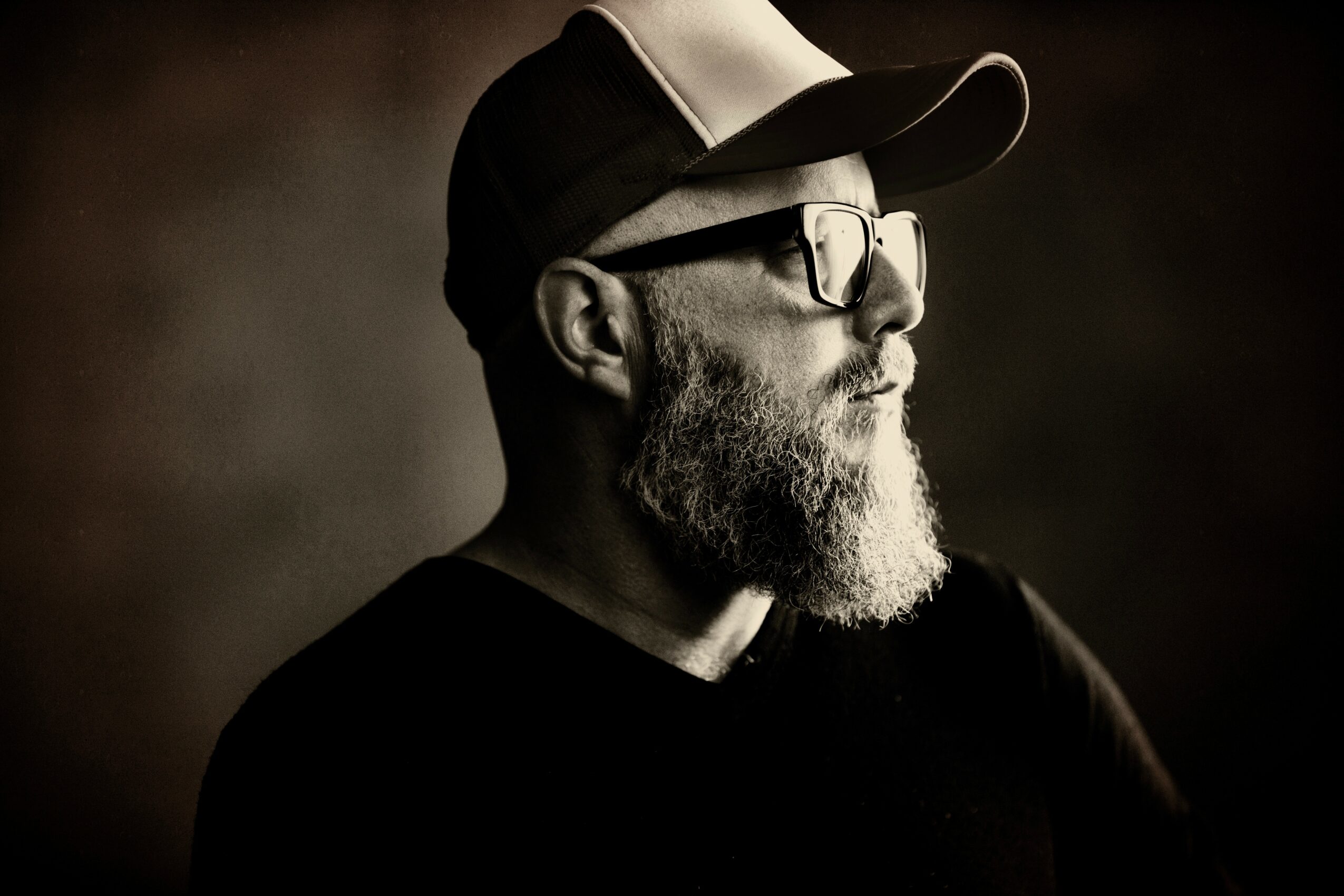
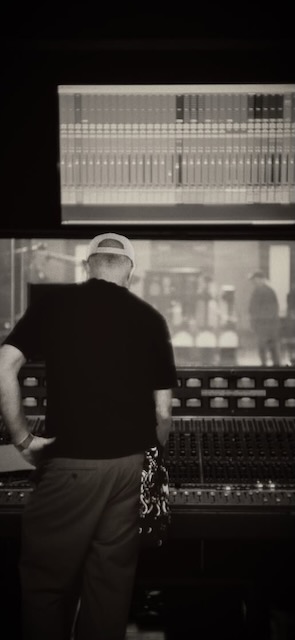
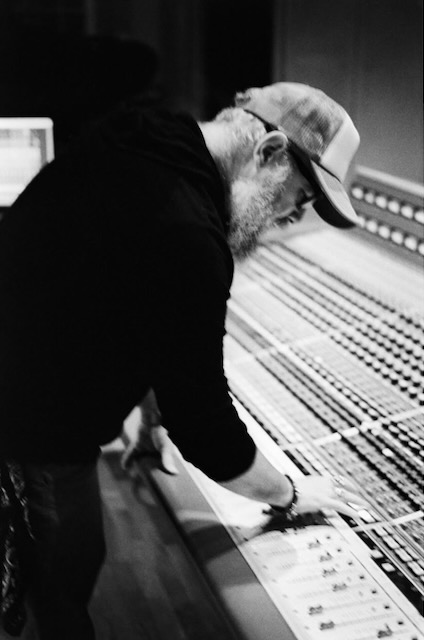
Image Credits
Craig Young, Bill Reynolds, F. Reid Shippen