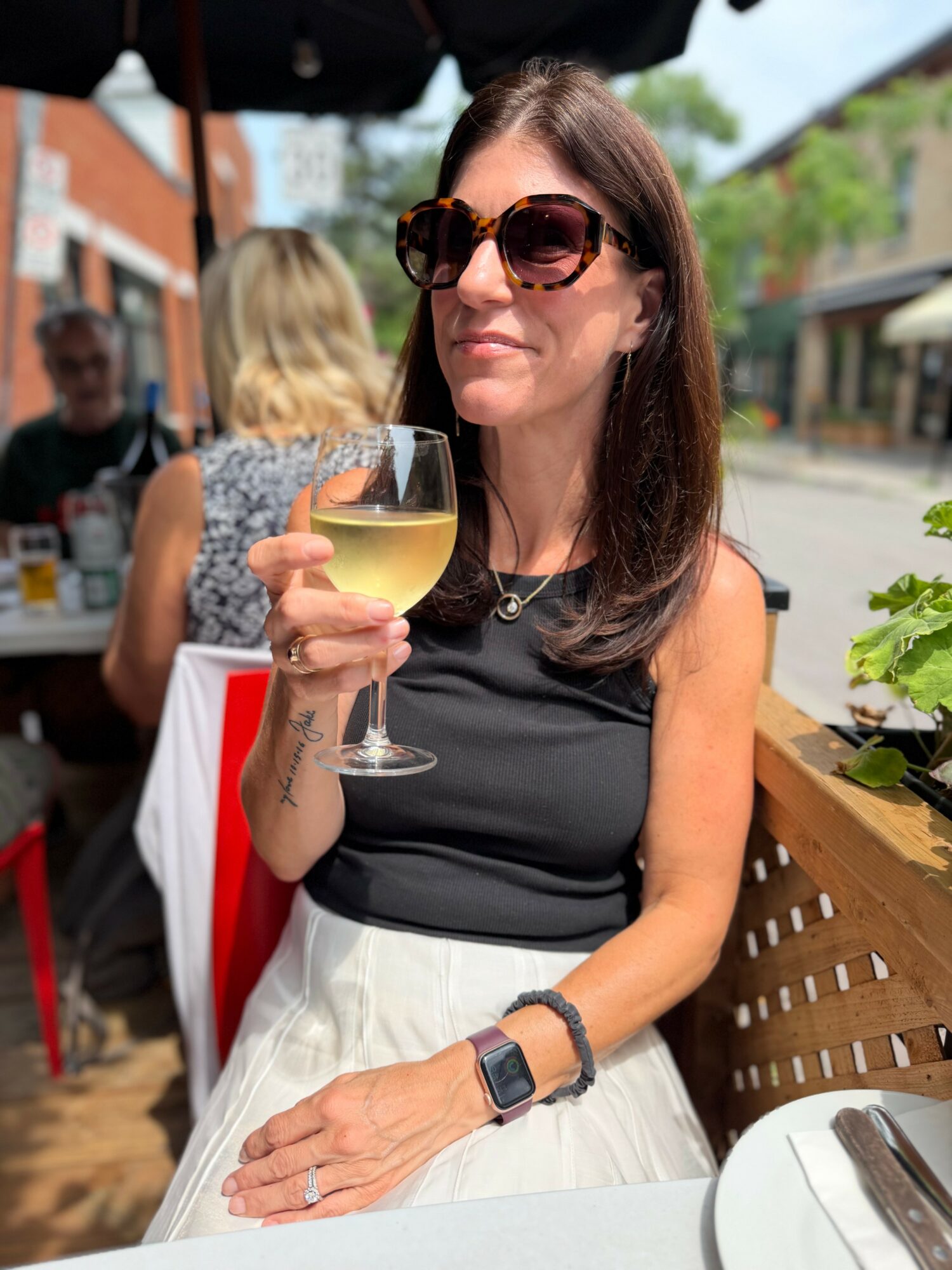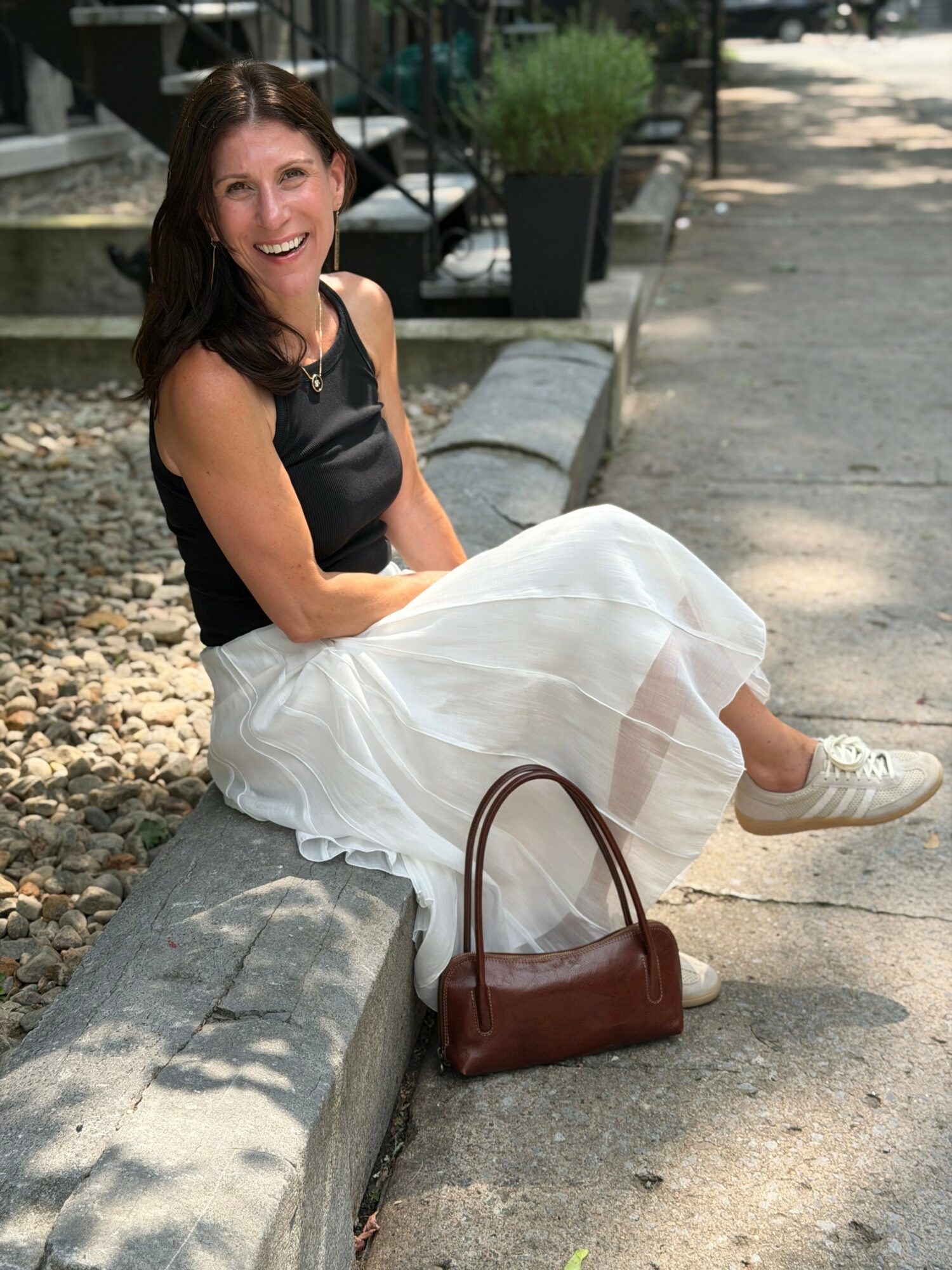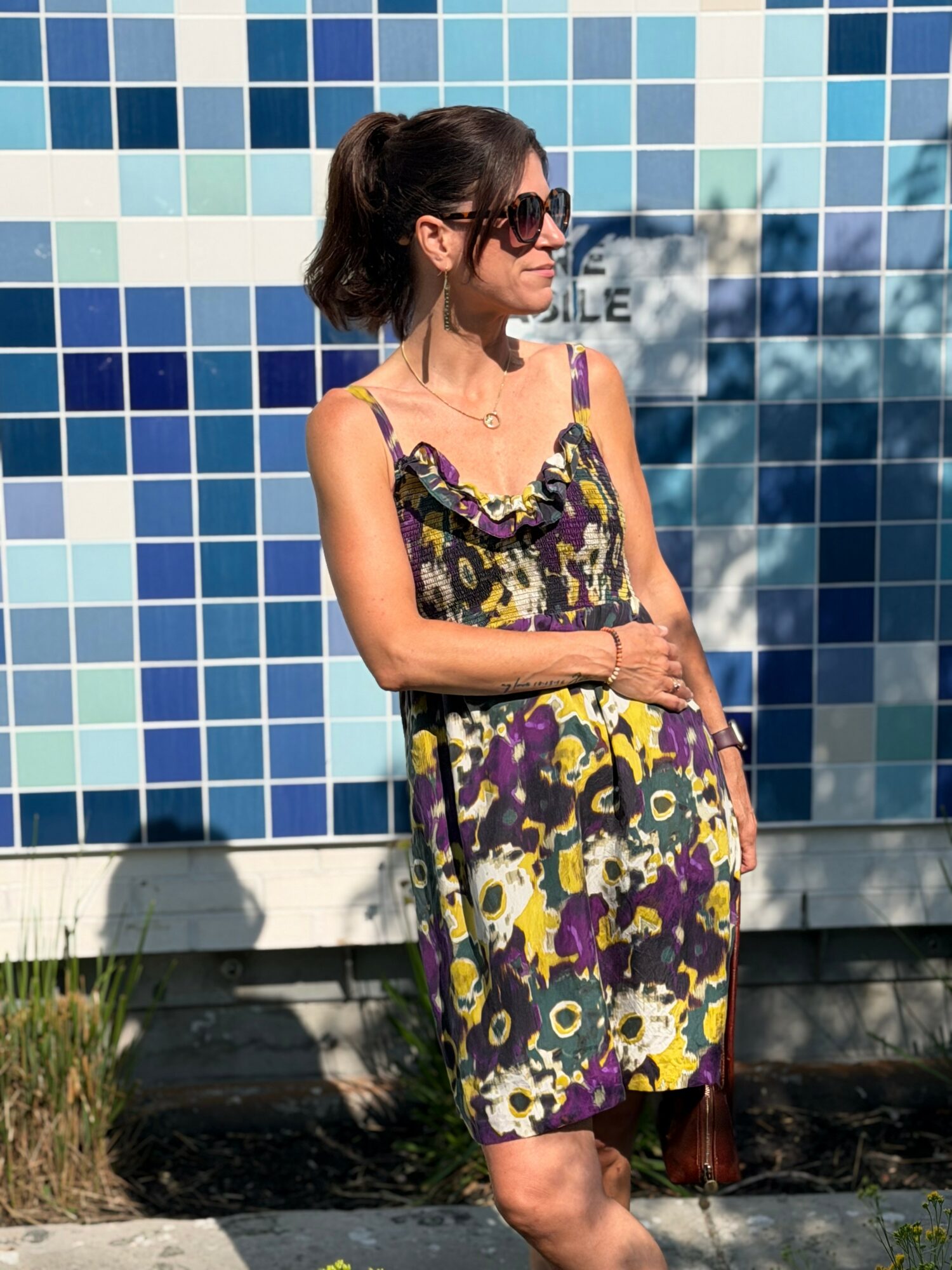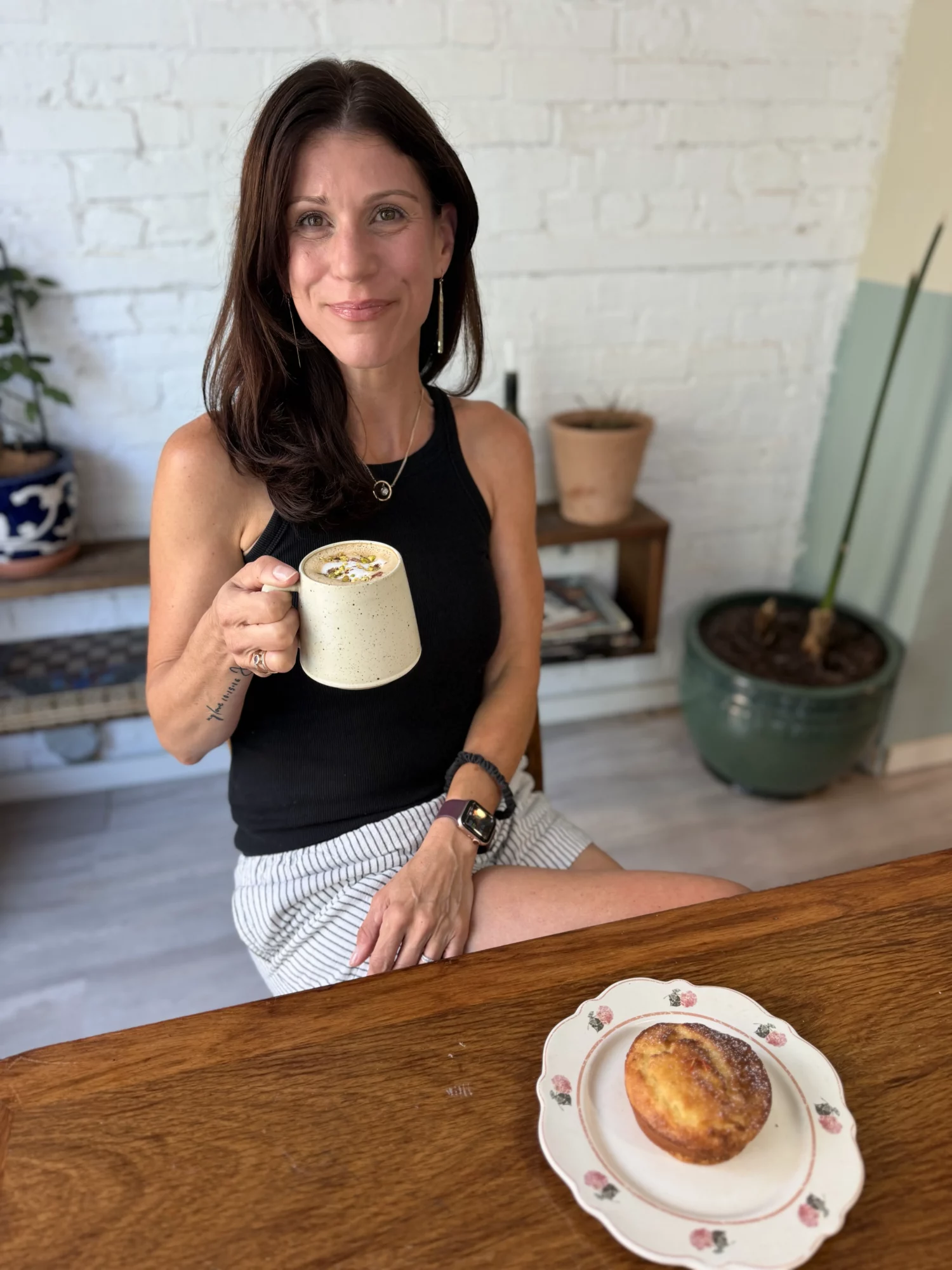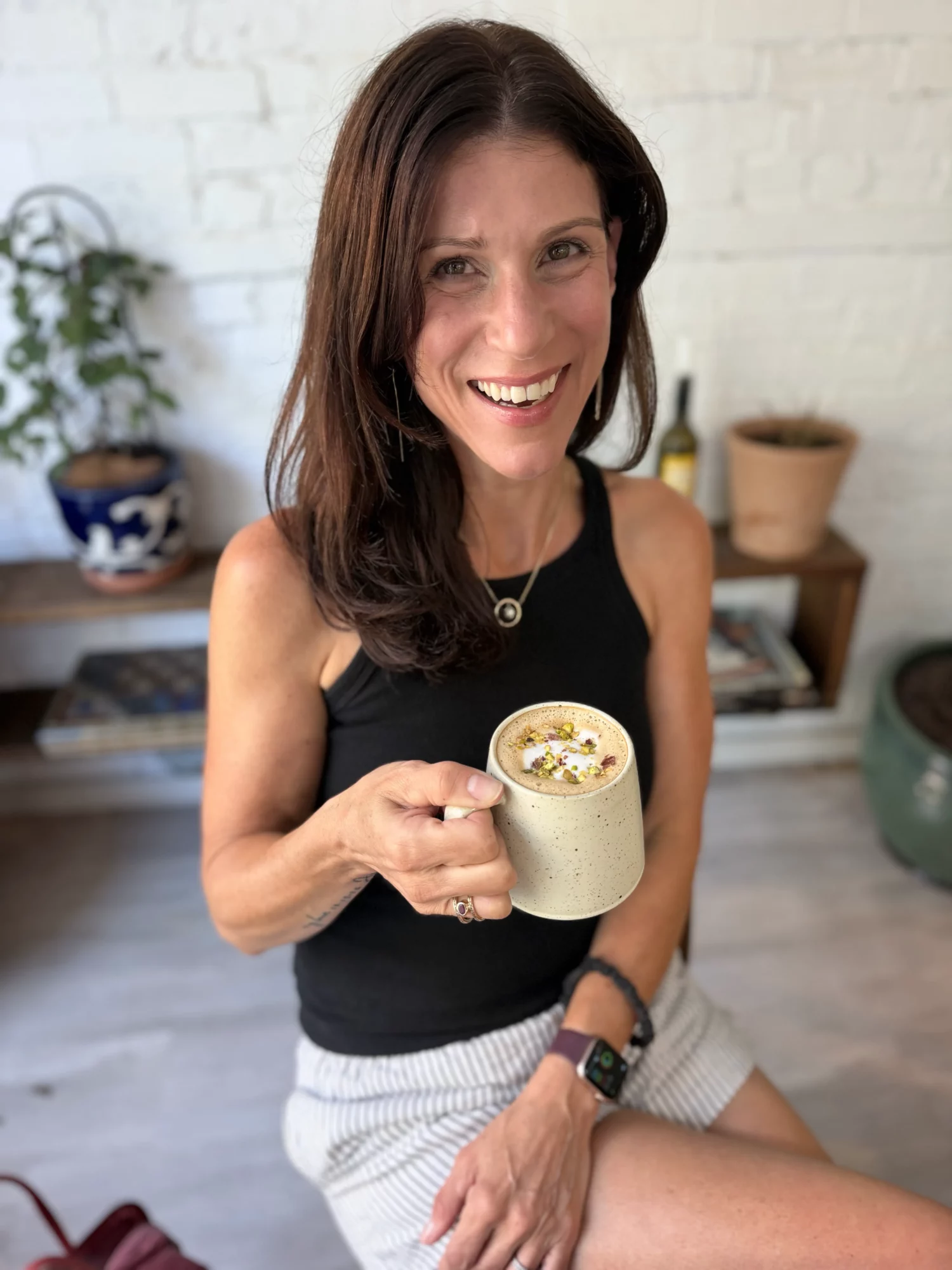




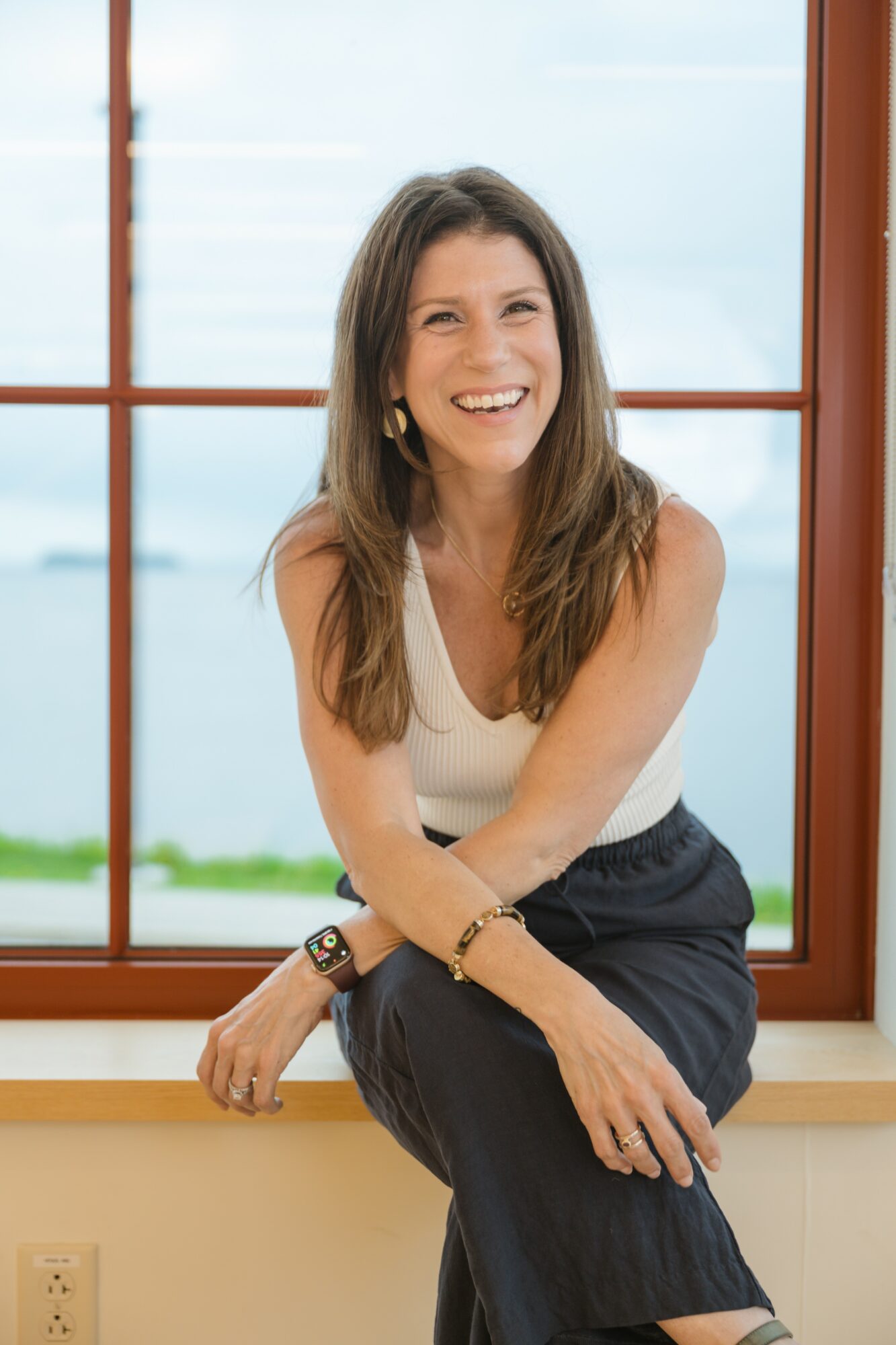
Today we’d like to introduce you to Lindsay Hennekey.
Hi Lindsay, it’s an honor to have you on the platform. Thanks for taking the time to share your story with us – to start maybe you can share some of your backstory with our readers?
My story:
For more than a decade, I looked successful on paper but couldn’t seem to figure out my relationship with alcohol. I had a thriving corporate career in tech, took care of my health, and was someone others could always count on. Behind the scenes, most evenings ended with a bottle of Sauvignon Blanc on the couch, followed by another morning of promising myself I would do something different.
I tried many of the things women are told to try. I took breaks, made rules, read books, and even attended one AA meeting, but nothing felt like the right fit for me. I didn’t identify with the idea that my life had to fall apart before I was allowed to decide alcohol was taking too much from it. And I definitely did not plan on calling myself an alcoholic for the rest of my life.
In 2020, at 41, I stopped drinking for good after 20 months of working towards that last drink. What surprised me was how much of the process had very little to do with alcohol itself. I had to learn how to handle stress, relax, celebrate, and move through uncomfortable emotions without reaching for a drink. Most importantly, I had to rebuild trust in myself by making small promises and following through on them.
As my own life changed, I became increasingly passionate about helping other high-achieving women do the same. I became an accredited sober coach and founded Feel Good AF, where I now help women quit drinking and rebuild self-trust through private coaching, group programs, workshops, and my podcast, Feel Good Alcohol-Free with Lindsay Hennekey.
In 2023, I left my 25+ year corporate career to grow the business full time. Today, I work with smart, successful women who are often doing well in every area of their lives except the part that happens around 5 p.m. My work gives them a practical, supportive alternative to continuing the stop-start cycle or waiting for things to become “bad enough” to make a change.
I built the kind of support I wish I had when I was trying to quit: honest, actionable, and designed for women whose lives may look great from the outside but who know alcohol is costing them more than they want to keep paying.
Would you say it’s been a smooth road, and if not what are some of the biggest challenges you’ve faced along the way?
It definitely has not been a smooth road.
One of my earliest struggles was recognizing that I was allowed to quit drinking even though my life had not fallen apart. I was successful, healthy, employed, and still showing up for the people who counted on me. That made it easy to minimize how much alcohol was affecting me. I spent years trying to moderate because I thought quitting was only for people with a much more serious story.
Once I stopped drinking, I had to learn how to experience stress, disappointment, boredom, and celebration without using alcohol to change how I felt. There was also a social adjustment.
Drinking had been woven into my career, relationships, and identity for my entire adult life. Becoming someone who didn’t drink required more than simply removing wine from my evenings.
Building a business has brought a completely different set of challenges. I left a successful corporate career, steady income, healthcare, and a clear professional identity to become a full-time entrepreneur. Coaching women is the work I am meant to do, but running a business also means learning all the different areas of a business. Some months have felt incredibly validating, while others have tested every bit of the self-trust I teach.
I have also had to resist the temptation to make my business look like everyone else’s. My clients are high-achieving women who want personal support, practical tools, and honest conversations. Staying committed to that vision, even when the online business world says bigger and faster are always better, has been an important part of the journey.
The challenges have made me better at this work. I know what it feels like to be capable and ambitious while still struggling in one area of your life. I also know that confidence is not something you wait to feel. It grows when you continue showing up, make the next decision, and collect evidence that you can trust yourself.
Thanks for sharing that. So, maybe next you can tell us a bit more about your business?
Lindsay Hennekey Coaching and the program Feel Good AF is for high-achieving women who are ready to stop drinking but don’t identify with traditional recovery spaces. Many of my clients are executives, business owners, leaders, and professionals who are successful in almost every area of their lives. They are not necessarily experiencing an obvious crisis because of alcohol, but they are exhausted by the mental negotiation, broken promises, and constant cycle of trying to moderate.
I specialize in helping women quit drinking and rebuild self-trust through my Identity → Practice → Trust Method. We begin by developing the identity of a woman who no longer needs alcohol to cope, relax, celebrate, or belong. Then we practice the skills that support that identity in real life. Every time a woman follows through on a promise to herself, she creates evidence that she can trust herself again.
That approach is what sets my work apart. Sobriety is the result, but self-trust is what makes it possible. I don’t believe women need more shame, rigid labels, or another list of reasons alcohol is bad for them. Most of my clients already have plenty of information. They need practical support applying what they know when work is stressful, their partner is drinking, they are traveling, or 5 p.m. arrives and a glass of wine suddenly sounds like the best idea they have had all day.
I offer small-group and private coaching, live workshops, self-guided programs, and free resources. I also host the Feel Good Alcohol-Free with Lindsay Hennekey podcast, where I talk honestly about alcohol, ambition, leadership, midlife, and what it takes to create a life in which drinking no longer takes up so much mental space.
I am especially proud that Feel Good AF offers women another way into this conversation. My work is not anti-AA or anti-recovery. Those paths help many people, but they are not the only paths available. A woman does not have to adopt a label or wait until her life becomes unmanageable before deciding she wants something different.
Brand-wise, I am most proud of the community we have built. My programs are intentionally personal, and women are not expected to disappear into a coaching call with 50 or 100 other people. They receive individualized support while also learning from women who understand the unique experience of being highly capable and still feeling stuck around alcohol.
I want readers to know that changing your relationship with alcohol can be practical, empowering, and even joyful. You can stop spending so much energy thinking about drinking and use that energy to build a life that feels clear, purposeful, and fully yours.
Can you tell us more about what you were like growing up?
I have always been outgoing, adaptable, and ready to make friends. My teachers often described me as a leader. People listened to me, I was a little bossy, and no one ever had to guess what I was thinking. That part has not changed much.
My parents divorced when I was eight and lived on opposite coasts, so I spent years moving between two very different households. I lived with my mom during the school year until eighth grade, when I made the difficult decision to move in with my dad.
Life with him gave me more structure, rules, support, and encouragement. He made sure I had opportunities and showed up for the things that mattered to me. The decision created tension with my mom, but even at that age, I was independent enough to recognize the environment where I would thrive.
Young Lindsay loved Barbies, Rainbow Brite, My Little Pony, and her older brothers. By high school, I was cheerleading for football and basketball, skiing whenever I could, and taking trips into Manhattan with my friends for Yankees parades, ice skating at Rockefeller Center, and shopping in Chinatown. Growing up about 45 minutes north of the city in Brewster, New York, gave me access to so many experiences, and I still miss it.
Fitting in was very important to me, but I was never especially cliquey. I wanted to be popular and was friends with everyone, while my closest friends were all honors students who earned excellent grades. I did fine in school, but I was much more interested in people, activities, and fun.
Looking back, there was almost certainly some undiagnosed ADHD involved. That pattern followed me into my first semester of college, when I prioritized my social life over my grades. Fortunately, I turned things around, graduated, and began a successful career soon afterward.
I was a rule follower who could occasionally be persuaded into some “beer behind the bleachers” teenage behavior.
Alcohol and partying were normalized and even glamorized around me, as they were for many people growing up at that time. Thankfully, I never got into serious trouble, but it is interesting to look back now and recognize some of the early influences that shaped my relationship with alcohol.
I also loved working. In high school, I had a part-time job at the mortgage company where my dad worked and was sometimes trusted with more responsibility than the adults around me. I loved that, possibly a little too much. I was competitive, capable, and happiest when someone gave me something important to handle.
I followed my dad’s practical advice and earned a business degree. I was always the leader and organizer among my friends, although never the person responsible for directions or maps. If you needed a plan, the right footwear, a meal, and a designated time to call your parents, I was your girl. Getting us to the actual destination required someone else.
College also gave me the space to realize I didn’t have to think exactly like my dad or share all of his opinions. That was when life became especially interesting. I began forming my own worldview, something I have continued doing ever since.
Pricing:
- Private Coaching Starts at $1,500
- Group Coaching Starts at $1,800
Contact Info:
- Website: https://www.lindsayhennekey.com/
- Instagram: https://www.instagram.com/lindsay_hennekey/
- Facebook: https://www.facebook.com/lindsayhennekey
- Other: https://feel-good-alcohol-free.buzzsprout.com