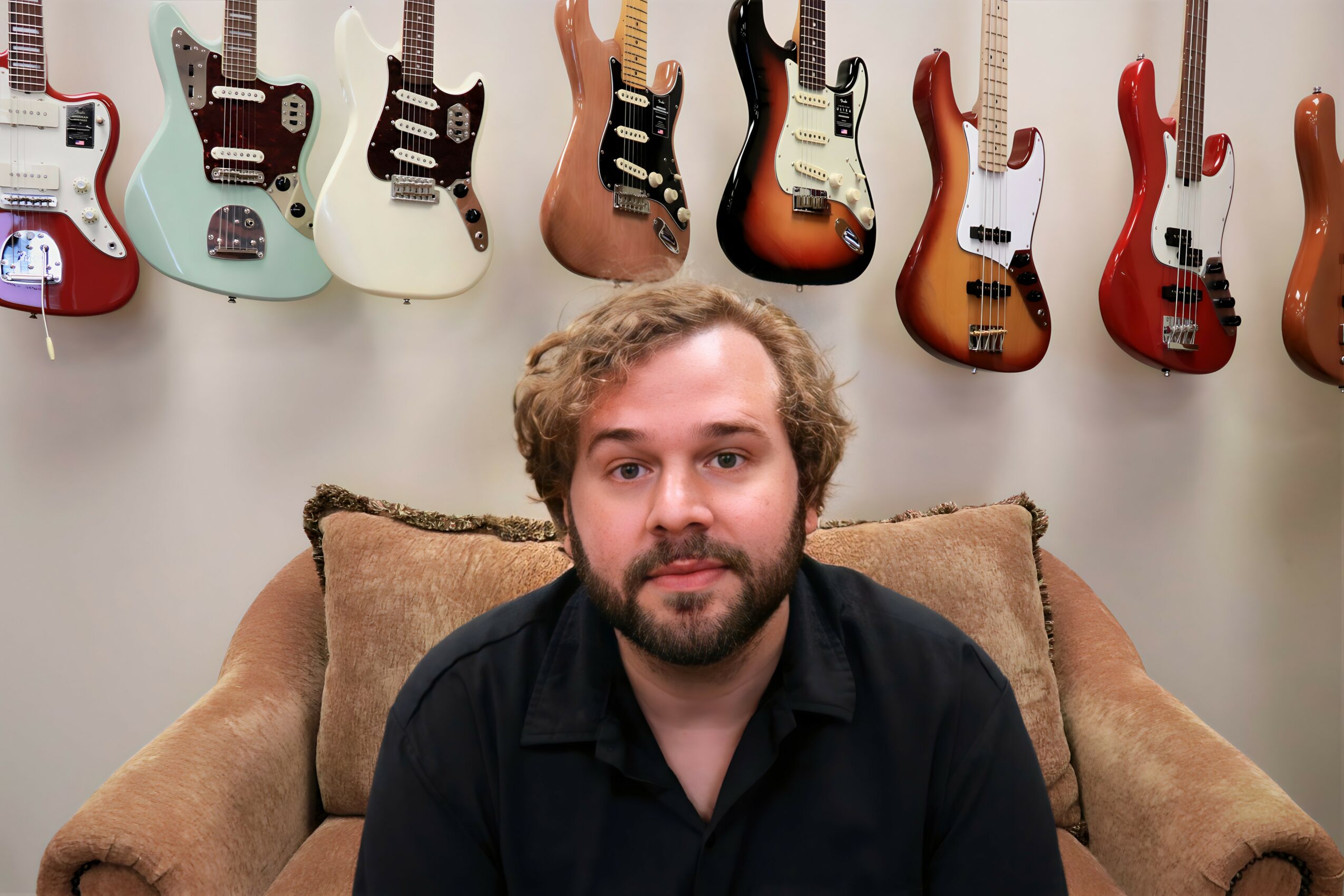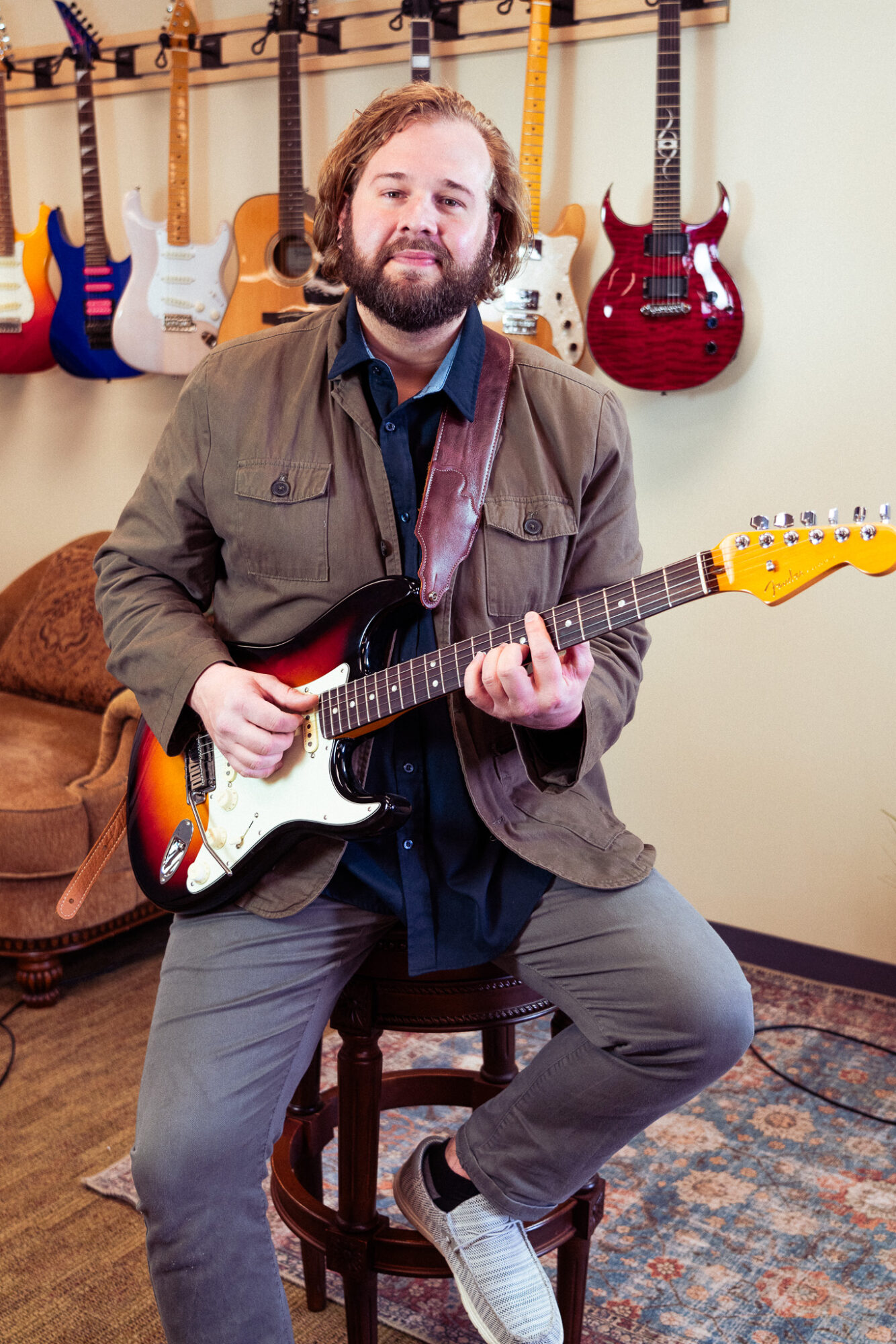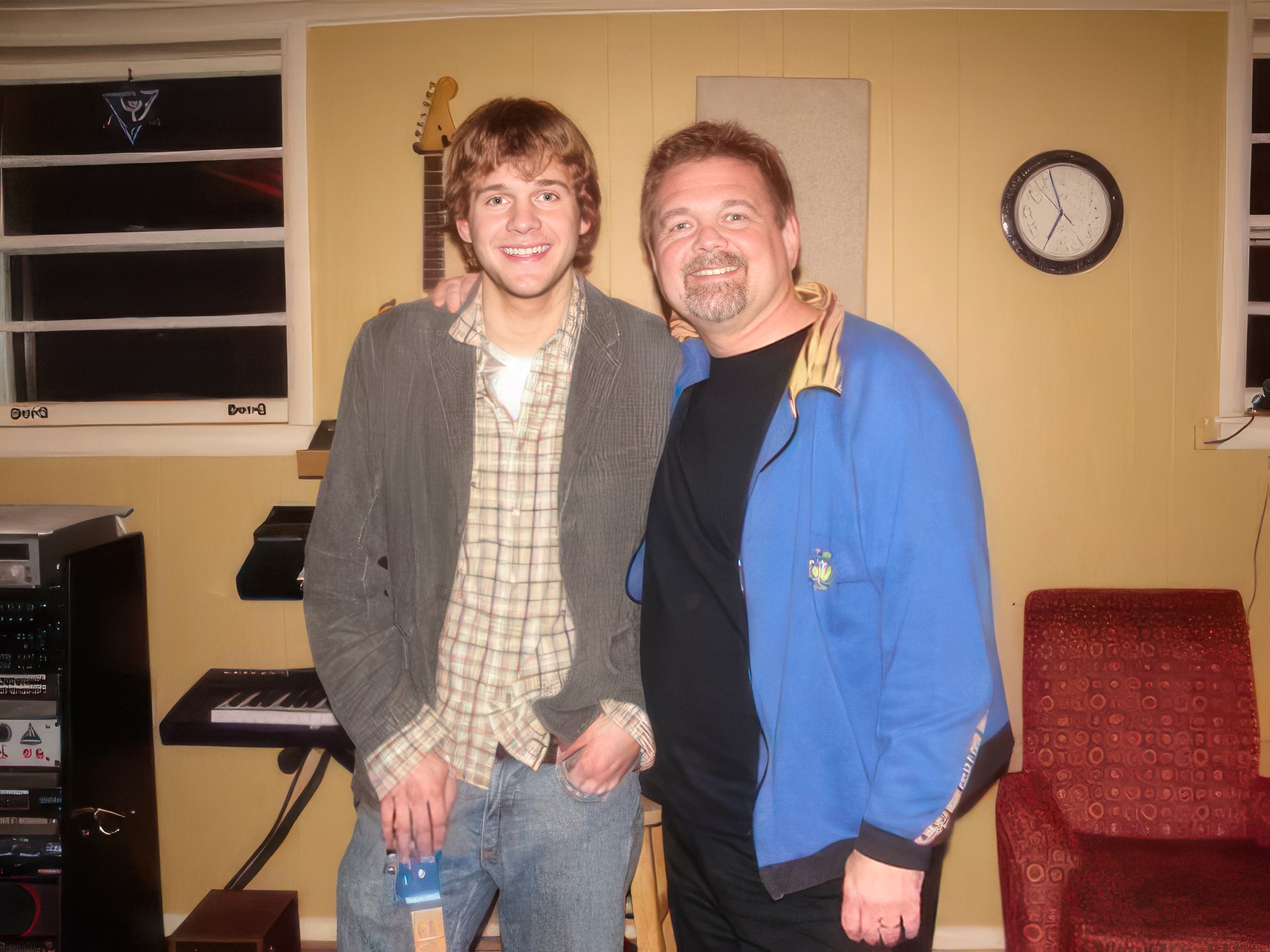





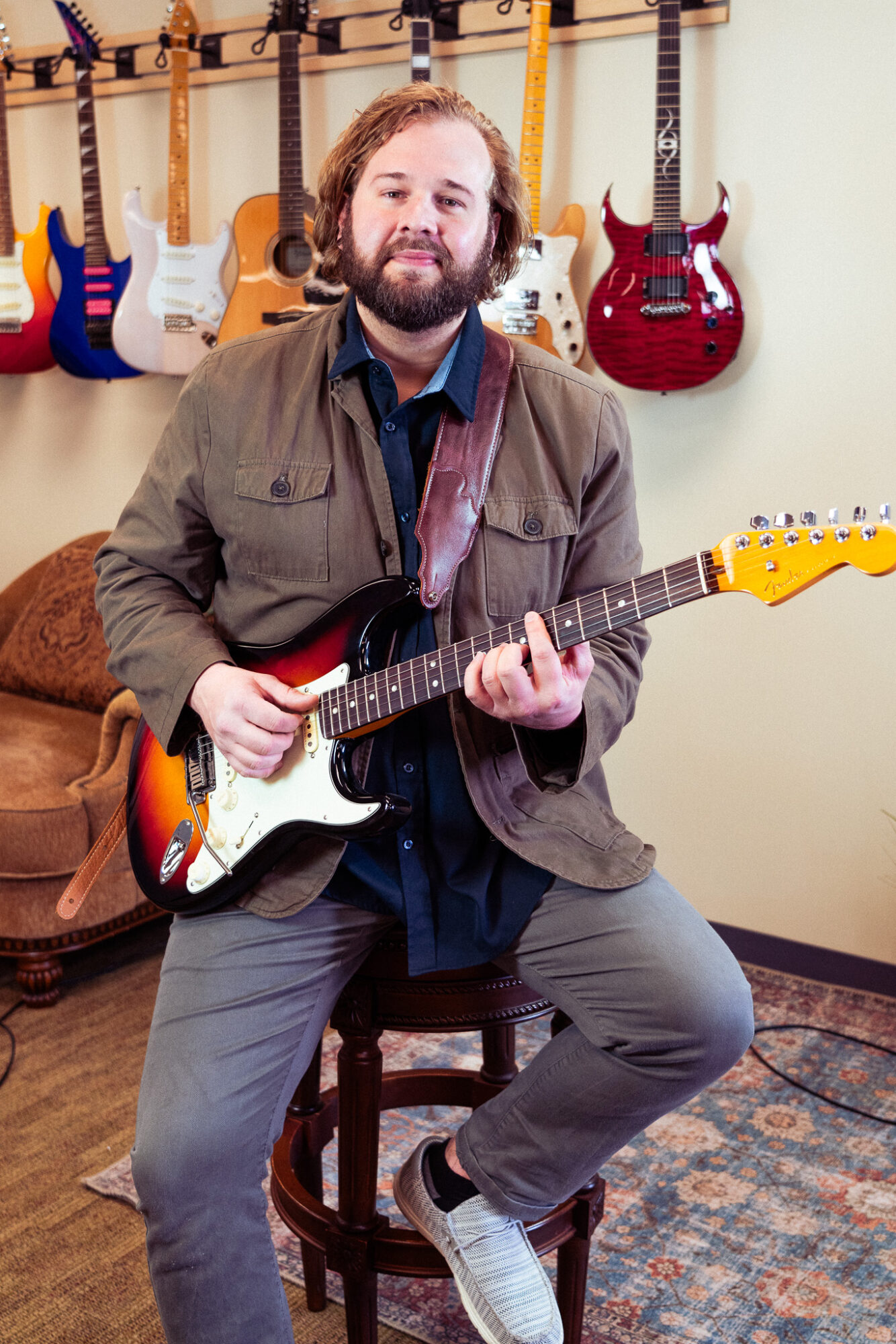
Today we’d like to introduce you to Charlton Moore.
Charlton, we appreciate you taking the time to share your story with us today. Where does your story begin?
Charlton Moore’s story starts on the road. As the son of a family entertainer, he spent his childhood summers living on a tour bus while his father performed with The Animal Band, a beloved act known for its musical storytelling and family‑friendly shows. Growing up inside that world gave Charlton an early education in performance, creativity, and the realities of life in entertainment.
He later pursued formal training, studying guitar and composition under Dr. Mario Abril at the Cadek School of Music. That conservatory foundation sharpened the instincts he’d developed on the road, giving him the technical fluency to work across styles and professional settings.
Charlton’s career took a major turn when he became the apprentice to legendary instrument designer Greg Bennett. Bennett eventually placed him in charge of his world‑renowned accessory brands, trusting Charlton to carry them forward. Over the next 13 years, Charlton personally visited over 7,000 music stores, building dealer networks, nurturing relationships, and learning the business from the ground up. When Bennett passed away, Charlton honored his mentor’s legacy by acquiring the brands in 2020.
Today, he operates two of the most sought‑after accessory brands in the instrument world: Franklin Strap and Glider Capo. Alongside manufacturing, Charlton also runs a publishing company that produces licensed music across a wide spectrum of genres — Americana, country, trap, bluegrass, film score, pop, lofi, and fusion — reflecting the versatility he’s carried since childhood.
From touring as a kid to conservatory training, from a 13‑year apprenticeship to owning iconic instrument brands, Charlton’s journey blends artistry, craftsmanship, and entrepreneurial grit — a Nashville story built on decades of real‑world experience.
I’m sure it wasn’t obstacle-free, but would you say the journey has been fairly smooth so far?
It was smooth because I learned early that I didn’t belong in a traditional educational atmosphere. I fall into a generation where the old rules both mattered and didn’t. When I started out, the question everyone asked was “What will you do?” Now the real question is “What won’t you do?”
I had to figure out how to build a career without relying on the conventional route. For me, the breakthrough was realizing that you don’t need the traditional path if you can find the message and the marketing strategy. Once you understand how to communicate what you do — and why it matters — the road becomes a lot smoother, even if you’re carving it out yourself.
Appreciate you sharing that. What else should we know about what you do?
I work at the intersection of music, craftsmanship, and brand building. My career spans three major lanes: instrument design and manufacturing, music publishing, and multi‑genre composition and production.
For me, the reason I never chased a solo career is simple: I get bored living inside one genre. I’ve always been drawn to the kind of creative life where you’re jumping between worlds — making hip hop one day, bluegrass the next, then shifting into jazz, fusion, or film‑score work right after. That constant change keeps me sharp. It forces me to stay curious, to keep learning, and to approach music from every angle instead of settling into one lane.
I like this life because it demands range. It pushes me to create for artists all over the world and to move between styles that don’t normally sit next to each other. That challenge is what keeps me inspired. A solo endeavor would’ve boxed me in, but this path lets me build something bigger — a career defined by versatility, not limitation.
What would you say have been one of the most important lessons you’ve learned?
The biggest lesson I’ve learned is that hard work doesn’t fix everything if you’re working on the wrong path. You can grind for years and still feel stuck if the direction isn’t aligned with who you are. What actually matters is finding the path that fits your personality — the way you think, the way you spend your hours, and the way you interact with people.
Once I stopped trying to force myself into traditional lanes and started building a life that matched my own rhythm, everything changed. The right path makes the hard work meaningful. The wrong path just makes you tired.
Contact Info:
- Website: https://franklinstrap.com
- Instagram: https://www.instagram.com/c_mozie/
- Facebook: https://www.facebook.com/tonalautonomy
- LinkedIn: https://www.linkedin.com/in/charlton-moore-1aa21b169/
- Twitter: https://x.com/TonalAutonomy
- Youtube: https://www.youtube.com/@charltonmoore
- Other: https://charltonmoore.com