




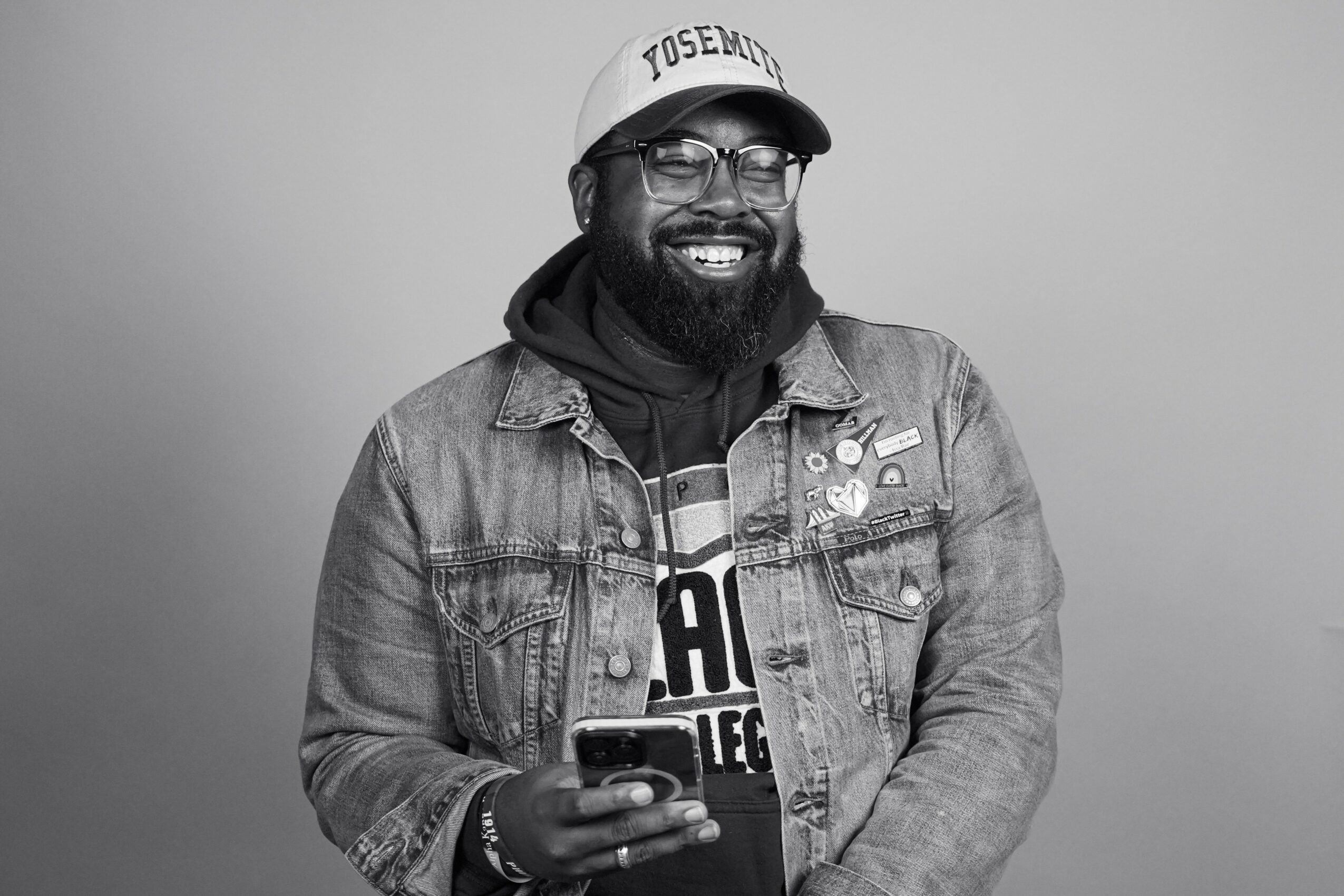
Today we’d like to introduce you to James Dennis.
Hi James, thanks for sharing your story with us. To start, maybe you can tell our readers some of your backstory.
I’ve always loved photography, although I didn’t realize at first that photography would become such an important part of who I am.
Some of my earliest memories are of watching my father load and unload film into his Nikon camera after family reunions, football games, vacations, and countless moments that probably seemed ordinary at the time. I would patiently wait to see what he had captured, fascinated by the idea that a single frame could preserve a moment forever.
Looking back now, I realize my father was quietly introducing me to something much bigger than photography. He was teaching me the value of remembering.
He probably doesn’t realize it, but he was the beginning of this journey.
I love my Dad.
As I grew older, that curiosity followed me everywhere. I always wanted the newest phone with the best camera. Eventually, my phone wasn’t enough, and I upgraded to a small blue Nikon Coolpix that followed me through high school and college. Photography became a way for me to pay attention, to notice people, places, expressions, and moments that might otherwise pass unnoticed.
During college, I also found myself on the other side of the camera. I participated in university campaigns and became part of the visual storytelling behind everything from billboards and viewbook covers to website campaigns. I began to understand that an image could do more than look good. It could make someone feel something. It could make someone see themselves in a place they had never imagined being.
That realization stayed with me.
Over time, I became less interested in perfectly posed photographs and more fascinated by people when they forgot the camera was there. The laugh that happens between takes. The nervousness before a big moment. The hug that lasts a little longer than expected. The look on someone’s face when they realize they belong in the room.
I wanted my images to feel like that.
I wanted them to create a sense of belonging, warmth, and familiarity, the feeling of looking at a photograph and somehow remembering not only what happened, but what it felt like to be there.
About six years ago, while working at Fisk University, photography became something I took seriously.
As I helped build and shape the university’s website, I quickly realized that we needed more than beautiful campus photographs. We needed to show people what Fisk actually felt like. I had a vision of capturing the institution through the eyes of its students, to create images that allowed prospective students to imagine themselves there, alums to reconnect with a place they loved, and everyone who believed in Fisk to see the magic happening in real time.
Then something became increasingly clear to me:
The true jewel of an institution isn’t the building. It’s the people who bring it to life.
While working on the development of new brand marks and visual identities, we began focusing heavily on the students and their stories. We documented the moments that often go unnoticed, the excitement and uncertainty of move-in day, the final goodbye between students and their parents, the exhaustion of the first midterm exam week, the quiet moments between classes, and the complete transformation of campus when Fisk Homecoming arrived.
Fisk is a small campus, but its story is enormous.
Greatness poured out of those gates every single day.
I had the privilege of documenting students as they interacted with local and national leaders, artists, scholars, activists, and change-makers. And somewhere along the way, I stopped thinking of myself simply as the person behind the camera.
I became a storyteller.
That realization eventually gave birth to Nerdy Vision Photography.
Nerdy Vision became my opportunity to take everything I had learned, the curiosity I inherited from my father, the storytelling I discovered through higher education, and my fascination with authentic human connection, and turn it into something of my own.
Through photography, I’ve had the opportunity to document extraordinary people and moments, from Stacey Abrams, Kamala Harris, and Bernie Sanders to Fiskites and legends such as Diane Nash, Nikki Giovanni, and Justin Jones.
But the names are only part of the story.
Because when I look through my camera, I’m not simply asking, “What does this person look like?”
I’m asking:
What does this moment mean?
What will someone feel when they see this years from now?
What part of this story deserves to be remembered?
That is what photography has become for me.
My father taught me to preserve moments.
Fisk taught me to find the story inside them.
And Nerdy Vision Photography is my way of making sure those stories are never forgotten.
I’m sure it wasn’t obstacle-free, but would you say the journey has been fairly smooth so far?
Not at all. I think every bump, obstacle, and unexpected challenge you can imagine has happened to me somewhere in the middle of a shoot. Batteries die at the worst possible moment. Models or shoot participants don’t show up. The equipment you need isn’t available, or you realize you don’t have the right lens, lighting, backdrop, or space to create the image you envisioned.
And that’s when photography taught me one of its most important lessons: you have to learn how to make magic with what you have.
Photography has taught me to roll with the punches and, more importantly, not to let one problem derail an entire shoot. Something will almost always go wrong. The question is whether you allow that moment to become the story of the shoot, or whether you find a way to create something meaningful anyway.
I think about my very first shoot with my beautiful friend, Shalisa. I barely had a backdrop, I didn’t have all the equipment I thought I needed, and by every traditional measure, the shoot probably wasn’t what I imagined it would be.
But some of those images are still among my favorite photographs I’ve ever taken.
Why?
Because I stopped focusing on what I didn’t have and started focusing on her.
I focused on making Shalisa comfortable. I talked with her, allowed her to settle into the space, and gave her the freedom to move naturally rather than forcing her into a pose. Slowly, I watched her shoulders soften. Her expressions became more natural. Her confidence began to show. And eventually, something beautiful happened; she stopped trying to pose for the camera and simply began seeing herself.
That was one of the first times I truly understood the power of what I was doing.
The photograph wasn’t great because I didn’t have the perfect backdrop or the best equipment. It was great because she felt comfortable enough to let her beauty reveal itself through my lens.
That experience has stayed with me throughout my career. Equipment matters. Lighting matters. Location matters. But none of those things matter more than the person standing in front of your camera.
Sometimes the limitations force you to become more creative. Sometimes the things you think are working against you push you toward an image you never would have created otherwise.
Photography has taught me that the goal isn’t to have everything go perfectly.
The goal is to know what to do when it doesn’t.
Alright, so let’s switch gears a bit and talk business. What should we know about your work?
I think the easiest way to explain what I do is that I photograph people, but more than anything, I’m interested in the story behind the person.
Nerdy Vision Photography has allowed me to work in a lot of different spaces. I do portraits, editorial work, events, lifestyle photography, and a lot of work connected to higher education and HBCUs. I’ve photographed students, graduates, families, professionals, artists, politicians, activists, and people who are simply celebrating an important moment in their lives. I’ve never really wanted to limit myself to one type of photography because, for me, it has always been about the person and the story.
People often tell me that my photographs feel natural and authentic. They capture emotion, and they make people feel good about themselves. That means a lot to me because that’s really what I’m trying to accomplish when I pick up my camera.
A lot of that goes back to what I talked about earlier with my dad. He introduced me to photography without even knowing it. I remember watching him take pictures at family reunions, football games, and vacations and then waiting to see what he captured. At the time, I just thought it was cool. Now I understand that he was teaching me to appreciate moments and memories.
My time at Fisk changed the way I looked at photography even more. When I was photographing for the university, I realized pretty quickly that the buildings weren’t what made Fisk special. It was the students. It was the energy on campus. It was the friendships, the celebrations, the stressful days, Homecoming, graduation, and all of those little moments that made up the student experience.
That really became the foundation for how I photograph today.
I’m not just looking for somebody to stand in front of my camera and smile. I want them to relax. I want them to forget about the camera for a little while. Sometimes that means talking to them, making them laugh, changing the music, moving around the location, or completely abandoning the idea we started with.
Some of my favorite photographs happen when people stop trying to figure out what they’re supposed to do.
They just start being themselves.
That’s also something photography has taught me through all of the things that have gone wrong over the years. Equipment fails. People don’t show up. The lighting isn’t right. You don’t have the backdrop you wanted. Sometimes you walk into a shoot with an idea in your head and realize very quickly that it isn’t going to happen the way you imagined it.
You have to figure it out.
That ability to adjust has become a big part of my photography. I care about having good equipment and knowing my craft, but I’ve learned that the camera doesn’t create the photograph by itself. You have to recognize the moment when it happens and know how to work with what you have.
One of the things I’m most proud of is seeing my work published in places like The New York Times, Forbes, and The Washington Post, along with several local publications. I don’t think I’ll ever get completely used to seeing something I photographed show up in a publication that I grew up knowing about.
It’s a pretty amazing feeling.
But what makes me even more proud is knowing that someone trusted me enough to tell part of their story through my camera. The publication is great, but the photograph had to mean something first. It had to communicate something about that person or that moment.
That’s what I care about.
I started all of this with a little blue Nikon Coolpix. Now I’ve had the opportunity to photograph people whose names I grew up hearing and to see my work reach audiences I never imagined when I first started.
And somehow, when I’m behind the camera, I still have a little bit of that same curiosity I had as a kid watching my dad with his Nikon.
I still want to know:
What did we capture?
What did this moment really feel like?
And years from now, what will this photograph mean to the person looking at it?
I think that curiosity is probably one of the biggest things that separates me from other photographers. I’m still genuinely interested in people.
And I hope I never lose that.
Is there something surprising that you feel even people who know you might not know about?
Something that might surprise people about me is that photography actually wasn’t where I started.
For a long time, I was much more comfortable being the person behind the scenes. My professional background is really a mix of technology, communications, digital strategy, and data. I’ve spent years building websites, managing digital content, working with various systems, and figuring out how to turn information into something easier for people to understand.
Photography kind of found its way into all of that.
Looking back, it actually makes a lot of sense. Whether I’m building a website, working on a brand, analyzing data, or photographing someone, I’m always thinking about how people will experience what I’m creating.
What are they going to notice? What are they going to feel? What are they going to remember?
That’s something people probably don’t see when they look at Nerdy Vision. They see the camera and the finished photograph, but there is a lot of thinking that happens before I ever press the shutter. I’m thinking about the person, the environment, the story, where the image will be used, and who will see it.
My background in technology and digital communications has definitely influenced the way I approach photography. I’m not just thinking about whether I like the picture. I’m thinking about whether it works for what we’re trying to accomplish.
My time at Fisk really brought all of those things together for me. I was building and managing the website, working with marketing and communications, helping with the university’s visual identity, and photographing the people who were actually bringing that identity to life.
At some point, I realized I wasn’t really working in separate worlds anymore. The website, the branding, the photography, the storytelling, it was all connected.
I think that’s probably one of the things that makes Nerdy Vision different. I’m a photographer, but I don’t only approach things from a photographer’s perspective. I’m also thinking about the communication side, the technology side, the branding side, and, honestly, the people side.
And I’m a problem solver. That probably comes from all of the other work I’ve done. If something isn’t working, I’m usually trying to figure out how to make it work rather than letting it stop me.
That’s been especially helpful with photography because things rarely go exactly as planned.
So the funny thing is, I never really set out to become “the photographer.” I started out behind the scenes, figuring out how websites worked, how people interacted with information, and how to communicate a story.
Then I picked up a camera and realized I could do a lot of the same things visually.
That’s really where Nerdy Vision came from.
It just took me a while to realize that photography wasn’t separate from everything else I was doing.
It was another way for me to tell the story.
Contact Info:
- Instagram: https://www.instagram.com/nerdyvisionphotography/
- Other: https://hihello.com/p/eaccb163-a811-4abf-aae6-a7dbf34713f5
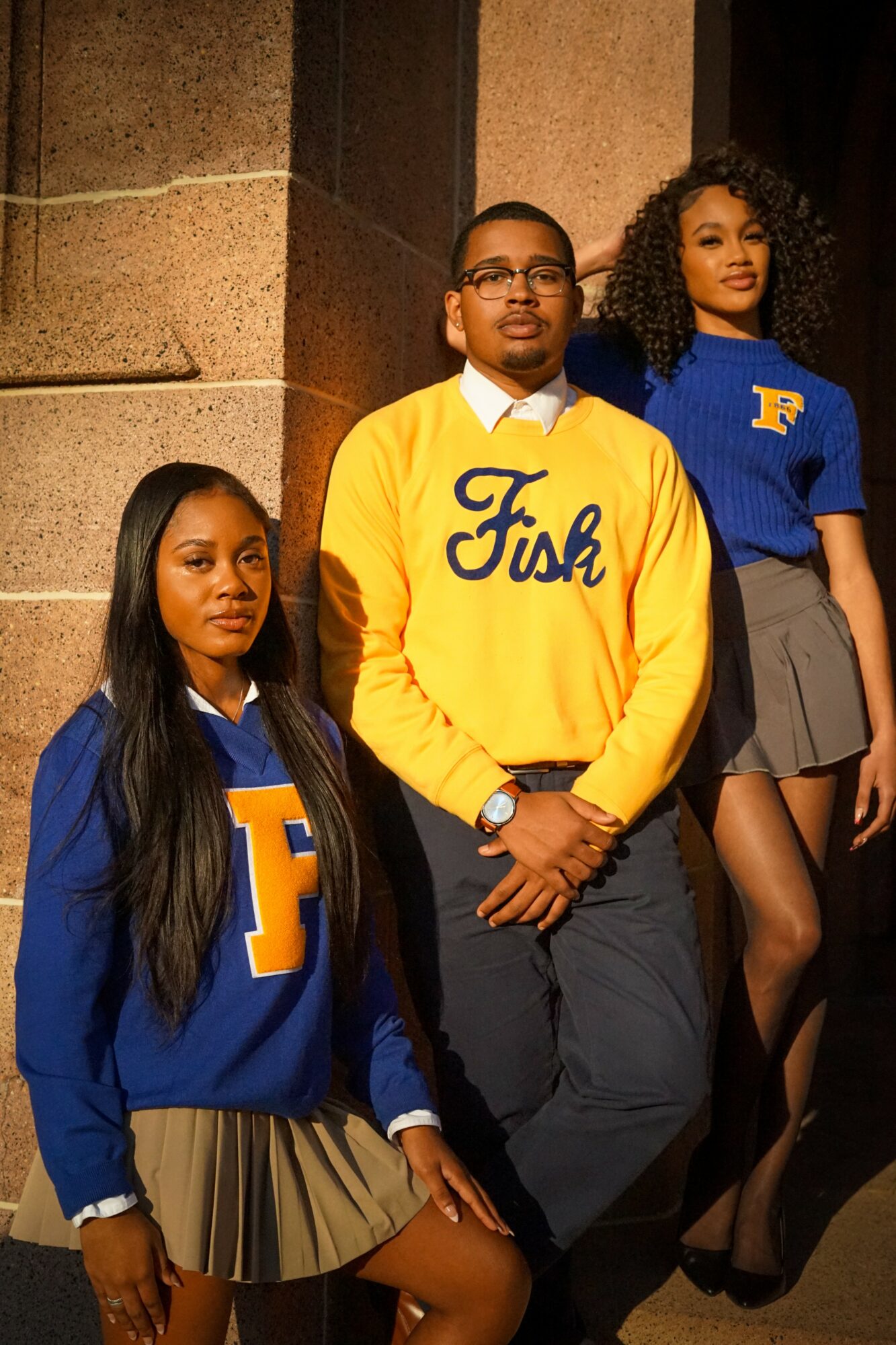
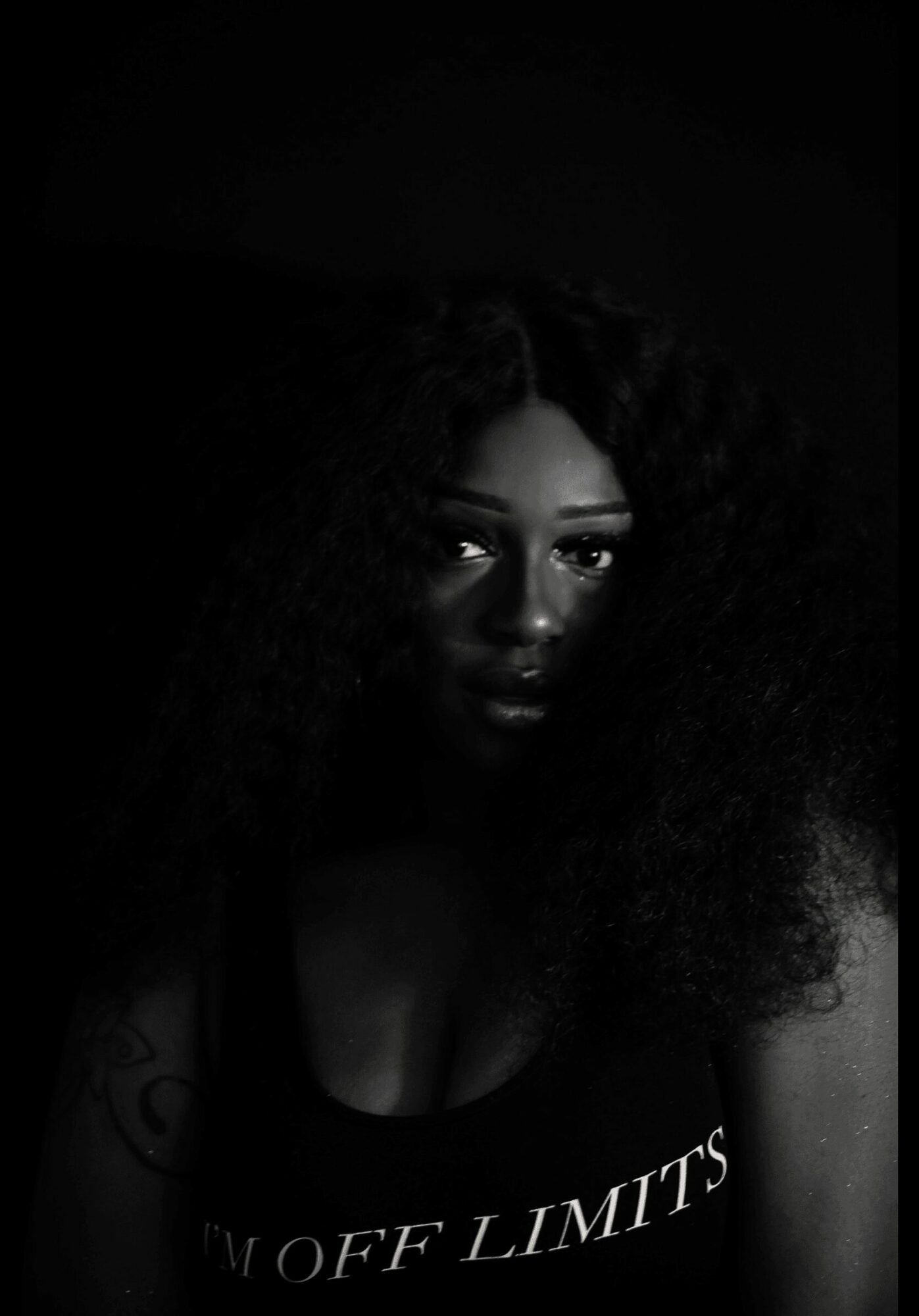
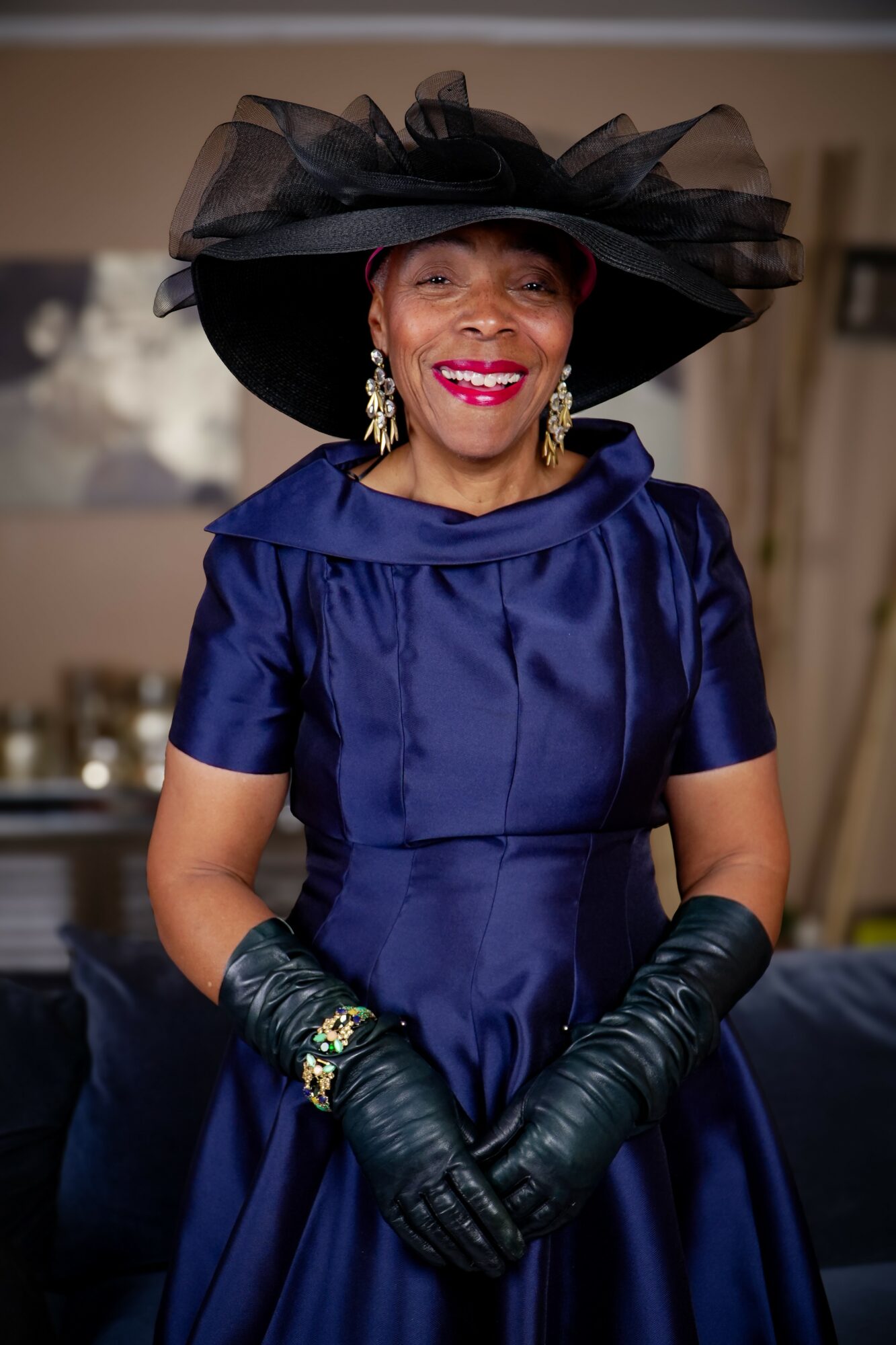
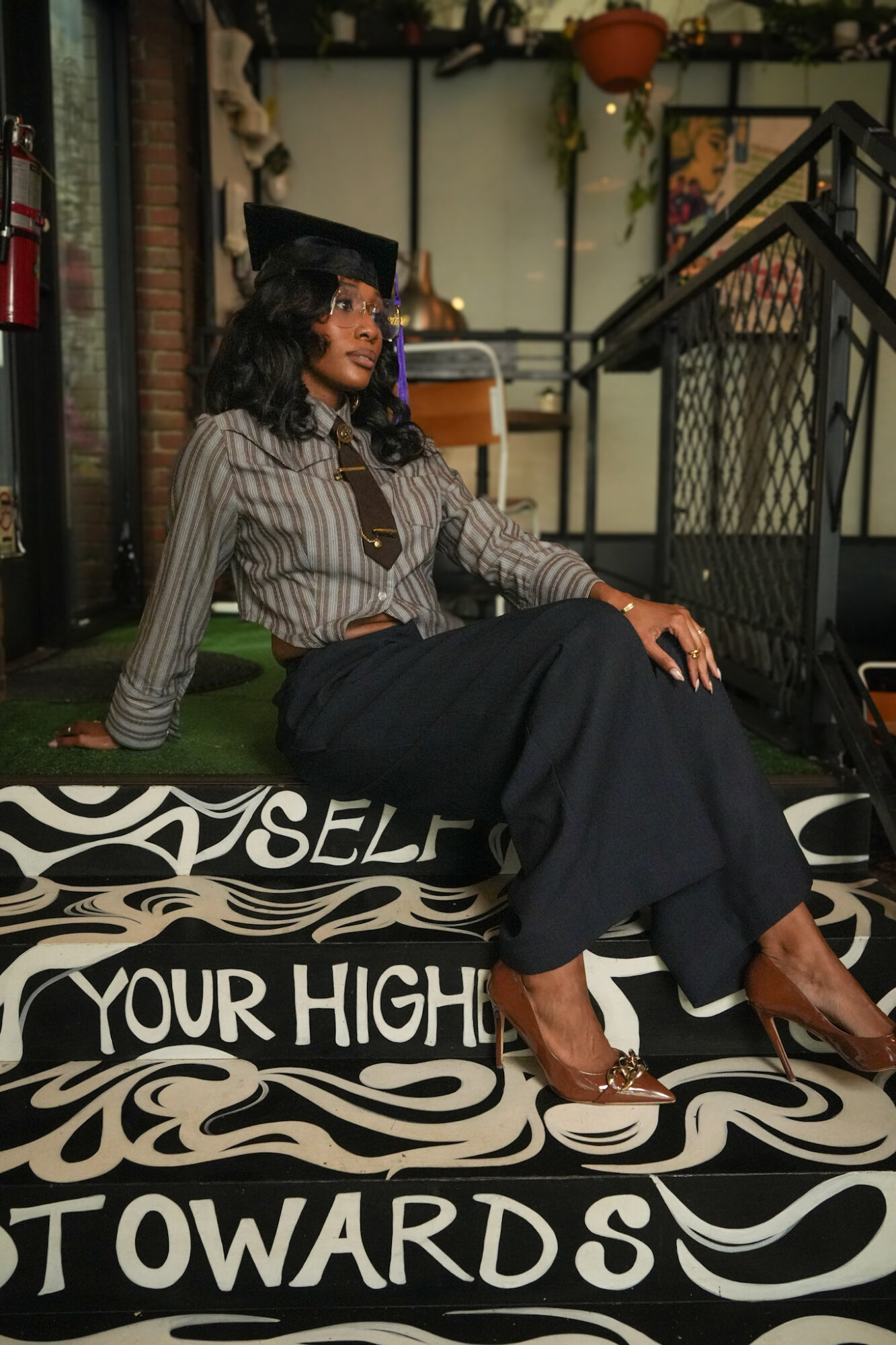
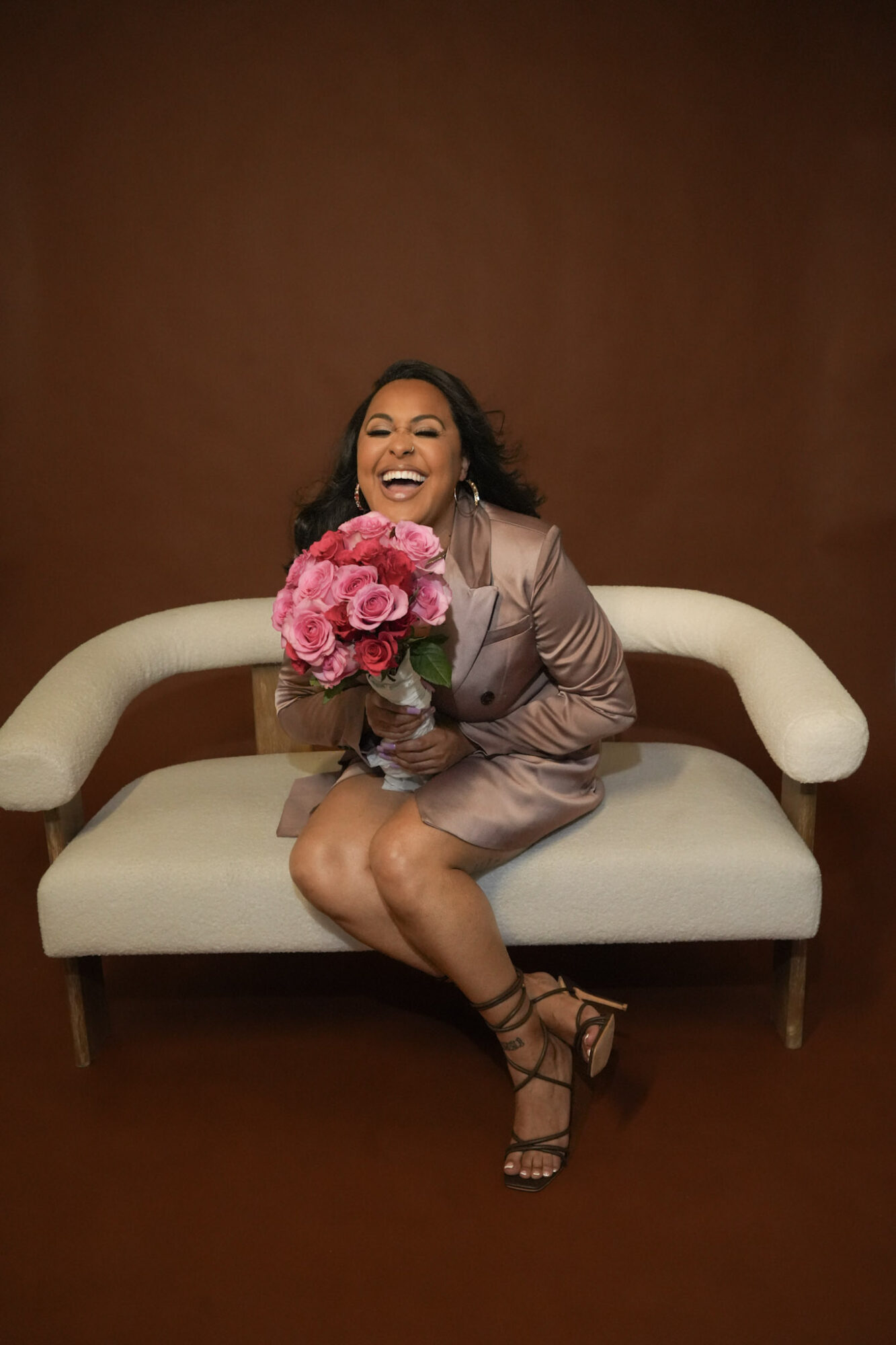
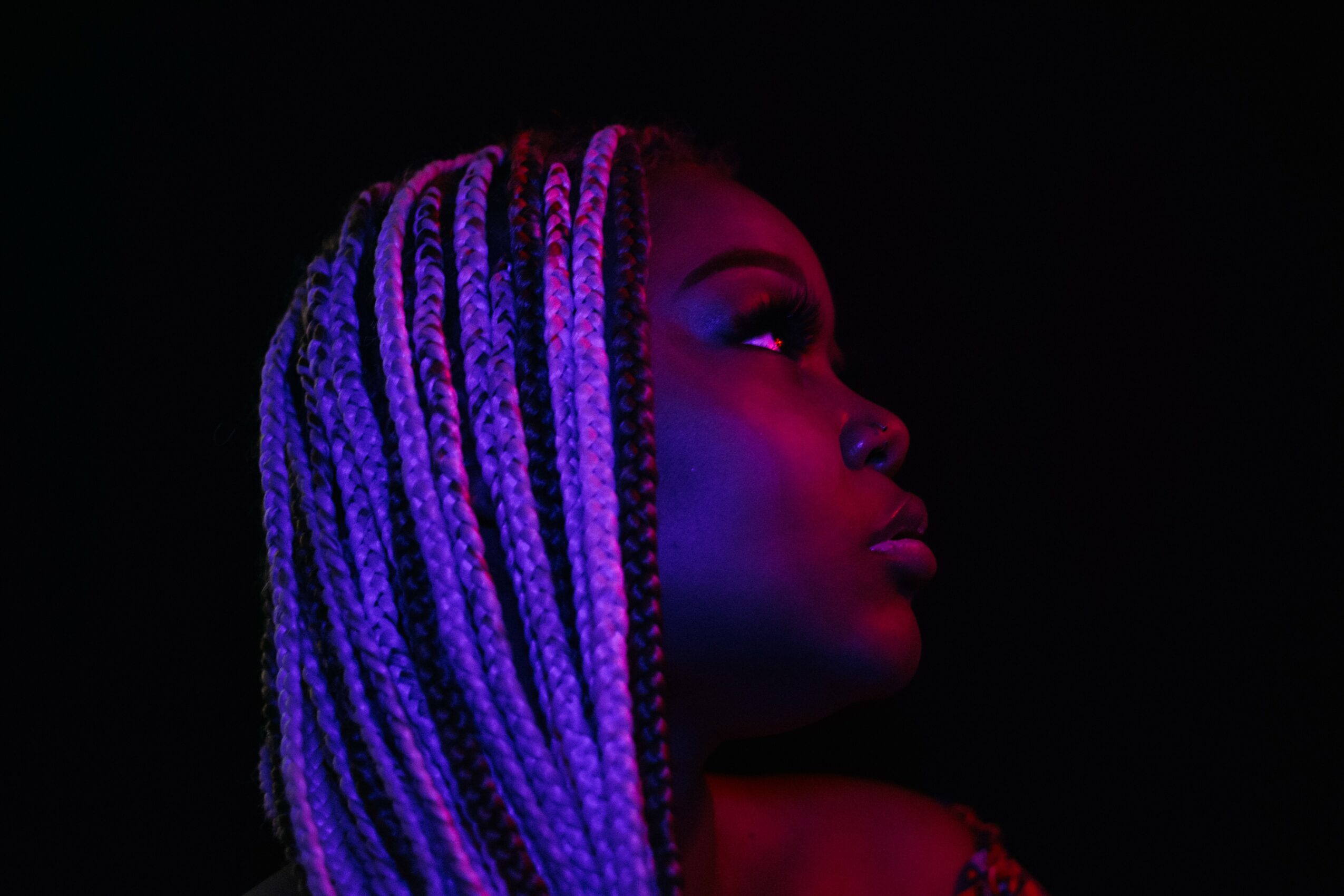
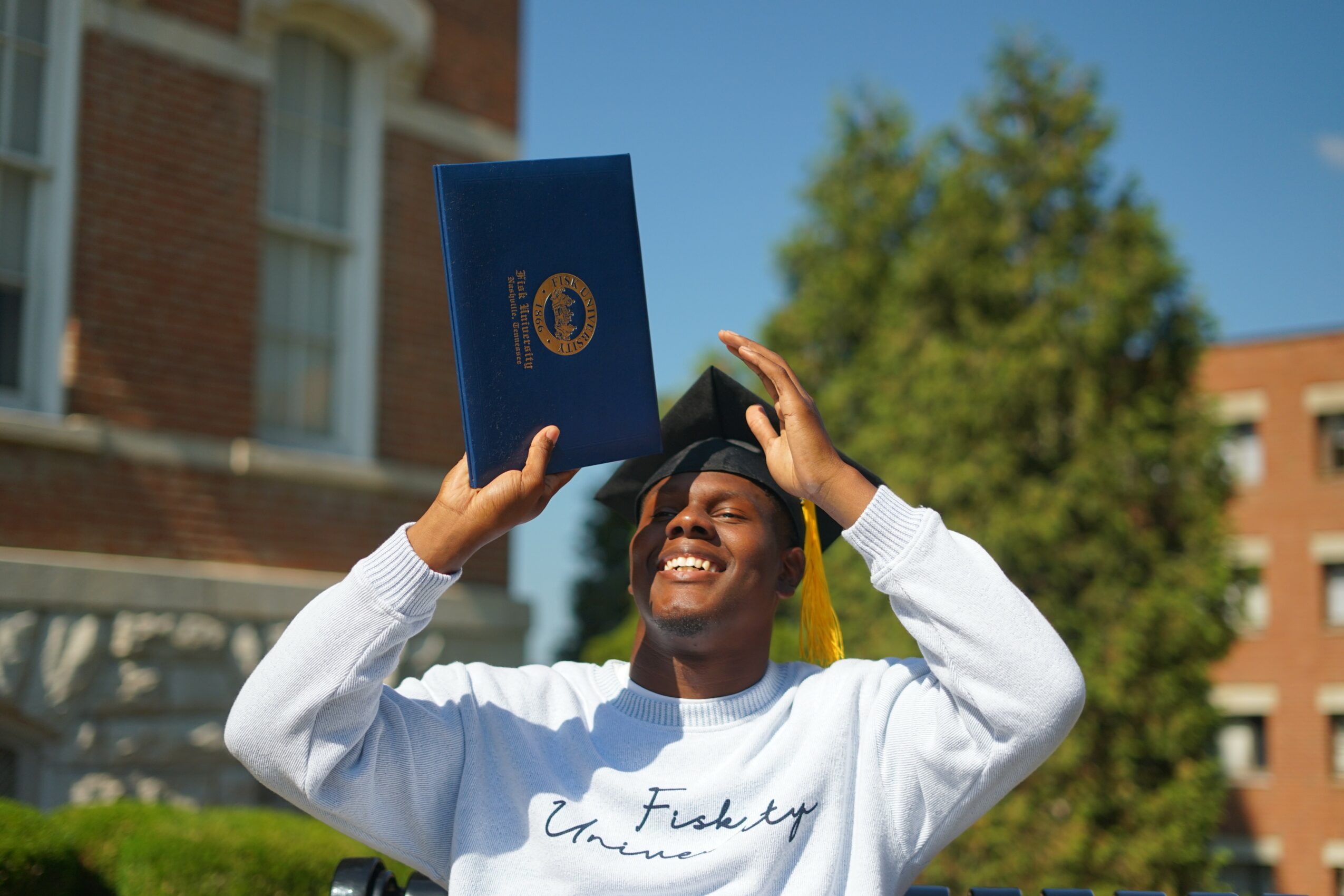
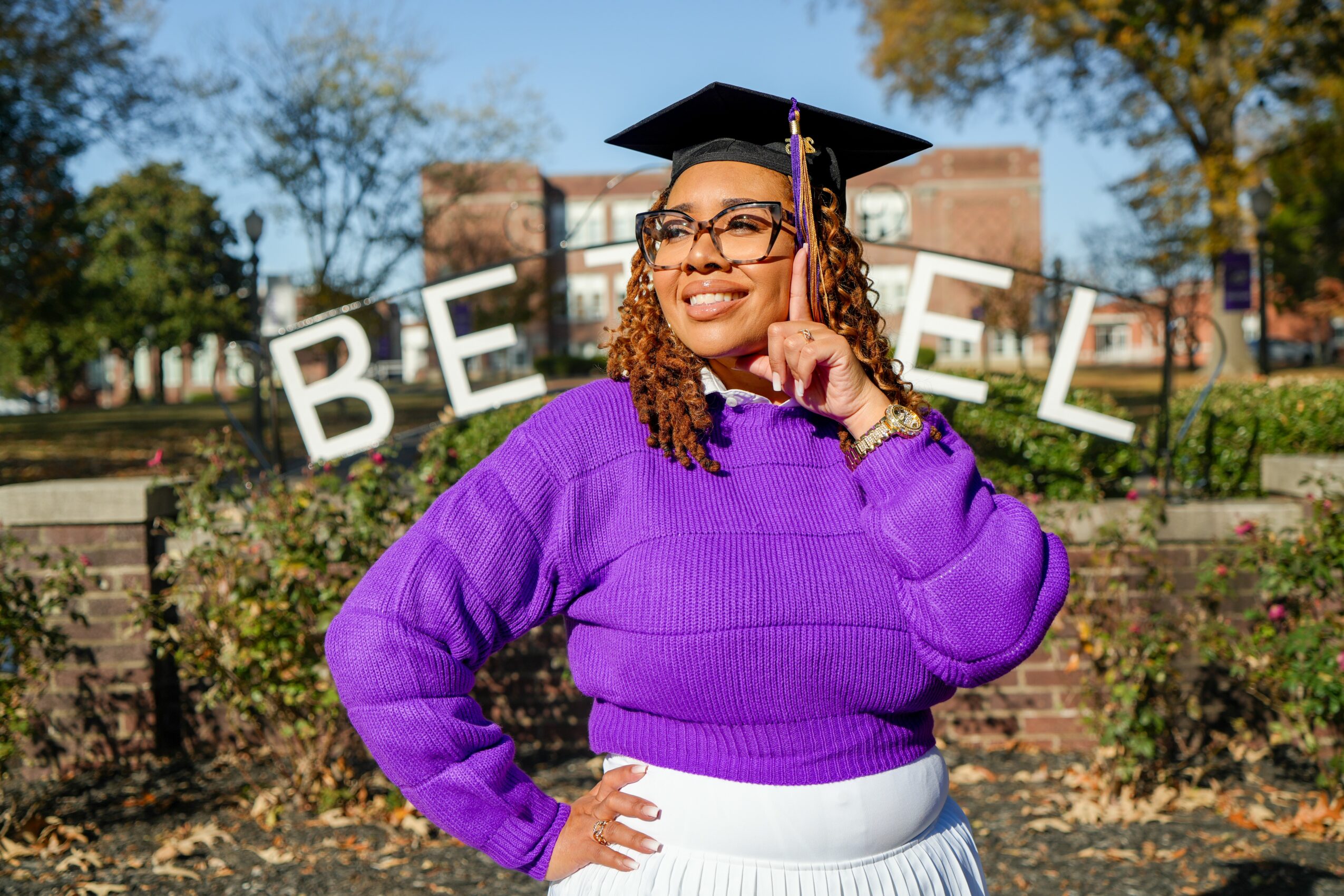
Image Credits
James M. Dennis | NerdyVision Photography
Instagram: @NerdyVisionPhotography