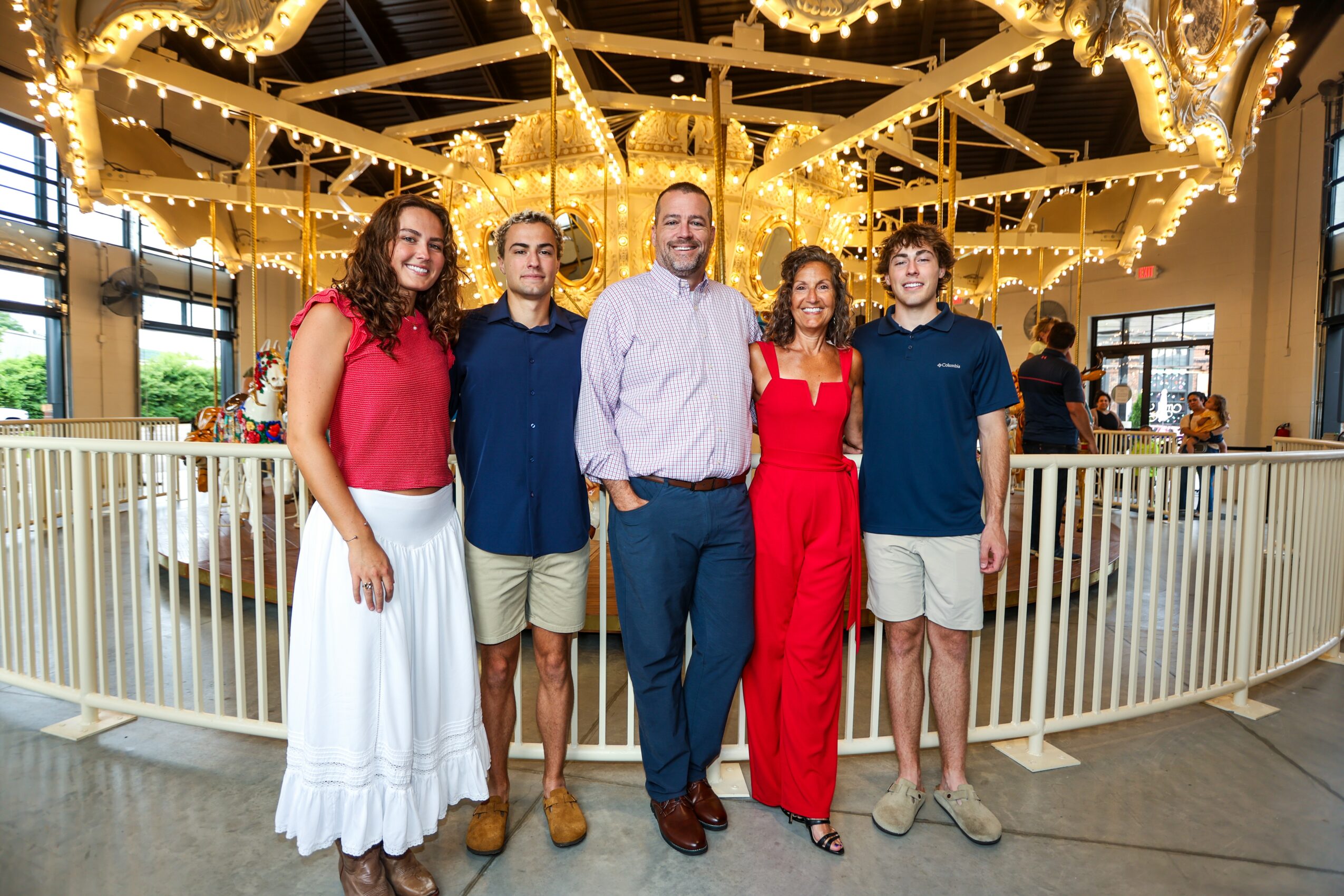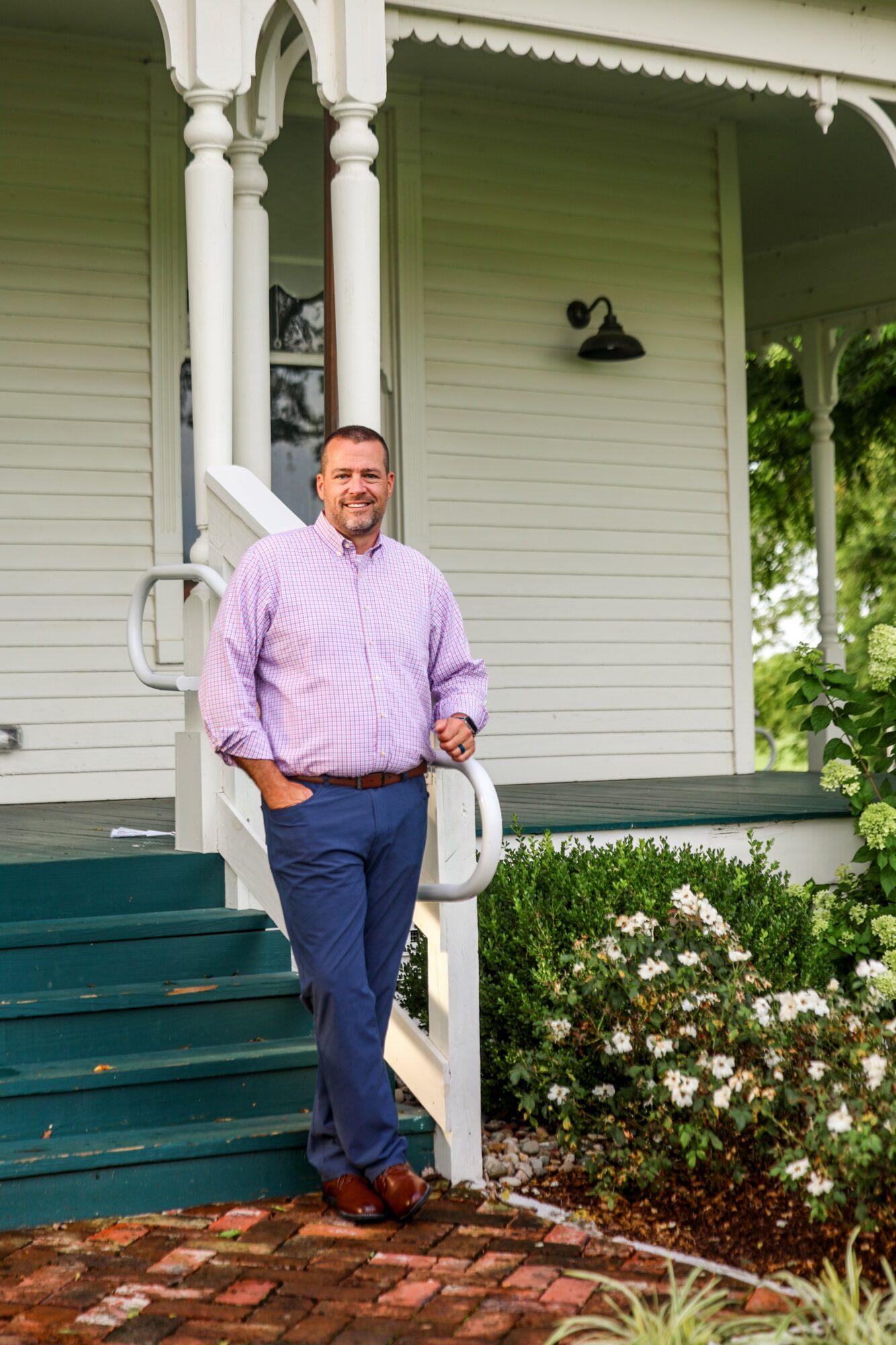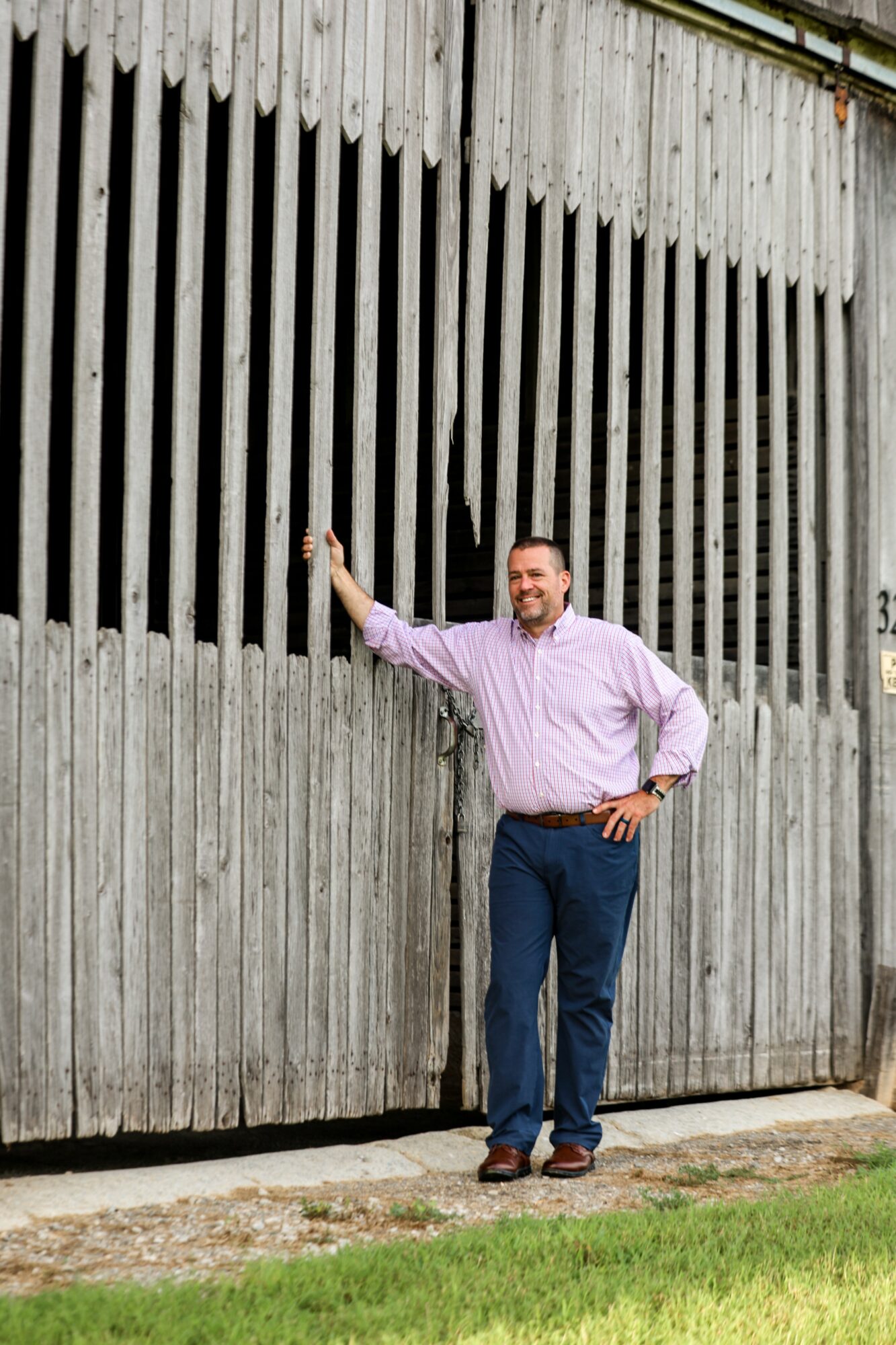



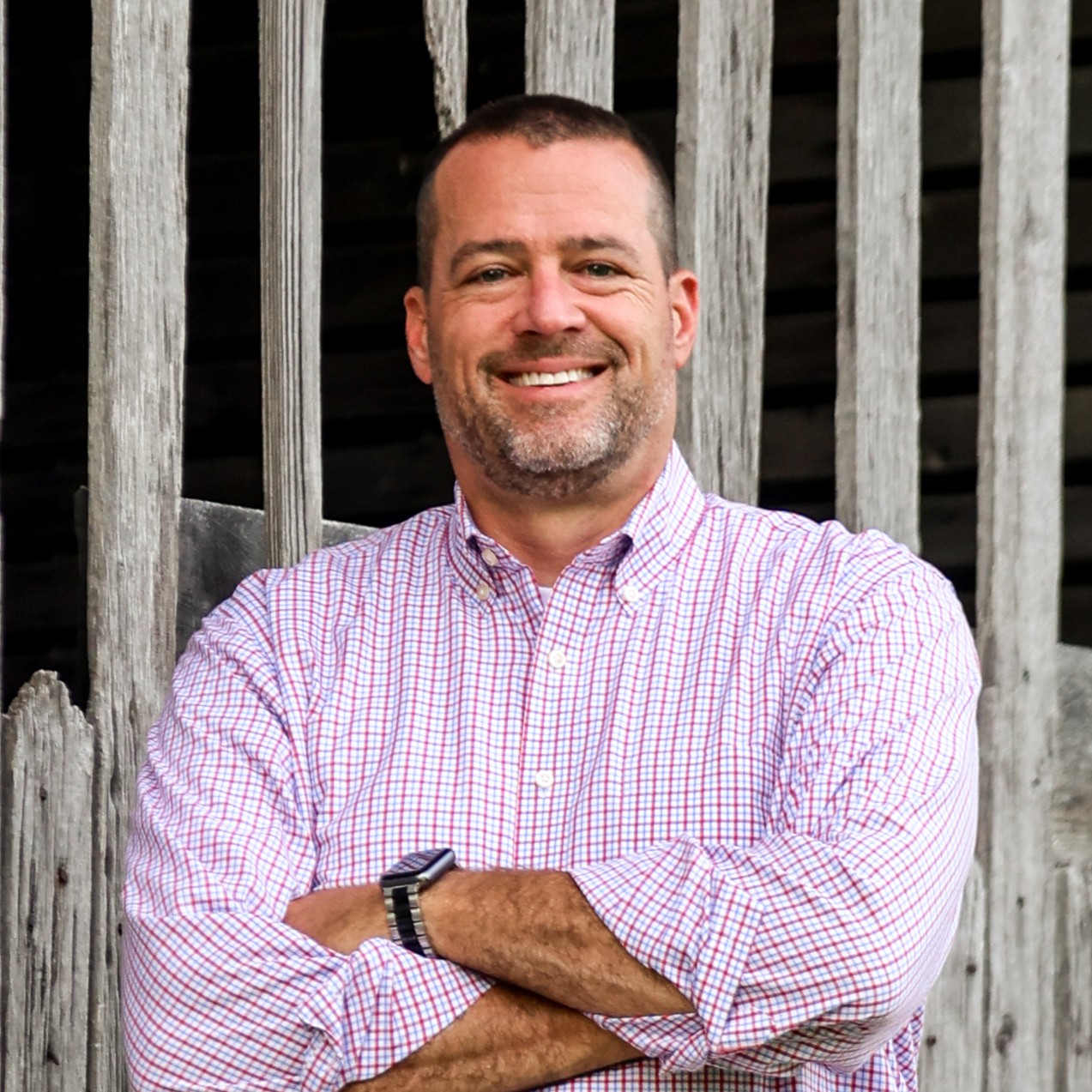
Today we’d like to introduce you to Matt Brown.
Hi Matt, thanks for sharing your story with us. To start, maybe you can tell our readers some of your backstory.
Risk has been a recurring theme in my life. Brand has been the compass.
I took on a lot of responsibility pretty young. I was part of the first class of split-option soldiers in the Army National Guard, which meant I went to Basic Training before my senior year of high school. While most of my friends were thinking about their final year of high school, I had already spent a summer learning some very real lessons about discipline, responsibility, leadership, and identity.
Not long afterward, while still in college, I accepted a salaried marketing position at COSI, a nationally recognized science museum in Columbus, Ohio. Once again, I found myself young, probably underqualified on paper, and expected to figure things out quickly.
That became something of a pattern.
I built a career in brand strategy, marketing, and leadership. Before I was 30, I was president of a company, and over the years my career took me around the country to lead companies and organizations. At different points, I became known as a turnaround guy – often stepping into situations where something wasn’t working and helping an organization rediscover its clarity, momentum, and direction.
Later, I started businesses of my own, helped other entrepreneurs build theirs, stepped into public service, and ran for public office. Some of those bets worked beautifully. Others taught me more than I wanted to learn.
Through all of it, one idea kept following me: brand.
Professionally, I had spent decades helping organizations answer questions like: Who are you? What do you stand for? What makes you different? And, perhaps most importantly, does the experience you’re creating actually match the brand you claim to be?
Eventually, I realized those were powerful questions to ask of a human life. And eventually, I had to ask them of mine.
That examination ultimately led me to write Why Men Drift and begin building The Faithful Brand. But I don’t really see that as a pivot away from my previous life. It feels more like the convergence of a lot of things I’ve spent decades learning about: leadership, identity, faith, family, success, failure, and what happens when our lives slowly move away from what matters most.
It feels like a new chapter. But when I look backward, I can see pieces of it being written throughout my entire life.
Would you say it’s been a smooth road, and if not what are some of the biggest challenges you’ve faced along the way?
Definitely not.
Resumes have a funny way of making lives look much more linear than they actually are. You list the jobs, promotions, companies, businesses, and accomplishments, and afterward it can look like there was a grand plan connecting everything.
There wasn’t.
I’ve taken risks that worked and others that didn’t. I’ve experienced difficult career transitions, businesses and ideas that didn’t become what I hoped, financial pressure, leadership challenges, disappointment, and seasons when I genuinely wondered what came next.
But I’ve also learned that success can create its own kind of struggle.
When you’re ambitious and capable, you can become very good at carrying things. You provide. You solve problems. You lead. You keep moving. And people reward you for it.
The danger is that you can become incredibly successful at doing things that are slowly pulling you away from who you were designed to be.
I’ve learned that drift usually isn’t dramatic. It’s a few degrees at a time. Work gets more attention. Relationships get what’s left. Comparison changes your definition of success. Pride makes it harder to admit something isn’t working. Achievement can become a substitute for purpose.
The irony isn’t lost on me that a guy who spent much of his career helping organizations recognize brand drift eventually had to recognize some of it in himself. That’s been one of the more humbling lessons of my life.
I’ve also learned not to assume that every difficult season means you’re on the wrong path. Sometimes difficulty is exactly what faithfulness requires.
The harder question is whether the struggle is producing greater alignment – or whether you’re staying somewhere simply because you’re afraid to change direction.
I’ve experienced both.
And I suspect I’ll spend the rest of my life continuing to ask that question.
Thanks for sharing that. So, maybe next you can tell us a bit more about your work?
I’ve spent most of my professional life at the intersection of brand, marketing, strategy, and leadership.
I’ve built and repositioned brands, helped turn around struggling organizations, launched businesses, advised leaders, and helped entrepreneurs take ideas from something they could see in their heads to something other people could understand and believe in.
I’ve always been fascinated by the gap between what a brand says it is and what people actually experience. Eventually, I began wondering whether the same principle applied to us.
We tend to talk about personal brand as something we manufacture: build your platform, manage your image, create your persona, and tell people who you want them to believe you are.
I see it differently.
I don’t believe our most important brand is something we invent. It’s something we steward.
For me, faith is central to that belief. I believe we’re each entrusted with a particular design – our gifts, experiences, passions, personality, relationships, opportunities, and responsibilities. The work is becoming increasingly faithful to that design rather than constructing an impressive image for everyone else.
That’s where much of my work is focused today.
I’m writing, speaking and building practical tools and experiences around those ideas, particularly for men who may be outwardly successful but have the sense that something in their lives has gotten off course.
What I’m most proud of, though, isn’t a particular campaign, company, or title. It’s probably the accumulated ability to help people see something more clearly – whether that’s an entrepreneur trying to articulate an idea, an organization trying to rediscover what makes it matter, or a man trying to understand what has changed in his own life.
For a long time, I helped organizations become more faithful to their brands.
Increasingly, I’m interested in helping people do the same.
Risk taking is a topic that people have widely differing views on – we’d love to hear your thoughts.
I’ve taken enough risks that I suppose I’d have to call myself a risk-taker.
I went to Basic Training before my senior year of high school. I accepted significant professional responsibility while still in college. I’ve moved around the country for leadership opportunities, walked into organizations that needed to be turned around, started businesses, helped others start theirs, entered the public arena, and ran for office.
Some worked. Some didn’t. All of them taught me something.
But my understanding of risk has changed as I’ve gotten older. When I was younger, I probably associated risk with courage. If something was difficult, uncertain, or intimidating, part of me wanted to find out whether I could do it.
Today, I don’t believe risk is inherently courageous. Sometimes leaving is courageous. Sometimes staying is. Sometimes betting on yourself is an act of faith. Sometimes it’s ego. Sometimes persistence is admirable. Sometimes we’re calling it perseverance because we’re afraid to admit we’re on the wrong trail.
So the question I ask isn’t simply, “Am I willing to take the risk?” It’s, “What is this risk in service of?”
Does it move me closer to the person I was designed to be? Does it serve the people and responsibilities I’ve been entrusted with? Or am I chasing validation, comparison, status, or an escape?
I’ve also come to believe that the greatest risk isn’t always doing something bold. Sometimes the riskiest thing a person can do is nothing.
Drift feels remarkably safe while it’s happening. There is no cliff. No alarm bells. You can remain successful, productive, and outwardly impressive while becoming a few degrees more disconnected from your marriage, children, faith, friendships, purpose – or yourself.
Do that long enough and you can wake up somewhere you never intended to be.
Looking back, the risks that mattered most weren’t necessarily the ones that worked out exactly as I’d hoped. They were the ones that clarified who I was, what I valued, what I was willing to fight for, and what I had been entrusted to steward.
I’m taking another risk now – putting some deeply personal ideas and convictions into the world and building something around them without knowing exactly where it will lead. But I’ve learned that certainty and alignment aren’t the same thing. Sometimes you don’t get certainty.
You get a compass. And then you have to decide whether you’re willing to follow it.
Contact Info:
- Website: https://thefaithfulbrand.com/
- Instagram: @the_faithfulbrand
- Facebook: https://www.facebook.com/faithfulbrand/