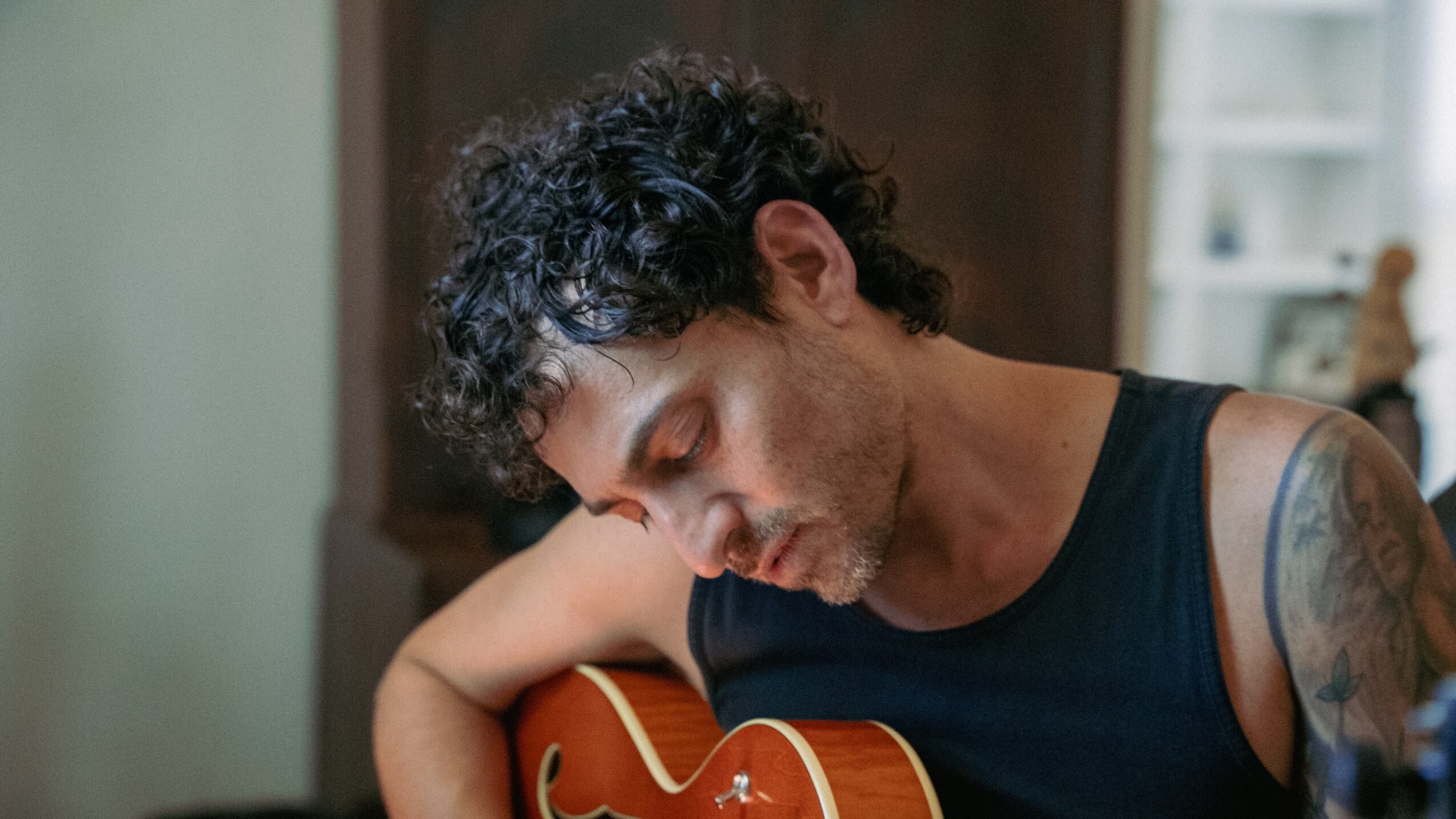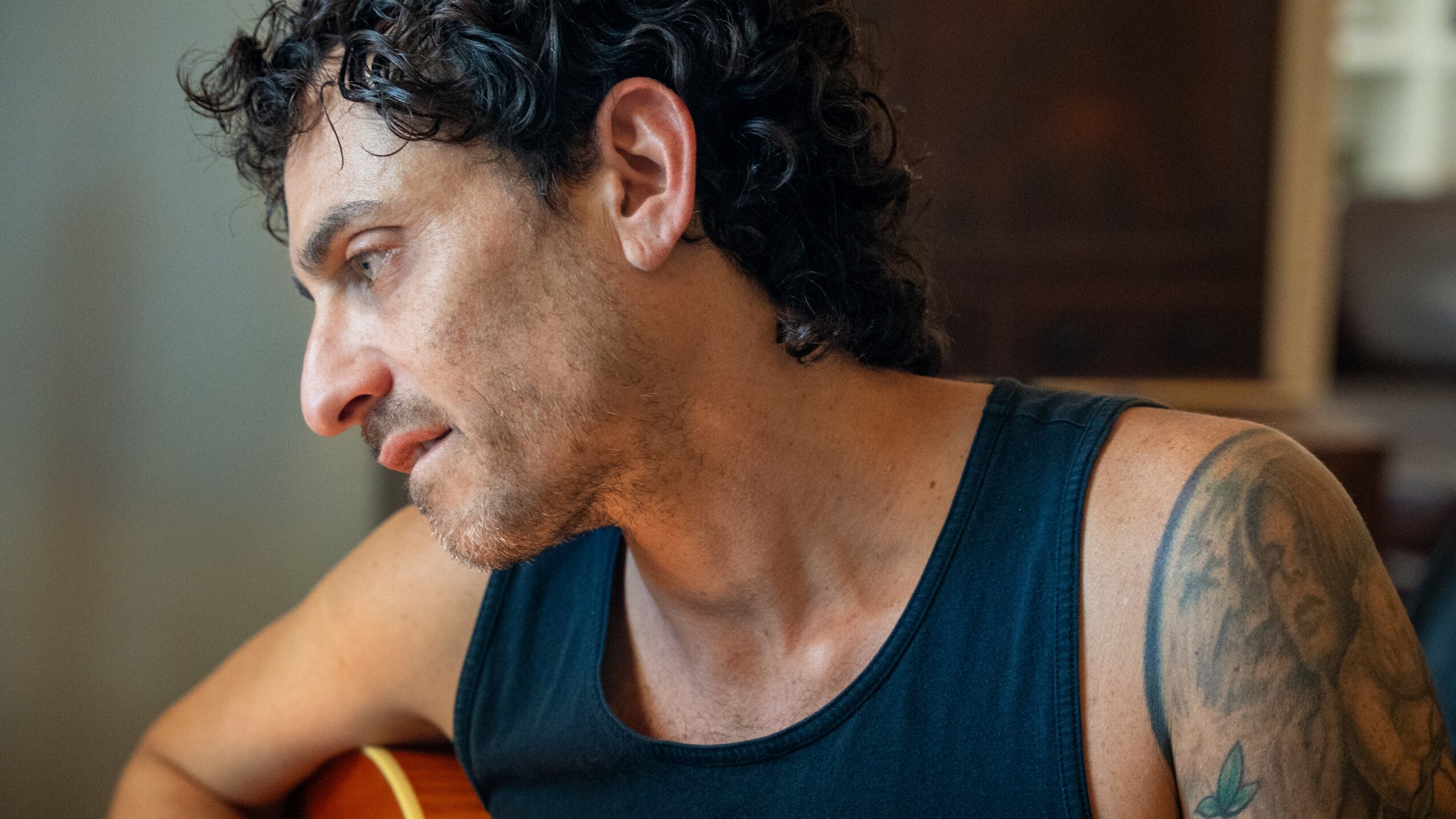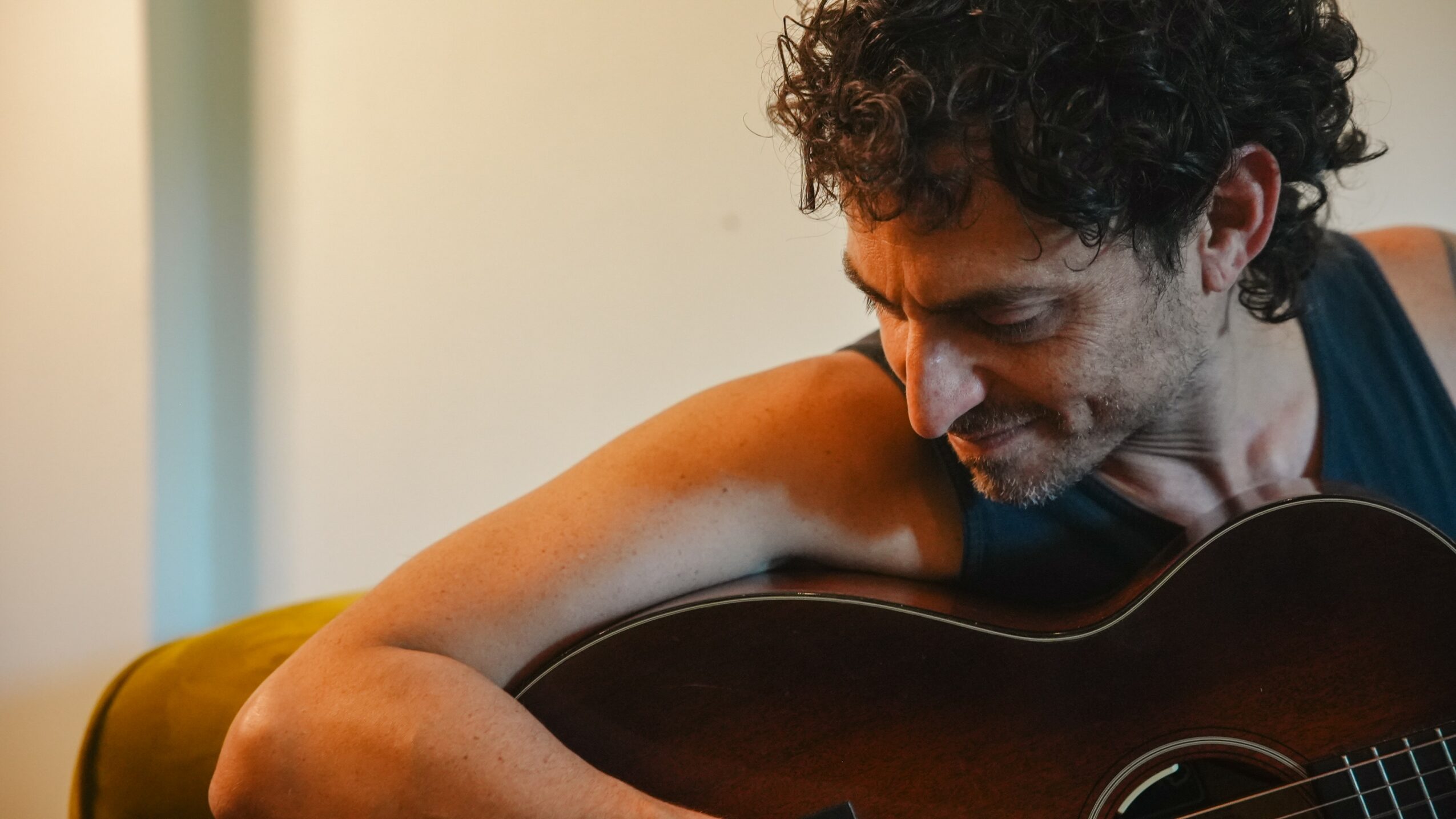





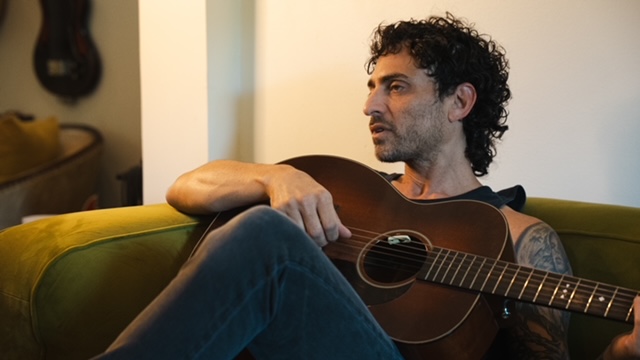
Today we’d like to introduce you to Keaton Simons.
Hi Keaton, we’d love for you to start by introducing yourself.
I grew up in Los Angeles in a family where almost everybody worked in the creative arts and entertainment industry. So a life in the arts was never treated as a risk. It was just the family business. Nobody sat me down to talk me out of it.
When I was seventeen I got my first real gig. I met and soon became musical director for SlimKid3 from the legendary hip hop group The Pharcyde. That job taught me the thing I’ve built my whole career on. Leading a band is a service position. Your job is to make everyone else’s job easier, and if you do it right, nobody notices you did anything at all.
From there I went to The Evergreen State College in Olympia, Washington, and got my degree in ethnomusicology. Within a year I was playing with Snoop Dogg on The Tonight Show, and then in a bunch of different bands, still musical directing and playing with SlimKid3. I signed with Maverick and put out my solo records.
In 2006 I was in Gnarls Barkley for the band’s American debut. The whole thing was assembled out of artists, every single person in it, with Justin Meldal-Johnsen musical directing and Chris Vrenna on drums, and the vocal section was the same way. We played a run of shows that year including a secret MySpace pop-up and Coachella.
That same year I put out an EP called Blink, then signed to CBS Records and made Can You Hear Me in 2008. After that I started my own label, Best Revenge Records, and released Beautiful Pain in 2013 and a live album, Nowhere to Hide, in 2015. That whole stretch I was out touring my own music, headlining clubs coast to coast, opening a summer of amphitheaters for REO Speedwagon and Pat Benatar, going over to Germany twice, playing South by Southwest year after year, and I had a bus with my face on it.
In 2015, I joined Chris Cornell’s solo band for Higher Truth, which was a dream come true. The acoustic performance we did together, especially our version of “Nothing Compares 2 U,” has nearly two hundred million views now, plus a whole lot of press and accolades. I will forever cherish that experience.
Then I moved to Nashville, and in 2018 I became Brett Young’s lead guitarist and a few years later his musical director and band leader, which is what I still do. This year has been a lighter touring year, so I’ve had more time than the last few. I’ve written over fifty songs, co-written a bunch more that came out with other artists, and co-produced a number of releases, including Nashville artist Ryan Alexander’s debut single and EP. I’ve also spent it learning how to develop systems and code software.
So the honest answer to “how did you get here” is that I never picked one lane and thirty years in, it kinda keeps coming back to that.
We all face challenges, but looking back would you describe it as a relatively smooth road?
No. And I’d be suspicious of anyone who says otherwise.
The hardest stretch was the long middle. Those years where I was good enough to work constantly but not visible enough that anyone could tell you what I did. I was an artist with a record deal and I was a hired gun, and both worlds wanted me to pick a lane. Labels thought the sideman work meant I’d given up. And I’d try to acquiesce, because I wanted to be a good professional partner and I trusted the expertise of my management and my label. But I never thought the range was a handicap. I always thought being able to do everything at a high level was a huge advantage. The Venn diagram was always the whole point.
The other struggle is less romantic. You do the best work of your life and then nothing happens for eight months or eight years or maybe forever. You just keep building and living in the moment.
And then there’s the road itself. People think touring is glamorous, and it has its moments, but years of being gone all the time living in cars, vans, buses and airplanes is hard on your body, psyche, relationships, all of it.
Alright, so let’s switch gears a bit and talk business. What should we know about your work?
Two things, and they feed each other.
The first is music. I’m a singer-songwriter and a guitar player. It’s song driven, blues and soul with heavy emphasis on lyric, melody and performance. The LA Times called me a “back-stoop bluesman” and I never forgot it. My song “When I Go” ended up in Suits and has over twenty million streams, which still surprises me. My music has been used in dozens of films and television shows, including Sons of Anarchy, NCIS, NUMB3RS, CSI, Crash, Private Practice, The Good Wife and Hollywood Heights. I co-scored Dennis Dugan’s feature “Love, Weddings & Other Disasters,” which I also appear in, playing alongside Elle King. I wrote nine of the songs in that film, and I scored Sarogeto the year after. Most recently I co-produced Brett Young’s cover of “Yukon” and played several instruments.
The second is that I’m Brett Young’s musical director and lead guitarist. I run the music, I build the setlists, and I’m onstage every night.
Out of that came a third thing I didn’t plan. Touring runs on sophisticated technical systems, handled as best they possibly can with the tools and resources available. For years I’d been identifying problems and eager to find solutions, but all I really had were manual options. Now I have higher tech options, so I build software that solves some of them, instead of letting them eat time and energy better spent on the work people are actually there to do. It started with a daybook that puts the whole tour day in everybody’s pocket. It’s in daily use across several major touring camps. I call myself a Road Systems Architect, which I made up, because the job didn’t have a name.
What I’m most proud of isn’t a song or a credit. It’s when crew members, the people who actually make the show happen and almost never get thought about, tell me what I made gave them their day back.
What sets me apart is probably just that I refused to specialize. I’m a musician who can build software and a builder who’s been on the bus for twenty-five years. Those two people don’t usually meet. Everything useful I’ve made lives exactly where they overlap.
What do you like and dislike about the city?
What I love about Nashville is that it’s a company town where the company is music. You can be in line for coffee behind somebody who wrote something you’ve loved for fifteen years, and nobody makes a scene about it. There’s a real respect for the work itself here that I’ve never found anywhere else. It’s a town of specialists who are generous with what they know, and East Nashville in particular has been ridiculously good to me!
What I like least is that the same thing that makes this town work can make it narrow. There’s a machine here with a strong opinion about what a song should sound like, and it exerts real gravity. It’s easy to slowly sand your edges off without noticing. Also, the growth has been hard on the people who made this place worth moving to. A lot of the players and writers who built this town are getting priced out of it. Maybe it’s the cost of progress, but it should be accounted for.
Contact Info:
- Website: https://www.keatonsimons.com
- Instagram: https://www.instagram.com/keatonsimons/
- Facebook: https://www.facebook.com/keatonsimonsmusic/
- LinkedIn: https://www.linkedin.com/in/keaton-simons-383437418
- Twitter: https://x.com/keatonsimons
- Youtube: https://www.youtube.com/@KeatonSimonsMusic
- Soundcloud: https://soundcloud.com/keatonsimons
- Other: https://open.spotify.com/artist/3JtduJLfvJEAjll8oupFy5