

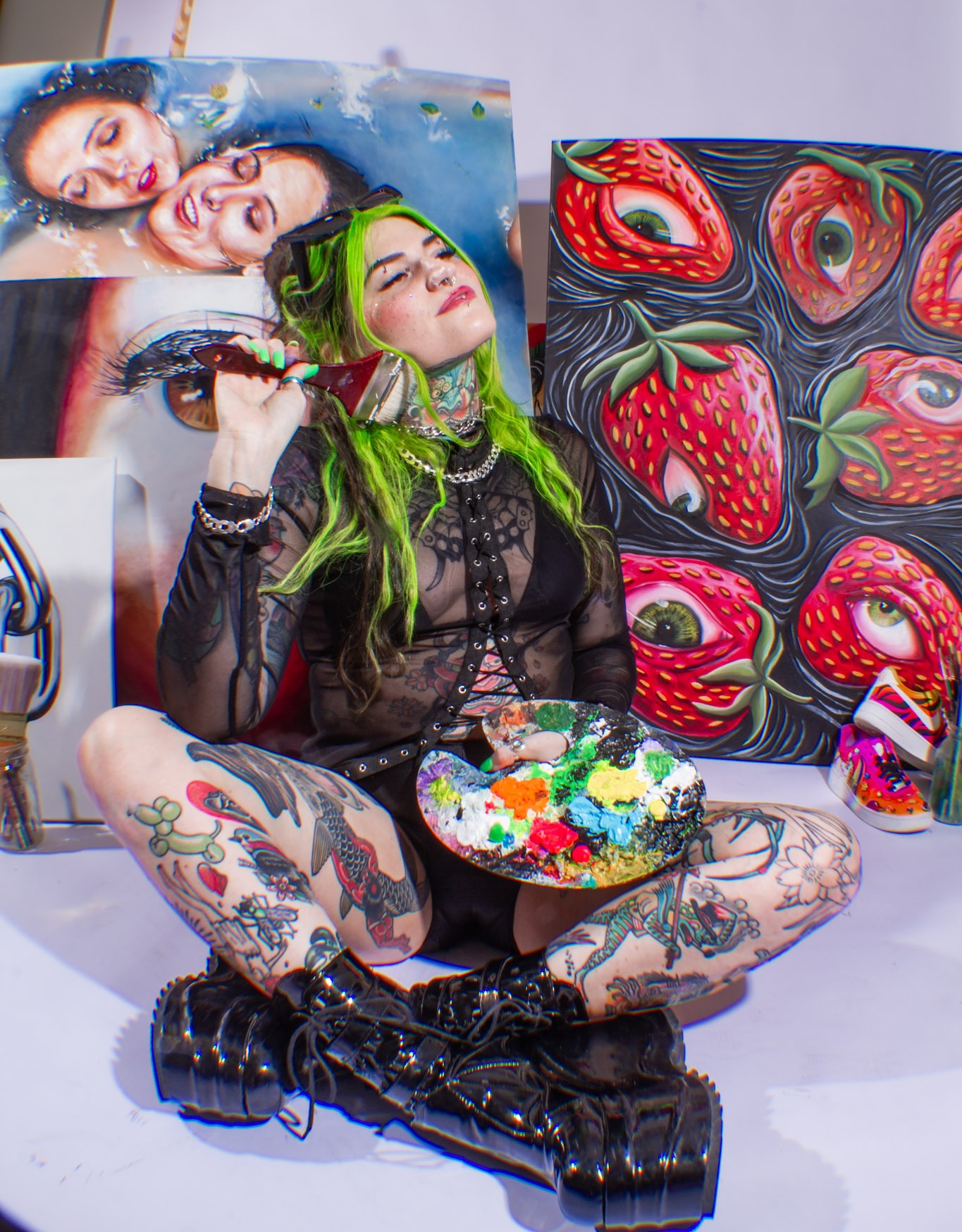
Today we’d like to introduce you to Karlie Tankersley.
Hi Karlie, thanks for joining us today. We’d love for you to start by introducing yourself.
I’ve always known that art was more than something I just enjoyed doing. Creating is such a huge part of who I am, and I knew pretty early on that I wanted to build my life around it. Art was never a hobby or a backup plan for me. I went to school for art and minored in entrepreneurship because I wanted to learn not only how to grow as an artist, but how to actually build a sustainable career doing what I love.
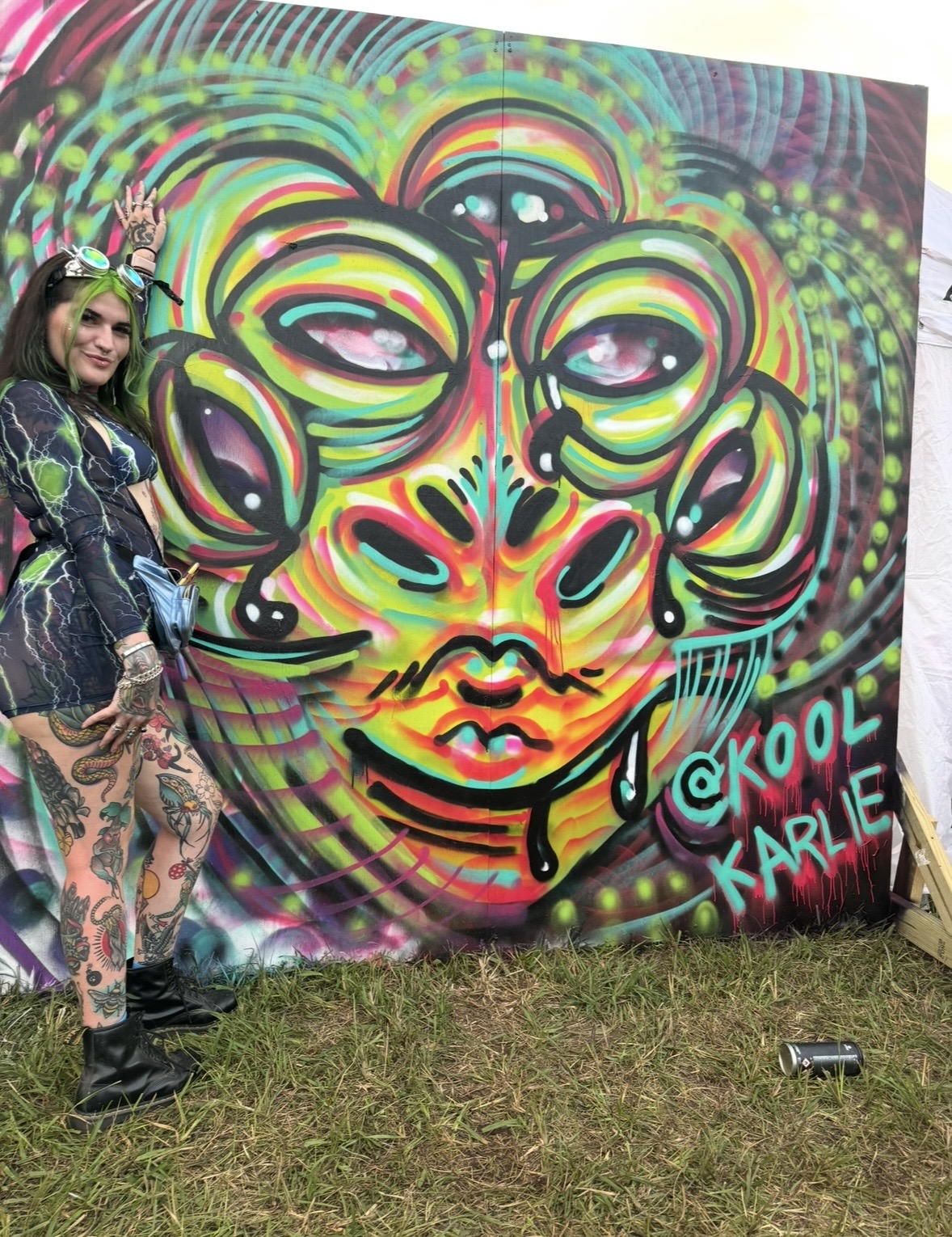
Since then, I’ve worked really hard to build that career and grow Kool Karlie into what it is today. My work has taken me from painting in my studio to huge walls, live painting at festivals and events, creating personal commissions, vending and selling my work, collaborating with businesses, and teaching painting classes. I love the freedom of being a multidisciplinary artist. I never wanted my career to fit neatly into one box.
One of my favorite parts of how my career has grown is that I’m not always just creating a finished piece. Sometimes I’m creating an experience. I love murals and public art because people get to experience art in their everyday lives, and I love teaching because I get to watch people loosen up, have fun, and realize they can be creative too. Teaching more painting classes is something I definitely want to continue growing.
This year challenged both my life and my career in a way I never could have planned for. In May, I suffered a major leg injury that required multiple surgeries and left me unable to walk for months. Suddenly, I had to miss murals, events, and opportunities I had worked really hard for.
But I never stopped creating.
I painted from home, took commissions, applied for new opportunities, and kept my business moving forward however I could. Having so much of my independence temporarily taken away actually reminded me just how much being an artist means to me. This isn’t just what I do for work. It’s a huge part of who I am.
I’m still recovering, but I’m already looking ahead to the next phase of my career. I want to build on what I’ve established through Kool Karlie with larger murals and public art projects, more painting classes, meaningful commissions, and new collaborations. This experience hasn’t made me question who I am as an artist. If anything, it’s made me even more determined to keep growing the career I’ve worked so hard to build.
I’ve changed and grown a lot over the years, and so has my art, but one thing has stayed pretty consistent: I keep choosing art. And I’m still just as passionate about it as I was when I decided this was what I wanted to do with my life.
Alright, so let’s dig a little deeper into the story – has it been an easy path overall and if not, what were the challenges you’ve had to overcome?
It definitely hasn’t been a smooth road. Building a career as a full-time artist comes with a lot of uncertainty. You’re not only the artist, you’re also the person finding the opportunities, marketing yourself, pricing your work, managing clients, applying for projects, and figuring out how to make a creative career financially sustainable. There have been incredible seasons where I’ve been booked and busy, and there have also been times when I’ve had to trust myself and keep going even when I didn’t know where the next opportunity was coming from.
I’ve also had to learn not to measure my success against other artists. Creative careers can look completely different from one person to the next, and a lot of my growth has come from figuring out what kind of career actually makes me happy instead of what I think an artist’s career is supposed to look like.
My biggest challenge came this year. In May, I shattered my tibia and broke my fibula, went through three surgeries and spent about a month in the hospital. I went from being extremely independent and constantly working to suddenly being unable to walk. I had murals, events, vending opportunities and other projects I had worked hard for that I simply couldn’t physically do.
That has probably been one of the hardest parts of my career because the opportunities were still there, but my body couldn’t keep up with what my mind wanted to do. At the same time, it forced me to adapt. I started focusing more on commissions and work I could create while recovering, continued applying for opportunities, and found ways to stay connected to my career even from a wheelchair.
I’m still in recovery, so this is a challenge I’m actively living through rather than something I can wrap up with a perfect ending. But I’m proud of the fact that I never stopped creating. If anything, it has reminded me how much I love being an artist and how hard I’ve worked to build this life. I’m incredibly ready to get back to the murals, events, classes and everything else I love, even if getting there looks a little different for a while.
Thanks for sharing that. So, maybe next you can tell us a bit more about your work?
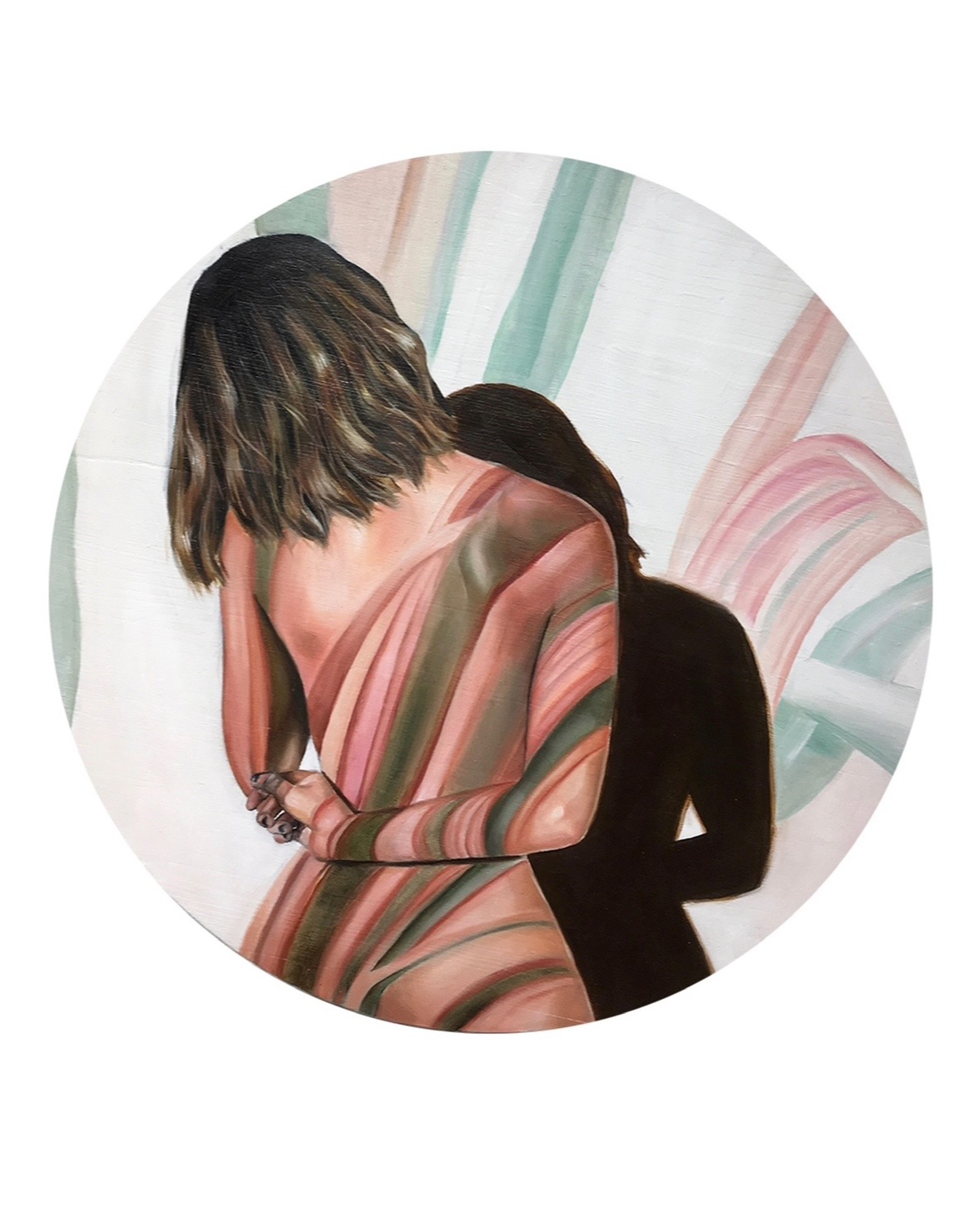
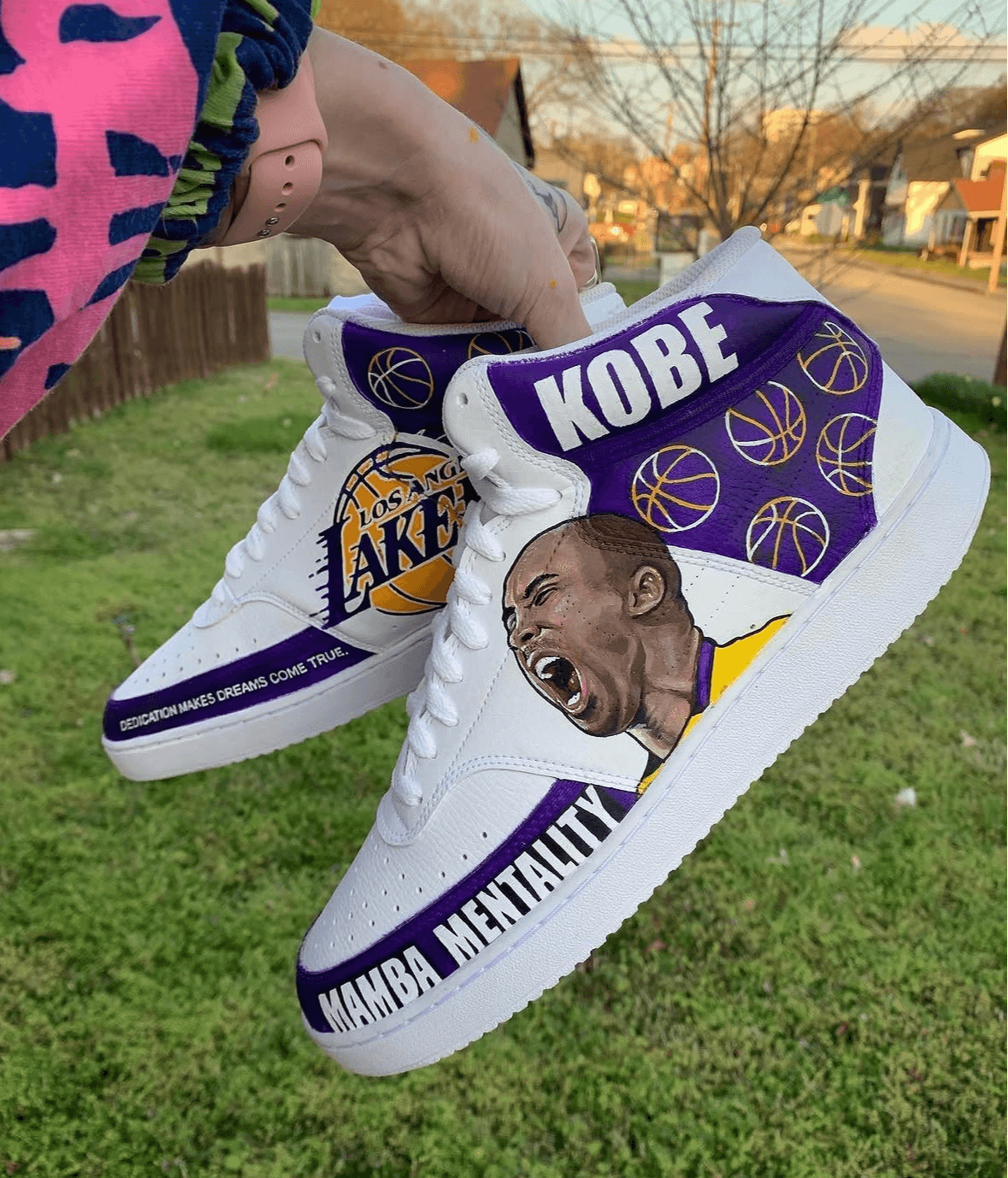
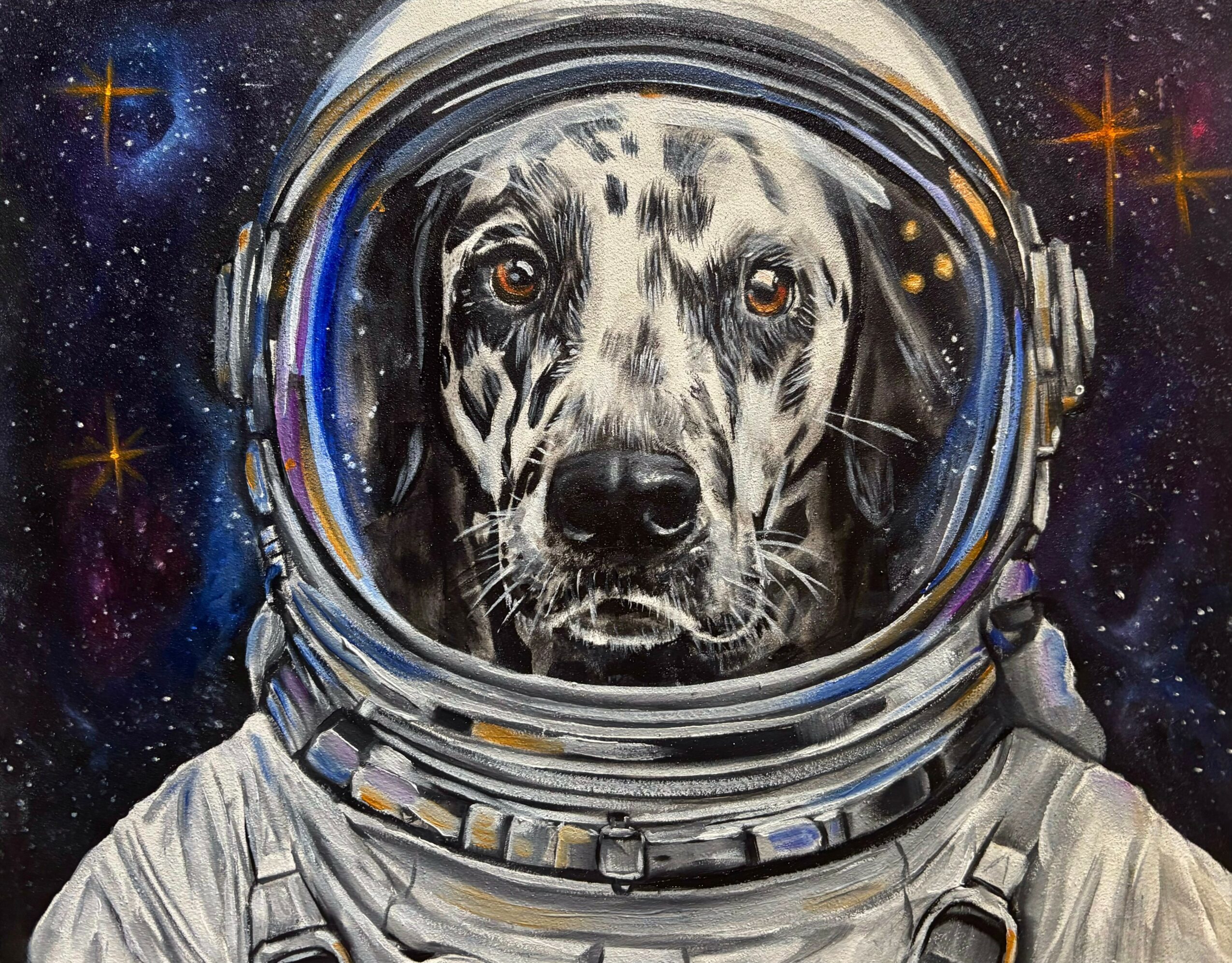
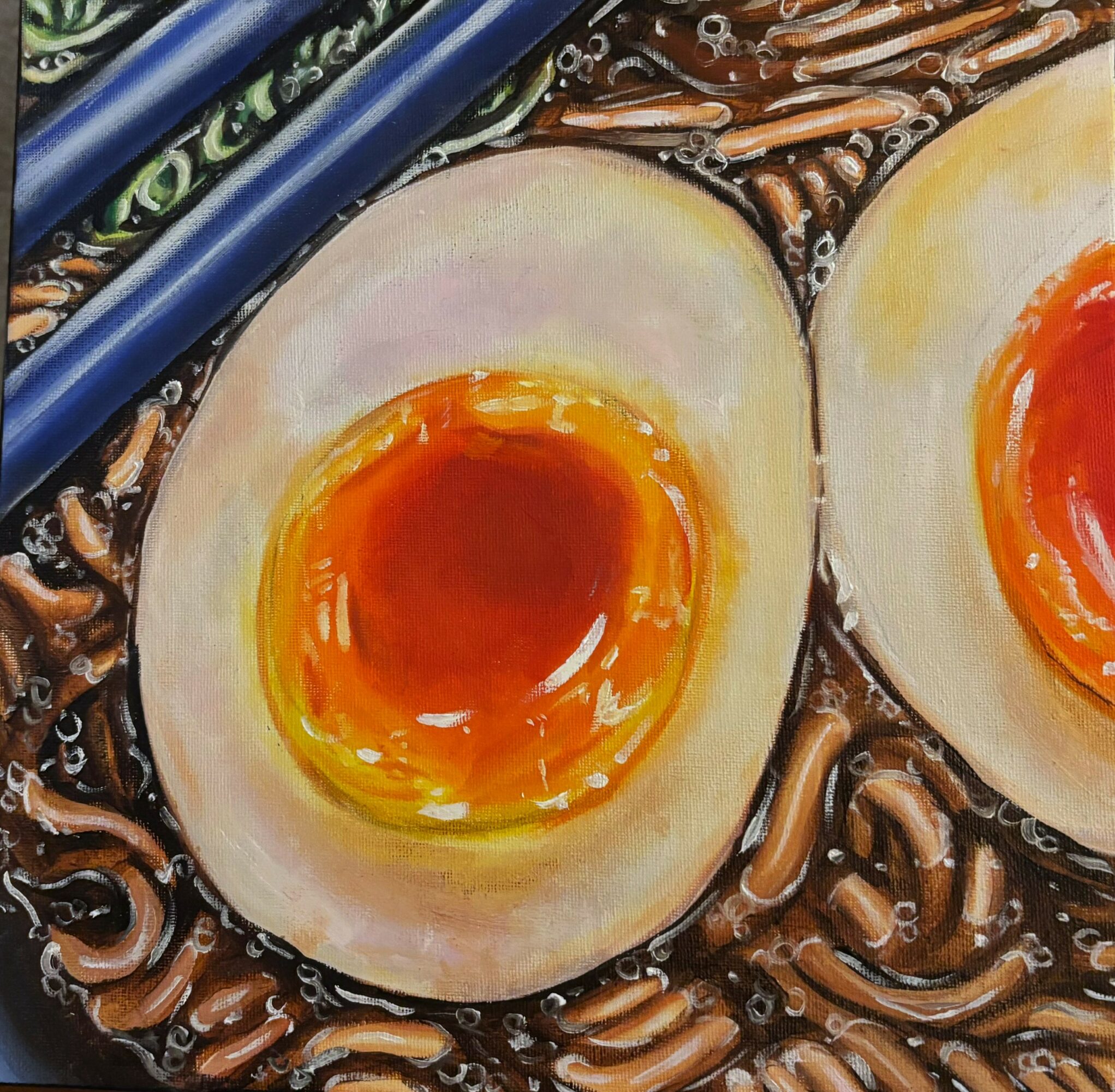
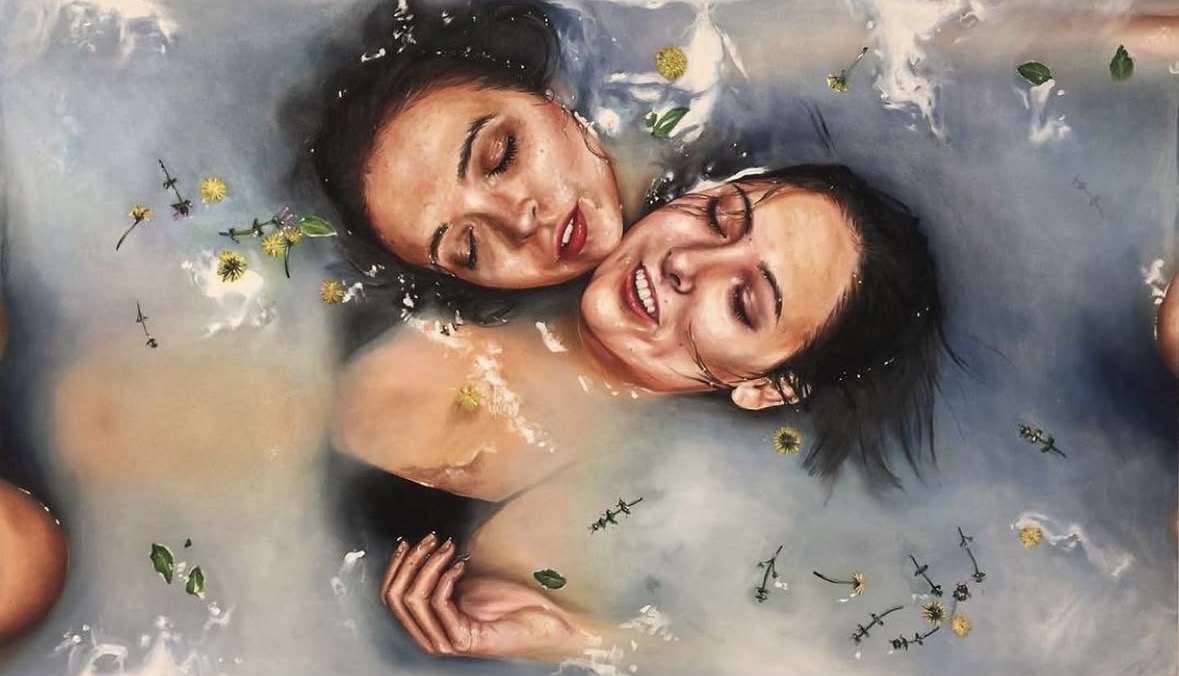
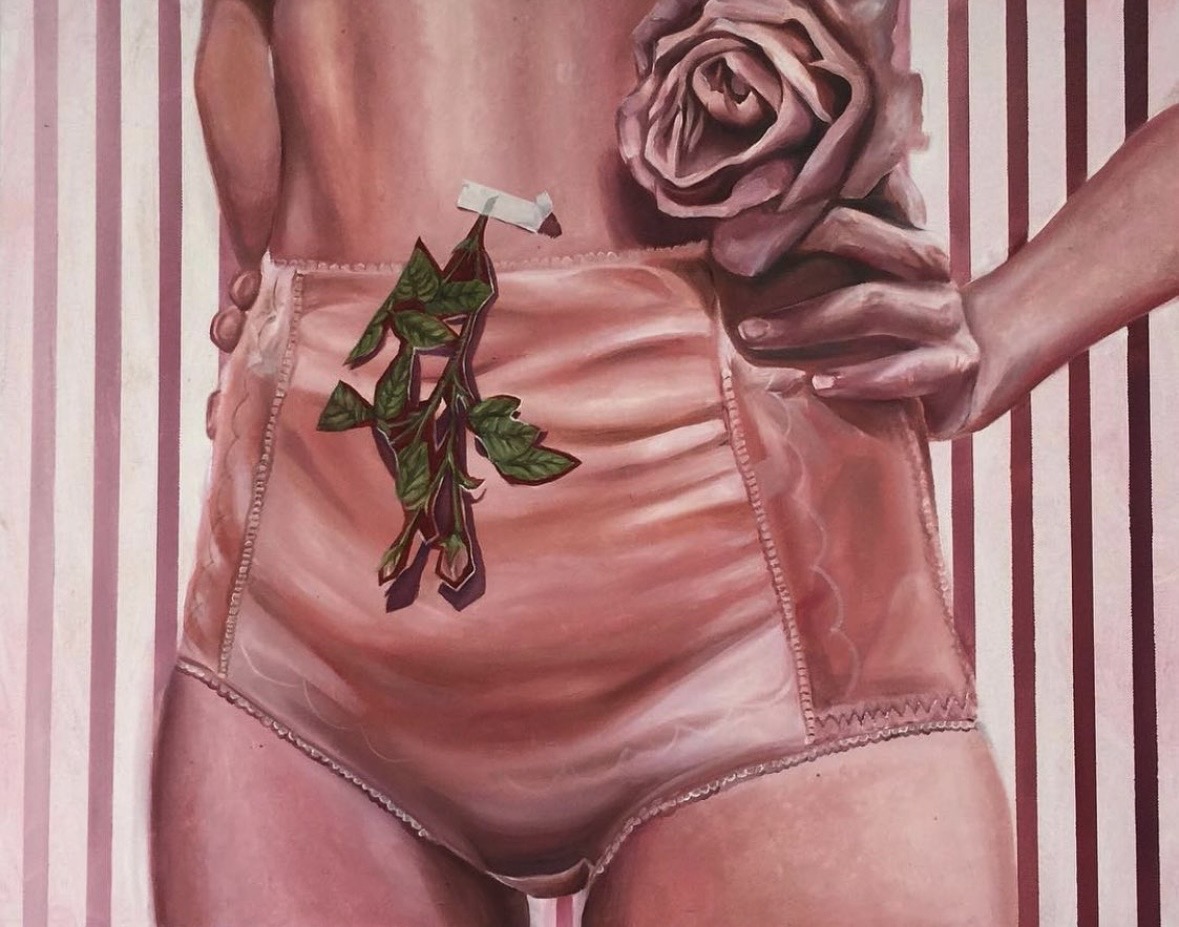
I’m a multidisciplinary artist, which basically means I have a really hard time limiting myself to one kind of canvas or even one style. I work in painting, large-scale murals, live painting, commissions, custom artwork, and teaching, and my work can range from hyperrealism and realism to surrealism, abstract and more expressive, colorful pieces. I love being able to move between styles depending on what I’m trying to create.
My work is probably best known for being bold, colorful and full of personality. Even when I’m working in hyperrealism, I’m drawn to interesting color, composition and details that make the piece feel like more than just a copy of a photograph. With my surreal or more expressive work, I get to push that even further and create things that might not exist anywhere except in my head. I think that range is a huge part of who I am as an artist.
That carries over into the kind of projects I take on too. I can be up on a lift painting a huge mural one week, in my studio working on a detailed portrait or commission the next, and then live painting surrounded by music and people after that. I’ve created murals for businesses and community spaces, live painted at festivals and events, created really personal custom pieces, sold original work, and taught painting classes.
I’m proud that I’ve built a career where I don’t have to put myself into one box. I think what sets me apart is my versatility while still bringing my own energy to everything I make. I love being given an idea, especially one that’s a little weird or outside of the box, and figuring out how to turn it into something exciting and completely unique.
At the core of everything I do is the belief that art should connect. I want my work to stop people in their tracks, even for a second, and make them feel something real—whether that’s curiosity, nostalgia, joy, or just pure excitement. If someone walks away remembering how a piece made them feel, then I’ve done my job. I’m not interested in making work that just sits on a wall; I want to create moments, energy, and experiences that stay with people long after they’ve seen them.
In terms of your work and the industry, what are some of the changes you are expecting to see over the next five to ten years?
I think the art world is going to change a lot over the next 5–10 years, especially with AI and technology making it easier than ever to create and consume images. We’re already surrounded by so much visual content every day that I think people are going to start craving the opposite: things that feel human, tangible and personal.
I think there will always be a place for new technology in art, but I also think it’s going to make original, handmade work feel even more special. There’s something completely different about standing in front of a painting and seeing the brushstrokes, watching an artist create something live, walking past a mural that changes an entire space, or owning a commission that was made specifically for you.
I also see art becoming more experiential. Murals, public art, live painting, interactive events and creative classes give people something they can actually participate in and connect with instead of just scrolling past another image on a screen. That’s a direction I’m really excited about because so much of my own work already lives in that space.
I don’t think technology is going to replace artists. If anything, I think it’s going to challenge us to be more individual, more creative and more intentional about what we bring to the world that technology can’t replicate. For me, that’s the personality, imperfections, story and human connection behind the work.
Contact Info:
- Website: https://Www.koolkarlie.com
- Instagram: @koolkarlie
- Facebook: https://Www.facebook.com/karlie.tankersley.art