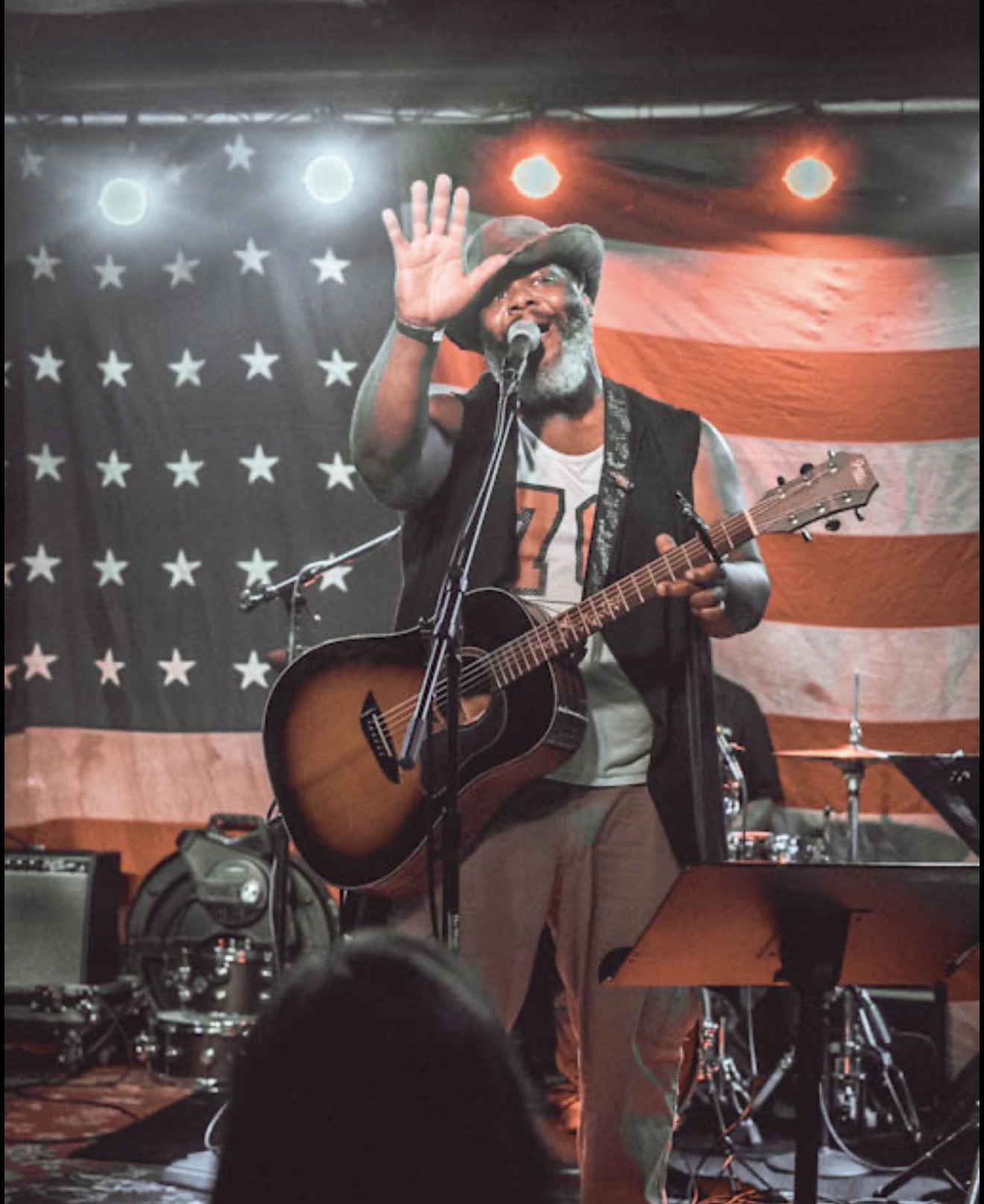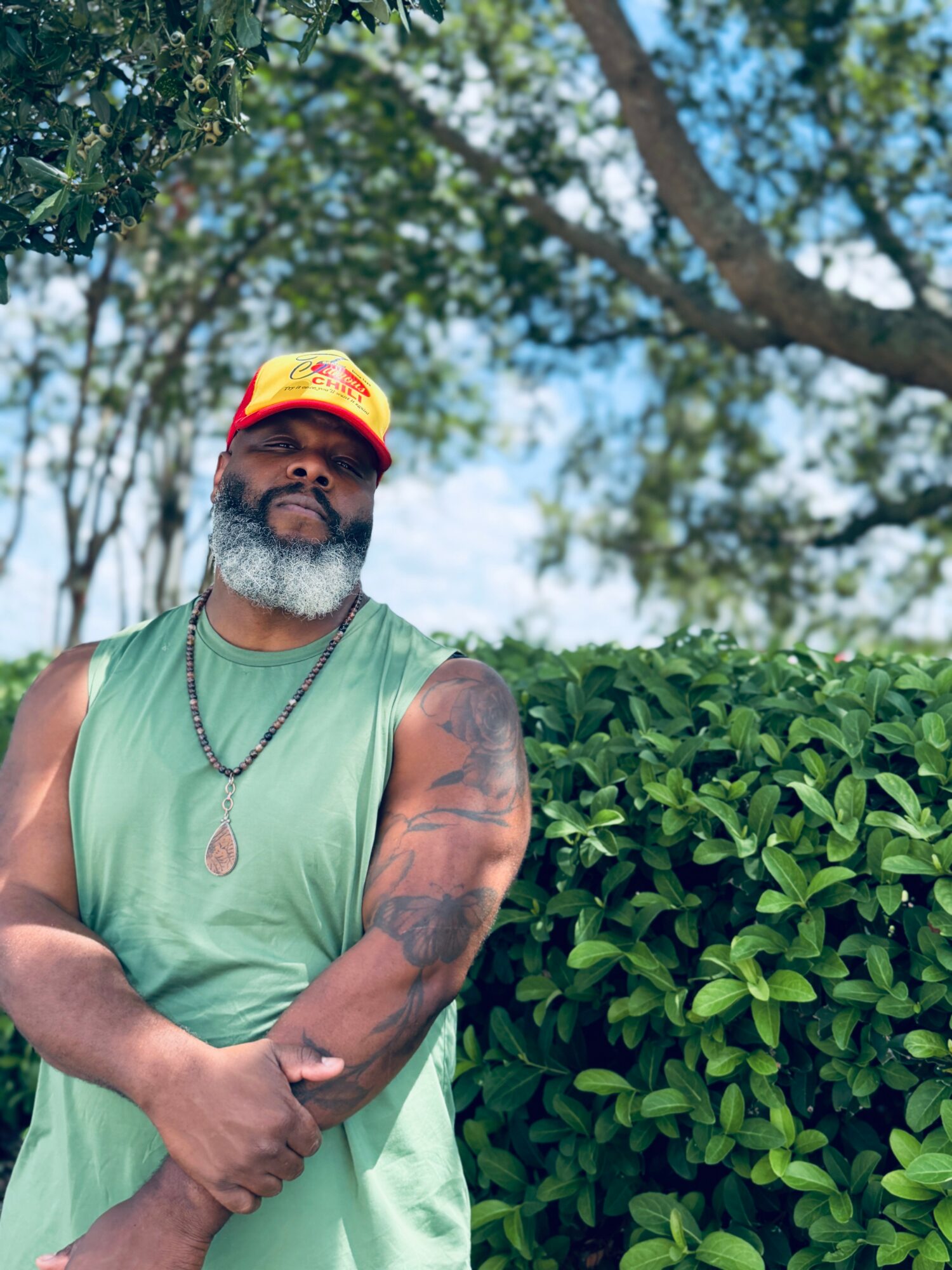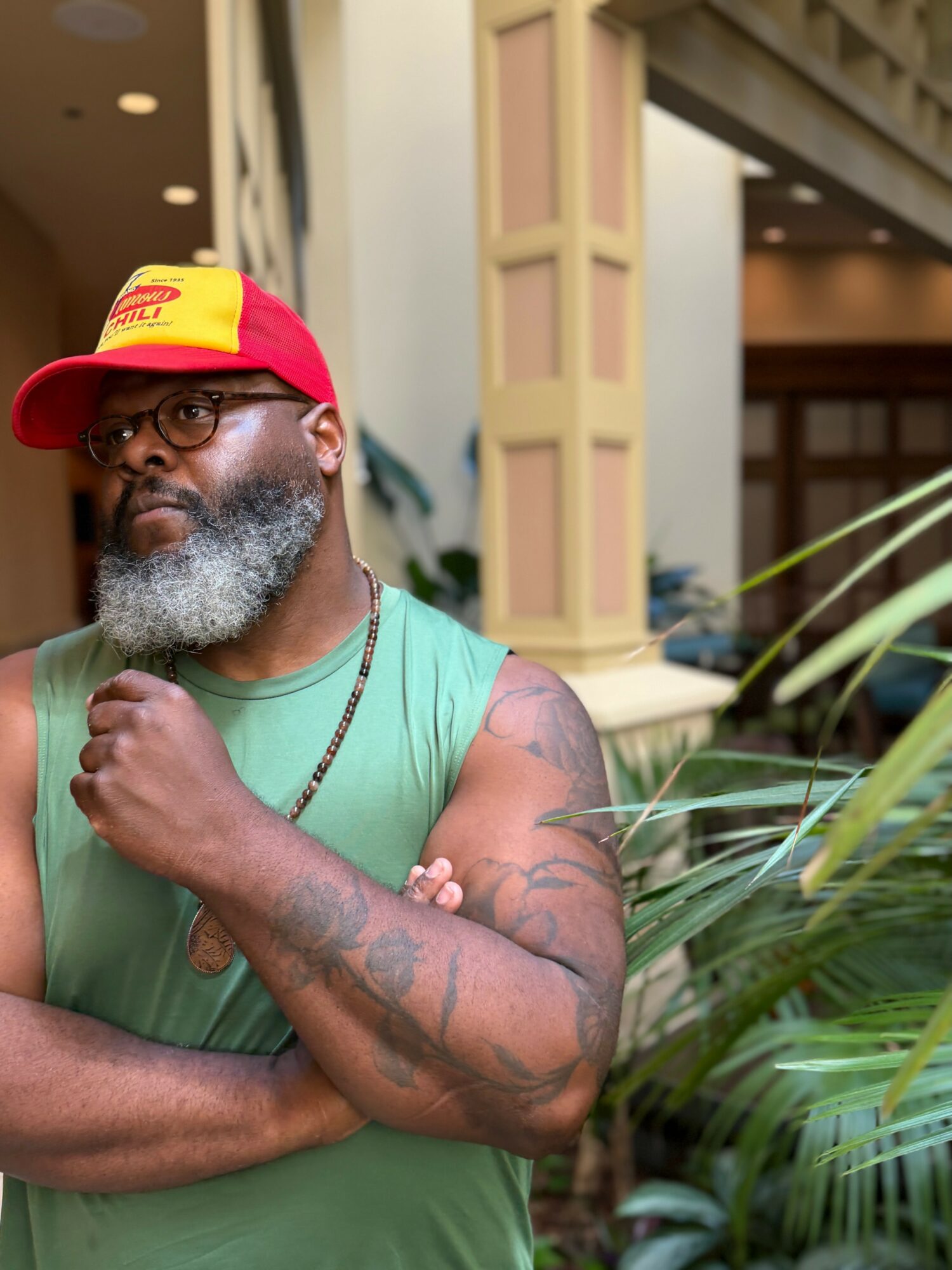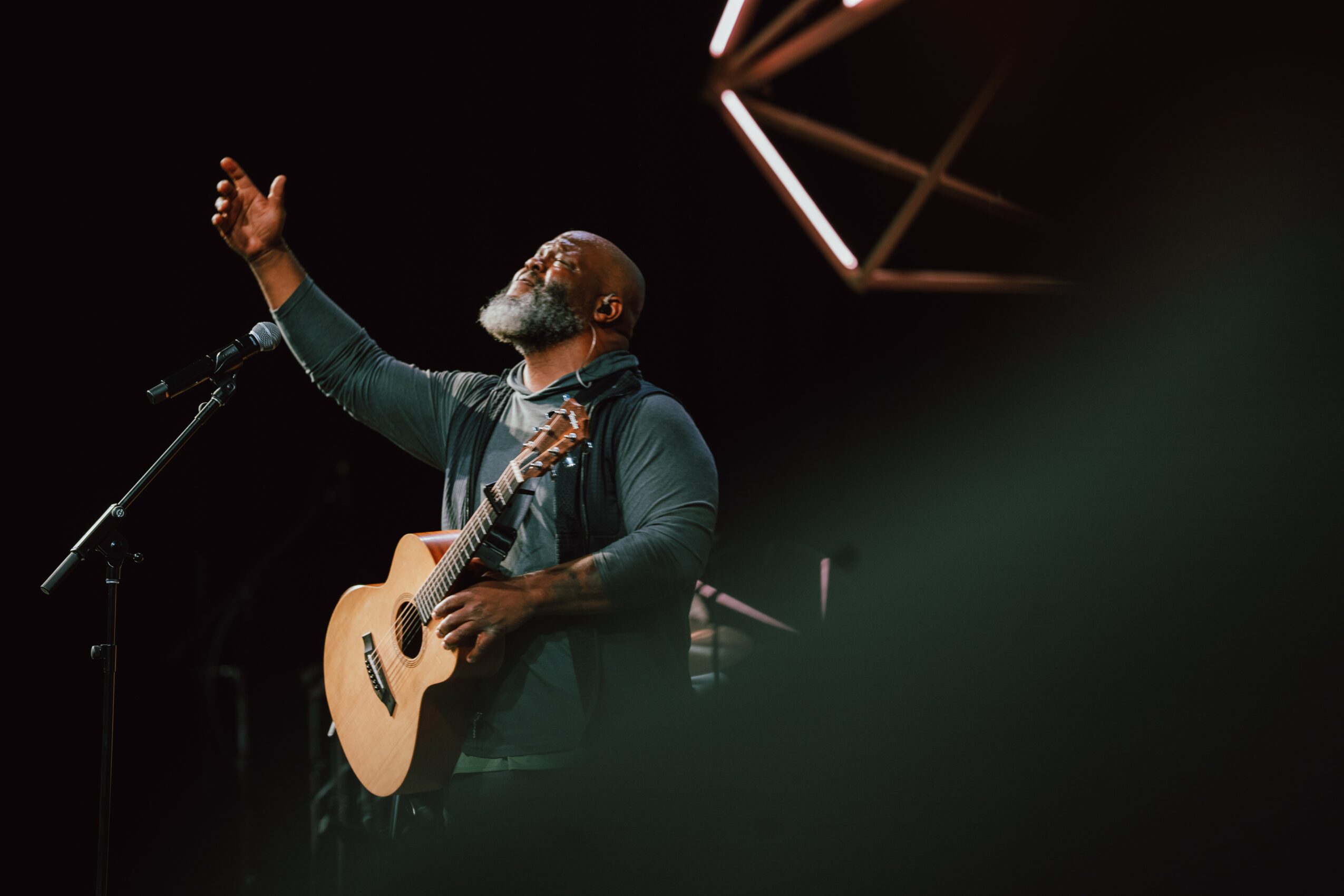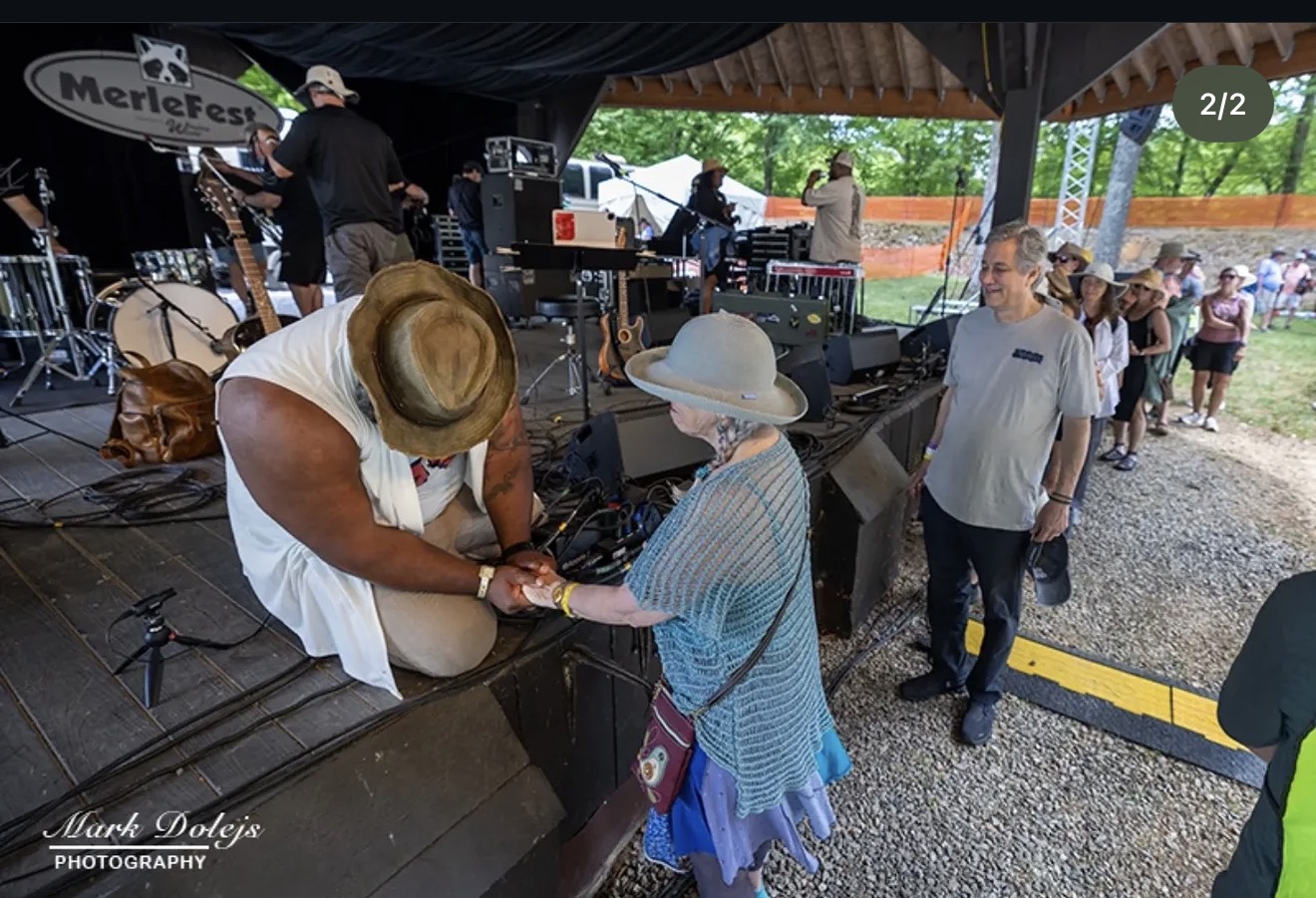





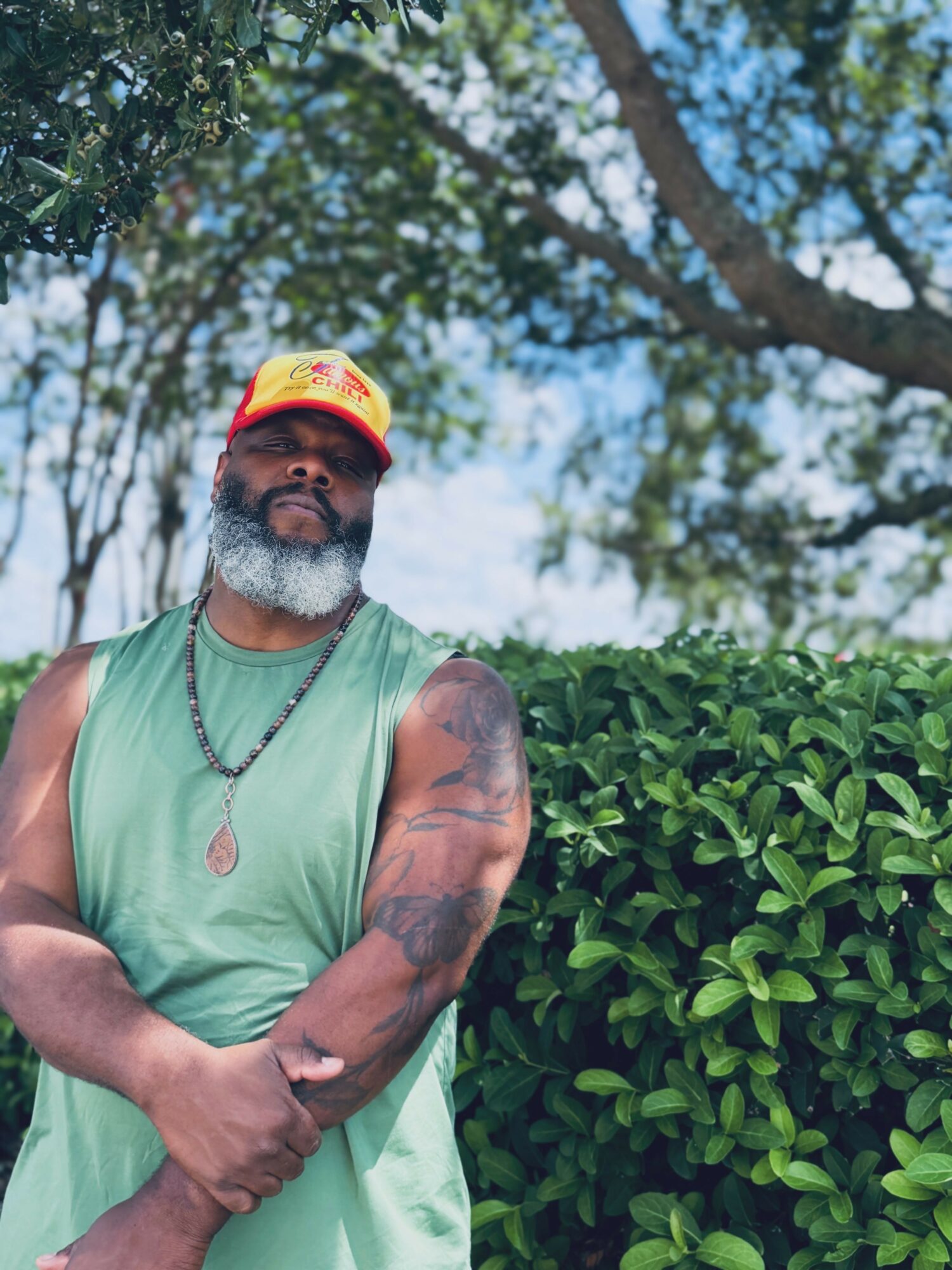
Today we’d like to introduce you to Leon Timbo.
Alright, so thank you so much for sharing your story and insight with our readers. To kick things off, can you tell us a bit about how you got started?
I’m Leon Timbo. Singer-songwriter, son of pastors, from Northeast Florida – Duval County.
I say Duval intentionally. Jacksonville is the name most people know, but Duval County is the actual boundary of the city. For people of color, when Jacksonville didn’t see us, Duval County did. Saying Duval is how I honor where I’m from while still naming the tension of the space I grew up in.
Jacksonville has a massive legacy when it comes to Southern rock and blues royalty, and Derek Trucks is central to that history. The rumors you heard are absolutely true – despite writing the ultimate anthem for Alabama, Lynyrd Skynyrd was birthed right out of my city. They grew up on Jacksonville’s Westside and built their signature sound in a small, isolated cabin deep in the woods. Ray Charles went to the School for the Deaf and Blind in St. Augustine, so we claim him as ours, too.
I found myself in church music, stuck between old-school gospel, rhythm and blues, and what we’ve come to know as contemporary Christian music. I started playing guitar later in life because I wanted to play in more spiritual settings. So I would play for hours in the backyard at my parents’ home, singing about the trees, the sky, the wind, or telling stories about loving people who didn’t love me. That’s how I found my sound. Praying to who I couldn’t see, but always felt. And I brought all of that with me to Nashville.
Alright, so let’s dig a little deeper into the story – has it been an easy path overall and if not, what were the challenges you’ve had to overcome?
At this juncture I would not call them struggles as much as I would call them lessons. Finding authenticity takes discomfort and pressure and that is what my journey has been.
It has been a lot of nos. But I believe the best yes is an honest no. The gift of hearing no allowed me to know where I did not belong or who I did not belong with. And although I was not clear about where I did belong or who I did belong with, knowing where I did not belong was information I had to experience.
So my “struggle” was finding community. Community that understands your story and your sound and your spiritual acumen and your desire to love everybody and present the tensions of that in your art, whether it is popular or not. Thats when The Black Opry was born.
Can you tell our readers more about what you do and what you think sets you apart from others?
I chose other because my professional life has not been in just one lane.
I owned a restaurant for five years in Stone Mountain, Georgia. And that move is significant. I go from Southern Jacksonville, Florida to Stone Mountain, Georgia. If you know, you know. With a restaurant. And then I bring that to Nashville.
When you are an artist, when you are a creative, it is not just in one area. Picking up the acoustic guitar allowed me to be the songwriter that I heard in James Taylor and Bill Withers, John Denver and Muddy Waters. It allowed me to create what I was feeling. And cuisine does that as well. Food is a creative medium too. I mean do not cross contaminate, but there is a lesson there too.
So I feel like I am a storyteller. What sets me apart is that I tell stories that have unique Christian significance. Honest Christian significance. The kind of significance that identifies the holes and the hypocrisy while putting a mirror in front of those who deserve to see themselves clearly.
So whether that is in an atmosphere, an experience, or me on the front porch of my grandmother’s house, the goal is that we get a little closer. I might sing you a song and fix you an amazing meal and at the end we all say a prayer together to who our faith aligns with. That is what sets me apart. I see those crossroads clearly.
Are there any apps, books, podcasts, blogs or other resources you think our readers should check out?
Here are a few resources that help me do my best in life and in work.
The Color of Compromise by Jamar Tisby helps me to not repeat patterns that have been repeated before.
Strength to Love by Dr. Martin Luther King Jr. is one of my top books that I revisit often.
Black Liturgies by Cole Arthur Riley. There is a unique perspective on open faith in that book and it helps me to lean into spaces I do not quite understand.
My Grandmother’s Hands by Resmaa Menakem. I cried so much when reading and rereading that book. It just put so many things in perspective for me.
Love Matters by Albert Tate, one of my favorite pastors who pastors on the West Coast in Los Angeles. I was a worship leader there for about five years and I think I understood how to address a bit of my biases with the way Albert Tate explained love and faith.
Blues People, Negro Music in White America by Amiri Baraka, also known as LeRoi Jones.
And Braving the Wilderness by Brene Brown. That book really did a lot for me.
When it comes to podcasts, I jump into podcasts that help open me up in areas where I know I have a lot of fear. It helps me with a lot of my own prejudices. A lot of my white friends told me they secretly watched Tyler Perry plays because it felt safe and I used to pick at them until I started having to do the same thing.
I listen to April Pride, who talks about psychedelics for women who are dealing with changes in a society shaped by patriarchy.
There is another podcast called The War on Drugs that deals with the war on drugs and how the legalization or the prohibition of certain things that are proven to be healthy affects us.
I love the Bible Project. Two guys from Portland. I have been following them for years and they give me insight on scripture.
I also tend to listen to really deep science podcasts. I cannot think of one by name right now.
I use podcasts as a way of opening my prejudices so that when I write and when I communicate, I can do so with love and understanding and not just bias or environmentally led perspectives.
That is what those influences have inspired me to do. I have written a small book called The Illusion of Worship and the Lies We Tell Ourselves About It, and also a book called Enough. They both deal with different parts of me. One is that the act of worship is not musical, it is love, it is surrender, and the process of getting to that space. And the other one is the idea of knowing that everything you need is already in you, with you, around you, at your disposal.
Contact Info:
- Website: https://LeonTimbo.com
- Instagram: https://instagram.com/leontimbo
- Facebook: https://facebook.com/leontimbomusic
- Youtube: https://youtube.com/@leontimbolive?si=vaG_0EhDv1CL-snj