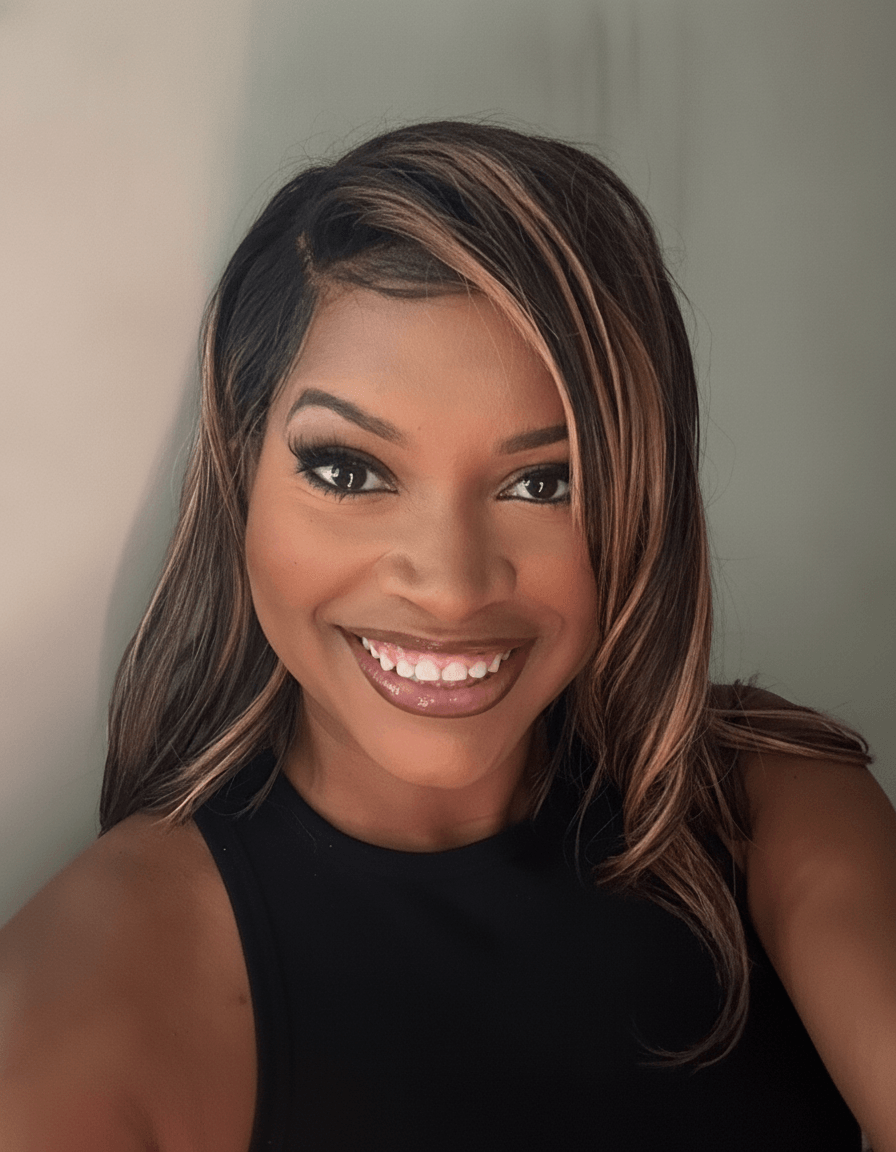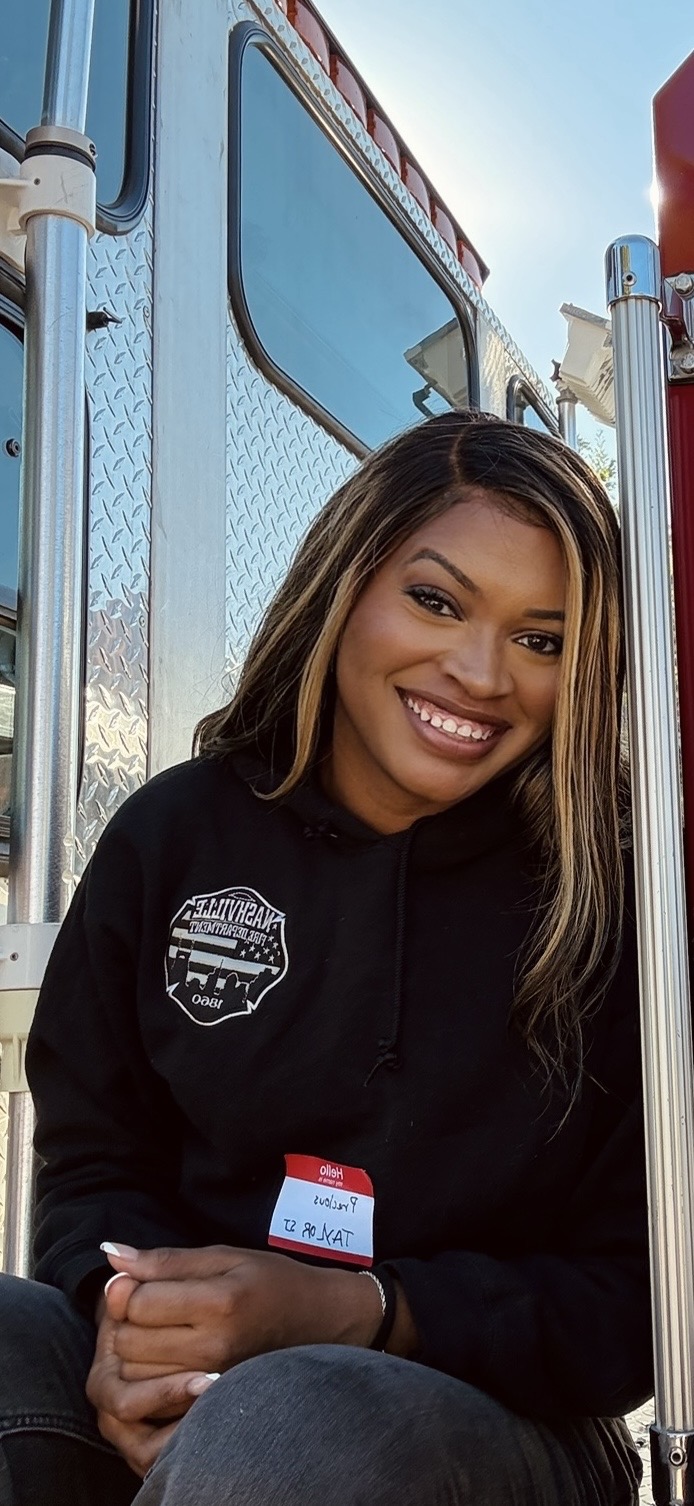




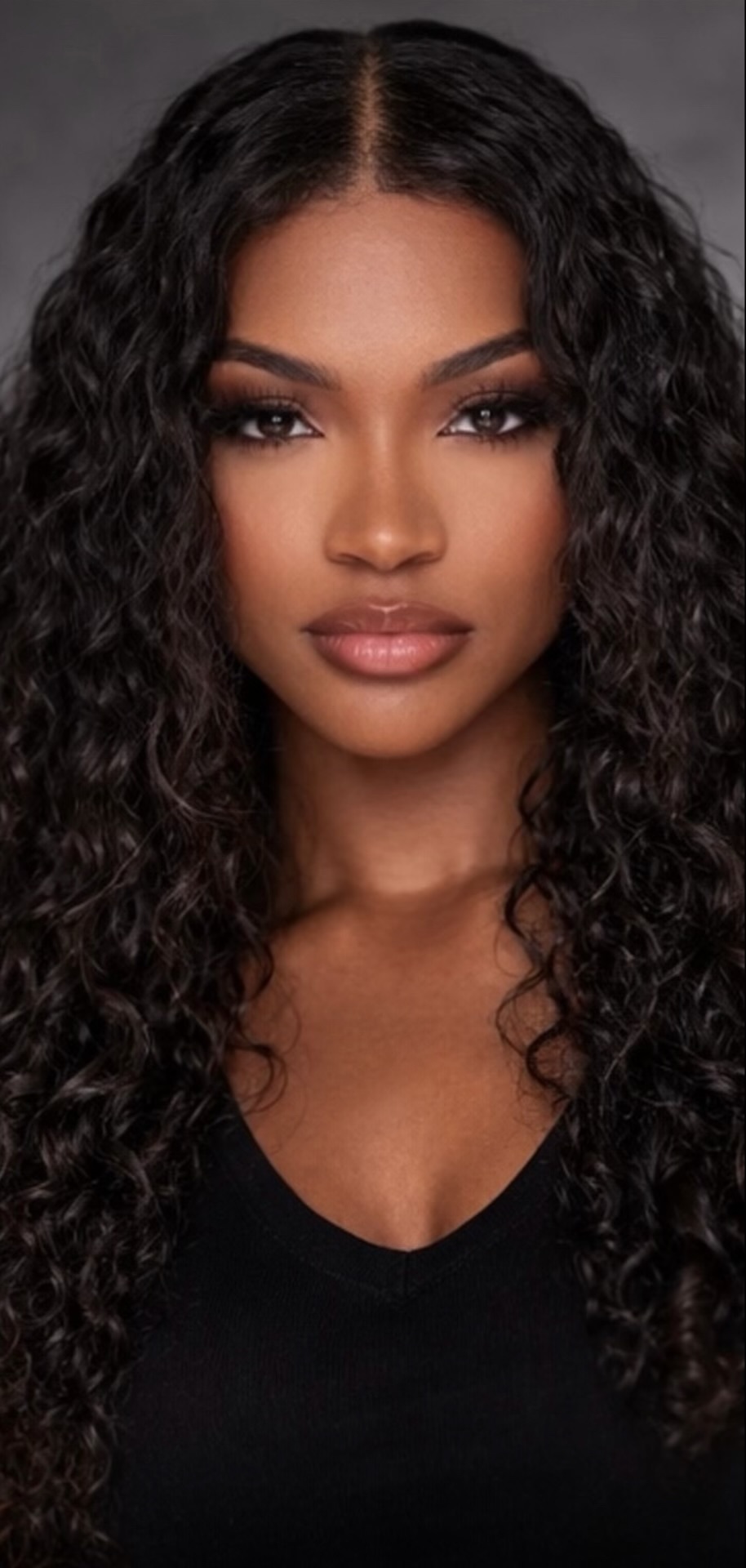
Today we’d like to introduce you to Precious Johnson.
Hi Precious, it’s an honor to have you on the platform. Thanks for taking the time to share your story with us – to start maybe you can share some of your backstory with our readers?
I grew up in a really small town in Tennessee with a population of around 300 people, and from a very young age, I knew I wanted to be working in television and film. I remember doing the play Annie when I was in elementary school, and falling in love with everything about it…the auditions, learning lines, rehearsing at night, getting mic’d up, being on set, and the entire process of bringing a production to life. From that point on, I knew this was what I wanted to do.
Eventually, I made my way to Nashville and earned my degree in Video and Film Production from Middle Tennessee State University.
Around the time I was graduating high school and going into college, I got one of my first opportunities to work in television as a featured extra on Nashville. It was such a full-circle experience because I had grown up dreaming about coming to Nashville and working in the entertainment industry. I was even featured in one of the show’s promotional commercials, which aired on my birthday. I remember that being the moment when it really hit me: “Wait, I’m actually going to be seen on television with Hayden Panettiere.” Knowing that now, especially after her passing, makes that memory even more meaningful to me.
After graduating college, I found myself questioning whether I was being realistic about pursuing entertainment. I graduated during COVID, when so much of the industry had shut down, and there weren’t many major projects filming in Nashville at the time. On top of that, I had people encouraging me to get a “real job,” and I started wondering those things myself. Was I making the right choices? Was I actually going to be successful? Was I where I was supposed to be in life?
So I tried a lot of different things. I worked as a waitress, in retail, in call centers and corporate environments, became a staffing agent for Amazon, worked at AT&T, and even became a bail bond agent for a period of time. I was actually successful in many of those jobs, but I never felt fulfilled by them. I dreaded getting up for work, dreaded finding out my schedule, and constantly felt like I was waiting for my actual life to start.
More than anything, I felt like someone else was controlling my life. Every waking moment seemed to revolve around someone else’s schedule—when I could eat, when I could use my phone, when I needed to be at work, when I could leave. Even having a bad day felt like something I had to ask permission for. I remember thinking, “I’m living my life on somebody else’s schedule, and this can’t be all there is.”
Eventually, I began finding my way back toward entertainment, but I was also going through some difficult personal circumstances at the same time. There was already a lot happening in my life and a lot of stress surrounding me when I got sick.
I became sick around Christmas. At first, I thought I had the flu, but on Christmas Day I realized something was seriously wrong. I had bent down to help pass out Christmas gifts and couldn’t get back up because I was in so much pain.
I was also losing weight extremely rapidly. I had been around 147 pounds, and by the time I went to the hospital, I had dropped to around 110 pounds.
Eventually, I went to the emergency room and found out that I had sepsis and needed emergency surgery. At the time, I didn’t fully understand how serious sepsis was. I called my cousin, who was in Atlanta at the time and was working in the medical field, and told her that the doctors thought I might have sepsis. She basically said, “We’re on the way,” hung up the phone, and immediately started driving back toward Tennessee. She made it back to Clarksville in what seemed like two hours. To this day, I still don’t know how she did it.
What I didn’t know at the time was that the doctors had told my mom that if I didn’t have the emergency surgery, I potentially had only about three days to live. My mom didn’t tell me because she was trying to protect me, but she had to carry that information while watching her daughter fight for her life.
I ended up spending about seven days in the hospital, receiving rounds of antibiotics every four hours while recovering from the surgery.
I eventually learned what that experience had been like for my mom…having to leave the room to cry, mentally preparing herself for the possibility that she might lose me, and then coming back and trying to be strong for me. I also knew that my mom and other people were praying for me, and knowing that strengthened my faith and belief in God during a time when I was afraid and uncertain. That experience changed the way I understood family, faith, and the people who truly love you.
I also started realizing how serious things were myself. At one point, the hospital offered me morphine instead of something like Tylenol, and I remember thinking, “Wait a minute.” My aunt and uncle had both received morphine while they were in hospice, so that was one of the first moments where it really clicked for me that I might actually be dying.
When you are that close to death, your mind goes through everything. I started thinking about my siblings, my family, my friends, my life, and whether I had done enough. Had I told the people I loved how much they meant to me? Had I hugged people enough? Had I made the impact I wanted to make? If I didn’t make it, what would I wish I had done differently?
And all of the things I had been stressing about before suddenly became completely insignificant. The career questions, the relationship problems, the uncertainty about where I was supposed to be in life, the things I had been allowing to consume my thoughts—it all seemed so small compared to the possibility of not being here at all.
It also made me realize how important it is to pay attention to who is actually there for you. There were people whose opinions I had spent a lot of time thinking about, and when I was literally telling people that I might be dying, some of those people didn’t take it seriously. That experience changed my perspective on relationships and on how much weight I give to other people’s opinions.
At the same time, it gave me an even deeper appreciation for the people who did show up. My mom had to take care of me in ways that neither of us could have imagined. I could barely walk on my own, and she had to help me with things that I had always been able to do for myself. It was incredibly humbling to essentially have to be cared for like a child again, but it also showed me what unconditional love really looks like.
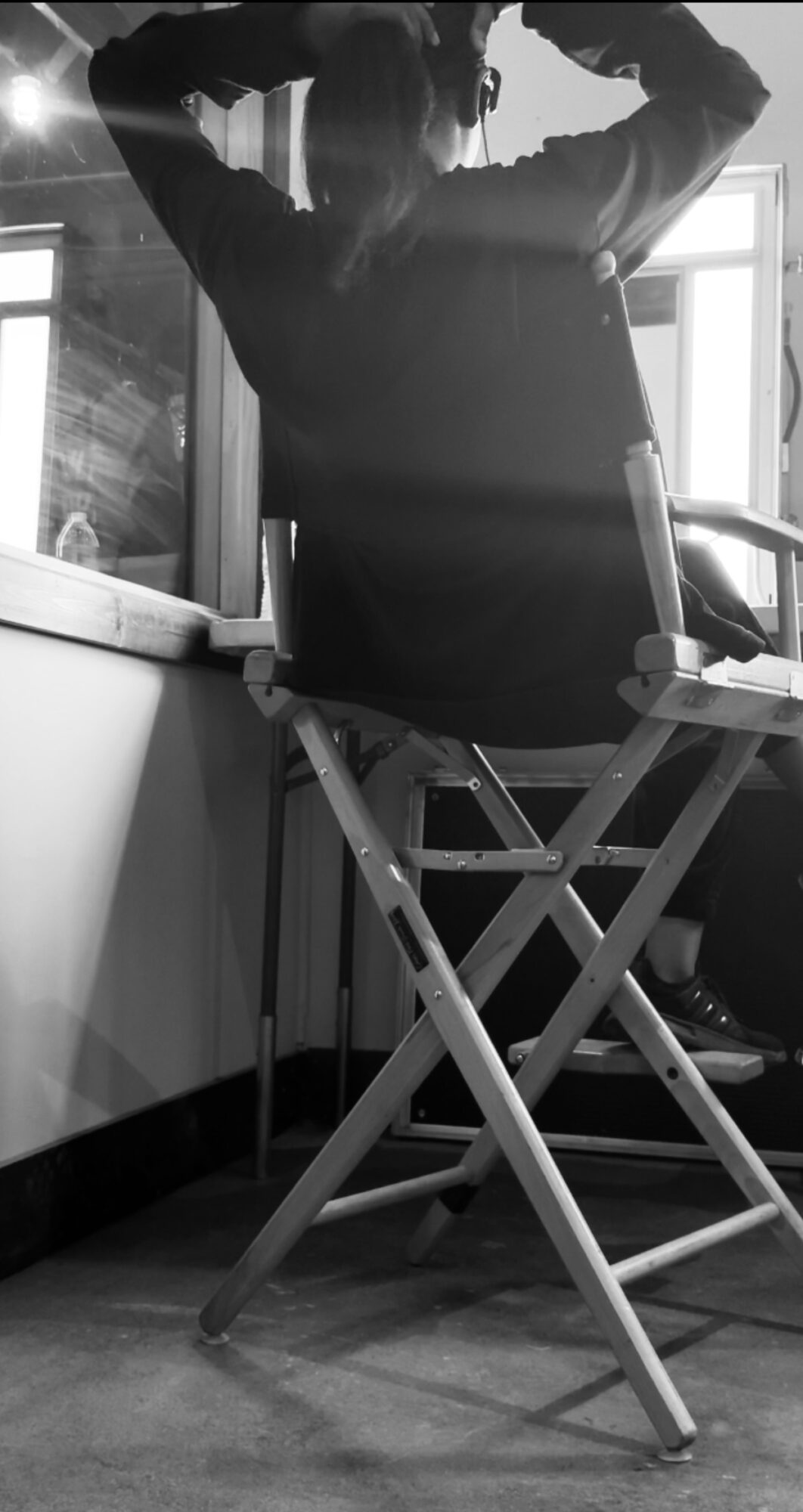
Recovery was its own journey. I had to relearn how to walk with a walker, and I was determined to get back to some sense of normalcy as quickly as possible. Fourteen days after major surgery, I got the opportunity to return to set as a stand-in for Scarpetta. I had to ask my doctor if I was physically able to do it, but I was determined.
For those 14 days, I literally practiced walking over and over again. I would walk from my bed to the kitchen, from the kitchen to the living room, and back again. I would repeat it because I wanted to be able to move at a semi-normal pace by the time I went back to set.
And honestly, who was going to turn down an opportunity to be on set with Nicole Kidman and Jamie Lee Curtis? I was determined to get myself up and walk.
I went back to set just 14 days after major surgery, still recovering and having recently learned how to walk again. I didn’t really tell people what I had just been through. I just showed up and did the job.
Looking back, I think that moment represented something much bigger. I had spent years questioning whether I was supposed to pursue this career, and then I nearly died. One of the first things I wanted to do when I was physically able was get back on a set.
That told me something about myself.
I realized that I don’t need to have my entire life figured out before I pursue the things that matter to me. I don’t need to wait until everything is perfect or until everyone else understands my choices. Life can change in an instant.
I was born prematurely at just a pound and a half, and my family had already experienced the loss of a child before me, so in a lot of ways, my life has always felt like a testament to miracles and how fragile life can be. Then, at 29, I came incredibly close to losing it again.
I don’t think surviving a life-changing experience means you suddenly become a completely different person. You’re still human. You still have bad days. You still get stressed. You still get caught up in things that, in the grand scheme of things, aren’t that important.
But now I have a perspective that I can come back to.
When something feels overwhelming, I can remind myself to be present. I don’t want to spend today worrying about yesterday or stressing about what might happen tomorrow. Today is the day I actually have, and I want to be able to appreciate it while I’m living it.
There was a time when all I wanted was one more sunny day…a song my aunt, who had passed away earlier that year, used to sing to us. I didn’t fully understand those words then, but I understand them very differently now.
I’m still building my career in film and television, and I am much more interested in creating a life that feels meaningful to me than one that simply looks right to everyone else.
If there is one thing I took away from everything I’ve experienced, it’s the importance of being present, having gratitude, and not allowing fear about the future or regrets about the past to keep you from experiencing the life that’s happening right now. It’s also taught me to tell people I love them, hug people, and never take those moments for granted.
Because when you’ve been that close to death, you understand something very clearly
Life is precious. No pun intended.
We all face challenges, but looking back would you describe it as a relatively smooth road?
It definitely has not been a smooth road, but I think that’s also what has made the journey meaningful for me.
One of the biggest struggles has been learning how to pursue a career that doesn’t always come with a clear roadmap. I knew from a very young age that I wanted to work in television and film, but as I got older, I started realizing that wanting it and actually building a career in it are two very different things. There were times when I questioned whether I was being realistic, especially after graduating during COVID and watching so much of the industry come to a standstill.
I also spent several years trying different careers because I thought maybe I needed to choose something more practical. I worked in restaurants, retail, call centers, corporate environments, staffing, telecommunications, and even became a bail bond agent. I was able to be successful in a lot of those roles, but success didn’t necessarily equal fulfillment. I constantly felt like I was living according to someone else’s schedule and waiting for my real life to begin.
There were also periods of my life when I was dealing with difficult personal circumstances at the same time that I was trying to figure out my career and my future. Then getting sick with what I thought was the flu and ultimately finding out that I had sepsis and needed emergency surgery completely changed the way I looked at everything.
One thing I’ve learned through all of those experiences is that sometimes the hardest part isn’t the obstacle itself—it’s trusting yourself when you don’t have proof yet that everything is going to work out. When I came home from the hospital after surgery, I was recovering physically, but I was also trying to rebuild my life. Around that same time, I had just gotten my own house, and I made a poster that said, “What if it all works out?” I hung it in my living room in a place where I would have to walk past it every day. It became something I would repeat to myself whenever I started questioning what was next. I still have that poster hanging in my living room today.
The experience with sepsis also changed the way I viewed relationships and family. When you’re faced with the possibility of not being here anymore, you become very aware of who shows up for you, who genuinely loves you, and what actually matters. It gave me a much deeper appreciation for my family, especially my mom, and for the people who were there for me when I was at my most vulnerable.
Recovering from that was one of the hardest physical challenges I’ve ever experienced. I went from being around 147 pounds to around 110 pounds, spent about a week in the hospital, and had to learn how to walk again. But even then, I was still determined to get back to the life I had been building. Fourteen days after major surgery, I returned to set for Scarpetta after practicing walking every day because I wanted to be physically capable of doing the job.
I think another difficult part has been learning that not everyone will understand your journey, and that you can’t allow other people’s expectations to determine what your life is supposed to look like. Sometimes you have to be willing to keep moving forward even when other people don’t understand the choices you’re making.
I still have difficult days. I still get stressed and caught up in things that feel important in the moment. I don’t think a life-changing experience magically makes you immune to being human. What it did give me, though, is perspective. I’ve learned to come back to gratitude, to be present in the moment I’m actually living, and to keep moving forward even when I don’t know exactly what the next step looks like.
So no, it hasn’t been a smooth road. There have been a lot of detours, setbacks, and moments where I wondered if I was on the right path. But I think those moments have taught me to trust myself more, appreciate the people who genuinely show up for me, and continue choosing the life that feels true to me. There have been plenty of moments when I could have taken the easier or more predictable road, but I’ve learned that the path that is right for you isn’t always the one that is easiest to explain to everyone else. Sometimes you have to take the road that feels less certain, trust that it will lead somewhere meaningful, and keep walking.
Looking back, I think that has made all the difference.
Appreciate you sharing that. What else should we know about what you do?
My work is primarily in television and film, both in front of and behind the camera. My original goal has always been to act, but my degree in Video and Film Production also gave me an understanding of what happens behind the scenes and a real appreciation for the entire production process.
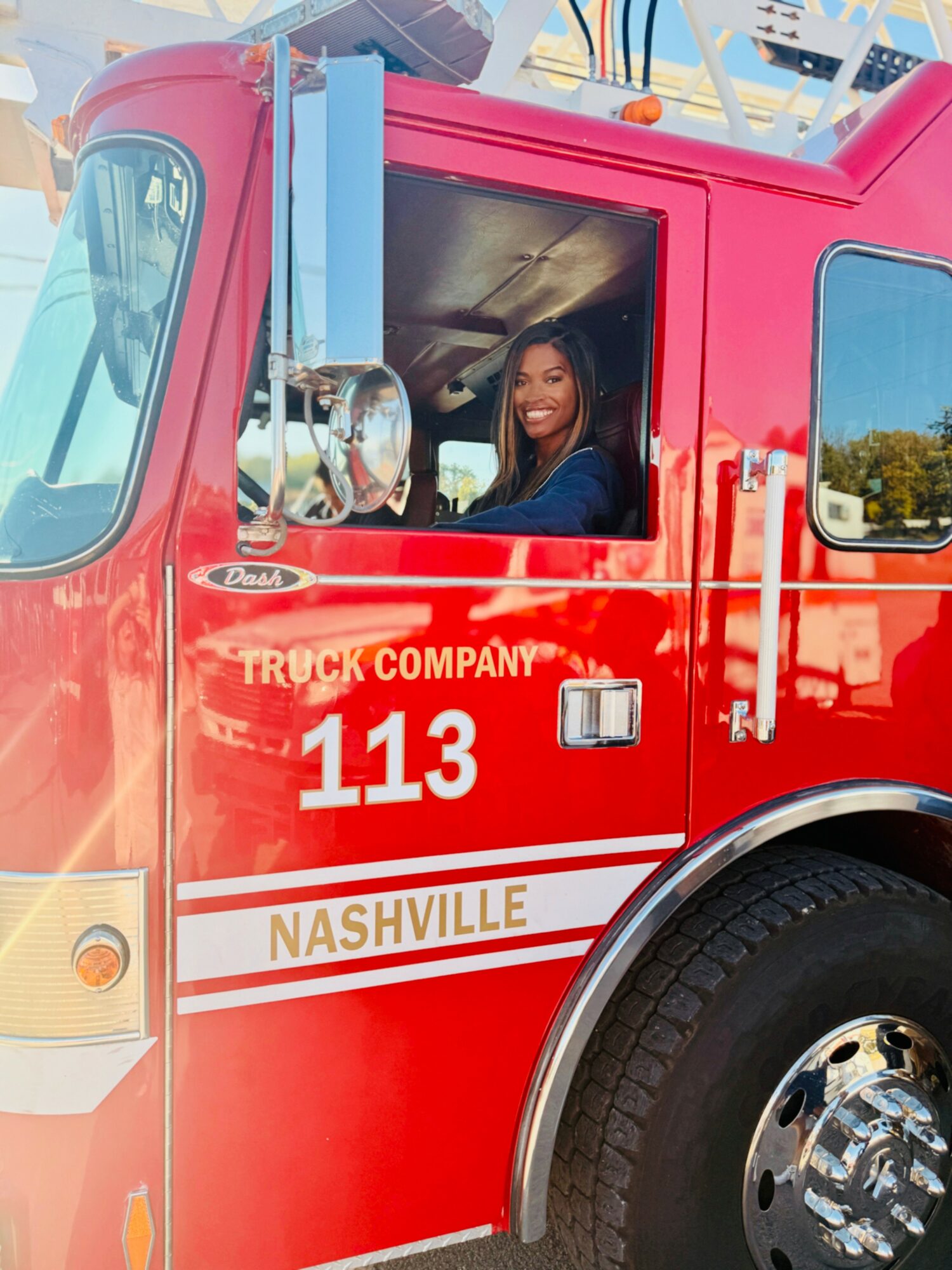
Over the years, I’ve had the opportunity to work on productions in a variety of capacities, from being a featured performer to working as a stand-in and photo double. I’ve worked as a stand-in and photo double on 9-1-1: Nashville and as a stand-in on Scarpetta for Amazon Prime. I’ve also had the opportunity to appear in music videos for artists including Chris Young, Luke Bryan, and Kane Brown, including Chris Young’s “Young Love & Saturday Nights” and Luke Bryan’s “But I Got a Beer in My Hand.”
Music videos are especially meaningful to me because, in a way, they represent something I dreamed about long before I understood what a career in entertainment actually looked like. I remember being a kid at a friend’s house watching CMT and seeing music videos play back-to-back. I told everyone in the room, “I’m going to do that one day. I’m going to be on this one day.” I remember some of the adults laughing and essentially telling me that I could do that, but probably not on that channel. I was too young to fully understand what they meant at the time, but as I got older, I realized they were making assumptions about what someone who looked like me could realistically do in country music.
Being able to eventually work in music videos with artists I had watched as a child was a full-circle moment for me. I went from watching those videos and imagining myself in them to actually being part of them. That experience reminded me that sometimes the limitations other people place on you are not limitations you have to accept for yourself.
Working on television sets has also allowed me to learn the industry from a perspective that goes beyond simply being in front of the camera. As a stand-in and photo double, I’ve gotten to see how much collaboration, preparation, patience, and attention to detail goes into creating what audiences ultimately see on screen. Having studied film production also gives me an appreciation for the technical and creative sides of the process.
What I’m most proud of is the fact that I’ve continued to find my way back to this industry, even during the periods when it would have been much easier to give up. I’ve taken different jobs, changed directions, questioned myself, and had some pretty major life interruptions along the way, but entertainment has always remained something I genuinely love.
I’m also proud of the fact that I’ve been able to turn experiences that could have completely derailed me into motivation to keep going. Coming back to set only 14 days after major surgery is one example, but I think the bigger accomplishment is what that moment represented. I had spent years questioning whether this was really the path I was supposed to be on, and when I finally had the opportunity to return, I realized just how much I still wanted it.
What sets me apart is probably my ability to see the bigger picture. Because I have experience studying film production and actually working on sets in different capacities, I understand that every person on a production has a role in bringing a story to life. I’m not only thinking about my own part—I’m interested in understanding how everything fits together.
I also think my persistence sets me apart. This industry can be unpredictable, and there isn’t always an obvious next step. I’ve learned to create opportunities for myself, stay open to different ways of getting into the room, and keep building relationships along the way. I may not have followed a perfectly straight path, but every experience has given me something I can bring into the next opportunity.
Ultimately, I want to continue growing as an actor while also expanding my career within the entertainment industry. I’m proud of how far I’ve come, especially knowing that so much of what I once imagined as a child has actually become part of my reality. And I’m even more excited about what I’m still building.
Before we let you go, we’ve got to ask if you have any advice for those who are just starting out?
The biggest advice I would give someone starting out is to stop feeling like you have to have everything figured out immediately. I wish I understood earlier that there is no single timeline for building a career in entertainment. You can take a detour, try something else, come back to it, and still end up exactly where you’re supposed to be.
I would also tell people to get as much experience as they can, even if the opportunity doesn’t look exactly like what they ultimately want to do. I’ve learned so much from working in different positions on set. Being a stand-in or photo double may not have been the original dream, but those opportunities have put me in rooms, taught me how productions operate, helped me build relationships, and given me a much deeper understanding of the industry. Sometimes the opportunity that gets you closer to your goal doesn’t look like the goal itself.
I also wish I had understood earlier that rejection and slow periods aren’t necessarily an indication that you’re not good enough. Entertainment is unpredictable. Sometimes there simply isn’t a project, the timing isn’t right, or the opportunity goes to someone else. You can’t allow every “no” to become a statement about your worth or your future.
Another thing I would tell anyone starting out is to be careful about comparing your timeline to someone else’s. It’s very easy to look around and think someone else is further ahead, but you don’t know what their journey looked like to get there. Focus on what you can control: improving your craft, building relationships, showing up prepared, and continuing to put yourself in positions where opportunities can find you.
Most importantly, don’t let someone else’s definition of success convince you that you’re failing. There were periods when I thought I needed to get a “real job” because that was the path everyone around me understood. I tried those paths, and they taught me a lot, but they also taught me that a life can look successful on paper and still not feel right to you.
I think the biggest thing I wish I knew is that you don’t need proof that something is going to work before you pursue it. Sometimes you have to be willing to believe in the possibility first. I still have a poster in my living room that I made after coming home from the hospital that says, “What if it all works out?” I made it during a time when I had absolutely no idea what was going to happen next, and I still keep it because I think that question is a good reminder for anyone trying to build something.
You don’t have to know exactly how the story ends. You just have to keep taking the next step.
Contact Info:
- Instagram: https://www.instagram.com/preciosaa.p
- Facebook: https://www.facebook.com/babygirlnayy
- Youtube: https://youtube.com/@preciousj4?si=edzlPDO–EphGzuk