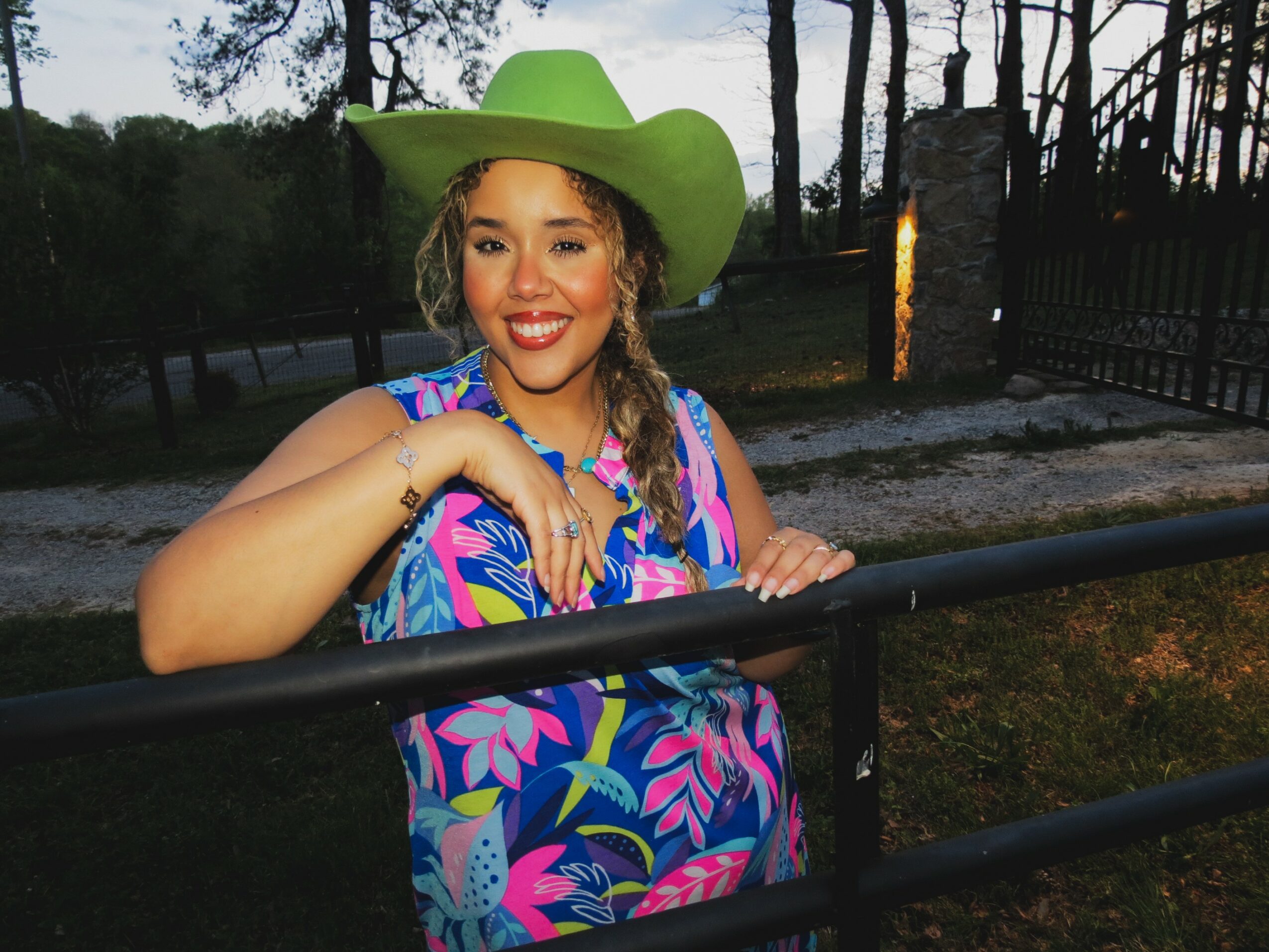





Today we’d like to introduce you to Caitlyn.
Hi Caitlyn, we’re thrilled to have a chance to learn your story today. So, before we get into specifics, maybe you can briefly walk us through how you got to where you are today?
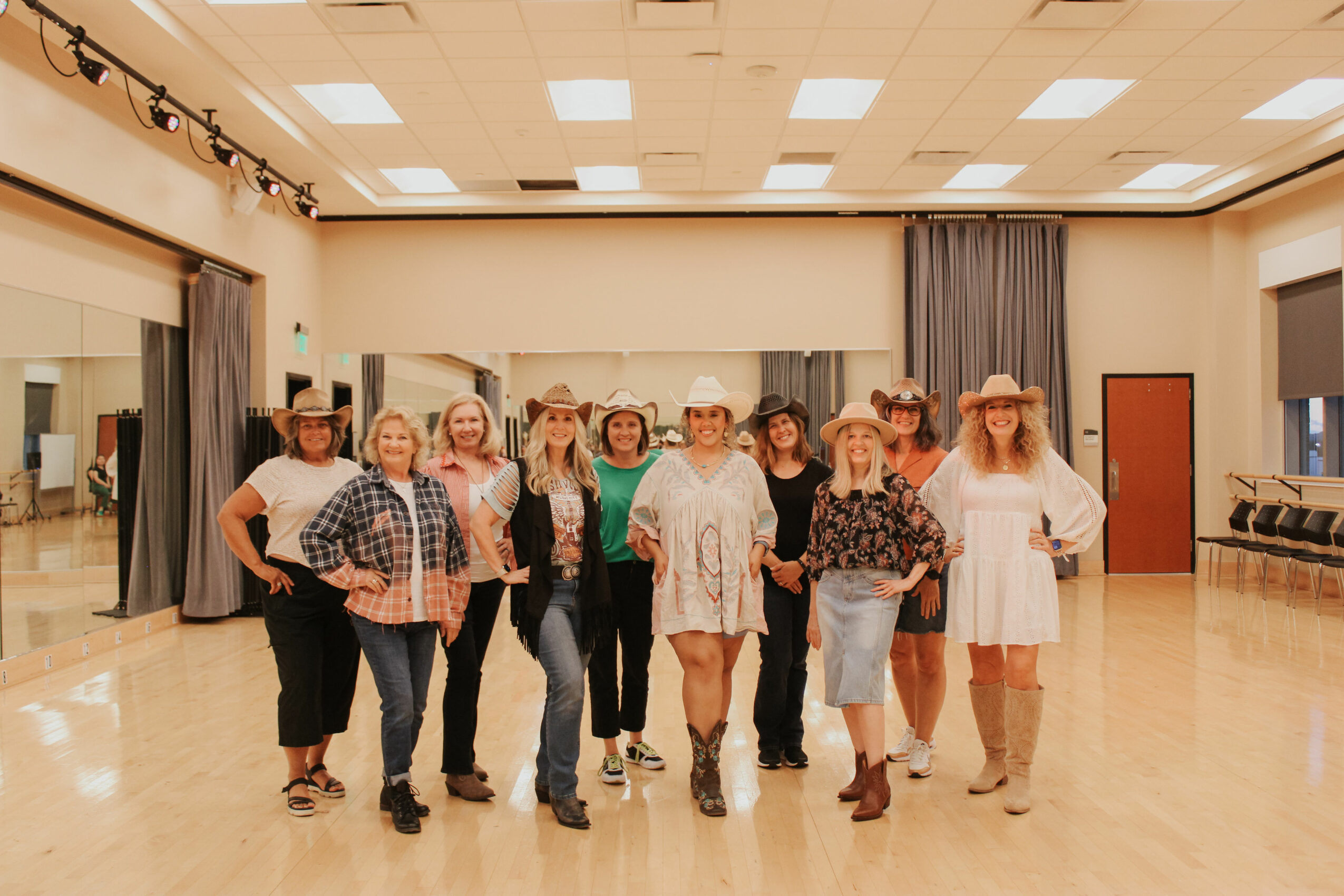
My journey with line dancing began during COVID. Like so many people, I was looking for ways to stay active when gyms were closed, and we couldn’t be face-to-face with others. I started following TikTok and Facebook Lives and learning line dances from home. At first, it was simply a way to work out, move my body, and keep my mind engaged during such an unusual and isolating time.
I quickly realized that line dancing gave me something else I didn’t even know I needed. When I’m dancing, it’s one of the only times my mind has to completely block out everything else. I can’t think about work, money, family, my to-do list, or whatever else might be weighing on me because I have to focus on what’s directly in front of me: the next dance step. As a woman, I feel like there is almost always something running through my mind or something I need to be thinking about or taking care of. Line dancing forces me to be completely present. For those few minutes, my only job is to count to eight and move my feet.
As things began opening back up, I took what I had been learning at home onto actual dance floors. I had no formal dance background, so it meant a lot when people at my community center and local dance halls started telling me that I was a natural, that they loved watching me dance, or that seeing me dance made them happy. I never really thought of myself as someone who would become an instructor. In fact, I didn’t decide to start teaching—I was asked.
A coworker approached me about teaching weekly line dance classes at the VFW in Lewisburg. The idea was bigger than simply teaching people dance steps. It was an opportunity to provide connection and a carefree space for veterans, including those navigating PTSD, addiction, and other mental health challenges. I knew firsthand what it felt like to have dancing give my mind a break from everything else, and if I could help create that feeling for someone else for a couple of hours, that was meaningful to me.
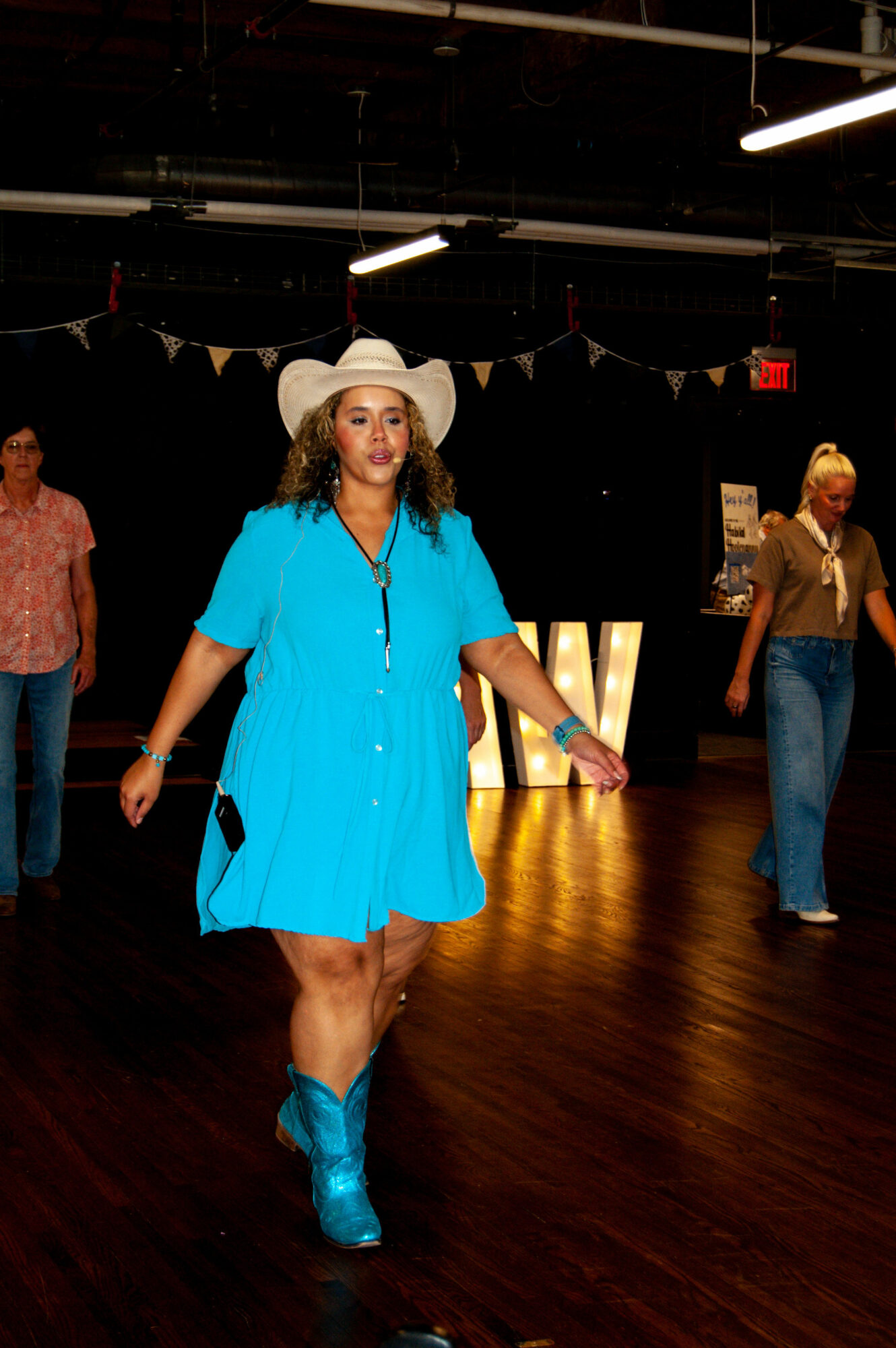
Through those classes, I discovered that I was actually really good at teaching. Being a good dancer and being able to teach someone else to dance are two very different skills. I began intentionally developing my teaching style — learning the proper names for steps, strengthening my speaking and instructional skills, and figuring out how to visually break down movements so that different types of learners could follow along. My background in education helped me recognize that everyone learns differently, and I became passionate about making line dancing approachable, especially for someone walking onto a dance floor for the very first time.
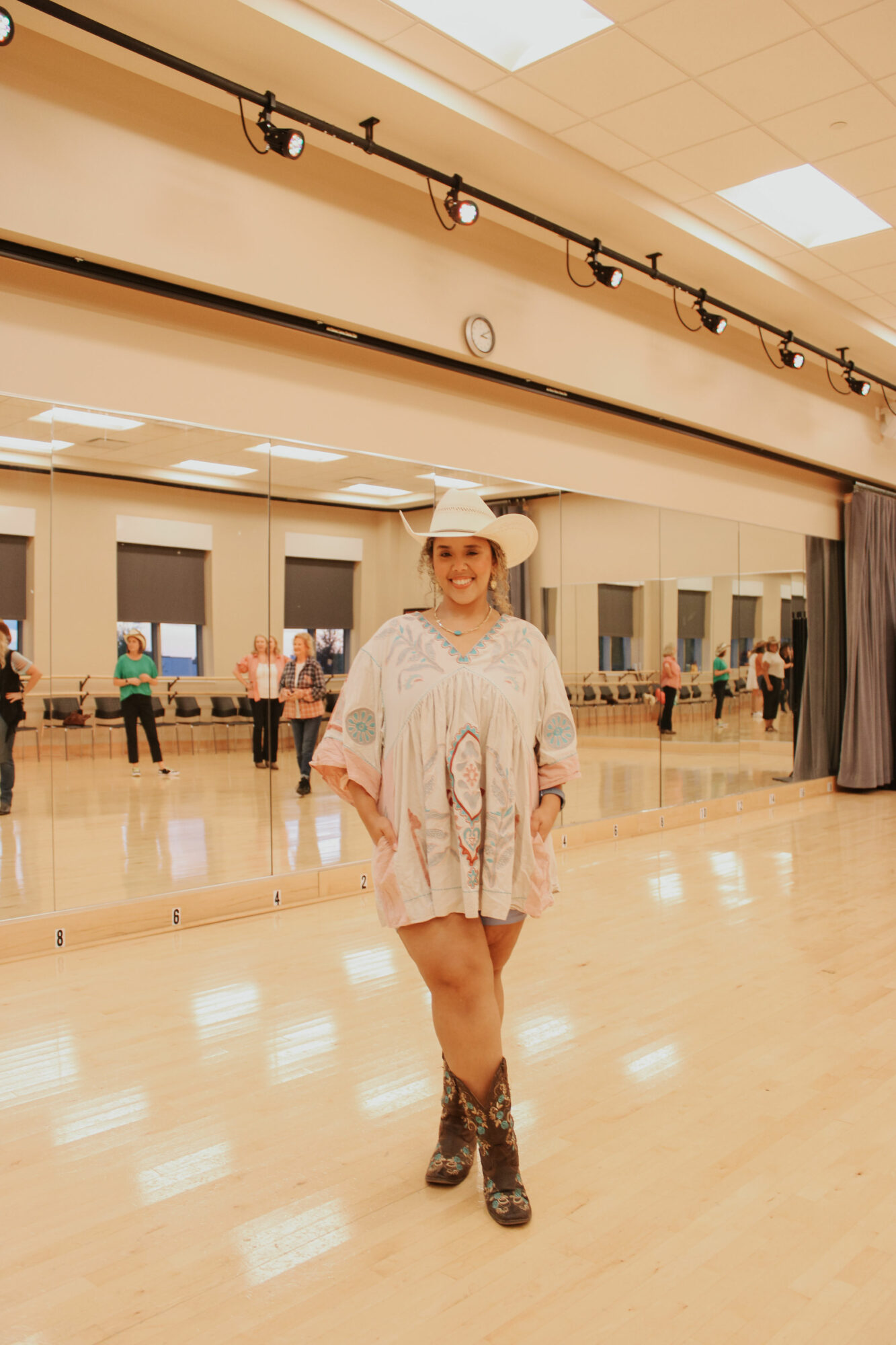
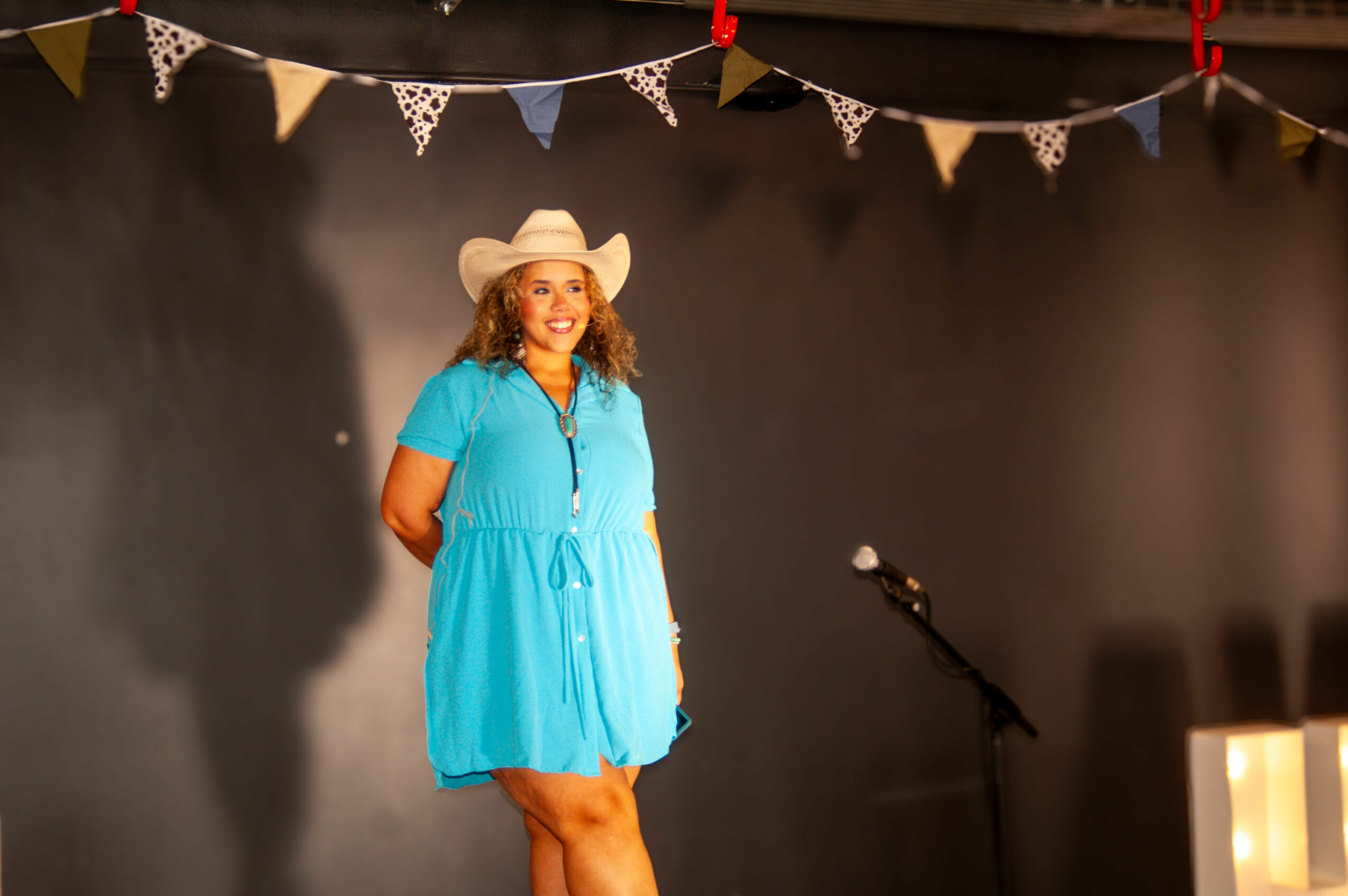
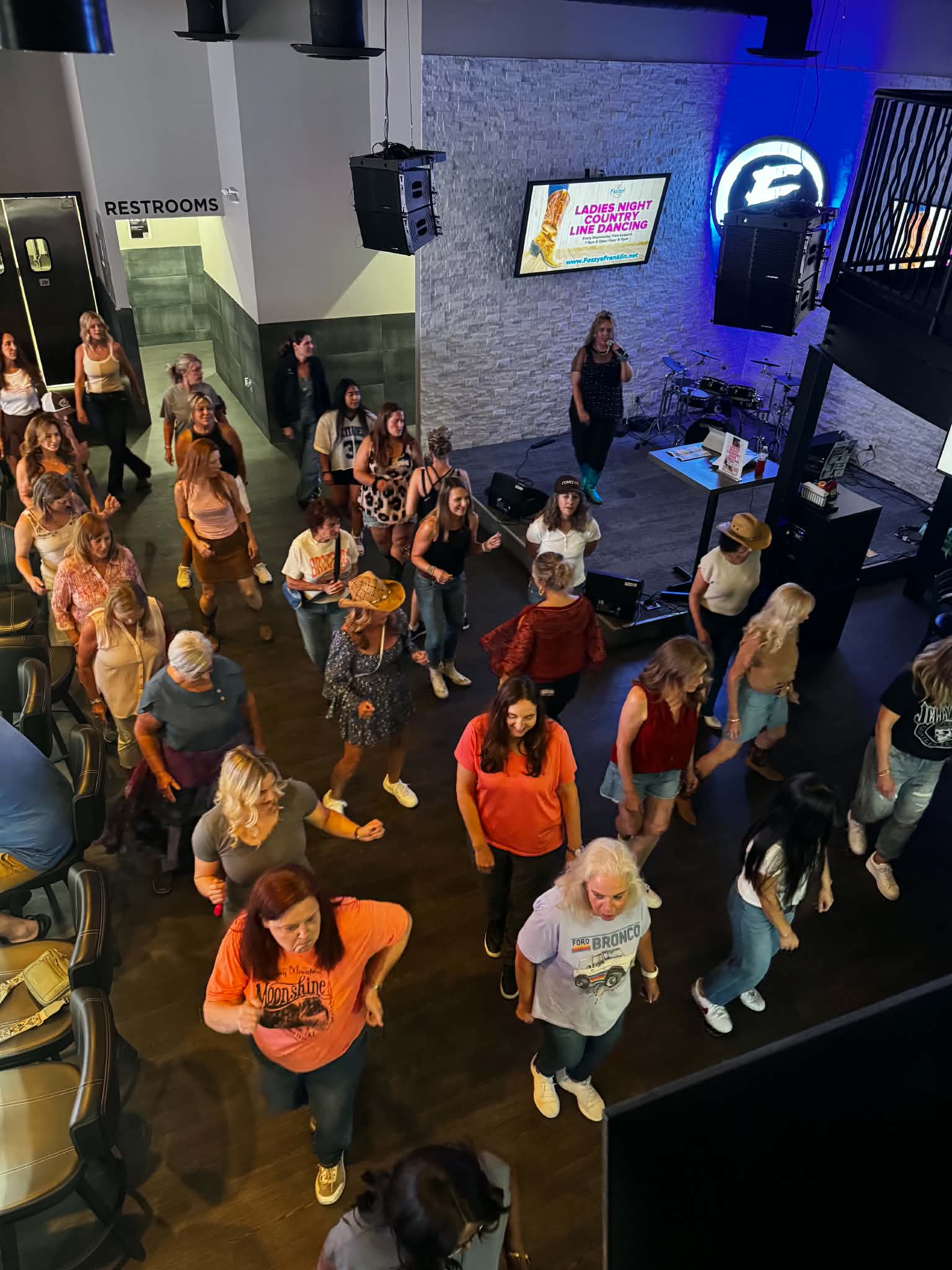
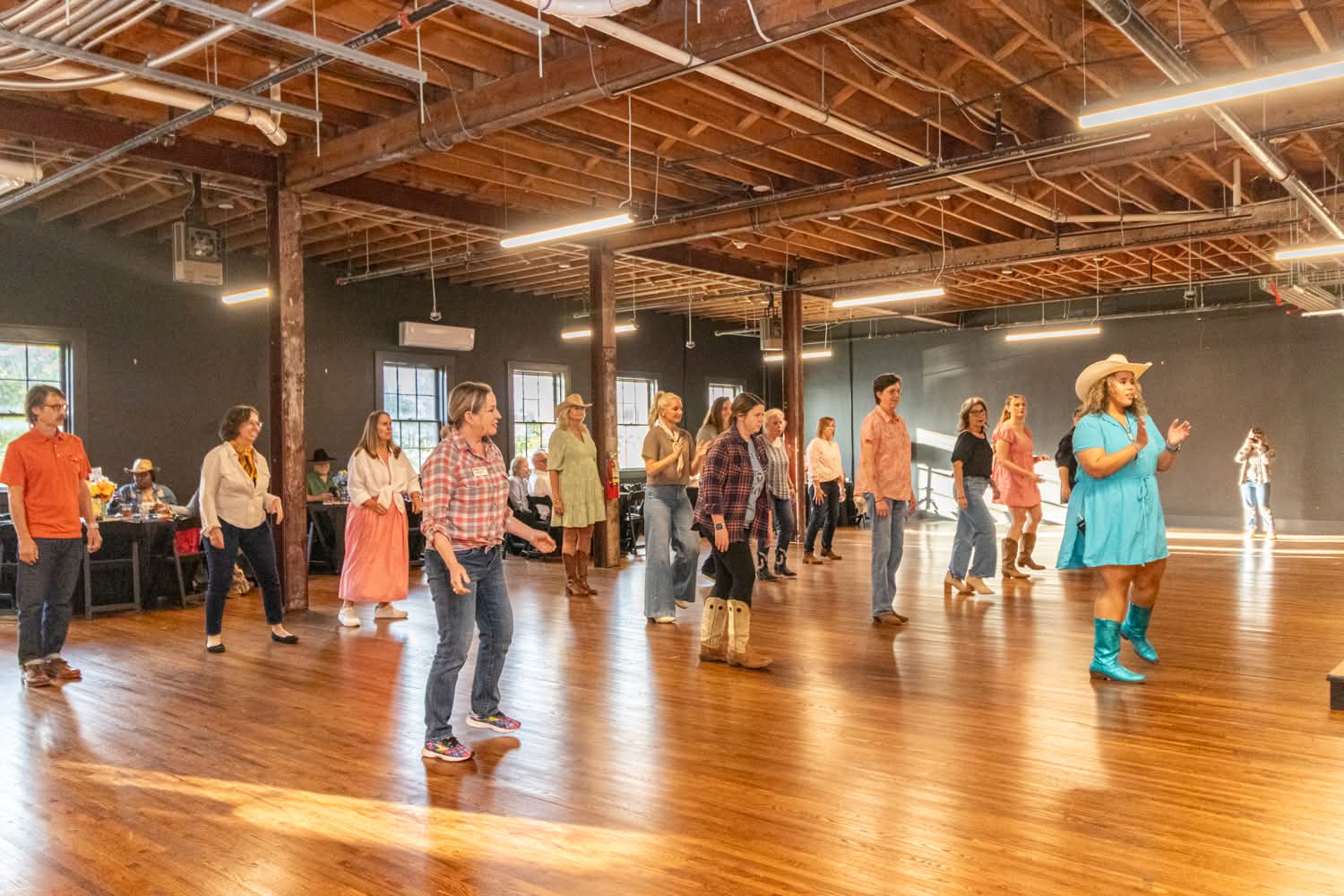
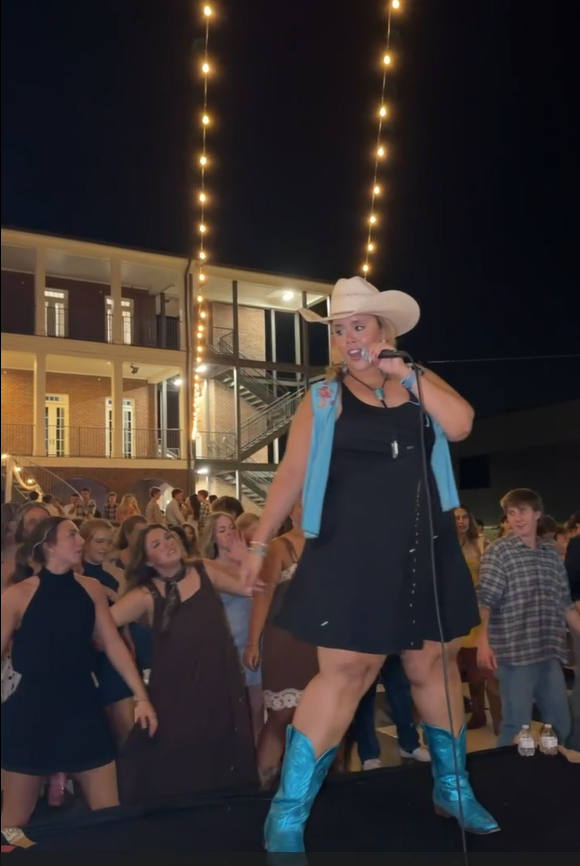
From there, opportunities continued to grow, and what I never planned to turn into a business eventually became Step in Style Line Dancing. Today, I teach classes and events throughout Middle Tennessee, but the purpose behind it really hasn’t changed. Yes, I want people to learn how to line dance and have fun, but I also want the dance floor to be a place where people feel connected, confident, and completely present.
It’s pretty special to look back and realize that something I discovered during a time when we couldn’t be together eventually becoming a way for me to bring people together. Line dancing gave me an outlet when I needed one, and now I get the opportunity to create that outlet for other people. If someone can walk into one of my classes carrying the weight of everything going on in their life and, for a couple of hours, forget about their troubles, laugh, dance, and feel carefree, then I feel like I’ve fulfilled my purpose.
I’m sure it wasn’t obstacle-free, but would you say the journey has been fairly smooth so far?
It definitely hasn’t always been a smooth road. One challenge people may not realize is that even though I’m teaching and dancing regularly, I deal with foot and TMJ-related issues that mean I’m often managing some level of pain. This year, I also fell and sprained my ankle, which took me completely out of commission for a few weeks. Even after I was able to return to dancing, I had to modify my steps and reduce my impact for several more weeks while I recovered.
As frustrating as those experiences have been, they’ve made me a more understanding and adaptable instructor. I know firsthand what it’s like to want to participate while your body is telling you that you need to do things a little differently. I teach my dancers that modifying a step doesn’t mean you aren’t doing the dance. A turn can become a step or touch, a jump can become a smaller movement, and sometimes you simply need to reduce your range of motion. I would much rather someone modify a dance and stay on the floor than feel like they have to sit on the sidelines because they can’t do every movement exactly as demonstrated.
There are challenges on the business side, too. When you’re building something, you learn very quickly that not every class is going to be packed. Sometimes you prepare, promote, load your equipment, create your playlist, show up ready to teach — and no one comes. Other times, one person walks through the door. I’ve learned not to measure the value of what I’m doing solely by how many people are standing in front of me. If one person shows up, then that person is getting the best class and dance routine I can give them. We’re going to turn the music up and have just as much fun as if the room were full.
At the same time, I’m building Step in Style while maintaining a full-time career, so there is a constant balancing act behind the scenes. Teaching is only one part of the business. There is choreography to learn, music and playlists to prepare, marketing and social media, communication with venues and clients, contracts, scheduling, equipment, travel, and all of the little things that happen before I ever step onto the dance floor.
I didn’t begin this journey with a formal dance background, a business plan, or even the intention of becoming an instructor. A lot of this experience has been learning as I go, accepting opportunities that stretch me, and figuring out what kind of instructor and business owner I want to be.
Through all of those challenges, I’ve learned that success doesn’t always look like a packed dance floor. Sometimes success is a full room of people laughing and dancing together. Sometimes it’s adapting a dance so someone who thought they couldn’t participate realizes that they can. And sometimes it’s showing up for the one person who showed up for you — and making sure they leave feeling like the class was meant just for them.
Thanks – so what else should our readers know about Step in Style Line Dancing?
I am the owner and instructor of Step in Style Line Dancing, a Middle Tennessee-based line dancing business offering group classes, private events, weddings, fundraisers, corporate and community events, and other opportunities to get people out on the dance floor.
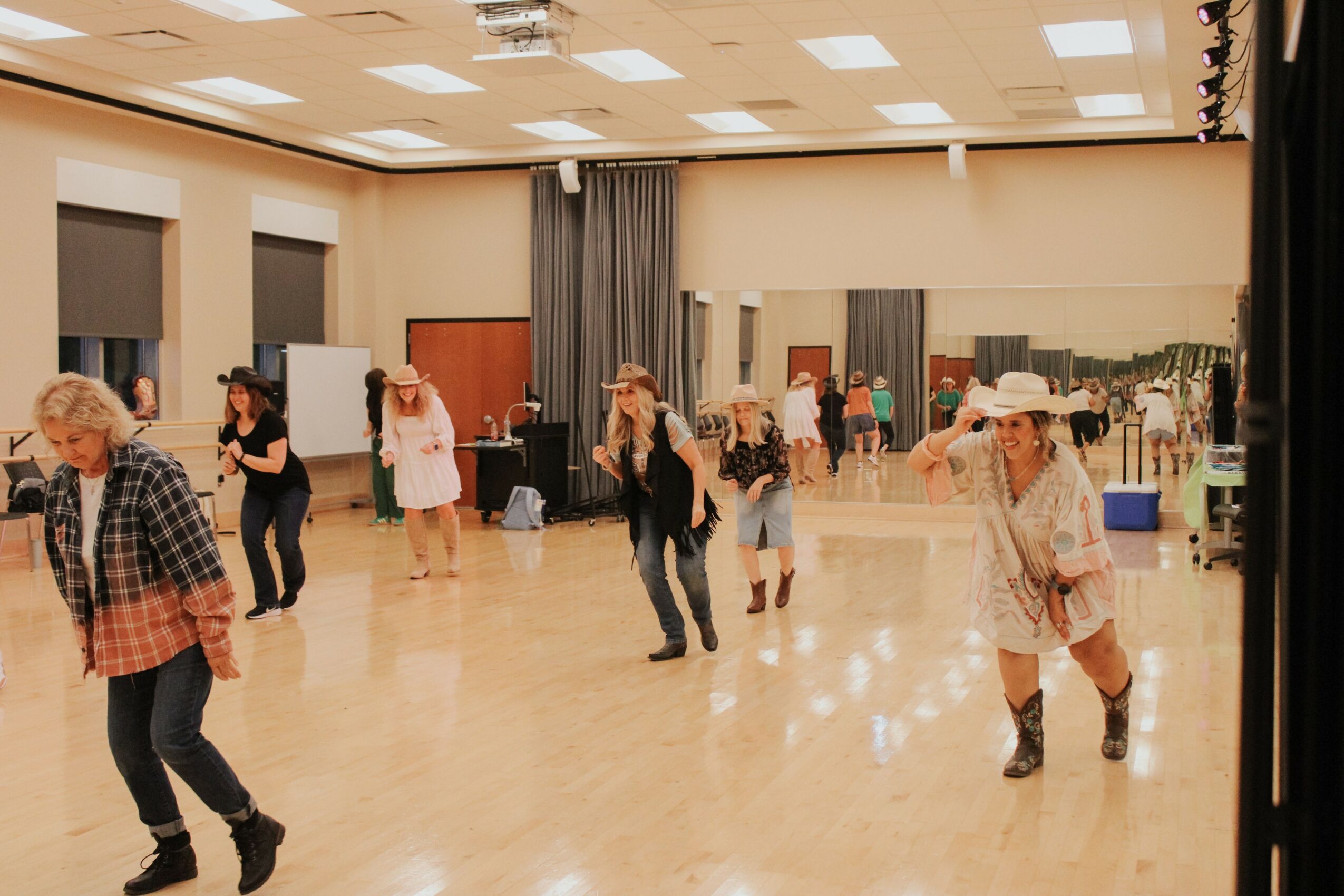
My tagline is “Feel Good. Dance Better.” because those are equally important to me. I want people to leave my classes feeling good — like they moved their bodies, laughed, connected with other people, and had a break from whatever else was going on in their day. But I also want them to leave dancing better than when they walked in. I don’t just call out steps and expect people to follow along. I teach the terminology, counts, patterns, and individual movements so dancers can begin recognizing those skills in other dances and become more confident on the dance floor.
I think my background in education is a big part of what sets me apart. Teaching is something I do professionally outside of line dancing, so I’m constantly thinking about how people learn differently. Some people need to hear a step explained, some need to watch it several times, and others need to physically work through it before it makes sense. I try to break dances down in a way that gives everyone an opportunity to succeed, and I’m always willing to slow down, repeat something, or explain it differently.
I’m especially passionate about creating an environment where beginners feel welcome. You don’t need a dance background, a certain body type, a particular level of fitness, or even a good sense of rhythm to start. You’re also going to mess up — and that’s okay. We are all learners. I mess up, too! I always tell my dancers to pick up where they left off and keep moving. Nobody has to be perfect to have a place on the dance floor.
What I’m most proud of is the community that has grown around something I initially never expected to become a business. I love seeing someone come into their first class nervous and stand toward the back of the room, and then eventually watch them move toward the front, request their favorite dances, encourage newer dancers, and become part of the community themselves. Those transformations mean more to me than simply filling a room.
At the heart of Step in Style is the belief that the dance floor is for everyone. Whether I’m teaching one person or a room full of people, I want them to feel welcomed, supported, and a little more confident when they leave than when they arrived. If they feel good and dance better, then I’ve done what I came there to do.
Are there any apps, books, podcasts, blogs or other resources you think our readers should check out?
I’m a lifelong learner by nature. I have my Master’s degree in Library and Information Science, so researching, finding resources, and learning about just about anything that catches my interest is very much part of who I am. I don’t necessarily have one particular book or podcast that I turn to; instead, I’m constantly learning from the resources, people, and communities around me.
TikTok has actually been a huge resource for me. It’s where part of my line dancing journey began during COVID, and now I use it from a completely different perspective as a business owner and content creator. I’m always learning more about content creation, trends, video editing, marketing, and how to better connect with people online. Social media changes so quickly that I feel like I’m always a student of it.
I also really value local online communities. The Her Circle Group on Facebook, which connects women in the Franklin area, is one that I enjoy because so much of what I value in my own business comes back to connection and community. I love seeing women support one another, share recommendations, discover local businesses, make friends, and find opportunities to get involved.
I also find a lot of inspiration from other local business owners. I love thrifting and visiting Statemint consignment sales to find unique, affordable, and sustainable pieces to wear while teaching and performing, but I’ve realized that I’m learning while I’m there, too. I pay attention to how the owners have built a recognizable brand, created a strong social media presence, and connected their business with the communities they serve. Hearing about their experiences as business owners and watching how they engage with their customers gives me ideas and encouragement as I continue building my own business.
I think my resources are probably a bit unconventional, but that reflects how I learn best. I’m constantly researching, observing, experimenting, connecting with people, and learning from the people around me. Whether I’m learning a new dance, figuring out a new way to create content, watching another local entrepreneur build their business, or finding the perfect thrifted outfit to dance in, I’m always learning something new.
Pricing:
- 4-Week Line Dance Class Sessions at Columbia State Community College – $65
- Weekly Line Dance Classes & Community Events – custom pricing available
- Private Parties, Bachelorettes, & Special Events – custom pricing available
- Weddings & Custom Choreography – custom pricing available
- Corporate, School, Fundraiser, & Nonprofit Events – custom pricing available
Contact Info:
- Website: https://stepinstylelinedancing.com
- Instagram: @stepinstylelinedancing
- Other: caitlyn@stepinstylelinedancing.com