




Today we’d like to introduce you to LouAnn Partington.
Hi LouAnn, we’d love for you to start by introducing yourself.
I was introduced to the world of wildlife rehabilitation in California. I had accepted a job transfer to the San Francisco Bay Area and was looking for somewhere to volunteer. I saw an opportunity to volunteer at a wildlife rehabilitation facility (California Center for Wildlife which is now known as WildCare) and by the end of my first volunteer shift I knew this was something I enjoyed and was passionate about. Throughout my 15 years there, I was able to work with a wide variety of wildlife – everything from hummingbirds to eagles and just about every species of native mammals. I also had the opportunity to volunteer during oil spill responses with International Bird Rescue.
Volunteering at WildCare gave me opportunities to work with our consulting veterinarians and learn basic medical triage. I also served as a shift supervisor coordinating basic animal care duties as well as training new volunteers. While at WildCare, I served on their Board of Directors and just prior to moving to Tennessee filled in as Interim Executive Director during the search for a new ED.
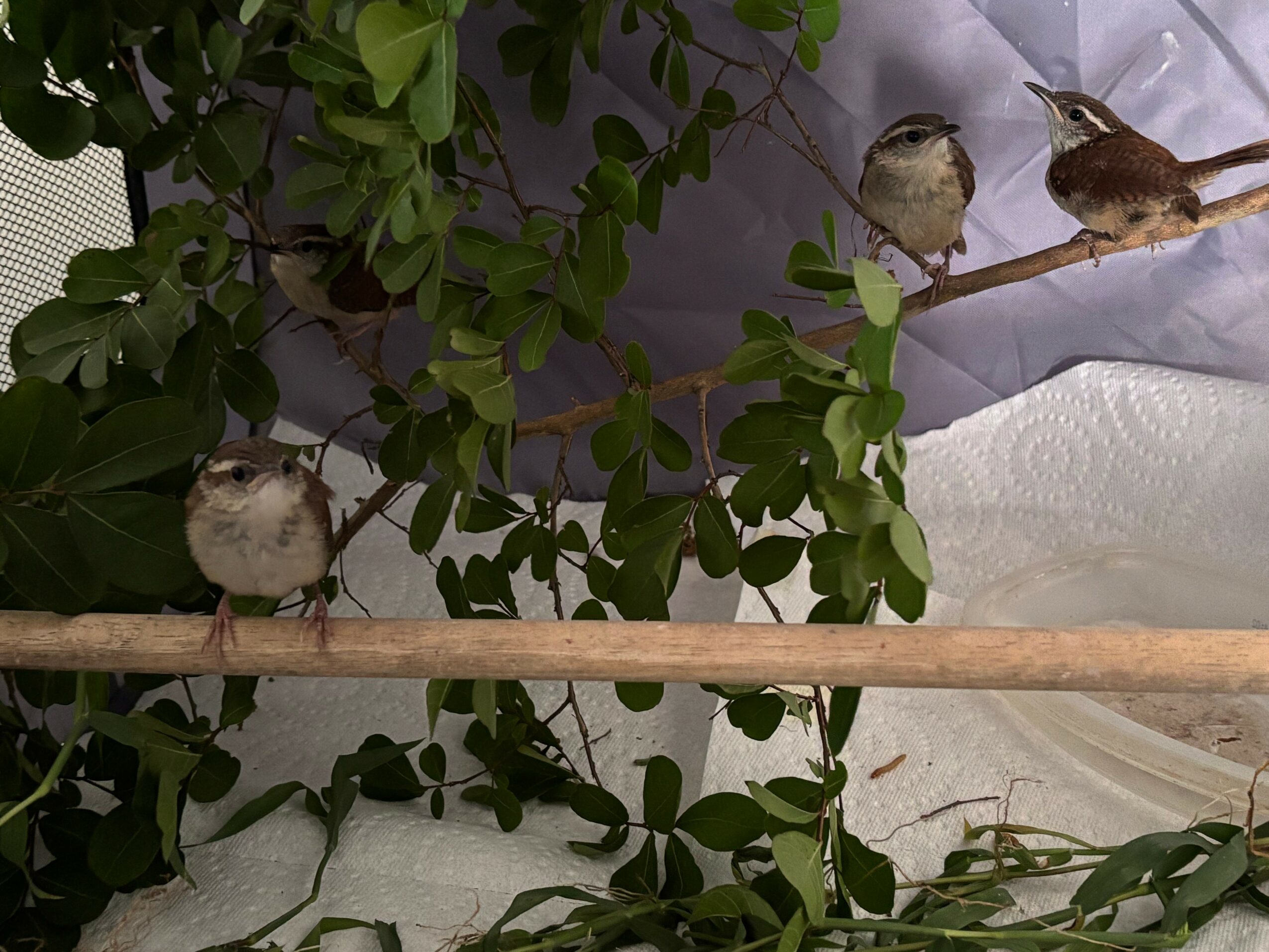
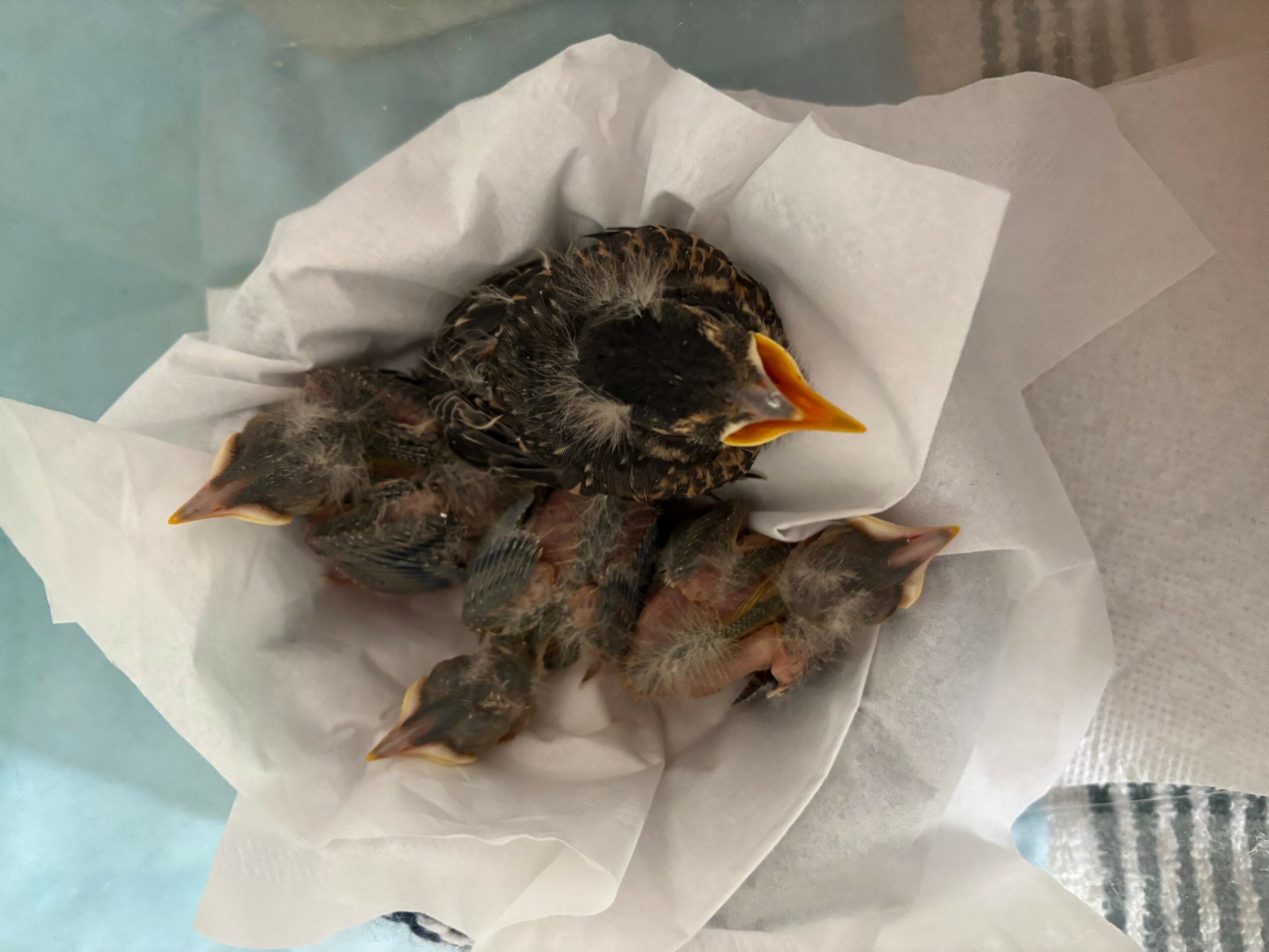
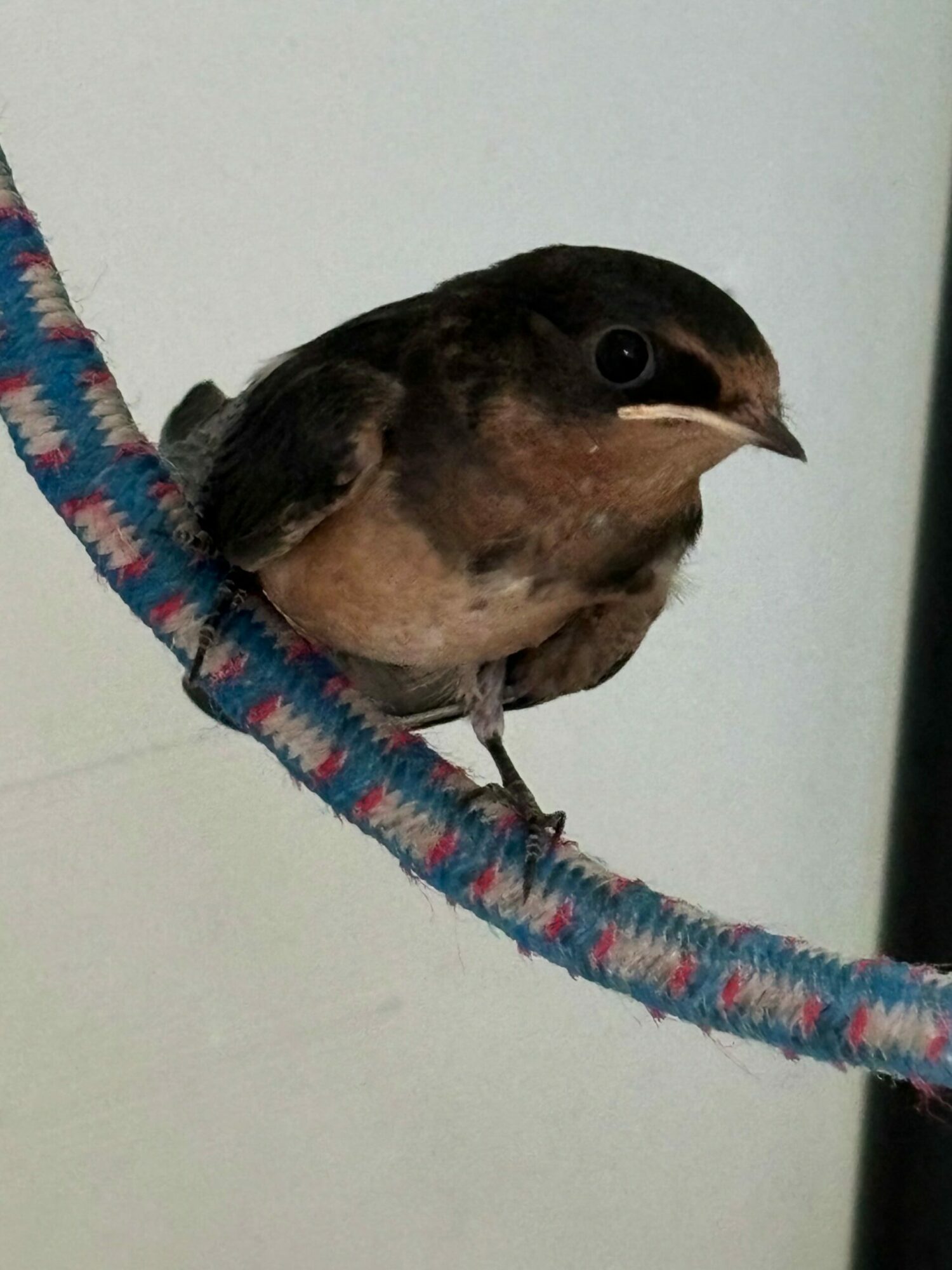
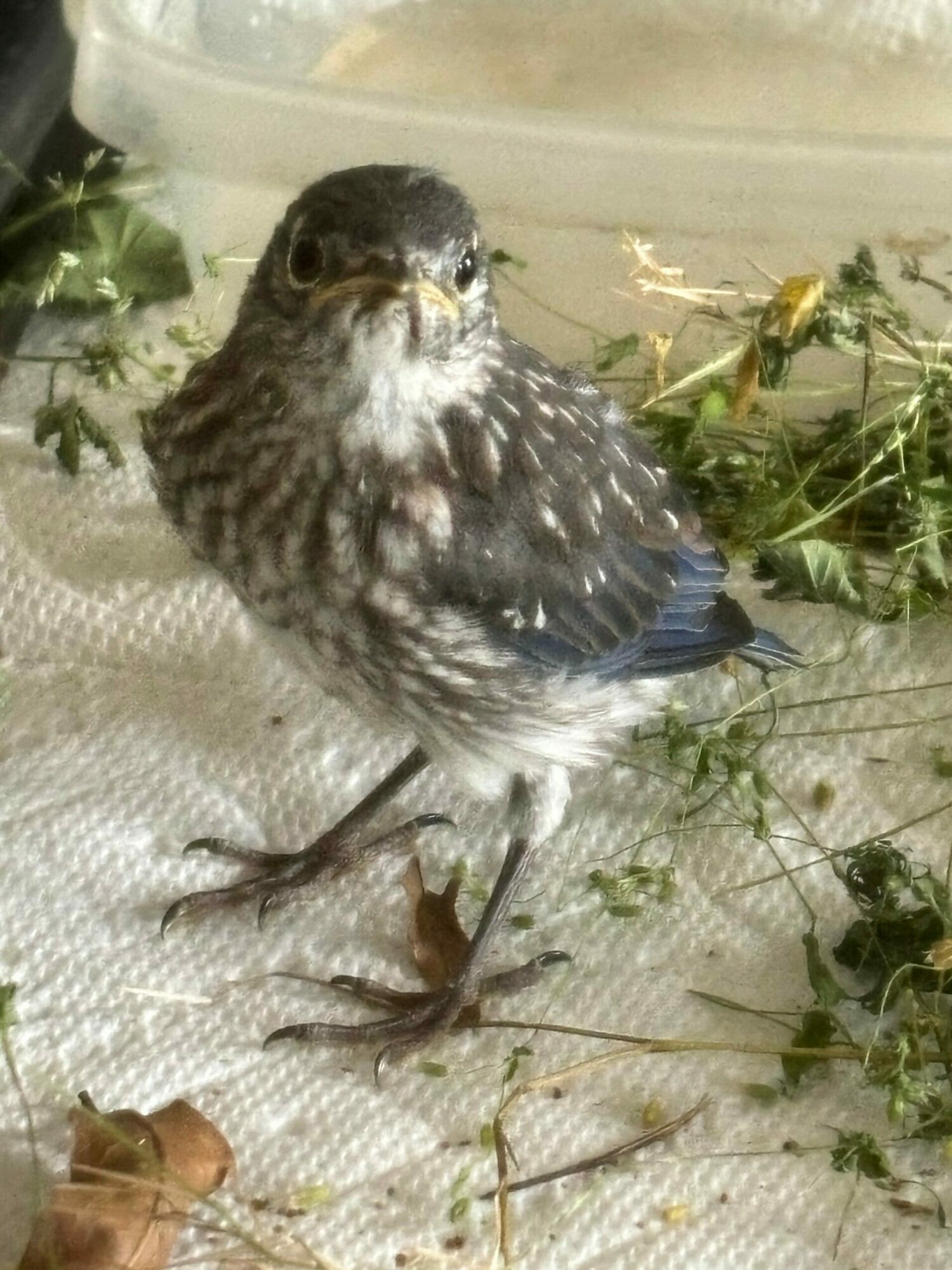
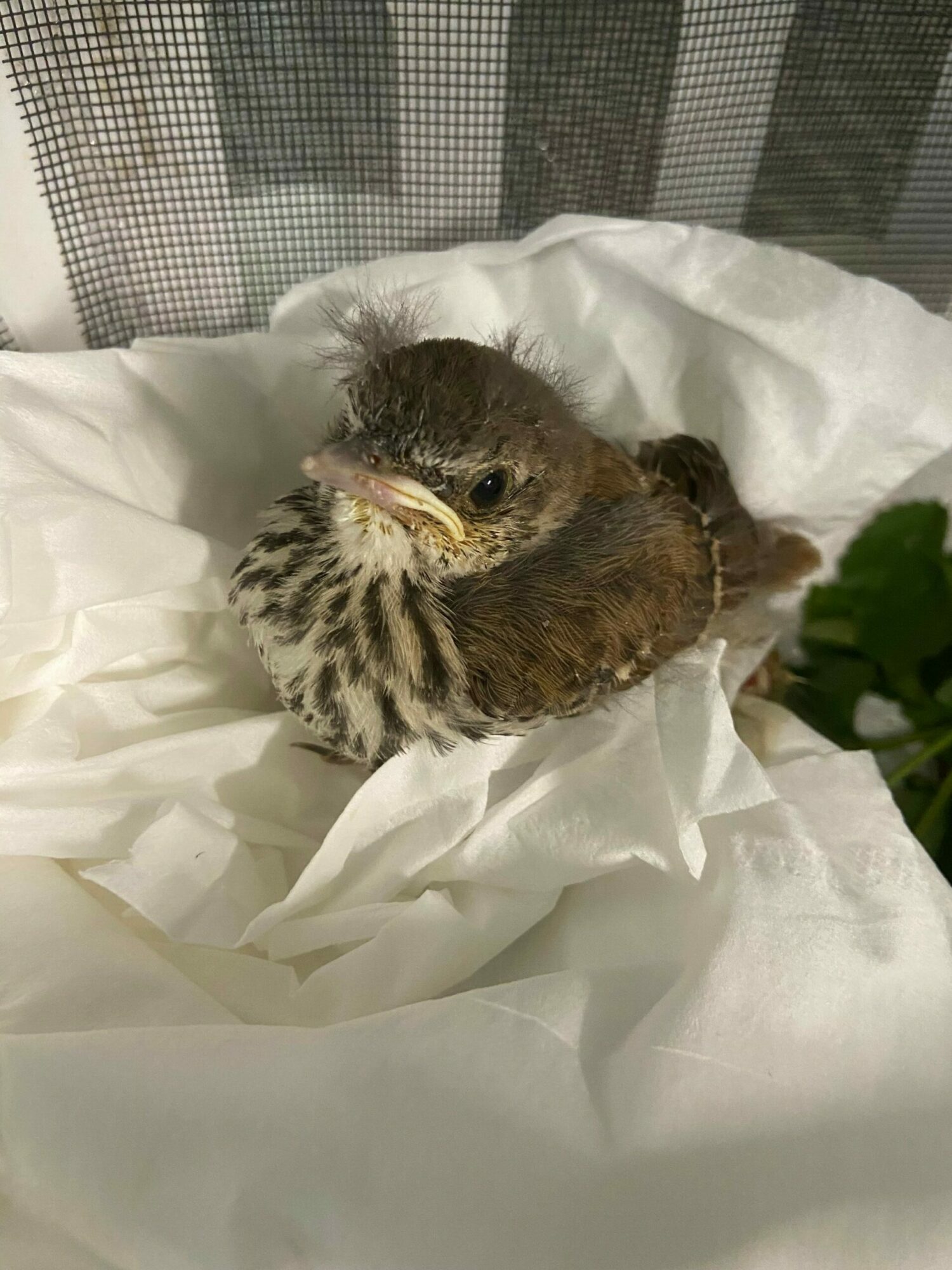
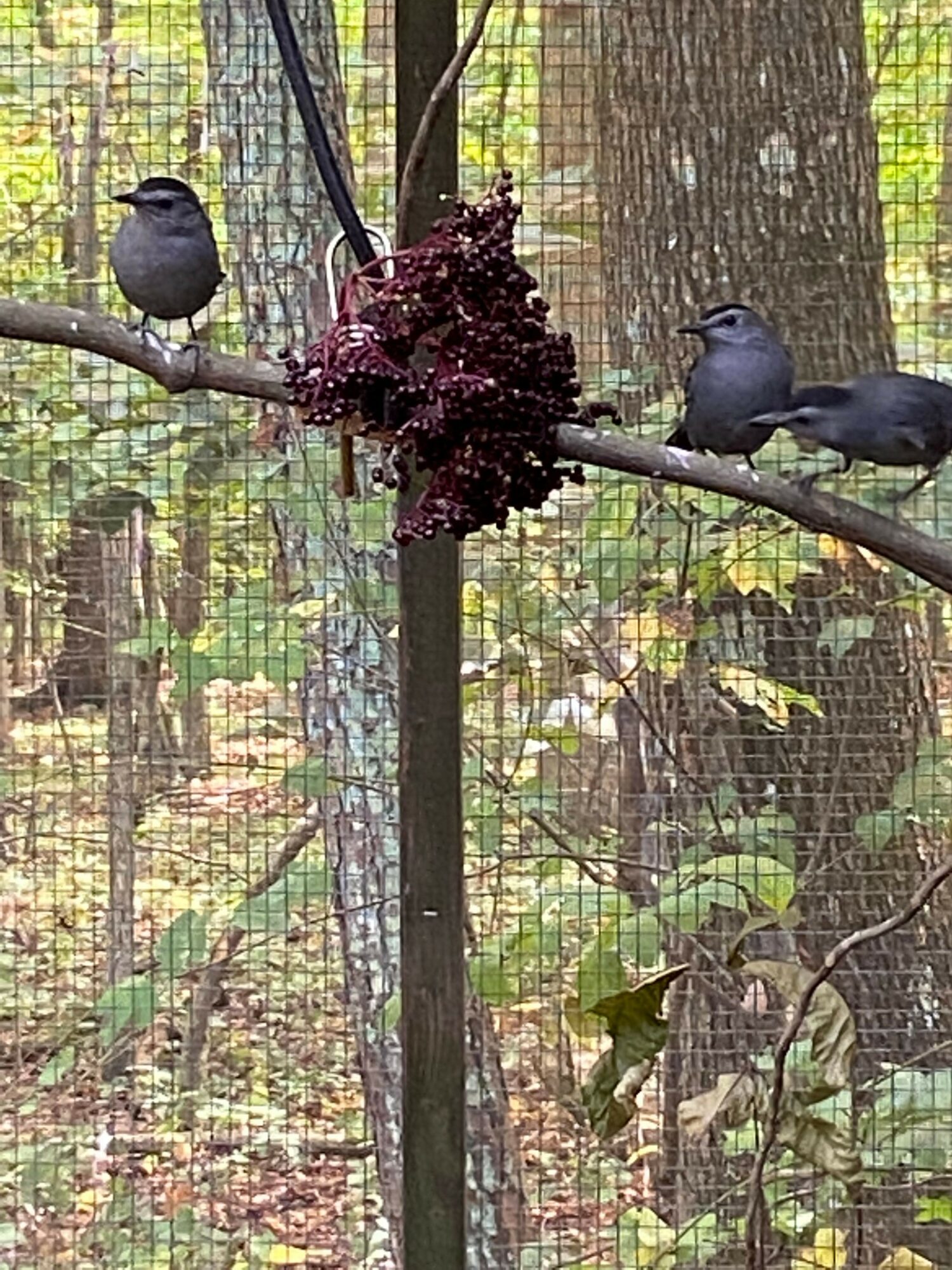
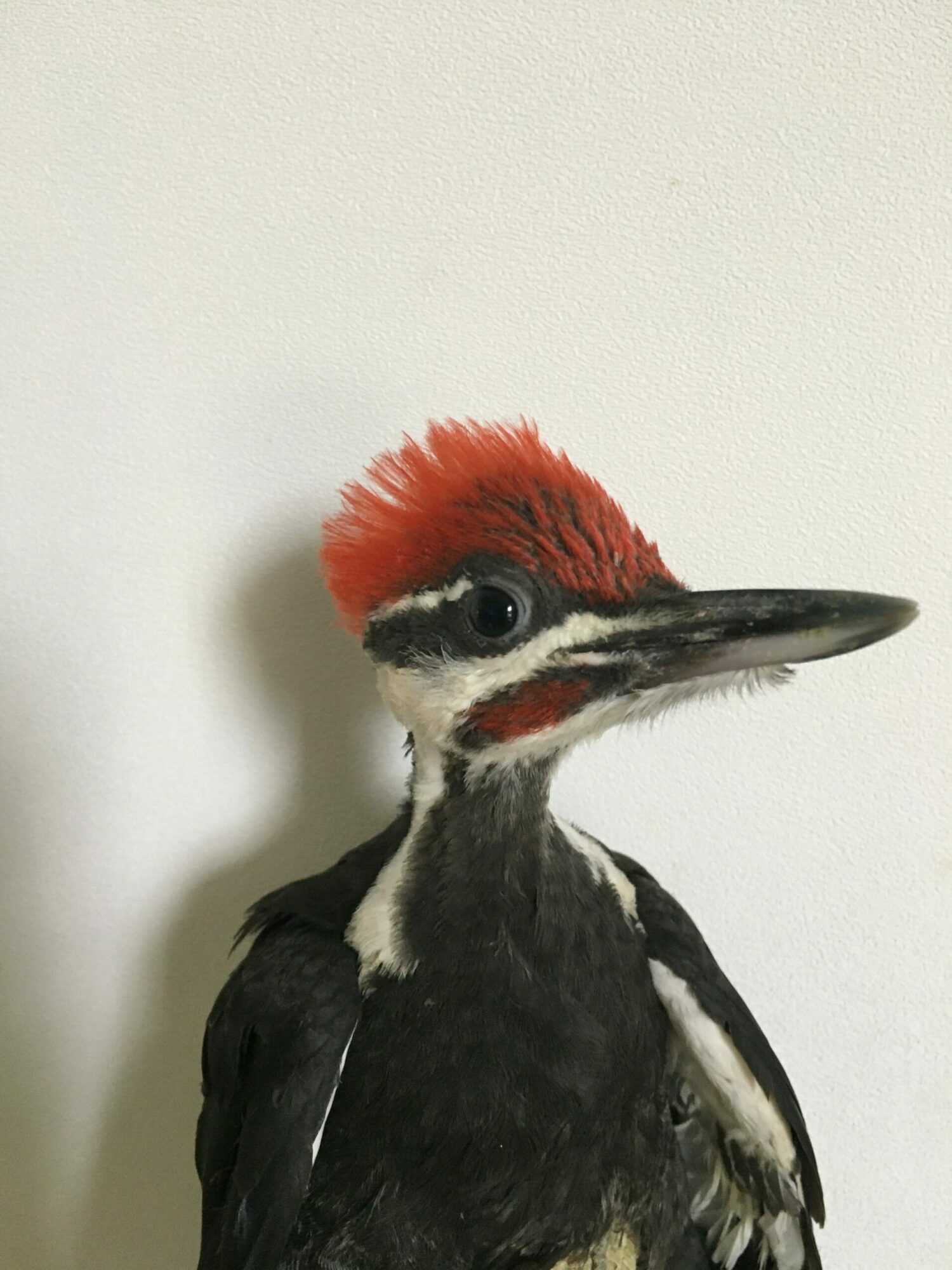
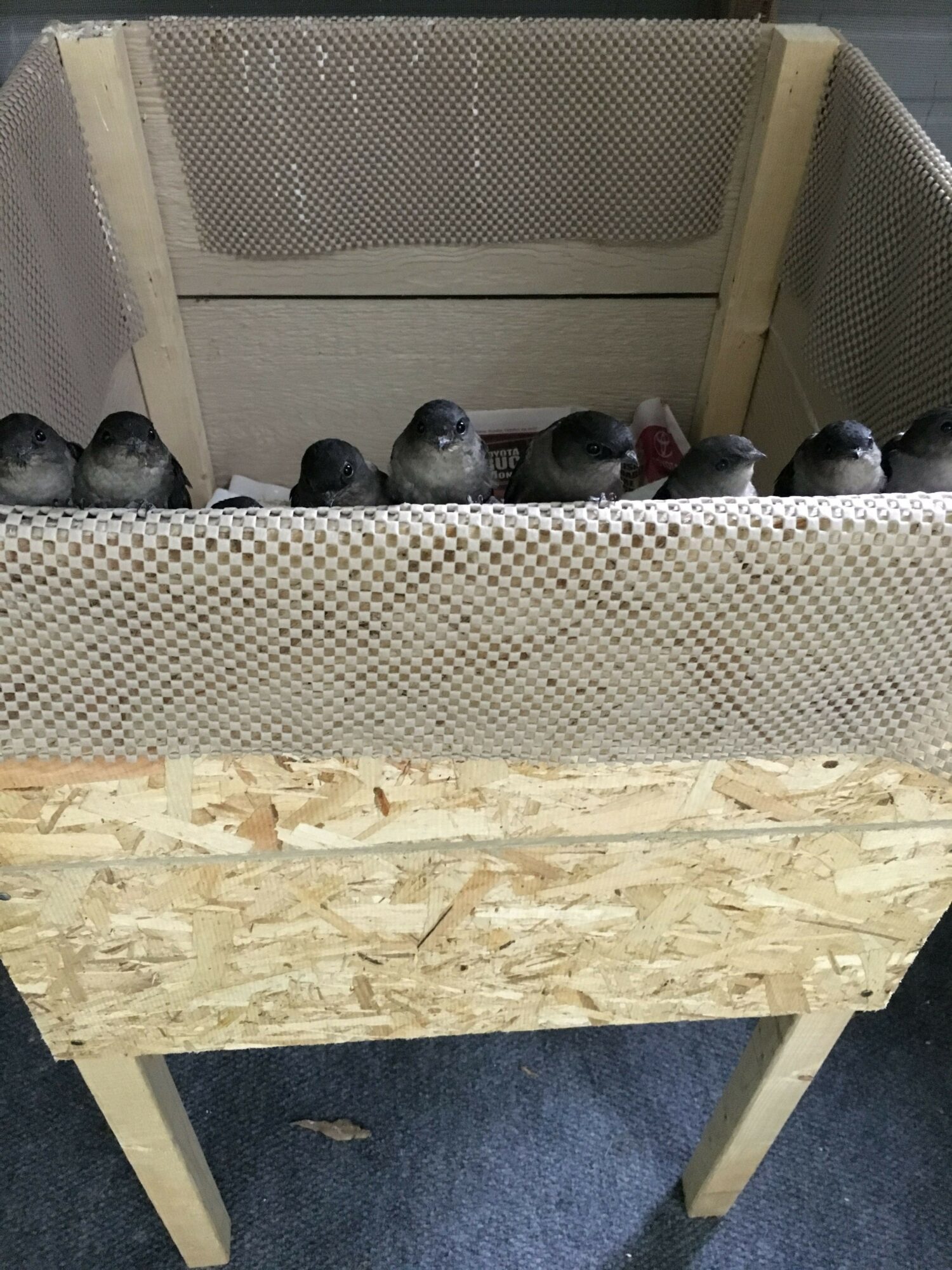
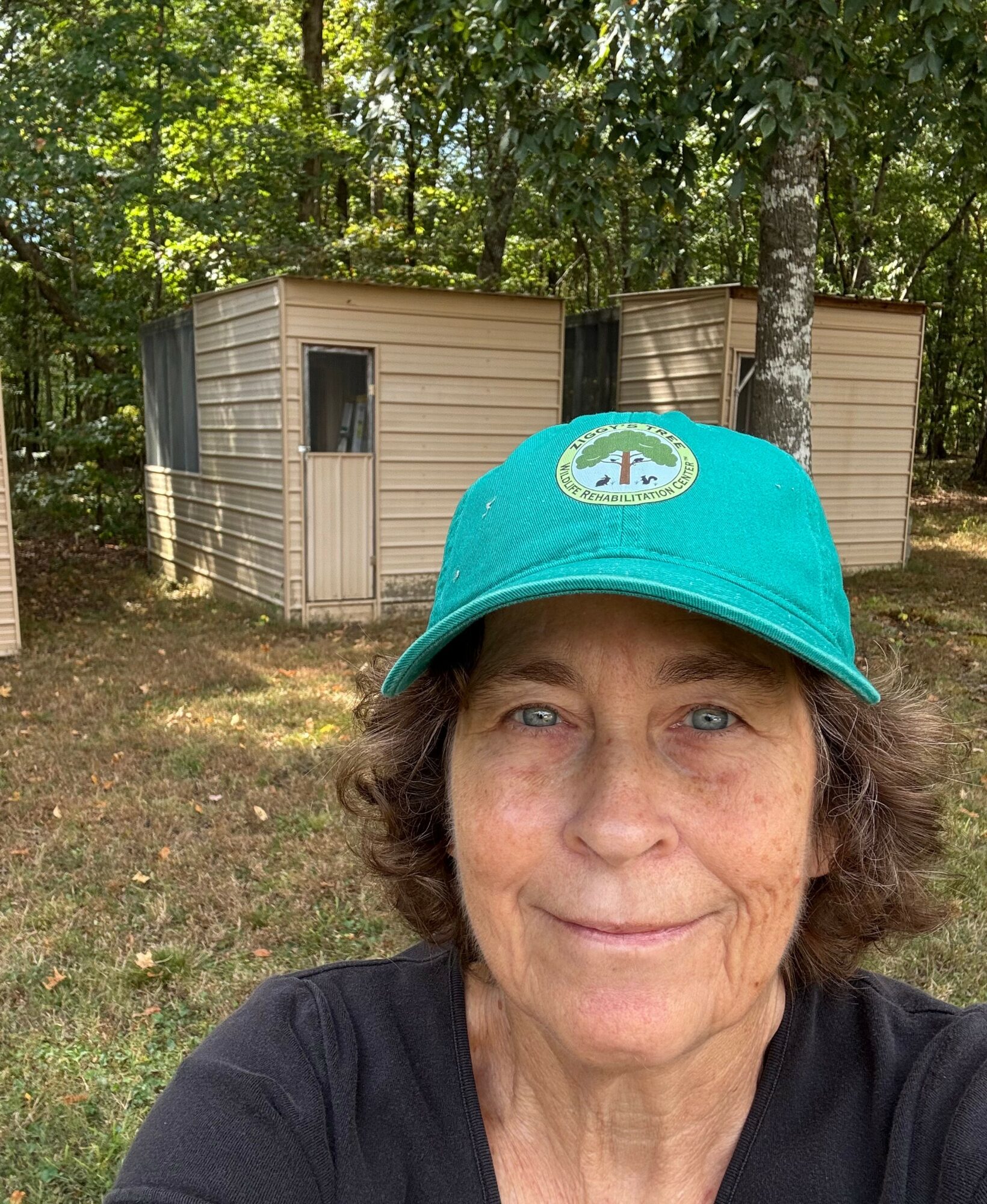
I moved to Tennessee in 2003 and worked at the UTC Wildlife Institute until that facility closed. I joined forces with mammal specialist Angela Hensley, the founder of Ziggy’s Tree. We are state and federally permitted and while I specialize in native species songbirds, we are able to take larger birds for temporary care when other specialists are not available. In a typical year, we will admit up to 300 baby songbirds and 80-100 injured adult songbirds.
Would you say it’s been a smooth road, and if not what are some of the biggest challenges you’ve faced along the way?
Each year is a little different. Some years, we see more injured animals or those suffering from nutritional deficits when the food sources are depleted due to either drought, heat or too much rain. This can mean longer stays at our facilities which is a strain on our limited caging and space.
And as with any non-profit, finances play a part in how much we are able to do. When the economy is good, our rescuers are able to donate towards the care and feeding of the wildlife they bring us. And conversely, donations are down when the economy is not doing so well.
We’ve had good and not so good years with volunteer support. The repetitive nature of what we do, especially with songbirds when the feeding schedules can be as frequently as every 30 minutes sun-up to sundown is not everyone’s cup of tea.
Thanks for sharing that. So, maybe next you can tell us a bit more about your work?
I’m retired and volunteering full-time as a wildlife rehabilitator.
When I was in the corporate world, I worked for an insurance company, first as a claims adjuster then as a Client Services Representative for the National Accounts Department. I worked with large national clients (premiums over $1 million) setting up their Loss Prevention, Claims and Data services. I had the tough assignment of travelling to Hawaii on a quarterly basis, and got to attend MLB spring training camps.
On the wildlife side, I worked with other Tennessee wildlife rehabilitators to set up a couple of statewide training conferences for permitted rehabilitators covering species specific topics as well as general administrative and fundraising sessions. I have made presentations at national conferences and currently serve as co-administrator on a private Facebook group for songbird specialists.
Do you have recommendations for books, apps, blogs, etc?
On the personal side, I’m currently reading a book by a friend of mine – “Stronger Than You Think: Building Lifelong Resilience” by Sherry Hamby, PhD. As you can probably guess, not all of our intakes are successful releases and this can wear on your soul some days more than others. This book is giving me ideas on how to better cope and build on my strengths so I can continue to work more positively.
And on the professional side, I have access to publications and conferences that keep me current on best practices in wildlife rehabilitation through the professional organizations we belong to – the National Wildlife Rehabilitators Association and the International Wildlife Rehabilitation Council. I also have a library of books providing natural history information on the species I work with so that I can provide the most natural diets and caging set ups as I work towards returning healthy, viable songbirds back to their natural habitats.
Contact Info:
- Website: https://www.ziggystree.org
- Instagram: https://instagram.com/ziggystree
- Facebook: https://www.facebook.com/profile.php?id=100064435519945