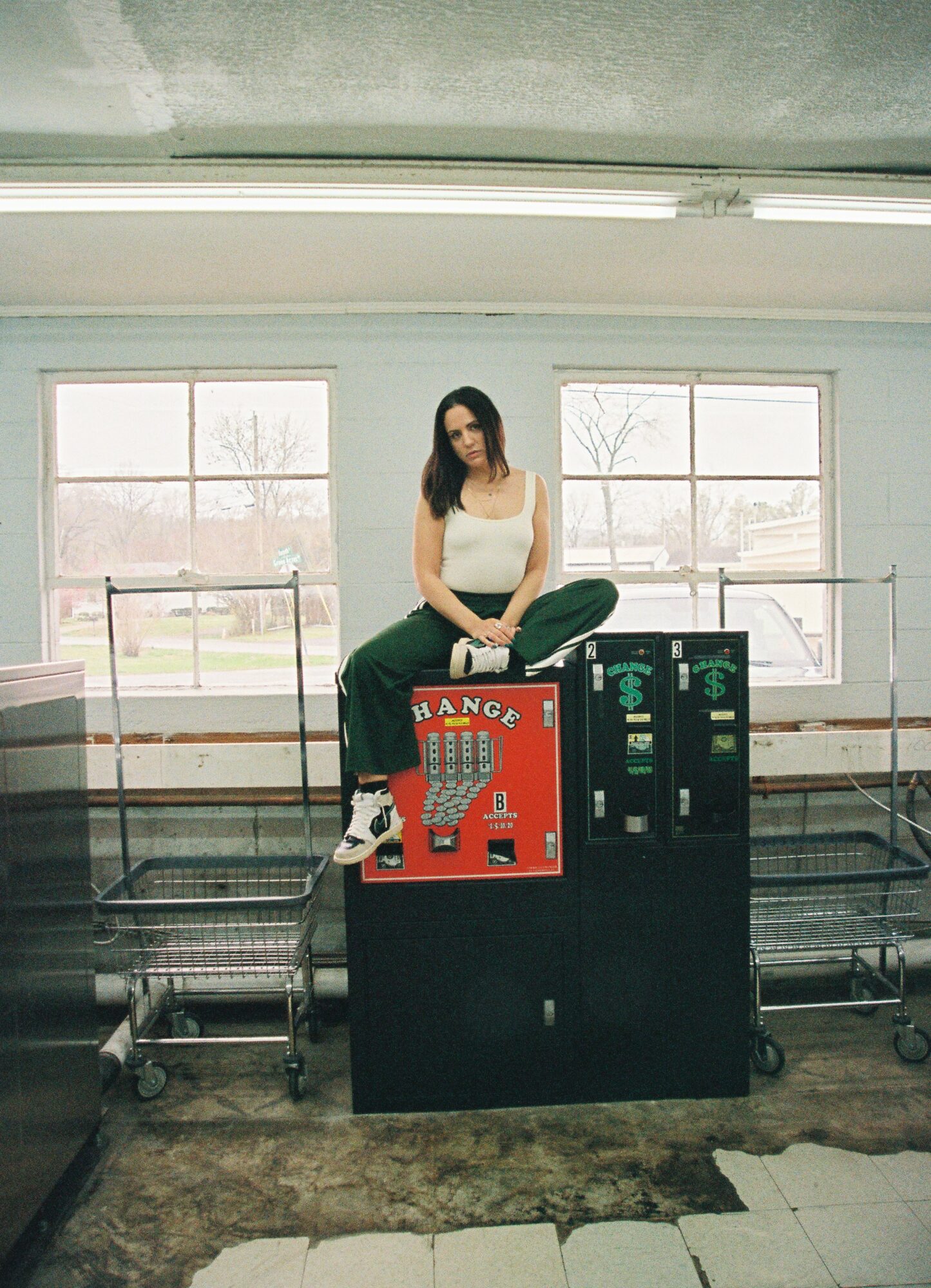





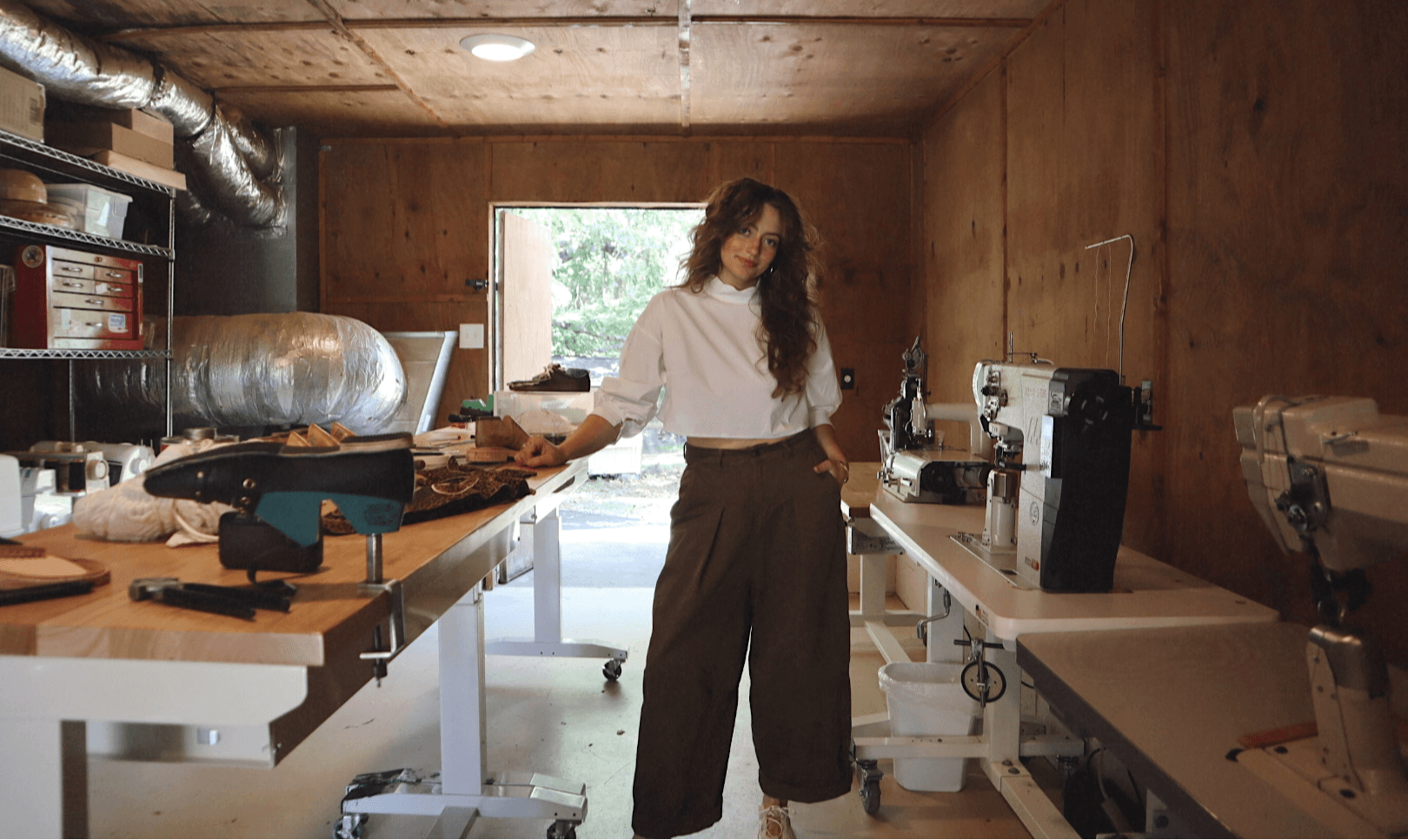
Today we’d like to introduce you to Taylor Williams.
Hi Taylor, we’re thrilled to have a chance to learn your story today. So, before we get into specifics, maybe you can briefly walk us through how you got to where you are today?
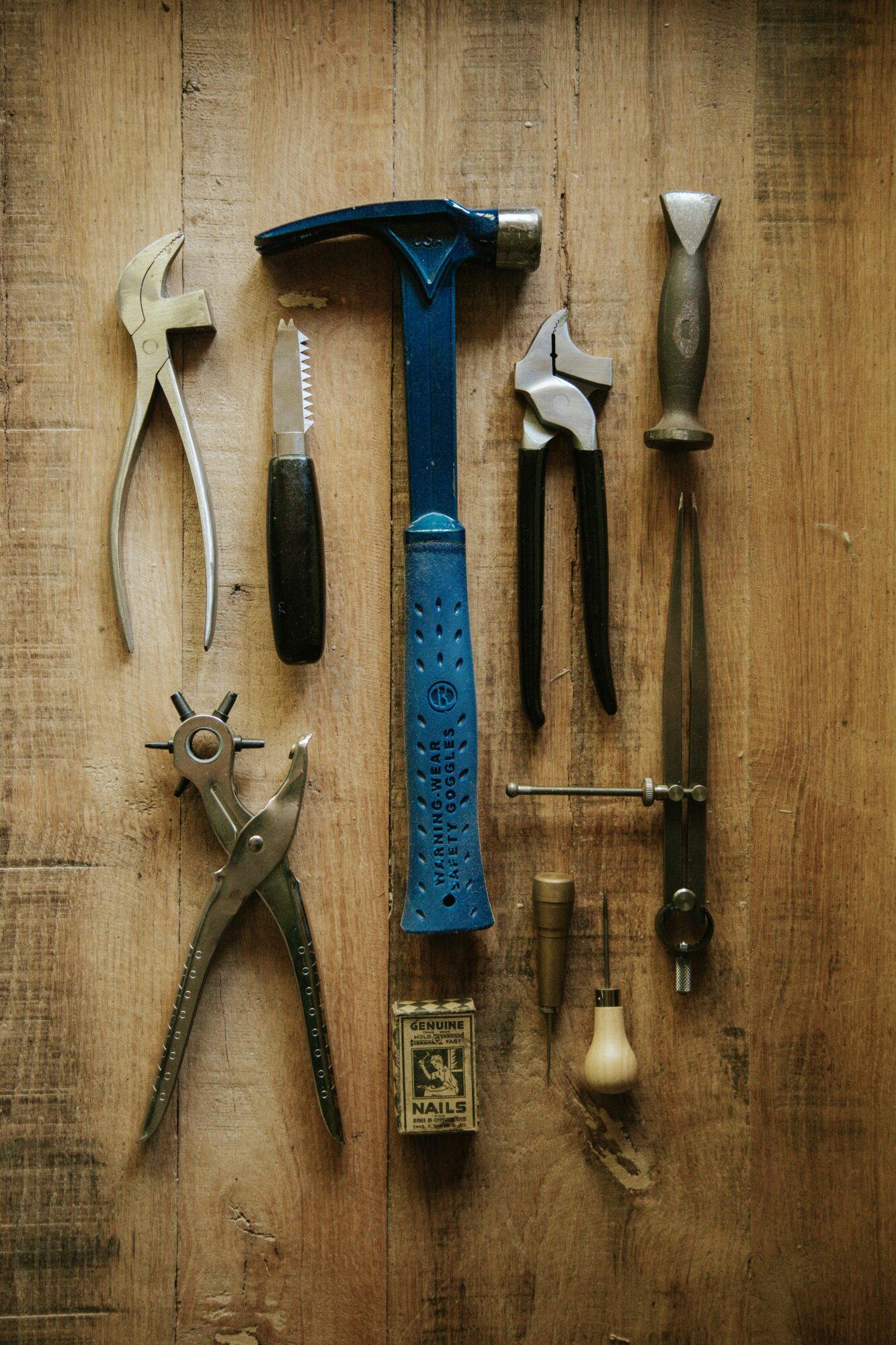
I can vividly remember trying to solve some boredom as a kid and discovering my great-grandmother Phyllis’ sewing box while rummaging through our garage. I was raised just outside Nashville and have always been curious by nature, described early on as an old soul. I was immediately captivated by the contents of her sewing box and taught myself to sew by hand. A few years later, my parents gave me a sewing machine and a lot of encouragement, which was really the catalyst for what I get to do today.
In high school, I began teaching sewing lessons and working in my school’s costuming department, as well as with local theatre companies, designing and building costumes. When I moved to Samford University to pursue a degree in Spanish and Secondary Education, I continued costuming on the side.
During one summer break, I received a call from a Nashville film producer who had seen my work on stage and offered me an internship on a YouTube series he was executive producing. I said yes immediately. It came during a difficult season of my life and, in many ways, felt like an answer to prayer. I fell in love with the environment, the people, and the collaborative nature of film. From there, one opportunity led to another: I made connections, went to meetings, and soon worked on a Christmas feature here in town.
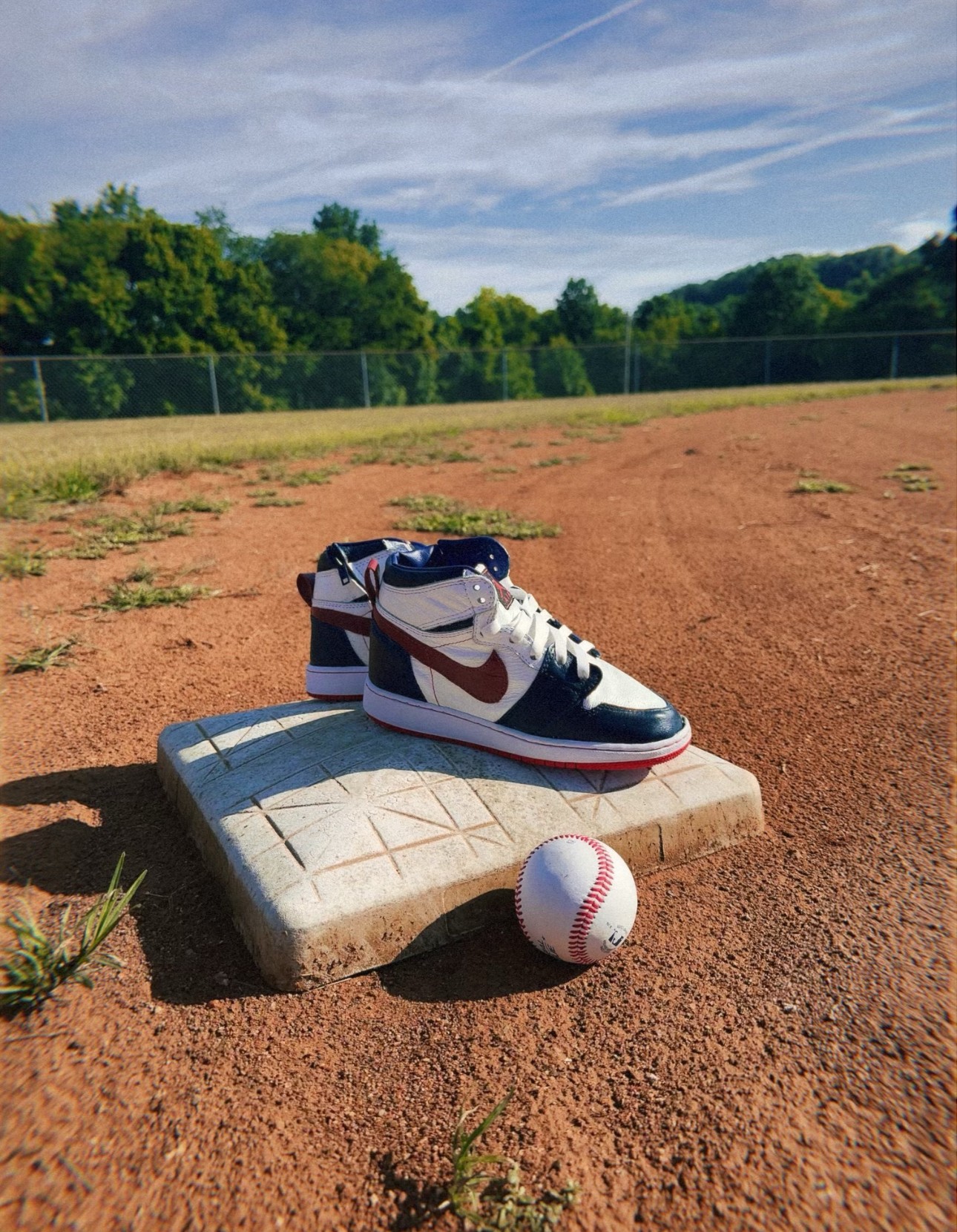
That pattern continued until the Writers Guild strike in 2023, so I moved to London to pursue a more formal education in fashion, trades, and costume. I took courses through Central Saint Martins and London College of Fashion, and during breaks from school, I spent my time in coffee shops around the city watching shoemaking courses from Amanda Overs and the team at “I Can Make Shoes”. I also studied making and customizing trainers over at London Sneaker School in Hackney, initially just to make a pair of Nikes for my dad and a dear friend.
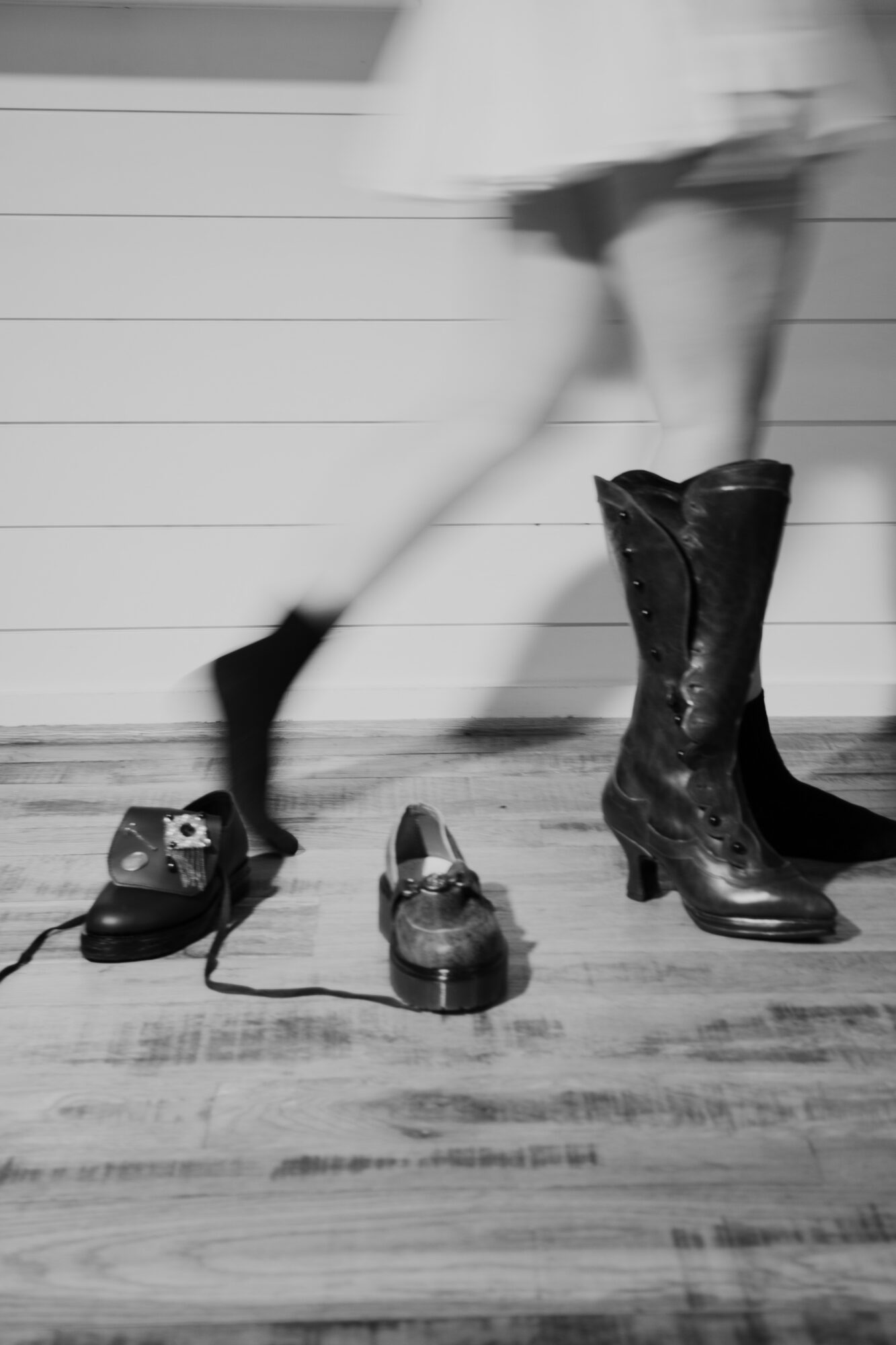
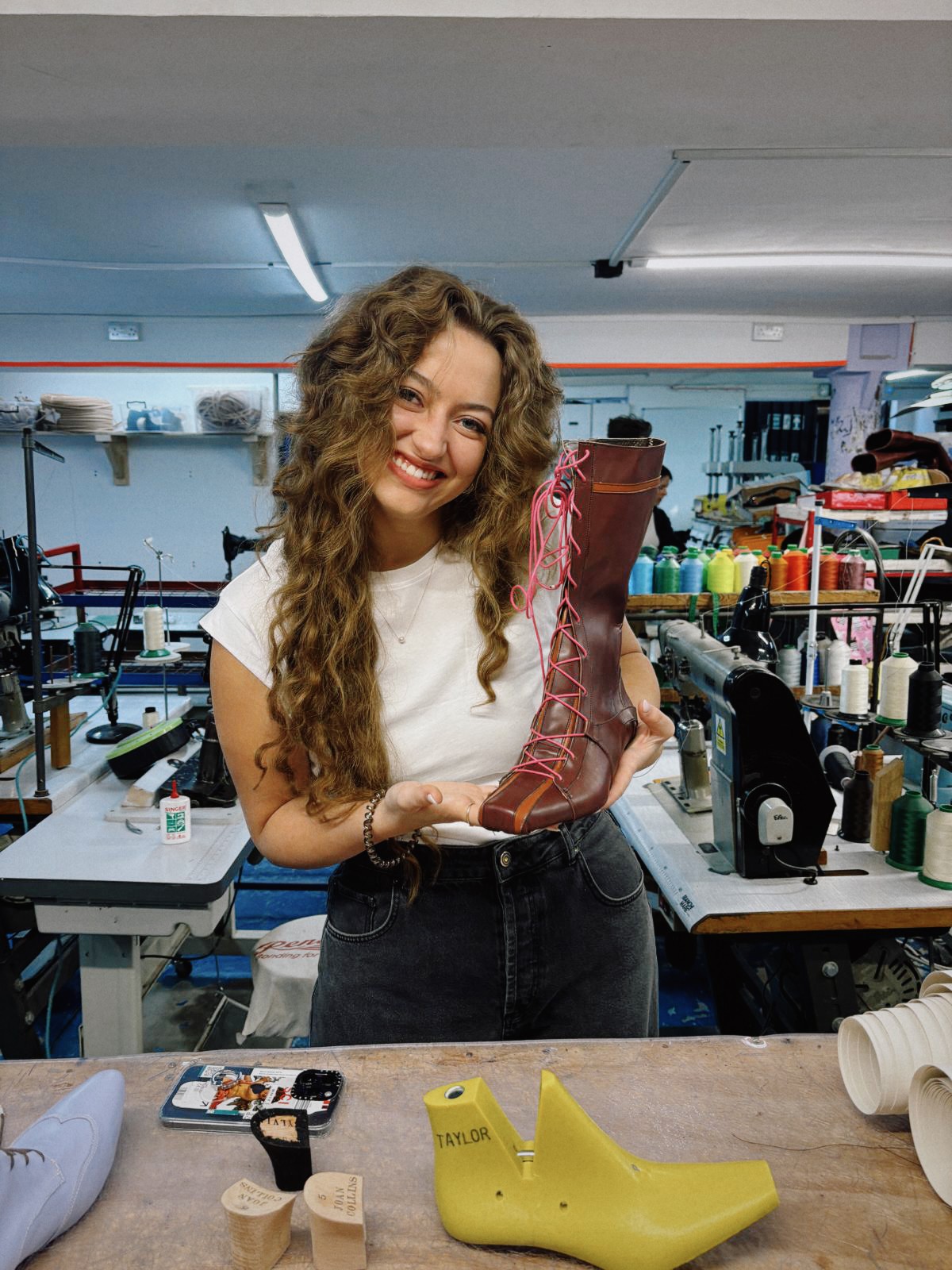
Those experiences opened the door to the world of footwear. Ironically, this was all happening to someone who probably owned about ten pairs of shoes. Through my time in Hackney, I met Thomas Rowe and his team of cordwainers, and I was incredibly fortunate to learn traditional bespoke shoemaking from them. In his factory, I designed and built a pair of modernized 1800s-inspired spat boots with a platform, and two years later, a 1990s-inspired boxing boot.
Those intensives changed the trajectory of my work. I realized that shoemaking brought together so many of the things I had already fallen in love with: design, construction, history, problem solving, material, and storytelling.
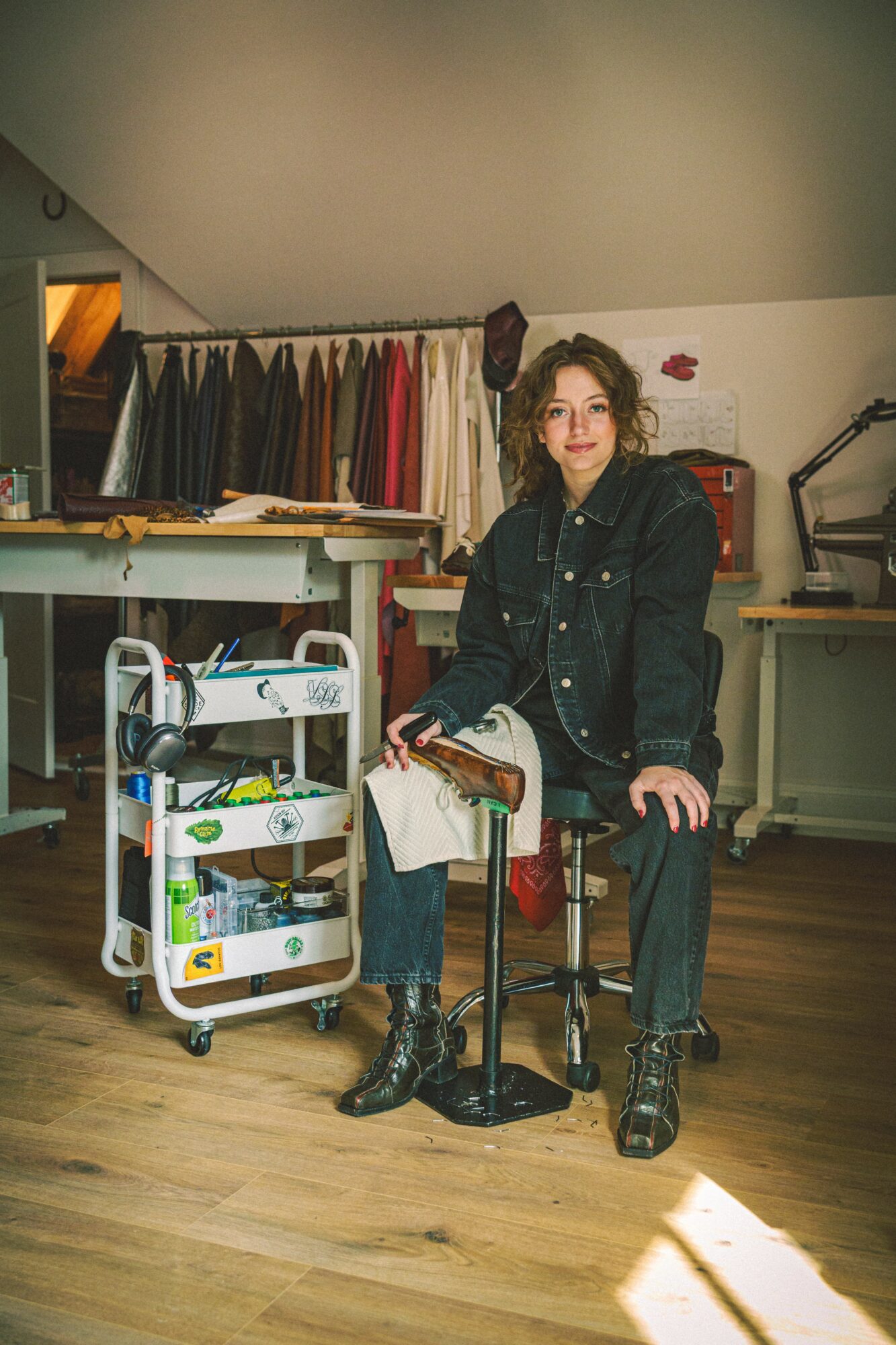
After living in London for a hot minute, I returned to Nashville and began making shoes in a corner of my family’s garage; the full circle nature of that makes me smile. I later returned to the UK to continue studying footwear and have since come back to Middle Tennessee to continue building my own shop and slowly developing Taylor’d Co (TDCO).
Alright, so let’s dig a little deeper into the story – has it been an easy path overall and if not, what were the challenges you’ve had to overcome?
I wouldn’t describe it as a smooth road, but I also wouldn’t have asked for it to be any other way. The last several years have required me to stay open handed, on my toes, and be willing to step into whatever I was called into next.
The film industry alone can be challenging, regardless of how much someone loves the work or how hard they have worked to get there. It is demanding, unpredictable, and often requires long hours with very little margin for error or rest. I have had to learn how to work hard without romanticizing the difficulty of the work.
Before moving to London, I was largely self taught, and that came with a significant amount of imposter syndrome. There is a particular vulnerability in walking into a room where everyone else seems to know something you don’t and letting that train get tangled with anxiety. I’ve learned to get comfortable asking questions, making mistakes, and being a beginner. A lot of that confidence has come not from suddenly knowing everything, but from realizing that I can figure things out.
I have also experienced ongoing health challenges that have made some seasons considerably more difficult than others. From early 2019 into the last few years, I spent a significant amount of time in what I refer to as the “medical mystery cycle”, full of various appointments with specialists, testing, unanswered questions, and the frustration and exhaustion that comes from all of that. I am incredibly grateful to have eventually found answers, thanks to a strong medical team, God, and ways to manage what I experience, although some days are still harder than others.
All of those things have affected the way I work and the way I see my career. They have taught me patience, adaptability, and a deeper respect for the process of becoming good at something. I have had long days, challenging seasons, plenty of mistakes, and more than a few moments where I have had to start over and take a deep breath. In all of that, I also recognize how privileged I am to have been given the opportunities I’ve had and to be building a life around work that I genuinely care about, it’s truly so humbling and something I couldn’t do without my incredible community.
Thanks – so what else should our readers know about your work and what you’re currently focused on?
I would classify myself as a costumer, stylist, designer, and shoemaker. They are separate disciplines, but they meld really naturally in my work. Costuming has broadened my thought process around character and storytelling, styling taught me to think about the relationships between an object, color, and texture, and shoemaking has given me a way to physically build those concepts from the ground up.
I think in the long standing movement and resurgence toward analog, personal experience, and craft, I am incredibly proud to participate in an old trade that carries so much history. There is something really special about working within a trade that has been refined over centuries, while still having the opportunity to reinterpret it for a contemporary wearer. The design and detail refinement process is such a joy, and the actual making requires an intense level of attention to detail and diligence. The number of steps can be a bit arduous, but the final result is incredibly rewarding in a way that I think craftsmen of any discipline can understand.
What sets me apart is the combination of traditional shoemaking, cobbling, and design. I have been fortunate to learn bespoke footwear overseas with traditional English technique and got to build onto that education by working under a cobbler in Franklin. Being able to bring what I learned from across the pond back home is something that is particularly meaningful to me. That combination of experiences allows me to approach a shoe not simply as an accessory, but as an object that has to function, fit, and communicate something about its wearer, while also being made to last.
Nashville and the greater Middle Tennessee area may not immediately be associated with footwear in the way other cities are, but there is absolutely a history of skilled shoemakers, bootmakers, and cobblers here. I don’t see myself as introducing the craft to Nashville; rather I hope to contribute another perspective to a community that already exists and deserves to be recognized. If you aren’t familiar with some of the people doing that work locally, I would encourage you to look at: Grant, Isaac, and their team at Unsung House, Rachel Permetti Janorschke of Permetti Designs, and Wes Shugart of Music City Leather, just to name a few. There are a lot of really talented makers in and around Nashville, and I’m grateful to be adding my own little piece to that community.
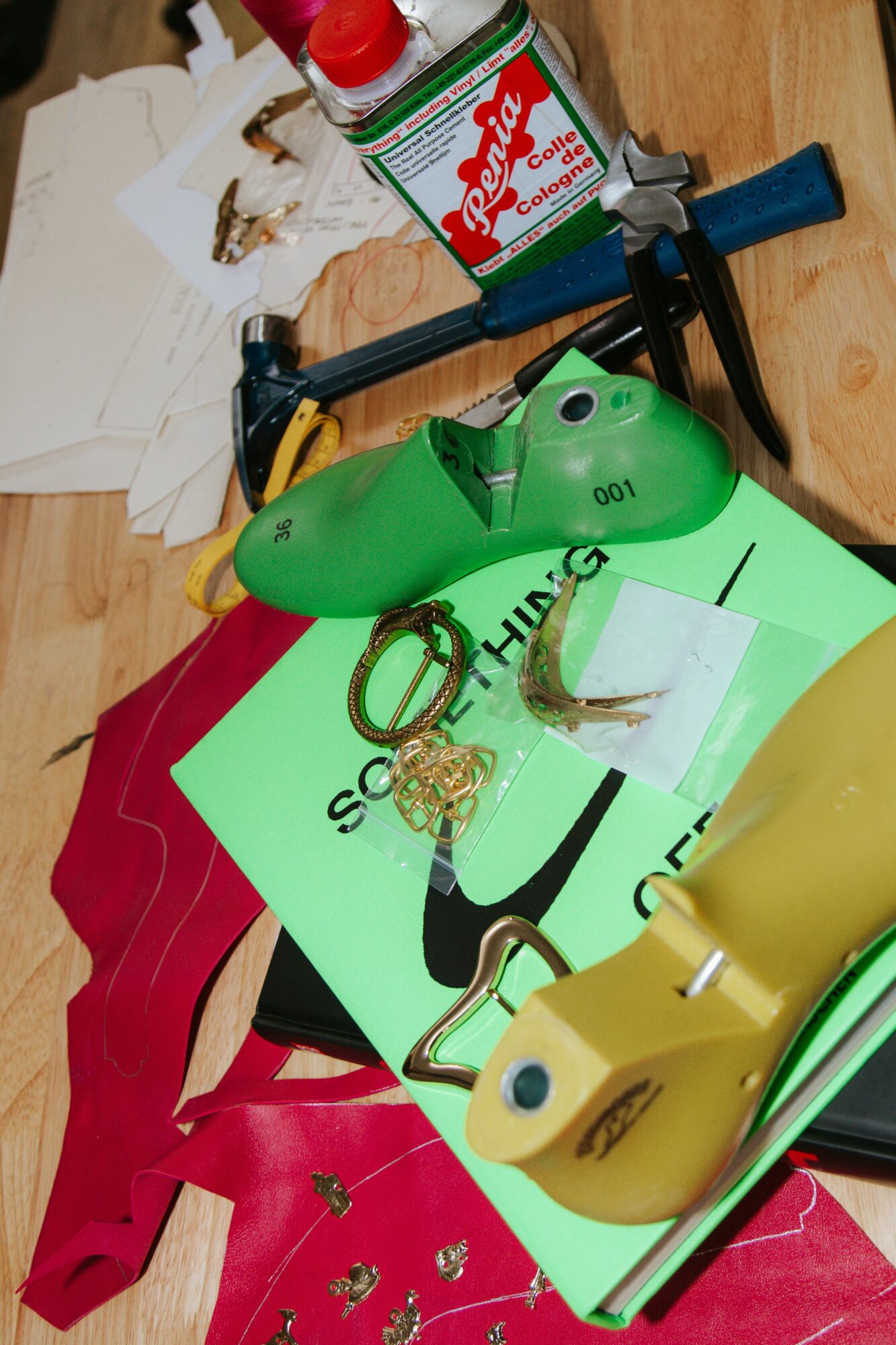
That is really at the heart of Taylor’d Co: TDCO stands for handmade footwear that is truly custom. Just as each person who meets with us or walks into the shop is unique and individual, so is the shoe. Outside of a sewing machine, skyver, and sander, every other aspect is done by hand and each pair of shoes is one of one, created for a specific customer, and not intended to be repeated. The shoes are made intentionally, from real materials, by real people.
What quality or characteristic do you feel is most important to your success?
I think curiosity has probably been the most important quality to where I am at so far. I’ve been willing to ask the “what if” and “how can I learn or apply this” type of questions, then pursue what follows. That inquisitive aspect has always been instilled in me and is what took me from being self taught, working in theatre and film, to moving countries, and eventually into shoemaking. A lot of the opportunities that have shaped my career came from being willing to learn and I think staying curious has allowed me to continue learning rather than applying too much pressure of feeling as though I have to approach people or situations trying to prove I know more than I do.
Contact Info:
- Website: tdco.studio
- Instagram: Footwear: @taylord.co Personal: @taylor.wlms
- Youtube: https://www.youtube.com/channel/UCq0nXZI3hCWIVU6tJZTS7TA