





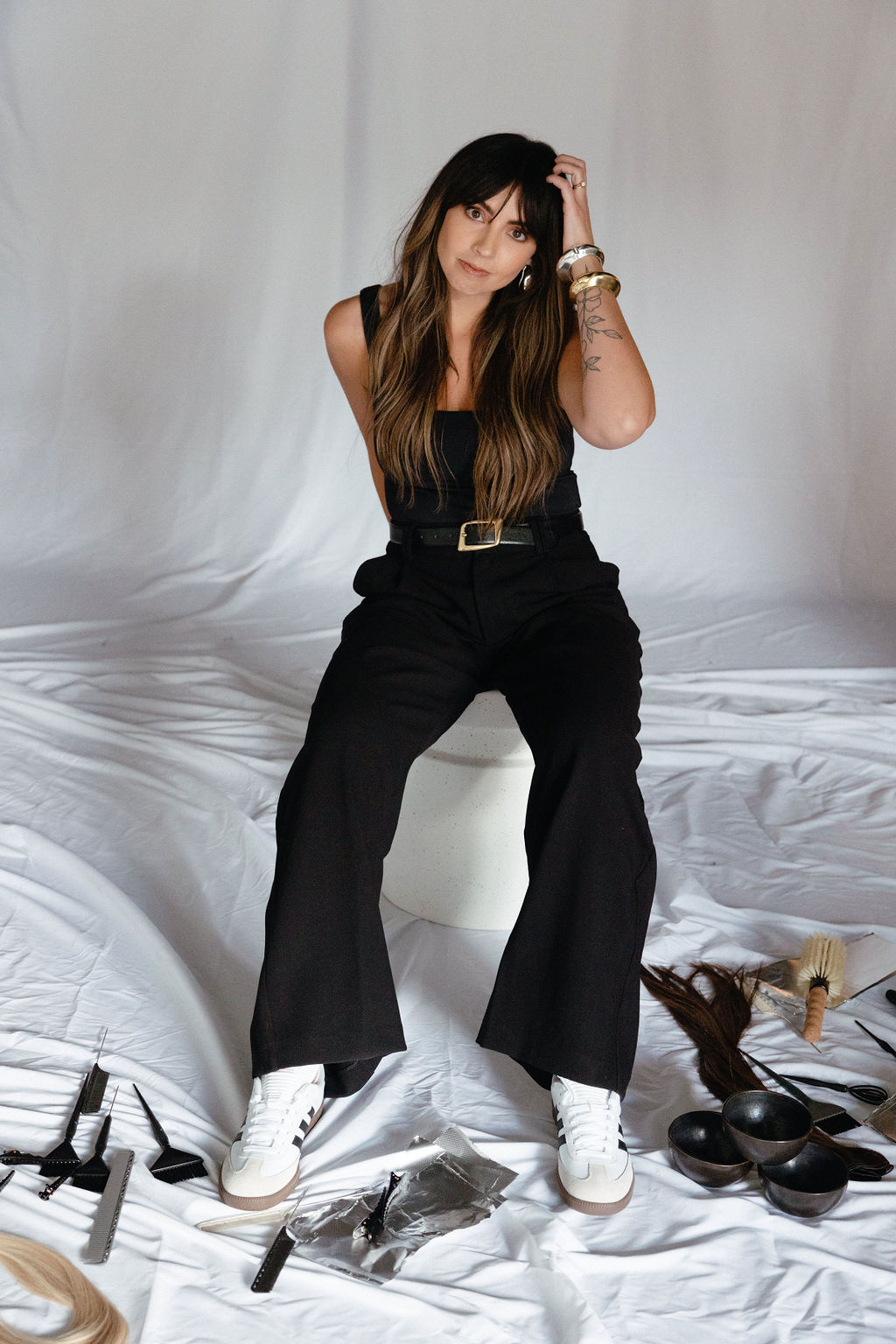
We’re looking forward to introducing you to Caleigh Giarra. Check out our conversation below.
Good morning Caleigh, we’re so happy to have you here with us and we’d love to explore your story and how you think about life and legacy and so much more. So let’s start with a question we often ask: What is something outside of work that is bringing you joy lately?
As a mom of two—a nine-month-old and a three-year-old—a lot of my joy right now comes from family time. Motherhood has added a whole new layer of purpose to my life outside of work, and it’s taught me that “balance” isn’t a fixed state, but more of an ongoing practice. As a business owner, I’ve learned to be intentional about when I’m in work mode versus mom mode so I can be fully present. That intentional rhythm allows me to truly enjoy the moments I get with my kids, my husband, and our family.
Can you briefly introduce yourself and share what makes you or your brand unique?
My name is Caleigh Giarra, and I’m a hairstylist and owner of Tomboy Hair Studio. I specialize in hand-tied extensions, specifically, Invisible Bead Extensions (IBE), and lived-in color.
What makes Tomboy unique is that I built the brand around this specialty from the beginning, shaping a space where our entire team leans into the same approach. In the extension world, a lot of looks tend to feel overly high-maintenance—very “frou-frou,” overly glam, and not always wearable for everyday life. At Tomboy, we take the opposite direction. Our focus is on extensions that look natural, intentional, and align with a low-maintenance, everyday kind of vibe.
Since opening the salon over four years ago, I’ve also expanded into education through a virtual course I created called The Extensionist. It’s a deep dive into the exact methods and systems I use to train my team—rooted in my approach to creating extensions that don’t just enhance hair, but truly feel like they belong to the person wearing them.
Okay, so here’s a deep one: What did you believe about yourself as a child that you no longer believe?
As a child, being the third in a lineup of eight kids, I often saw myself as more of a follower simply because of where I fit in the family. It was normal for me to follow my older siblings around, let them be the “big kids” and make the decisions, etc. Though I don’t see my birth order as a negative, I realized it was actually affecting my confidence when it came to stepping into leadership. I had to recognize my “follower tendencies” as a kind of old, limiting belief that I no longer needed, especially as a salon owner.
Stepping into leadership has required me to rewrite that narrative and trust my vision, even when it feels uncomfortable or unfamiliar. I have learned that leadership isn’t about being the loudest or most dominant voice — it’s about being grounded, intentional, and responsible for the energy and direction of the space you create for others. Letting go of that follower identity has allowed me to step into a more confident role as a leader, mentor, and visionary. To me, being a leader sometimes comes down to a choice on the daily – do I play small, or allow myself to continually grow into someone who leads?
What did suffering teach you that success never could?
I can’t really talk about suffering without thinking of my mom’s journey with lung cancer and the grief my family and I have experienced since losing her about five years ago. A loss that profound doesn’t just teach you something—it reshapes you. It shifts your entire perspective on what actually matters in life and how you choose to spend your time.
Carrying on her legacy has become incredibly important to me, because so much of who I am comes from her. Even though she was a stay-at-home mom, she had the spirit of a true entrepreneur—constantly creating, dreaming, and moving forward like an energizer bunny who never stopped. I see her influence in so much of what I do, even in how I run my business.
Walking through that kind of loss also reveals a depth of strength and resilience I don’t think I would have discovered through success alone. It’s taught me to show up with more empathy and compassion—for both the people I lead and the clients I serve—because you never really know what someone might be carrying. In many ways, that suffering has shaped how I lead, how I live, and how I choose to honor her through the work I do.
I think our readers would appreciate hearing more about your values and what you think matters in life and career, etc. So our next question is along those lines. What are the biggest lies your industry tells itself?
This is such a great question, because it directly ties into how I’ve chosen to build Tomboy differently.
When I went to cosmetology school (which was about 13 years ago), we were taught that you should accept every client, say yes to every service, and never turn anyone away. The problem is—that mindset leads straight to burnout. Not every stylist is the right fit for every client, and not every service lights you up. When you try to serve everyone, you water down your craft and lose the fulfillment that comes from doing work you truly believe in. I think one of the smartest business decisions a stylist or salon can make is to know exactly who they serve, what they specialize in, and what they do well—and to confidently stand in that.
Another lie our industry often buys into, especially in employee-based salons, is that leadership tends to look like micromanagement. There’s this belief that stylists need to be controlled and overly scheduled to perform well. At Tomboy, I take the opposite approach. What’s important to me is trust, freedom, and customization – having structure with flexibility to lean into each team member’s unique strengths. My goal is to help my team build careers that support a healthy work-life balance—not ones that drain them and leave nothing for life outside the salon. In my opinion, having that kind of support is also when people do their best work.
Thank you so much for all of your openness so far. Maybe we can close with a future oriented question. Could you give everything your best, even if no one ever praised you for it?
Funny, this question feels so closely tied to what it feels like to be a salon owner. I don’t say this from a place of resentment at all — I truly have an amazing team, and I know they appreciate me — but owning a salon is often a role that goes largely unseen. There’s so much work, decision-making, problem-solving, emotional support, and responsibility that happens behind the scenes, and most people will never fully understand the weight you carry. Because of that, it can often feel like a thankless job — not because people don’t care, but simply because so much of what you do isn’t visible.
And yet, you still show up fully. You give your best. You lead with heart. You want more for people than they may even want for themselves. You keep pushing things forward because you believe in the standard you’ve set and the culture you’re building.
So yes — I absolutely believe in giving my best even without praise, because at the end of the day, it comes down to integrity and how I believe I should lead. Praise is always appreciated, but it’s not why I do what I do. The work, the growth, the people, and the vision are what keep me moving — whether anyone’s clapping or not.
Contact Info:
- Website: https://www.tomboyhairstudio.com
- Instagram: @tomboyhairstudio @caleigh.tomboyhair
- Facebook: https://www.facebook.com/tomboyhairstudio
- Yelp: https://www.yelp.com/biz/tomboy-hair-studio-nashville?osq=tomboy+hair+studio
- Youtube: https://www.youtube.com/@TomboyHairStudio
- Other: Spotify: https://open.spotify.com/user/3v8155q41v0q7rwg9newctc1d?si=6833d3c45b3d4b69
pinterest: https://www.pinterest.com/tomboyhairstudio/
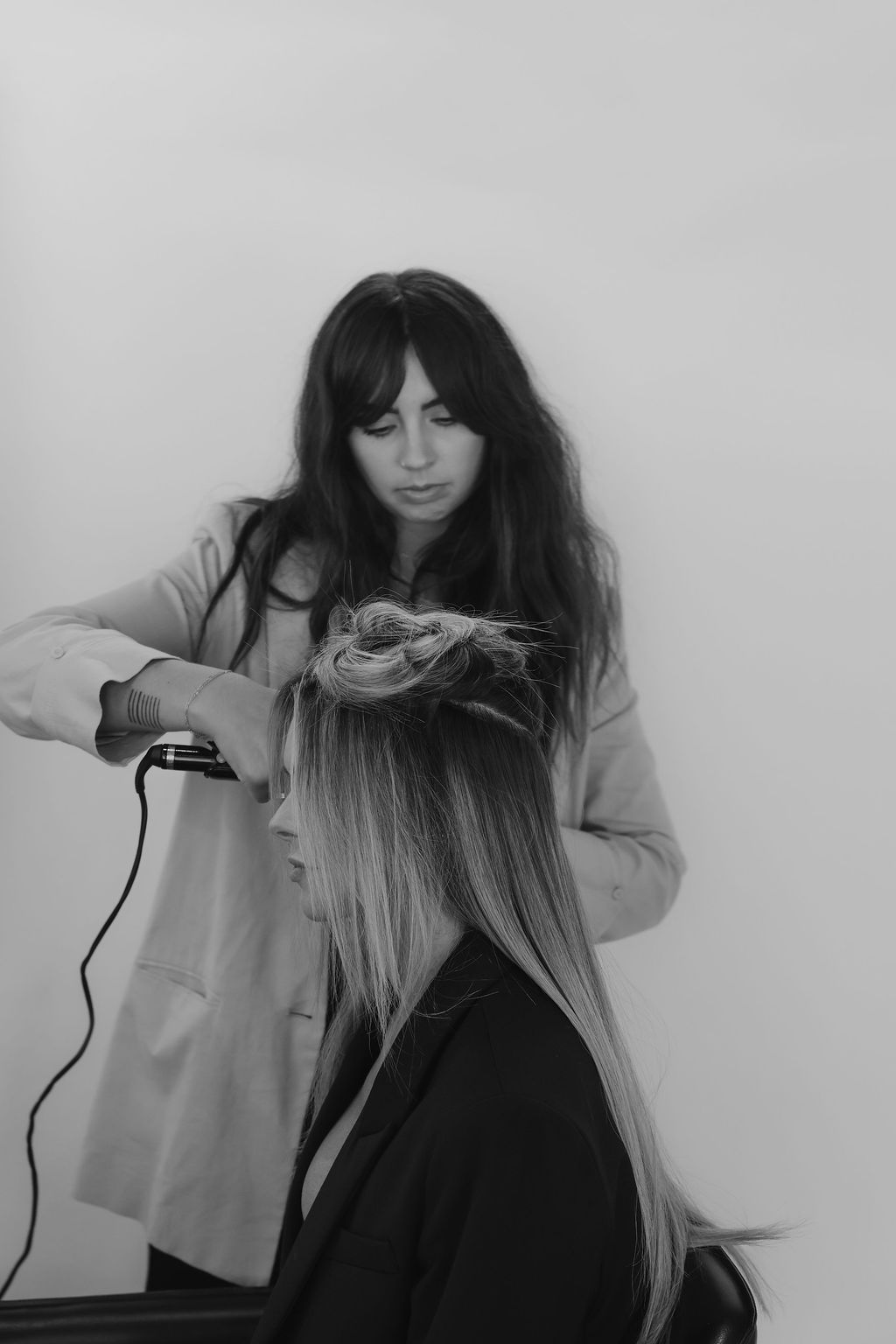
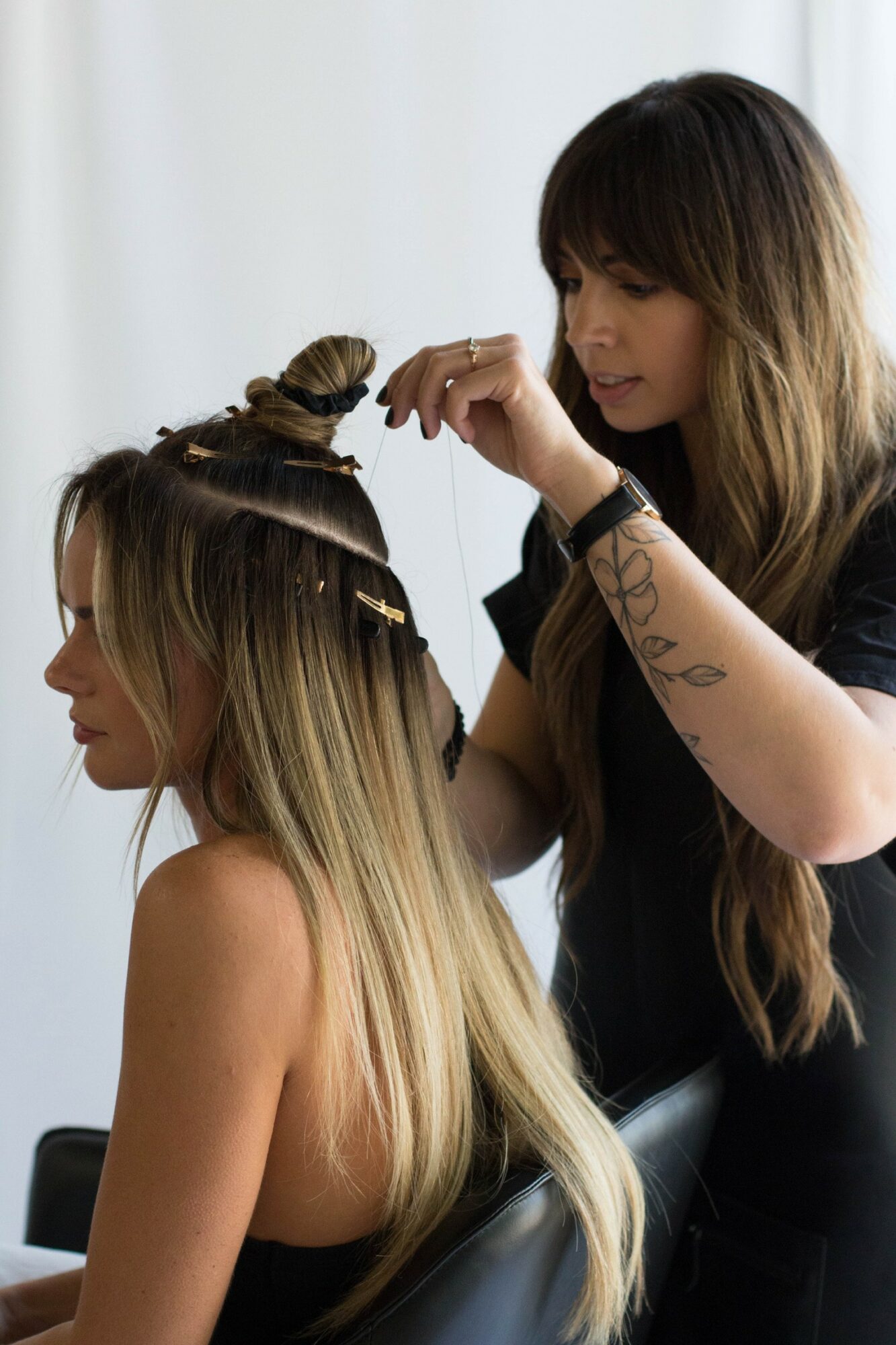



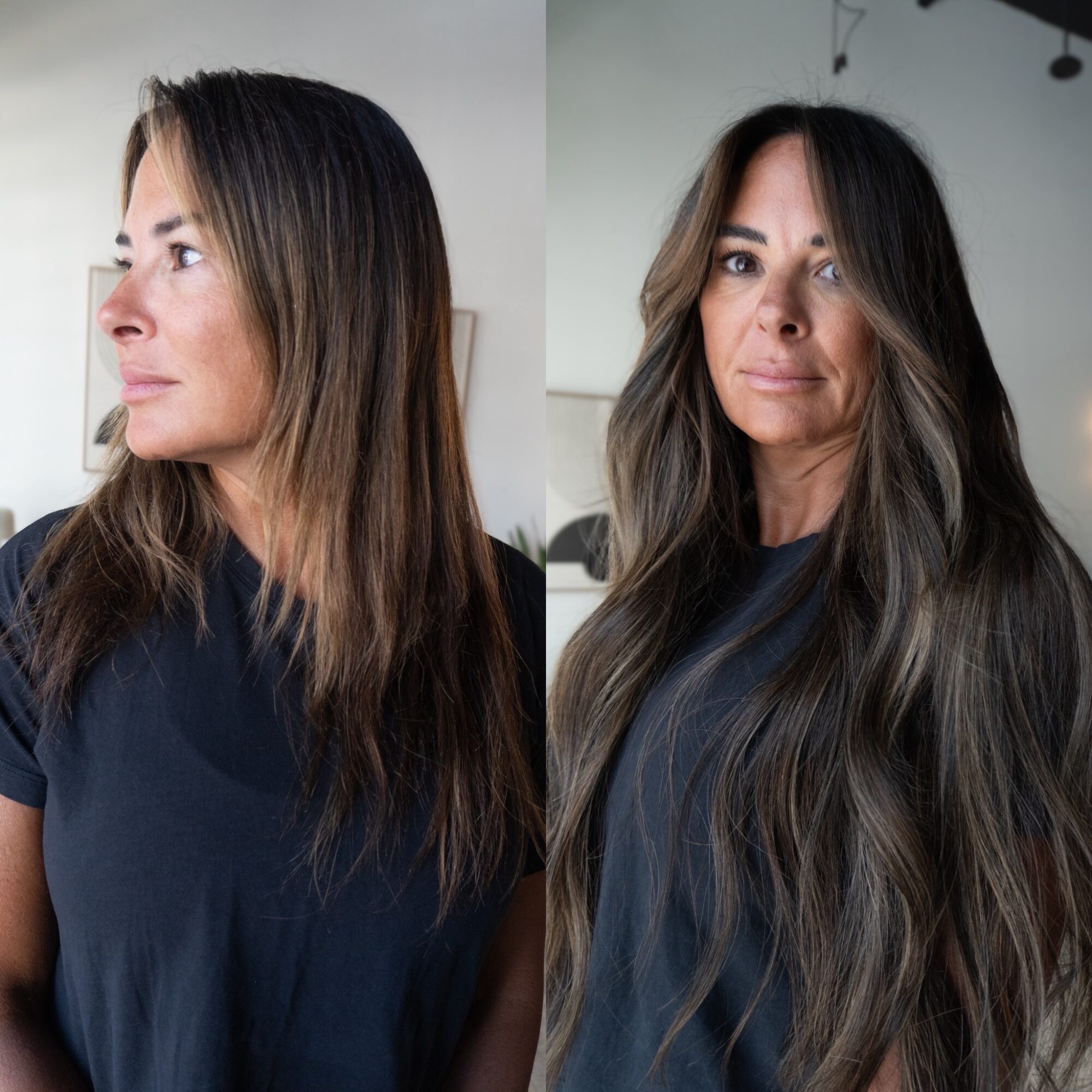

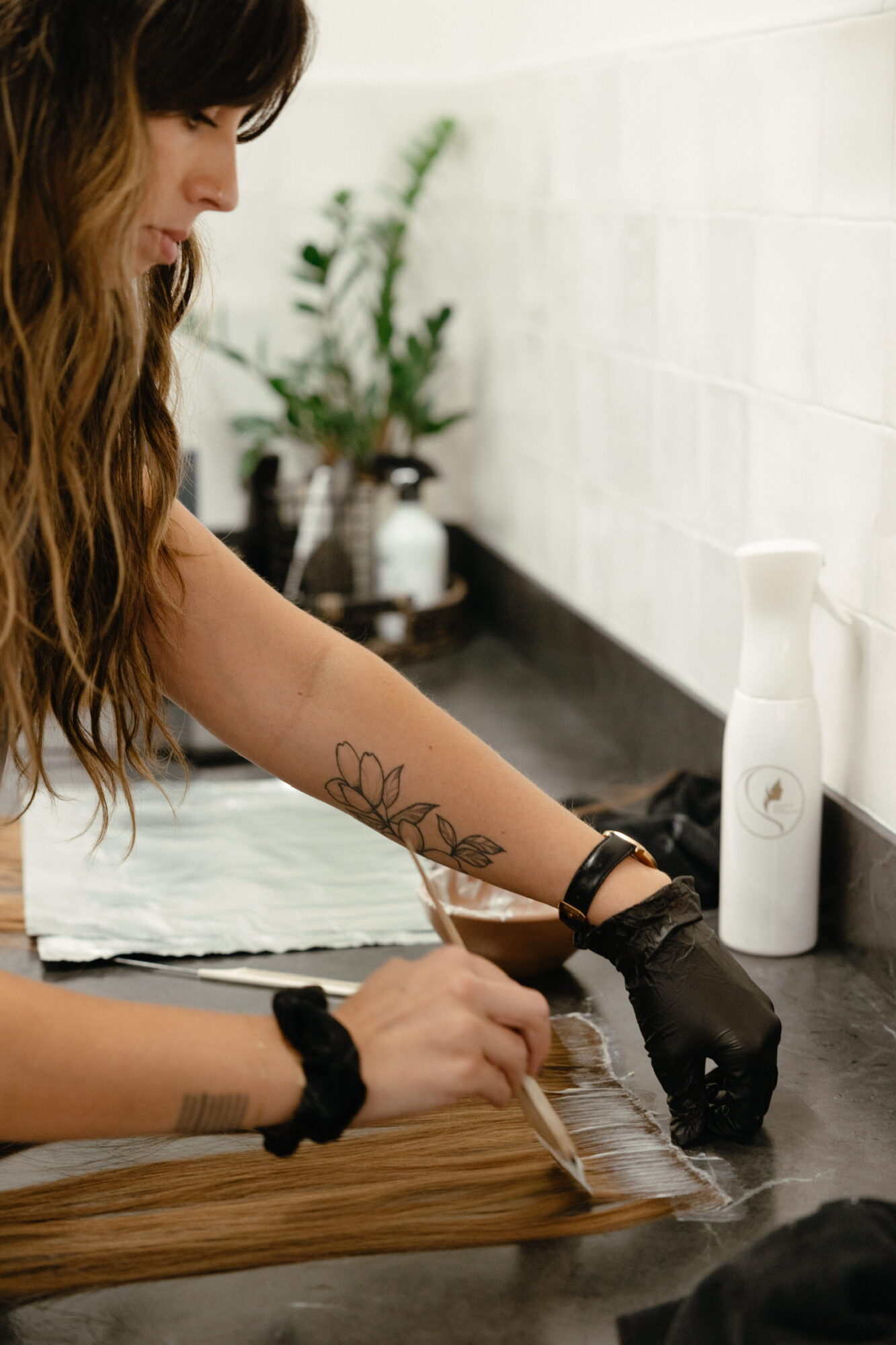
Image Credits
Photos by Lindsey McAlister and Cate Lindholm