




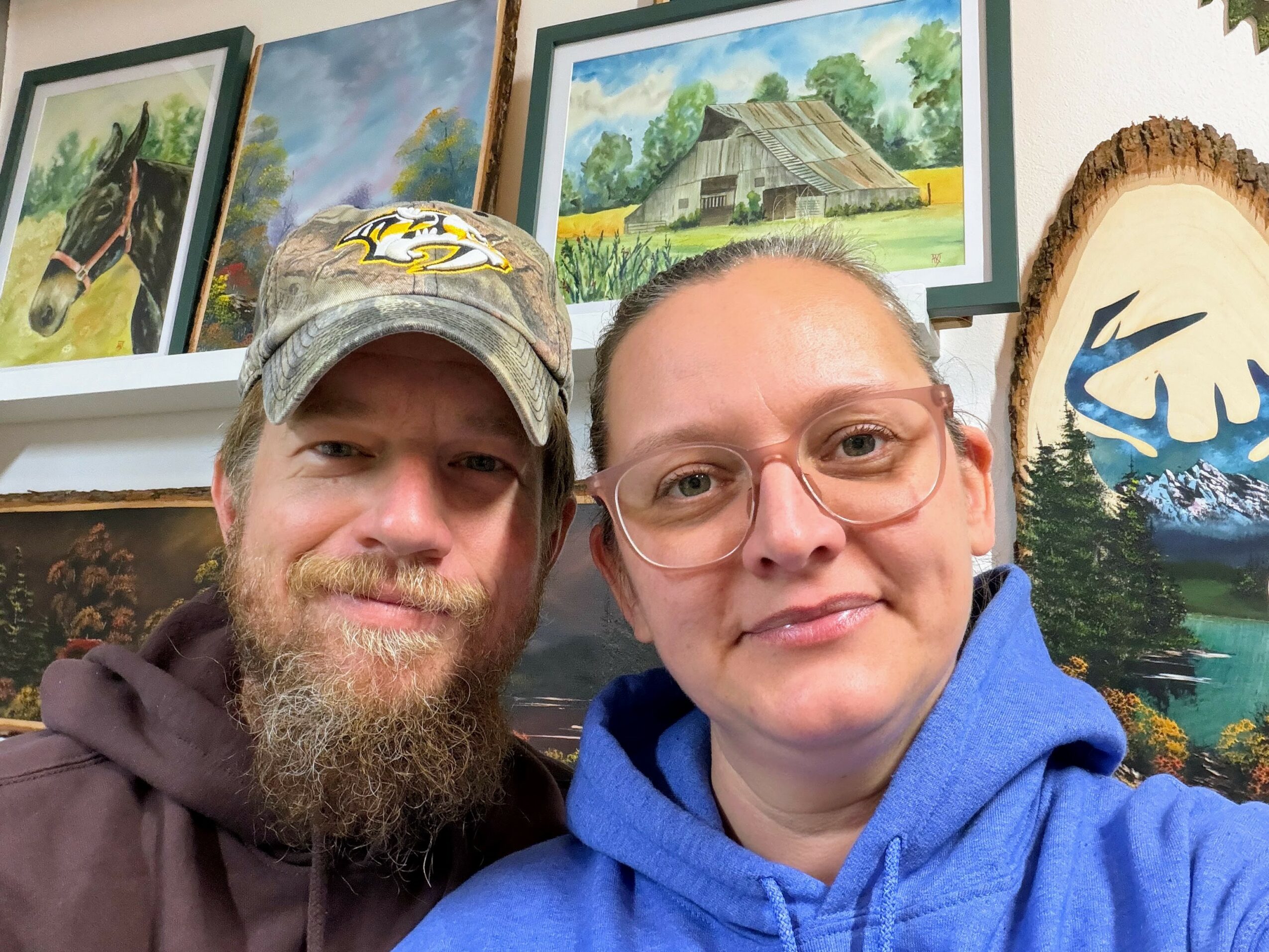
Today we’d like to introduce you to Chris & Anna Holmes.
Hi Chris & Anna, we’d love for you to start by introducing yourself.
Most of our students start by telling us they “can’t even draw a stick figure.”
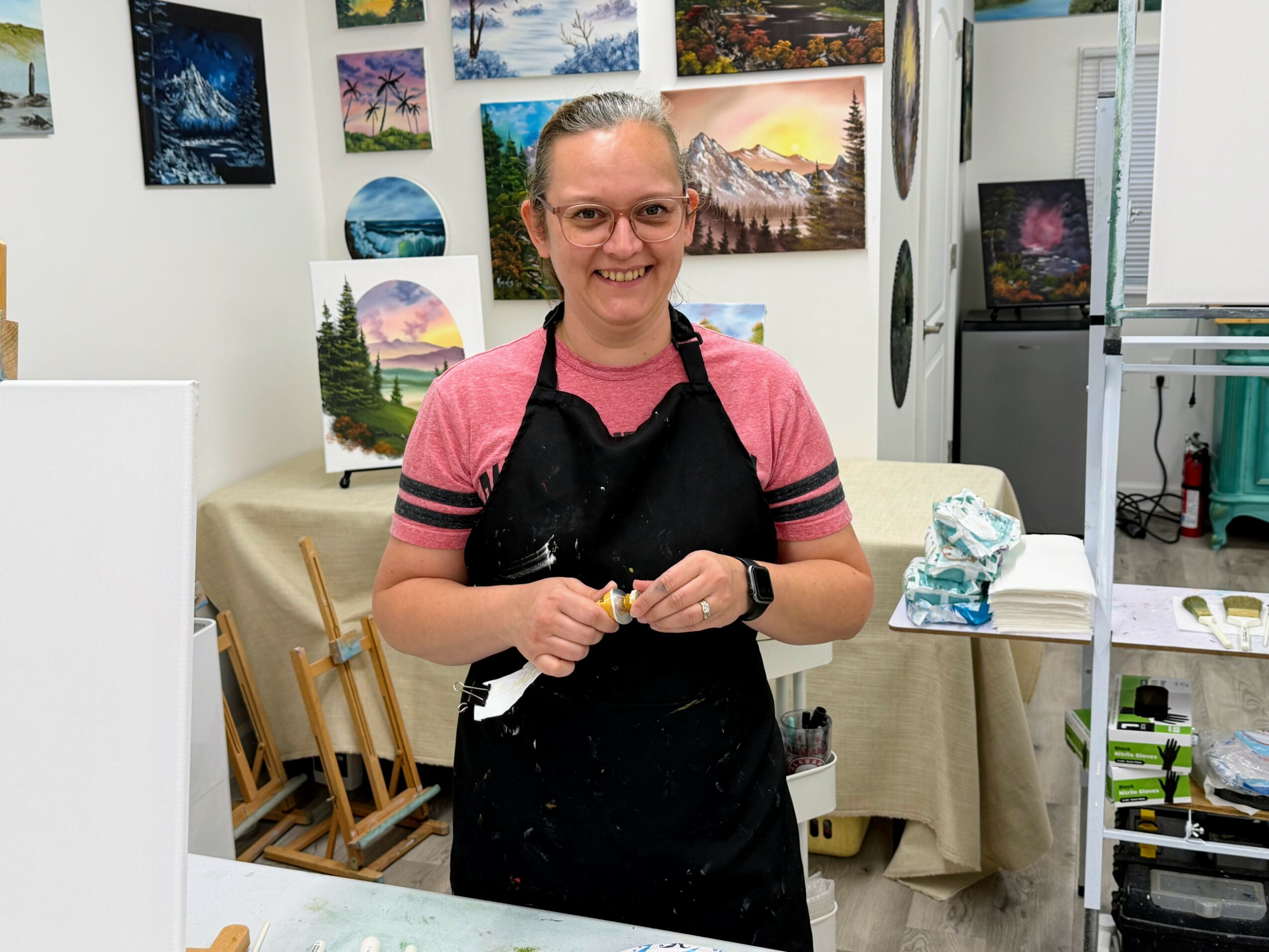
I’m Anna, and together with my husband, Chris, I run Serenity in Color, a small West Tennessee art business where the floor is never completely free of paint, and where those same people walk out with a finished landscape or seascape they’re genuinely proud of. Little by little, we’ve been shaping our days so that making and teaching art is part of normal life, not something squeezed into whatever time is left over.
I was the kid filling sketchbooks and doodling in the margins of every worksheet, and later the adult doodling during IT team meetings. Painting was something I kept circling back to until it stopped feeling like “just a hobby.” Discovering Bob Ross–style wet-on-wet oil painting was the turning point—the happy little trees, the freedom to make “mistakes,” and the way a blank canvas could become a whole scene in a couple of hours finally gave me permission to play instead of trying to be perfect.
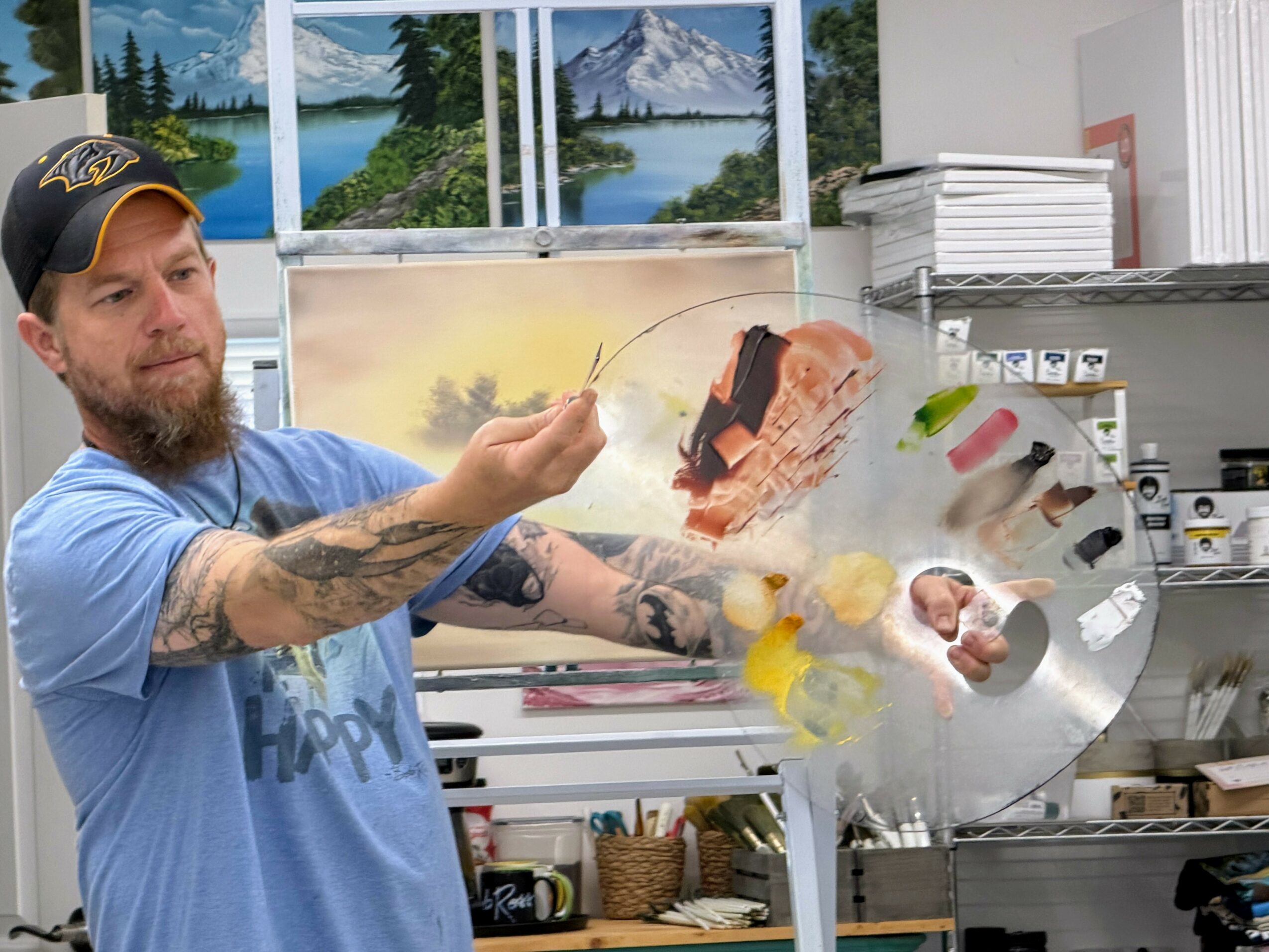
I actually met my husband, Chris, during our Bob Ross instructor training—we both went all in and qualified as Certified Bob Ross Instructors at the same time. After training, I went back to England for a while and started teaching there, and he began teaching in Henderson, Tennessee. For a season, we were running classes an ocean apart, swapping stories and cheering each other on from different time zones.
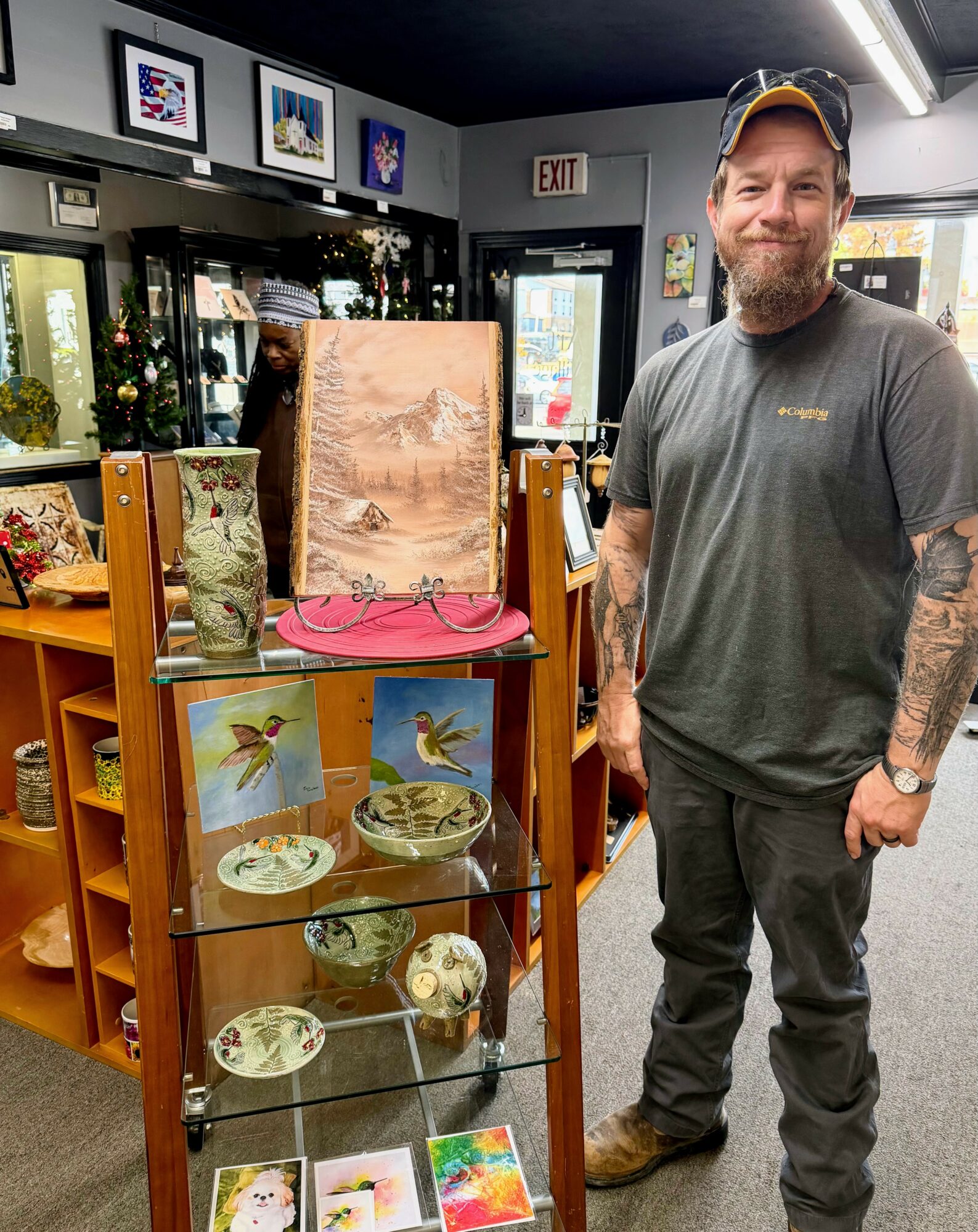
Eventually, life brought us back to the same studio. Since then, those early classes have grown into a real, very hands-on art business. We built a dedicated classroom next to our home, started selling original paintings and prints, and joined Art in the Village, a co-op gallery in Jackson, TN, where our work hangs alongside other local artists. We’ve been figuring out the business side as we go—pricing, marketing, hauling canvases in and out of the car, wiping paint off the floor, and keeping up with inventory—but what keeps us going is watching students surprise themselves and seeing our paintings find their way into people’s homes.
Today, Serenity in Color focuses on teaching painting skills people can actually use again, and on creating work inspired by the landscapes and seascapes we love. Bit by bit, we’re building a life with more room for art—for us and for the people who paint with us. And we’re curious to see where the next canvas takes us.
Can you talk to us a bit about the challenges and lessons you’ve learned along the way. Looking back would you say it’s been easy or smooth in retrospect?
Short answer: no, it hasn’t been a smooth road.
We started with the part we love: creating. But turning that into a business is a completely different skill set. Suddenly it wasn’t just, “What should I paint next?” It was copywriting, marketing, advertising, progress tracking (relax, I have a spreadsheet for that), keeping track of inventory, staying on top of class bookings, supply orders, social media, an email list… and making all the bits of tech talk to each other without breaking. The tech takes time to learn, but once it’s in place it saves so much time and brain space, it’s hard to imagine doing without it.
On top of that, there’s the whole world of websites and user experience. Thankfully, I have a background in IT, which sped up some of that learning curve—but it still meant many evenings spent figuring out booking systems, payment options, and how to make it easy for someone to go from “This looks fun” to actually signing up for a class before they get distracted by the next thing in their feed.
Then there were the very practical struggles, like studio space. In the beginning, we didn’t have a dedicated classroom. We taught out of a local restaurant, thanks to a very generous owner who let us use her space for our classes. We were (and still are) incredibly grateful—but it still meant loading and unloading tables, easels, canvases, paints, brushes, and all the cleanup materials every single time. A “three-hour class” easily turned into a full-day event once you added setup and teardown. That was one of the big reasons we eventually invested in building our own studio next to the house—it was either that or admit defeat to the folding tables.
We’re still learning as we go. The creative part feels like home; the business side has been more like learning a new language as adults. But little by little, we’ve found systems, routines, and tools that make it possible to keep doing the part we love—helping people paint—without completely burning out in the process.
Thanks – so what else should our readers know about your work and what you’re currently focused on?
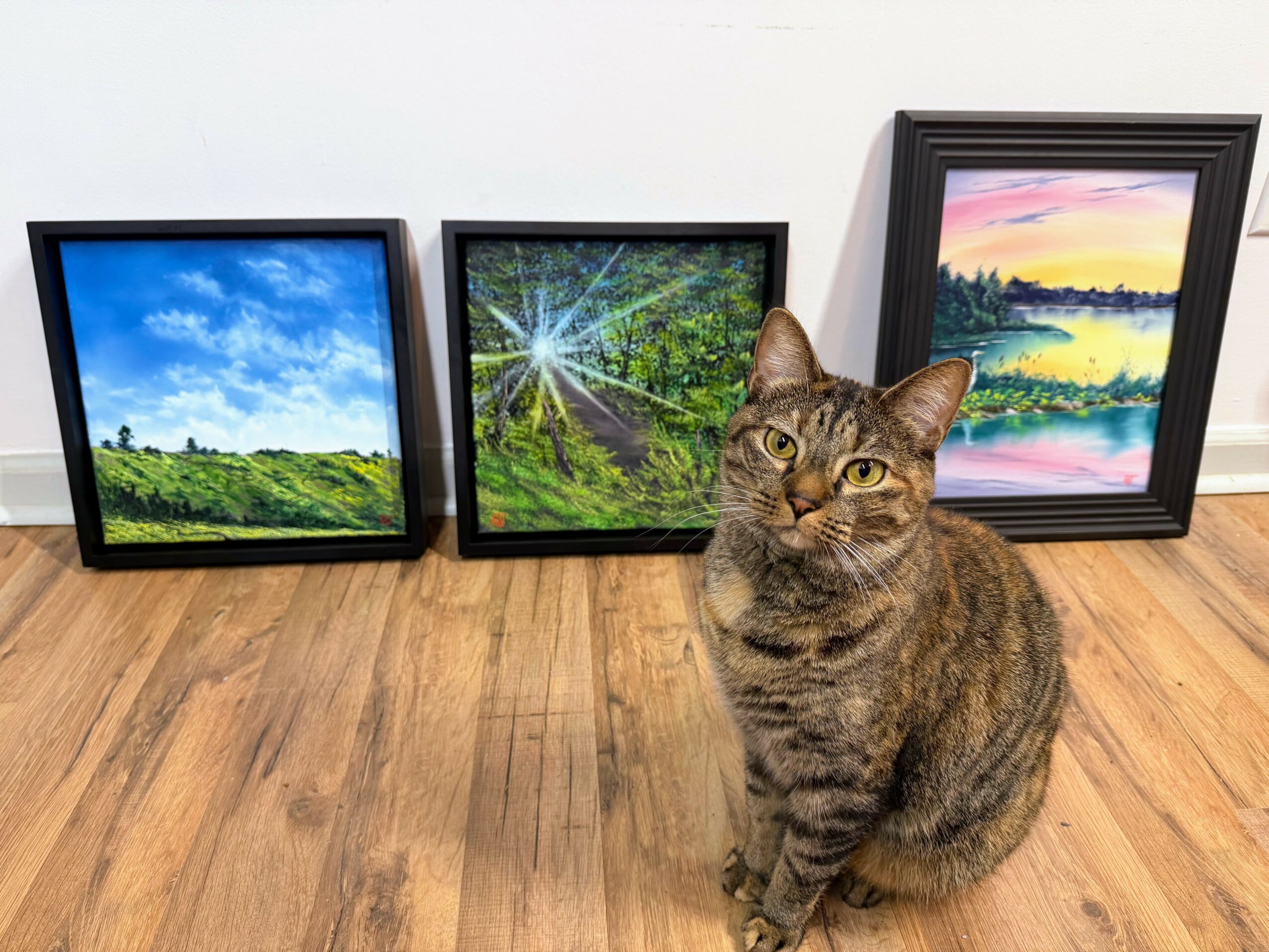
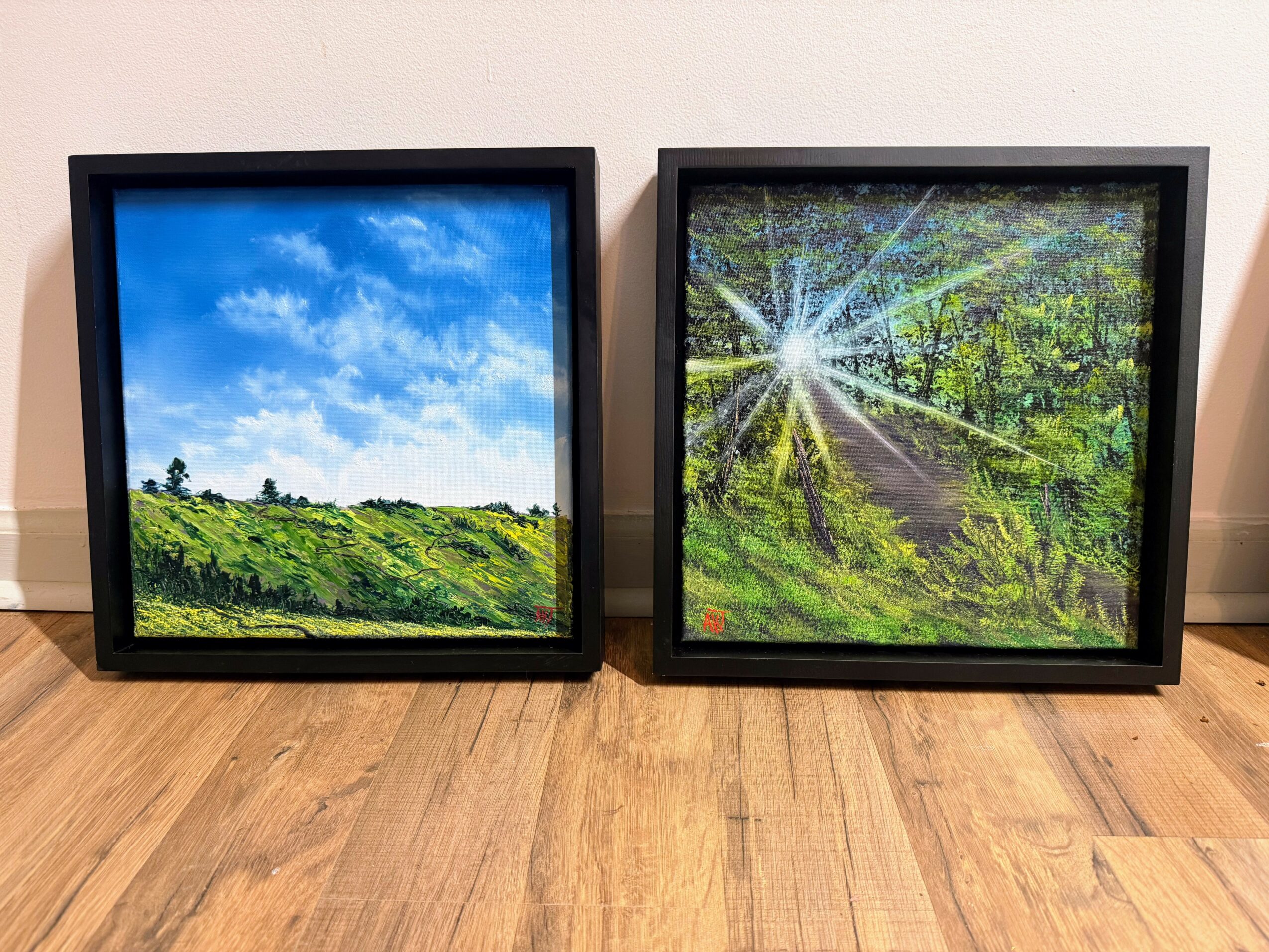
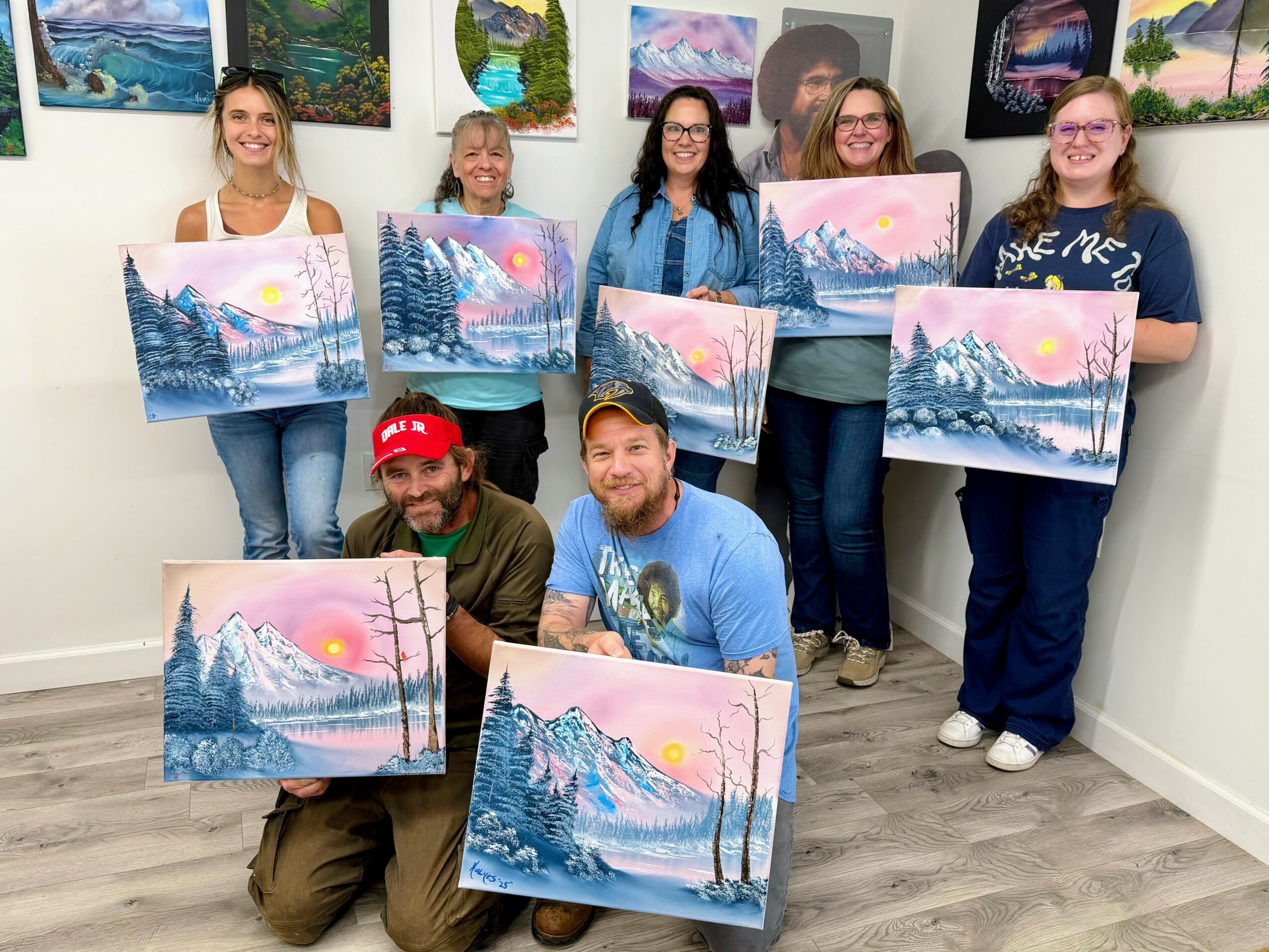
At Serenity in Color, Chris and I split our time between creating our own work and helping other people surprise themselves at the easel. We paint big skies, quiet shorelines, and the kind of trees you’d happily get lost among—mostly in oils—and we’re both Certified Bob Ross Instructors, so our classes are based on that wet-on-wet technique: happy trees, big skies, mountains, waves, all of it.
What we’re probably most known for locally are our in-person painting classes in our studio in Henderson, TN. Most of our students arrive saying some version of, “I’m not creative at all,” or “There’s no way I can paint like that.” They leave a few hours later with a finished painting, paint on their hands, and this look of, “Wait… I actually did that.” That moment never gets old.
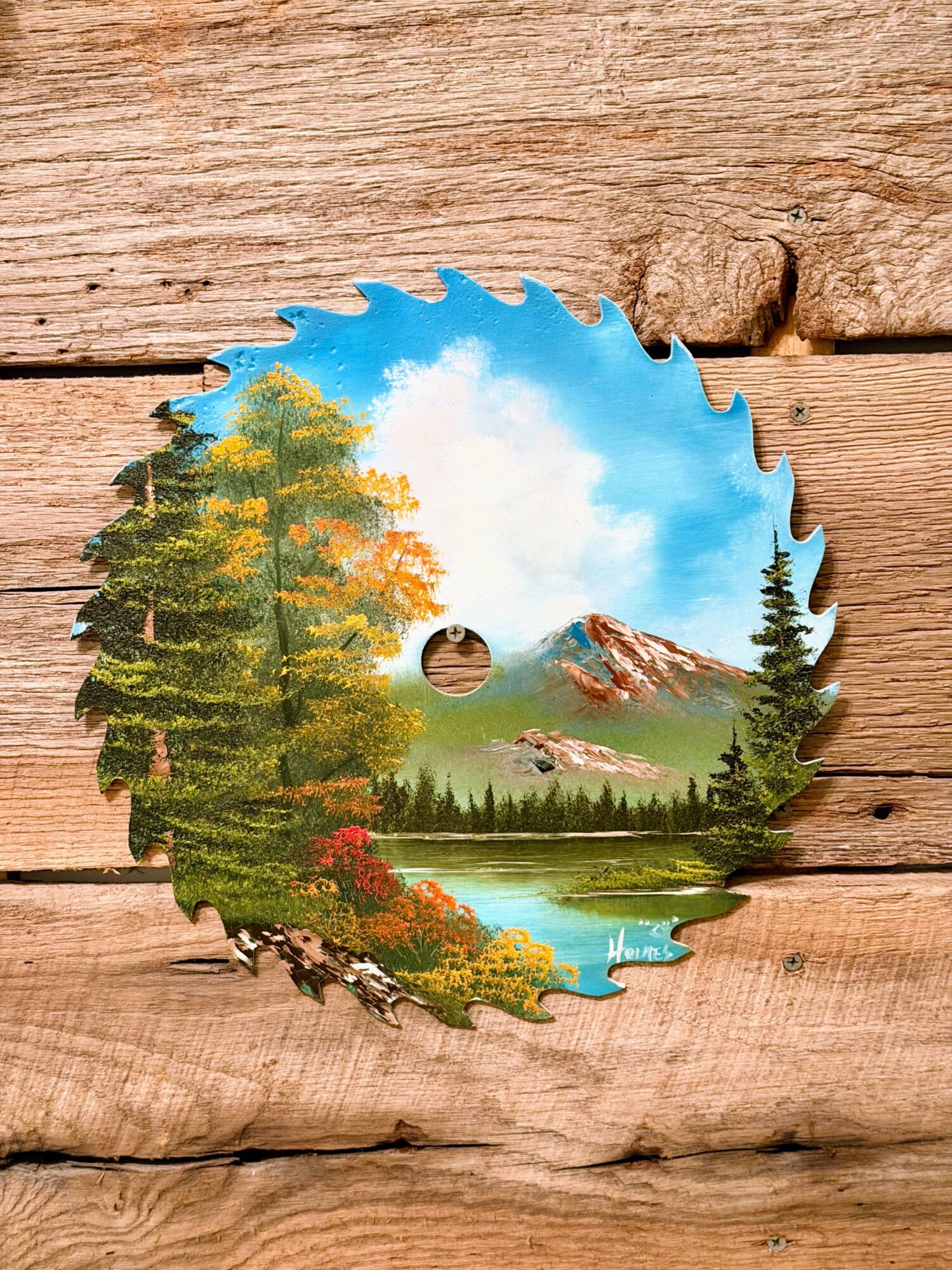
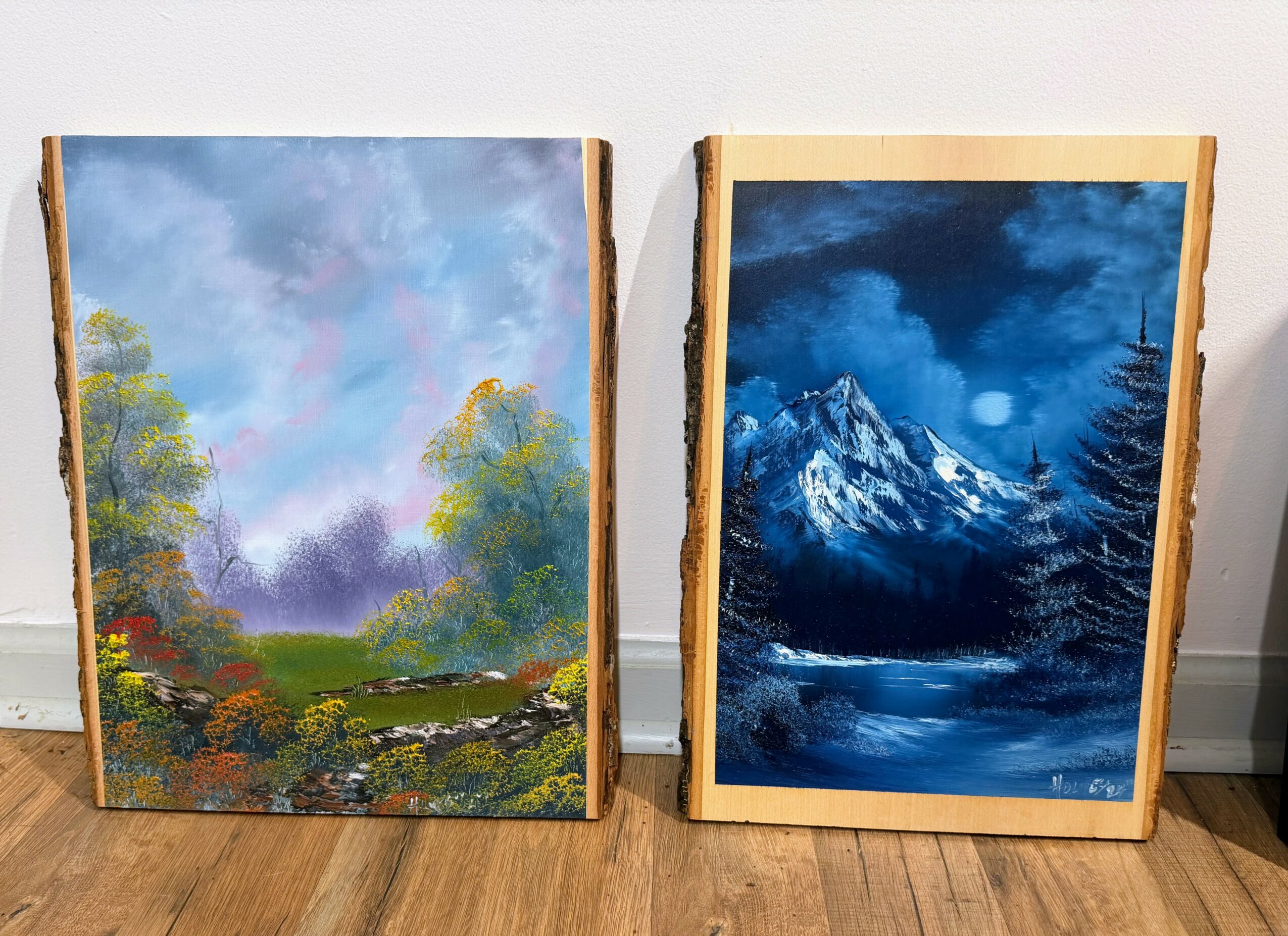
Outside of teaching, we create and sell original paintings and fine art prints—landscapes, seascapes, and nature-inspired work. I paint mostly on canvas, and Chris is always excited to paint on wood and old saw blades—the kind of pieces that look right at home in a barn, workshop, or very country man cave. Our work is available through Art in the Village in Jackson, TN, and through our website, and we’ve been building a community of collectors who follow what we’re working on now and keep an eye out for new art releases—especially the ones that tend to sell quickly.
What I’m most proud of isn’t a single painting; it’s the atmosphere we’ve created in the studio and around our work. We keep our classes small and relaxed, we walk people through the process step by step, and we make it very clear there are no art police hiding in the corner. People come in nervous and talking down about their abilities, and they leave standing a little taller, seeing themselves as “someone who paints” instead of “someone who’s not creative.” On the collector side, some of the best feedback we get is, “This feels so peaceful. I can look at it for hours.” Knowing that something we painted makes someone’s home feel calmer or more like them—that means a lot.
We’re in it for more than a single night out. We’re focused on teaching real skills in a way that feels approachable and fun, so people can keep painting at home if they want to. Between Chris’s easygoing teaching style, my love of breaking things down so they’re less intimidating, and our shared obsession with nature and light, we’ve built a space where beginners feel safe to try, mess up, laugh, and keep going. That mix of serious craft and not taking ourselves too seriously is, I think, very much “us.”
Can you talk to us a bit about happiness and what makes you happy?
Short answer: creating makes us happy.
We’re happiest when we have the freedom to paint and experiment—playing with color, trying new compositions, and seeing how different surfaces change the feel of a piece. The same scene on canvas, on rough wood, or on an old saw blade has a completely different mood each time, and we love figuring that out as we go. There’s a lot of joy in not knowing exactly how it will look until the final few brushstrokes.
One of our favorite things is seeing what this work does for our students. Watching someone who walked in unsure of themselves leave with a finished painting is already special—but it doesn’t stop there. We hear stories later about them taking that painting home, propping it up on the kitchen table, and family members asking, “You really painted that?” That moment changes how people see themselves, and we don’t take it lightly.
We also love knowing our work is going to good homes. When someone chooses a painting, spends their own money on it, and hangs it where they’ll see it every day, that’s the ultimate report card. It tells us the hours we spent at the easel turned into something that matters to someone else, not just to us.
And honestly, it makes us happy that we can do all this and make a living from it. We’re not auditioning for the role of starving artist—it’s not the 1500s, and we like being able to pay our bills on time. There’s a lot of work behind the scenes, but getting to say that painting, teaching, and creating are our actual jobs still feels fantastic.
Pricing:
- For class costs, available originals, and print prices, the most up-to-date info is on our website.
Contact Info:
- Website: https://serenityincolor.com/
- Instagram: https://www.instagram.com/serenityincolorart/
- Facebook: https://www.facebook.com/people/Serenity-in-Color/100095710025157/
- Youtube: https://www.youtube.com/@SerenityinColor-lt9be