




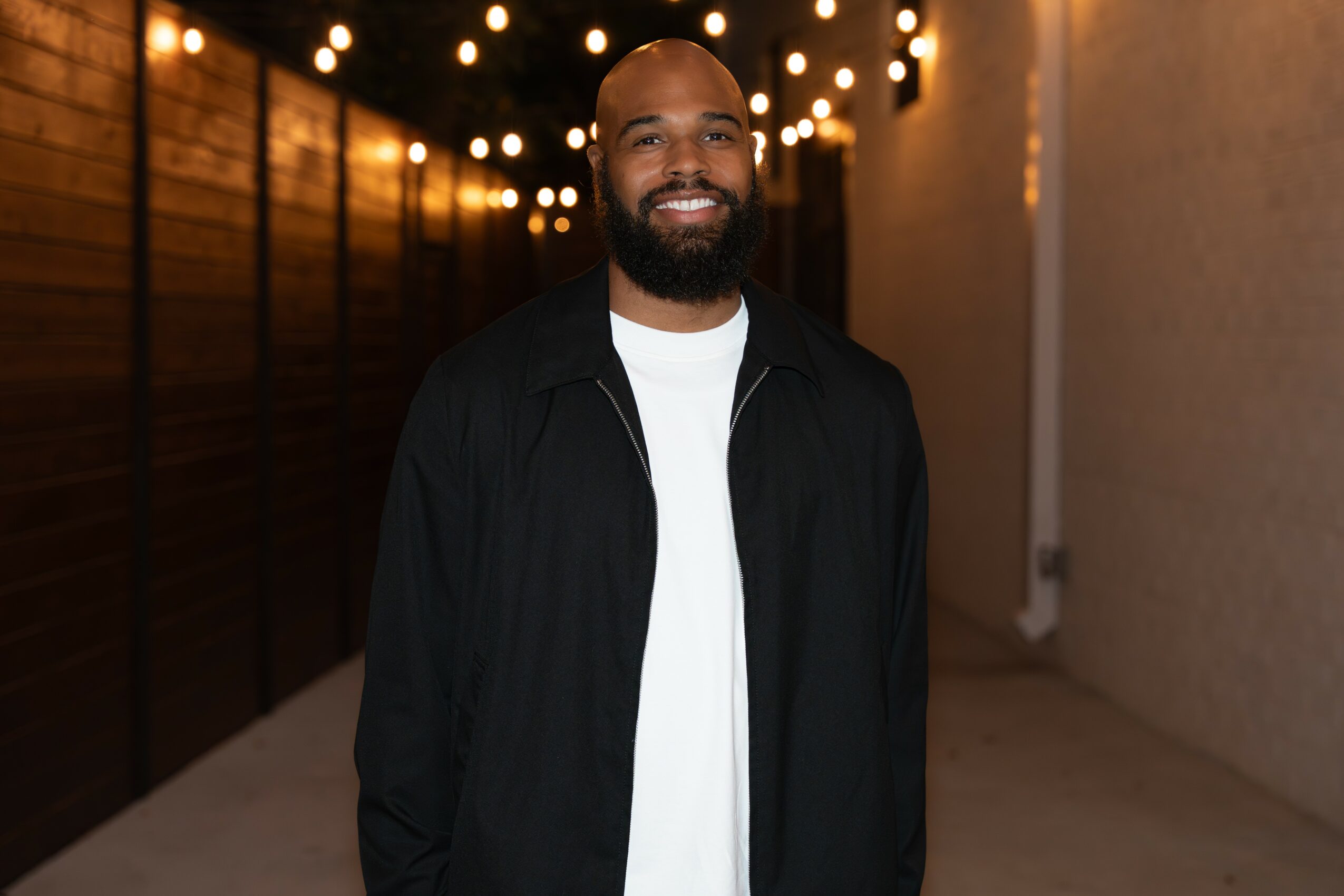
Today we’d like to introduce you to Nafis Ricks.
Hi Nafis, we’re thrilled to have a chance to learn your story today. So, before we get into specifics, maybe you can briefly walk us through how you got to where you are today?
I’d say my story is really about growth, persistence, and evolving into purpose. I started out through basketball it was a huge part of my life early on. The game taught me discipline, structure, and how to push through adversity. Being an athlete wasn’t just about competing; it shaped how I approached everything. Early mornings, long hours, setbacks, wins it all built my mindset and work ethic. Basketball gave me a foundation and a sense of identity during those formative years.
But like a lot of journeys, things began to shift. As I grew, I started paying more attention to what was happening beyond the physical side of the game the mental and emotional aspects. I saw how important mindset, pressure, confidence, and mental health were, not just for athletes but for people in general. That curiosity turned into something deeper.
From there, I became more intentional about transitioning into the mental health space. It wasn’t an overnight decision it came from experience, reflection, and recognizing where I felt called to make a difference. Now, I’m focused on becoming a psychologist, using both my personal journey and what I’ve learned to help others navigate their own challenges.
The same discipline and resilience I developed through basketball are what I carry with me today. I’m still learning, still growing, but now I have a clearer sense of purpose helping people strengthen not just their performance, but their mental well-being.
Where I am today is the result of those experiences coming full circle. From the court to the mind, it’s all connected and I’m building something meaningful from both. I am currently a doctoral candidate at Tennessee State University to become a psychologist
Would you say it’s been a smooth road, and if not what are some of the biggest challenges you’ve faced along the way?
Obstacles and challenges have been a constant part of my journey they’re really what shaped me the most.
Coming up through basketball, I dealt with things like injuries, inconsistency, and the pressure to perform at a high level. There were moments where things didn’t go my way opportunities I thought I had didn’t work out, and that forced me to really look at myself, stay disciplined, and keep pushing even when it was frustrating.
Mentally, that was a challenge too. As an athlete, you can tie so much of your identity to the game, so when things aren’t going right, it can affect your confidence and how you see yourself. Learning how to manage that how to stay grounded and not let the highs and lows define me was a big part of my growth.
Then transitioning out of basketball brought a different kind of obstacle. I had to step into the unknown and rebuild in a new space. Getting into the mental health field and working toward becoming a psychologist takes time, patience, and commitment. There were moments of doubt, moments where the path wasn’t clear, and times where I had to trust the process without immediate results.
Another challenge has been balancing growth with consistency staying locked in even when progress feels slow. But that’s something basketball prepared me for. You don’t always see results right away, but the work still matters.
At the end of the day, those obstacles helped me develop resilience, self-awareness, and discipline. They pushed me to grow not just physically, but mentally and emotionally and that’s exactly what led me to the path.
As you know, we’re big fans of you and your work. For our readers who might not be as familiar what can you tell them about what you do?
What I do now really sits at the intersection of performance, mindset, and mental health. My work is focused on transitioning into the field of psychology, with an emphasis on helping individuals especially athletes and high-performers understand and strengthen their mental game. Coming from a basketball background, I’ve seen firsthand how much pressure, identity, and emotion are tied into performance. So I naturally gravitate toward areas like mindset development, emotional resilience, confidence, and navigating life transitions whether that’s on or off the court.
What I’m known for, at least by the people around me, is being able to connect real experience with real conversations. I’m not just speaking from theory I’ve lived the highs and lows of competition, setbacks, and having to redefine myself. That allows me to meet people where they are and keep things authentic.
What I’m most proud of is the transition itself. Going from being fully immersed in basketball to stepping into the mental health space with intention that took a lot of self-reflection and discipline. It’s not an easy shift, but it’s meaningful. I’m building something that’s bigger than just me.
What sets me apart is that blend of lived experience and purpose. I understand performance culture from the inside, but I’m also committed to doing the deeper work it takes to support people mentally and emotionally. I’m not rushing the process I’m focused on growing, learning, and becoming someone who can genuinely make an impact.
Can you talk to us about how you think about risk?
I don’t see risk as something reckless I see it as something necessary for growth. Coming from basketball, a lot of what we do is built on taking calculated risks. You’re constantly making decisions in real time, trusting your preparation, and living with the outcome. That mindset carried over into my life off the court.
One of the biggest risks I’ve taken was stepping away from fully identifying as just an athlete and choosing to transition into the mental health space. That wasn’t a guaranteed path. It meant starting over in a lot of ways going back to learning, being patient with the process, and not having immediate results or recognition. There’s uncertainty in that, especially when you’re leaving something that’s familiar and a big part of your identity.
But I looked at it as a necessary step. Staying comfortable would’ve been the bigger risk for me. I knew there was more I wanted to do, and I was willing to bet on that, even without having everything figured out.
My perspective on risk now is about alignment. If something challenges you, stretches you, and moves you closer to who you’re trying to become, it’s usually worth taking seriously. That doesn’t mean you move blindly you prepare, you stay grounded, and you understand that failure is part of the process.
At the end of the day, every meaningful step I’ve taken involved some level of uncertainty. I’ve just learned to trust that growth lives on the other side of that.
Contact Info:
- Instagram: NafisRicks2
- Twitter: Nafisricks2