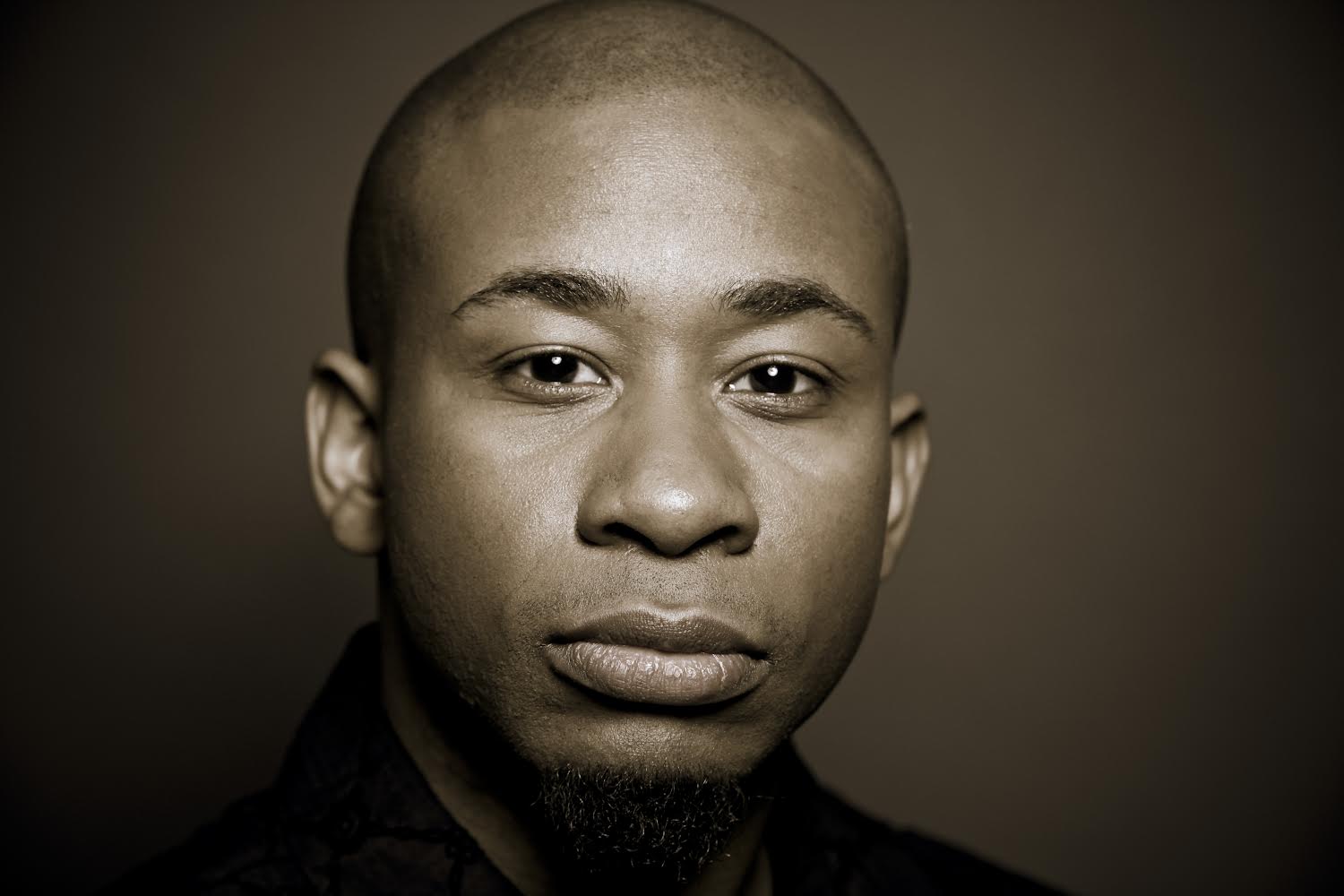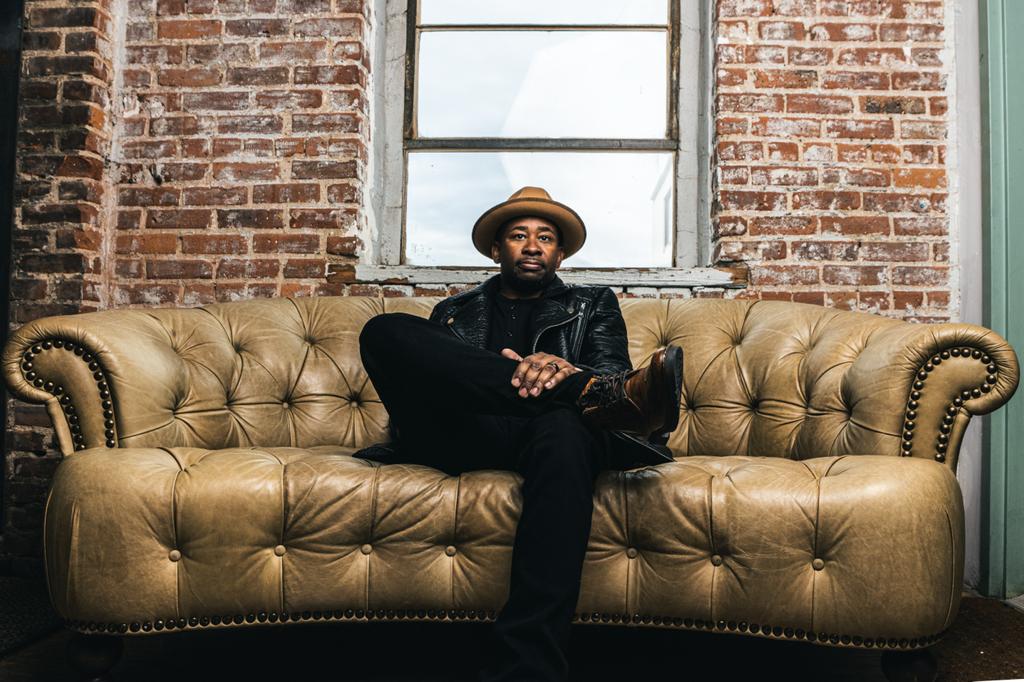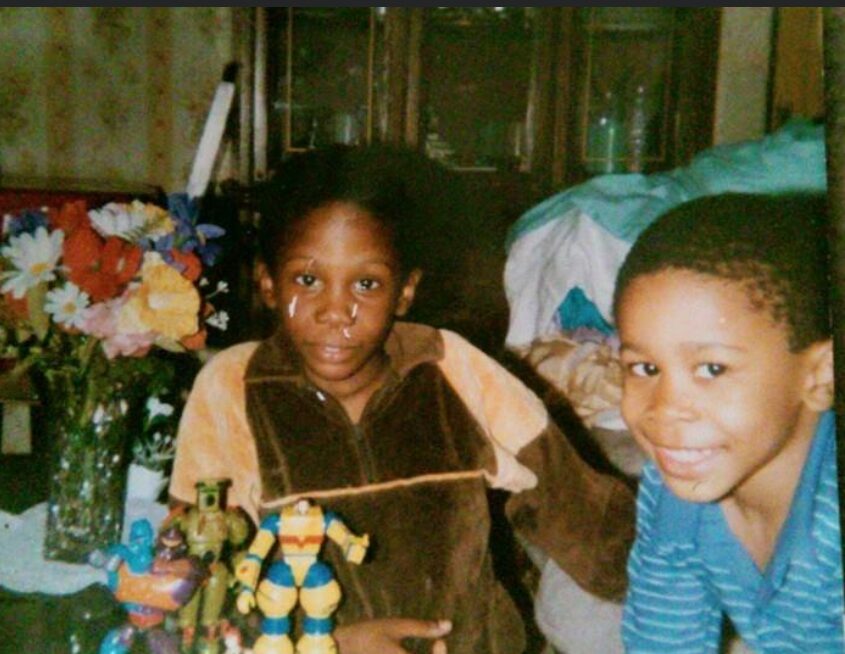






Today we’d like to introduce you to Joshua Arnoux.
Joshua, we appreciate you taking the time to share your story with us today. Where does your story begin?
Music has been part of my life for as long as I can remember. My mother tells me that, as a baby, I would literally sing myself to sleep. By six years old, I was already immersed in music, and around the age of ten I wrote my first song. I started by playing drums and piano before eventually settling into bass guitar, which became my primary instrument for many years. Singing, playing, writing—it all developed naturally because music was simply part of who I was.
As a teenager and young adult, I was part of a singing group for several years. Like many artists, I thought being on stage was the destination. But during that time I discovered something unexpected: I had a real gift for songwriting and music production. I loved creating the music almost as much as performing it.
When that group eventually dissolved, we attempted to form another one. It didn’t last long because I realized my passion had shifted. I wasn’t driven by being in the spotlight anymore. I was more excited about building the music, developing artists, and helping create something bigger than myself.
That realization completely changed the trajectory of my career.
I began focusing on writing songs for other artists, producing records, and learning every aspect of the music business. I didn’t just want to make great music—I wanted to understand why some artists succeeded while others, despite incredible talent, never reached their potential. That curiosity led me to earn a bachelor’s degree in Music Business from Full Sail University and spend years studying publishing, royalties, marketing, branding, artist development, and the economics of the industry.
As my knowledge grew, so did my vision.
Rather than waiting for opportunities, I decided to create them. I started RNU Records with the goal of developing artists the right way—combining ministry, creativity, and sound business strategy.
The first artist I signed was Anisa Fowler. She’s not only an incredible vocalist but also one of my closest friends. We essentially learned the gospel music industry together. We celebrated wins, navigated challenges, made mistakes, and figured things out side by side. Watching her continue to grow independently today is something I’m incredibly proud of because it represents exactly what artist development should accomplish.
As my experience expanded, I moved beyond producing records into artist management, A&R, consulting, and executive production. One of the defining moments of my career came when I began managing Josh Copeland. Together, we developed a strategy that helped take his music to the top of the Mediabase Gospel chart and No. 2 on Billboard Gospel Airplay in 2026. That achievement wasn’t just a career milestone—it validated years of studying the industry and proving that independent artists, when equipped with the right strategy, can compete at the highest level.
That same philosophy inspired me to launch the Cultivated Collective. The vision wasn’t simply to sign artists—it was to build a collaborative movement that demonstrated what happens when gifted independent gospel artists unite around excellence in songwriting, production, ministry, and business. It’s still a growing vision, but I believe some of the most impactful work is still ahead.
Along the way, I’ve become a songwriter, producer, artist manager, music executive, consultant, author, and label owner. Every one of those roles exists because they solve a problem I encountered on the journey. I never set out to collect titles—I simply kept filling the gaps that I saw in the gospel music industry.
Those experiences ultimately led me to write How to Fail in Gospel Music. I wanted to give independent artists the information I wish more people had shared with me years ago. There are too many talented people who never maximize their calling because they don’t understand the business behind the ministry.
Today, my mission is larger than chart positions or awards. I want to help redefine what success looks like for independent gospel artists. I believe artists should own their work, understand their royalties, build sustainable businesses, and create music that impacts lives without constantly struggling financially.
I’m still building. Every artist I’ve worked with, every song I’ve produced, every lesson I’ve learned, and every obstacle I’ve faced has prepared me for the vision God has placed in front of me. The goal has never simply been to make music. The goal has always been to build something that outlives me and creates opportunities for the next generation of gospel artists.
Can you talk to us a bit about the challenges and lessons you’ve learned along the way. Looking back would you say it’s been easy or smooth in retrospect?
Early on, I discovered that talent alone isn’t enough. I’ve worked on great records that didn’t immediately gain traction, invested my own resources into artists and projects, and had to make difficult decisions about where to spend limited time and money. There were moments when opportunities didn’t materialize the way I had hoped, partnerships changed, and projects took much longer than expected. Those experiences taught me that success in music is rarely overnight—it’s built through consistency, patience, and the willingness to keep learning.
One of the biggest lessons I’ve learned is that building independent artists requires far more than making great music. It takes education, strategy, relationships, and a long-term vision. I’ve had to navigate the realities of financing projects, marketing releases, understanding royalties, and helping artists balance ministry with the business side of their careers. While those challenges haven’t always been easy, they’ve shaped the way I lead today. They gave me the perspective to not only build my own label and manage artists more effectively, but also to teach others how to avoid many of the mistakes I experienced along the way.
Thanks – so what else should our readers know about RNU Records/Management?
At the heart of everything I do is artist development. Through RNU Records and RNU Management, I help independent gospel artists build sustainable careers by combining great music with sound business strategy. My work spans songwriting, production, A&R, artist management, consulting, and education because I believe artists need more than great songs—they need a clear roadmap for success.
What sets me apart is that I’ve built my career from multiple perspectives. I’ve been the songwriter, producer, manager, label executive, and investor, so I understand the challenges artists face at every stage. That experience has helped produce chart-topping results, including helping guide Josh Copeland to a No. 1 Mediabase Gospel single and a No. 2 Billboard Gospel Airplay hit, while also developing artists like Anisa Fowler and the Cultivated Collective.
More than anything, I’m proud of building a brand that’s focused on creating opportunities for others. Whether it’s through producing music, consulting, my book How to Fail in Gospel Music, or mentoring independent artists, my mission is to equip creatives with the knowledge, strategy, and confidence to build careers that are both impactful and sustainable.
Do you have any memories from childhood that you can share with us?
I don’t really have one specific childhood memory that stands out. Instead, what I remember most is how music made me feel. I grew up listening to artists like Michael Jackson, Prince, and a lot of ‘90s R&B. Even though much of what I listened to wasn’t gospel, you could hear the gospel influence in the harmonies, chord progressions, and vocal arrangements. Those songs gave me a feeling that has stayed with me my entire life.
One song that still inspires me today is “Spread My Wings” by Troop. I fell in love with the chord progressions, the emotion, and the overall feel of the record. Another favorite is “Kokomo” by The Beach Boys. It wasn’t gospel or even rooted in church music, but it was beautifully written and produced. Looking back, I realize those songs helped shape my musical ear. They taught me that great music isn’t defined by genre—it’s defined by how it makes people feel, and that’s something I still strive for in my own work today.
Pricing:
- $24.99 my book “How To Fail In Gospel Music”
Contact Info:
- Website: www.rnurecords.com
- Instagram: https://www.instagram.com/joshua_arnoux?igsh=MW1tcTFtMnJ6dWxpZQ%3D%3D&utm_source=qr