




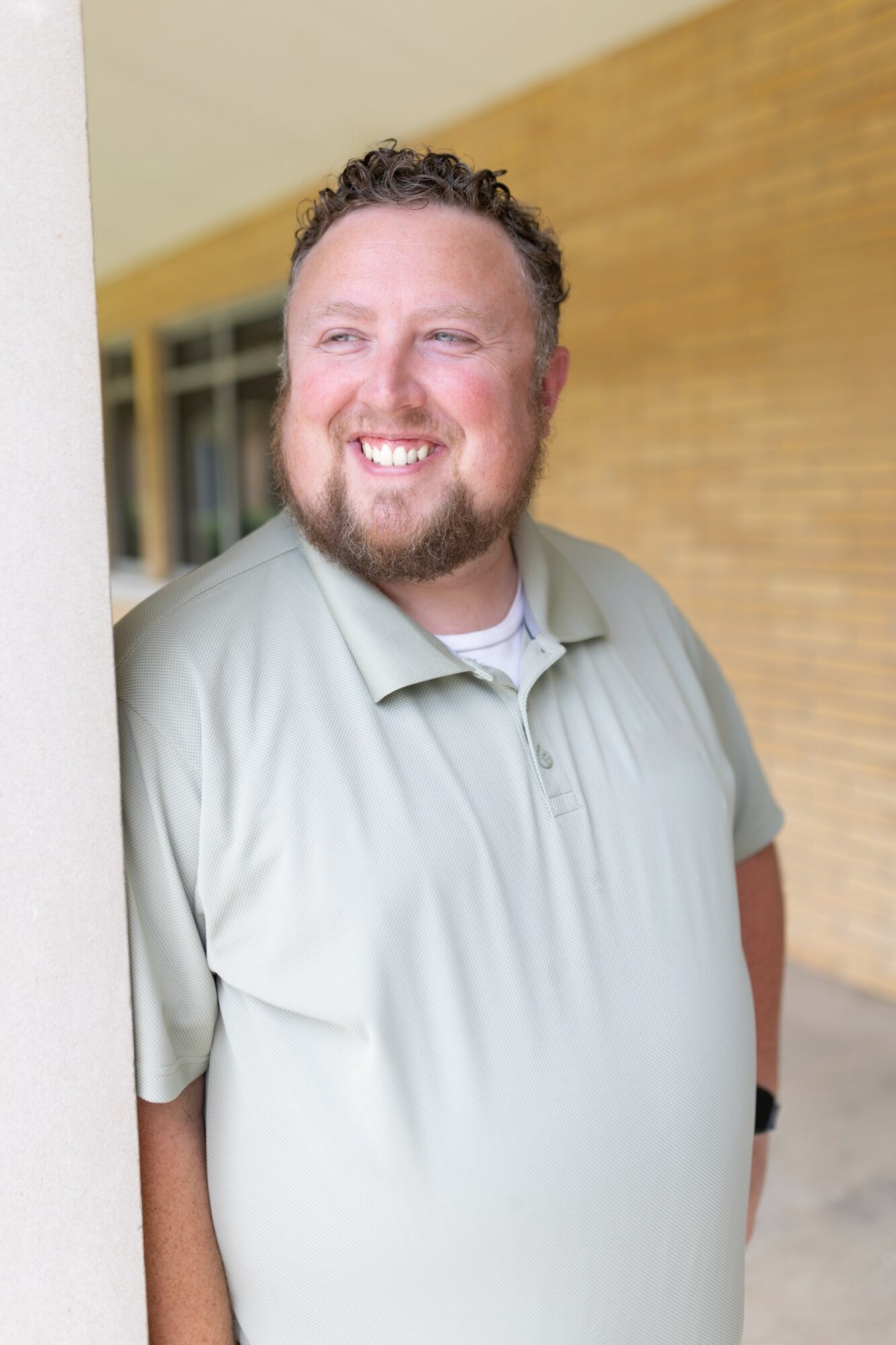
Today we’d like to introduce you to Andrew Thompson.
Andrew, we appreciate you taking the time to share your story with us today. Where does your story begin?
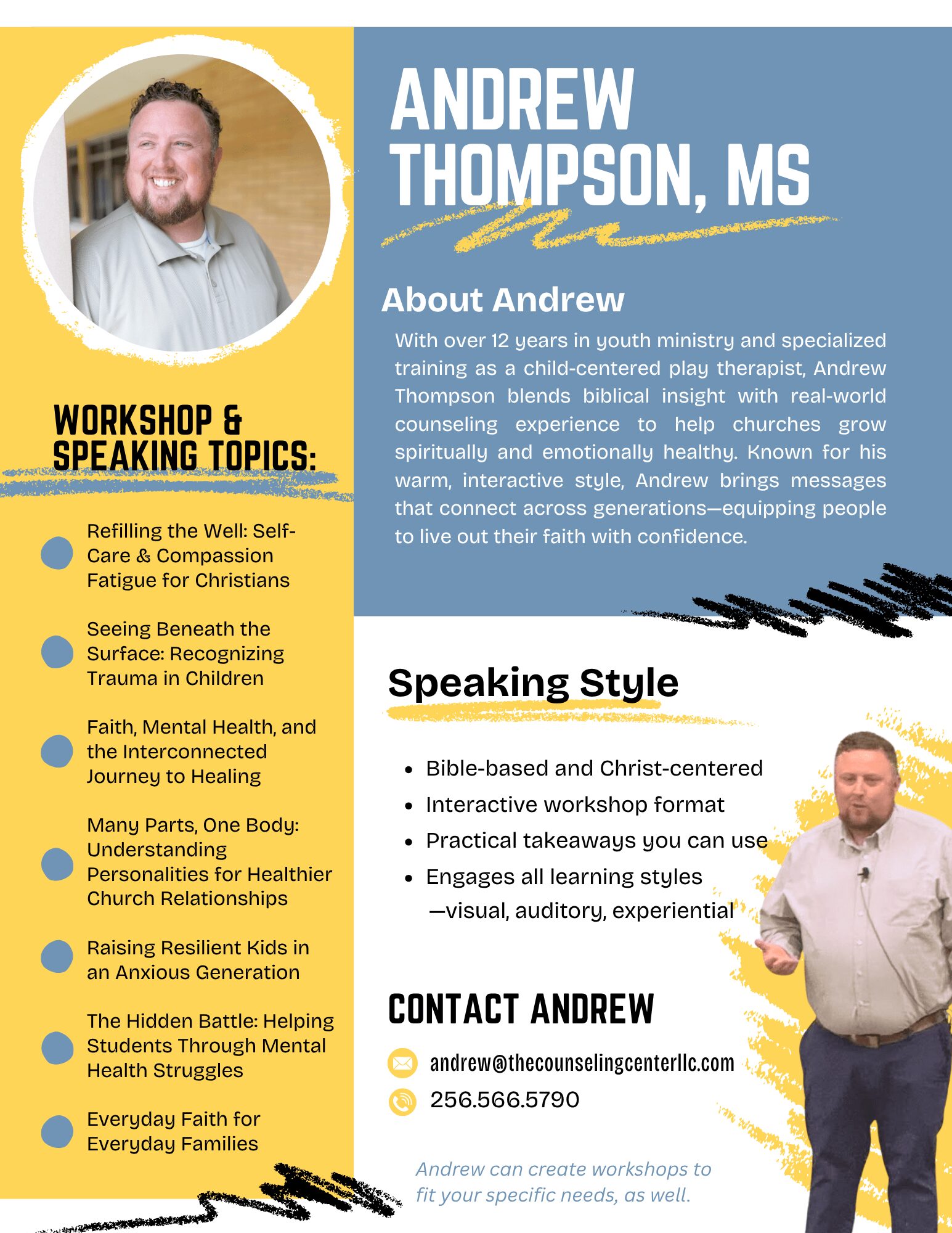
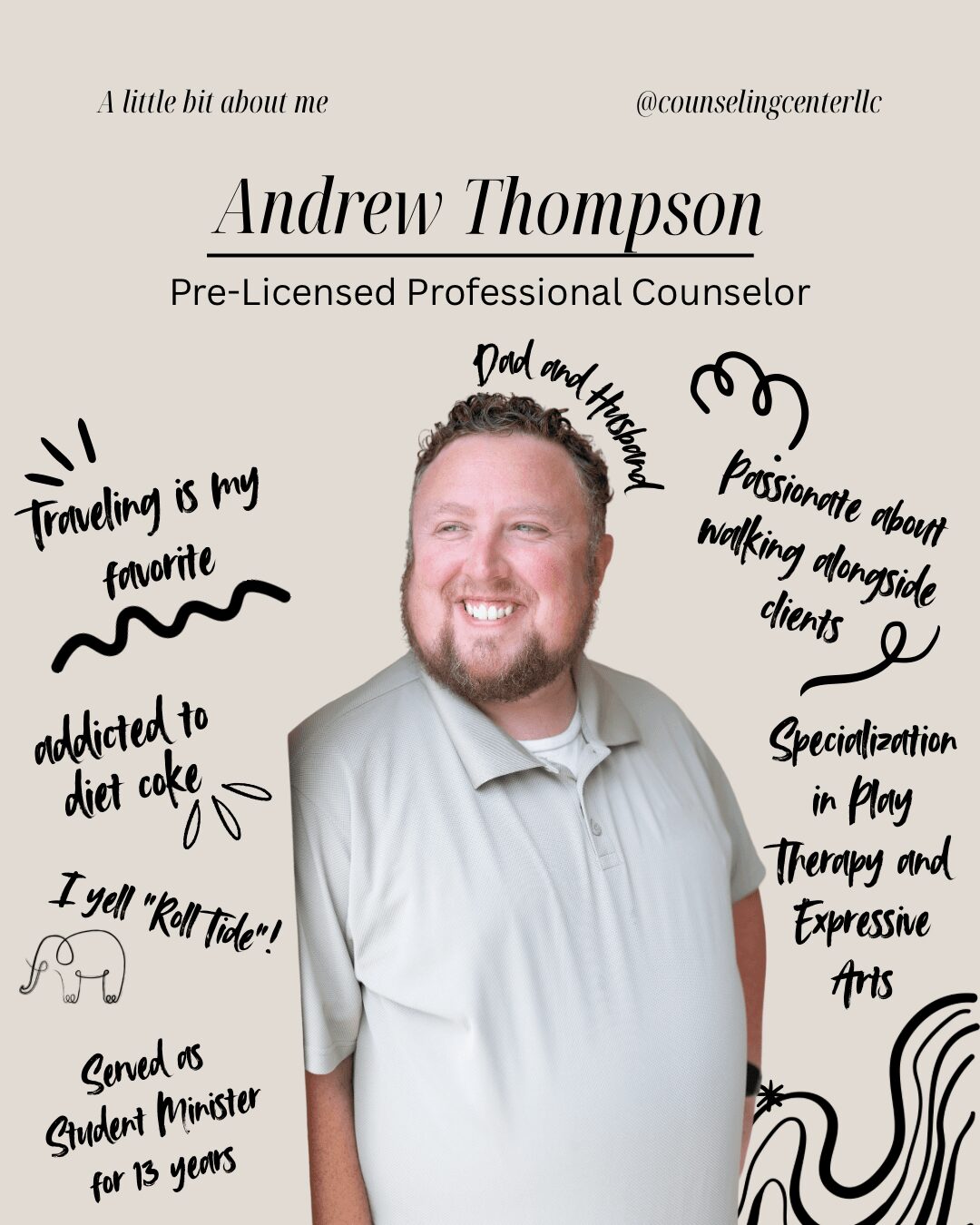
For thirteen years, I served as a student minister. I walked alongside middle and high school students during some of the most tender, chaotic seasons of their lives. I listened to stories shared in hallways after youth group, sat in hospital waiting rooms, prayed with families when the future felt uncertain, and learned how to notice what wasn’t being said long before anyone put words to it.
I loved that work. I still do.
What eventually stirred something new in me wasn’t disillusionment with ministry—it was a growing awareness of its limits. I began to recognize patterns I couldn’t ignore: anxiety that didn’t ease with reassurance, trauma that resurfaced despite sincere faith, pain that lingered even after prayer and community. I found myself wanting to slow things down, to understand more deeply what was happening beneath the surface—in the body, the brain, and the stories people carried into the room.
At the same time, I was becoming more honest with myself. I noticed how often I had learned to internalize, to be strong, to lead while holding unspoken weight. I could sit with others’ pain with ease, but naming my own felt far more complicated. That realization didn’t feel like failure—it felt like an invitation. An invitation to learn, to be formed, and to approach healing with the same intentionality I had always brought to ministry.
Graduate school didn’t represent a departure from my calling; it represented a widening of it. Counseling gave me language for things I had witnessed for years—attachment, trauma, nervous system responses, emotional regulation—without asking me to abandon my faith. Instead, it invited my faith to mature. I discovered a space where theology and psychology didn’t compete, where spirituality didn’t bypass pain, and where care could be offered with both compassion and competence.
Becoming a mental health counselor was my way of honoring the stories people trusted me with. I wanted to be trained well enough to sit with pain without rushing it toward resolution, to listen without trying to fix, and to help people name their experiences in ways that made healing possible. I wanted my presence to do less harm and more good.
What I hope others understand about my journey is this: I didn’t leave ministry—I carried it with me. I believe deeply that healing happens in relationship, and my life’s work has been shaped by that belief. Whether in a church hallway or a therapy room, I am committed to meeting people where they are, holding space for their stories, and walking with them toward wholeness at a pace that honors both their faith and their humanity.
Alright, so let’s dig a little deeper into the story – has it been an easy path overall and if not, what were the challenges you’ve had to overcome?
One of the hardest parts of beginning this profession was realizing that calling doesn’t bypass logistics. I entered the field with passion, training, and a deep desire to help—but building a practice required skills no class fully prepares you for. Networking felt awkward and slow. Introducing myself, explaining my work, waiting for referrals, and trusting relationships to grow over time tested my patience and my confidence. I had to learn that meaningful work often begins quietly.
There were seasons when it felt like everything was moving too slowly. I questioned whether I was doing enough, whether I had made the right transition, whether momentum would ever come. Watching others seem to find their footing faster stirred comparison and self-doubt. I had to confront the uncomfortable truth that growth in this field isn’t linear—and that visibility and faithfulness don’t always arrive on the same timeline.
I also tried to say yes to intense community-based work early on, believing that pushing myself harder was the answer. That season taught me something important, though not without cost. I learned that while I care deeply about systems, access, and community healing, the place where I do my best work—the place I feel most grounded and effective—is in the counseling room. Sitting across from clients who are ready and willing to engage in the work of change is where my presence feels most aligned and sustainable.
Along the way, I had to admit failures. Not every professional choice was the right one. Some paths I explored didn’t fit. Some expectations I placed on myself were unrealistic. Letting go of those missteps required humility and a willingness to redefine success—not as constant progress, but as growing clarity.
What surprised me most was the peace that eventually came from that honesty. Once I stopped trying to prove myself and started trusting the process, I found steadiness. I learned that becoming a counselor isn’t about speed or recognition—it’s about alignment. About showing up consistently, doing the work with integrity, and allowing a practice—and a professional identity—to form over time.
I’m still learning, still growing, but I no longer feel rushed. I’ve made peace with the process, and in that peace, I’ve found my footing.
As you know, we’re big fans of you and your work. For our readers who might not be as familiar what can you tell them about what you do?
I am a professional mental health counselor who helps people heal by offering a safe, steady space where relationship comes first. I sit with individuals as they make sense of their stories, their emotions, and their experiences, and I walk alongside them as they work toward meaningful, sustainable change.
My work is rooted in the belief that healing happens in relationship. I provide a therapeutic space where people feel seen, heard, and respected—often for the first time. Together, we slow things down, build insight, develop emotional regulation, and strengthen communication, all while honoring the courage it takes to show up and do the work.
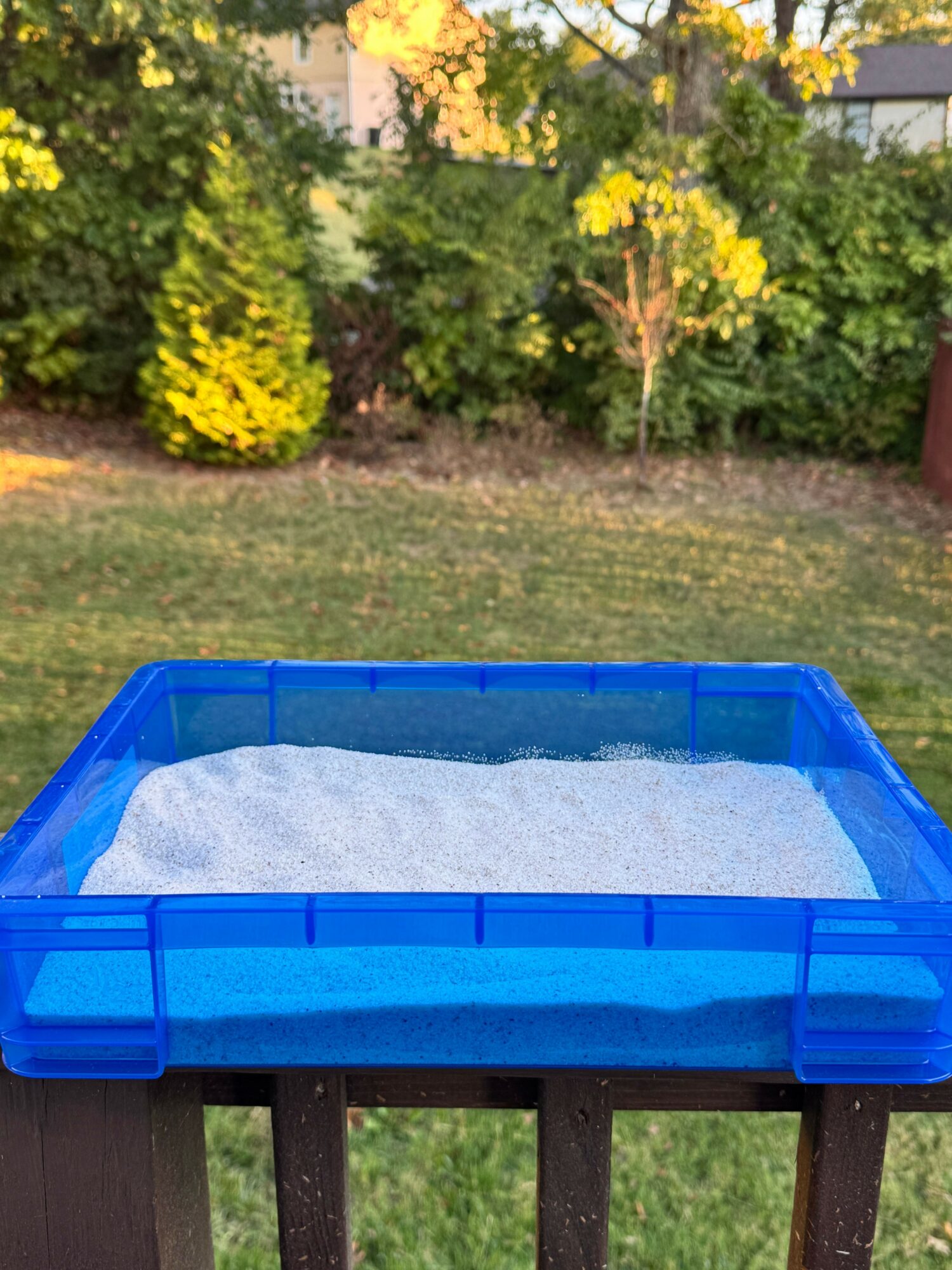
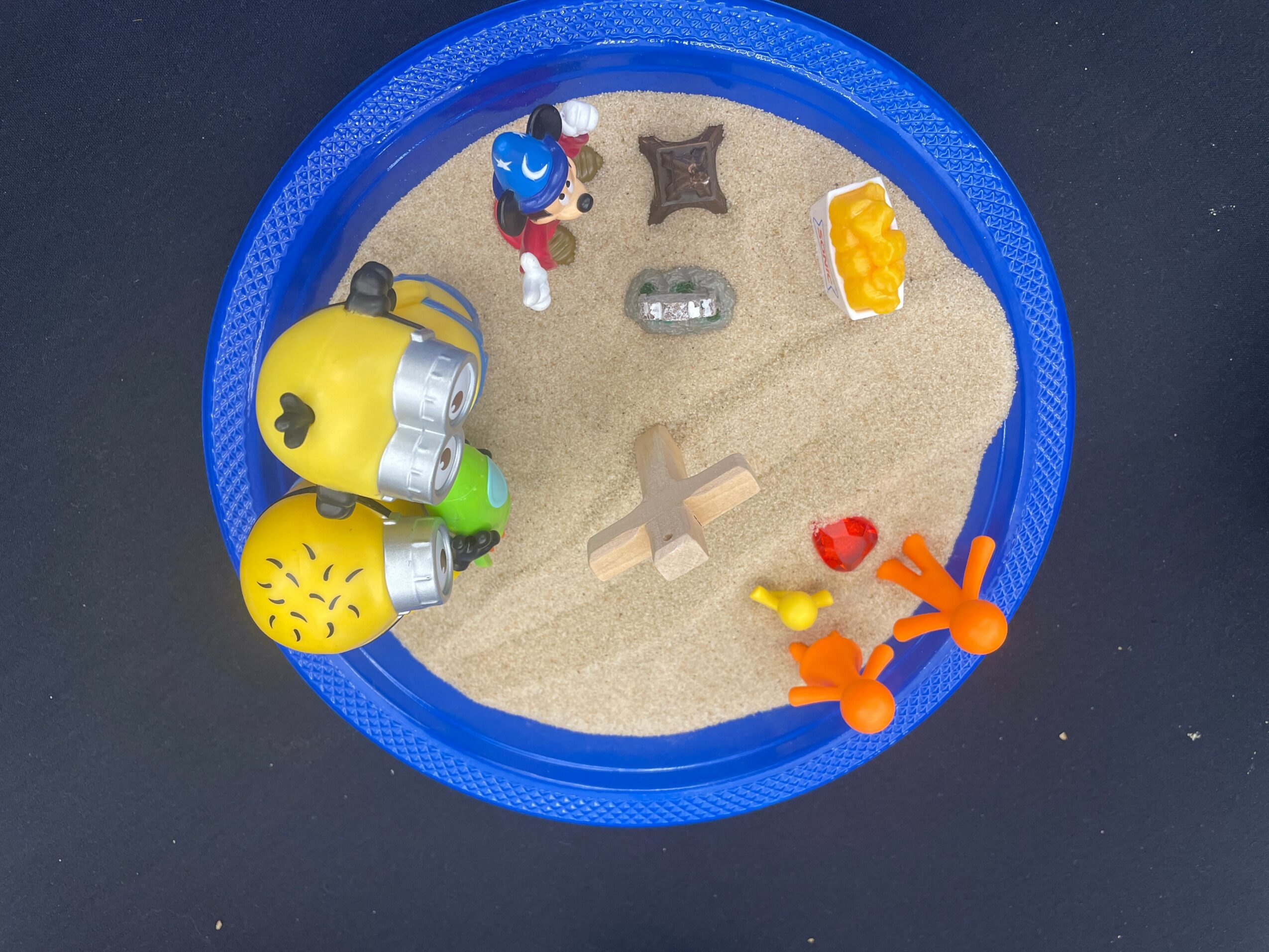
I specialize in working with individuals across the lifespan, from young children to adults, and I welcome people from all walks of life. I received extensive training in expressive arts and Child-Centered Play Therapy during graduate school, which allows me to meet clients developmentally and creatively, regardless of age. This training equips me to work with a wide range of populations and to adapt my approach to each person’s unique needs and strengths.
I’m known for being steady and deeply present. People often tell me they feel safe quickly in the room with me—that I listen without rushing, judging, or trying to fix. I’m known for creating space where clients can slow down, be honest, and feel genuinely understood, often for the first time.
I’m most proud of the way I’ve stayed true to the heart of this work. I chose depth over speed, alignment over recognition, and relationship over performance. I’m proud that I’ve allowed my own formation—through ministry, training, missteps, and growth—to shape how I show up for clients with humility and care.
I am, also, proud of the opportunities this profession has given to me such as traveling to Ghana to train professional counselors in play therapy or presenting at professional conferences, or simply building relationships in the community through networking.
Can you share something surprising about yourself?
Most people are surprised to learn that behind my calm, steady counseling presence is a very competitive spirit. I don’t enjoy losing—whether it’s a board game, a video game, or a round of disc golf. I love the strategy, the focus, and the quiet thrill of trying to win. Friendly competition brings out a side of me most clients never see.
Another surprise? I’m a full-on travel nerd. Travel is my love language. I genuinely enjoy planning trips, mapping routes, learning the history of a place, and immersing myself in new cultures. There’s something grounding about being in an unfamiliar place—it keeps me curious and reminds me how much perspective matters.
Pricing:
- $125/individual session
- Sliding Scale is Available
- Pre-Martial Counseling Packages Available
Contact Info:
- Website: https://www.thecounselingcenterllc.com/andrew-thompson
- Instagram: https://www.instagram.com/andrewintheroom
- LinkedIn: https://www.linkedin.com/in/andrew-thompson-60296248