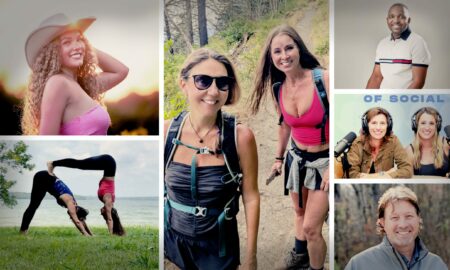





Today we’d like to introduce you to Fatimah Awad.
Hi Fatimah, we’d love for you to start by introducing yourself.
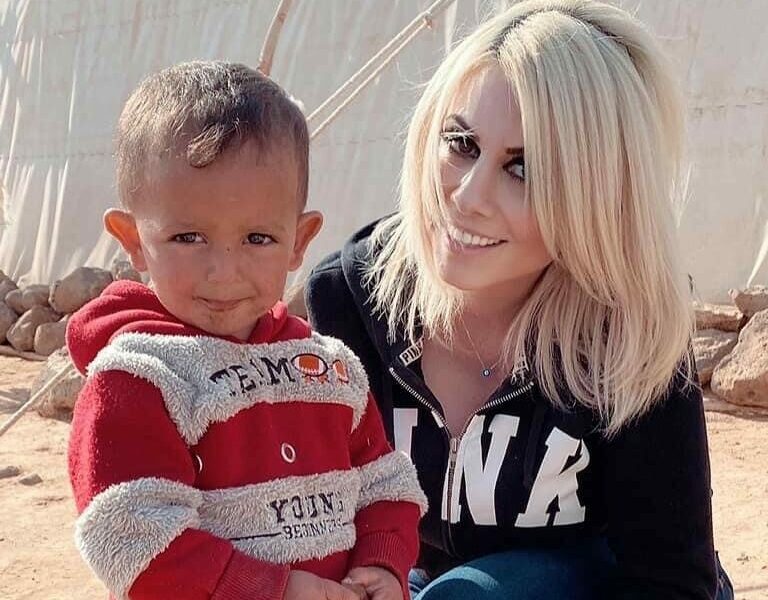
Seven years ago a little boy, Waseem, from Gaza came to the USA for treatment. He was born with a deformity to his lower legs and had never walked before. He lived in a refugee camp. He stayed with me until he got all his medical treatment and the care he needed. He used to share his stories with me about his life and how he had barely any food, no help with medical care, no resources at all him or his family. For me, I was in shock. I couldn’t believe this was happening. We developed a very strong bond. When he first came to the states, he closed off and not talking much. I showed a lot of love and attention. He came out of his shell and was so happy and confident. He won the hearts of all of Washington state. There was multiple new reports about him and his story. He went back to Gaza walking with prosthetics. I built him a house back in Gaza I couldn’t imagine him leaving back in a tent. Once he left, I decided to travel back to the Middle East and visit refugee camps. I was in shock and heartbroken from what I saw.
Elderly dying in pain with bed sores, the handicapped crawling on the floor, no wheelchairs or anything. Children have no shoes and barely any clothes in the dead of winter. It was horrific. I just thought to myself, I donate every year to nonprofits to help families where is the money going. So I decided since I am in the medical field all my friends are also in the medical field Why not start a nonprofit and we strictly focus on medical humanitarian aid in refugee camps. But no one gets paid or expenses paid for. Everything we get goes to the people and the missions. And that’s what I did people from all over the world have joined my missions from Italy, Spain, Egypt, USA, Dubai, Ethiopia and so on. They all come and join and pay for their own expenses and travel. Every donation we get we help. Because of Waseem thousands of refugees have gotten medical care, life-saving surgeries, food, warm clothes, and wheelchairs. We have built homes for families, built playgrounds and placed in refugee camps and hospitals. United in humanity has been to turkey Lebanon Jordan and Palestine. We continue to do this work.
Can you talk to us a bit about the challenges and lessons you’ve learned along the way. Looking back would you say it’s been easy or smooth in retrospect?
Not at all working in the Middle East is heard if you are a women. I lead and organize these missions. It took a while for people to accept I am the leader and I know what I am doing. Men had to let their stereotypes and judgment of me aside. They say the positive changes and help and aid that United in humanity was going. Also living in the USA trying to keep a full-time job and trying to travel 3-4 times a year for missions was a struggle but I did it.
Alright, so let’s switch gears a bit and talk business. What should we know about your work?
In the states, I worked a day clinical operation specialist. So I was responsible for clinical operations in multiple facilities in different states. I had a lot of nurses, ops, CNA and patients I was responsible for. I worked a lot with legal compliance issues, regulations and so on.
I am most known for is United in Humanity my nonprofit. I started seven years ago. It’s a small nonprofit but it has done so much work and has helped thousands of families. I am most proud of that.
What sets me apart from others. Maybe I’m stubborn and I don’t like to quit or lose. I fight until the end.
What is different about United in Humanity is it’s a nonprofit that everyone is a volunteer. Who come and join the missions; they pay for their own expenses. So people are donating their time, money and experience which gives them more satisfaction.
We’d love to hear about how you think about risk taking?
I am the biggest risk-taker you will ever meet. I take risks all the time. I took a risk when covid started. I left the USA to come to Palestine and help with the crisis there. The people had little to no resources. During the beginning of covid, United in humanity did its best work. We helped with food, and medical care for people who were affected with covid, medicine, paid for rent for people who were going to get kicked out. I stayed for two years helping it was a risk for me but I am glad I did it.
Contact Info:
- Website: www.unitedinhumanity.org
- Instagram: @unitedinhumanity22
- Facebook: Unitedinhumanity


Image Credits
Omar Rammal Nasser Kadamani