



Today we’d like to introduce you to Jocelyn Mathewes.
Hi Jocelyn, we’re thrilled to have a chance to learn your story today. So, before we get into specifics, maybe you can briefly walk us through how you got to where you are today?
I came to my artwork work through my body.
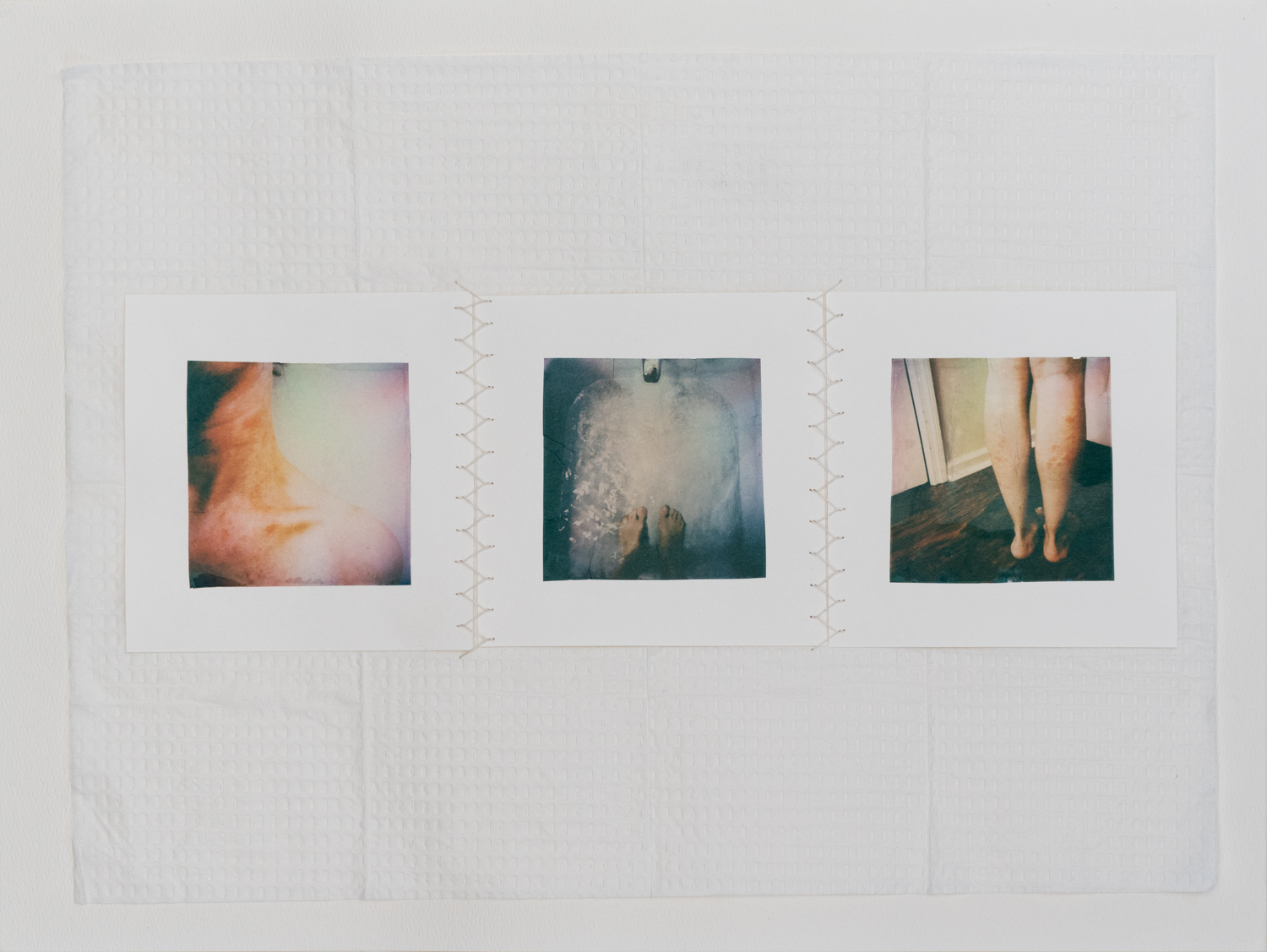
I studied Studio Art and English Literature at Messiah College, and for a long time I made commercial work and artwork the way you’re taught to — responding to the brief, to ideas, to aesthetics, to what felt urgent. Then I got sick for a long time. Chronic illness has a way of reorganizing your priorities without asking permission. I started asking questions about what the body knows, what it costs to keep going, and why that cost is so invisible to everyone around you.
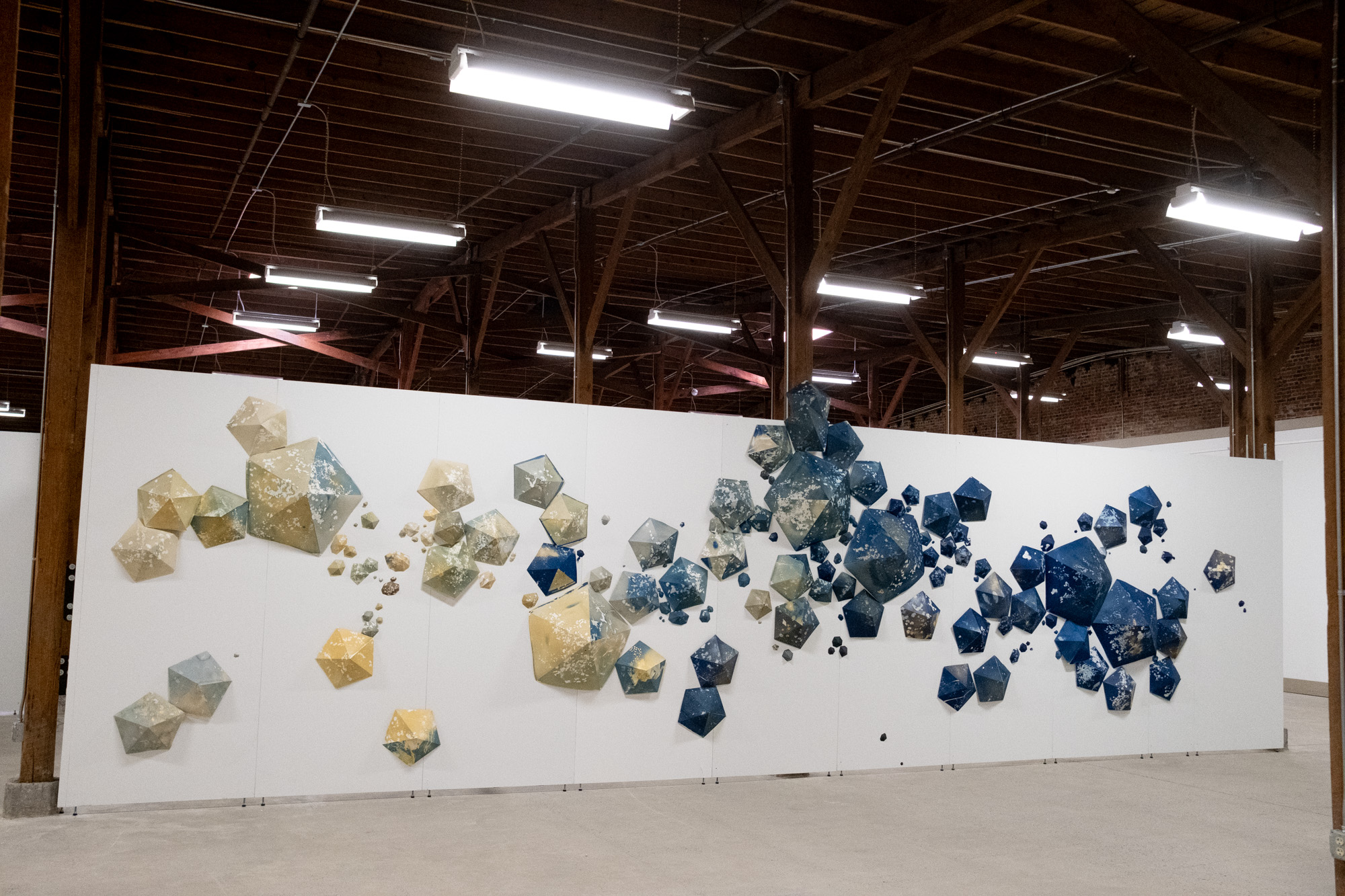
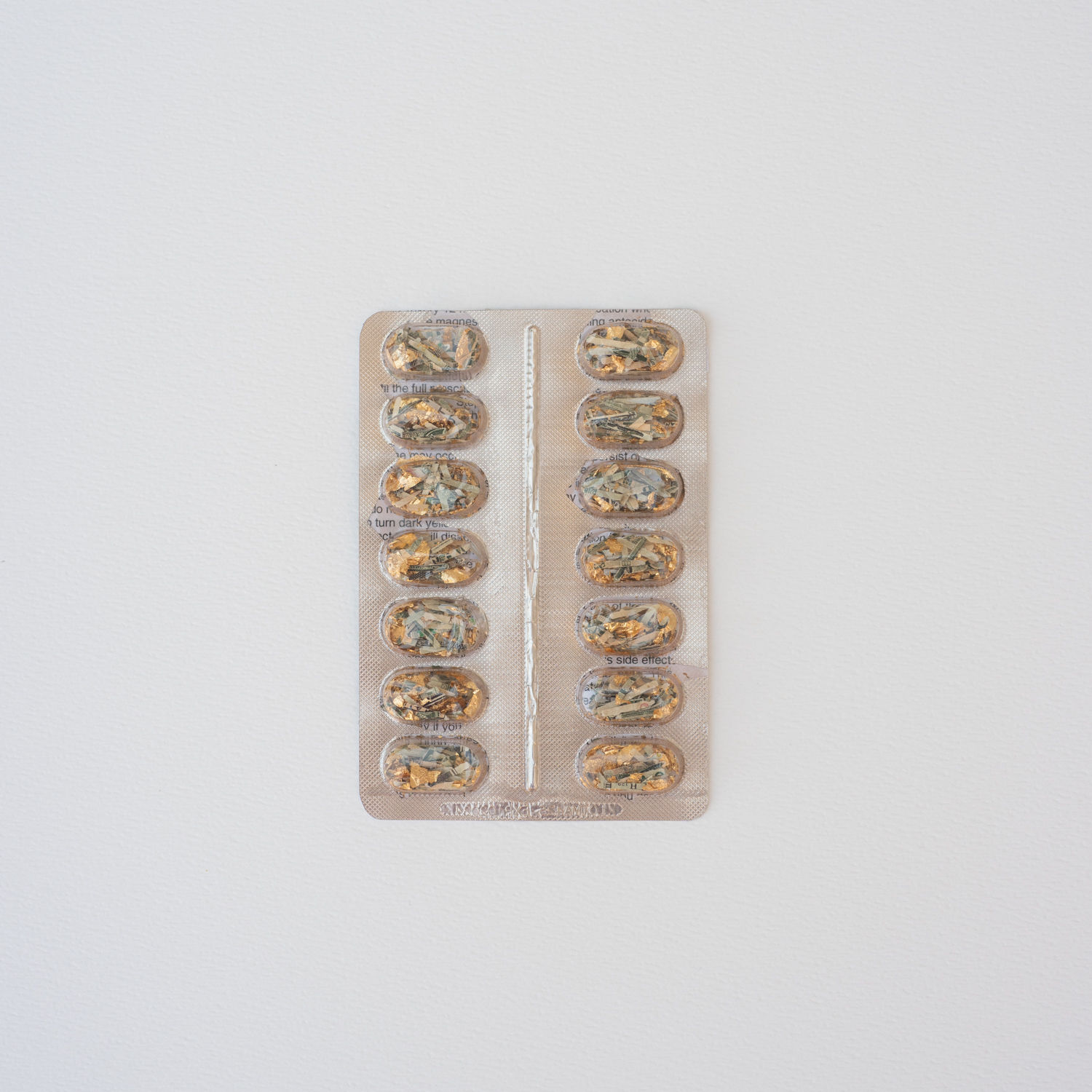
The materials I chose followed the questions. I started working with what illness generates — prescription sheets, medical detritus, hospital bracelets. A photographic process from my studies suited me well: cyanotype is a slow, sun-dependent process that requires you to show up regularly and accept what the chemistry gives you. I also started pulling weeds from my garden and printing them, documenting the labor. Both practices are about accumulation and maintenance — doing the same thing over and over, in conditions you didn’t choose, and watching what builds up.
My community work came out of a similar instinct to grow where I was planted. In 2020 I founded EAT/ART space in my dining room in Johnson City — partly as a response to pandemic isolation, partly because the Appalachian region has real artists who deserve real exhibition opportunities, and partly because I believe domestic space is underestimated as a site for serious work. That project grew into something I didn’t anticipate: 60+ artists, 24 exhibitions, a regional creative community that was already there and just needed somewhere to gather.
I’m now preparing a solo exhibition at the William King Museum of Art this August — the largest presentation of my illness-focused work to date. I got here by showing up to the work and the community both, throughout all the challenges.
Can you talk to us a bit about the challenges and lessons you’ve learned along the way. Looking back would you say it’s been easy or smooth in retrospect?
Of course not! Be skeptical of anyone who says yes.
The most persistent struggle is one I share with a lot of artists who don’t live in a major market: geographic friction. East Tennessee has a thriving creative community, but its supporting infrastructure (galleries, collectors, institutional support) is thinner than in cities where those ecosystems are more developed. Artists spend energy building the ladder while they’re trying to climb it. EAT/ART space came directly out of that frustration – you’ve got to make your own opportunities.
The other struggle is chronic illness itself, which is both my subject matter and my reality. There’s a particular kind of difficulty in making work about the body’s limitations from inside those limitations. Flannery O’Connor called sickness a place — she was right, and it’s not always a generative one. Sometimes my creative practice has to take a backseat. I’ve had to make peace with a studio practice that looks different from the one I imagined when I was in school. Making peace with that is an everyday activity.
Being a mother of three while maintaining a serious practice has its own friction — not the romantic kind that gets written about. Time is the scarce resource. Of course, we all have limited time; it takes different shapes for everyone.
A smooth road isn’t the goal. My struggles have shaped my work immensely, pushing me toward alternative processes and domestic materials. The pandemic and our unique geography became EAT/ART space. That’s a much more interesting road than a smooth one.
Can you tell our readers more about what you do and what you think sets you apart from others?
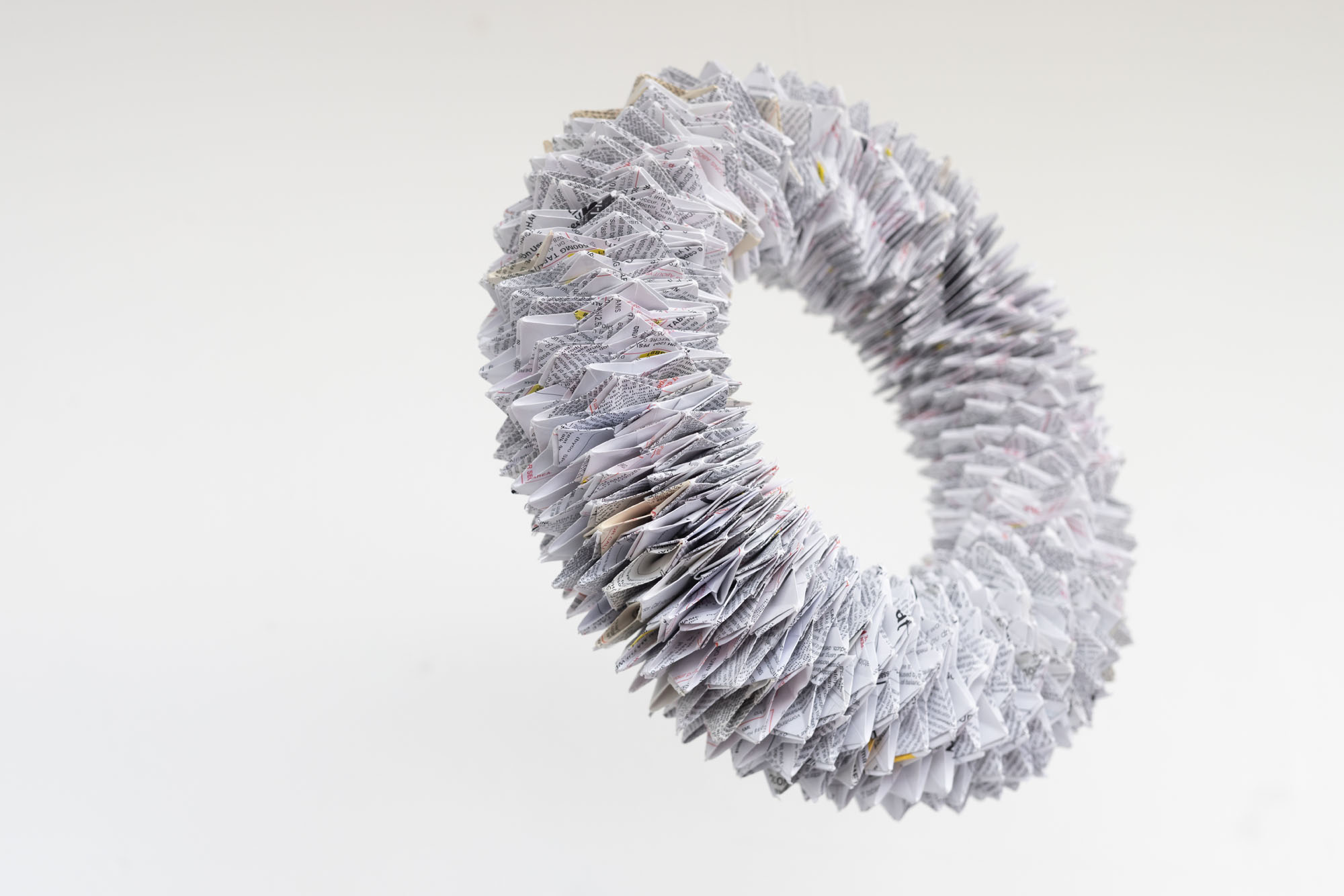
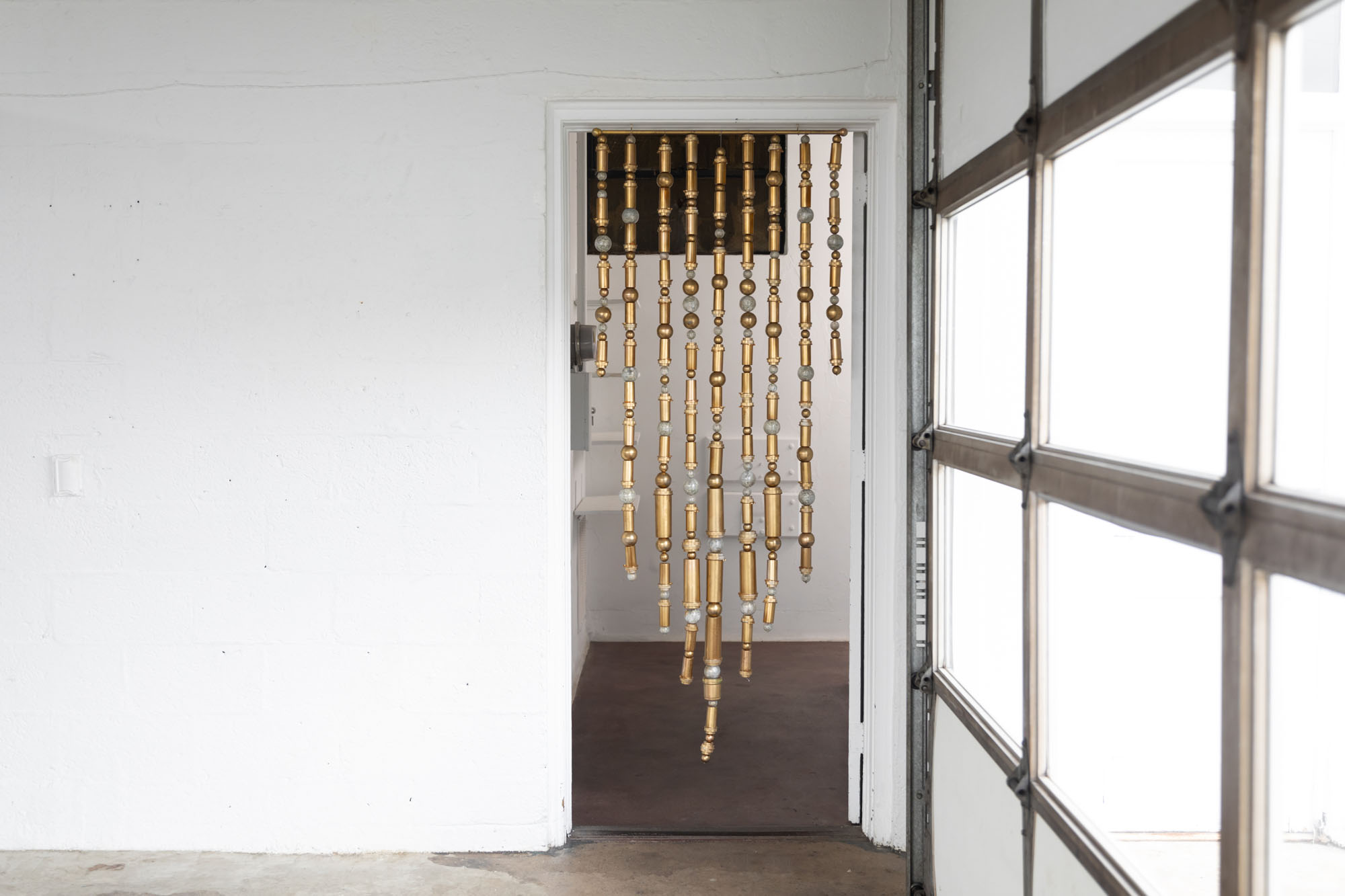
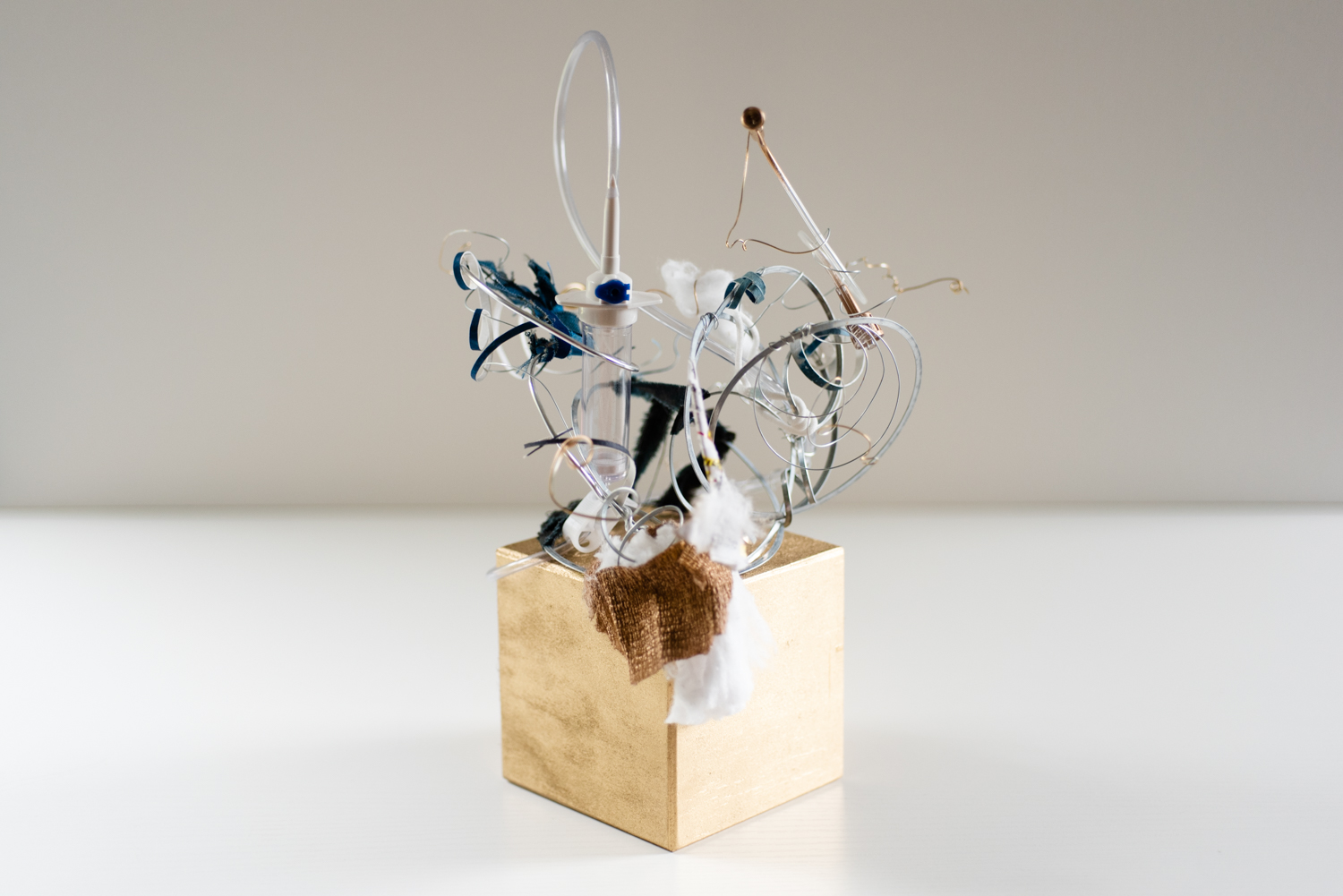
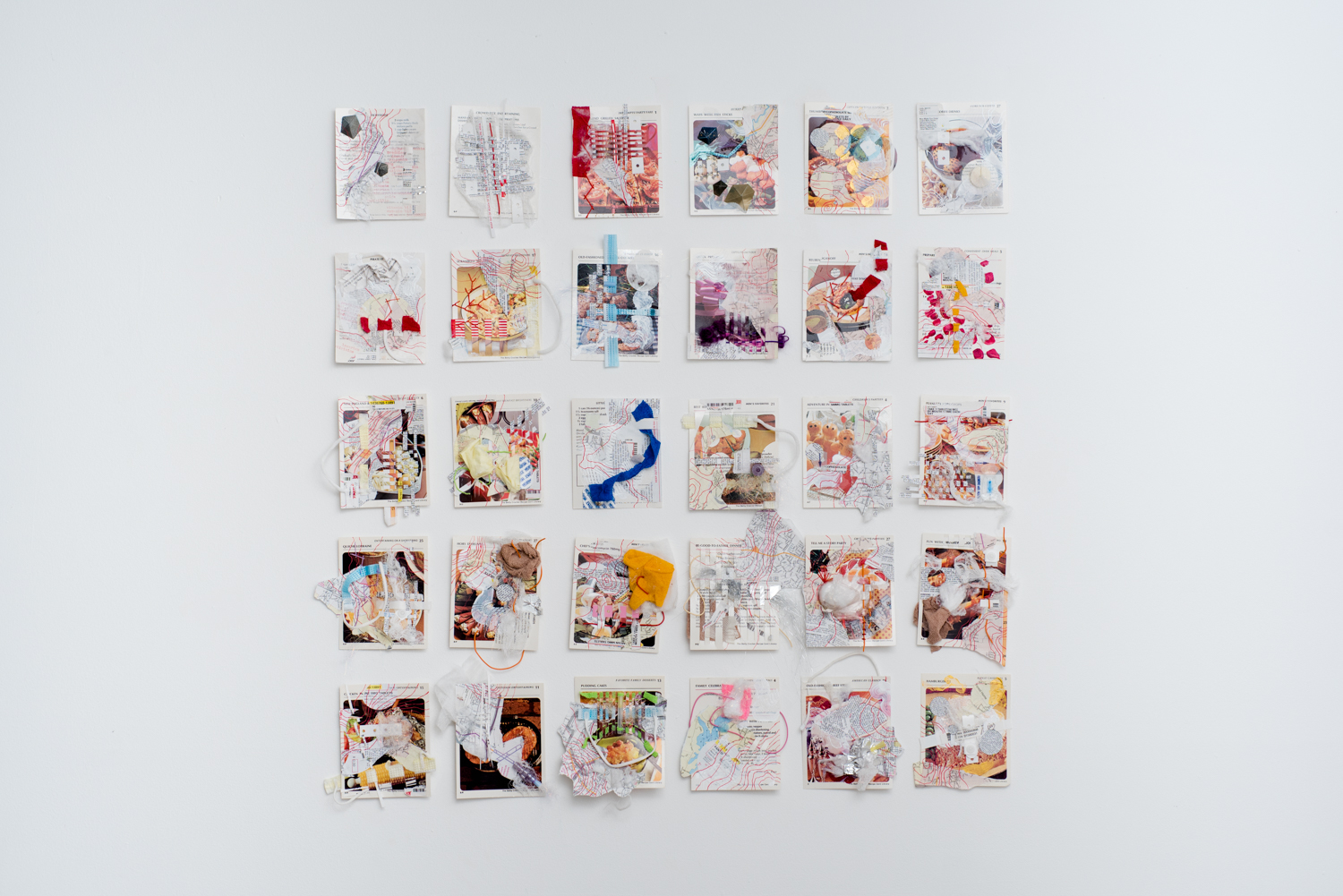
My work documents the psychology and embodied experience of the unrepeatable moment. In practice, that means I’m making objects from the materials chronic illness generates — prescription sheets folded into origami loops, IV tubing threaded through bent wire, weeds pulled from the garden and printed in cyanotype, medical detritus layered with vintage recipe cards and road maps. I work primarily in alternative photographic processes, collage, and mixed media, and I’m drawn to methods that require time, accumulation, and physical presence.
The cyanotype work is probably what I’m best known for. I’ve been published twice in Christina Z. Anderson’s international reference volumes on the medium, and the process suits my themes: it’s slow, sun-dependent, and chemically unpredictable. My latest project is a good example of that, *The Harvest* — 85 prints made over one growing season, hung in my dining room gallery in chronological order.
What sets my work apart is probably the specificity of the subject matter combined with the refusal to be sentimental about it. Chronic illness as art material is not new, but I’m not making work about suffering as abstraction. I’m making work about the cost of treatment, the labor of maintenance, the psychology of a body that keeps going in an altered form.
We love surprises, fun facts and unexpected stories. Is there something you can share that might surprise us?
The version of me that exists on paper but as with everyone in life it’s not the whole picture.
I love science fiction, improv comedy, and have strong opinions about Cool Ranch Doritos that I will defend.
I am, in many respects, a pretty normal person who happens to make work about difficult things, and I think that matters. The work doesn’t require me to be serious all the time. It requires me to be honest, which is different. In fact, it’s the playfulness that I want to cultivate in my life that has anchored me.
I also think people sometimes assume that because my subject matter is heavy, the studio must be a heavy place, or that I’m a very serious person. My studio is not that, and I’m not only that. In my creative practice there’s a lot of problem-solving, a lot of material curiosity, a lot of genuine delight in what cyanotype does when you leave it alone in the sun (often times too long, by accident). Grief and joy are woven together, and my work is better off with them together.
Contact Info:
- Website: https://www.jocelynmathewes.com/
- Instagram: https://www.instagram.com/jocelynmathewes.art
- LinkedIn: https://www.linkedin.com/in/jocelynmathewes/
- Other: https://www.eatart.space/