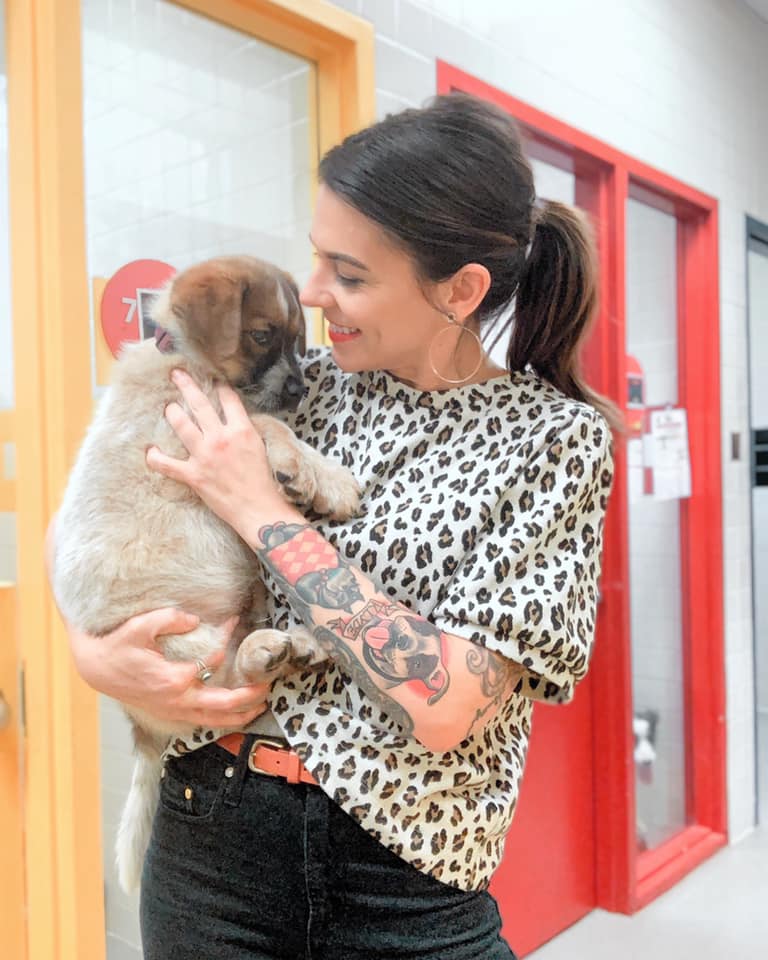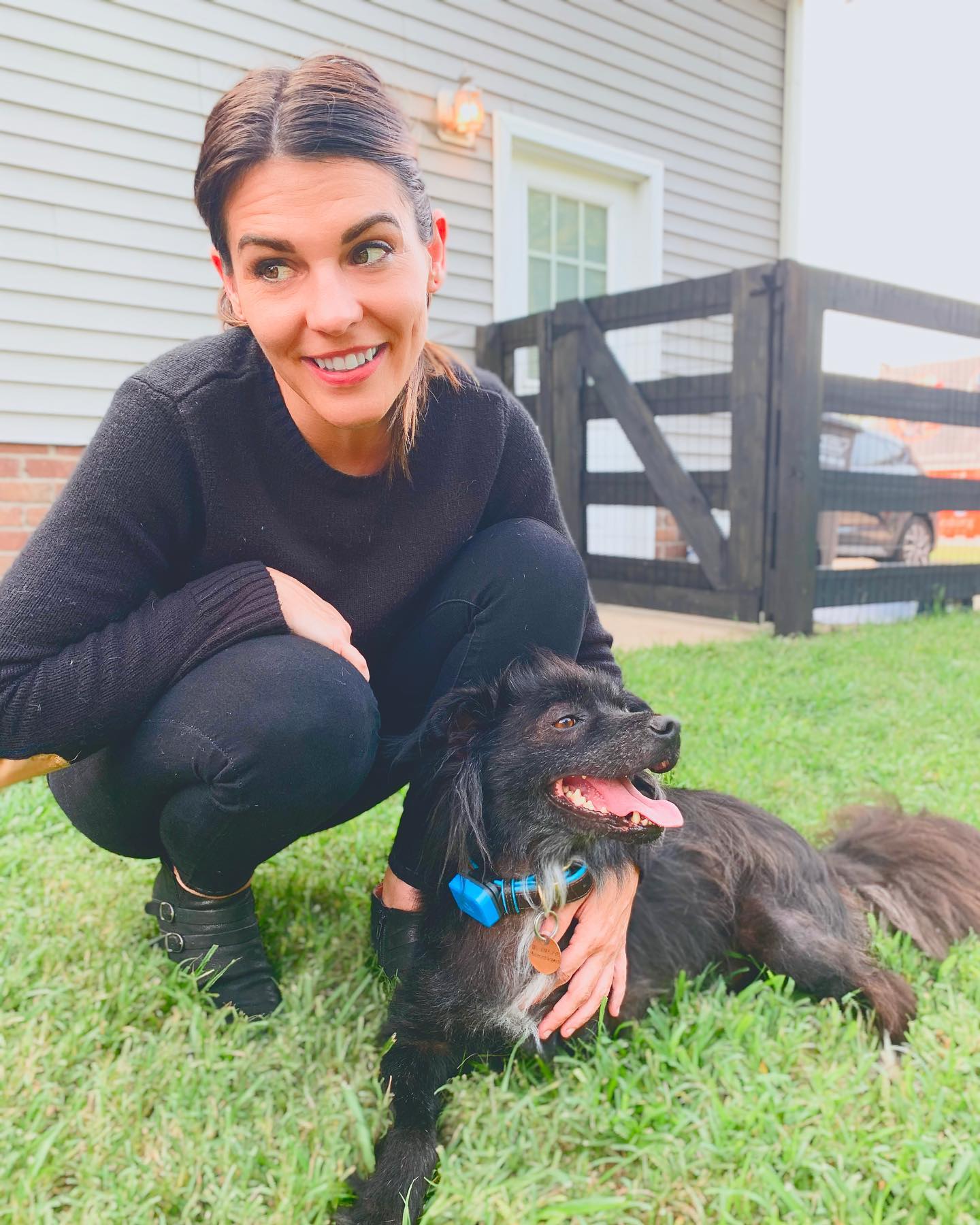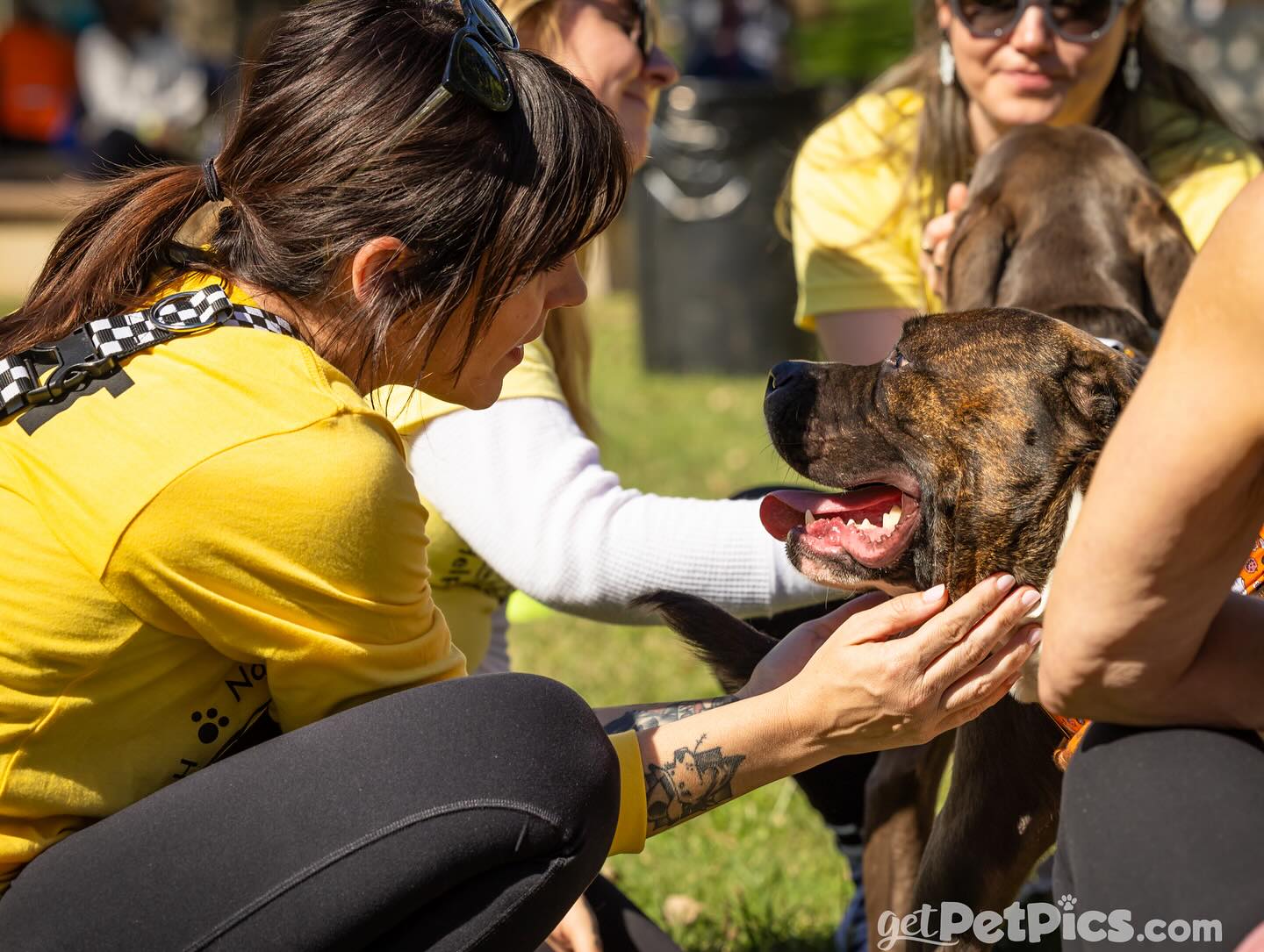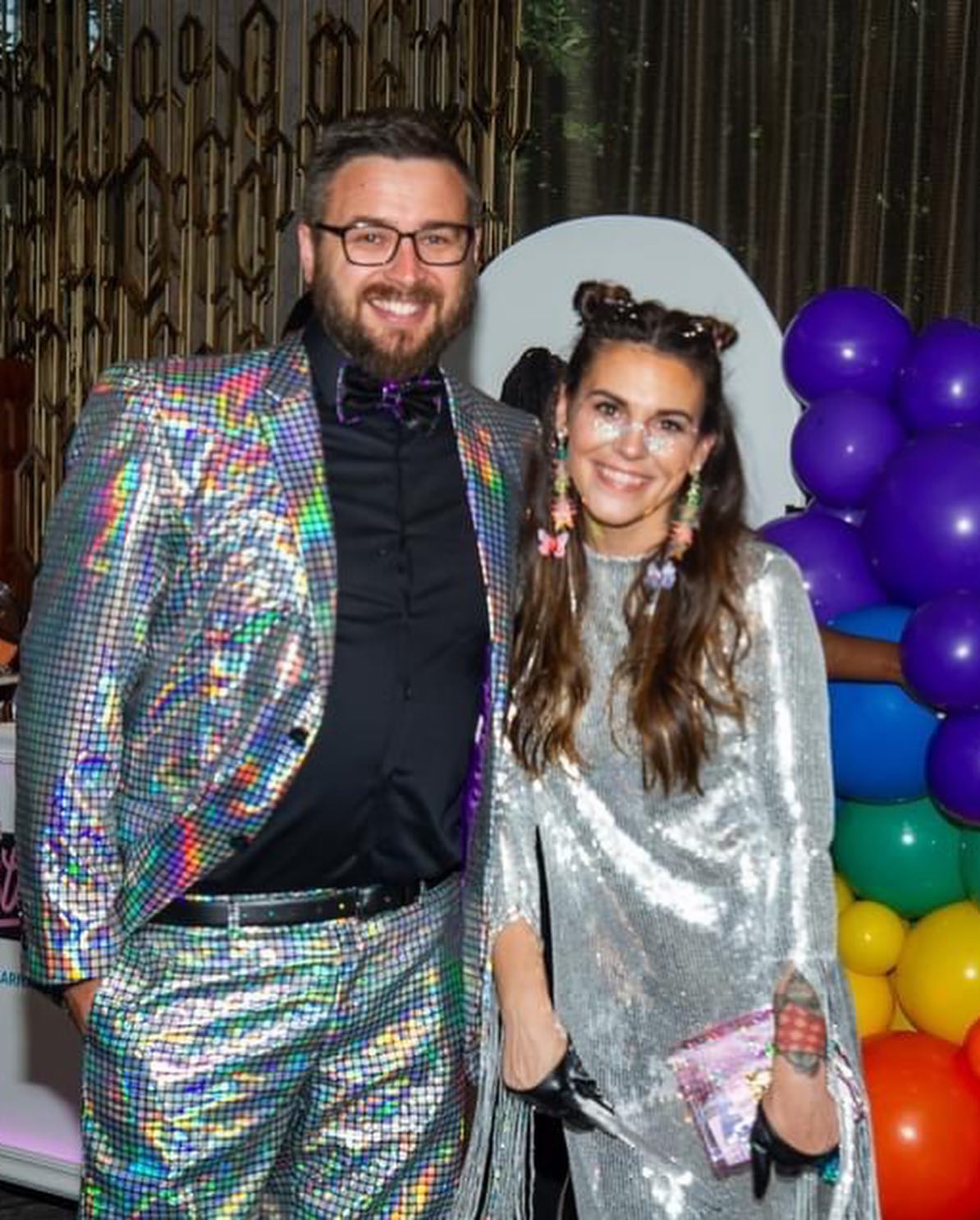





Today we’d like to introduce you to Laura Baker.
Hi Laura, so excited to have you on the platform. So before we get into questions about your work-life, maybe you can bring our readers up to speed on your story and how you got to where you are today?
I was blessed to grow up in rural northwest Ohio, where my early years were shaped by a deep love for animals and a habit of rescuing strays. This early passion led me to pursue a bachelor’s degree in biology at The Ohio State University, where I also volunteered at a local animal shelter — an experience that solidified my desire to work in animal welfare professionally.
After college, I began my career as a kennel technician in Florida, gaining hands-on experience in daily animal care. Throughout the late 2000s and early 2010s, I expanded my skill set by serving in government animal control roles, including the position of animal-cruelty investigator. These years provided a foundation in both fieldwork and community-based animal welfare challenges.
In 2013, I became Director at the Williamson County Animal Center in Tennessee. In this role, I helped modernize shelter operations and deepen community engagement, positioning the organization as a regional leader.
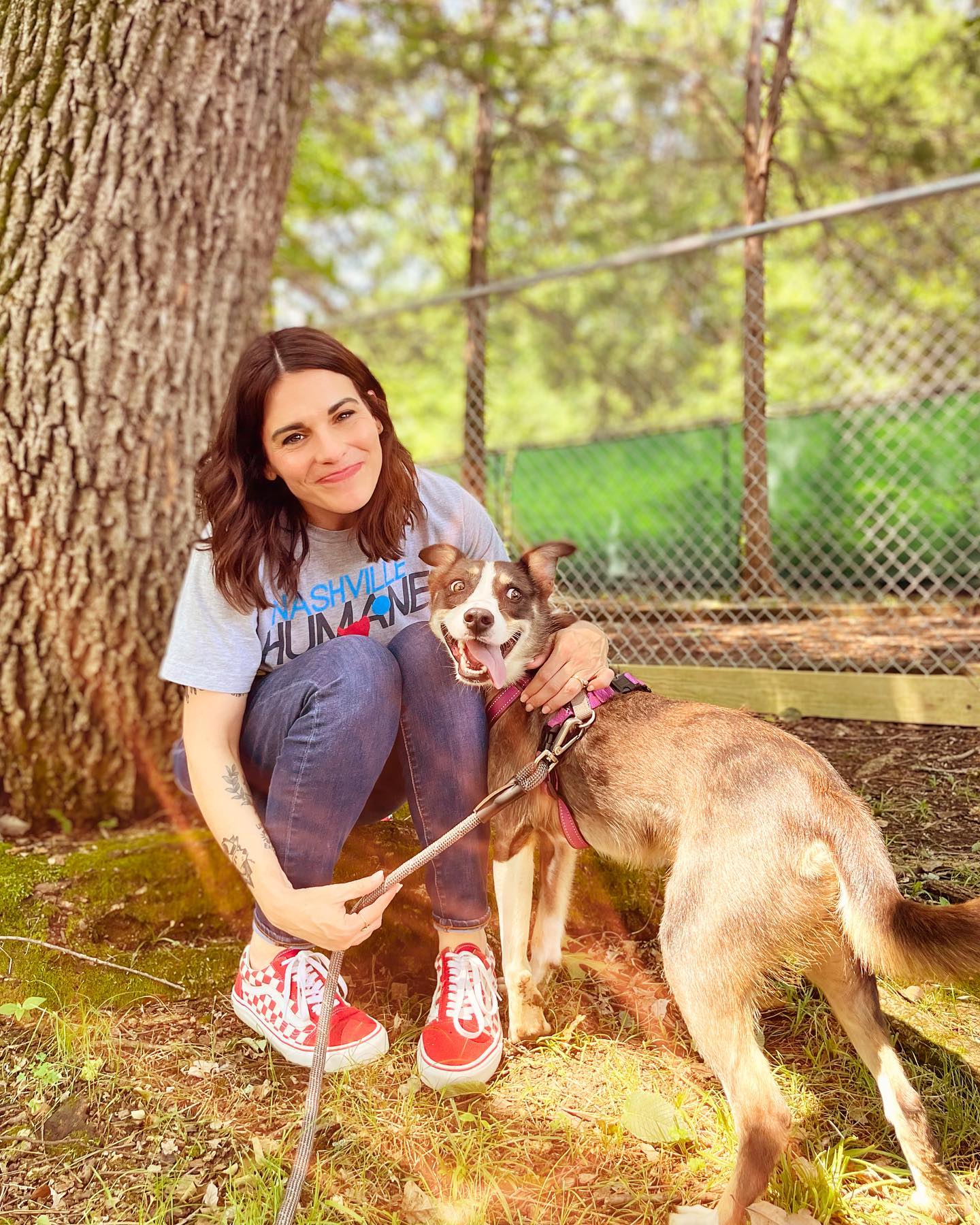
In 2017, I transitioned to the nonprofit sector and joined the Nashville Humane Association (NHA) as Executive Director. Under my leadership, NHA has broadened its focus from traditional shelter services to a community-first model that emphasizes prevention, support for pet owners, and strengthening the human-animal bond. We have championed initiatives such as the Reunification Station for lost pets and became the first animal shelter in the Southeast to earn KultureCity’s Sensory-Inclusive Certification — ensuring families of all needs can comfortably visit the shelter.
My leadership philosophy centers on compassion, collaboration, and inclusivity. I often speak about shifting the field away from competition and toward partnership, reflecting my belief that animal welfare is a community endeavor. I am passionate about the well-being of staff and setting healthy boundaries in a field that can be emotionally demanding.
Today, I continue to lead Nashville Humane Association with the same passion that first inspired me in Ohio — committed to improving the lives of animals and the people who love them.
Alright, so let’s dig a little deeper into the story – has it been an easy path overall and if not, what were the challenges you’ve had to overcome?
Navigating a rapidly changing animal welfare landscape has proven to a significant challenge in my career field. As the field shifted away from traditional sheltering toward community-based support and shelter diversion, we had to rethink long-standing practices, stretch limited resources, and guide teams through cultural and operational change. One of the biggest challenges was helping teams and partners pivot from a shelter-first mindset to a community-first model. It required retraining, rethinking metrics, and building new programs without additional staffing or funding.
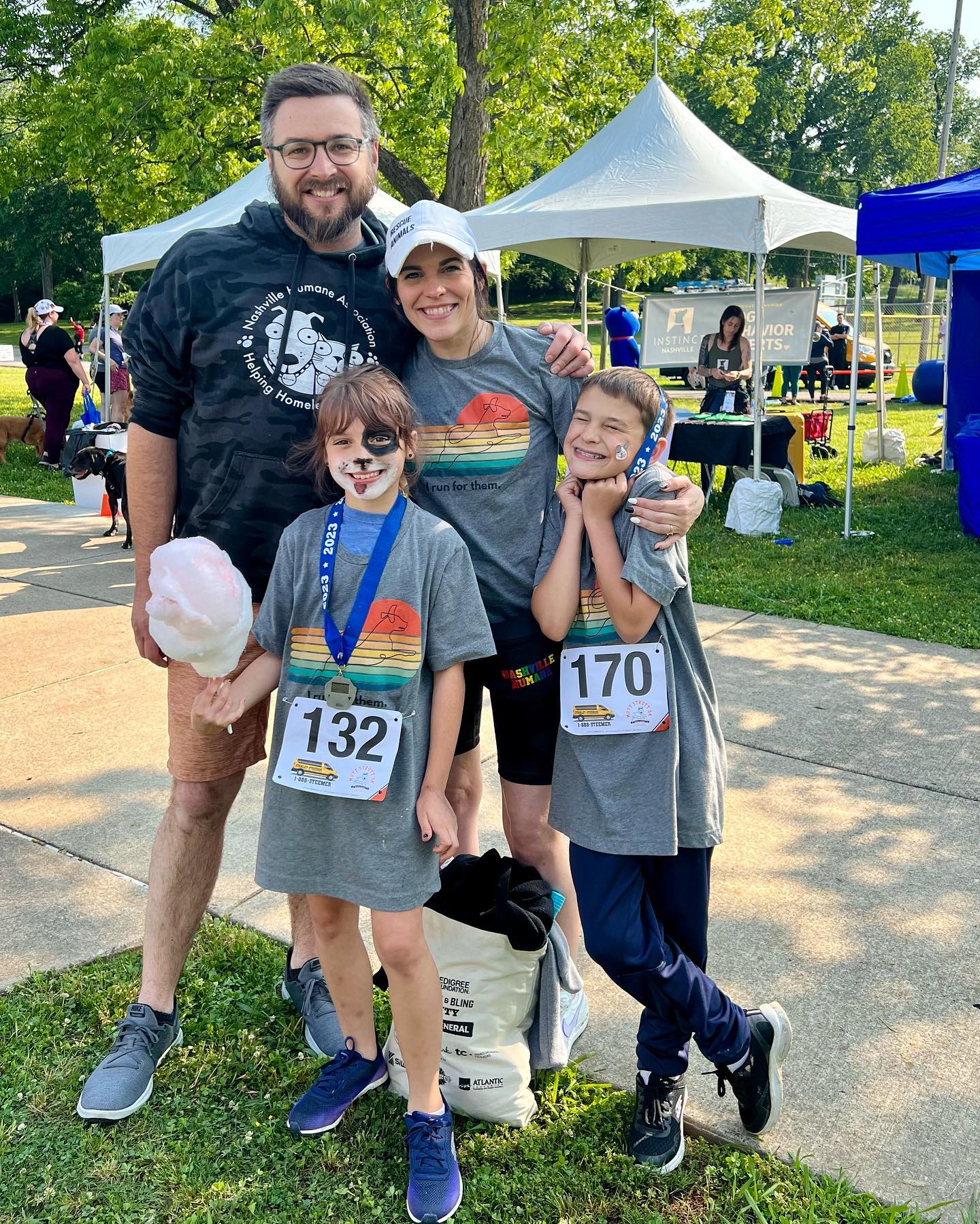
Animal welfare is part of me, but not all of me. I am multifaceted and am raising two young children while leading a major animal welfare organization—and during a period of major industry transition—is a meaningful personal struggle I have navigated with intention. Being a mom is my greatest joy, but balancing parenthood with the emotional and logistical demands of animal welfare leadership has pushed me to establish boundaries, delegate effectively, and redefine what sustainable leadership looks like.
I have worked through cruelty investigations, shelter overcrowding, and policy fights — experiences that can lead to compassion fatigue. The emotional weight of animal welfare work is very real. I’ve had to learn how to carry the hard days without letting them break me, and how to help my team do the same. I have learned from mentors in the field and peers – this work is very much relationship-based.
Meeting the needs of 43,000 animals over a decade required difficult decision-making during intense periods of overcrowding, limited staffing, and increased community need. There were moments when the need far outpaced our resources. Leading through those times meant being innovative, forming nontraditional partnerships, and getting comfortable with making imperfect decisions to save lives. We were thinking outside of the kennel, you could say.
Nashville Humane and others have fought the uphill battle of changing how the public sees shelters — not just as places for adoption, but as community centers providing vital services, reunification tools, and supportive programs. One struggle has been reshaping the narrative. Many people still see shelters as last-resort institutions. Overcoming that perception takes years of outreach, transparency, and storytelling. We are no longer the dog pound, but rather a community resource for all things animal.
Creating the first-ever reunification station in Davidson County required vision, risk-taking, and operational bravery. There was no model to follow.
Innovating in a space that traditionally hasn’t valued innovation can be tough. With the reunification station, there was no roadmap — just a clear problem to solve. Resulting in the first-ever reunification stations to be established in Nashville.
Metro agencies, nonprofits, rural shelters, and advocacy groups often have different priorities and constraints. Bridging those gaps is real work. Collaboration sounds easy, but in practice, aligning missions, timelines, and resources among multiple agencies can be one of the most challenging parts of my job.
Appreciate you sharing that. What else should we know about what you do?
I believe deeply in “thinking outside the kennel” and reshaping how our communities view animal shelters and the essential services they provide. I encourage everyone to visit their local shelter and get involved however they can—whether through adoption, volunteering, donating, or simply sharing resources on social media. It truly takes an entire community to save lives, support families, and build a more compassionate future for animals.
Nashville Humane is the second-oldest nonprofit in Nashville, the first-ever Kulture-City certified animal shelter in the SE United States, and we established the first-ever reunification station in Nashville.
We love flexing to the ever-changing needs and being nimble enough to answer the calls whenever they come in. We are grateful to be in this position.
What quality or characteristic do you feel is most important to your success?
I believe our success in animal welfare stems from a unique combination of visionary leadership, deep empathy, and relentless dedication. I am a strategic thinker and innovative problem-solver, able to create programs like the Reunification Station and sensory-inclusive initiatives that address evolving community needs. Resilient and adaptable, I navigate emotionally challenging work while guiding teams and organizations through cultural and operational change. I am deeply committed to my mission, balancing compassion for animals with a keen understanding of the people who care for them. Resourceful and results-oriented, I maximize limited resources to achieve measurable impact, while my communication skills and collaborative approach inspire peers, volunteers, and the broader community. A lifelong learner and mentor, I exemplify professionalism, integrity, and the kind of leadership that transforms not just organizations, but entire communities.
Contact Info:
- Website: https://nashvillehumane.org/
- Instagram: @bombshellforbullies
- Facebook: https://www.facebook.com/laura.chavarria.baker
- Twitter: https://x.com/nashvillehumane?lang=en
- Youtube: https://www.youtube.com/c/NashvilleHumane
- Yelp: https://www.yelp.com/biz/nashville-humane-association-nashville