




Today we’d like to introduce you to Shannon Flack.
Hi Shannon, thanks for joining us today. We’d love for you to start by introducing yourself.
It was definitely a long and winding road to photography. Looking back now, it’s funny because I didn’t discover it until my sophomore year of college, even though it had been quietly following me for years.
I started playing violin at three years old under my mom, who has been a violin teacher since long before I was born. Music became such a huge part of my life, and that eventually grew into theatre. Throughout high school I balanced both, and when I started college, I was actually a vocal performance major. As much as I loved performing, I eventually realized it wasn’t the path I wanted to build my career around.
My dad has always been a voice of reason, and during that time he pointed out something I hadn’t really noticed myself…that I had carried a camera with me almost everywhere for years. He suggested I try photography, and from the very first class, it just clicked. It immediately felt like where I was supposed to be.
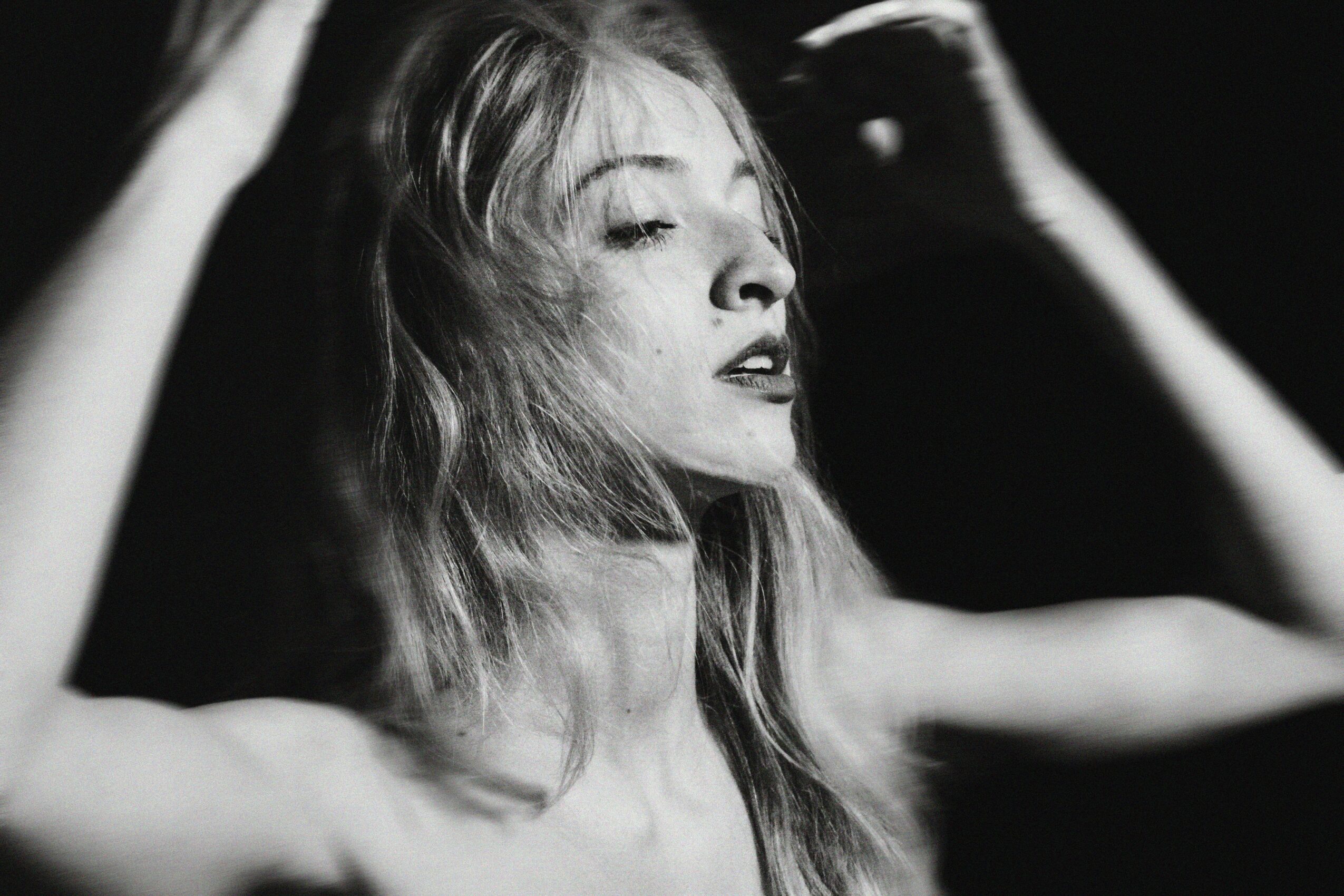
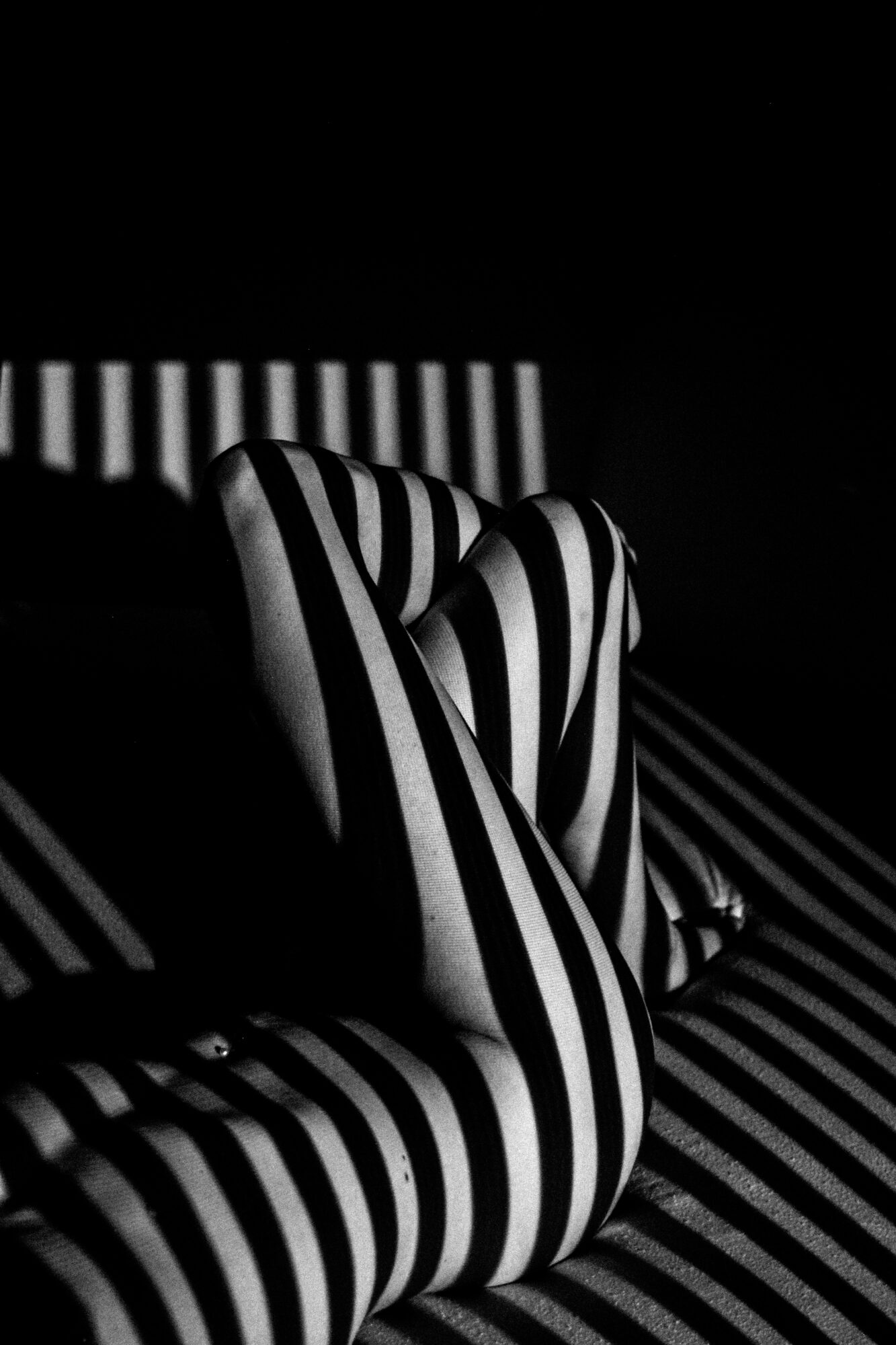
I switched my studies to Studio Art with a concentration in Photography and a minor in Entrepreneurship at James Madison University, where I focused heavily on black and white film photography and portraiture.
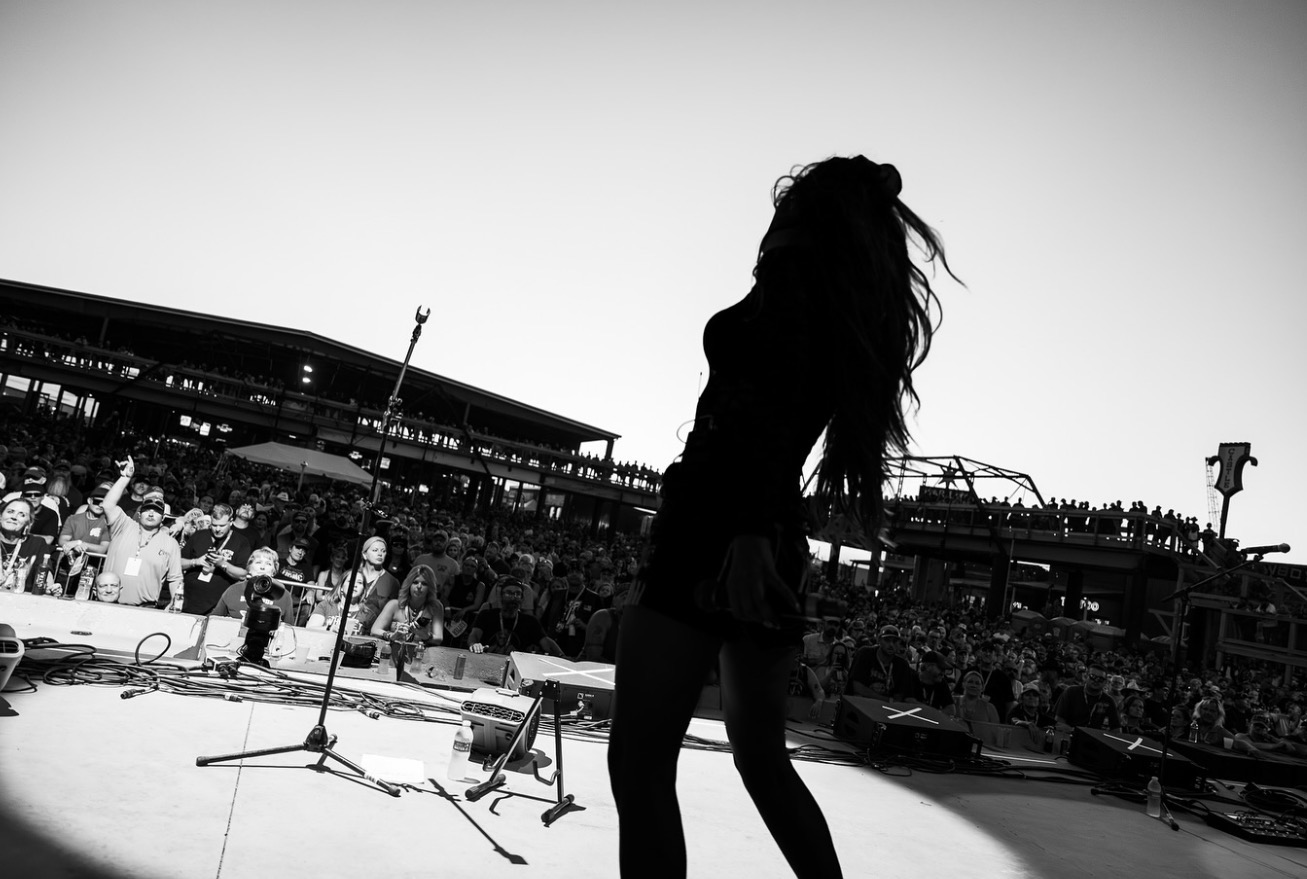
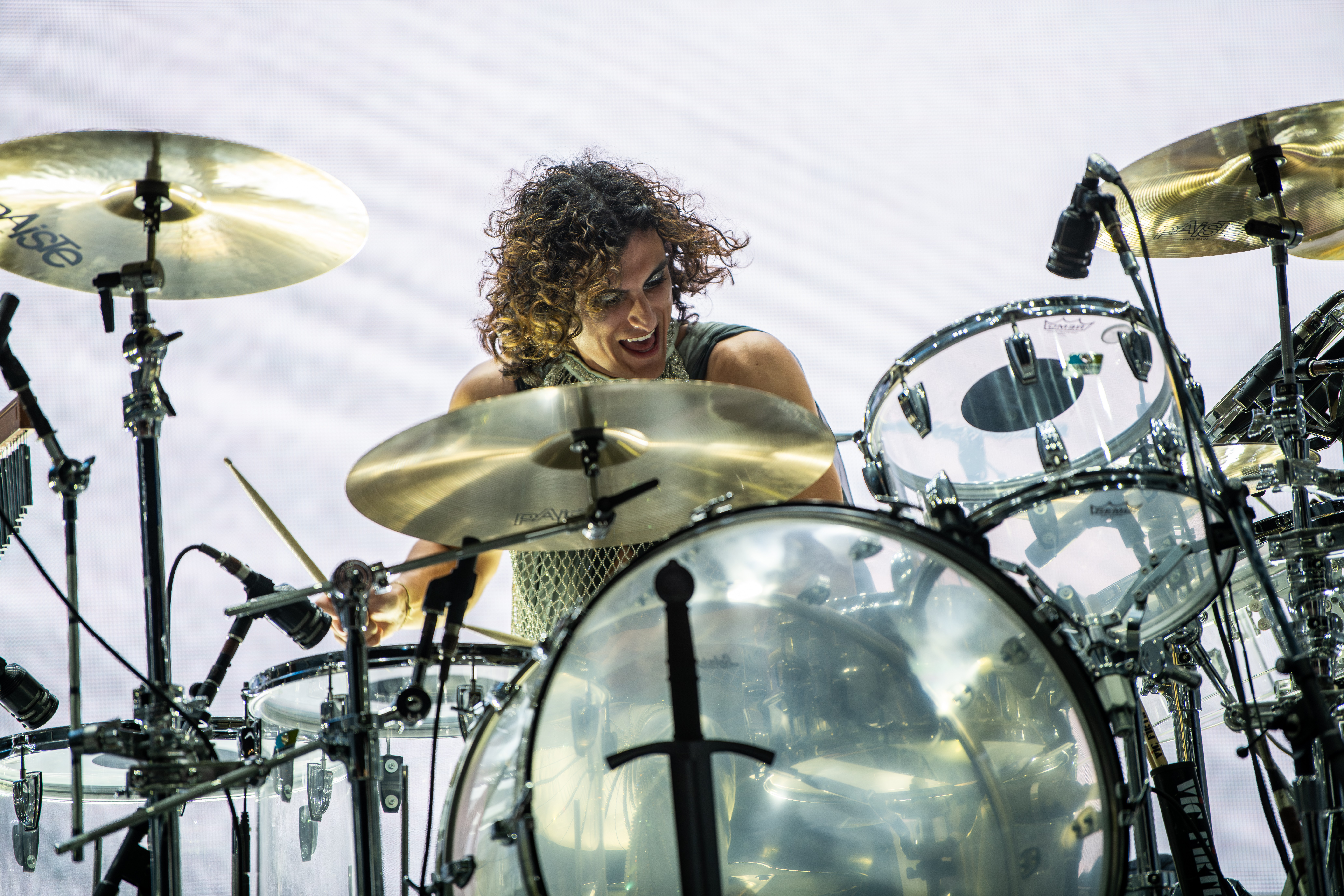
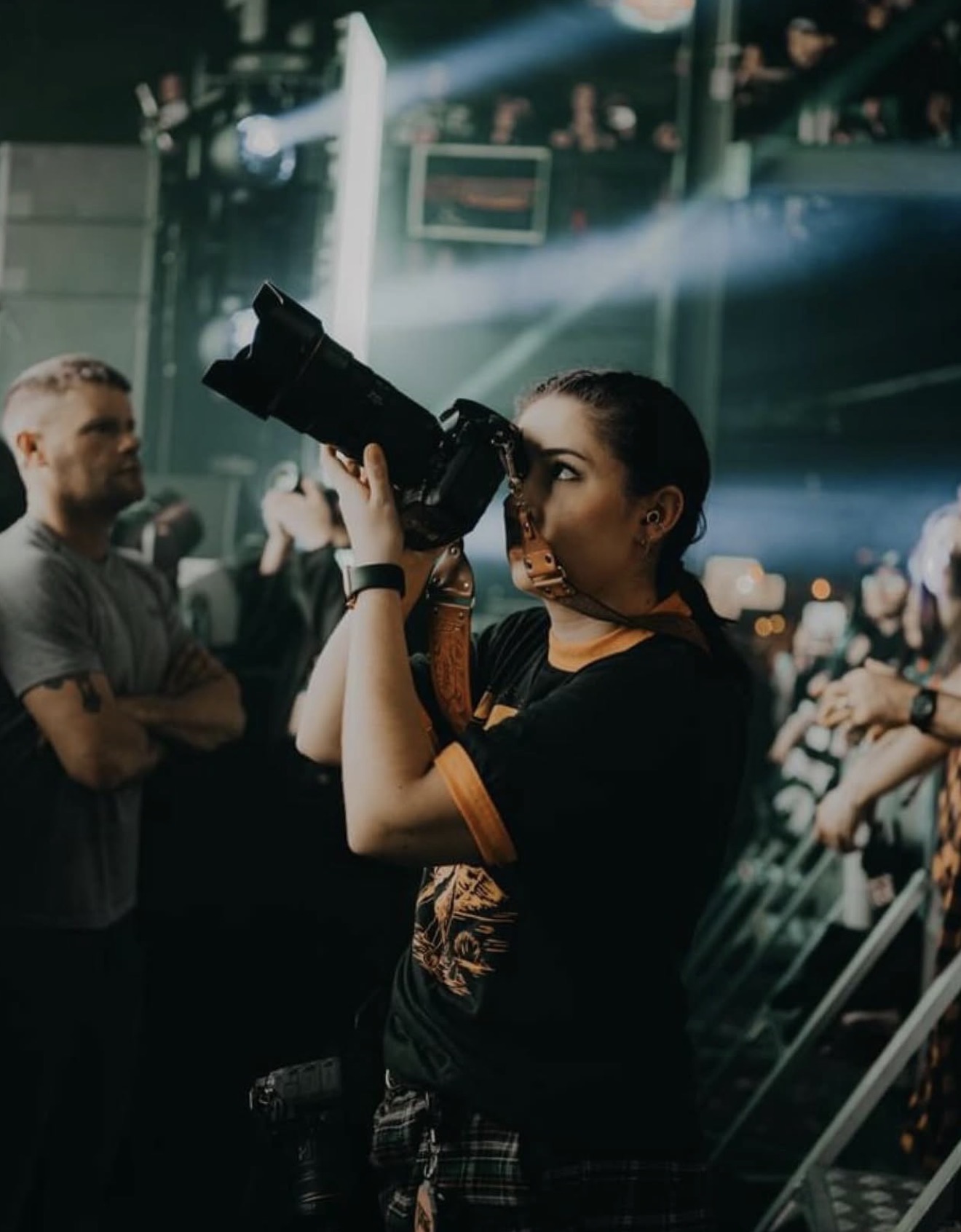
After graduating, I became a photography intern at Wolf Trap in Vienna, Virginia. It was there that I learned the fast paced world of concert photography firsthand. Some of the first artists I photographed were Fantasia, Brandi Carlile, Charlie Puth, and many others. It was an incredible place to learn because every show challenged me to think quickly while still creating meaningful images.
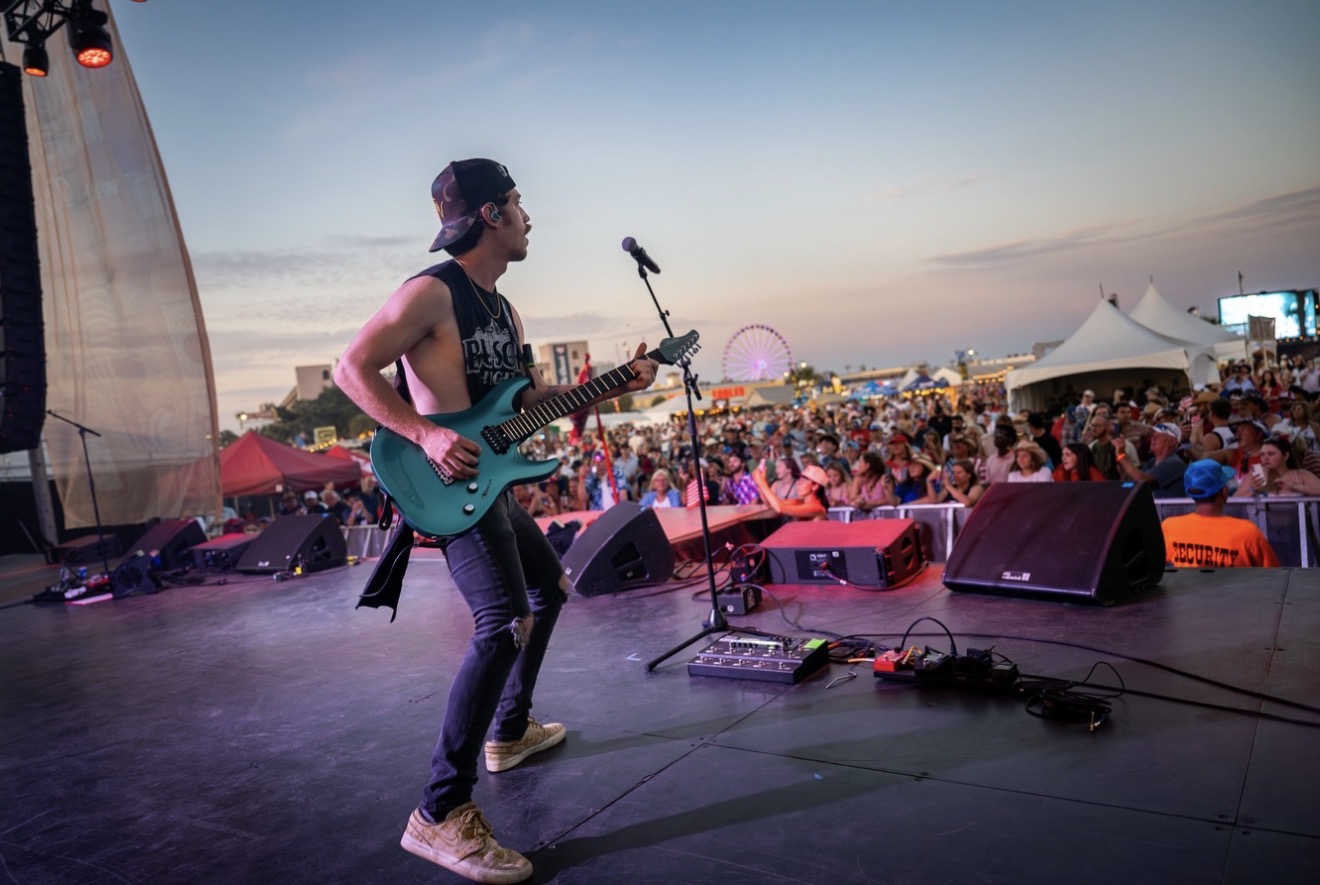
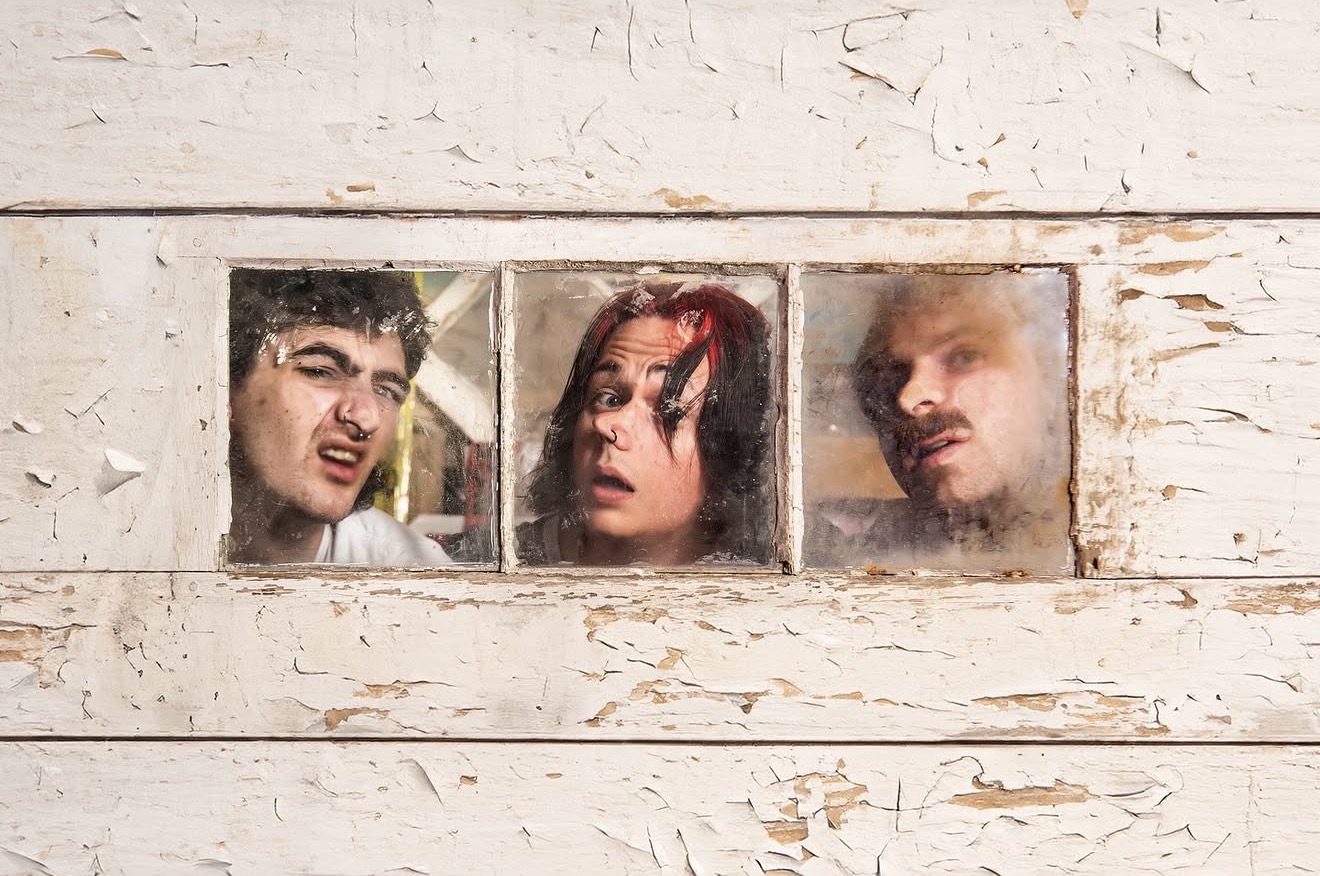
When my internship ended, I knew concert photography was what I wanted to pursue. Like many photographers starting out, though, I was met with a lot of closed doors. Instead of waiting for opportunities, I decided to create my own by launching Shutter Up & Listen. It became a platform where I could let the work speak for itself while building relationships within the music industry. Through that, I was fortunate enough to photograph artists including Red Hot Chili Peppers, The Band CAMINO, Judas Priest, Disturbed, Billy Idol, and many more.
That work eventually caught the attention of an artist in Nashville, which led me to move there and step into a much broader creative role. Today, I not only photograph artists but also serve as a Creative Director, helping shape visual branding, merchandise, marketing campaigns, and creative strategy. It’s been incredible to see photography open doors I never expected, allowing me to combine my background in music, visual art, and storytelling into one career.
Looking back, every twist in the road from growing up with music, to studying photography, to creating my own opportunities ended up leading me exactly where I was meant to be.
I’m sure it wasn’t obstacle-free, but would you say the journey has been fairly smooth so far?
To be completely honest, no it hasn’t been a smooth road.
Breaking into concert photography is difficult on its own, and even now, as I’m beginning to establish myself, there can still be an unspoken divide between photographers who have been in the industry for decades and those who are just starting out. On top of that, there are still moments where being a woman in this field presents its own challenges. I wish that weren’t the case, but I know I’m not alone. If you asked almost any female concert photographer, chances are she’d have a story or two of her own.
Another challenge has been navigating the world of social media. As photographers today, we’re expected not only to create meaningful work but also to constantly create content that captures attention. In many ways, photography has shifted from being viewed primarily as an art form to becoming a tool for engagement and algorithms. While social media has opened incredible doors for creatives, it has also created pressure to prioritize what performs well over what says something. Finding the balance between creating work that reaches people and creating work that means something has been one of the biggest challenges of my career.
Early on, those experiences got to me. I questioned whether I belonged in the room. Over time, though, they became motivation. Instead of trying to prove myself with words, I focused on letting my work speak for itself.
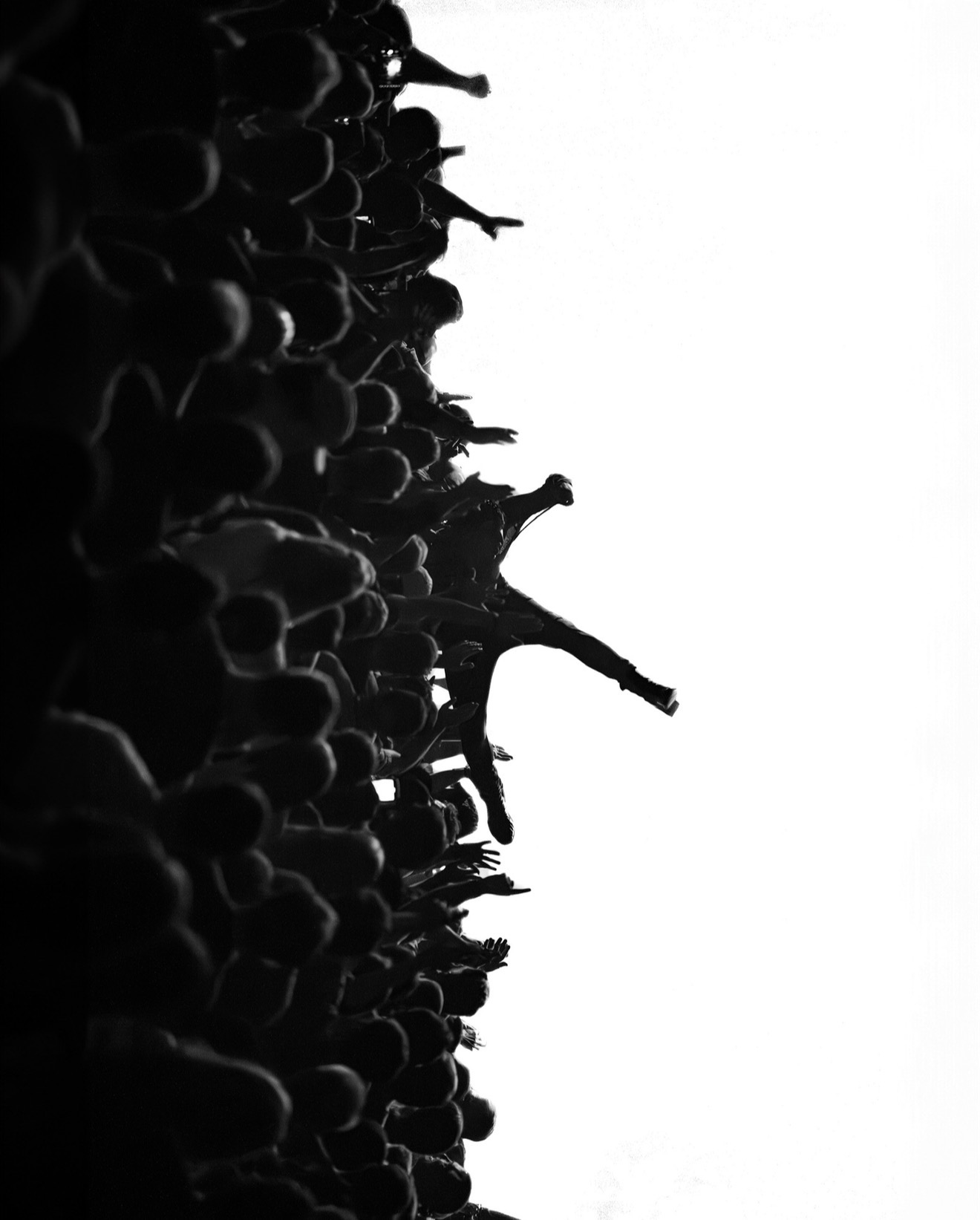
What I’ve always found fascinating about concert photography is that it’s one of the few creative fields where twenty photographers can stand in the exact same photo pit, during the exact same three songs, with the exact same lighting, and every one of them will walk away with completely different images. That’s because photography is about perspective. It’s the closest we can come to seeing the world through someone else’s eyes.
I’ve never viewed concert photography as a competition. I believe there’s room for everyone because every photographer brings a different perspective, and that’s what makes this industry so special. The more diverse the voices behind the camera, the richer the story we tell through our images.
Thanks – so what else should our readers know about your work and what you’re currently focused on?
At the core of everything I do is storytelling. Whether I’m photographing a concert, creating a portrait, or working as a creative director, I’m always looking for the moments that feel genuine rather than manufactured.
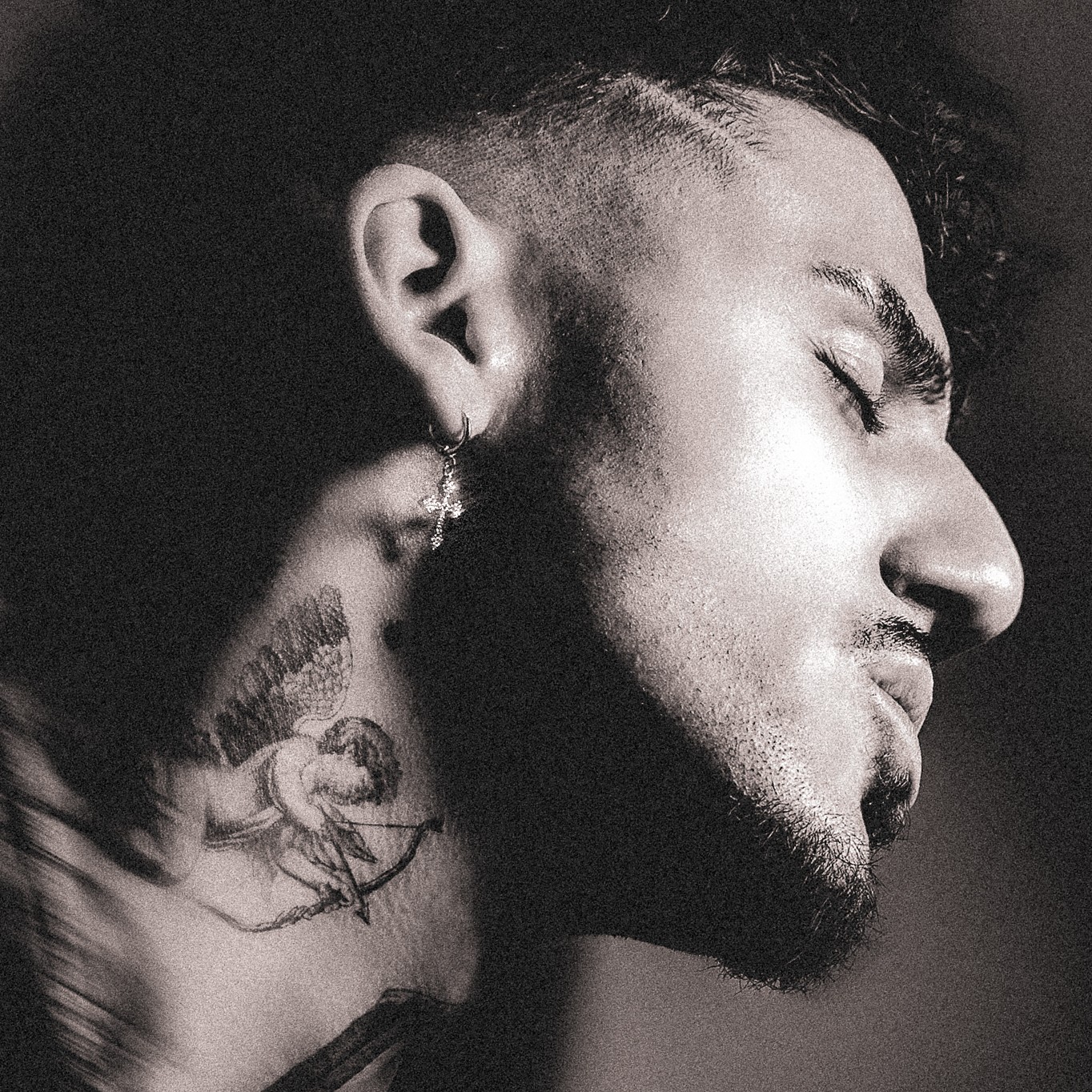
My background in fine art, black and white film photography, and even my years as a performer have all shaped the way I approach photography. Because I’ve spent time on stage myself, I understand what it feels like to be in front of the camera. I know how vulnerable it can be, which is why I rarely ask people to simply stand still and smile. I much prefer movement, conversation, and interaction. During portrait sessions, I’m constantly talking with my subjects, encouraging them to move naturally or engage with the people around them. The moments I’m really waiting for are the in between ones or a natural mannerism that reveals who they truly are. Those are the photographs that feel honest to me.
I think my foundation in film photography has also given me a different perspective on digital photography. If I’m shooting black and white film, I develop my own negatives and create my own prints, so I’m involved in every step of the process from pressing the shutter to making the final image. That same philosophy carries over into my digital work. While the technology available to photographers today is incredible, understanding photography through an analog process taught me how the camera truly works and how every decision, from exposure to editing, contributes to the final image.
One quote that has always stayed with me is Ansel Adams’ famous line: “You don’t take a photograph, you make it.” That perfectly sums up how I view my work. Whether I’m in the darkroom or editing digitally, I begin with a vision of the finished image and work intentionally to bring it to life. Editing has always been an extension of the creative process. Even in the darkroom, photographers have always shaped their final prints. In my work the photograph has never ended when the shutter clicks.
What I’m most proud of is that I’ve built a career creating images that feel authentic. In a world where so much visual content is designed to grab attention for a split second, I hope my photographs make people pause and feel something. If someone can look at one of my images and connect with the person or the moment in front of the lens, then I’ve done my job. That’s what continues to make my heart feel full every time I pick up a camera.
How do you think about luck?
I think my career has been a combination of luck and the ability to execute when opportunity presents itself.
A consistent theme has been finding myself in the right place at the right time but then having to prove I belonged there. I was fortunate to earn an internship at Wolf Trap, but I also had to create images that made an impression. To this day, some of my photographs are displayed floor to ceiling in the backstage hallways, which is something I’m incredibly proud of.
I’ve been lucky enough to receive credentials for festivals and concerts where the artists later chose to use my images across their social media. I was fortunate to have a family who supported my decision to pursue photography and encouraged me to chase a career in the uncertain world of concert photography. They trusted that if I worked hard enough, my images would speak for themselves.
Even before that, I was lucky to be accepted into the photography program at James Madison University. At the time, I wasn’t creating work with the goal of building a professional career I was simply making photographs that interested me. Yet those images were enough to earn me a place in the program, and by graduation I was honored to receive the Senior Achievement Award for my photographic work.
The list goes on. Every step of my career has included moments where luck played a role, but none of those opportunities would have meant much if I hadn’t been ready for them. In this industry there are countless talented photographers hoping for the same opportunities, and I don’t take for granted that I’ve been one of the people fortunate enough to tour the country doing what I love.
At the same time, luck only gets you in the door. After that, it’s about trusting your instincts, making difficult decisions, continually improving your craft, and believing that if you keep creating meaningful work, the next opportunity will come. Every new chapter of my career has required me to prove myself all over again, and I think that’s something I’ll always embrace.
Contact Info:
- Website: https://www.shutterup-listen.com
- Instagram: https://www.instagram.com/shutterup.listen/