



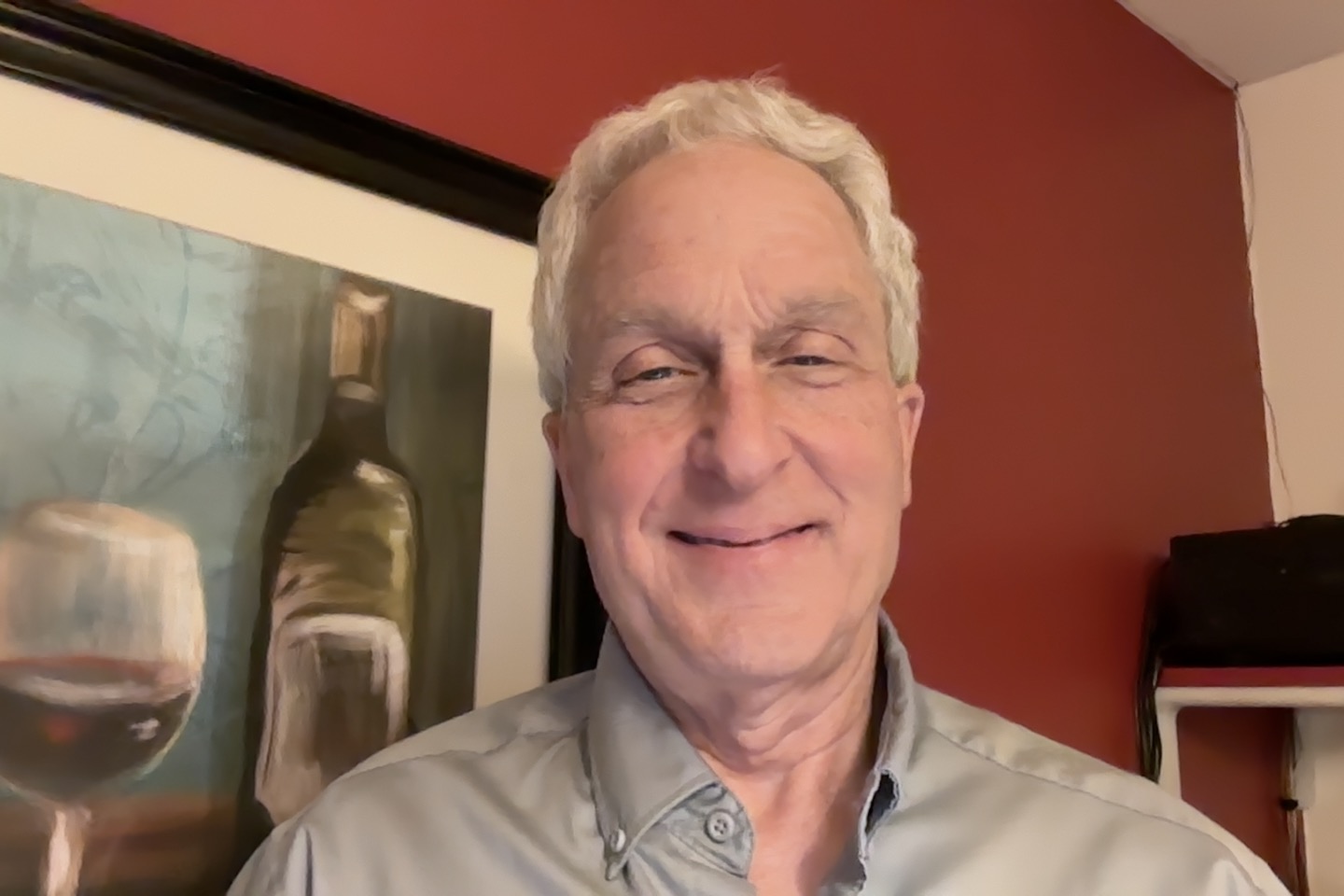
Today we’d like to introduce you to Tony Johnston.
Tony, we appreciate you taking the time to share your story with us today. Where does your story begin?
After 6 years working in the food industry with a Master’s degree, I returned to graduate school and earned my Ph.D. in Enology and Viticulture in 1995. I was hired by MTSU and began teaching a range of courses in the School of Agriculture, including wine science (Enology), wine appreciation, and grape production (Viticulture). In 2000 I started taking students abroad, having realized the enormous educational value teaching abroad offers. I taught classes abroad that addressed the international nature of agriculture (including wine) and trade, grape and wine production in countries outside the US, cultural differences in wine consumption vs. the US, and wine tourism.
Friends, parents of students, and other non-students took interest in my abroad classes and began enrolling in them to be able to participate. This helped me realize the potential for a business offering wine trips, but it was abundantly obvious that many companies offer trips that include wine. I knew I had to offer something different to succeed.
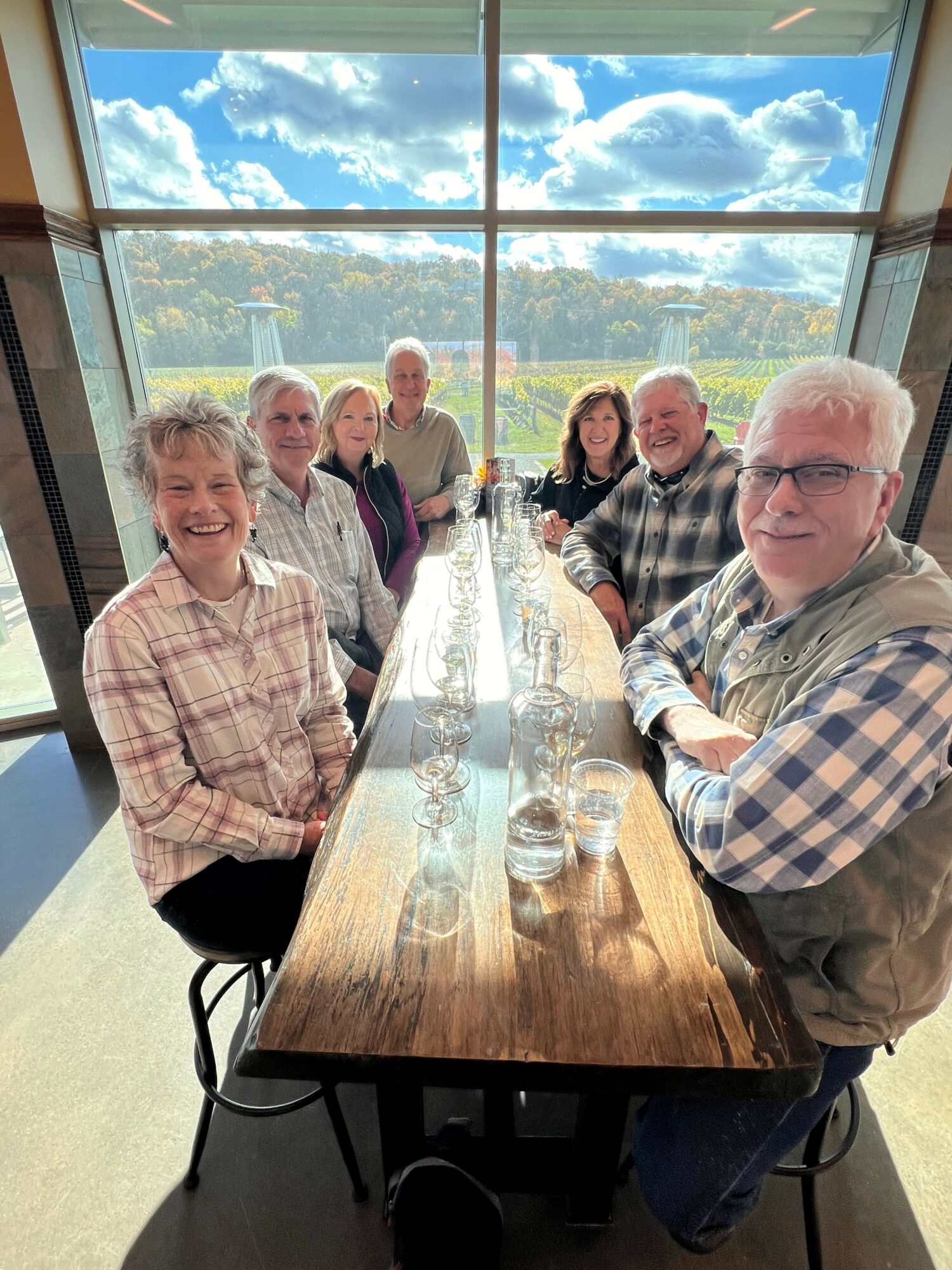
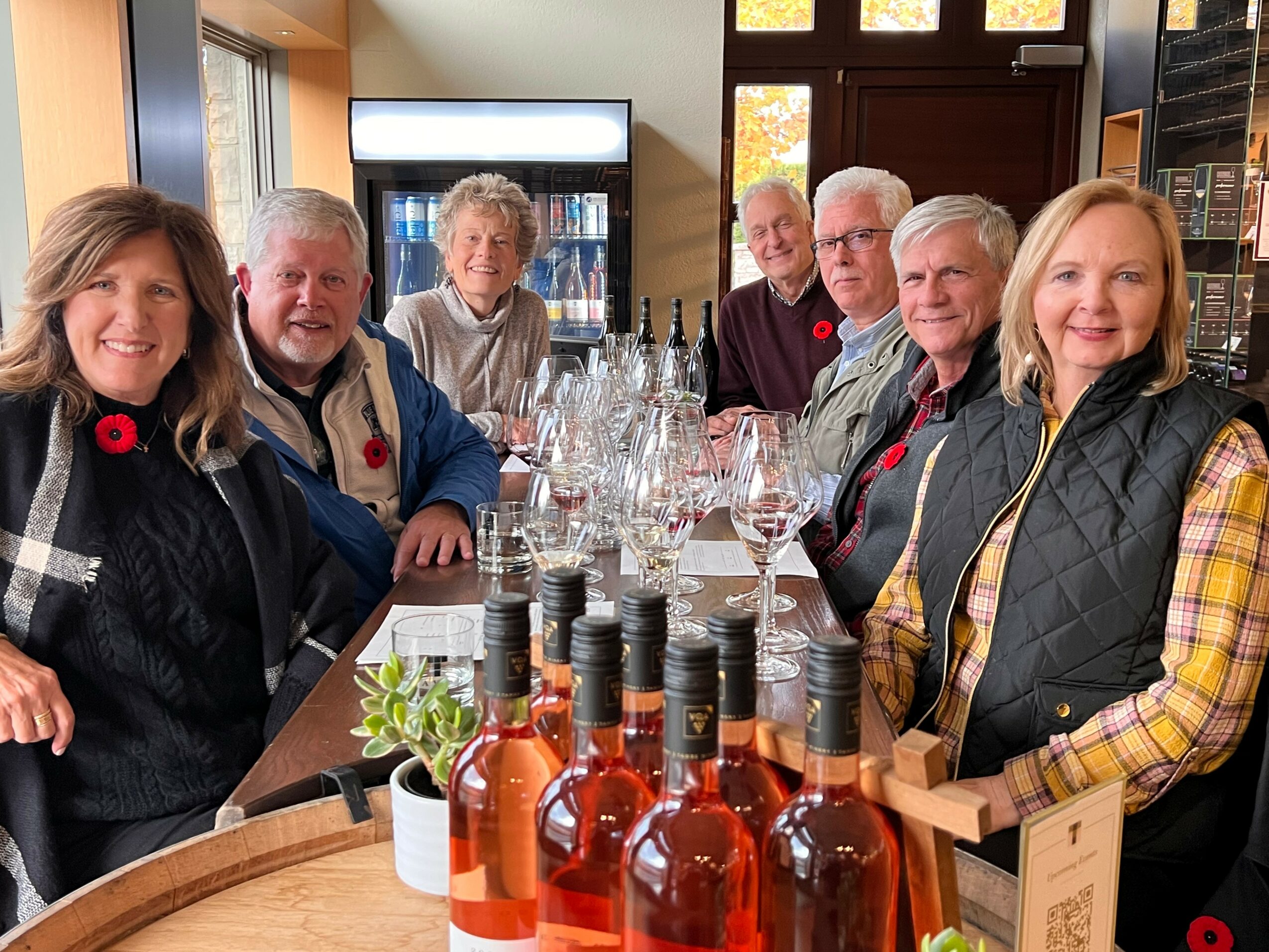
After careful consideration, I realized my education and now over 35 years of experience working in the wine industry, teaching and research in grapes and wine is the most significant advantage I can offer. Now that I have retired from teaching at MTSU, I offer small group tours (6 – 15 people) to wine producing regions of the world. I keep the groups small to facilitate conversation and ensure that all questions are answered.
I’m sure it wasn’t obstacle-free, but would you say the journey has been fairly smooth so far?
Starting a business is always easier than maintaining one. In addition, being heard in the marketplace is frequently the most difficult obstacle. I realize that “wine tourism” is a niche market and not everyone within this niche market wants to take a trip of any distance or duration with a very small group of people, most of whom they don’t know. However, to my knowledge there are few, if any, tours offered by other companies that offer exposure to the wine industry from the nursery through the winery to the restaurant and/or retail marketplace, all led by an experienced educator and researcher with a Ph.D. in the subject.
Struggles along the way have been and will probably always be variable travel costs, economic fluctuations in the countries I visit, social upheaval, and in the worst case, war or the potential for war. All of these are out of my control but can be managed. Plans can, and should be changed, when necessary. On a much smaller scale, venues (and even countries) have problems that must be worked around. For example, on one of my trips, electrical power went out across the entire country (and surrounding countries, in addition) for a time. On another, our planned visit to a natural thermal spa had to be scrapped because the pumps which supply the pools with the naturally heated water went out the day we were to visit. Fortunately, I always have backup plans.
Thanks – so what else should our readers know about your work and what you’re currently focused on?
We are all the sum of our experiences and education. I served 26 years in the USAF, worked in the food processing industry for 6 years, spent 12 years in college as a student and taught college for 29 years. As a scientist, I want to know how (and why) things work and as a teacher, I want to help others know the same. Wine has been an excellent vehicle for research, teaching and learning because although we know a lot about it, we have only barely scratched its surface. Perhaps more importantly, most of us only have a cursory understanding of wine and know little beyond it contains alcohol and can be white, pink or red.
One of my favorite measures of success is when a person I’ve formally or informally taught something about wine suddenly realizes they now possess knowledge they didn’t have before. Seeing them “click” and begin applying their newfound knowledge is my reward.
Through my company, I offer opportunities to see, learn about, enjoy and appreciate cultures, their foods and wines, and their customs. I take people to visit other people, not just their businesses. Anyone can see the 10,000 foot view but I want to offer the opportunity to see it one person at a time.
We’d love to hear about how you think about risk taking?
Risk is inherent in life. and there is no such thing as “risk free.” Therefore risk must be acknowledged and managed; if risk is not acknowledged, it can’t possibly be managed.
Both personally and as a business owner, I am constantly aware of risk and seek to mitigate its impact. I always have back-up plans. I strive to maintain situational awareness so I increase the likelihood that I am able to steer clear of developing adverse situations that arise (especially with a group). A great example of this was when a group of protesters interrupted a parade I took to a group of students to see. The parade was a signficant cultural event and very well attended by the local population. The protesters were not protesting the parade, but an issue of national interest and they knew they would attract a lot of publicity by interrupting the parade. Once the issue being raised was revealed and before any serious negative responses could unfold, I redirected my group from the parade route to a cafe a few blocks away, where I led a discussion on both the parade and the protest. From a safe distance I capitalized on the unplanned protest and incorporated it into what I was teaching.
Pricing:
- My company has a very low overhead structure. I’m the only employee!
Contact Info:
- Website: https://roottostemwinetours.com