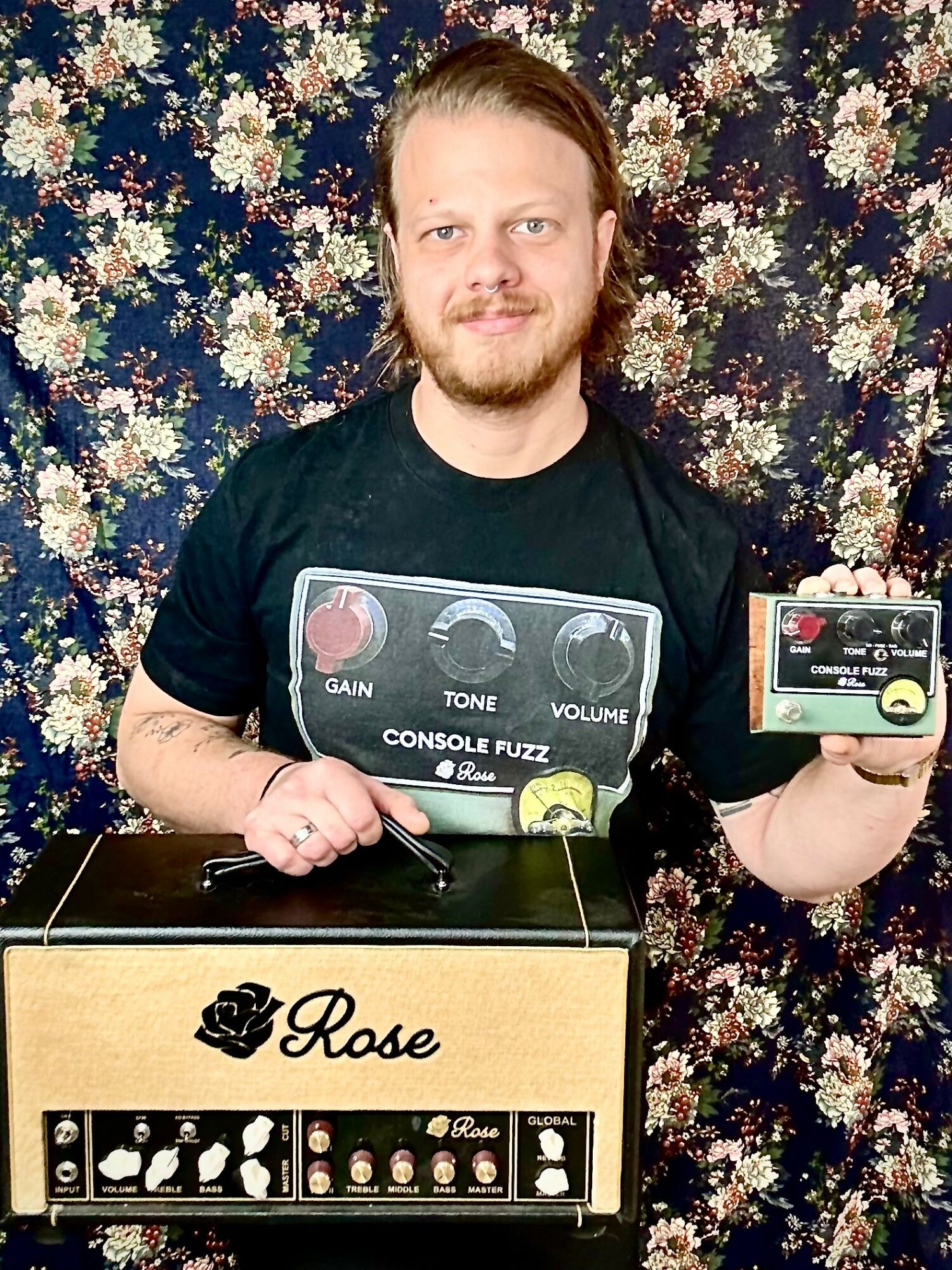





Today we’d like to introduce you to Nick Rose.
Hi Nick, so excited to have you on the platform. So before we get into questions about your work-life, maybe you can bring our readers up to speed on your story and how you got to where you are today?
I started loving making music “as early as he could hold sticks” my dad would say. I was very lucky to have access to drums and a piano early on, they took my obsession until my teen years when it was time to craigslist a shitty electric bass, then a guitar (an 80s Floyd Rose I had to become a guitar tech just to set up before I could play my first chords), then pedals, and it never stopped. I’m big on “necessity is the mother of invention”, and my house growing up was the epitome of “you don’t need a guitar amp, we have guitar amps at home”. Those “guitar amps” were solid state power amplifier modules from a “home of the future” project my father proudly designed in the 90s. The modules of which, had littered the attic space until it was my turn to have interest in pushing some air. Needless to say, building your first guitar amp from attic bits, hits a little different than going and getting your first Line 6 Spider at your local guitar conglomerate. Not only was I unaware I was building my first guitar amp; but I was building a monster.
In the years to come, I played the guitar mostly to write guitar parts for the music in my head, loosely recited by the band of teenage misfits I assembled in High School. I saw the guy from Muse play guitars with guitar pedals in them, turning me promptly to ruin the family drill press, having misunderstood it for a router, forcing a Behringer multi-effect pedal into an otherwise gently used Squire Strat. I’d go on to college for a Bachelor’s of Science in Audio Technology and Electronics Engineering, making a little money along the way buying used guitar pedals, modifying them with the “Keeley Mod”, or truly whatever mod I could find on the still young internet by todays standards. I’d print off the parts list, usually from a website called “Instructables”, and ride my bicycle to a Radio Shack just off campus.
After college I started at a popular guitar amplifier repair shop here in Nashville, Hime Amplification, only a few years in its infancy at the time. This is where I got way more than my ten thousand hours experimenting and shaping sound, 40 hours a week for almost 10 years of getting to ask “what would It sound like if I did this?” and then being afforded the time to find out.
Almost a decade later, now that it’s my name on the door, I still operate with the same curiosity and obsession I did at the beginning. I get to work on the world’s greatest and rarest tube equipment, owned by some of my favorite artists. I get to invent new circuits, new sounds, and new looks with guitar pedals and amplifiers as my canvas. For me, it’s the perfect marriage of art and science. They say “Do something you love, and you’ll never work a day in your life”, well that’s simply not true. But I do believe that if you’re going to spend anywhere close to 40 hours a week doing anything, you better like it. If “making a living” takes that much of your time, Im pretty sure that is you living. Do something you love, and you will love what you do. I believe there’s no greater “cost of living” than giving up that.
We all face challenges, but looking back would you describe it as a relatively smooth road?
Making it through the ranks of whatever job gets you to owning your own business, Im sure is fraught with trials and tribulations for us all. I wouldn’t typically fit myself into the “smooth road” category, but career-wise I’m very grateful has been pretty smooth. Whatever you want to call “paying your dues” does go a long way. Im very fortunate my first employer gave me so much autonomy, or I wouldn’t have been able to pay my dues as long as I did. I believe I got to spend enough time working with people and garnering good relationships that the transition to opening Rose Electric Audio didn’t have a moment of down time. Im also very grateful for the internet community that has come to fruition since then. Without them I’d have a great deal less motivation or means to get my inventions out into the world.
Great, so let’s talk business. Can you tell our readers more about what you do and what you think sets you apart from others?
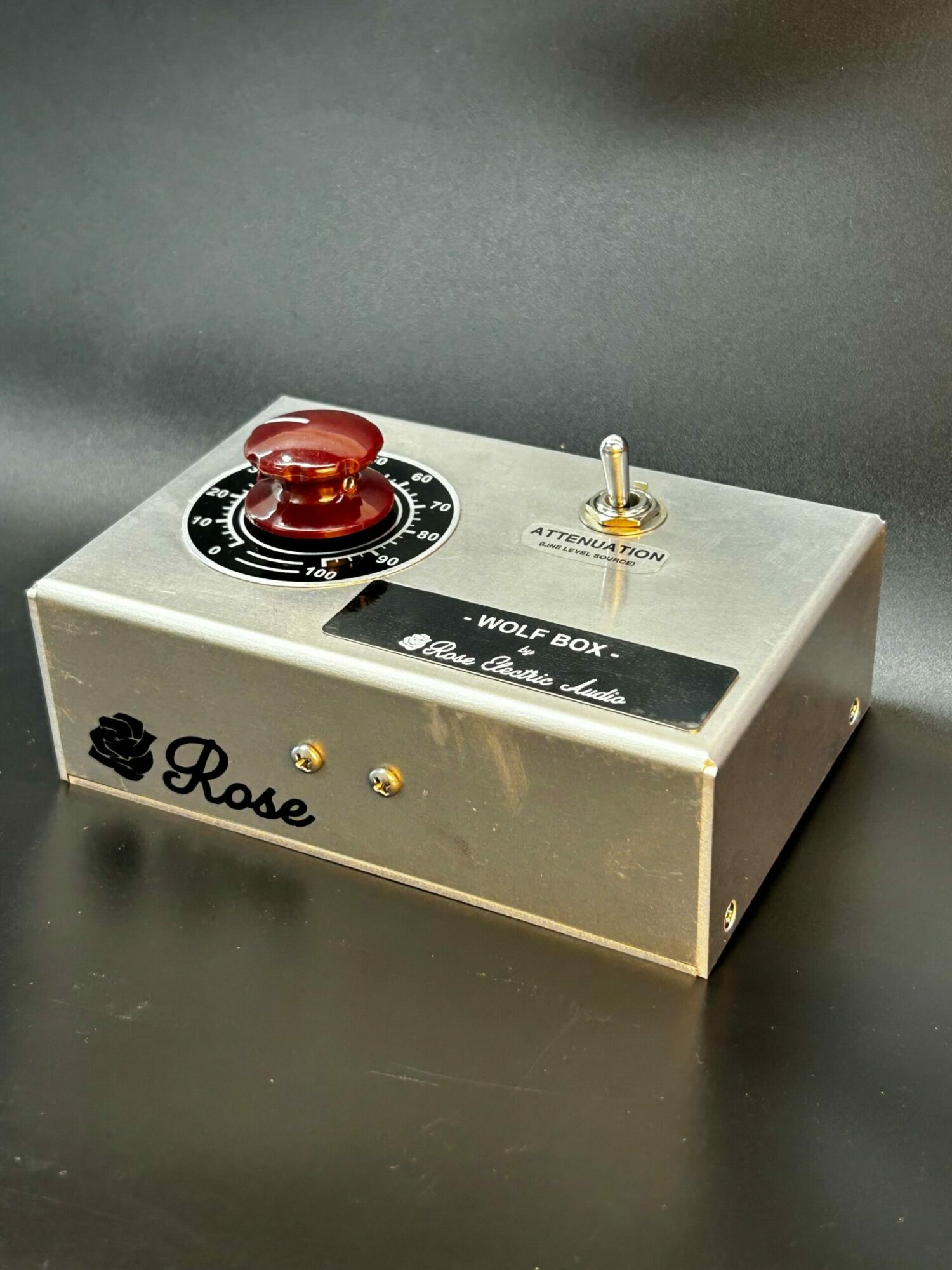
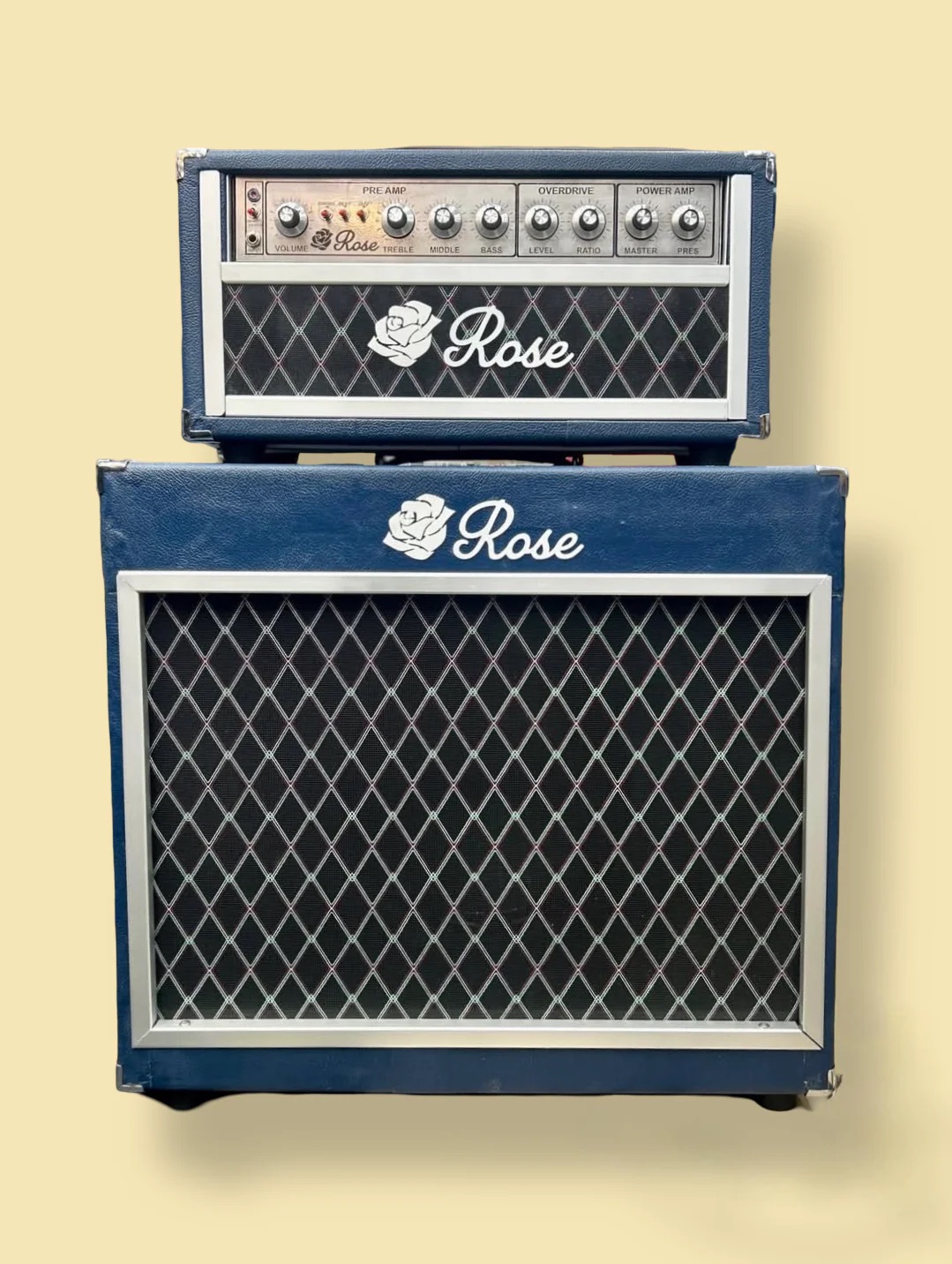
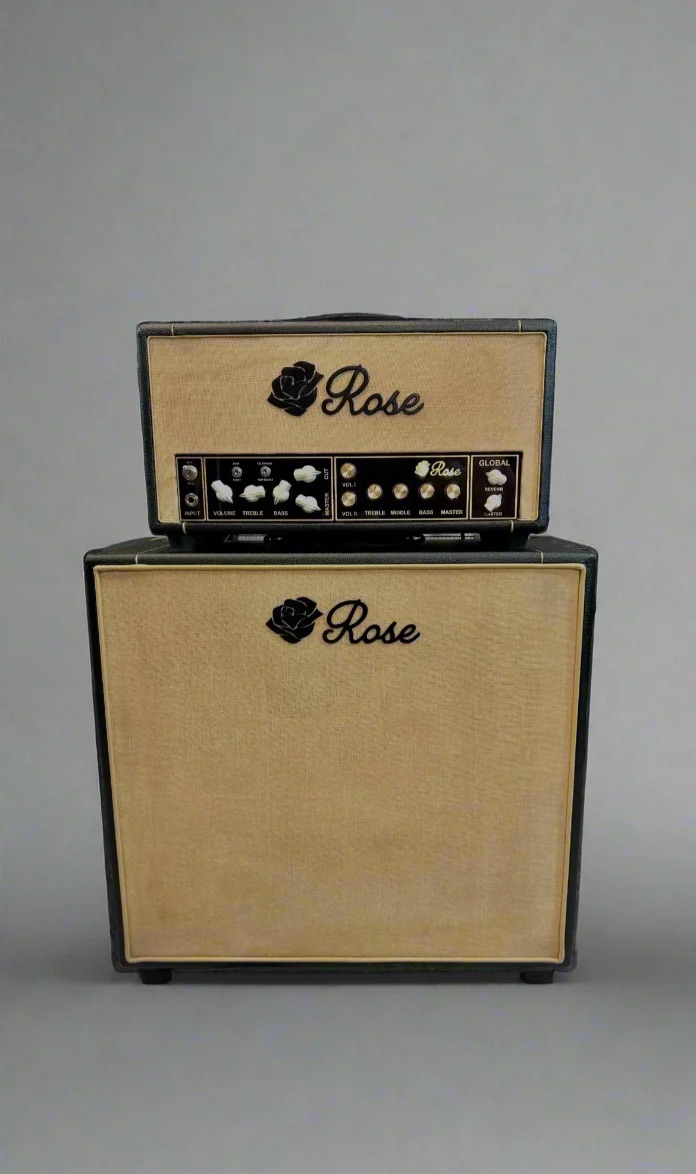
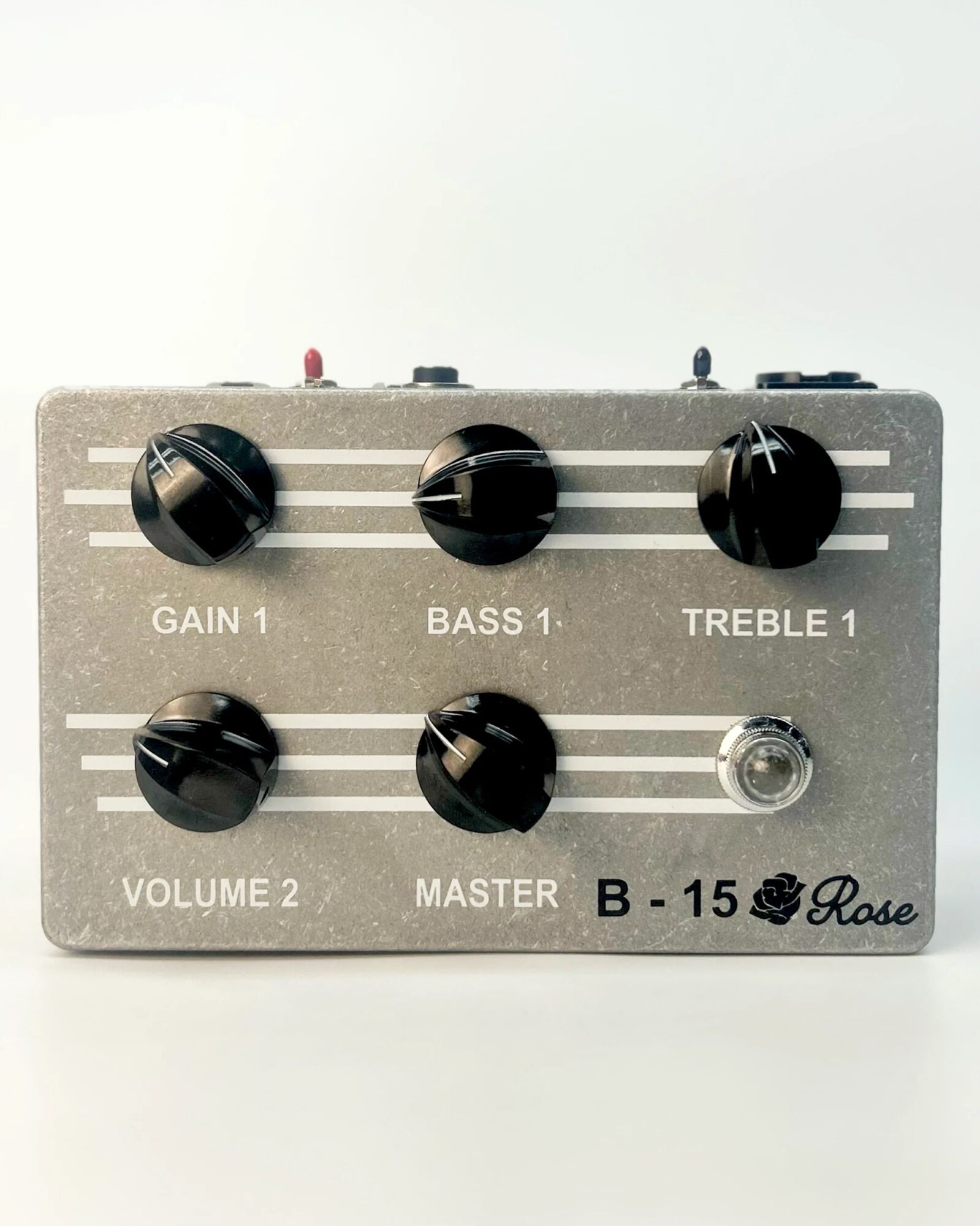
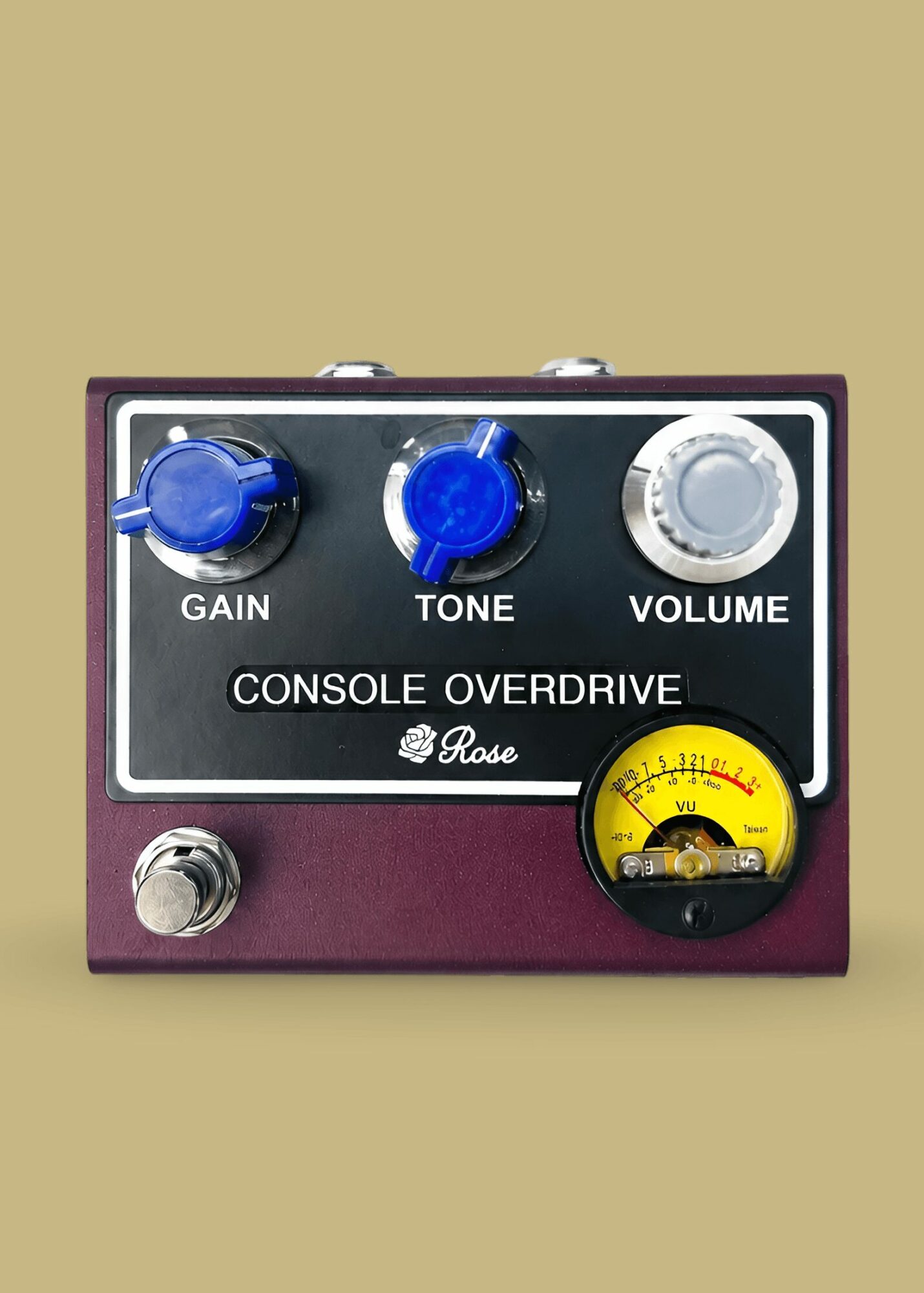
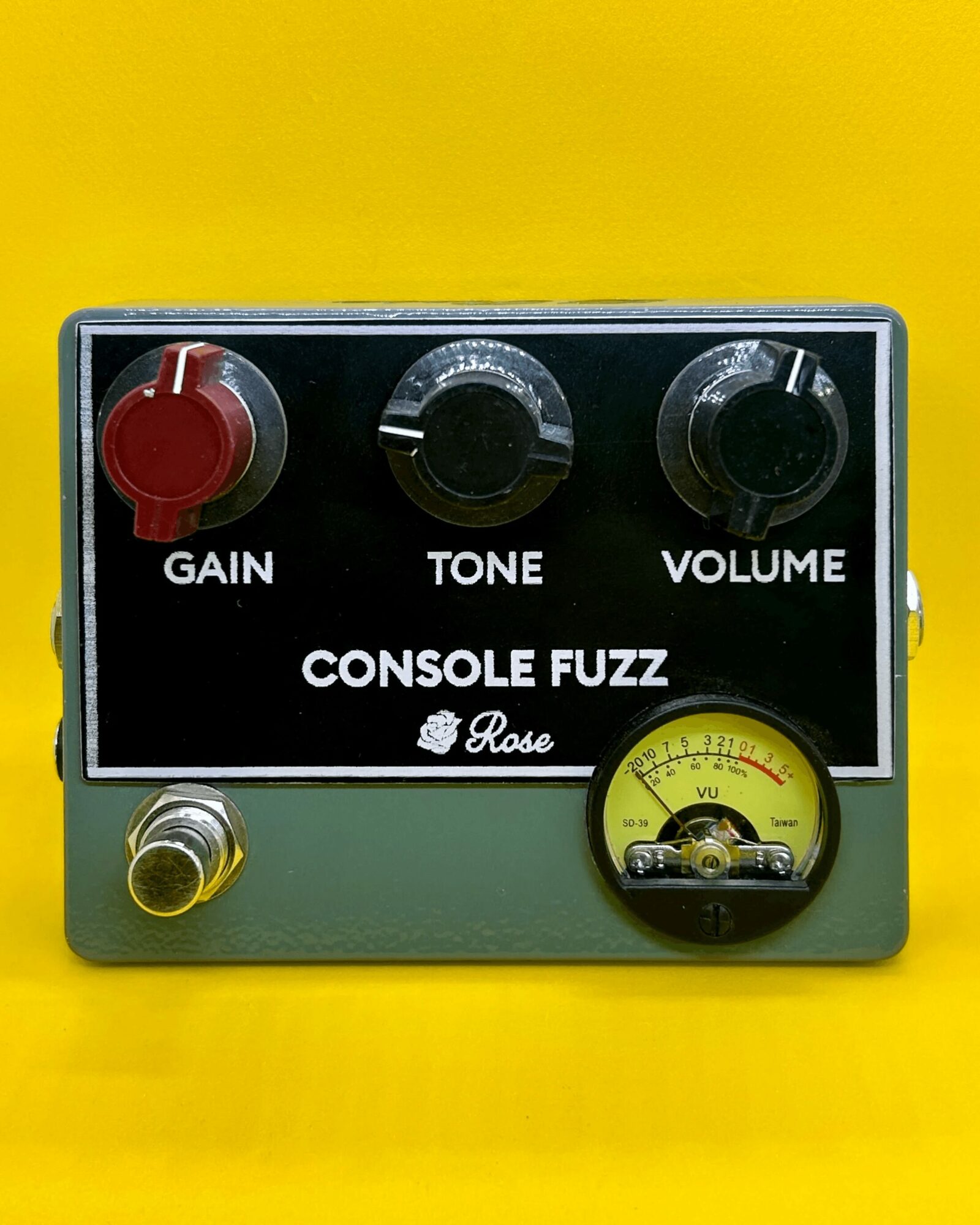
Rose Electric Audio builds, repairs, and modifies- guitar amplifiers and effects. For musicians in Nashville, Im a repair and hot-rod shop for tube equipment, mainly guitar amps. People come from all over to have their guitar amp do something it didn’t do before, look cooler than it did before, sound as good as it can, get repaired if its broken, restored if its old. I also make guitar amplifiers, pedals, preamps etc. Some are completely unique designs you’ve never heard or seen before, some are replicas or recreations of famous pieces of gear and everything in between. I think the products stand out distinctly both visibly and audibly, because I look at the whole process as art. People buy Rose Electric Audio products because they are; Sound crafted from obsession, with extremely high quality components, wrapped in visual art.
Do you have any advice for those looking to network or find a mentor?
Nobody, I mean nobody, is your competitor. There is enough business and customers and money in the world, ostracizing yourself from your village by deeming them competitors will leave you suffering alone. Find the people in your community that are doing what it is you want to do, and become friends. Working against competitors is demotivating, working with friends is extremely motivating and will garnish the resources you will need before you need them.
If you find yourself the smartest person in the room, find a different room.
Contact Info:
- Website: https://roseelectricaudio.com/
- Instagram: https://www.instagram.com/rose.electric.audio/
- Facebook: https://www.facebook.com/roseelectricaudio/
- Youtube: https://www.youtube.com/@Rose_Electric_Audio