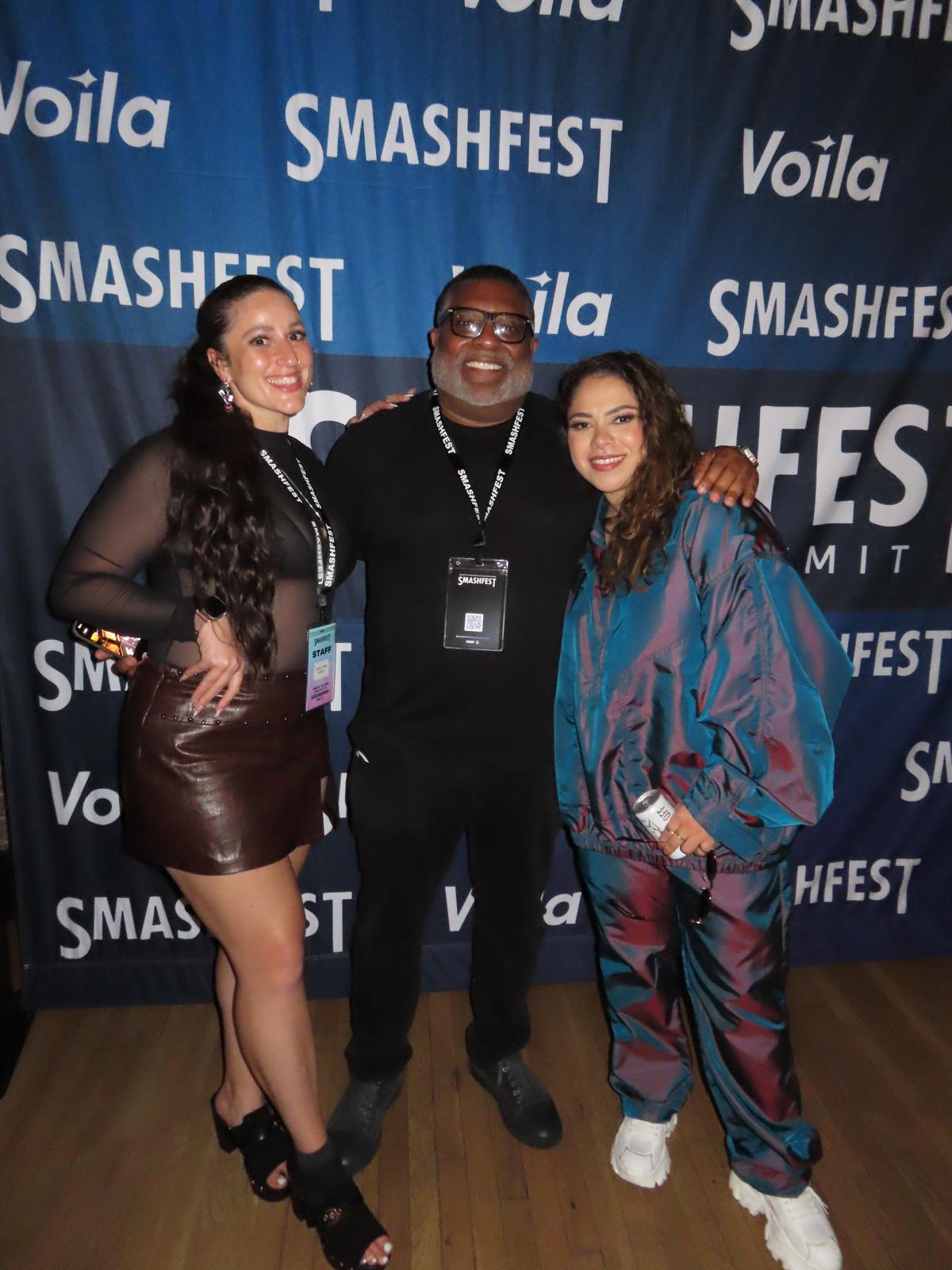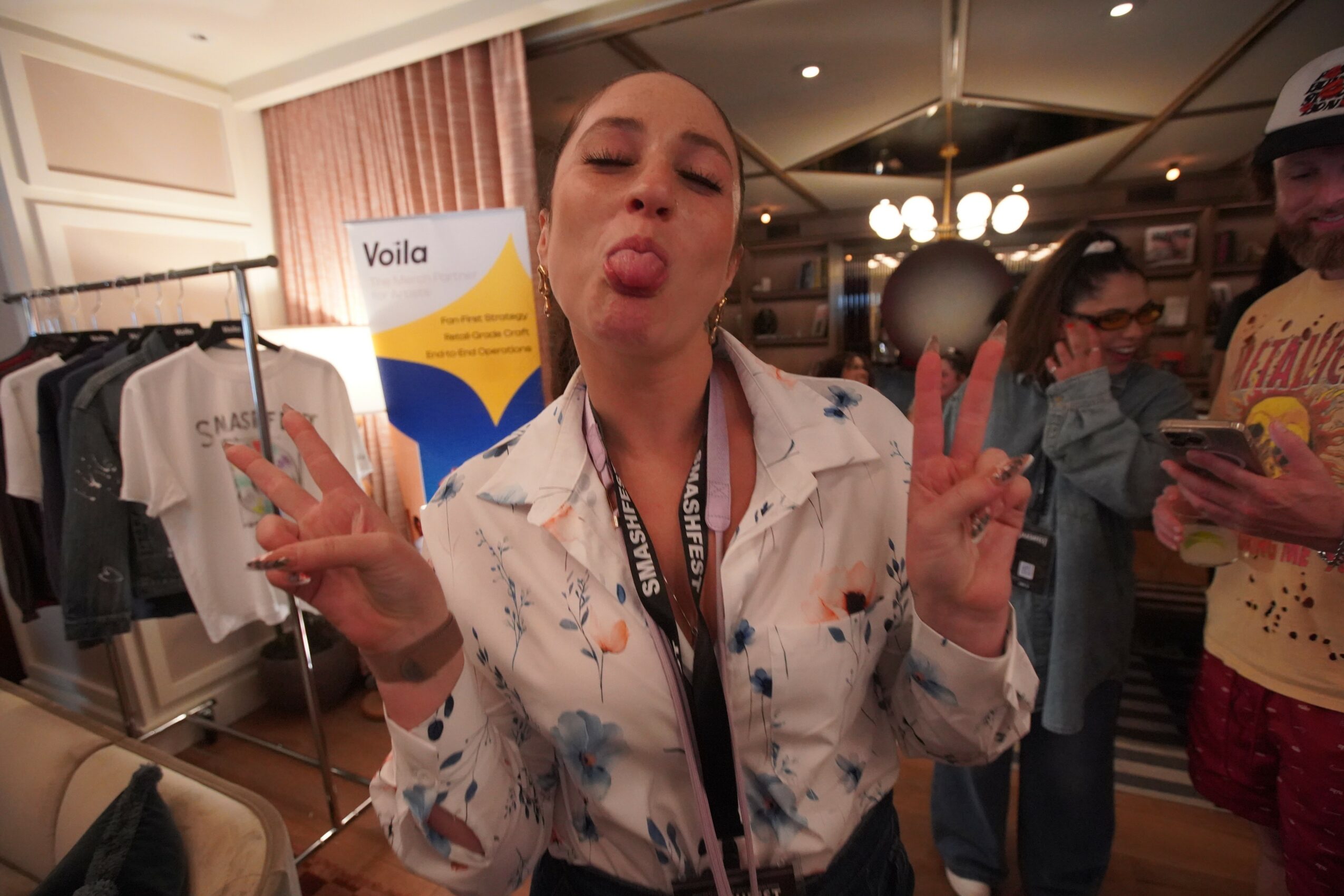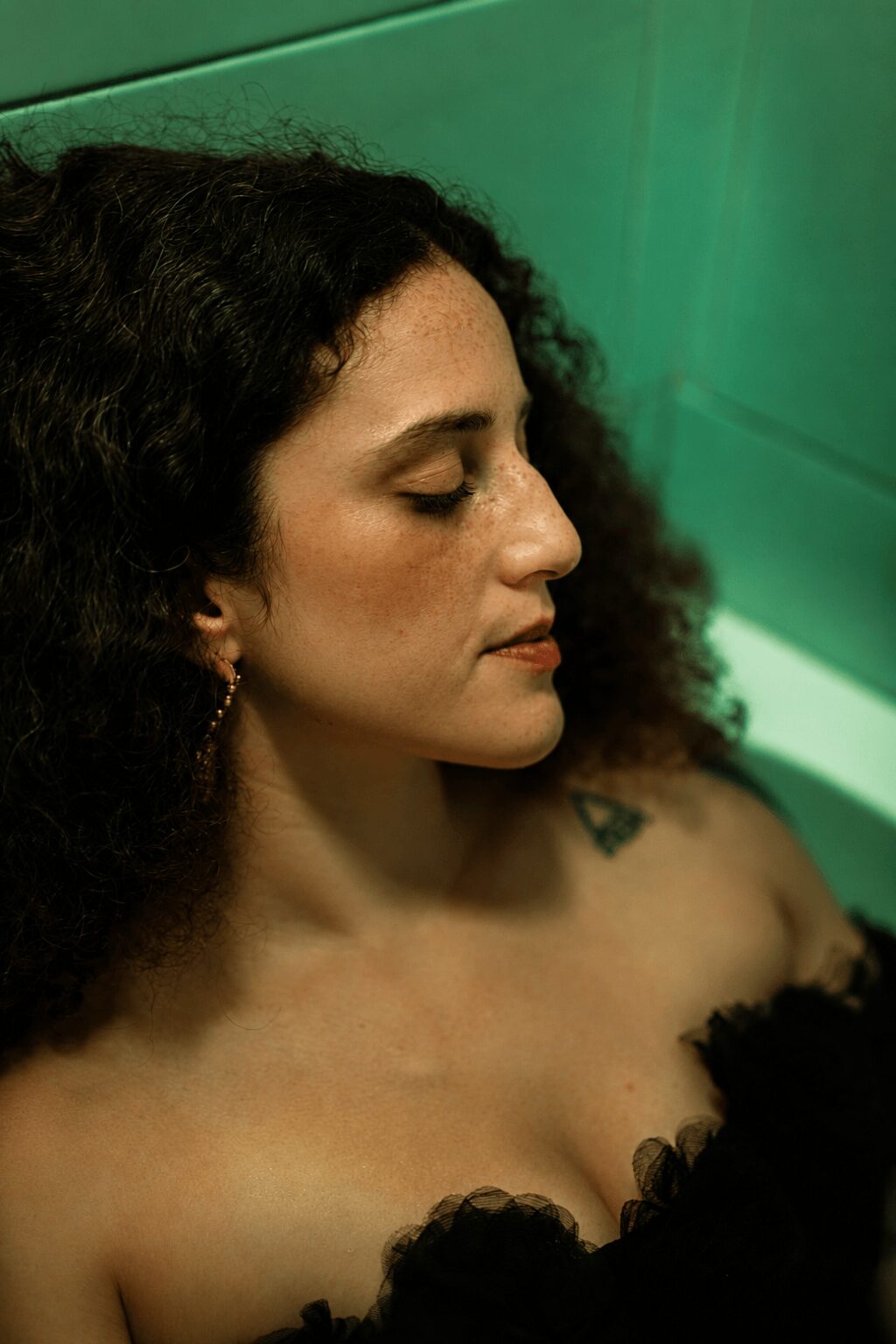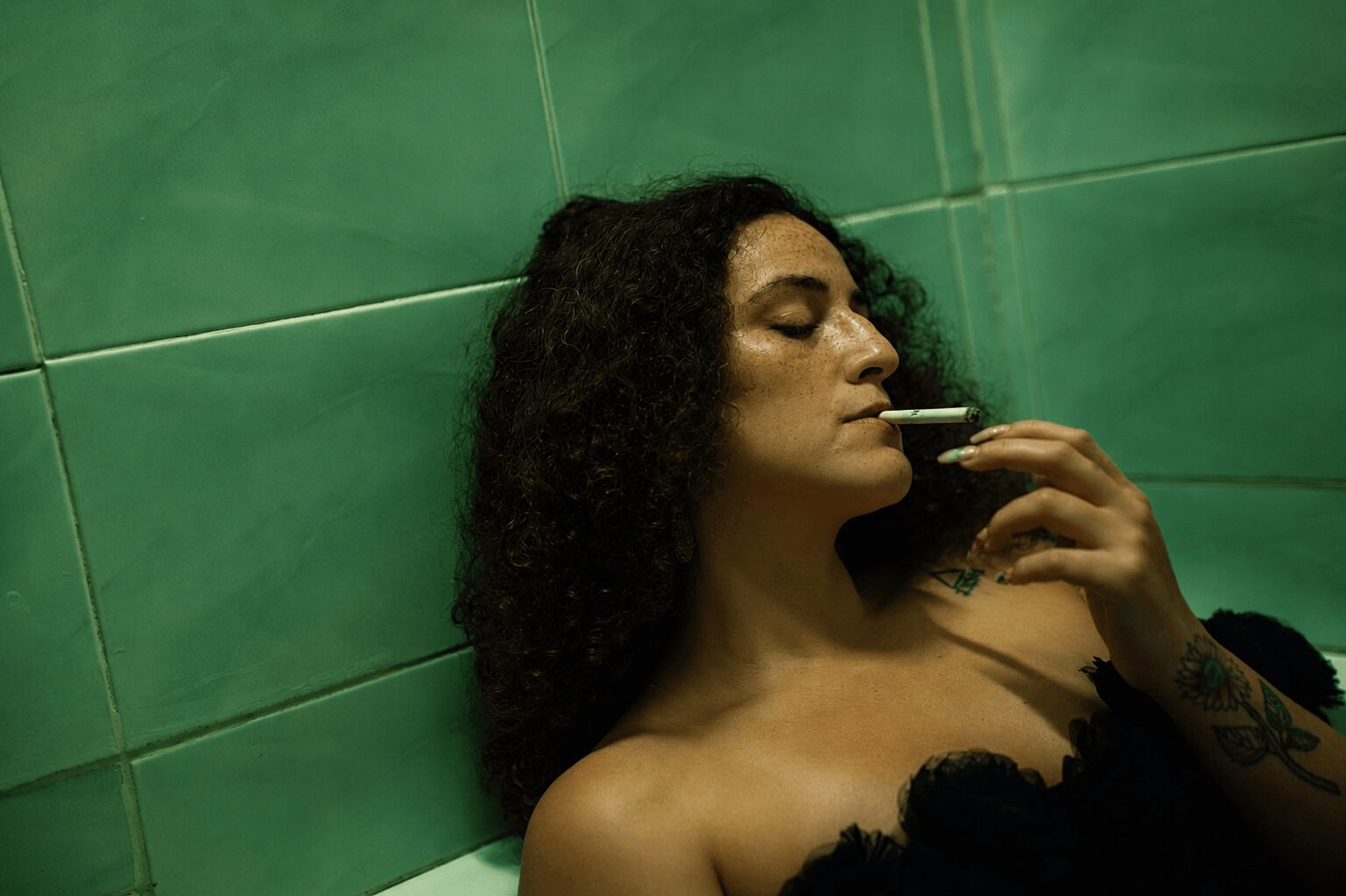

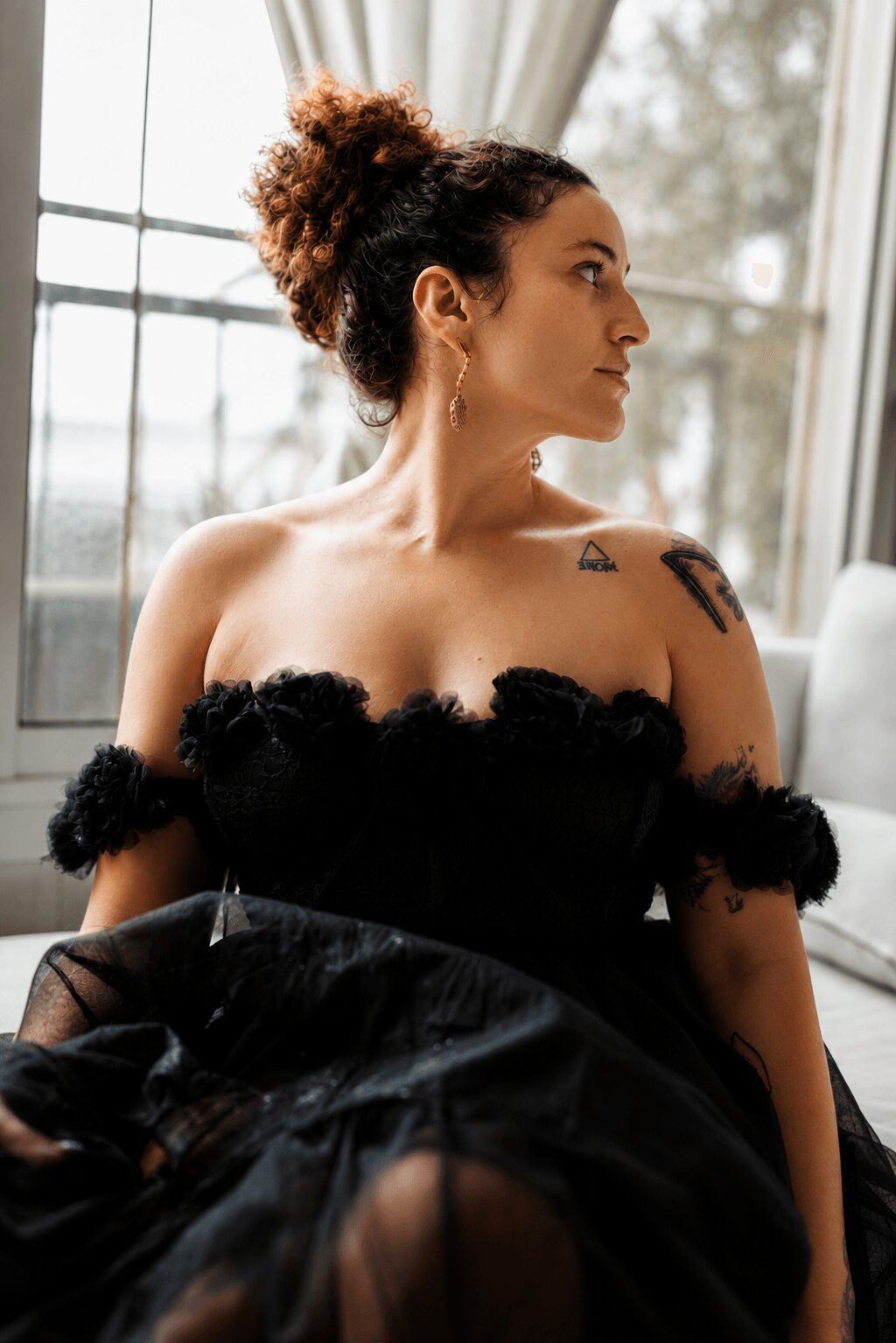
Today we’d like to introduce you to Adina (artist Name ADIINA) Korn.
Hi Adina (artist name ADIINA), can you start by introducing yourself? We’d love to learn more about how you got to where you are today?
Looking back, my life has been shaped by a series of moments where I had to make a leap before I knew exactly where I would land.
I grew up in Brooklyn in a religious Jewish environment, surrounded by family, tradition, community, and a pretty defined idea of what life was supposed to look like. As I got older, I started questioning where I fit within those expectations and, more importantly, what parts of my identity and my life actually felt like me.
In 2014, at 22, I moved to Los Angeles with a GED and a dream. I started at Santa Monica College and began figuring out what I wanted my future to look like. My path to USC started almost by accident. At the time, I was working on marriage equality campaigns with the ACLU, and through that work I found myself on the USC campus. I remember being there and having this immediate feeling that I belonged there. I didn’t have a five-year plan or a perfect set of credentials — I just knew I wanted to find a way in.
So I walked over to the music school and told them exactly that.
There was one small problem: I didn’t actually have traditional music skills. The school introduced me to the Music Industry program, which turned out to be exactly the right fit. I applied, was accepted, and received a full scholarship. I went on to graduate from the Thornton School of Music. That experience taught me that sometimes the most important thing is recognizing an opportunity when it appears and having the courage to pursue it, even when your path doesn’t look like everyone else’s.
After USC, music continued to shape my career, although not always in the way I initially imagined. I became fascinated by the world surrounding music — artists, events, communities, releases, and the work required to bring creative ideas to life. My career grew into a mix of music, artist relations, events, operations, and creative projects. I found that I really enjoyed being the person behind the scenes who could connect the dots and turn an idea into something tangible.
Two and a half years ago, I got sober, and that became one of the biggest turning points in my life. For me, sobriety wasn’t simply about stopping drinking or using. It was about finally being present for my own life. I had to get honest with myself, confront things I had spent a long time avoiding, and learn how to sit with uncomfortable emotions instead of running from them. I had to figure out who I was when I wasn’t trying to escape myself.
And something really beautiful happened on the other side of that: I started making music again.
I began creating dance-pop and drum & bass music, and eventually that became my EP, Flowers Can’t Bloom Without Rain. The title is really the heart of the project. Flowers need rain to grow, and I started thinking about how the difficult, painful, and uncomfortable parts of our lives can actually become the things that allow us to grow into who we’re supposed to be.
The EP is deeply connected to my experience of getting sober and rebuilding my life. It isn’t a project about pretending everything is perfect or that growth happens without pain. It’s about finding beauty in the process — learning to accept where you’ve been while still believing that something new can grow from it.
Making this music has also been meaningful because I wasn’t creating it because I thought I was supposed to. I was creating because I genuinely wanted to. Dance-pop and drum & bass gave me a way to explore different sides of myself — the emotional, energetic, vulnerable, and playful — and put them all into one body of work.
When I look at my life now, the different chapters can seem completely disconnected: growing up religious in Brooklyn, moving to LA with a GED, finding my way through Santa Monica College, discovering USC through my work with the ACLU, walking into the music school and asking for a place there, graduating from Thornton, building a career in music, getting sober, and eventually becoming an artist myself.
But to me, there is a clear thread through all of it. I’ve repeatedly found myself at crossroads where there wasn’t an obvious next step, and instead of letting that stop me, I’ve learned to create one. Sometimes that meant going back to school. Sometimes it meant starting over. Sometimes it meant making something completely new.
That’s what Flowers Can’t Bloom Without Rain represents to me. It’s not just an EP. It’s a marker of a period in my life when I stopped trying to become the person I thought I was supposed to be and started becoming the person I actually am.
I’m 34 now, and I feel like all of these different versions of myself are finally beginning to come together. I’m still building, still experimenting, and still figuring out what’s next — but I’m doing it from a much more grounded place, and I’m excited about what I can grow from here.
We all face challenges, but looking back would you describe it as a relatively smooth road?
Definitely not. There have been a lot of moments where I’ve had to sit with rejection, disappointment, and the feeling that something I really wanted wasn’t happening for me.
For a long time, I took rejection personally. I would wonder what was wrong with me, whether I wasn’t talented enough, successful enough, or somehow not enough to get the opportunity I wanted. Especially in a competitive industry like music, it can be easy to let a “no” become a reflection of your identity.
One of the biggest lessons I’ve had to learn is that rejection isn’t always rejection. Sometimes it’s divine protection. Sometimes it’s redirection.
That has been a really important shift for me. Instead of immediately asking, “What did I do wrong?” I’ve learned to ask, “What is this making room for?” There have been things I desperately wanted that didn’t work out, and at the time I couldn’t understand why. Looking back, some of those closed doors ended up pushing me toward people, opportunities, and versions of myself that I wouldn’t have found otherwise.
Sobriety also played a huge role in changing the way I handle those moments. I’ve learned to sit with disappointment without letting it define me or dictate what happens next. I don’t always know why something isn’t working out in the moment, but I’ve become much more comfortable believing that not every “no” is a failure.
The road definitely hasn’t been smooth, but I’ve learned that sometimes the moments that feel like they’re setting you back are actually moving you somewhere better. I’m still learning that, but I approach challenges very differently now than I used to.
Appreciate you sharing that. What else should we know about what you do?
My work lives at the intersection of music, storytelling, culture, and creative strategy. I work across artist relations, events, project development, operations, and community building, but at the core of everything I do, I’m a creative.
I’m also an artist myself. I make dance-pop and drum & bass music, and my music is a major part of how I express that creative identity. Making my own work has given me a completely different relationship with the industry. I’m not just thinking about how to market or execute a creative idea — I’m also the person sitting alone with a blank project, trying to turn an emotion or an idea into something people can actually feel.
That dual perspective is probably one of the things that sets me apart. I understand both the creative and the infrastructure behind it. I can think conceptually and emotionally, but I also love the strategy, organization, and execution required to make an idea real. I’m interested in the entire ecosystem — not just the finished product.
I’m especially drawn to creating worlds around ideas. Whether I’m working on creating an event, a music conference, an artist project, or my own music, I think about the story, the feeling, the audience, and how all of those pieces connect. I don’t just want something to look good or function well; I want it to have a point of view.
What I’m most proud of is that I’ve never wanted to put myself into just one box. I’ve built experience behind the scenes while continuing to develop my own voice as an artist. I’ve learned how to move between strategy and creativity, between big-picture ideas and the tiny details that make them possible.
I think what ultimately sets me apart is that I’m both a creator and a builder. I have a strong creative instinct, but I’m also willing to do the work to bring that instinct into the real world. I don’t just want to participate in culture — I want to contribute to it, shape it, and create things that people connect with.
How do you think about happiness?
Honestly, a lot of what makes me happiest is pretty simple.
I love sunsets. I love being somewhere beautiful and having that moment where I stop thinking about everything else and just take in where I am. I love traveling and experiencing a new place — wandering around without much of a plan, finding a great restaurant, hearing music somewhere unexpected, meeting people, or just seeing something I’ve never seen before. There’s something about travel that makes me feel curious and alive.
I love music deeply. I love making it, discovering a song that completely changes my mood, dancing around my apartment, or being in a room full of people experiencing the same song together. Music has always been one of the easiest ways for me to connect with myself and with other people.
I also love creating things. There’s something incredibly satisfying about having an idea in my head and slowly watching it become real, whether that’s a song, a creative project, an event, or even cooking something for people I love. I love the process of making something and then getting to share it with other people.
But some of my favorite moments are the things that don’t seem important at all — laughing so hard that my stomach hurts, having a long conversation with someone I love, sitting outside on a beautiful evening, cooking dinner, finding a little coffee shop while traveling, listening to music in the car, or having a completely spontaneous night that turns into a great memory.
Getting sober also completely changed my relationship with happiness. For a long time, I think I was always looking toward the next thing — the next achievement, the next experience, the next version of myself — almost as if happiness was something I had to chase or eventually arrive at. Now, I’m learning that I don’t need to chase a feeling of happiness. I’m learning how to find peace in whatever moment I’m in, even when that moment isn’t perfect.
That has become really important to me. I still have huge ambitions and so much I want to accomplish, but I don’t want to miss my life while I’m trying to build it. I want to be able to appreciate the sunset, enjoy a great meal, laugh with someone I love, get excited about a new song, or sit somewhere beautiful and simply be there.
I think I’m happiest when I feel present — when I’m creating, connecting, exploring, laughing, learning, or just appreciating something small and beautiful. I’m learning that happiness doesn’t always have to be a feeling I’m chasing; sometimes it’s the peace of realizing that this moment is enough.
Contact Info:
- Instagram: https://www.instagram.com/itsadiina/
- Other: https://open.spotify.com/track/6ojcDYGvQQhRhrdvYvOLvT?si=6a7c046f505c4da7