




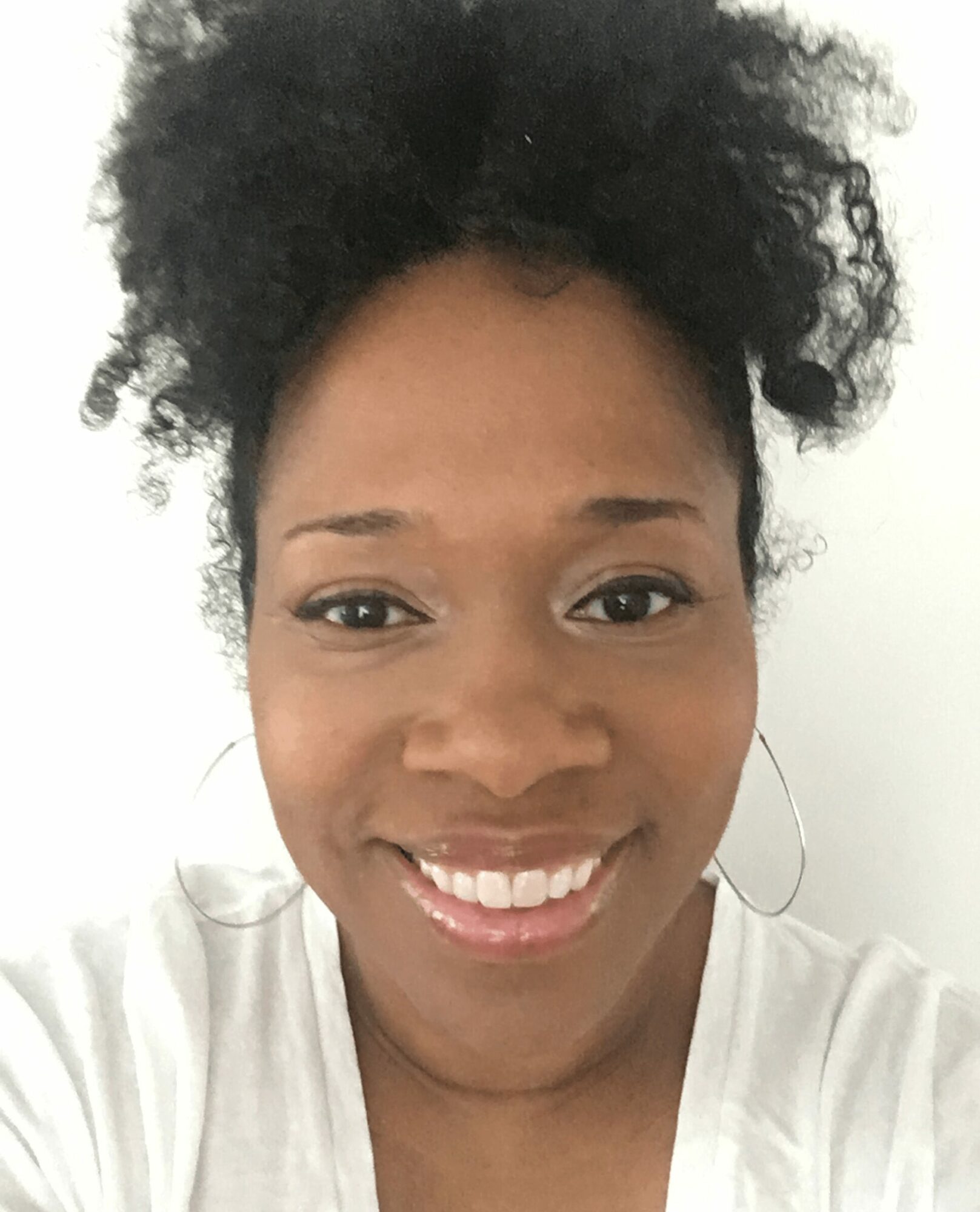
Today we’d like to introduce you to Donna Woodley.
Hi Donna, so excited to have you on the platform. So before we get into questions about your work-life, maybe you can bring our readers up to speed on your story and how you got to where you are today?
My exposure to art stems from a few influences. My Mother is an all-around creative. She turns any space into a beautiful palace, decorating our homes with art on the walls. She is also an amazing singer who is fashion-forward, and she exposed my sister and me to music when we were babies.
I made a couple of things in high school and college art classes that are etched in my brain as my artistic foundation. In high school, I made a red-and-blue heart with my name running through the middle on plexiglass. And in college, I made a ceramic elephant. I remember how much I enjoyed being in art class and making those objects.
Lastly, I worked as an accountant for many years. And while that profession will always be part of my story, I came to realize it was not my sole purpose. Searching for fulfillment in a career, I began studying fashion design independently and later enrolled in design school, where I took a drawing class — and unexpectedly discovered that I could draw. The joy and confidence I gained from that experience stayed with me. After continuing in accounting for several more years, I was laid off in December 2009. That moment, combined with the impact of that drawing class, became the catalyst for change. In January 2010, I returned to Tennessee State University to earn a second undergraduate degree in studio art and later completed my MFA. While career changes are not easy by any means, my journey is a small sacrifice that led to personal growth, self-discovery, and becoming my authentic self.
Since then, I have grown through roles as an adjunct instructor, visiting assistant professor, full-time instructor, and now Interim Director of the Hiram Van Gordon Memorial Gallery at TSU, all while cultivating an active studio practice. I am deeply grateful for my family and friends’ support, the mentorship I’ve received, and the encouragement from my community, which have been essential to both my journey and success.
Alright, so let’s dig a little deeper into the story – has it been an easy path overall and if not, what were the challenges you’ve had to overcome?
It has not been a smooth road, but it has been a deeply meaningful journey. Transitioning from a stable career in accounting to the uncertainty of significance in the arts required activating my faith, unwavering persistence, and resilience — especially returning to school as a nontraditional student and navigating financial, emotional, and professional challenges along the way. Currently, there are many ways to earn money while attending school, but those opportunities were few and far between during my career transition. Hybrid and remote jobs were barely a thing, and working in corporate was not as flexible as it is today. There were moments of doubt, rejection, and exhaustion, as well as the vulnerability that comes with starting over. But once I saw the possibilities, I was consistently prayerful, hopeful, and driven.
Each challenge in my journey has sharpened my purpose and strengthened my commitment to the work. The support of family, friends, mentors, peers, and community still carries me through moments when progress feels slow, unclear, and those struggles continue to cultivate my passion for creativity and art.
Can you tell our readers more about what you do and what you think sets you apart from others?
I’m Donna Woodley. I’m a visual artist, educator, and curator. I’m a dedicated creative voice, and I make art to amplify narratives that engage viewers in dialogue. As an educator, I bring my passion for visual art into the classroom, guiding students to discover their own creative voices while grounding them in strong foundational practices. I also serve as a curator, where my curatorial vision fosters thought-provoking exhibitions. I’m committed to highlighting impactful artistic perspectives, particularly within academic and community spaces, and creating platforms that showcase the breadth of talent discovered through searching for artists whose work tells heartfelt stories. Through my practice, I bridge these roles with a commitment to excellence and advocacy.
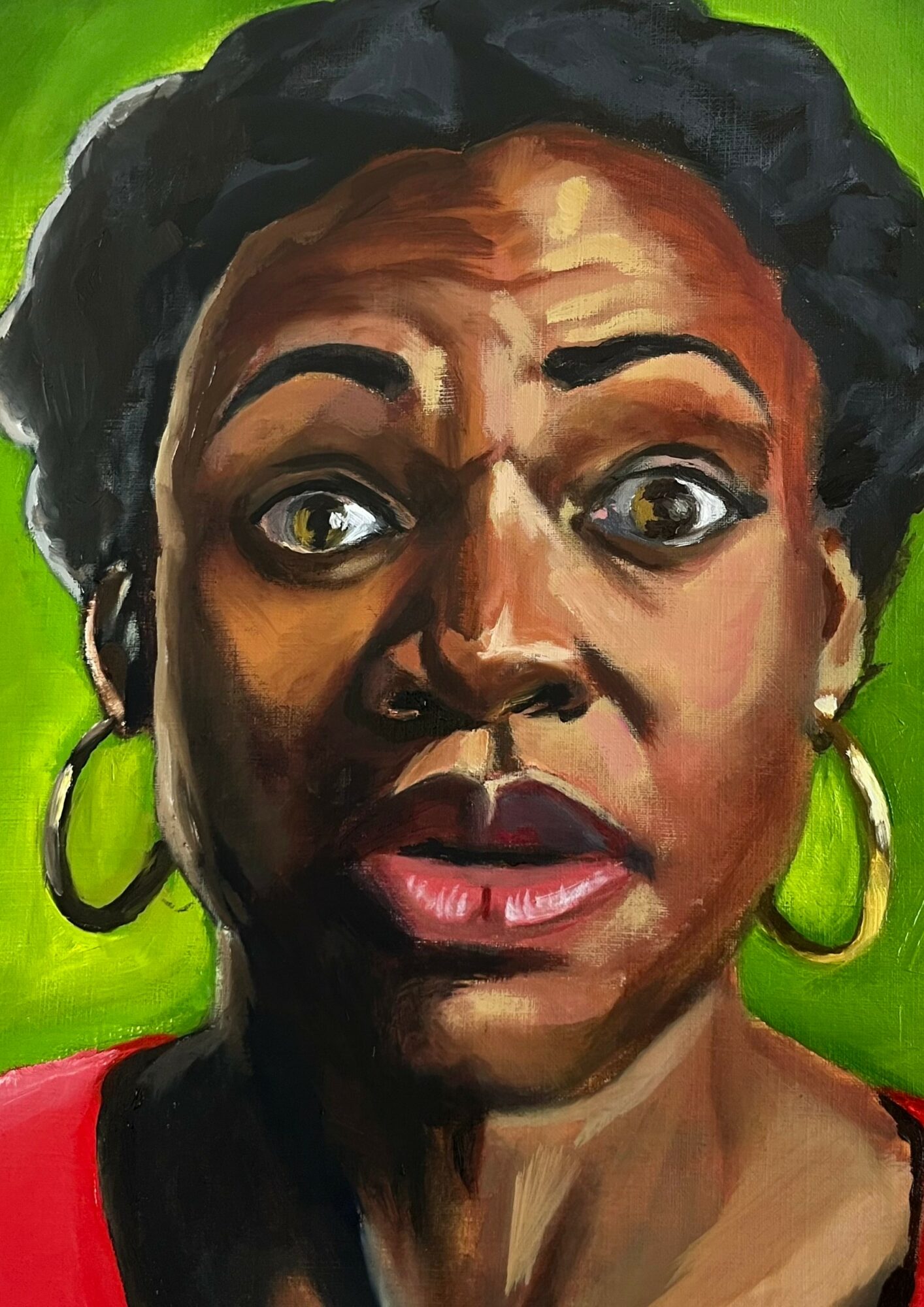
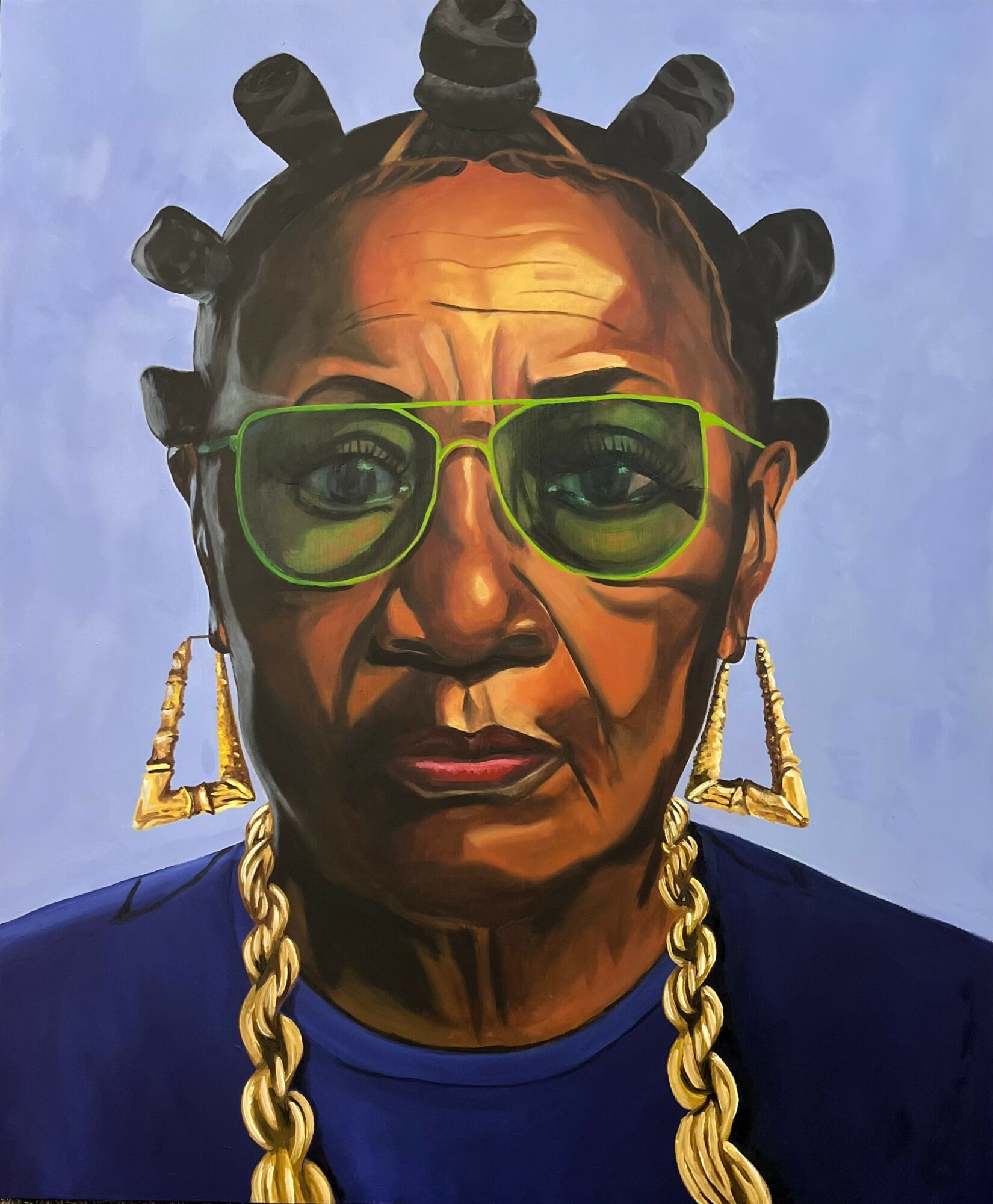
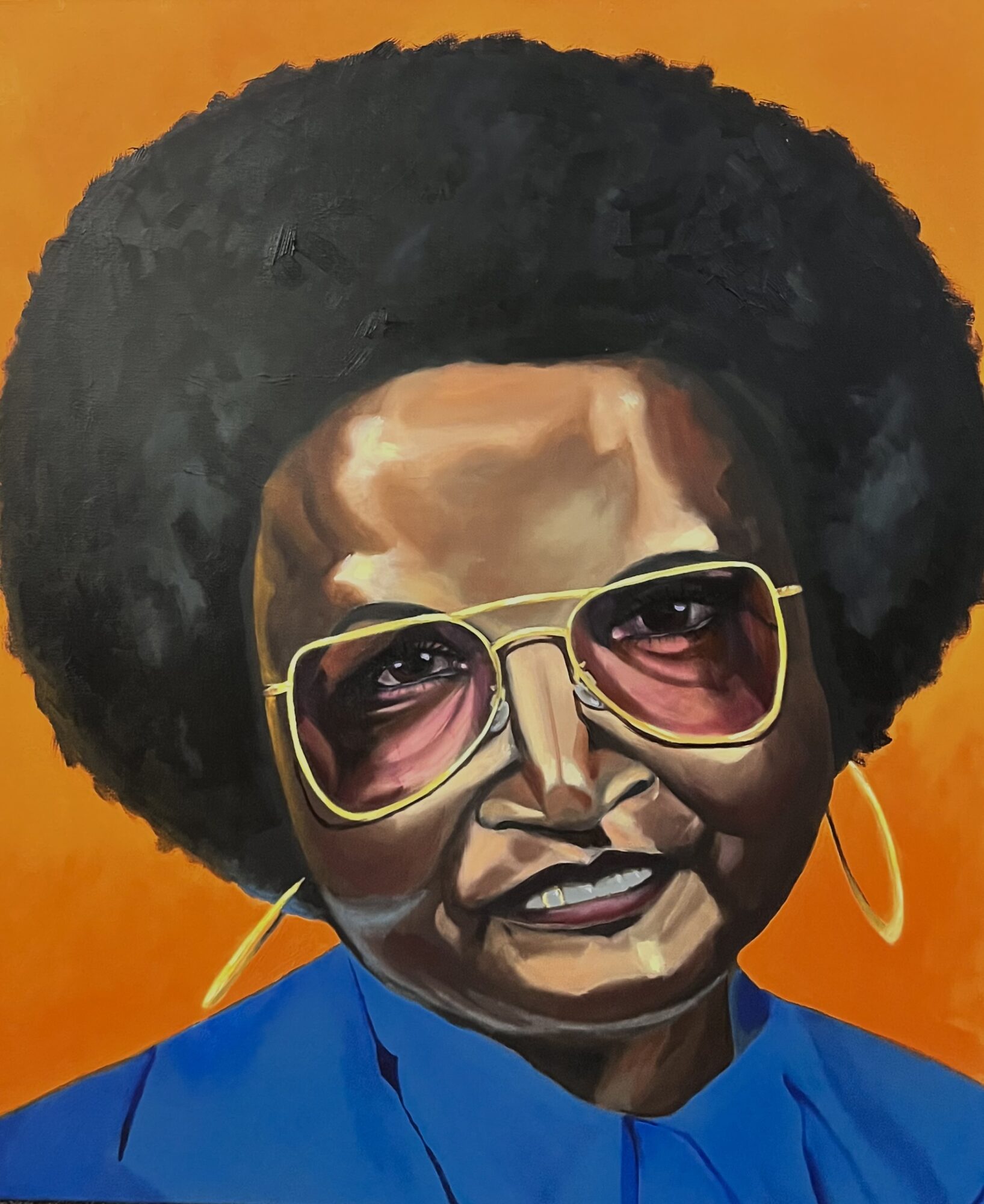
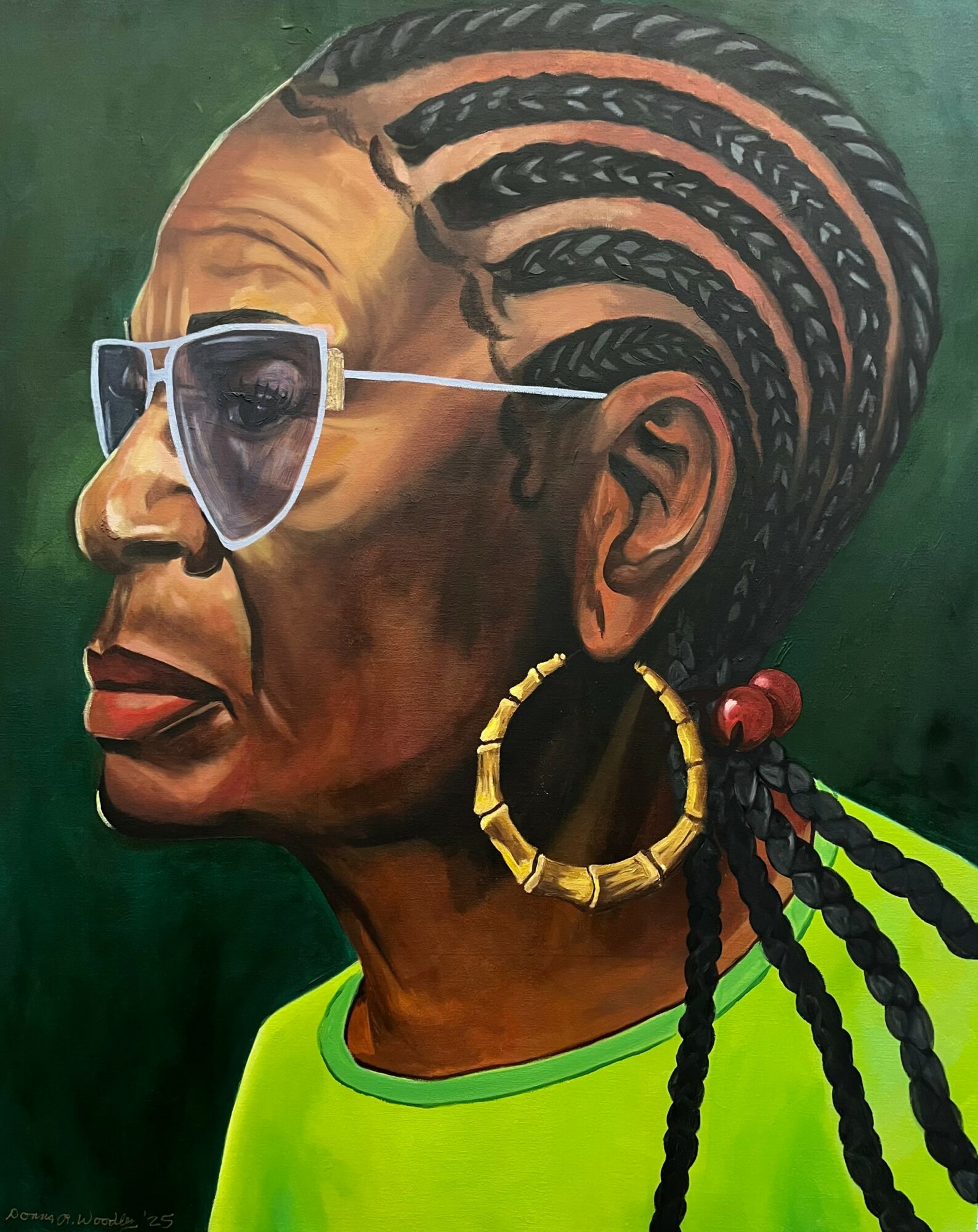
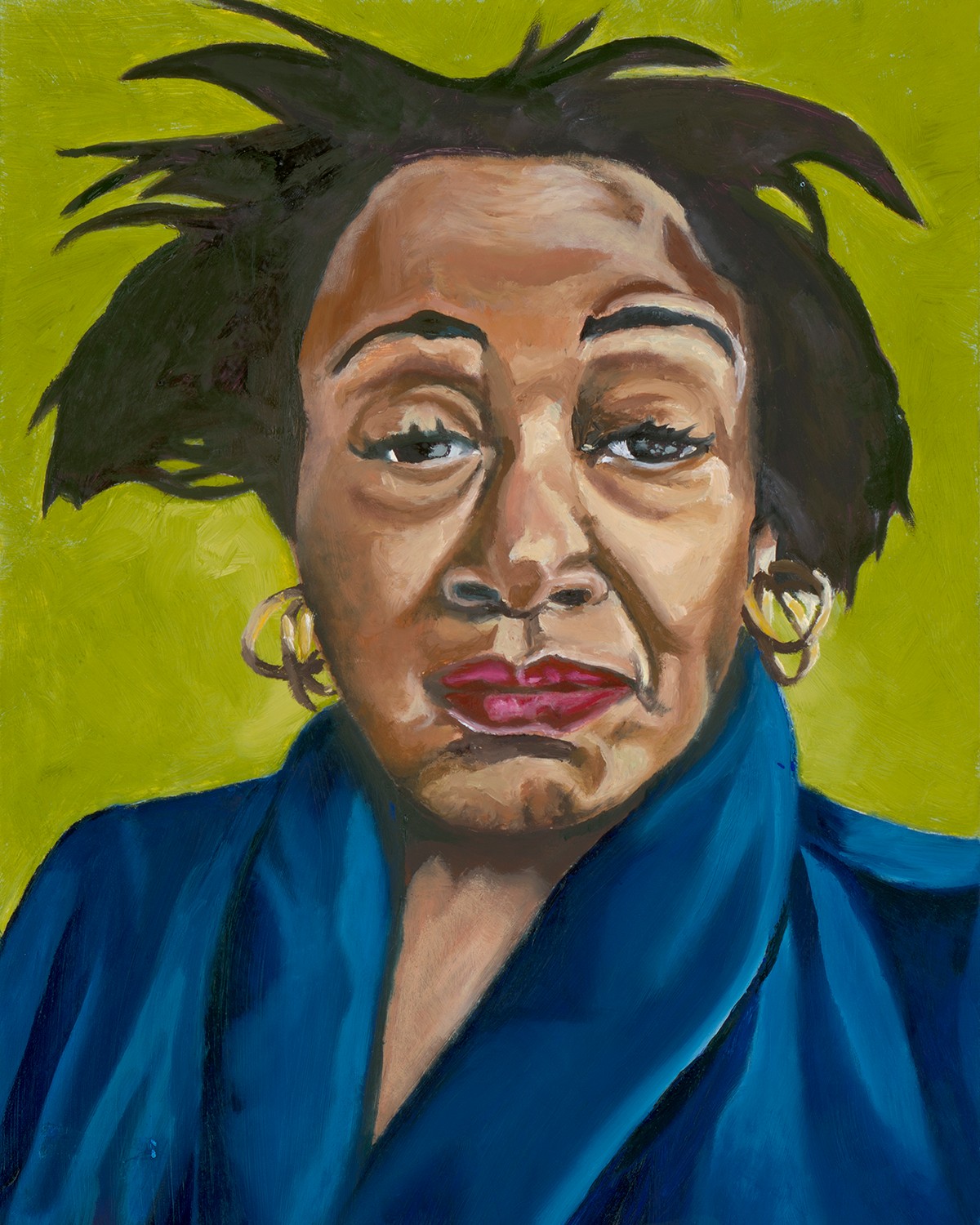
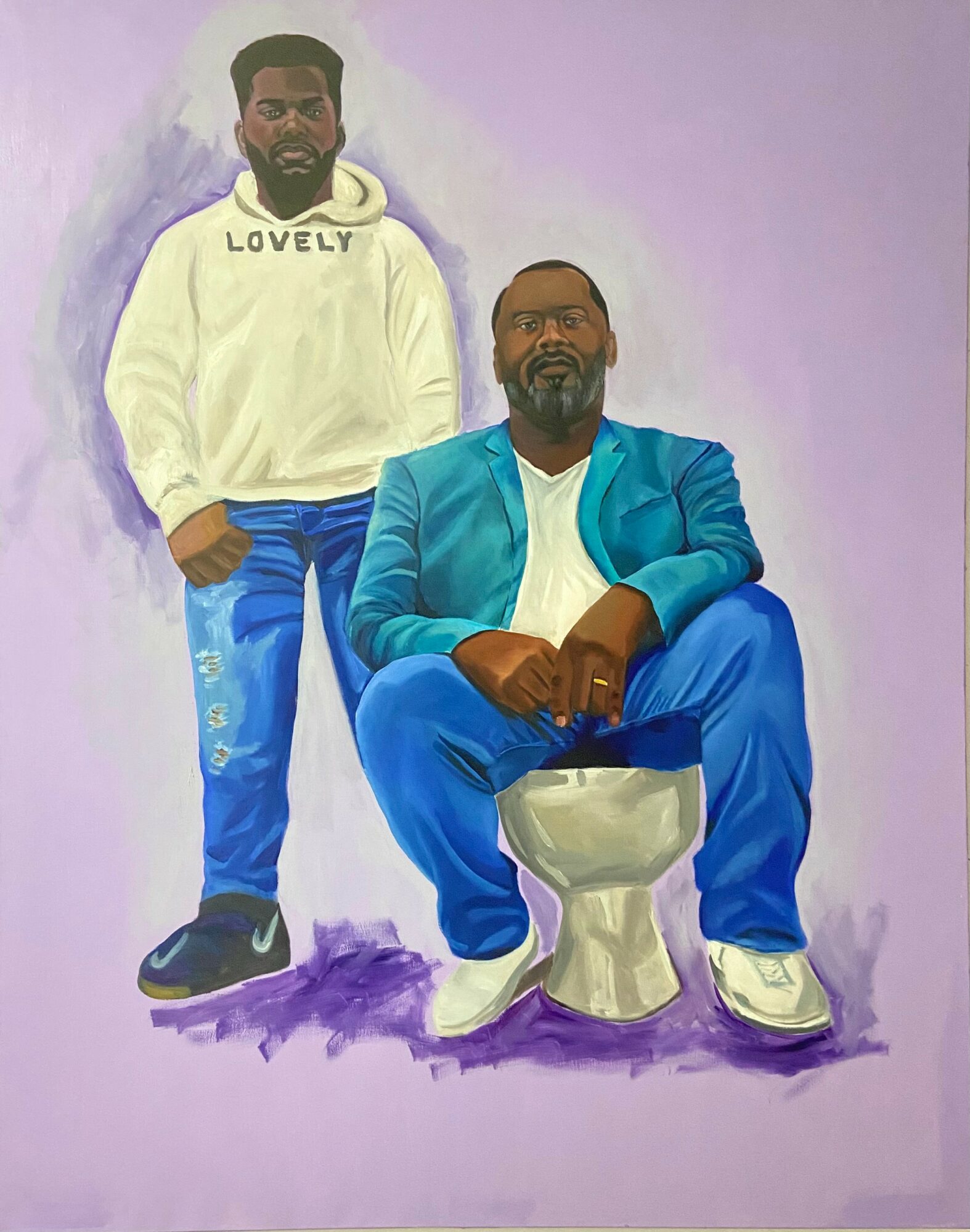
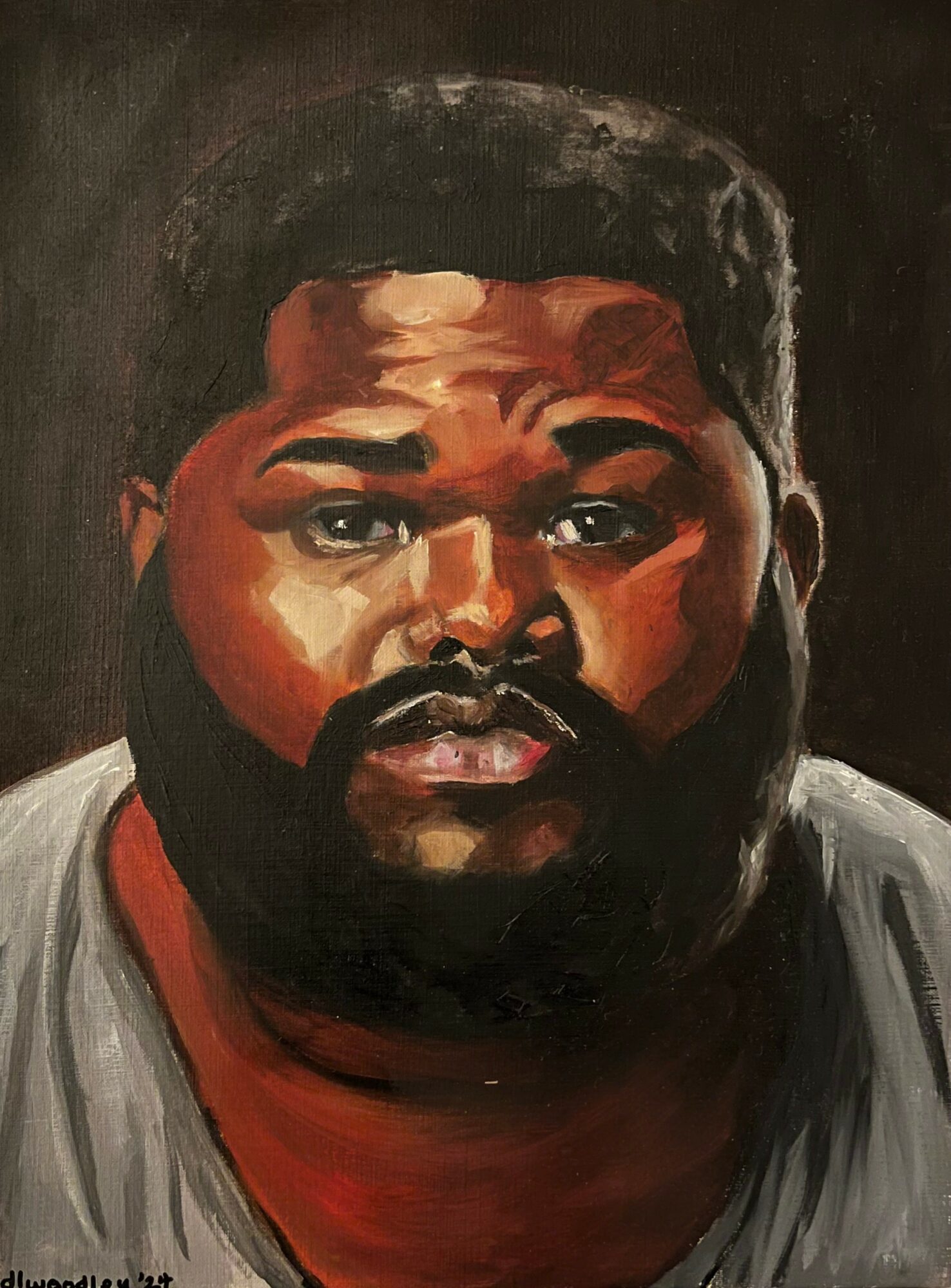
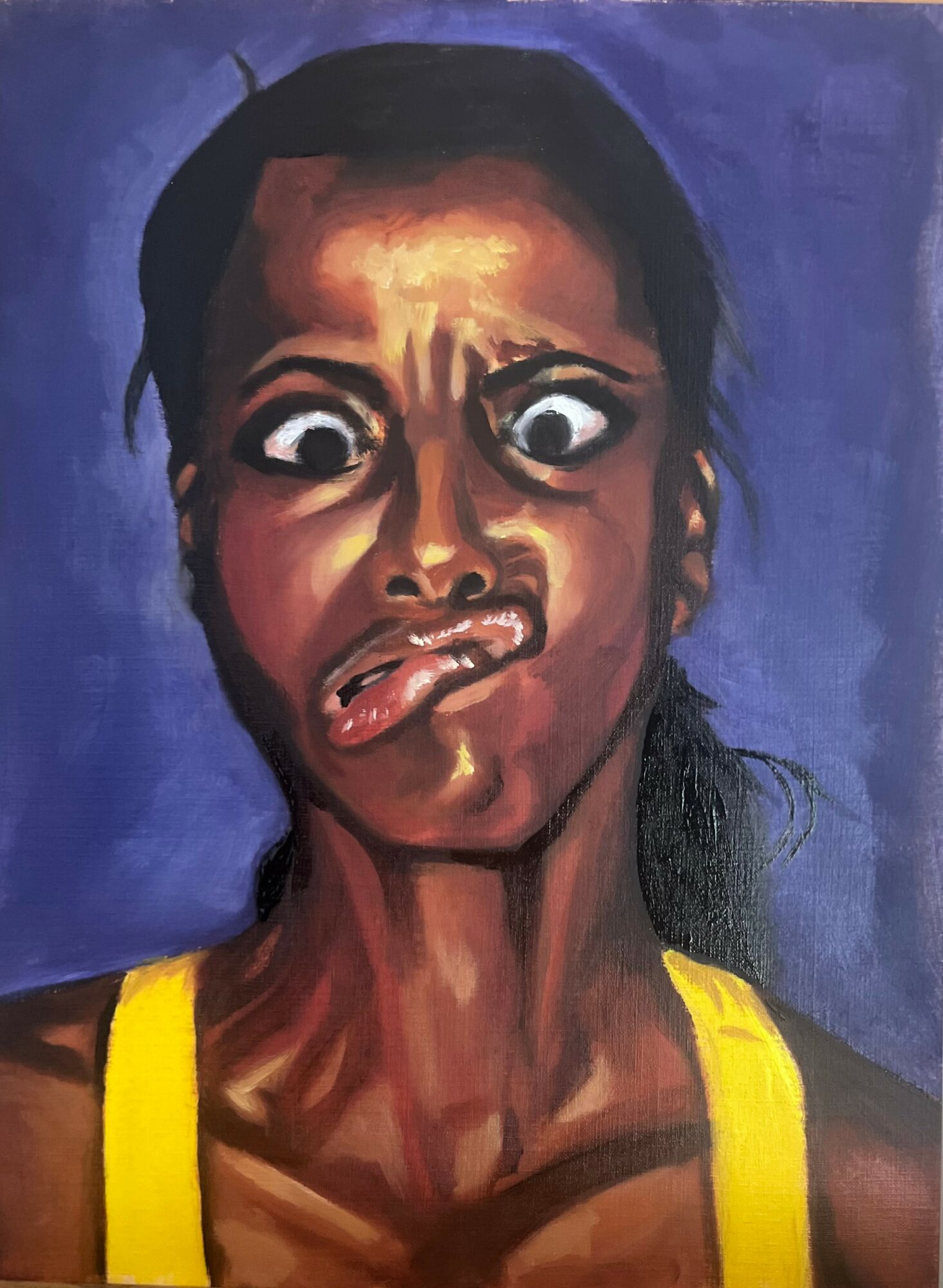
My work centers on the Black experience — celebrating it, honoring it, and engaging its complexity. I often enlist people I know, including myself, as subjects, allowing me to explore emotion, intimacy, and connection while challenging how the figure is rendered. Through the use of metaphorical symbols in my paintings, I address contemporary themes with subtle humor, creating space for dialogue around stereotypes, cultural similarities and differences, beauty standards, mental health, and self-esteem.
Currently, my paintings investigate abstract ideas of realism and the intersection of popular culture and Black culture. Some works engage the viewer through direct gaze, while other works confront themes of mortality, mental health, and Black history. I want viewers to feel compelled to approach the work. The true reward is when they linger, react, and leave having felt something.
I’m proud that my work resonates with people. I consider that a blessing.
I fearlessly blend humor and tenderness to explore the Black experience with both intimacy and complexity. I believe my work is unique and balances emotional depth with accessibility, using everyday symbols — such as granny panties and toilets — as powerful metaphors that disarm viewers while inviting deeper reflection on identity, beauty, mental health, history, and healing.
Any advice for finding a mentor or networking in general?
My advice is to actively engage in the art community. Attend exhibitions, openings, and events at museums and galleries, and take the time to connect with people. Use the internet to explore opportunities by searching terms like “nonprofit art organizations,” “visual artist residencies,” or “artist mentorship programs.” Be willing to share your work and speak about it with confidence — people truly want to see and hear what you’re creating. These are the strategies that have served me well.
Contact Info:
- Website: https://donnawoodley.com
- Instagram: @donnawoodleyart
- Youtube: @professordonna