





Today we’d like to introduce you to Emma Delane Singleton.
Hi Emma Delane, please kick things off for us with an introduction to yourself and your story.
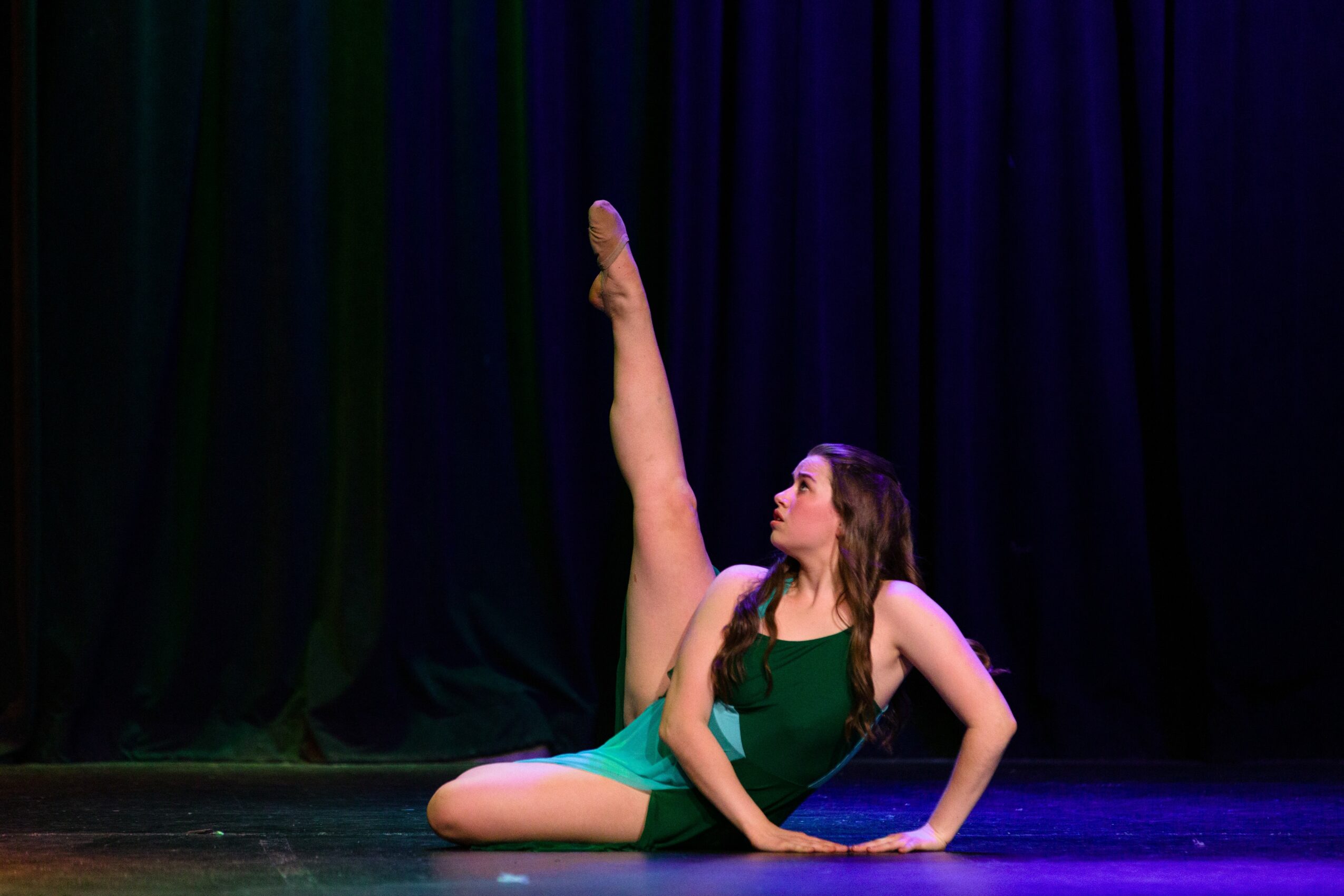
I think a part of me has always loved performing. It’s what my grandparents did, my mom is very musical, and my dad is a creative, too. I started dancing when I was two, but it wasn’t until I was ten that I knew I wanted to do musical theatre. Until then, all I wanted to be was an Olympic soccer player! But then I saw my friend in a production, and I thought, “that looks like fun”. I haven’t stopped since. I did show after show after show, and it just sort of organically became my world. It wasn’t serious in the beginning – it was a chance to hang out with my friends and dance a little more. But now, it’s what I want to do with my life.
I feel like I’ve learned and grown so much in the past six years, and I know there’s a lot more learning and growth down the road.
Can you talk to us a bit about the challenges and lessons you’ve learned along the way. Looking back would you say it’s been easy or smooth in retrospect?
Performing can be really mentally challenging. Actors are told “no” a million more times than “yes”. For me, it’s always had something to do with age. I tend to play a little older than I am, and that has gotten me into a lot of auditions and callbacks – all of which I am very grateful for – but rarely has it gotten me a job. There’s actually a name for it in the industry – “the dead zone”. It happens when an actor looks too grown up to play a younger role, but won’t be hired to play a character their own age. It can be really, really discouraging. You think to yourself, “but why don’t you want me NOW?” Not a great feeling.
Also, since COVID, the majority of auditions for TV/film and even lots of stage work are virtual. Casting is mainly done via self tapes. Basically you get sent some material, film yourself reading the lines or singing the song, and you send it back. It is AWFUL! You would think it’s a luxury to be able to audition over and over until it’s perfect. Except, it’ll never be perfect. You do another take, then another, and another, and you keep listening to yourself make mistakes. It’s a self-critic’s worst nightmare. I think I’ve gotten a little better with it the past couple of years. I just have to take a deep breath and try not to be too hard on myself.
Thanks – so what else should our readers know about your work and what you’re currently focused on?
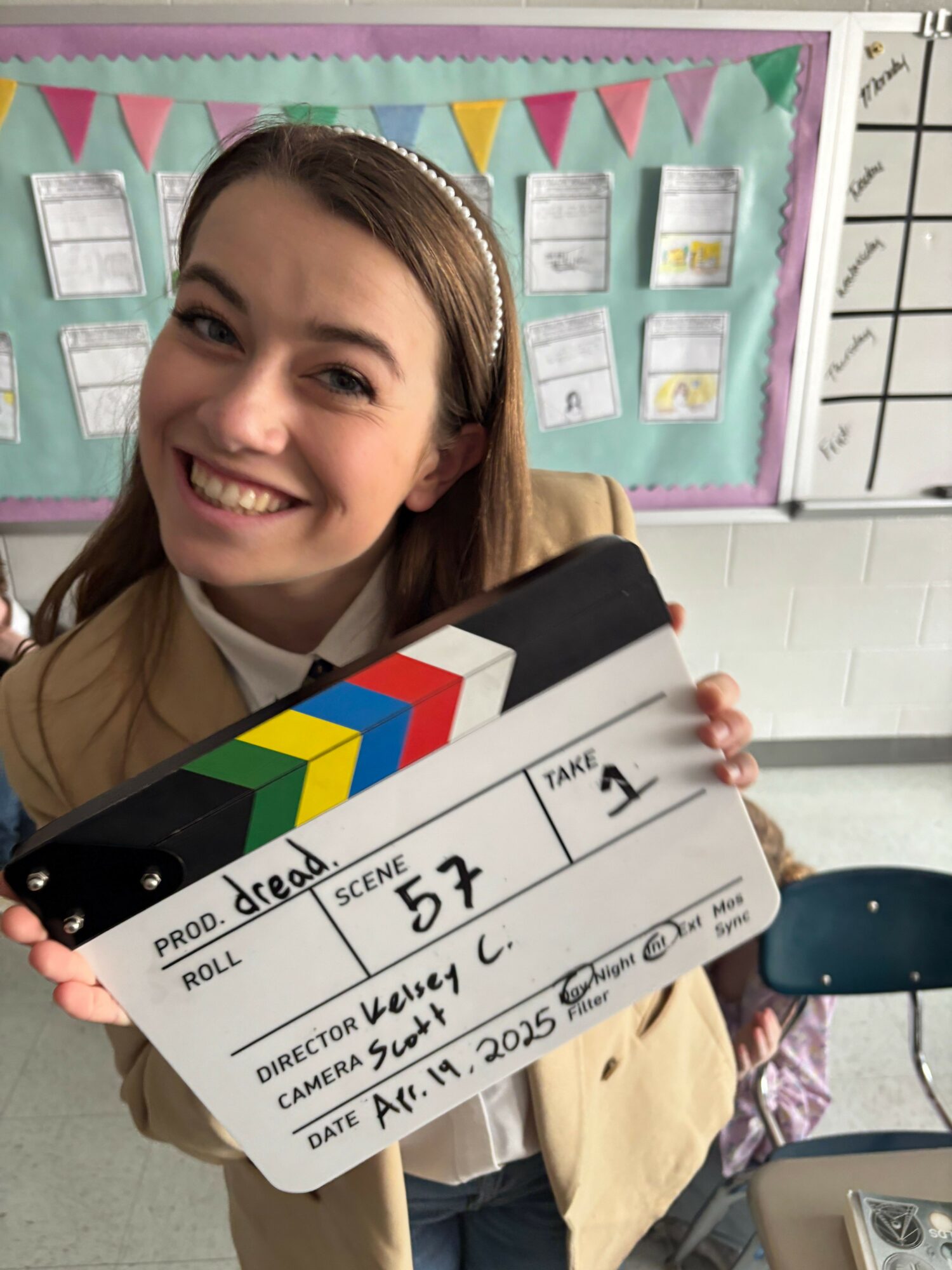
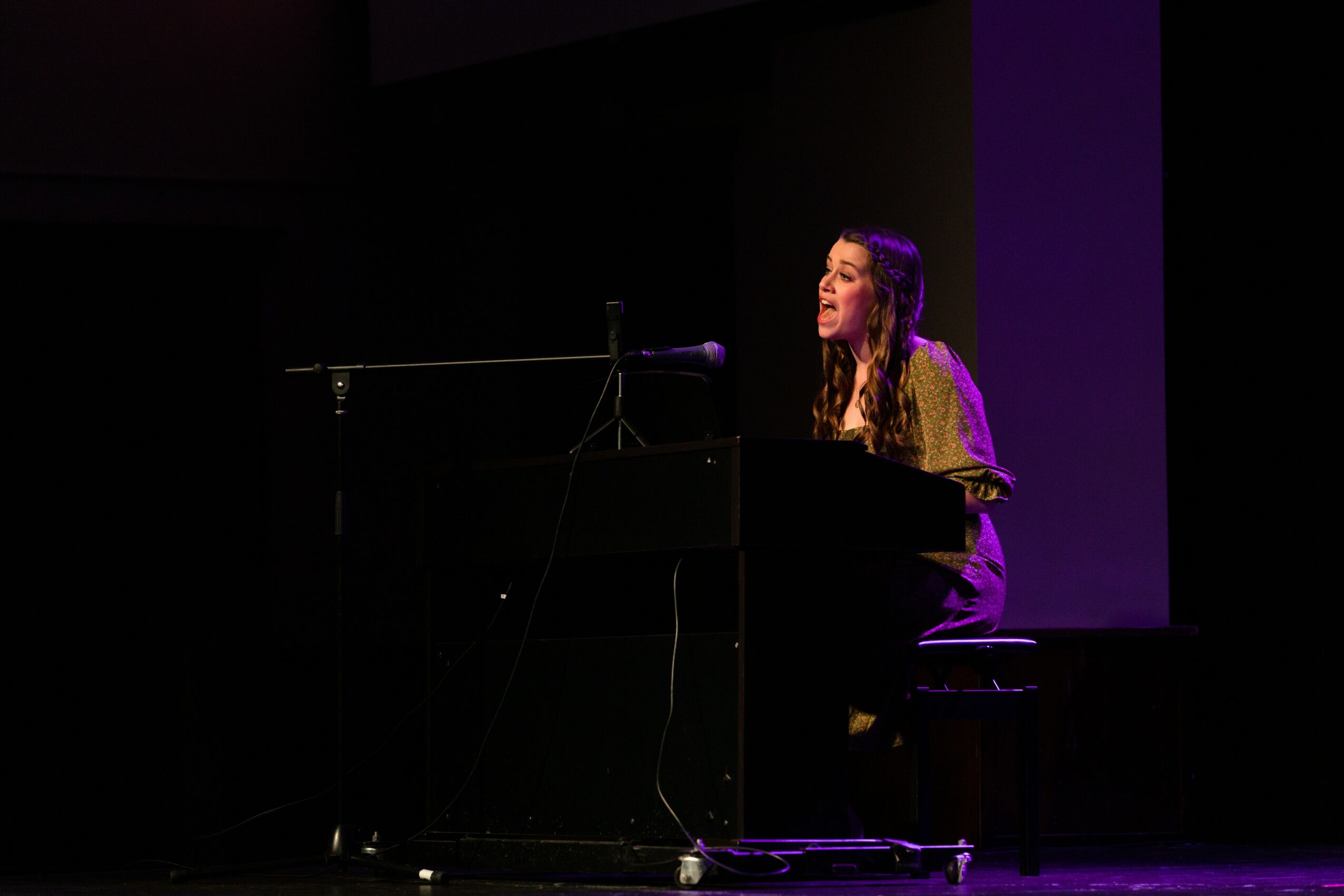
I am primarily a theatre artist. I do musical and straight theatre, as well as some TV/film. I also write my own work – plays, musicals, short films, songs, etc.
I am proud of this work, and I love exploring the different colors of my creativity. I try not to limit myself, while also focusing on what it is I want to pursue.
One thing I think sets me apart is what I like to call “storyteller first”. Performers are often encouraged to know whether they are an “actor first”, “singer first”, or “dancer first” – whichever they’re most skilled at. This is a concept I’ve thought a lot about. For a while I didn’t know what I wanted my “first” to be. But something I’ve learned from many mentors is that it doesn’t really matter. Regardless of technique and experience, our job as artists is to be a storyteller. To tell the story. Period. A good dancer could do twenty pirouettes across the stage, but if they didn’t make you – the audience – FEEL something, they didn’t do their job. A good singer could belt a high C all day, but if there’s no story behind it, they aren’t really saying anything.
The phrase “storyteller first” just reminds me that I have to value the story I’m telling over everything else. As one of my teachers likes to say, if I’m not “enabling empathy” in the audience, I’m not doing it right.
Is there any advice you’d like to share with our readers who might just be starting out?
You have to love it. You have to really love it, or else it’s simply not worth it.
Another thing – try not to let anyone tell you how to process everything. If you bomb an audition, be mad at yourself for a second. Sit in the frustration and let it push you to prepare more in the future. If you don’t get the part, cry about it. Be sad. Eat ice cream. Don’t dwell on it, and don’t blame yourself, but allow yourself to feel that loss. That will motivate you, too.
On the flip side, when you kill it at callbacks, or when you finally book that job, you better celebrate!! Treat yourself. Be proud of yourself. You worked hard and it paid off.
Your mind, heart, and body will always tell you what it needs. Listen to it!
Contact Info:
- Instagram: emmadelane_
- Youtube: @emmadelane2940