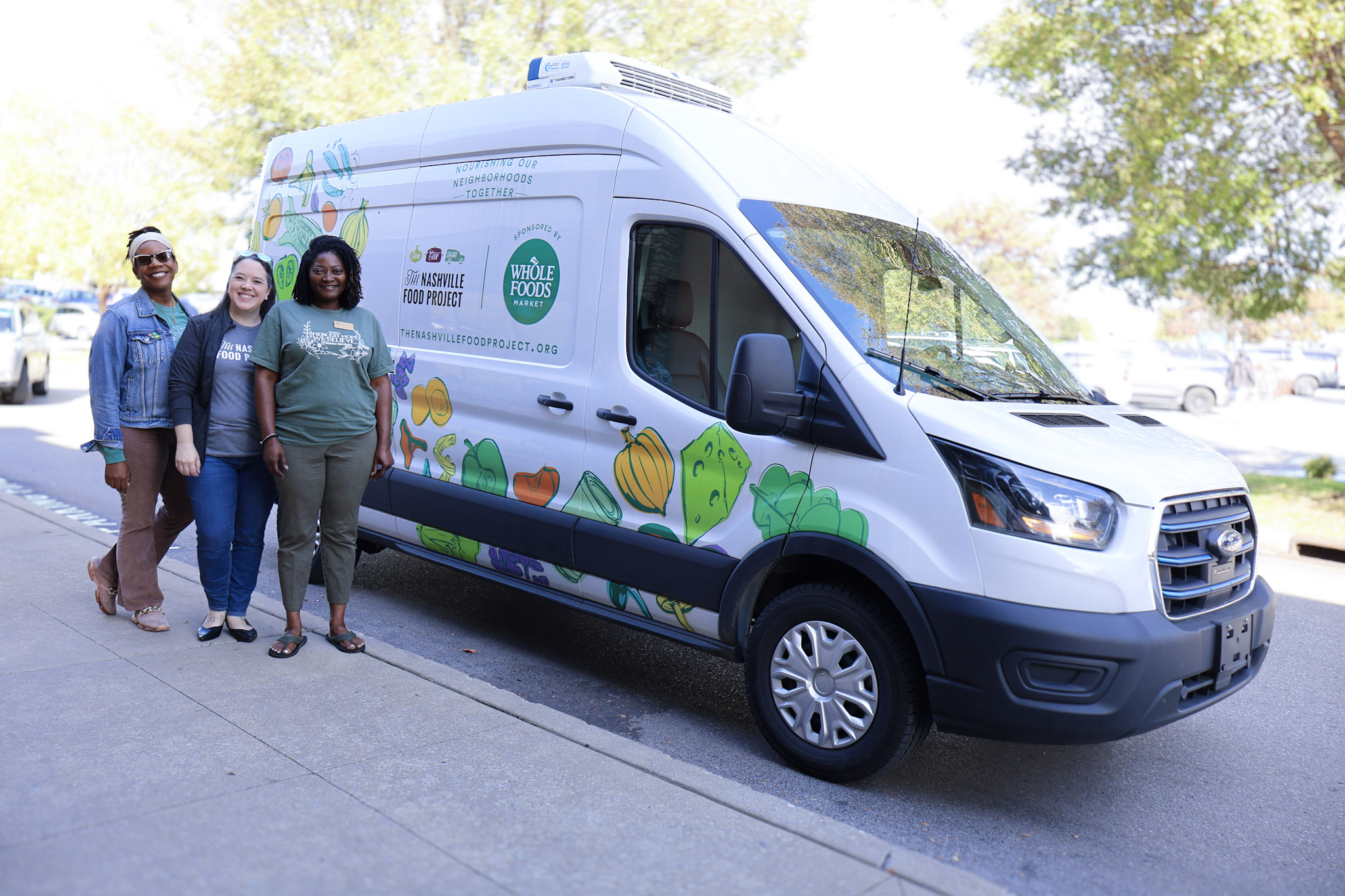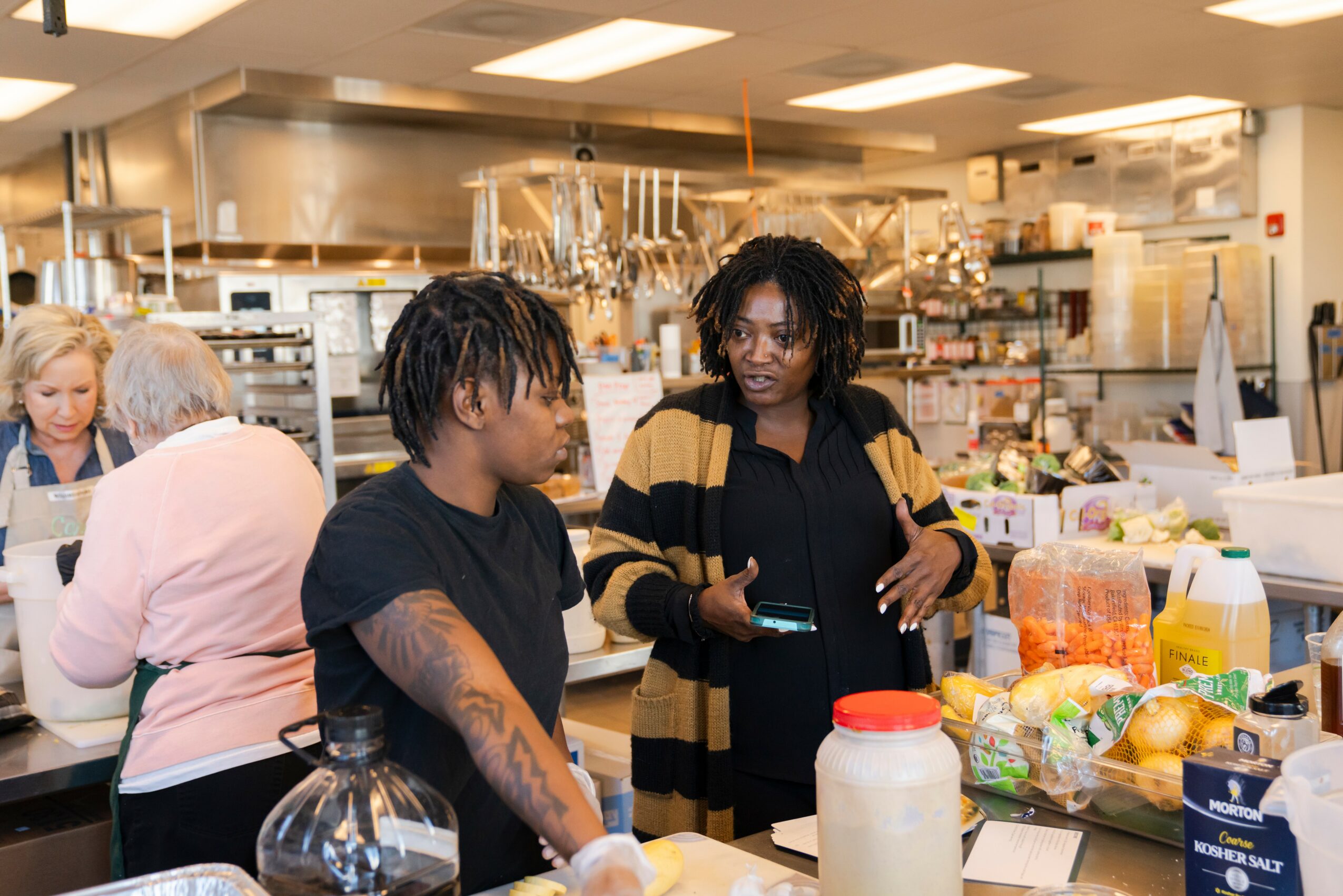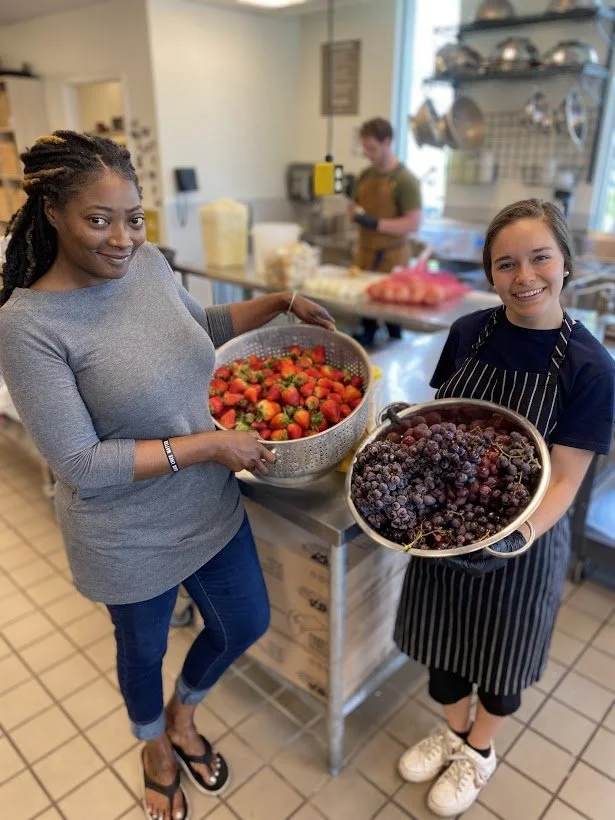





Today we’d like to introduce you to Bianca Morton.
Hi Bianca, we’d love for you to start by introducing yourself.
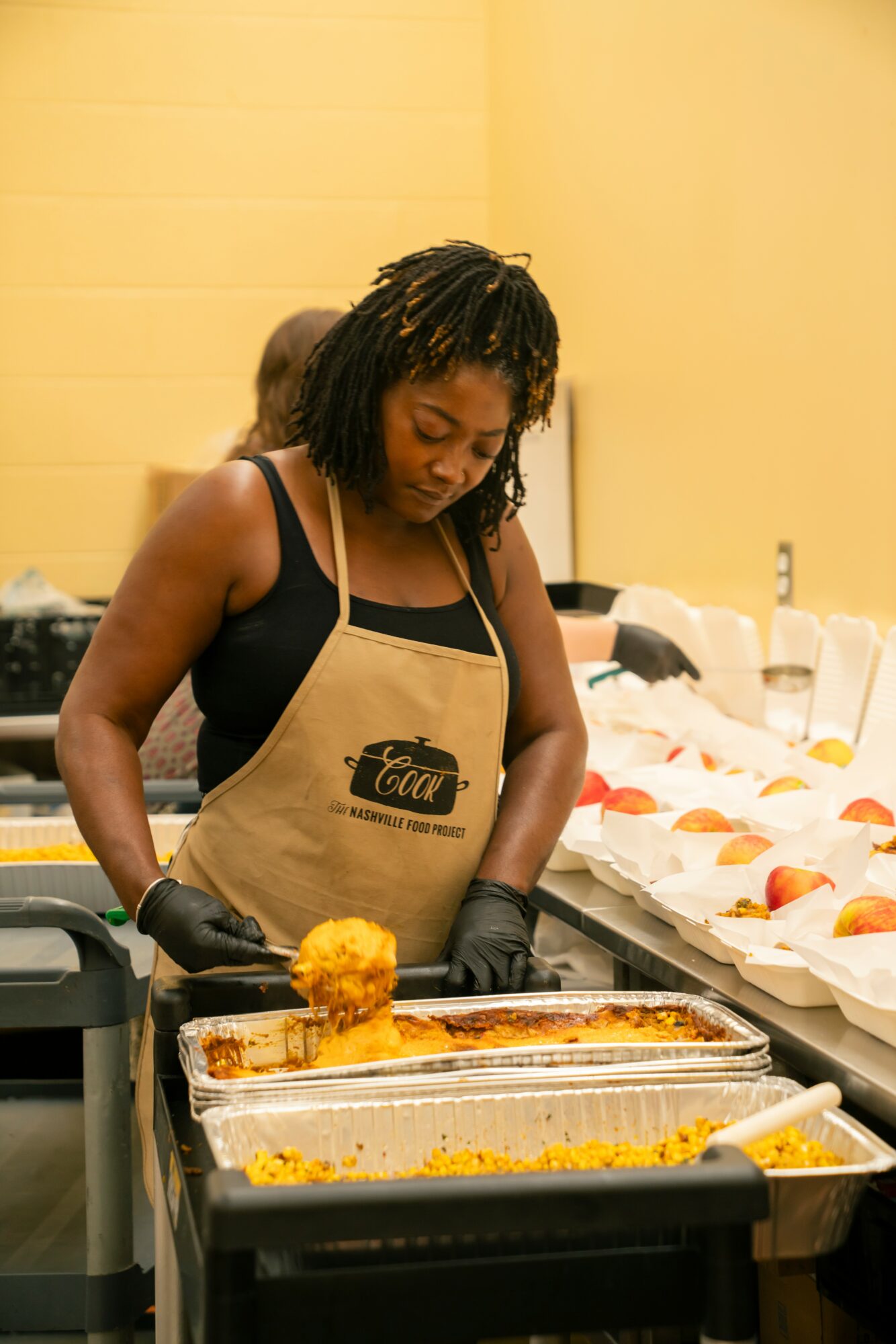
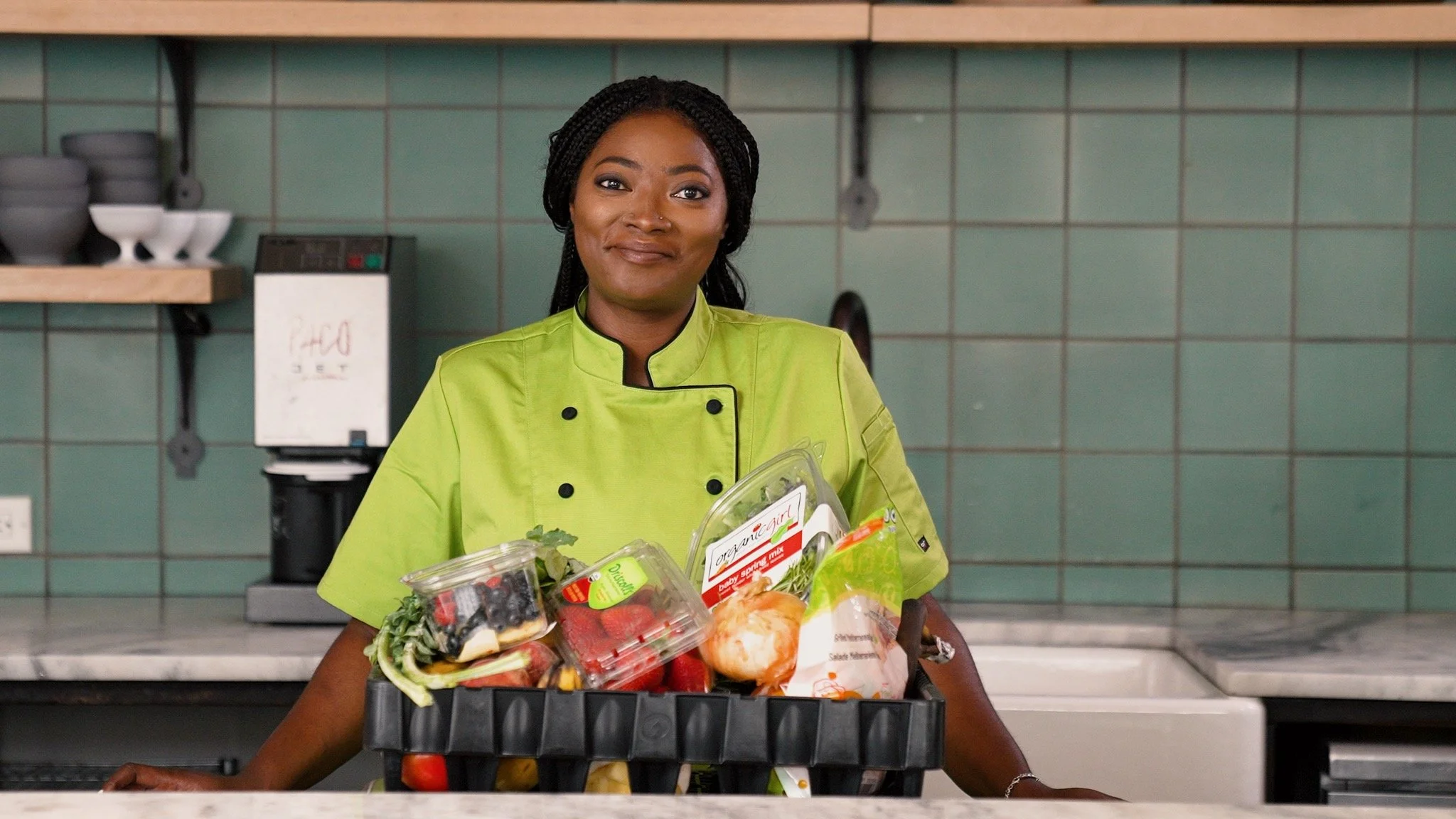
Today, as Chief Culinary Officer, Bianca leads a team that produces more than a thousand meals each day for partners across the city. Her focus is not just on food, but on creating systems that work, supporting staff and volunteers, and ensuring that every meal reflects respect for the people who will receive it. At The Nashville Food Project, food is not about pretense or labels. It is about nourishment, consistency, and community.
That clarity comes from a lifetime of sharing food. Long before Bianca ever stepped into a professional kitchen or joined The Nashville Food Project, cooking was how she showed care and built connection. A Nashville native, she baked her step-grandmother’s pound cake for birthdays throughout middle and high school, bringing it to school to slice and share all day. She cooked for her family most nights and arrived the next day with leftovers, often enough to feed several classmates. Food was how she processed joy, stress, and struggle, and how she showed up for others.
Bianca’s curiosity about food started early. While an Easy Bake Oven went untouched, she waited for quiet Wednesday nights when her mom was out and taught herself to bake using a Betty Crocker cookbook. When her mother eventually caught her, the response was not punishment but invitation. A trip to the grocery store became a lesson in watching, learning, and cooking together, helping set Bianca on her path.
After graduating from MLK Magnet High School, Bianca attended culinary school in Atlanta, taking on a double course load, graduating early, and working full time as a dining coordinator in a retirement community. She later worked in convention centers and hotels, gaining experience in fast-paced, high-volume kitchens that demanded discipline, efficiency, and resilience.
Bianca joined The Nashville Food Project in 2018 during a pivotal moment of growth. As we prepared to move into a new building with a commercial kitchen, she became the organization’s first staff member with a formal culinary degree. Together with the team, she helped build the systems that allowed meal production to scale dramatically while holding fast to quality, care, and dignity.
Bianca often shares that she grew up in a food desert and did not encounter many of the foods she now cooks until later in life. That experience continues to shape her leadership. Through The Nashville Food Project, she helps introduce kids and families to foods they may not have had access to before, in ways that feel familiar, welcoming, and rooted in respect.
For Bianca, this work is not just a role. It is a continuation of a life shaped by sharing food. At The Nashville Food Project, her skills, values, and lived experience come together to ensure that good food is not off-limits, and that community is built one meal at a time.
Can you talk to us a bit about the challenges and lessons you’ve learned along the way. Looking back would you say it’s been easy or smooth in retrospect?
It has not been a smooth road, though Bianca would likely say that the challenges are what shaped her into the leader she is today.
She came up in an industry that is fast-paced, male-dominated, and often unforgiving. Early in her career, survival meant being tough, moving quickly, and proving herself over and over again. Those environments taught her discipline and resilience, but they also left little room for vulnerability or care. Carrying that armor into a nonprofit kitchen took time to unlearn.
Joining The Nashville Food Project during a period of rapid growth brought its own challenges. Bianca helped lead the transition from cooking dozens of meals at a time to producing thousands each week, all while building systems from the ground up in a new facility. Scaling production without losing quality, consistency, or dignity required patience, creativity, and trust. It also required learning how to lead people in a mission-driven space, where the work is not just about output, but about impact and relationships.
There were personal challenges as well. Bianca grew up in a food desert, and stepping into a leadership role centered on food access brought those lived experiences close to the surface. Holding the weight of that reality while staying focused on solutions was not always easy, but it deepened her commitment to ensuring that good food is not treated as a luxury.
Perhaps one of the biggest challenges was learning to soften without losing strength. At The Nashville Food Project, Bianca found a culture that values humanity alongside excellence. Learning that it was okay to smile, to be fully herself, and to lead with openness took time. It also made her a stronger leader.
The obstacles along the way were real, but they helped clarify what matters. Today, Bianca leads with intention, steadiness, and care, building systems that last and a kitchen culture rooted in respect, belonging, and nourishment for all.
Thanks for sharing that. So, maybe next you can tell us a bit more about your work?
What sets Bianca and The Nashville Food Project apart is the way food is treated as a relationship rather than a transaction. Meals are not an afterthought or a box to check. They are central to how we practice hospitality, stewardship, and interdependence. Bianca’s leadership helps ensure that every meal reflects those values, whether it is served to seniors, families, youth programs, or neighbors experiencing housing instability.
What she is most proud of is not a single dish or milestone, but the team and culture that have grown alongside the work. Under her leadership, the kitchen is a place where people are trusted, supported, and invited to bring their whole selves to the work. It is a space where good food becomes a doorway to dignity, consistency, and community.
Through Bianca’s work, The Nashville Food Project continues to demonstrate that nourishment is about more than calories. It is about care, access, and the belief that everyone deserves food they need and want, prepared with intention and shared in community.
Alright so before we go can you talk to us a bit about how people can work with you, collaborate with you or support you?
The work Bianca leads has always been rooted in relationship, so collaboration usually starts with people showing up and getting curious.
For some, that means working together on big-picture change. The Nashville Food Project brings neighbors, nonprofits, health partners, and civic leaders into shared conversations about how food access works in our city and how it can work better. These collaborations look like listening sessions, pilot programs, and long-term efforts to connect food with health, housing, and opportunity. The goal is not quick fixes, but steady, community-informed solutions.
Others get involved through growing food. Sharing land, supporting gardens, or helping expand urban agriculture creates space for people to grow food together, learn from one another, and increase access to ingredients that feel familiar and culturally meaningful. These growing spaces are about more than produce. They are about belonging.
Many partners come alongside the work through meals and food recovery. Grocers, farmers, and organizations help redirect good food that might otherwise go to waste, while community partners help ensure those meals reach people who rely on them. It is a shared effort that turns abundance into nourishment.
There are also ways to collaborate through learning and storytelling. Community conversations, shared meals, and public events invite people to reflect on their own relationship with food and imagine what a more just food system could look like. Artists, educators, and storytellers play an important role in helping those stories travel.
Some people support the work through financial or in-kind gifts, helping sustain the kitchens, gardens, and people who make the work possible. Others offer their time by cooking, gardening, delivering meals, or lending professional skills behind the scenes.
For anyone wondering where to begin, the best step is a simple one. Come visit. Take a tour. Sit at the table. Once you see how the work happens, it becomes easier to find your place in it.
Contact Info:
- Website: https://www.thenashvillefoodproject.org/
- Instagram: https://www.instagram.com/thenashvillefoodproject/?hl=en
- Facebook: https://www.facebook.com/thenashvillefoodproject/
- LinkedIn: https://www.linkedin.com/company/the-nashville-food-project/
- Youtube: https://www.youtube.com/@thenashvillefoodproject