



Today we’d like to introduce you to Cash Daniels.
Hi Cash, please kick things off for us with an introduction to yourself and your story.
My conservation journey really began when I was seven years old with something most people probably wouldn’t think twice about—a plastic straw on the beach. I remember seeing it and wondering where it would end up if no one picked it up. That small moment sparked my curiosity, and when I got home, I started researching pollution and eventually the Tennessee River. I learned how important the river is to our communities and wildlife, but I also began to understand the challenges it faces from pollution and waste. I knew I wanted to do something about it. What started with that one straw grew into organizing river cleanups, removing thousands of pounds of trash, creating fishing-line recycling efforts, and finding ways to involve other young people. As my work expanded, I realized conservation couldn’t stop at cleaning up what was already there. Lasting change also meant prevention, education, advocacy, and working with government officials and community leaders to address environmental issues on a larger scale.
That straw was my “aha” moment, and even though I was only seven, it showed me that something incredibly small can lead to something much bigger. That idea still shapes my work today, especially my passion for educating the next generation. I want kids to understand the importance of protecting our natural resources, but I also want them to realize that their age doesn’t determine the value of their ideas or their ability to create change. That mission has taken me from hands-on conservation and working with government leaders to writing three children’s books that make conservation approachable and engaging for young readers. When I look back, it’s amazing to think that this entire journey can be traced to noticing one straw on a beach. It taught me a lesson I still carry with me: change often starts by paying attention, asking a question, and deciding to do something about the answer.
We all face challenges, but looking back would you describe it as a relatively smooth road?
It definitely hasn’t always been a smooth road. One of the biggest challenges I’ve faced has been my age. Starting this work at seven years old meant that I was often the youngest person in the room, and sometimes it was difficult to be taken seriously. As I became more involved in conservation and began approaching organizations, community leaders, and government officials, I had to learn how to speak up, ask questions, and prove that I understood the issues I was advocating for. There were times when opportunities simply weren’t designed for someone my age, or when I had to work harder to show that I wasn’t just a kid with an idea—I was committed to following through.
At the same time, my age sometimes became an unexpected advantage. People could see that I wasn’t doing this for a paycheck, a title, or recognition. Especially when I was younger, there really wasn’t anything for me to gain personally. I was showing up because I genuinely cared about the river, wildlife, and my community and wanted to help. I think people recognized that sincerity, and it opened doors and created relationships that might not have happened otherwise. Over time, I’ve learned not to view my age as something I have to overcome, but as part of what I bring to the table. It has taught me that credibility isn’t only about how old you are—it’s built through consistency, knowledge, generosity, and being willing to keep showing up for something you believe in.
Can you tell our readers more about what you do and what you think sets you apart from others?
My work really lives at the intersection of conservation, education, and advocacy. I’m known for my hands-on work protecting waterways and wildlife, particularly through river cleanups and fishing-line recycling, but a big part of what I specialize in is taking what I’ve learned and sharing it with others. Public speaking has become one of my favorite ways to do that. Whether I’m speaking with students, community members, conservation groups, or government leaders, I love being able to take an environmental issue and turn it into something people can connect with and feel empowered to act on. I’ve also written three children’s books because I believe conservation education has to start early. I’m especially proud that my work doesn’t exist in just one space. I can be out doing the physical work, speaking about the issues, working with leaders, and then finding ways to bring those same lessons to kids.
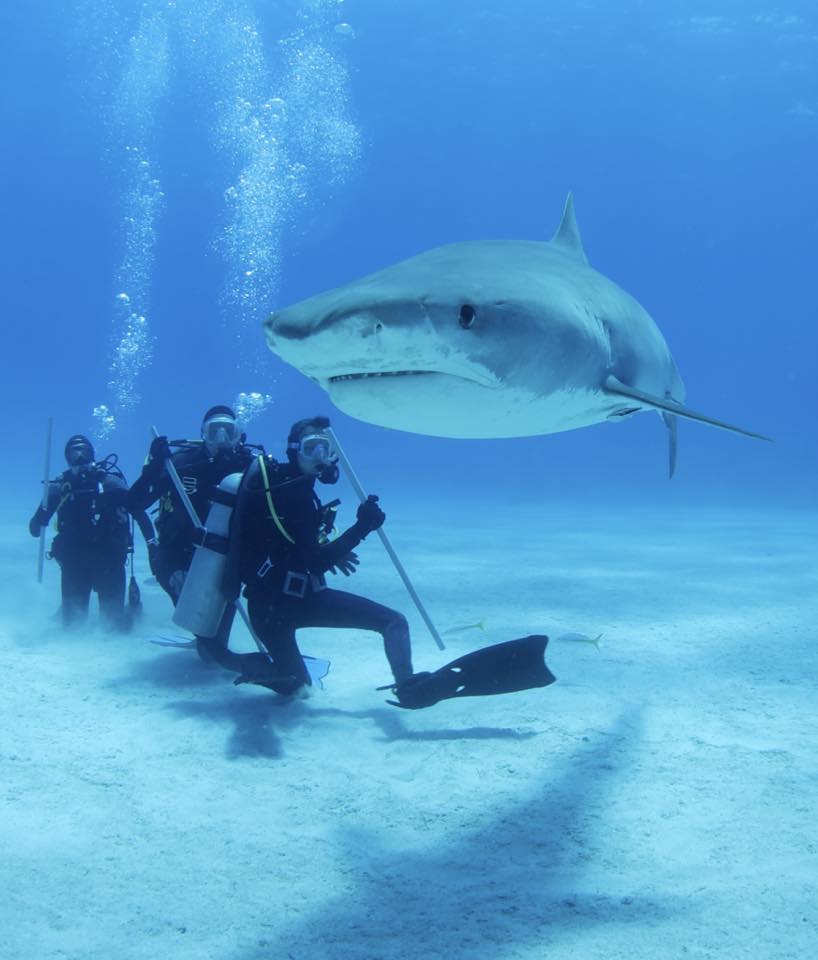
One thing that definitely sets me apart is that I genuinely thrive on two things people are famously afraid of: public speaking and sharks! I’m a scuba diver, so I’m just as excited to get underwater and experience the environment I’m working to protect as I am to step in front of an audience and talk about it. Diving has given me an entirely different perspective on conservation because there’s a big difference between reading about an ecosystem and actually entering one and seeing how everything is connected. I think that combination of curiosity and willingness to jump in, sometimes literally, is what defines my approach. What I’m most proud of isn’t one award, number, or accomplishment; it’s knowing that something I started because I genuinely wanted to help has grown into work that allows me to educate others, influence conversations, protect wildlife, and hopefully inspire another kid to realize that they can make a difference too.
How do you define success?
I define success by impact, not recognition. For me, success is leaving something better than I found it—whether that means removing trash from a river, helping protect wildlife, getting a conservation idea in front of a government leader, or helping a child understand for the first time that they have the power to make a difference. Awards, opportunities, and recognition are meaningful because they can give conservation work a bigger platform, but they’ve never been the reason I do it. The moments that mean the most are often much smaller: seeing a kid get excited about protecting an animal, watching someone come back for another cleanup, or realizing that a conversation has changed the way someone thinks about an environmental issue.
I also think success is creating something that continues beyond you. My goal isn’t to be the only person doing this work; it’s to help create more people who care enough to do it too. If the kids I speak to or who read one of my books grow up with a greater appreciation for our natural world, or if someone I’ve worked alongside decides to become an advocate in their own community, that impact can multiply far beyond anything I could accomplish alone. To me, that’s the greatest measure of success: not how much attention you receive for what you’ve done, but how much good continues because you chose to start.
Contact Info:
- Website: https://www.WildEarthDefenders.org
- Instagram: https://www.instagram.com/theconservationkid
- Facebook: https://www.facebook.com/theconservationkid