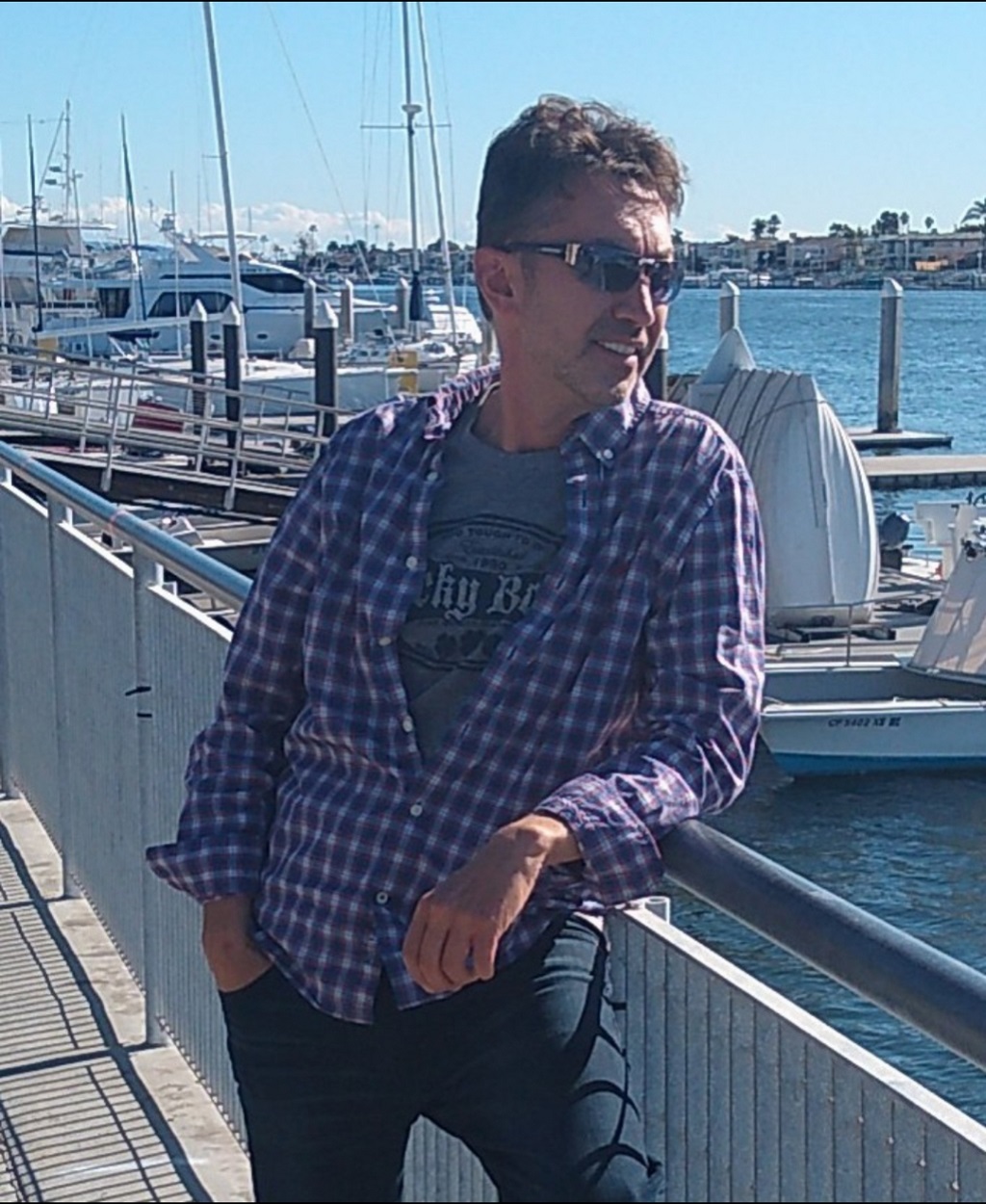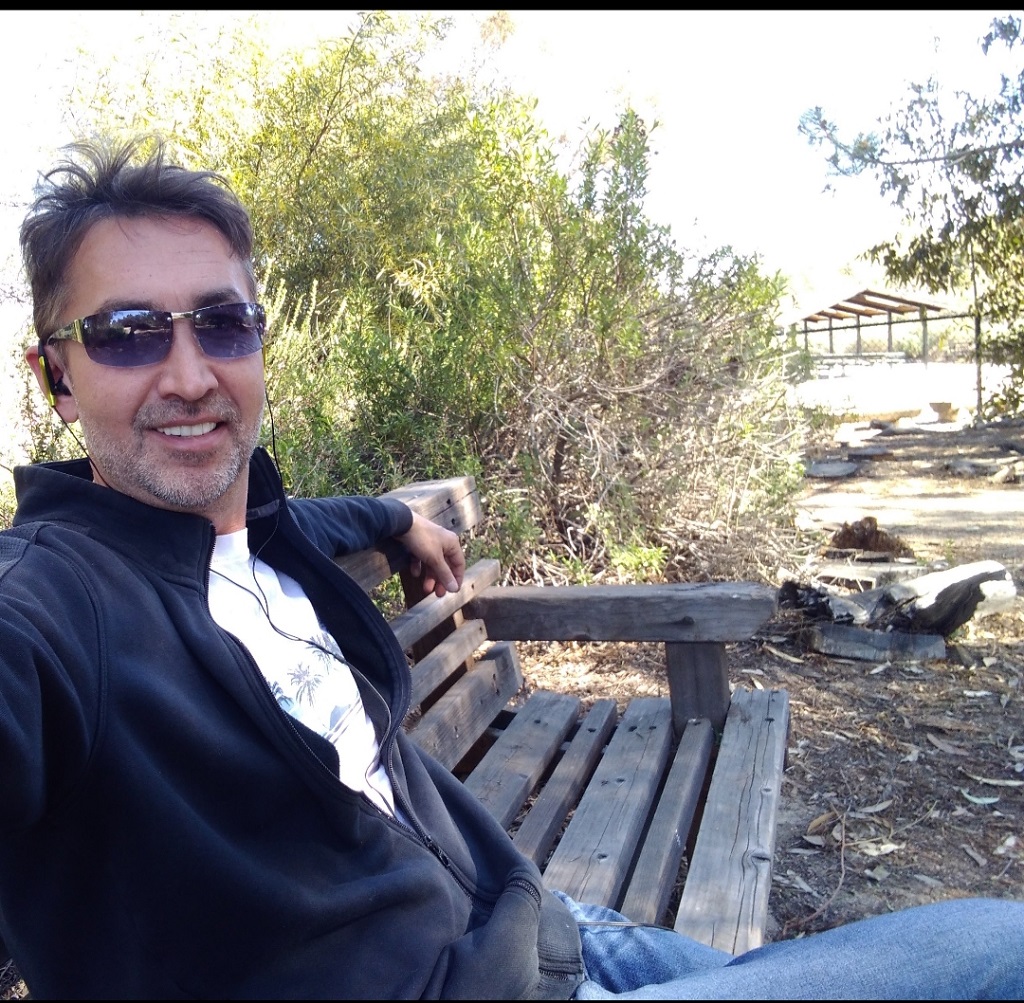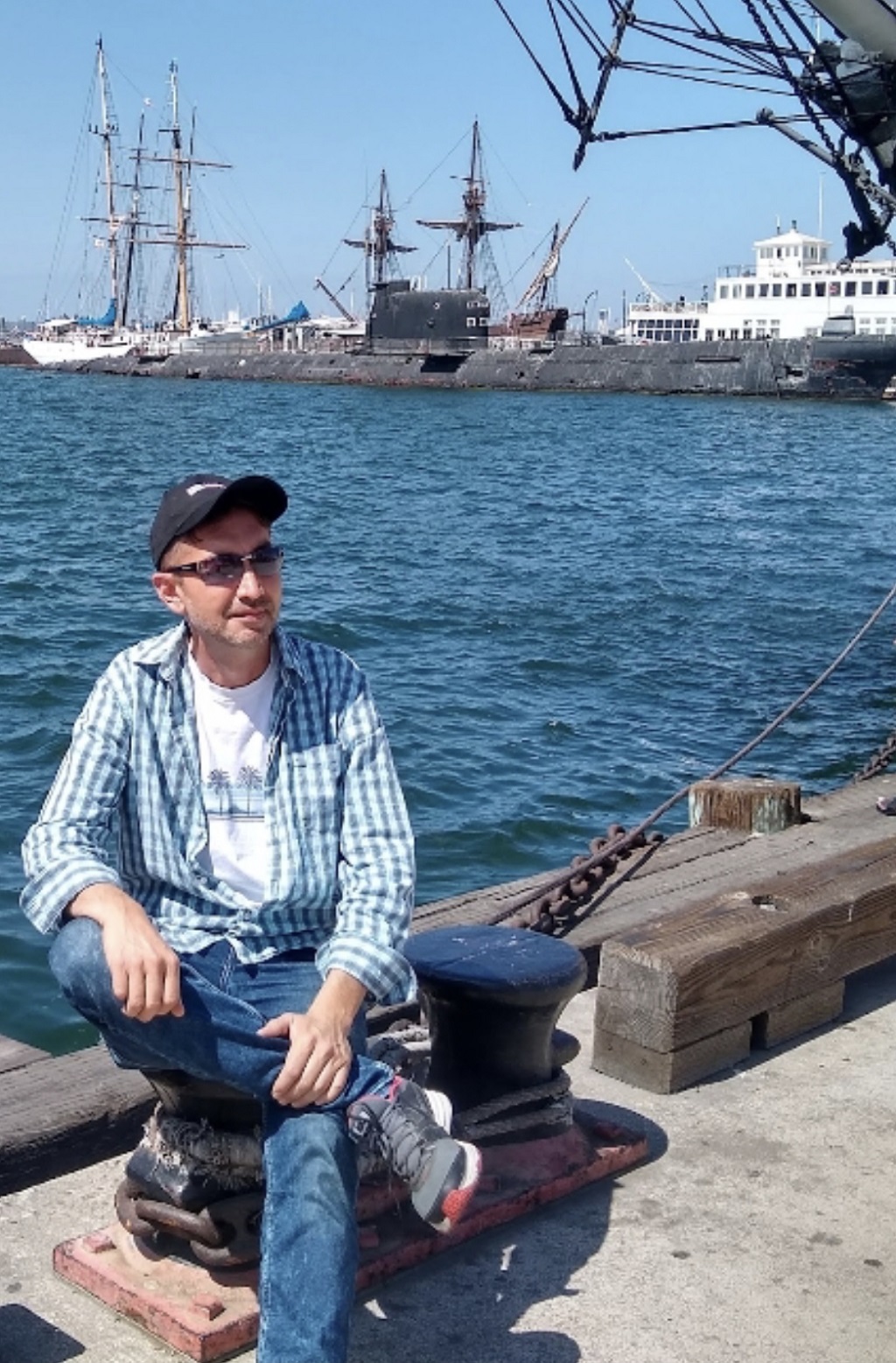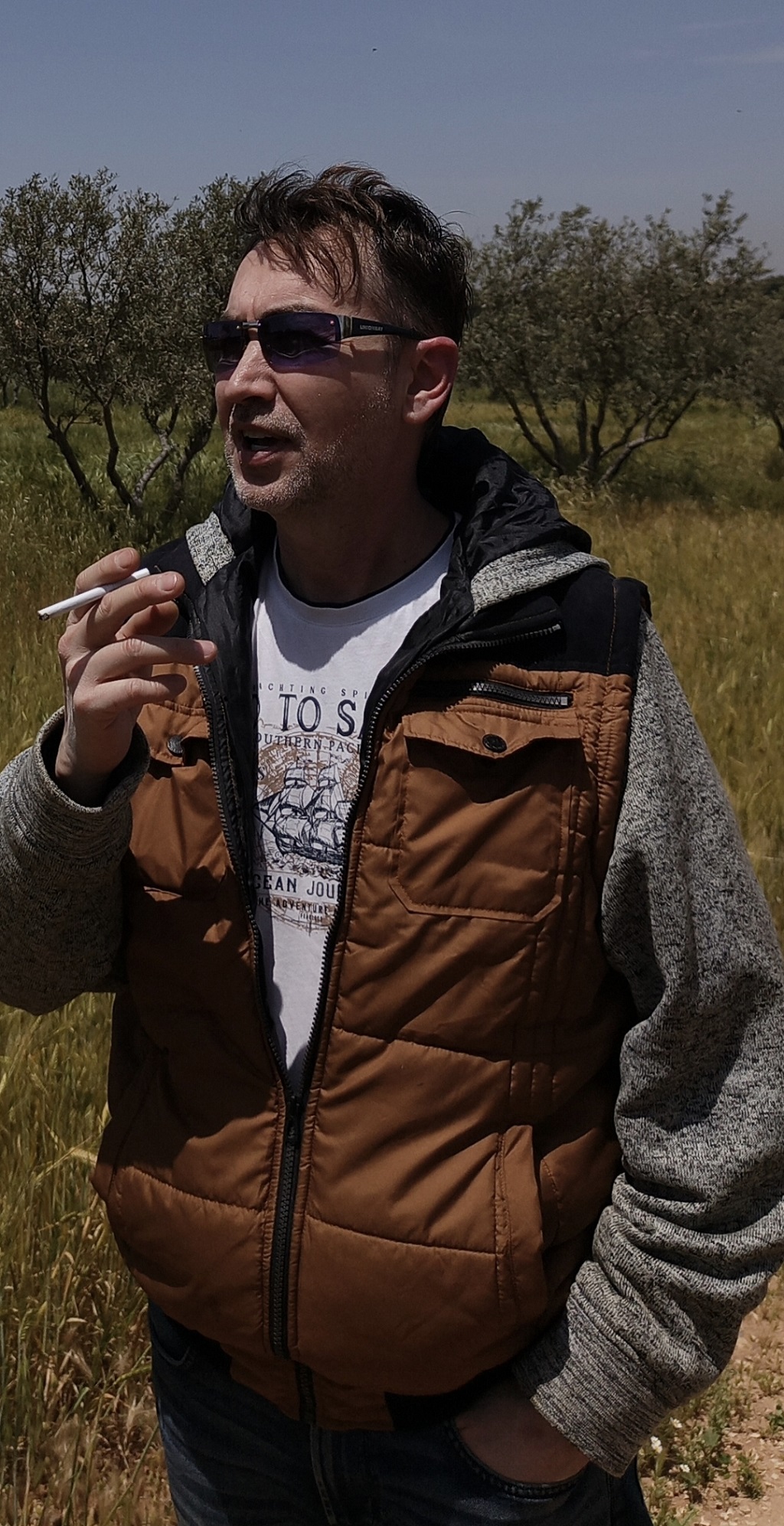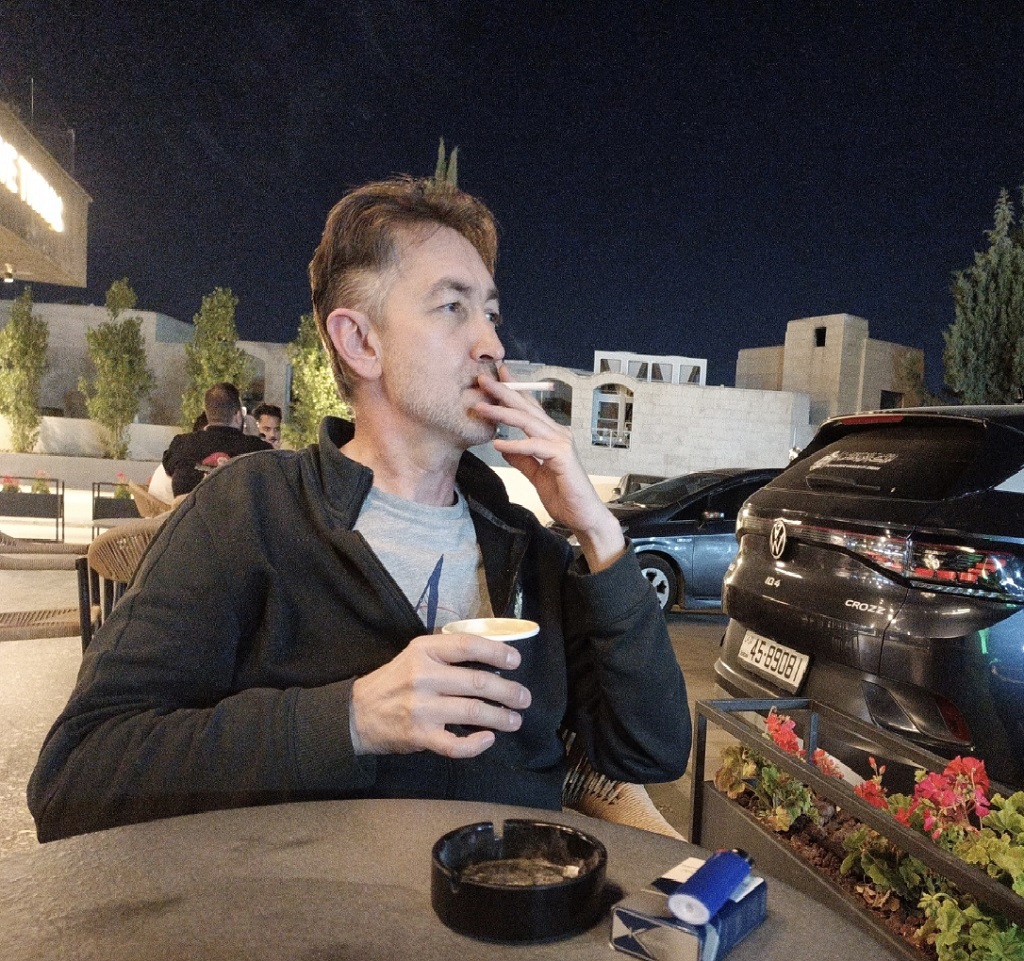




Today we’d like to introduce you to Nader Bakier.
Hi Nader, thanks for joining us today. We’d love for you to start by introducing yourself.
I grew up in a household where music was always playing — everything from traditional Circassian folk melodies to classic rock and early hip-hop. My Grandparents played some instruments like Oud, and I remember being fascinated by how a few notes could completely change the mood in a room. That curiosity stuck with me.
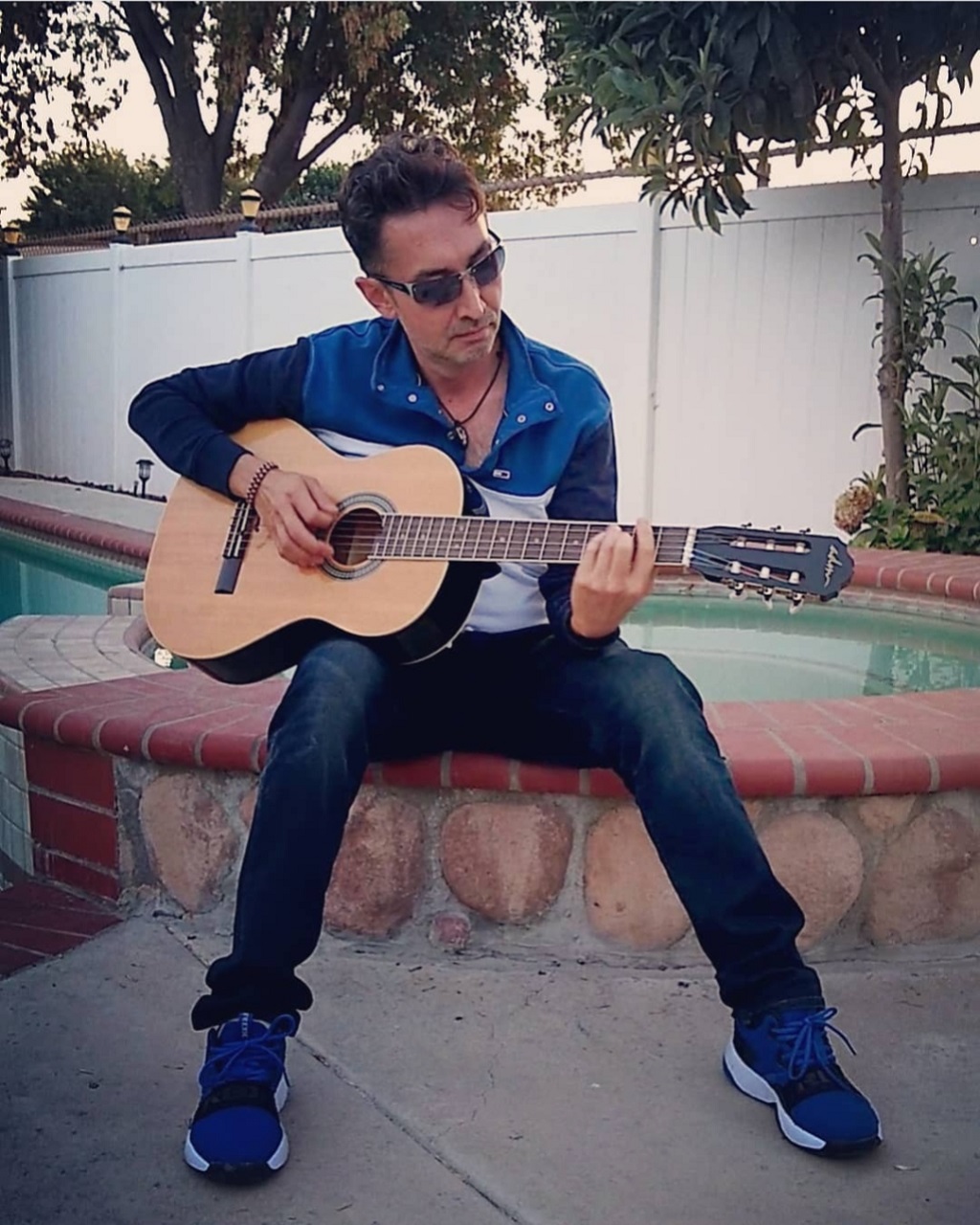
I started learning acoustic guitar when I was a teenager, mostly self-taught, picking apart songs I loved until I understood how they worked. Later, I got my hands on a synthesizer, and that opened up a whole new world — suddenly I wasn’t just playing music, I was building it from the ground up. Layering sounds, programming beats, experimenting with textures. That’s when I realized I wanted to do more than cover other people’s songs. I wanted to create something original.
For a long time, I was just playing cover songs and singing along, experimenting.. It was great practice, but I always felt like I was borrowing someone else’s voice. About ten years ago, I decided to shift my focus. I built a small home studio, started writing my own material, and began releasing instrumentals and original tracks under the name NaderGator.
The name itself is a bit of a story — friends started calling me that years ago, and it stuck. It felt playful but also memorable, which is exactly what I want my music to be.
The journey hasn’t been linear. There were stretches where I questioned whether anyone was listening, where the algorithms felt impossible and the gigs dried up. But every time I stepped back into the studio and started building a new track from scratch, I remembered why I do this. There’s a moment in production — usually around 3 a.m. — when a melody finally clicks into place, and you know you’ve got something. That feeling never gets old – It keeps me going every time!
My latest releases came from late-night sessions. I had this image in my head of motion, speed, freedom — something energetic but smooth. I built the beat around that feeling rather than a specific genre, which is how I like to work now. I don’t force a track to be “rap” or “rock.” I let the idea lead, and the genre finds itself.
Today, I’m more of a musical nomad, still working out of my home studio, still chasing that 3 a.m. moment. I’ve had the chance to perform internationally — Europe, Vegas and a few other spots — and I’ve been grateful for the support from my affiliates over the past years. But more than anything, I’m focused on the next track, the next idea, the next late night when everything finally clicks.
Would you say it’s been a smooth road, and if not what are some of the biggest challenges you’ve faced along the way?
No, it definitely hasn’t been a smooth road — but I think that’s true for most independent artists. The struggles have been real, and they’ve shaped me as much as the music itself.
The financial reality was the first big hurdle. For years, music was something I did around day jobs and side gigs. Building a home studio meant saving up for equipment piece by piece — a microphone one month, an interface the next. There were times I couldn’t afford to promote a release properly, so great songs just sat there unheard. That stings.
The digital noise is another battle. We’re living in an era where thousands of tracks drop every single day. Getting someone to stop scrolling and actually listen to your work feels like shouting into a hurricane. I’ve had tracks I poured weeks into get a few dozen plays, while a 30-second clip I threw together gets more attention. The algorithm doesn’t care about your effort — it cares about engagement. Learning to detach my self-worth from stream counts took time.
The isolation of solo production caught me off guard, too. Working alone in a home studio is freeing, but it can also be lonely. There’s no band mates to bounce ideas off in real time, no immediate feedback. I’ve spent months on a track only to realize later that the hook wasn’t landing, or the mix was off. Those moments of doubt — “Is this even good? Am I wasting my time?” — hit hard when you’re working in a vacuum.
And then there’s the identity piece. Being Circassian-American, I sometimes felt caught between worlds. Traditional music from my heritage is beautiful and meaningful, but it wasn’t the sound I was drawn to create. For a while, I wondered if I was doing a disservice by not incorporating it more explicitly. Eventually, I realized that my heritage lives in my perspective — the discipline, the storytelling instinct, the emotional weight — even if the sound is modern and genre-blended.
But here’s what kept me going: every time I was ready to quit, something small would pull me back. A message from a stranger saying a track got them through a hard night. A local gig where the crowd actually sang along. Or simply that 3 a.m. moment when a melody finally locked into place and I remembered — this is why I do it.
The road’s been bumpy, uneven, and sometimes dark. But it’s my road. And I’m still walking it.
As you know, we’re big fans of you and your work. For our readers who might not be as familiar what can you tell them about what you do?
At my core, I’m a music producer and songwriter who operate out of my home studio. I write, compose, produce, and perform my own material — everything from instrumental beats to full vocal tracks. My workflow usually starts with a feeling or an image rather than a genre label. I’ll hear something in my head — a melody, a rhythm, a mood — and then I build the track around that. Sometimes it becomes a rap beat, sometimes a pop-rock instrumental, sometimes something that doesn’t fit neatly into any box. I let the idea lead, and I don’t force it.
I also perform live when the opportunity arises — covers and originals, mostly in the locality I’m in and occasionally abroad when I travel. But production is where I spend most of my time now. There’s something about the solitude of the studio, the trial and error, the moment when scattered pieces suddenly become a song — that’s my real home.
What I specialize in:
I’d say my specialty is melody-driven instrumental production with emotional weight. I focus heavily on hooks — not just catchy, but memorable. I want someone to hear a track once and still be humming it hours later. I also enjoy blending genres in ways that shouldn’t work but somehow do — taking the energy of trap, the structure of pop, the grit of rock, and the atmosphere of electronic music, then folding them into something cohesive.
Lately, I’ve been leaning more into instrumental work. It strips away the literal and forces the music to speak on its own. A good instrumental can make you feel something without telling you what to feel. That’s a challenge I love.
What I’m known for:
Honestly, I’m still building that reputation — but the people who follow my work know me for a few things: the NaderGator name, the genre-blending approach, and a certain consistency. I show up. I release. I keep working even when the attention isn’t there. In an industry full of flash-in-the-pan moments, I think there’s value in being the person who just keeps going.
Many of my recent tracks have been well-received release so far — an instrumental that came from a late-night session where I was chasing a feeling of speed and freedom. The fact that people connected with it and used it a lot in their TikTok videos, that it wasn’t just noise in the feed, means a lot.
What I’m most proud of:
Two things.
First, the longevity. I’ve been making music for over 20 years. I’ve seen formats change, platforms rise and fall, trends come and go. The fact that I’m still here, still creating, still excited about the next track — that resilience is something I don’t take for granted. A lot of talented people quit. I’m still standing.
Second, the independence of it all. I built this from nothing — no label backing me from the start, no wealthy family funding my studio, no industry connections handed to me. Every piece of equipment, every release, every small win was earned, but the foundation was laid long before anyone else believed in it. Knowing I built this with my own hands — that’s pride.
What sets me apart:
I think it’s the intersection of technical skill and emotional honesty. I know my way around a DAW, I understand composition and production and song structure, but I never let the technical side override the human side. Every track I make is rooted in something real — a memory, a frustration, a moment of joy, a late-night thought I couldn’t shake. I don’t make music to impress other producers. I make it because I need to express something in me, and I hope that need translates to the listener.
Also, my background matters here. Being Circassian-American gives me a perspective that isn’t common in the spaces I operate in. There’s a storytelling tradition in my heritage, a sense of history and displacement and resilience, that lives in how I approach music even when the sound is modern. I’m not making traditional Circassian or Middle Eastern music — but the spirit of that tradition, the idea that stories must be preserved and passed on, that’s in my DNA as an artist.
And finally — I’m not trying to be anyone else. I don’t chase trends. I don’t mold myself to fit what’s hot this quarter or this summer. I make what I hear in my head, and I trust that if it’s honest, it’ll find the right ears. That authenticity, for better or worse, is what makes me me.
Do you have any advice for those looking to network or find a mentor?
I never had a formal mentor. Most of what I learned came from trial and error and making a lot of bad tracks before the good ones came. So don’t wait for the perfect mentor — start now. The work itself is the teacher.
That said, I found informal mentors along the way — a sound engineer who changed how I mixed, a fellow musician who critiqued my playing. These weren’t scheduled meetings. They were moments of generosity from people who saw I was serious. I shifted from “networking” to building genuine relationships with my fans and listeners. The music industry is small. People remember how you made them feel.
Contact Info:
- Website: http://www.nadergator.com
- Instagram: https://www.instagram.com/nadergator_music/
- Twitter: https://x.com/NaderGate
- Youtube: https://www.youtube.com/@nadergator
- Soundcloud: https://soundcloud.com/nader-gator