

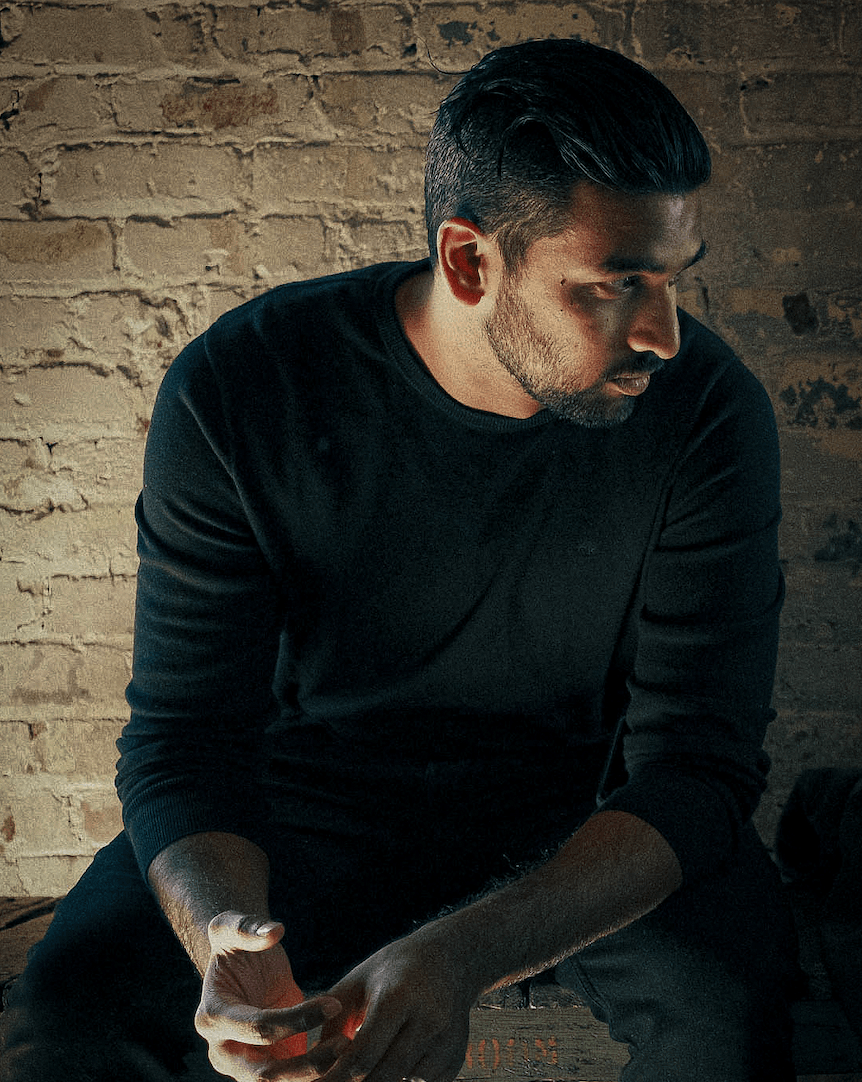
Today we’d like to introduce you to Shehan Rodrigo.
Hi Shehan, can you start by introducing yourself? We’d love to learn more about how you got to where you are today?
The path that brought me here was not a conventional one. My story starts in Sri Lanka, where I lived for most of my life. I didn’t go to design school or have any formal design education. At the ripe old age of 17, I landed an unpaid internship at a large ad agency. Until then, I had never even seen an Apple computer. But every day I sat next to the incredibly talented art directors and creatives there, and I kept begging them to let me help with their projects. Within a few months, they saw potential in me and offered me a full-time job. I jumped at it. No one knew I was underage, so I didn’t tell them either.
I worked there for five years, eventually becoming an Art Director, before leaving to pursue freelance work while moonlighting as a drummer in the local heavy metal and indie music scenes. A few years later, I got a scholarship to move to the United States to pursue a degree in—wait for it—music. Various health issues pushed me to rethink my education, and I switched my major to—wait for it—theological studies. After six years of school and both a BS and an MA in theology, I moved to Nashville for—wait for it—a graphic design job. I told you my journey was not conventional.
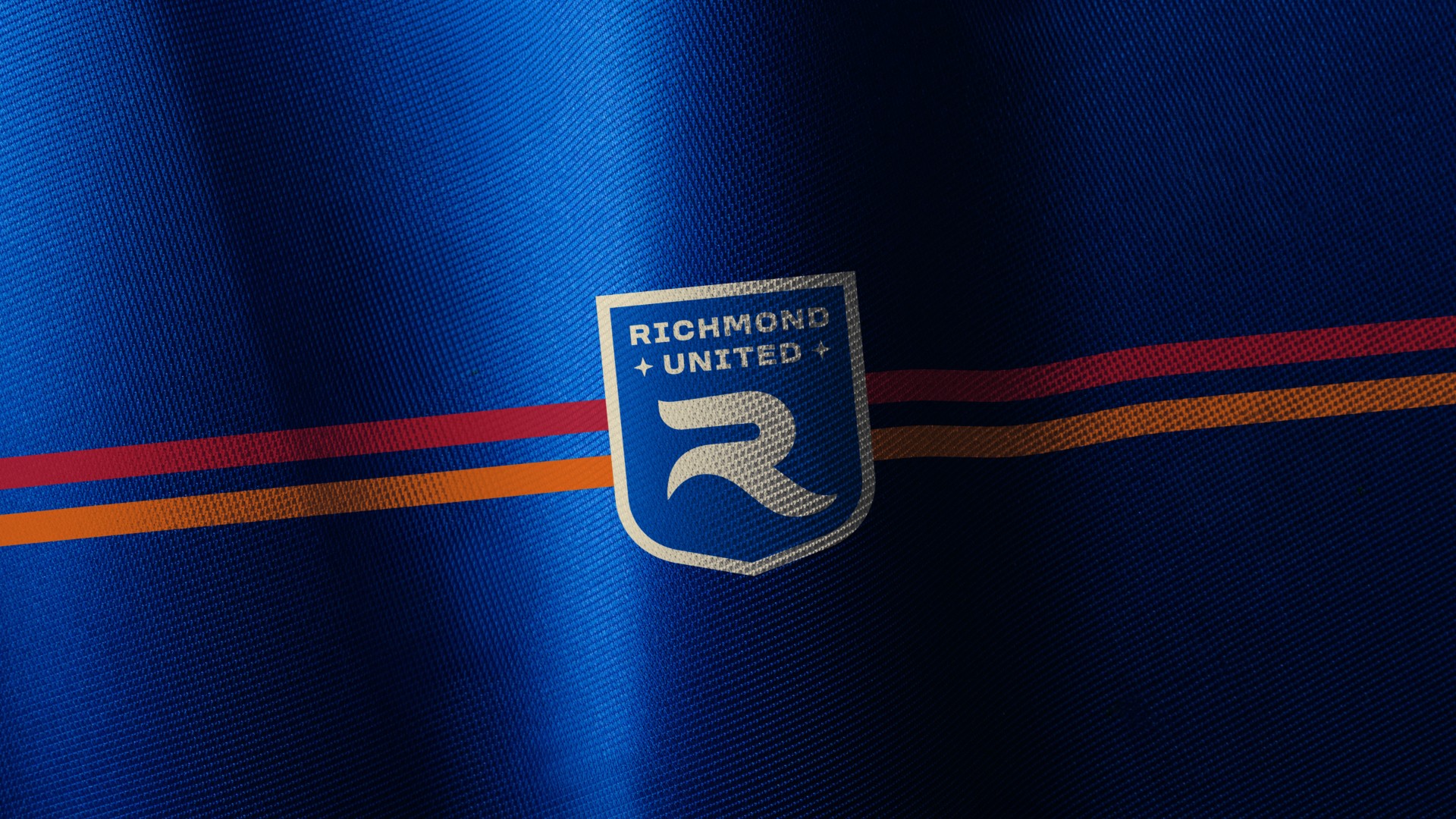
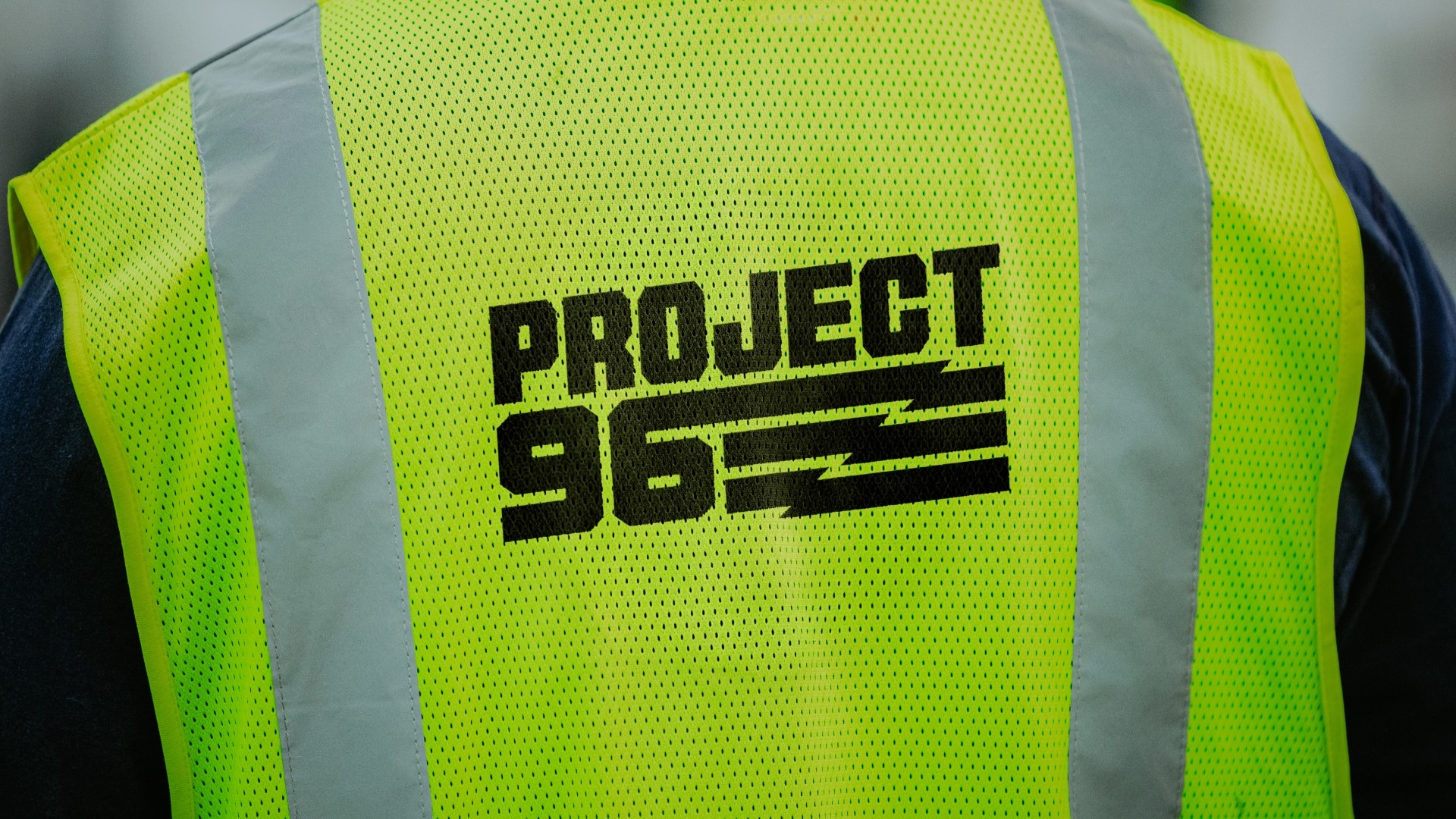
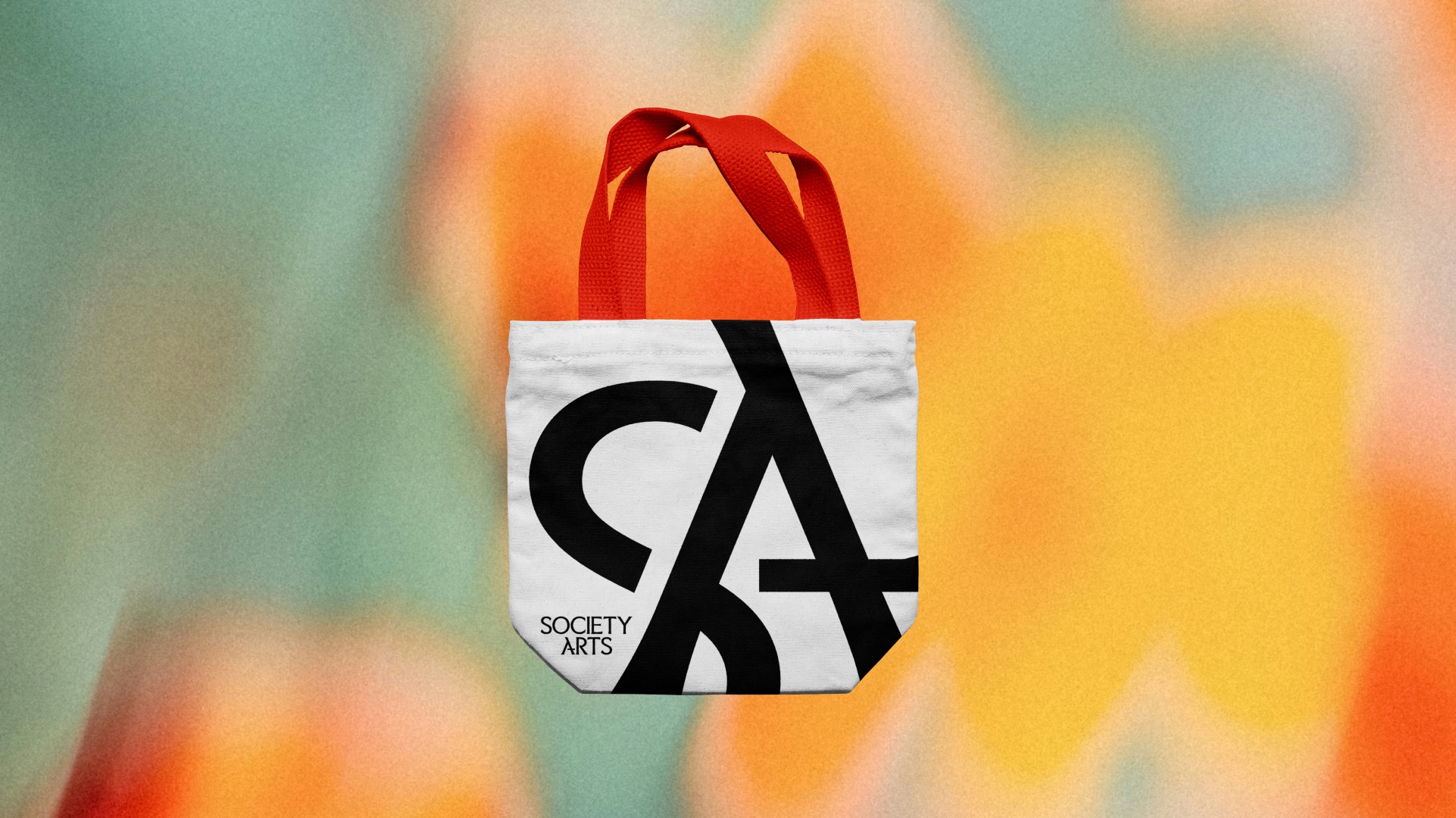
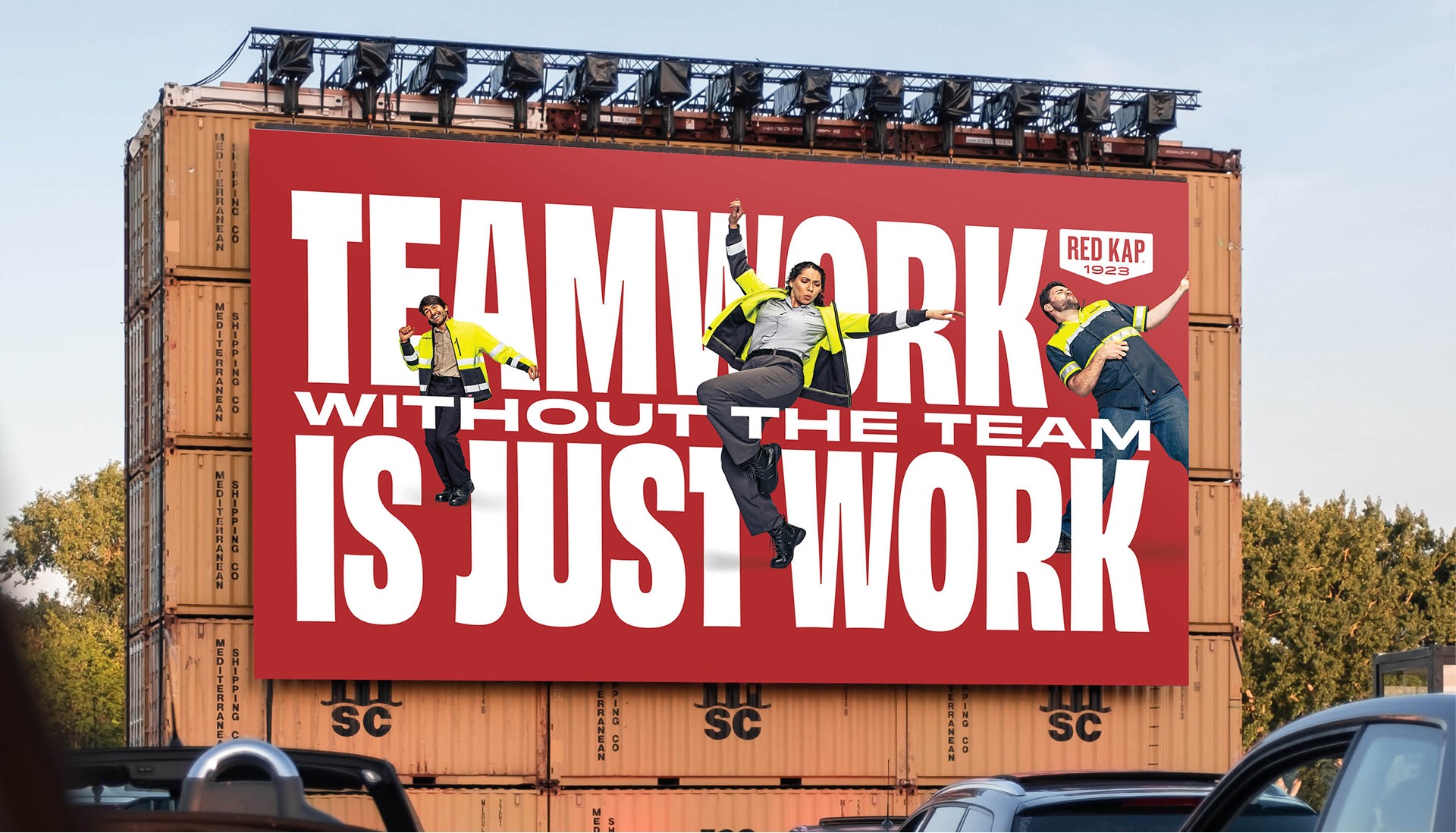
I worked for a university, then for a startup before finally taking the leap into self-employment. Today, I run Seral Studios, an independent design practice focused on building brand identities and design systems.
I’m sure it wasn’t obstacle-free, but would you say the journey has been fairly smooth so far?
Clearly, my journey was not a straight shot. I went from running a successful freelance business to being a broke student in a foreign country. After a six-year gap in my design résumé, I graduated without much of a network to lean on. I didn’t know a single Creative Director or Art Director in the US, and my old portfolio was dated and not strong enough to land a decent design job. I had to start at the bottom and prove myself all over again in an unfamiliar setting. So I reworked my old portfolio projects, took on low-paying freelance work to make new case studies, and slowly built my portfolio back up, hoping someone would notice, all while being a full-time student. No doubt, the journey has been challenging. But these challenges have shaped and molded me in many unforeseen ways.
Appreciate you sharing that. What should we know about Seral Studios?
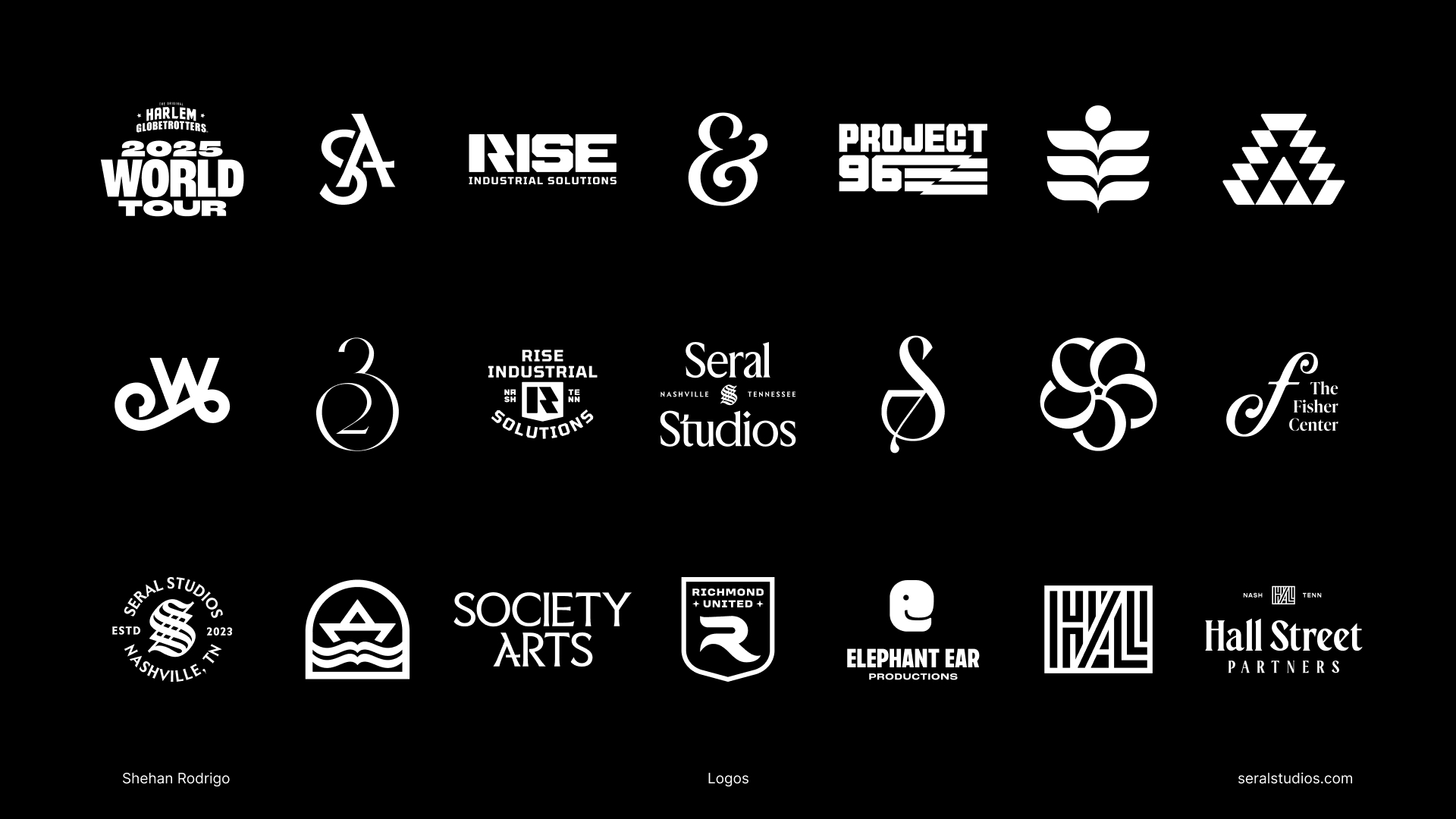
My design practice is called Seral Studios. I primarily design logos and brand identities for founder-led businesses. Depending on the client’s needs and scope, I bring in other freelance designers, photographers, motion designers, and 3D artists to offer a broader range of services.
I also create adaptive design systems for enterprise design teams. An adaptive design system is a connected system built entirely in Figma, where every static, dynamic, or motion asset updates from a single source of truth. For teams producing hundreds or even thousands of digital assets a week, it helps creative teams work more efficiently and at scale.
Is there anyone you’d like to thank or give credit to?
Though I never studied design in any formal institution, you will never hear me call myself “self-taught.” I’m community-taught. Meaning, I picked up everything I know from a few key people who took a chance on me, encouraged me, and took the time to teach me.
The first people who deserve credit are my parents. They taught me the value of hard work and the meaning of excellence. Unlike many South Asian parents, mine never discouraged me from pursuing a career in music or design. I’m forever grateful and indebted to them. I owe everything to them.
I mentioned that I got my first job at an ad agency back in Sri Lanka. I had no business getting an internship there. I interviewed with their then Executive Creative Director, Russel Miranda, and showed him a few pictures where I had photoshopped myself into other photos. I still cringe when I think about one of my “portfolio pieces,” where I manipulated a photo to look like I was taking a picture standing next to President Obama. Russel was one of the most well-respected creatives in the country, and for some reason, he still took a chance on me that day. I knew nothing about design, but he would often sit at my desk and patiently help me improve my work. He taught me about kerning, leading, and tracking, and about typography and color theory. Every time he sat down to review my work, it was a masterclass in design that money couldn’t buy. He was also an incredibly kind boss.
The second person who helped me along the way is Aman Ashraff. At the time, Aman was a copywriter and Group Head at the same agency. He took me under his wing and taught me the difference between being a creative, and a creative-professional. He introduced me to some of the most sought-after creative talent in the country. Aman also gave me my first paid freelance logo project. Even though I was still a very junior designer, he split the fee with me 50-50. I’ll never forget that.
My first full-time design job in the US was at a university in Nashville. While I was working there, Sean O’Brien saw my work on Behance and offered me a job at his startup. We only got to work together for a year, but in that year I became ten times the designer I was. Most of the work I’ve received since going out on my own can be traced back to Sean taking a chance on me in 2022. It’s not an overstatement to say that Sean changed the trajectory of my creative career.
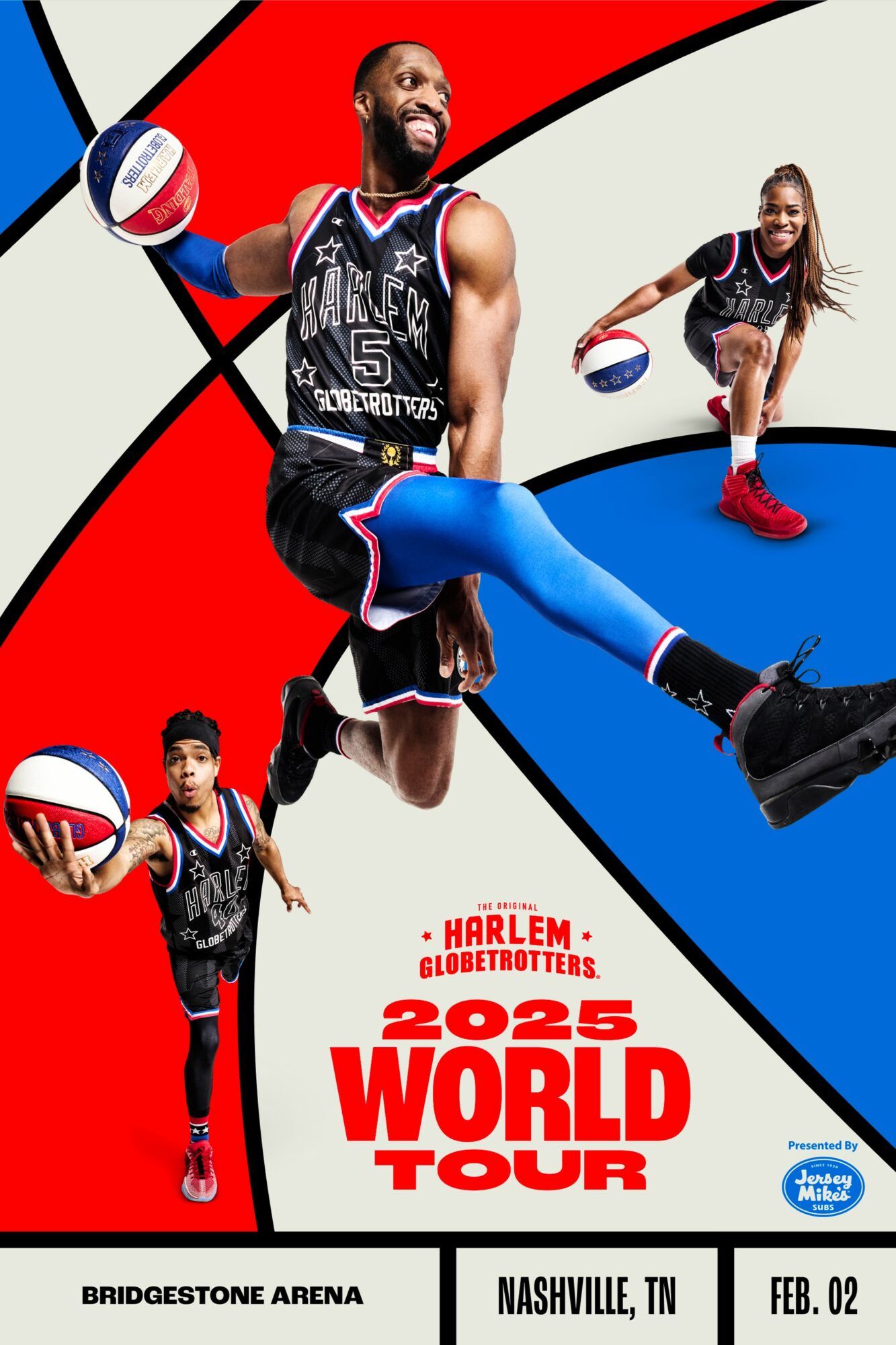
And last, but certainly not least, the person who deserves the most recognition is my incredible wife, Stephanie. In 2022, I was laid off from my full-time design job. I spent five months desperately searching for work with no real success. Around then, Steph encouraged me to stop looking for a job and start my own creative business. I had done this once before, many years back, but in a different country and a different context. I was afraid to start because I was afraid of failing. With her encouragement, I started freelancing, which eventually became Seral Studios. Today, I’ve worked with local founder-led businesses and global companies like Amazon, Google, and the Harlem Globetrotters because Steph pushed me to take that leap of faith.
Contact Info:
- Website: https://www.seralstudios.com/
- Instagram: @shehanrodrigo
- LinkedIn: https://www.linkedin.com/in/dshehanrodrigo