




Today we’d like to introduce you to Kristi Oliva.
Hi Kristi, it’s an honor to have you on the platform. Thanks for taking the time to share your story with us – to start maybe you can share some of your backstory with our readers?
My journey into microschooling really began long before I realized it. I spent over 15 years as a teacher, instructional designer, and program manager, working both inside classrooms and behind the scenes to improve how students learn. I loved education, but I also saw, again and again, how the traditional system wasn’t designed for the modern child.
When my own daughters entered school, everything I had seen professionally suddenly became personal. My second grader at the time began experiencing anxiety around testing, and I watched her confidence shrink under the pressure of a system that valued scores over skills, and compliance over curiosity. At the same time, I was hearing the same concerns echoed by families all around Williamson County: their kids were overwhelmed, unseen, or simply not thriving in the one-size-fits-all model.
That was the turning point.
I realized I could either stay frustrated… or I could build the kind of learning environment I wished existed. One where kids were free to move, create, explore, and learn in ways that actually make sense for their development. One where emotional wellbeing mattered just as much as academics. One where children were known as individuals, not test results.
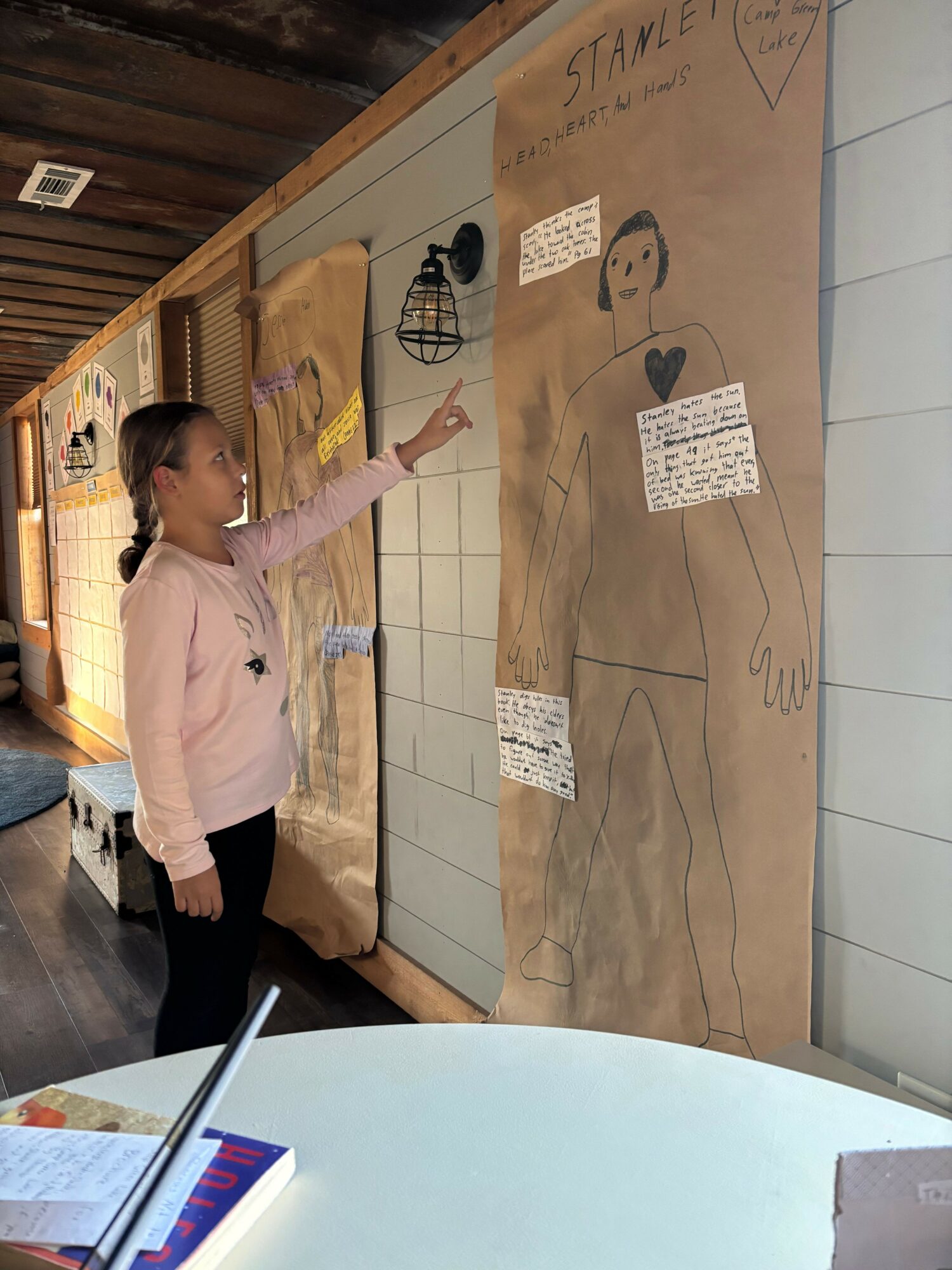
So I took a leap and founded **Alma Learning Lab**, a hybrid microschool in Thompson’s Station offering hands-on, project-based, personalized learning for K–6 students. We meet two days a week on campus and support families with homeschooling the rest of the week, giving kids both structure and freedom.
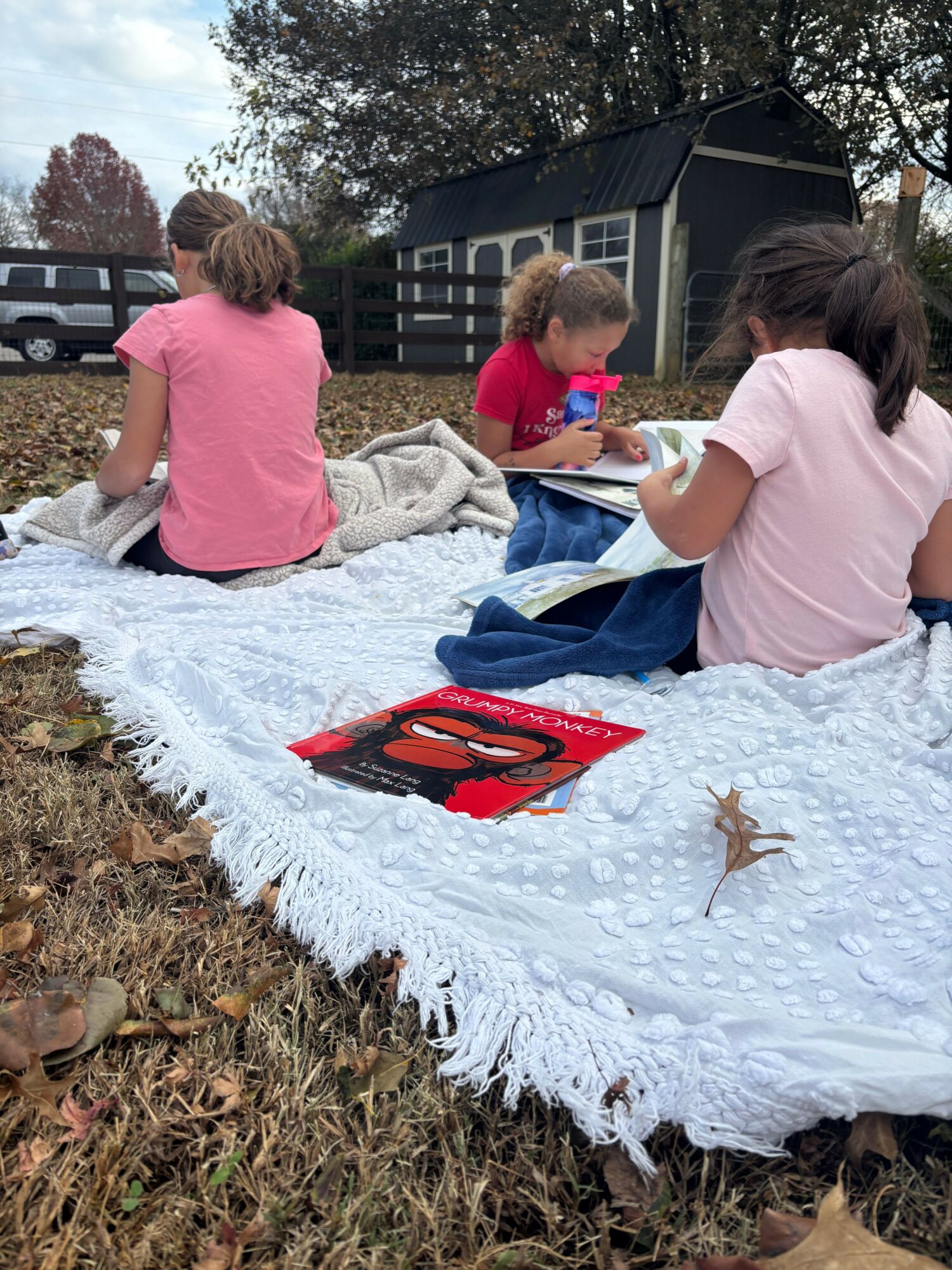
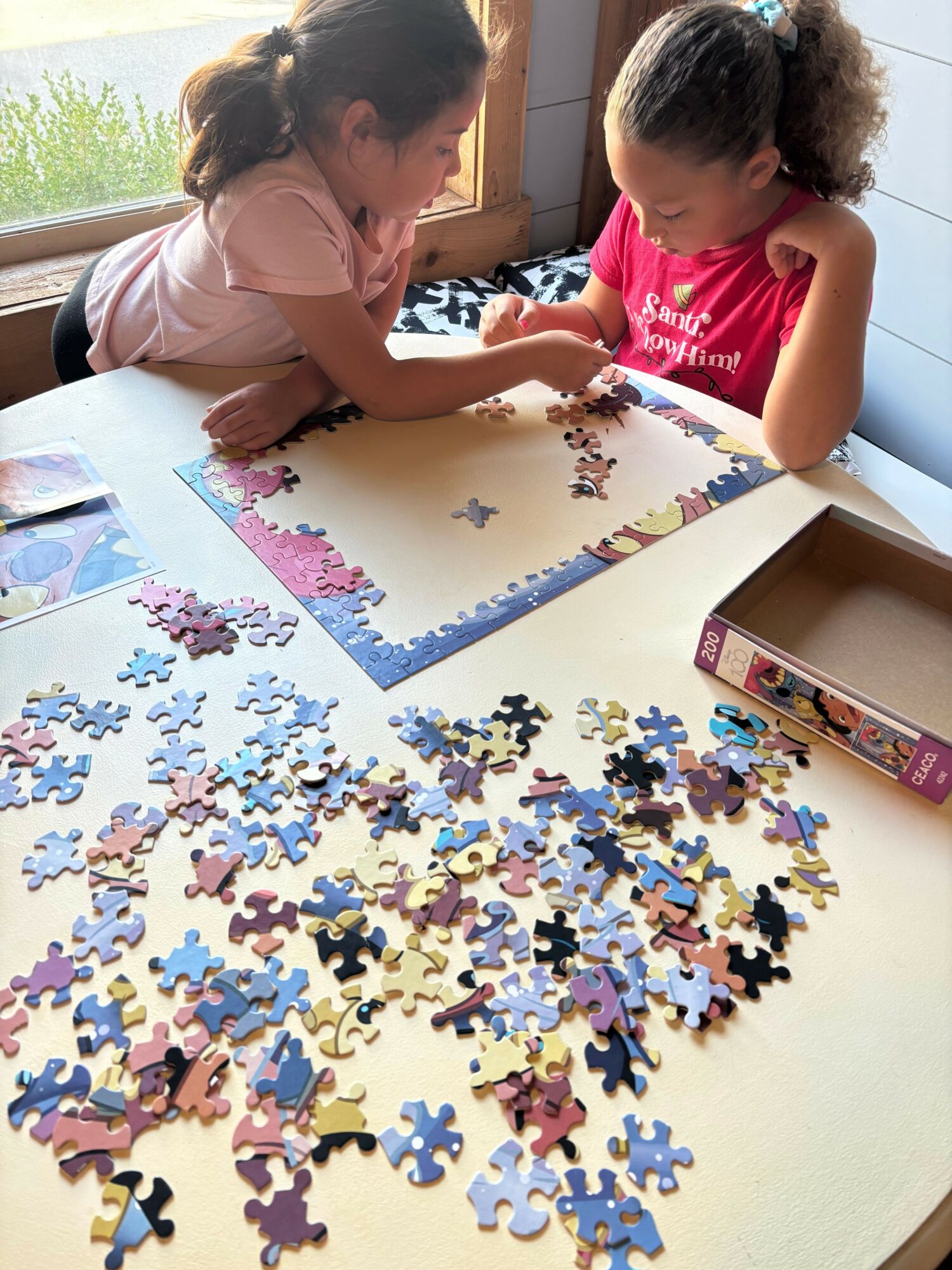
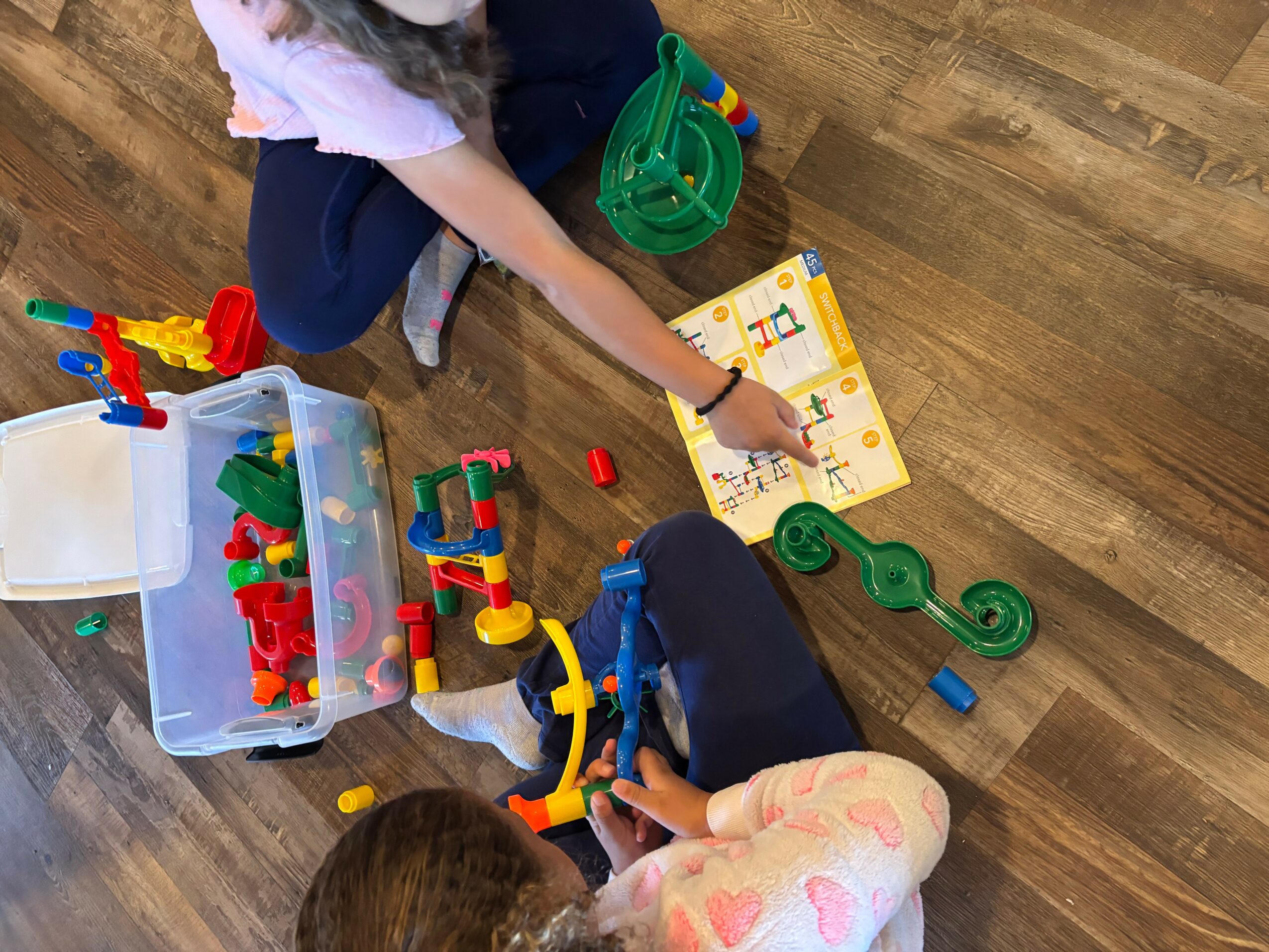
At Alma, we focus on real-world skills, outdoor exploration, STEM, mindfulness, and collaborative learning. Our students build confidence, curiosity, and resilience.
What started as a small idea for my daughters has grown into a community where children *feel seen, supported, and safe to be themselves.* And every parent who tells me, “My child is thriving for the first time,” reminds me why I took the leap.
Alright, so let’s dig a little deeper into the story – has it been an easy path overall and if not, what were the challenges you’ve had to overcome?
Starting a microschool has been one of the most rewarding experiences of my life, but definitely not the smoothest. Anytime you choose to build something outside the traditional system, you’re signing up for a mix of passion, problem-solving, and perseverance.
One of the biggest challenges early on was simply explaining what a microschool *is.* Most families are familiar with either traditional school or full-time homeschooling, so helping parents understand a hybrid model that blends structure, flexibility, and personalized learning, required a lot of education and communication. I quickly learned that I wasn’t just starting a school; I was helping introduce a new way of thinking about education.
Another challenge was carving out a path without a blueprint. Traditional schools have systems, processes, and decades of precedent. Microschools, on the other hand, require you to build everything from the ground up: curriculum, routines, culture, community partnerships, even furniture. I had to learn how to wear every hat: teacher, administrator, marketer, curriculum developer, and sometimes handyman.
And of course, there’s the emotional side. Leaving a secure career to start something new, especially something this close to your heart, is terrifying. There were moments where I wondered if families would take a chance on a new model, or if the vision in my head would resonate in real life.
Despite the challenges, each roadblock pushed me to become more creative, more determined, and more aligned with my mission. Alma Learning Lab exists because I refused to give up on the idea that school can be joyful, and that’s worth every struggle along the way.
As you know, we’re big fans of Alma Learning Lab. For our readers who might not be as familiar what can you tell them about the brand?
Alma Learning Lab is a hybrid microschool for K–5 learners located in Thompson’s Station, TN. We partner with homeschool families to provide a hands-on, project-based learning environment two days a week, while offering guidance, structure, and resources for at-home learning the rest of the week. Our program blends the flexibility of homeschooling with the community, routine, and support of a small, nurturing school.
We specialize in creating learning experiences that feel joyful, meaningful, and developmentally appropriate. At Alma, students learn through movement, exploration, outdoor time, STEM challenges, Spanish immersion, art, and real-world projects, not by sitting at a desk all day or completing endless worksheets. We are known for our calm, inclusive environment, our extremely small class sizes, and our personalized academic plans that honor each learner’s pace and strengths.
What truly sets Alma apart is our commitment to whole-child education. We prioritize emotional wellbeing, confidence-building, and real-life skills just as much as academics. Our students spend time outdoors every day, engage in mindfulness practices, and learn how to collaborate, problem-solve, and think creatively. The result is a school experience where children feel safe, seen, and excited to learn again.
Brand-wise, I’m most proud that Alma has become a place where families feel supported and children rediscover joy in learning. Many of our students have come to us from environments where they felt overwhelmed, anxious, or misunderstood.
For families exploring alternatives to traditional school, I want them to know that Alma is more than a microschool, it’s a community. We offer hybrid enrollment, KinderClub for early learners, and a personalized pathway that helps each child grow academically, socially, and emotionally. More than anything, Alma is built on the belief that childhood should feel safe, curious, connected, and full of possibility.
Do you have recommendations for books, apps, blogs, etc?
For project-based learning, I love anything that helps me design real-world experiences for kids. The Project-Based Learning Playbook and the work of the Buck Institute for Education (PBLWorks) have been incredibly helpful in shaping units that feel meaningful, hands-on, and student-led. I’m always looking for ways to make learning feel like “doing,” not “completing.”
Montessori resources also play a big role in how I structure our environment. I rely a lot on books like The Montessori Method, Montessori Today by Paula Polk Lillard, and blogs like Montessori in Real Life to help me build a calm, intentional space where kids can work independently, move freely, and feel ownership of their learning. Even though we’re not a pure Montessori school, the philosophy behind “follow the child” influences everything we do.
I’m also extremely grateful for the Kaipod Learning network, which has been a source of mentorship, community, and practical tools for running a microschool. Their workshops, coaching, and founder groups have helped me navigate everything from curriculum planning to operations to parent communication. Knowing I’m part of a bigger movement of microschool founders has been a huge source of confidence and inspiration.
Pricing:
- Hybrid Homeschool Program (Tues/Thurs) = $500 per month
- KinderClub (Fridays) = $200 per month
Contact Info:
- Website: https://www.almalearninglab.com/
- Instagram: https://www.instagram.com/almalearninglab/
- Facebook: https://www.facebook.com/almalearninglab